8 Common Nutritional Deficiencies in Children

nutritional deficiencies in children

Have you ever wondered why your child gets sick or has health difficulties despite having a full plate of food? Do you think that plate provides all the essential nutrients that the child requires? Nowadays, malnutrition is most prevalent and is found to be associated with common nutritional deficiencies in children.

Most parents make the mistake of believing that just because their child eats three meals a day means he or she is getting all of the nutrients needed for growth and development. But, a well-balanced meal consisting of all the important vitamins and minerals is all that the child needs. So, let’s understand what is nutritional deficiencies, symptoms, nutritional deficiencies diseases and foods that help to overcome them. 

WHATSAPP for concerns like Speech Delay, Low Weight, Frequent Illness, Hyperactivity, Low Concentration, Weak Eyesight, Improper Sleep, Pigmentation, Pores, Face Marks, Fine Lines, Lactation etc.

 What are nutritional deficiencies?

The child’s body needs a sufficient amount of vitamins and minerals to grow properly and be able to fight and avoid diseases. We refer to these nutrients as micronutrients.

While some are made naturally by the body, the majority come from the foods your children consume. Malnutrition, also known as nutrient deficiency, occurs when your child’s body does not get or is unable to absorb the necessary amount of nutrients. 

Signs and symptoms of nutritional deficiencies in children

Nutritional deficiencies cause health-related problems which can be difficult to detect while your child is young but become more apparent as they develop. Immune deficiency, stunted bone development, delayed brain growth, weariness, digestive troubles, and even early dementia are few common nutritional deficiencies symptoms.

Apart from these common symptoms, nutritional deficiencies diseases also exhibit symptoms such as :

  • Lethargy
  • Loss of attention
  • Dry skin/hair
  • Depression/ Anxiety
  • Delayed speech
  • Weight loss
  • Hyperactivity
  • Frequent cold or flu

8 Common nutritional deficiencies in children

Here is a list of some common nutritional deficiencies in children, their symptoms and dietary sources:

1. Calcium deficiency

Every cell in your body requires calcium to function properly. Calcium helps to mineralize bones and teeth, which is especially important during periods of rapid growth. Calcium is also a signalling molecule, so a deficiency can cause problems with your child’s heart, nerves, and muscles.

You should never take more calcium than you need. Calcium levels in your blood are strictly controlled, therefore any excess is stored in your bones as calcium phosphate. As a result, your bones will release calcium if you don’t get enough of it from the diet.

HeALTH CONCERNS caused due to calcium deficiency

In many cases, a calcium deficiency is not accompanied by symptoms. However, rickets in children and osteoporosis in the elderly are two prevalent forms of calcium deficiency that cause weaker and more fragile bones.

Dietary sources of calcium

Here are some of the calcium-rich foods that you should include in the diet: 

  • Milk and dairy products like cheese and yogurt
  • Moringa
  • Ragi (8 amazing benefits of Ragi)
  • Vegetables like cabbage, mustard, broccoli, lady’s finger
  • Seeds like poppy, chia and sesame
  • Almonds
  • Makhana/ Lotus seeds
  • Amaranth

2. Iron deficiency

Iron deficiency is one of the most common nutritional deficiencies in children. However, it is even more common in picky eaters and toddlers who have weaned from breast milk. (Iron deficiency in children)

Iron is a vital mineral that is found in abundance in red blood cells. Also, iron attaches to haemoglobin and aids oxygen transport between blood cells. It also aids in the production of RBCs.

There are two types of dietary iron – Heme and Non- heme iron. Heme iron is found in animal sources such as red meat and is easily absorbed in the body. Non-heme iron can be present in plant and animal foods, but it is difficult to absorb.

Vegetarians and vegans mostly consume plant sources having non-heme iron which is less absorbed. Hence they are more likely to develop iron deficiency. 

HeALTH CONCERNS caused due to iron deficiency

Anemia is the most common nutritional deficiency in children. The common symptoms of anemia include pale skin, fatigue, weakness and tiredness, poor appetite, craving for strange things like ice, dirt and paint, slower growth and development, behavioural issues, frequent infection.

Dietary sources of iron

The best sources of iron both heme and non-heme are listed below:

Heme iron sources:
  • Red meat
  • Shellfish
  • Organ meat
  • Sardines
Non-heme iron sources:
  • Beans
  • Green leafy vegetables like broccoli, spinach, kale
  • Seeds like pumpkin, sesame, flax and hemp
  • Dried fruits like raisins, prunes and apricot
  • Fruits like apple, pear and pomegranate 
  • Legumes

3. Vitamin D deficiency

Vitamin D is a fat-soluble vitamin that acts in the body like a steroid hormone and is produced on exposure to sunlight. It aids iron, magnesium, zinc, and phosphate absorption. It also aids calcium absorption and helps in the formation of strong bones and teeth. Not just bones and teeth, vitamin D also builds immunity in the body and fights off attacking viruses and bacteria. (Vitamin D and calcium for building strong bones in kids)

HeALTH CONCERNS caused due to Vitamin D deficiency 

The deficiency of vitamin D prevents the absorption of calcium in the body. Calcium deficiency causes disorders, such as hypocalcemia and hypophosphatemia (rickets), as well as the weakening of bones, certain types of malignancies and lowered immunity. It may also cause growth delay, bone loss and there is an increased risk of fractures. 

Dietary sources of Vitamin D

Sunlight is the natural source of Vitamin D. However, other dietary sources of vitamin D are:

  • Cod liver oil
  • Fatty fish such as salmon, mackerel, sardines
  • Egg yolk
  • Banana 
  • Milk and milk products
  • Fortified cereals
  • Mushroom
  • Ragi

4. Vitamin A deficiency

Vitamin A is a fat-soluble vitamin that is important. It aids in the formation and maintenance of healthy skin, teeth, bones, and cell membranes, as well. Also, it creates eye pigments, which are essential for vision. For Vitamin A to travel to the required parts of the body, like the retina at the back of the eye, it has to partner with another mineral- Zinc.

Dietary vitamin A comes in two forms:

  • Preformed vitamin A  (Retinol): It is derived from animal sources.
  • Pro-vitamin A (Carotenoid): It is obtained from plant sources.
HeALTH CONCERNS caused due to Vitamin A deficiency

A lack of vitamin A or vitamin A deficiency can cause both acute and chronic eye damage, leading to blindness. Vitamin A deficiency can also weaken the immune system and increase mortality, especially in children and women who are pregnant or lactating.

Dietary sources of Vitamin A

The dietary sources of vitamin A are:

  • Organ meat
  • Fish liver oil
  • Sweet potatoes
  • Carrot
  • Green leafy vegetables

Orange-coloured fruits and vegetables like carrots, mangoes, apricot, and sweet potatoes are rich in vitamin A, hence helps to protect your kid from any eye disease.

5. Vitamin B9-Folate deficiency

Vitamin B9, also known as folic acid or folate, is an essential component for the growth and development of the human body. Folate aids in the formation of DNA and RNA, as well as protein metabolism. Dietary folate is also necessary for the production of healthy red blood cells. And it is especially important in times of fast growth, such as during pregnancy and the development of the foetus.

HeALTH CONCERNS caused due to Vitamin B9-Folate deficiency

Folate deficiency in children and babies can cause brain and spinal cord underdevelopment, growth issues, anaemia, and congenital defects. (7 brain-boosting foods for your child) 

Dietary sources of Vitamin B9-Folate

The sources of Vitamin B9 include:

  • Green leafy veggies
  • Fresh fruits
  • Nuts
  • Beans
  • Fortified cereals and bread
  • Seafood
  • Eggs 
  • Peanuts

6. Vitamin B12 – Cobalamin deficiency

Cobalamin is important for the production of blood cells and to sustain healthy nerve cells in the body. However, vegetarians and vegans may not obtain enough vitamin B12 in their meals and may need to take a B12 supplement. (Foods with B vitamins and their importance)

HeALTH CONCERNS caused due to Vitamin B12 – Cobalamin deficiency

A vitamin B12 deficiency causes megaloblastic anemia. The diseases caused by nutritional deficiencies of Vitamin B12 can also lead to a number of symptoms including weakness, exhaustion, constipation, a decreased appetite, and weight. Failure to meet the minimum requirements can also show negative effects on the nervous system and nutritional deficiencies symptoms such as confusion, depression and dementia. 

Dietary sources of Vitamin B12 – Cobalamin

The sources of Vitamin B12 include:

  • Dairy products
  • Fish
  • Meat
  • Beef liver
  • Fortified cereals
  • Egg

7. Zinc deficiency

Zinc is an important mineral for healthy growth, digestion, sex hormone development, and immunity in children. A deficit can have an adverse effect on your child’s hair, skin, and nails, as well as his or her cognitive function and height.

HeALTH CONCERNS caused due to zinc deficiency 

Loss of appetite and decreased growth and development in babies and children are early signs of zinc deficiency. They may be angry and sluggish. The immune system of the body may be compromised, causing wounds to heal more slowly and incompletely.

Dietary sources of zinc

The sources of zinc include:

8. Magnesium deficiency

Magnesium is an important mineral in the human body. It’s not only important for bone and tooth structure but it’s also involved in over 300 enzyme processes.

HeALTH CONCERNS caused due to magnesium deficiency

The diseases caused by nutritional deficiencies of magnesium include type 2 diabetes, metabolic syndrome, heart disease, and osteoporosis. Abnormal heart rhythm, muscular cramps, restless leg syndrome, tiredness, and headaches are the most common magnesium – nutritional deficiencies symptoms. (How magnesium can help to balance hormones in teenagers?)

Dietary sources of magnesium

The sources of magnesium include:

  • Whole grains
  • Nuts
  • Dark chocolate
  • Green leafy vegetables

Almost every vitamin can be lacking in some way. However, the aforementioned flaws are by far the most prevalent. Children, young women, the elderly, vegetarians, and vegans appear to be the most vulnerable to a variety of deficits.

Eating a well-balanced diet rich in full, nutrient-dense foods is the greatest approach to avoid deficiencies. Supplements, on the other hand, maybe essential for people who cannot get enough from their food alone.


PRODUCTS:

It’s no SECRET that following an Ayurvedic lifestyle has numerous advantages. This unique collection of Ayurvedic spreads is an easy solution to feed daily nutrition for Immunity, Eye, Brain development, Bone strength and overall-growth to kids without any fuss. To know more about kids ayurvedic foods –SHOP HERE.

India’s First Tasty Kids Nutrition fortified with Ayurvedic herbs.

If your child is a picky eater or does not take enough nutrition for the day, you can give Daily Nutrition Chocolate Spread and Daily nutrition Veggies and Dal powder | Made with Ayurvedic herbs | 0% preservative | 0% Palm oil | ORDER |


CHECK MORE PRODUCTS FOR:

Immunity, Gut health, Digestion, Weight, Brain development, Speech delay, Epilepsy, Eye health, Hormones, Sleep, Hyperactivity, Bones and Overall growth

foods for breast milk

Read more blogs:


Saturated vs unsaturated fats

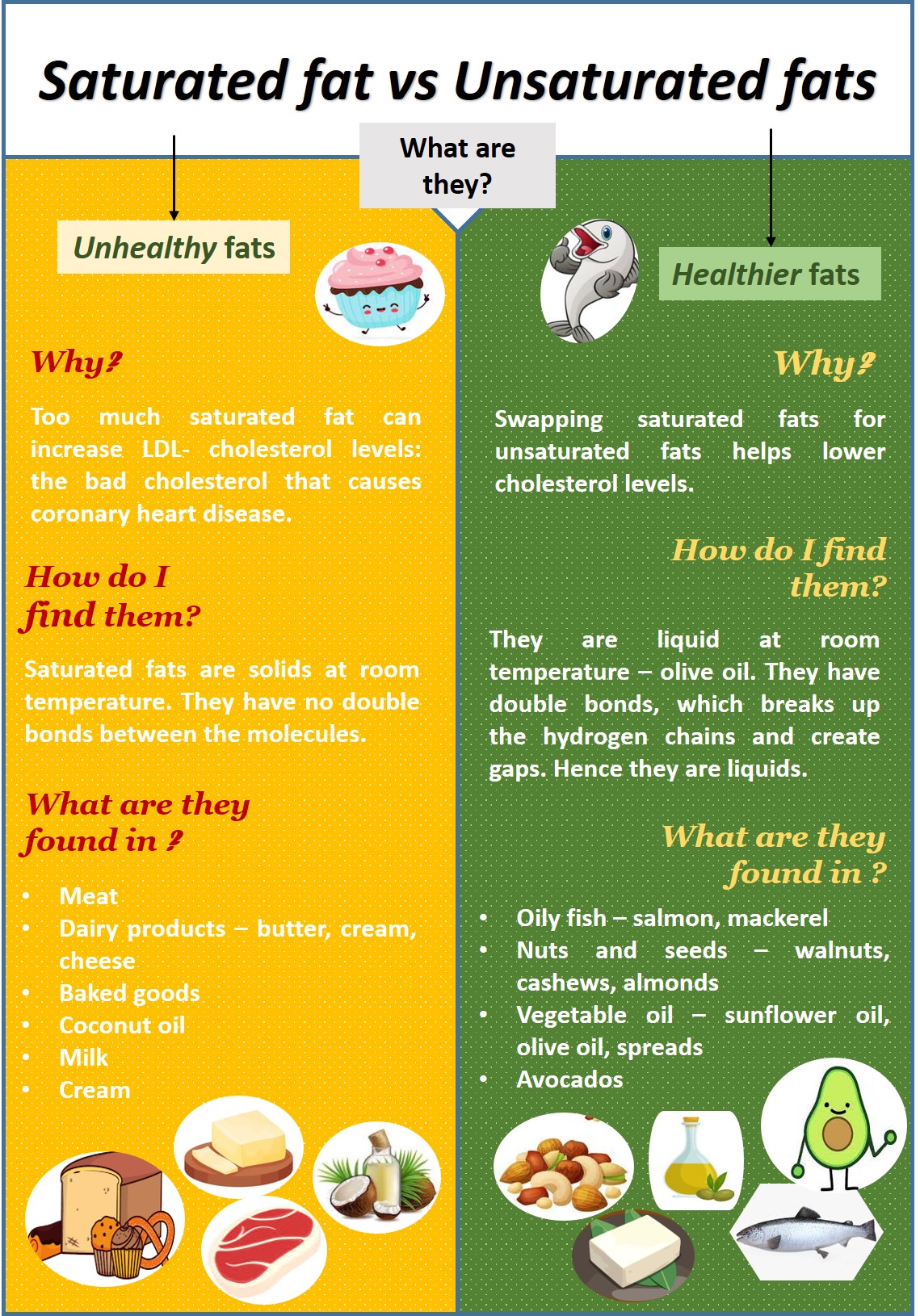
Saturated fat vs unsaturated fats

For many years, the word “fat” was associated with unhealthy eating. It is better to avoid them as much as possible. Although, many of us have made a move to low-fat meals. This choice did not, however, make us healthier because we cut out on both good and bad fats. You might be thinking, “Isn’t fat harmful to your health?”. But, fats are a crucial source of energy for the human body. Therefore, this article outlines the difference between saturated fat vs unsaturated fats, as well as how to eat healthily.

What are dietary fats?

Dietary fats are a significant energy source. It aids vitamin and mineral absorption. Moreover, fat is essential for the building of the cell membranes, cell walls and nerve sheaths. Blood clotting, muscle movement, and inflammation are all dependent on it. The fats stored in tissues are also essential for thermoregulation and insulation of the body. 

Some fats are superior to others in terms of long-term health. Monounsaturated and polyunsaturated fats are good fats to consume while synthetic or tailor-made trans fats are on the list of bad fats. Whereas saturated fats occupy a midway ground.

Also, knowing the difference between saturated and unsaturated fats, their sources and possible health effects can help you make better cooking and shopping decisions.

Saturated fats

These are usually solid at room temperature. Coconut oil and ghee are the two main examples of saturated fats that have various health benefits.

Ghee is a loaded source of fat-soluble vitamins like A, D and K. Ghee is a pure form of fat and contains no casein, making it perfect for dairy-intolerant people. It also contains gut-friendly enzymes which help in its easier digestion. While coconut oil has omega 6 fatty acids, but no omega 3 fatty acids and no trans fats. Both ghee and coconut oil help improve brain function, digestion and metabolic function.

Sources of saturated fats:

  • Animal meat – cuts of meat that are rich in fat
  • Poultry –  Chicken and egg yolk
  • Dairy products – cheese, butter, whole milk, cream
  • Plant oils –  Palm and Coconut oil (Benefits of coconut oil)
  • Processed meats – sausages, hot dogs
  • Pre-packaged snacks – chips, pastries, cookies, crackers

Saturated fat in your diet – Why limit it?

The sources of saturated fats are mostly unhealthy, but, contrary to popular belief, saturated fat is not a bad thing. It can be part of a heart-healthy diet when consumed in moderation.

  • Risk of heart disease

Healthy fats are essential for the body’s energy and other functions. Consuming excessive amounts of saturated fats might lead to a buildup of cholesterol in the blood vessels (blood vessels). High saturated fat foods increase LDL (bad) cholesterol. Cholesterol that is too high in LDL increases your risk of heart disease and stroke.

  • Add extra kilos to the body:

It is abundant in many high-fat foods, such as pizza, baked products, and fried dishes. So, eating too much of these foods might lead you to gain weight by adding extra calories to your diet. Every gramme of fat provides 9 calories. Therefore, it is more than twice as much as carbs and protein combined.

Unsaturated fats

These are considered a healthier form of fat and must be consumed for body and brain development. These fats are liquid (oil form) at normal temperature. They can also be found in solid foods.

Mono-unsaturated fats:

Sources of monounsaturated fats include:

  • Olive oil
  • Avocados
  • Peanut oil
  • Most seeds and nuts

Poly-unsaturated fats:

Polyunsaturated fats are necessary for the body’s proper functioning. In addition, polyunsaturated fats aid in the movement of muscles and the coagulation of blood. These fats are not produced by the body, therefore you have to consume them in the form of food.

Omega-3 and omega-6 fatty acids are two forms of polyunsaturated lipids. In terms of heart health, omega-3 fatty acids are advantageous. (Why should you add omega-3 foods to your kid’s diet?)

Best sources of Omega-3 fatty acids:
Best sources of omega-6 fatty acids:
  • Canola oil
  • Safflower oil
  • Soybean oil
  • Walnut oil
  • Sunflower oil
  • Corn oil

According to a recent study, there is some indication that polyunsaturated fats may lessen the risk of heart disease. Therefore, it is ideal to choose them in place of saturated fats. Also, there has to be a balance between omega-3 and omega-6 fatty acids for maximum benefit to health.

Trans fats:

Trans fats are a type of unsaturated fatty acid that have been turned from a liquid state to a more solid state by food processing. They are mostly used is all processed foods- cheese spreads, donuts, chips, dips, cakes, cookies etc since they are solid in state and can help hold the shape of food item.

Meat and dairy from ruminant animals, such as cattle and sheep, contain natural trans fats, often known as ruminant trans fats. When bacteria in the stomachs of these animals eat grass, they produce trans fats. Several studies have shown that moderate intake of these trans fats from animal sources is not detrimental.

Health risks associated with trans fats:

Heart disease risk may increase with artificial trans fats. Also, they seem to increase the amount of LDL (bad) cholesterol without increasing the HDL (good) cholesterol levels. In addition, people consuming more trans fat have a higher risk of insulin sensitivity and developing diabetes.

Sources in diet:

Most trans fats in your diet come from partially hydrogenated vegetable oils. Because they are inexpensive to produce and have a long shelf life. There is a range of processed foods that include trans fats. The partly hydrogenated oil should not be added to the processed goods as a result of the FDA’s 2018 ban. They are no longer GRAS. Although this restriction has been partially implemented, many processed foods still contain trans fats.

Saturated fat vs unsaturated fats

Here are few differences between saturated fat and unsaturated fats:

saturated fat vs unsaturated fats
Saturated fat vs Unsaturated fats
Recommended levels of fat intake:

According to the World health organization (WHO), total fat intake should not exceed 30% of total energy intake. Also, 

  • lower saturated fat consumption to less than 10% of total energy intake
  • lower trans-fat intake to less than 1% of total energy intake
  • Replace the saturated fat food list with unsaturated, particularly polyunsaturated fats.
Tips for a fat-friendly diet:

The following are some simple strategies for people to regulate their fat consumption in their diet:

  • Choosing low-fat dairy over full-fat dairy, or lean meat over fatty pieces of meat.
  • Avoiding foods that claim to be fat-free . To replace the fats, many of these items contain added sugars and refined carbs. However,it’s possible that these additives can raise caloric consumption without adding any additional dietary value.
  • Know about saturated fat content by reading nutritional labels such as the reference intake (RI) on the front of packages.
  • Foods high in trans fats and sodium (processed foods) should be avoided
  • When cooking, use steaming or boiling rather than frying.
  • Changing to fats that are good for you. Unsaturated fats are abundant in foods like sardines, avocado, and walnuts. These may help with brain development, immune system strength, and heart health. (Foods to boost immunity in kids)
How to replace saturated fat sources with healthier ones?

Fats are important for your body. Hence, eliminating them from the diet will not be a great option. You can introduce healthy fats to your diet with a few simple modifications.

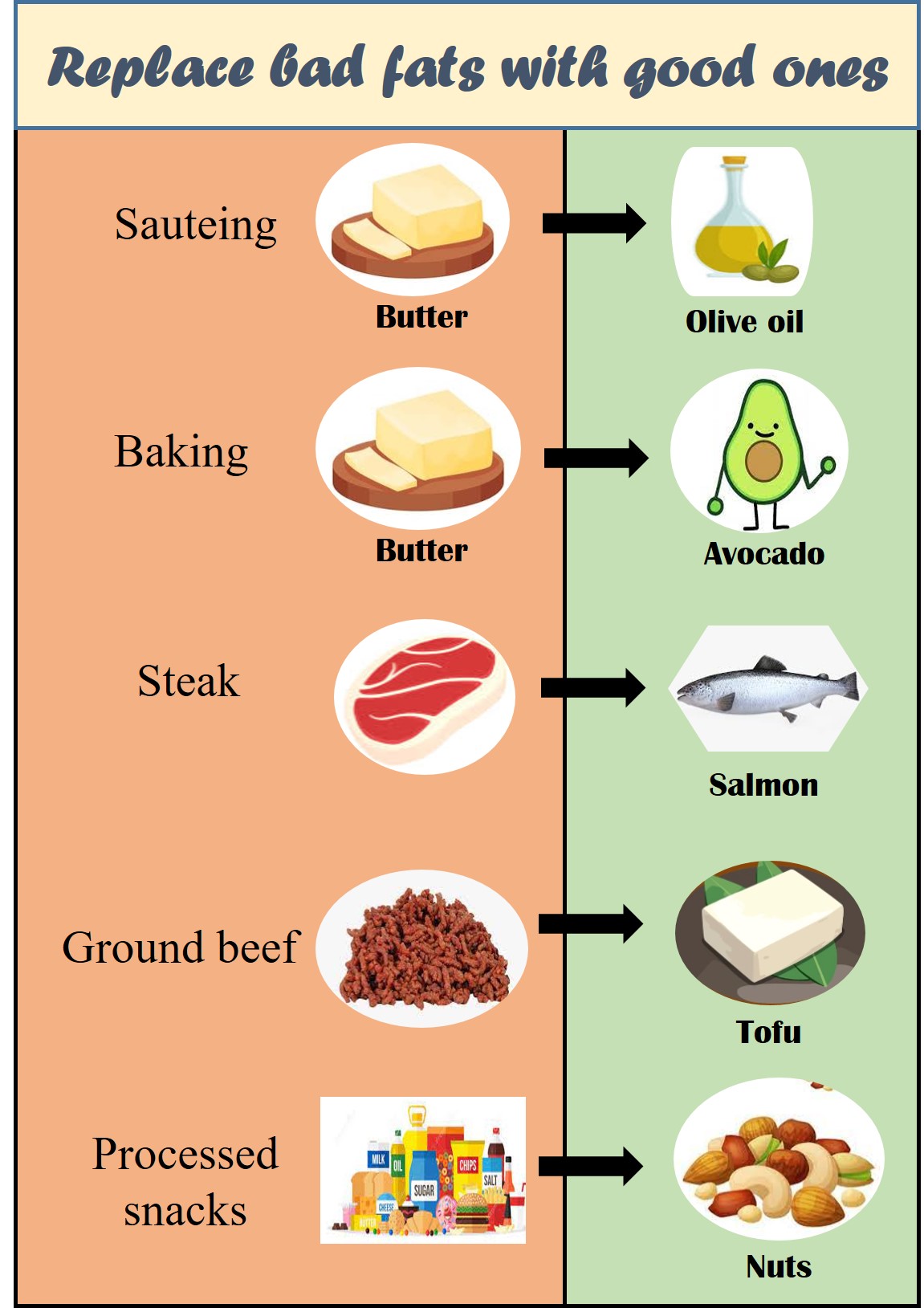
Replace bad fats with good ones
saturated fat vs unsaturated fats
saturated fat sources
Saturated fat vs unsaturated fats: Replace bad fats with good ones

You do not have to eliminate fat from your diet. However, you should be cautious about the amount and type of fat you consume. Also, keep in mind that fat contains a lot of calories. Choose unsaturated fat-rich foods instead of saturated fat-rich foods, not in addition to them.


Recipe: Cookies recipe with Ragi flour and hidden herbs and nuts

Cookies recipe with Ragi flour by Iyurved

Check the Recipe made with Ayurvedic spread by Iyurved – DAILY NUTRITION spread.

CHECK MORE HEALTHY RECIPES LOVED BY KIDS.


PRODUCTS:

We are happy to introduce our range of nutritious & tasty kid’s Ayurvedic foods!!
We know that preparing and feeding healthy foods everyday is a huge task. Even more tough when kids are picky eaters. Kids prefer certain foods and formats. It is not easy to feed kids bitter Ayurvedic herbs, variety of vegetables, fruits, nuts and seeds everyday.
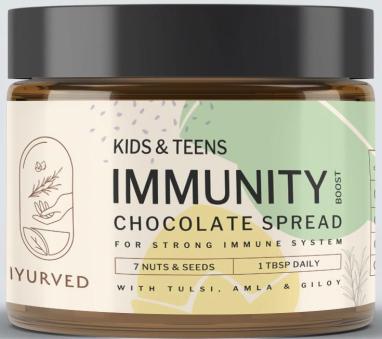
Mixed with Ayurvedic herbs, this unique Ayurvedic chocolate spread is an easy solution to feed daily nutrition for Immunity, Brain development, Bone strength and overall-growth to kids without any fuss.


Kids and teens Immunity boost Ayurvedic chocolate spread

India’s First Tasty Kids Nutrition fortified with Ayurvedic herbs.

For kids falling sick often, give Immunity Boost Chocolate Spread | 0% preservatives | 0% Refined sugar | 0% Palm oil | With Amla, Giloy, Tulsi, Turmeric, Ashwagandha | ORDER |

Check more products for: Immunity, Sleep (for hyperactive kids), Brain, Weight, Daily Nutrition, Overall growth, Hormones (Acne)

(shipping in India and Singapore only)

Join Iyurved group for FREE CONSULTATION

Foods and Remedies by a Nutrition Expert

Read more Blogs:

8 Amazing Health Benefits of Ragi: A super food

health benefits of Ragi

Do you wonder why ragi is good for health? Ragi, an ultimate superfood is also known as finger millet or nachni. In many parts of South India, ragi is a common staple food item.

Since ancient times, Ragi has been overshadowed by other cereal crops such as rice and wheat in India’s food and nutrition landscape despite being a highly prized healthy grain in ancient agricultural systems dating back over 2000 years. Fortunately, Ragi has made a huge comeback in the last three to four decades because of the extensive research and the UN FAO’s push to include millets in the daily diet to combat malnutrition and a variety of other prevalent diseases. 

Since Ragi is high in protein content, calcium, iron and amino acids, it is a “Super food”. It is the most commonly used millet for making porridges for babies and infants. Let’s take a closer look at the health benefits of Ragi.

WHATSAPP for concerns like Speech Delay, Low Weight, Frequent Illness, Hyperactivity, Low Concentration, Weak Eyesight, Improper Sleep, Pigmentation, Pores, Face Marks, Fine Lines , Lactation etc.

Health benefits Of Ragi:

Do you know why ragi is good for health? Read more to know why,

1. Great source of protein and fiber: 

100 grams of Whole Ragi Flour gives 7.29 grams of protein and 16.56 grams of fiber. That is why, it serves as an excellent source of protein for vegetarians. Due to its high fiber content, it prevents overeating and keeps you full for a longer time, which aids in weight loss. The insoluble fiber present in Ragi helps in easy movement of foods in the stomach and adds water into the stool, hence aiding easy digestion and relieving constipation.

Also check, Foods for constipation in kids

2. Calcium rich – promotes healthy bones and teeth:

When compared to other grains, ragi flour is one of the greatest non-dairy calcium sources. Calcium is essential for building strong bones and teeth, as well as for the prevention of a bone-weakening condition called osteoporosis. The sprouting process can increase the calcium content in Ragi by 20 percent. In addition, sprouting reduces the anti-nutritional factors and helps in better absorption of calcium. Hence, nothing beats Ragi when it comes to promoting bone growth in children and adults.

Also check, Benefits of calcium in kids

3. Improves Red blood cells production – PreventS Anemia:

Naturally rich in iron, ragi benefits those with low hemoglobin levels. Also,the vitamin B1 in it helps in the synthesis of red blood cells and generates ATP, which is used by our bodies for energy. Sprouted ragi benefits more as it has significant levels of vitamin C, which improves iron absorption.

Also check, Foods rich in iron

4. Adds great benefit for diabetes:

It is the major benefit of ragi for health. Its higher fibre content lessens the cravings for food. When compared to wheat flour, ragi flour produces a far lower spike in sugar levels. Moreover, ragi is high in magnesium, which helps to improve insulin sensitivity by reducing insulin resistance. When our magnesium levels are too low, the pancreas does not produce enough insulin to keep our blood sugar under control.

5. gluten-free:

Ragi is a must-have for anyone on a gluten-free diet or suffering from celiac disease. For chapatis, dosas and some sweets, ragi can readily replace wheat because it is gluten-free.

Also check, A guide to a Gluten free diet for kids

6. Rich in Antioxidants:

Other health benefits of ragi include its antioxidant property. Ragi is rich in antioxidants which prevents oxidation and fights against infections. Also, being a  rich source of amino acids, it aids the body’s natural ability to relax.You can efficiently combat depression, headaches and insomnia, as well as anxiety and stress, by consuming ragi.

Also check, Why do we need antioxidants

7. great pick for the little ones and new moms:

The health benefits of ragi flour makes it a great choice for infants and new moms. As well as aiding with their digestion, it also strengthens their bones and promotes their overall growth. Ragi is great for stimulating milk production and balancing hormonal processes in pregnant women and young moms due to its high iron and calcium content.

8. Promotes healthy skin:

Ragi is a miracle worker when it comes to keeping youthful skin. As a result of the essential amino acids Methionine and Lysine and vitamins such as Vitamin B3, the skin tissues are less susceptible to wrinkles and aging.

Nutritional information for 100 grams of Ragi flour:

100 grams of Ragi flour gives 385 calories. Below is the nutritional information for 100 grams of ragi flour. 

Health Benefits Of Ragi

Can ragi be given to your babies?

Because of the benefits of ragi for health, it is the best weaning food for babies after the age of six months. To be clear, it should not be your baby’s first food. Steamed and mashed veggies such as potatoes, apples, etc. should be the first thing on your menu to get started. You can make Ragi malt at home and it is ideal for your child.

How to get the benefits of ragi malt for your baby at home?

The benefits of ragi malt has created interest for a lot of parents in learning how to make ragi malt at home. You can prepare ragi malt for babies in one of two ways. 

  • Traditionally, ragi grains are milked and dried before being ground into a thin powder. This method is time-consuming and tedious.
  • The alternative option is to powder the whole ragi. It is always a good idea to sprout the ragi and prepare a malt. Iron, calcium, vitamins, and minerals are all more abundant in sprouted ragi malt. Soaking and sprouting the ragi grains breaks down the complex proteins into simpler amino acids and lowers the fat level. It’s easier for babies to digest this way. Soaking and Sprouting- Health benefits
How much is too much for your baby?

Always start your kid on a smaller bit of new food and increase the amount over three days. It’s safe to feed your infant ragi, as long as the baby hasn’t experienced any adverse reactions, such as loose stools or gastrointestinal discomfort. Do not compel the infant to eat the entire bowl; let him make his own decisions.

Ragi Recipes: Best way to get the benefits of ragi flour 

Here are some of the tasty and healthy recipes for your baby:

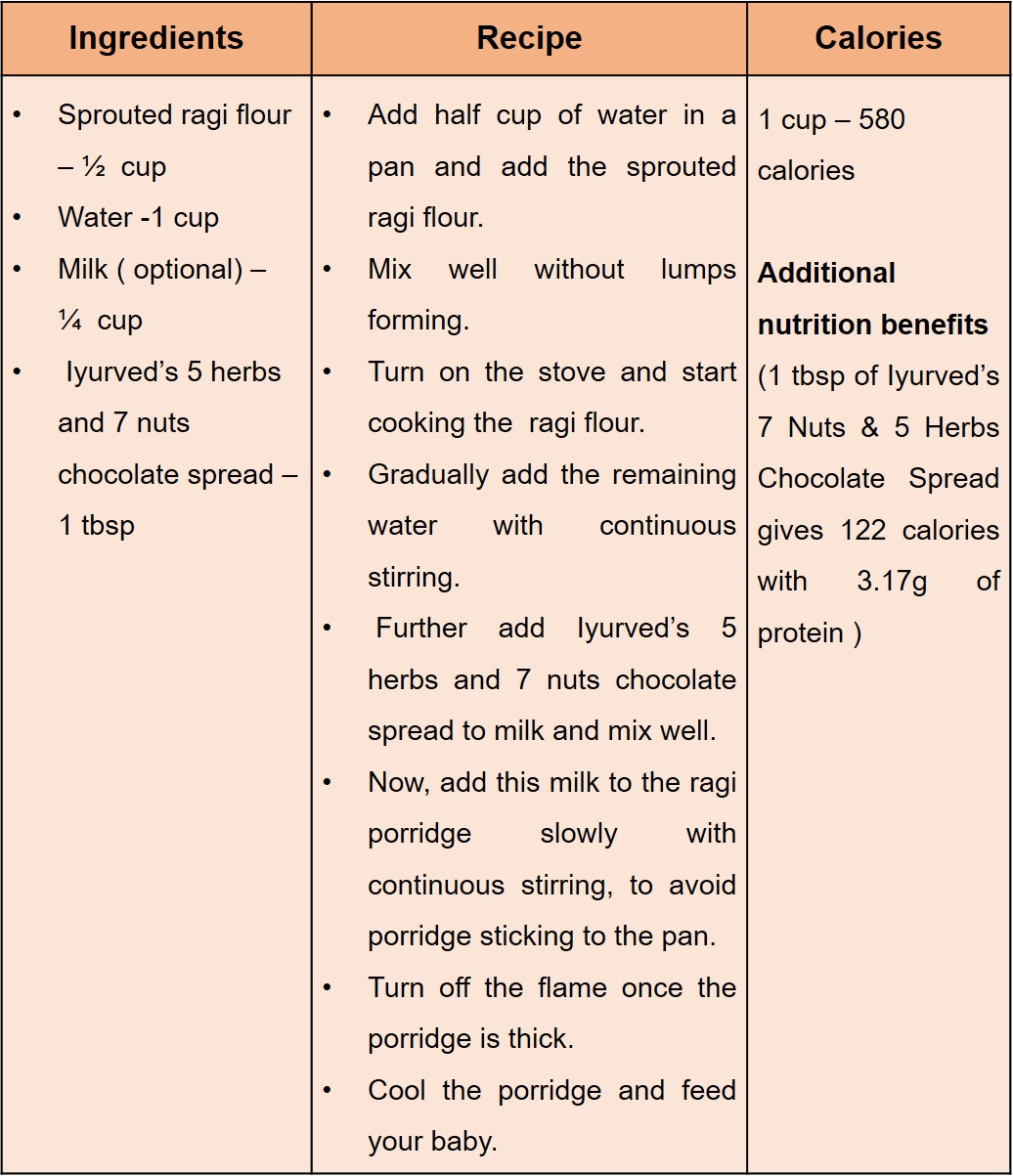
  • RAGI PORRIDGE RECIPE: 
ragi porridge recipe
health benefits of Ragi
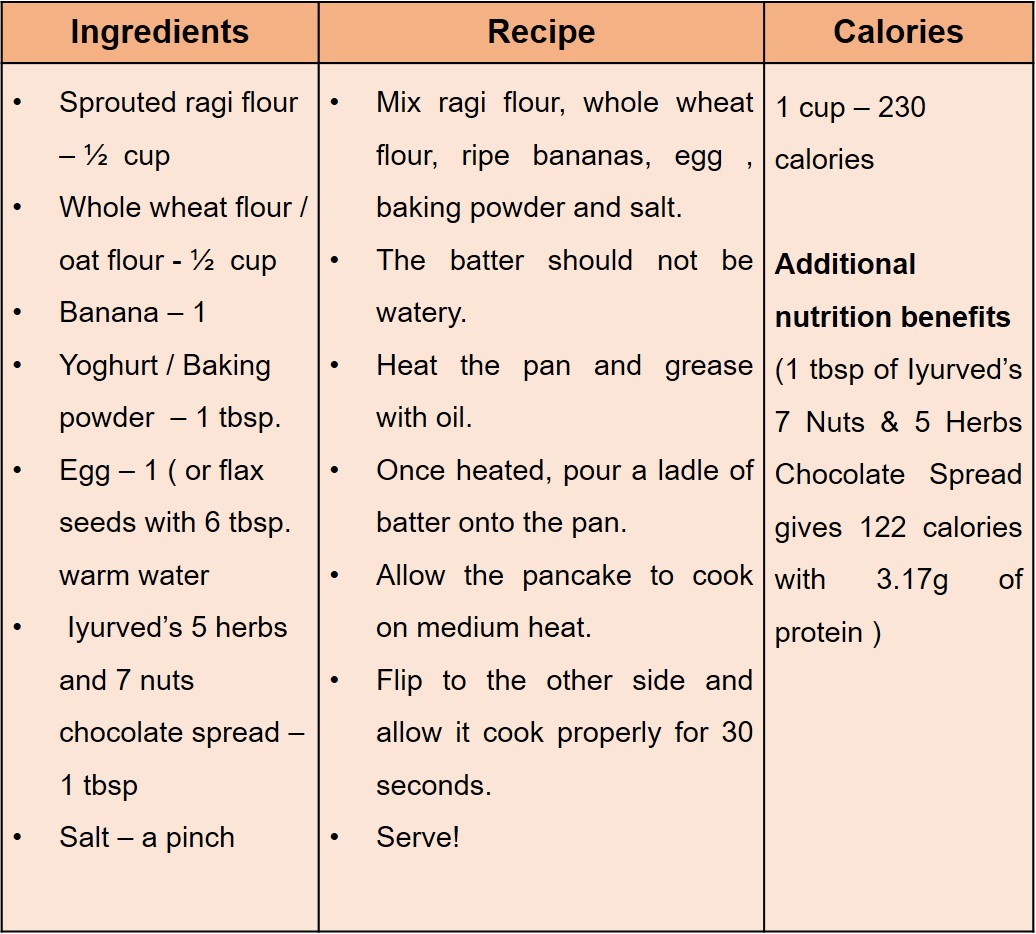
  • RAGI BANANA PANCAKE RECIPE:
Ragi Banana Pancake Recipe
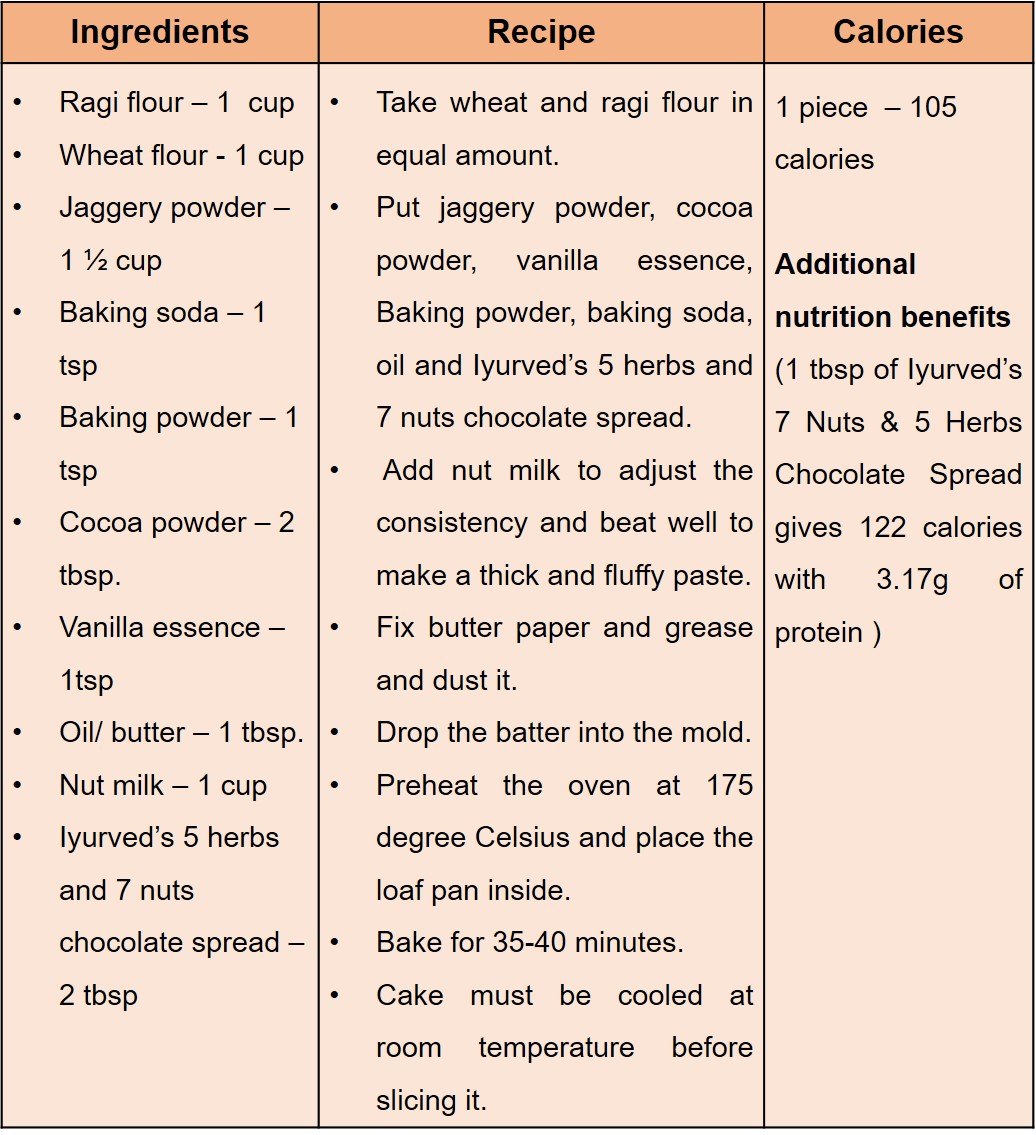
  • RECIPE OF CAKE WITH RAGI FLOUR:
cake with Ragi flour

There are several health benefits of ragi flour, and it can be consumed by people of any age. Because it has all of the key elements including fibers, proteins, iron and calcium and is gluten-free. It is suitable for those who have specific cereal or gluten allergies to consume.

As with any other food, ragi should be consumed in moderation to avoid any negative effects on the body.


PRODUCTS:

It’s no SECRET that following an Ayurvedic lifestyle has numerous advantages. This unique collection of Ayurvedic spreads is an easy solution to feed daily nutrition for Immunity, Eye, Brain development, Bone strength and overall growth to kids without any fuss. To know more about kid’s ayurvedic foods – SHOP HERE.

Ayurvedic spread by Iyurved

India’s First Tasty Kids Nutrition fortified with Ayurvedic herbs.

If your child is a picky eater or does not take enough nutrition for the day, you can give Daily Nutrition Chocolate Spread | Made with clinically proven ‘5 Ayurvedic Herbs and 7 Nuts’ | ORDER | 0% preservative | 0% Palm oil |


CHECK MORE PRODUCTS FOR:

Immunity, Gut health, Digestion, Weight, Brain development, Speech delay, Epilepsy, Eye health, Hormones, Sleep, Hyperactivity, Bones and Overall growth

what is the down's syndrome

Read more blogs:

8 foods with B vitamins and why you need them?

foods with B vitamins

Today’s lifestyle revolves around nutrition. When we say nutrition, it means eating a healthy and balanced diet. Nutrition helps in overall health, as well as the prevention and treatment of a variety of illnesses. This is not possible without getting adequate levels of vitamins in your diet, especially B vitamins which work together for many bodily functions. Foods with B vitamins can help to keep you healthy naturally. 

WHATSAPP for concerns like Speech Delay, Low Weight, Frequent Illness, Hyperactivity, Low Concentration, Weak Eyesight, Improper Sleep, Pigmentation, Pores, Face Marks, Fine Lines , Lactation etc.

Benefits of B vitamins

B vitamins are essential for overall health and well being. When it comes to energy, cognitive function, and cell metabolism, B vitamins play a major role. 

  • Breaks down the food: B vitamins aids the enzymes in breaking down food. They help them to convert higher molecules such as carbohydrates, proteins and fats into simpler ones by releasing energy. Also, it plays an important role in moving oxygen and energy across your body. 
  • Production of RBC cells: Your cells grow and multiply with the support of B vitamins. Some B vitamins also help the body make hemoglobin, which is essential for red blood cell synthesis. Hemoglobin is a protein that gives blood its red color and aids in oxygen transport throughout the body.
  • Promotes immune function: Vitamin B6, also known as pyridoxine, is a B vitamin that helps various metabolic functions of the immune system. Studies suggest that supplementing with this B vitamin improves immunological responses in critically ill persons.
  • Supports brain health: Some B vitamins types help in brain development and function by reducing the risk of dementia and cognitive impairment. (Foods to increase intellect in kids)
  • Prevents diseases: They also reduce the risk of heart disease, stroke and some types of cancer. 

Also check, Foods for strengthening kid’s immunity

Common signs of B vitamins deficiency:

When it comes to the B vitamins, one thing you should know is that they are water-soluble, which implies that they dissolve in water and does not store in the body. Foods with B vitamins must be consumed daily, either through diet or supplements, in order to maintain a stable level.

Here are some signs and symptoms that occur in the body when they are deficient in the B vitamins types. They are:

  • Anemia
  • Dementia
  • Confusion
  • Depression
  • Fatigue
  • Weakness
  • Poor memory
  • Mood swings
  • Numbness in hands and feet
  • Intestinal disorders
  • Having trouble in speech
  • Loss of body balance

Also check, Vitamin B’s required for hair growth in kids

B Vitamins Types:

Let’s first understand about the B vitamins types. B vitamin also known as B complex is comprised of eight important B vitamins:

  • Thiamine-Vitamin B1
  • Riboflavin-Vitamin B2
  • Niacin- Vitamin B3
  • Pantothenic acid-Vitamin B5
  • Pyridoxine-Vitamin B6
  • Biotin- Vitamin B7
  • Folic acid-Vitamin B9
  • Cobalamin-Vitamin B12

Each of these vital vitamins helps your body function properly, in kids as well as adults. Hence it is important to include foods with B vitamins.

Also check, Vitamins for kids

THIAMINEVitamin B1 :

Vitamin B1 plays a crucial function in the process of turning food into energy. Deficiency of vitamin B1 causes Beri-Beri, an illness of the heart, digestive system, and nervous system. Beriberi is common in malnourished people and those who consume large amounts of alcohol. Beriberi causes difficulty walking, loss of sensation in the hands and feet, and paralysis of the lower legs, and it can even cause congestive heart failure. Furthermore, consuming any of the B vitamins types for an extended length of time can cause an imbalance of other vital B vitamins.

Sources of Vitamin B1: Whole grain cereals, nuts, beans, yeast and meat.

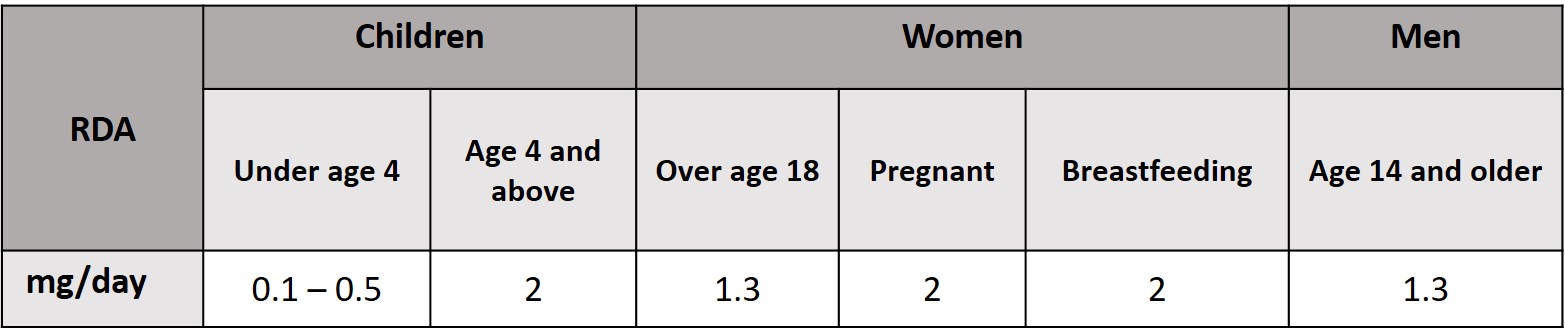
Recommended daily intake of Vitamin B1 for children, men and women is shown below:

foods with B vitamins
RDI Vitamin B1
Recommended Daily Intake for Vitamin B1

Also check, Best nuts and seeds for kids

RIBOFLAVINVitamin B2 :

Riboflavin is a type of  B vitamin that aids in the breakdown and utilization of carbohydrates, lipids, and proteins in the diet, as well as the conversion of food to energy. This B vitamin also helps to maintain the health of your skin, intestinal lining, and blood cells. Riboflavin can also raise your energy and immunity levels. Riboflavin also helps with acne, muscle cramps, and carpal tunnel syndrome. According to the National Institute of Health, it’s possible that consuming an adequate amount of riboflavin can help avoid migraine headaches and cataracts.

Sources of Vitamin B2: Green leafy vegetables, nuts, meat and dairy products.

Recommended daily intake of Vitamin B2 for children, men and women is shown below:

foods with B vitamins
RDI Vitamin B2
Recommended Daily Intake for vitamin B2

NIACINVitamin B3:

Every day, we require vitamin B3, also known as nicotinic acid or niacin, in our meals in order to convert the food we eat into usable energy. Inadequate amount of niacin in your diet may cause a condition known as Pellagra. Dementia, diarrhea, mental disorder, inflamed mucous membranes are some of the symptoms of pellagra. Niacin’s health benefits include its usage as a therapy for excessive cholesterol levels in the blood.

Sources of Vitamin B3: Green leafy vegetables, fruits, whole grains and dairy products.

Recommended daily intake of Vitamin B3 for children, men and women is shown below:

foods with B vitamins
RDI Vitamin B3
Recommended Daily Intake for Vitamin B3

PANTOTHENIC ACIDVitamin B5 :

This form of B vitamins types is required for numerous metabolic activities that occur in our cells on a daily basis, including the energy-producing breakdown of carbs and fats. For our bodies to manufacture hormones, as well as for growth, we require pantothenic acid. A small amount of pantothenic acid might produce in the intestines by bacteria, but not enough to meet the daily needs. 

Sources of Vitamin B5: Cruciferous vegetables such as broccoli and kale, avocado, mushrooms, whole grain cereals, potatoes, dairy products and organ meat (liver). 

Recommended daily intake of Vitamin B5 for children, men and women is shown below:

RDI Vitamin B5
Recommended Daily Intake for Vitamin B5

PYRIDOXINEVitamin B6:

Vitamin B6 is essential because it participates in over 100 enzymatic processes in the body’s cells, assisting us in digesting amino acids from food and forming new RBCs. It also helps in the production of serotonin which is a “feel good” neurotransmitter. With doctor supervision, it may help pregnant women manage morning sickness. 

Sources of Vitamin B6: Beans, Banana, brown rice, carrots, cheese, milk, lentils, fortified cereals, spinach, sunflower seeds, whole grain flour, chicken, liver.

Recommended daily intake of Vitamin B6 for children, men and women is shown below:

RDI Vitamin B6
Recommended Daily Intake for Vitamin B6

FOLIC ACID-Vitamin B9:

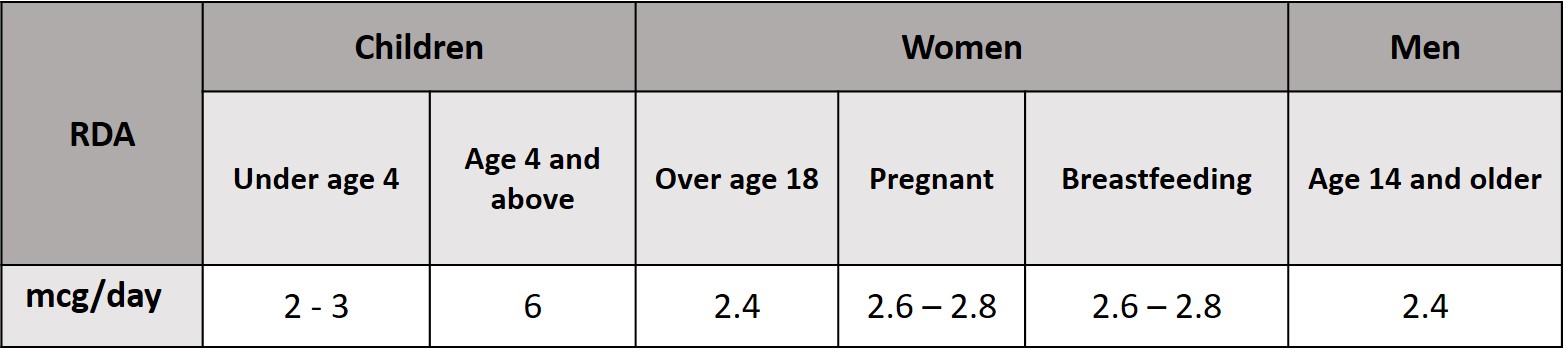
Vitamin B9, also known as folic acid or folate, is an essential component for the growth and development of the human body. Folate aids in the formation of DNA and RNA, as well as protein metabolism. Dietary folate is also necessary for the production of healthy red blood cells. And it is especially important in times of fast growth, such as during pregnancy and development of foetus. 

Sources of Vitamin B9: Green leafy veggies, sprouts, fresh fruits, nuts, beans, peas, asparagus, fortified cereals and bread, seafood, eggs, peanuts.

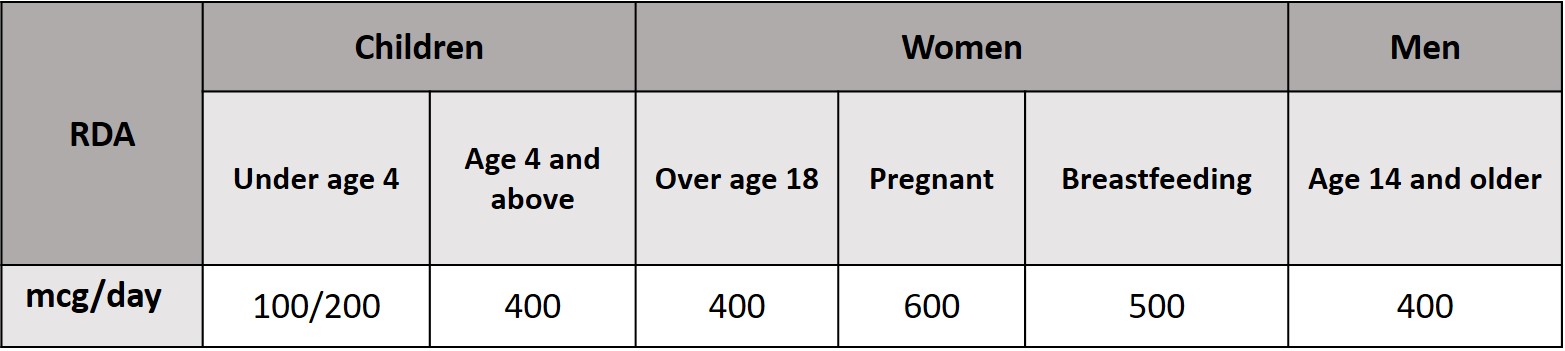
Recommended daily intake of Vitamin B9 for children, men and women is shown below:

RDI Vitamin B9

COBOLAMIN-Vitamin B12:

Cobalamin is important for the production of blood cells and to sustain healthy nerve cells in the body. Vegetarians and vegans may not obtain enough vitamin B12 in their meals and may need to take a B12 supplement. A vitamin B12 shortage can lead to a number of symptoms including weakness, exhaustion, constipation, a decreased appetite, and weight. Failure to meet the minimum requirements can also have negative effects on the nervous system and can lead to mental illness such as confusion, depression and dementia. 

Sources of Vitamin B12: Dairy products, fish, meat, beef liver, fortified cereals. 

Recommended daily intake of Vitamin B12 for children, men and women is shown below:

RDI Vitamin B12
Recommended Daily Intake for Vitamin B12

A diversified, balanced diet naturally rich in foods with B vitamins such as leafy greens, almonds, beans and legumes, whole grains, lean protein, mushrooms, and eggs can help most people stay healthy and overcome B vitamins deficiency. Take a vitamin B supplement if you aren’t receiving it from the sources for B vitamins.


PRODUCTS:

It’s no SECRET that following an Ayurvedic lifestyle has numerous advantages. This unique collection of Ayurvedic spreads is an easy solution to feed daily nutrition for Immunity, Eye, Brain development, Bone strength and overall growth to kids without any fuss. To know more about kid’s ayurvedic foods – SHOP HERE.

Ayurvedic daily nutrition savoury spread

India’s First Tasty Kids Nutrition fortified with Ayurvedic herbs.

For Nutritional deficiency in Kids and overall growth and development , you can give Daily Nutrition Savoury Spread | Made with clinically proven ‘5 Ayurvedic Herbs and 7 Nuts’| Rich in Calcium, Vitamin B12 and Vitamin D| 0% preservative | 0% Palm oil  | ORDER


CHECK MORE PRODUCTS FOR:

Immunity, Gut health, Digestion, Weight, Brain development, Speech delay, Epilepsy, Eye health, Hormones, Sleep, Hyperactivity, Bones and Overall growth

what is the down's syndrome

Read more blogs:

What is the right time to introduce Water for the baby?

water for the baby

Your baby’s diet is entirely made up of breast milk or formula throughout the first few months of life. Is this enough to quench his/her thirst, or should you give water for the baby? How much water should you give your kid and why shouldn’t you offer water for the baby till he/she has begun eating solids? Here’s everything a parent should know about when to start water for baby. (What are the first foods for baby?)

When to start water for THE baby?

As a parent, your thoughts will continually be preoccupied with the topic, when to start water for baby? Until the age of six months, a baby should only drink breast milk or formula. It provides them with all of the hydration and nourishment they require in the early months. (Which milk to give to babies?)

After six months of age, you can start offering them purees or table food, although breast milk and formula are still more necessary than water for infants. You can, however, begin to introduce water for baby to drink.

Children under six months of age who drink water run the danger of electrolyte imbalance, as well as calorie, protein, and key vitamin deficiencies.

How much water SHOULD THE baby consume?

According to the American Academy of Pediatrics, you can offer 8 ounces (227 ml) of water for the baby per day, starting at 6 months of age. However, we believe that water should be limited to less than 2-4 ounces (59-118 ml) each day in order to avoid depleting breast milk or formula of vital nutrients.

Birth – 6 months

Breast milk is regarded as a superfood that covers all of an infant’s dietary and hydration needs, therefore breastfed newborns do not require any more water. This is because breast milk supplies your kid with the necessary amount of fluids to keep hydrated. In summary, as long as you nurse on demand, you shouldn’t have to worry about providing extra water for baby to drink. (What are the causes of hair fall in new moms?)

Also, a formula-fed baby does not require a lot of extra water. Most infant formulae come with instructions on how much water to add in order to dilute the formula properly. As long as you adhere to these recommendations and alter your baby’s formula consistency in accordance with his age, he’ll be well-hydrated at every feeding. (How to plan your 6 months old baby’s meals?)

6 – 9 months

Is it safe for babies to sip water during these months? In this case, there is no hard and fast rule. Solid foods are normally introduced from ages of 6 months. At this point, you can offer water for baby to drink  in a sippy cup a few times a day. If you are still nursing or formula-feeding your infant in addition to delivering solids, this shouldn’t be too frequent. It is advised to provide water for the baby less than 4 ounces a day. (How to wean off baby?)

9 – 12 months

Breastfeeding can be continued until the child is about a year old. At mealtimes, you can offer them water or diluted juice. However, do not give fizzy drinks or drinks with artificial sweeteners. (Feeding schedule for 9-12 months babies.)

New mothers may be confused about their baby’s water requirements. Here are some tips to help you out.

  • Babies usually communicate with numerous signals or sounds, such as pointing to the water cup or using sign language to express their desire for water.
  • If they refuse to eat or swallow food during feeding, it means they need water.
  • When given water for the baby, he/ she consumes as much as necessary. They may cry or stretch forward to reach the cup if the water cup is taken away, indicating that they require more water.
  • The baby also grumbles (a persistent soft cry), if the stomach hurts or if he or she has trouble passing motions, usually owing to insufficient water intake.

During 9 to 12 months of age, it is advised to provide less than 8 ounces of water for the baby per day.

Make sure DRINKING water is safe:

Consider testing your tap water before giving water for the baby, first time or when using it in infant formula . Tap water may include fluoride, which can help protect teeth, but could also contain dangerous levels of lead for babies.

Install a filtration system or use distilled water if you’re concerned about lead exposure and chemical residues in your water. You may either buy distilled water or make your own by boiling it for 10 minutes and then filtering it out.

Tips to follow while mixing formula with water :

  • Always use boiled and cooled down water to mix with the formula. 
  • Refrigerate boiled water within an hour. If you don’t use it within 24 hours, toss it away.
  • Follow the instructions on the container for mixing the formula with water when you purchase it. Each brand has its own set of instructions. This will guarantee that your kid receives the proper amount of nutrients and hydration during his or her growth period.
  • Constipation or dehydration might occur if too much formula is added. Likewise, malnutrition or water intoxication can result from using too little formula.

What are the Risks of Giving water to the baby?

Taking in too much water might lead to electrolyte imbalance and even convulsions.

Overhydration and water intoxication symptoms include:

  • Fatigue
  • Vomiting
  • Nausea 
  • Brain damage
  • Seizures
  • Difficulty breathing
  • Drowsiness and confusion
  • Frequent urination ( wet diapers more than 8 to 10 per day)

Emergency medical intervention is required for water intoxication, which may require intravenous electrolytes or medicines. As soon as you observe any of the symptoms indicated above, take your baby to the pediatrician.

Water to drink as he/ she grows:

Your kid will require 4 cups of drink each day between the ages of 1 and 3. This is a period of transition during which both water and breastmilk or formula should be consumed. As your child grows older, they will require more water. You can help your older child drink more water in a variety of ways.

Fruit juice can be used to flavor water: Fresh fruit can be used to flavor water. Because many children’s juices are high in sugar, water is a better choice than juice. If your youngster likes the taste of juice, flavor their water with fresh fruit. Lemon, berries, mint, and cucumber are all excellent choices.

Add more fruits and veggies to your baby’s diet: Feed more fruits and vegetables with high water content. As a result, babies can keep them hydrated without having to consume more water than they would like to.Strawberries, watermelon, blueberries, and grapefruit are some of the fruits that keeps your child hydrated. Cucumber, tomato, and celery are among the veggies that are high in water.

Encourage healthy water drinking habits using colour charts: You can encourage children to drink a glass of water and fill the glass with colors in the chart. 

Offer water for baby to drink with their favorite cups: It’s best to use an attractive cup that features your baby’s favorite colors or characters. It is more probable that your youngster will enjoy drinking water if you can find ways to make it enjoyable.

Recipe: Cookies recipe with Ragi flour and hidden herbs and nuts

Cookies recipe with Ragi flour by Iyurved

Check the Recipe made with Ayurvedic spread by Iyurved- DAILY NUTRITION spread.

CHECK MORE HEALTHY RECIPES LOVED BY KIDS.


Benefits OF ADDING DAILY NUTRITION SAVOURY SPREAD:
  • Improves muscle strength and body weight with high protein (6g protein in 1 serving)
  • Strengthens bones and improves height being rich in calcium
  • Boosts brain due to high omega-3 and natural brain herbs
  • Builds immunity due to presence of antioxidants and proven immunity herbs
  • Increases breast milk supply for lactating moms also provides folic acid for baby development

PRODUCTS:

We are happy to introduce our range of nutritious & tasty kid’s Ayurvedic foods!!
We know that preparing and feeding healthy foods everyday is a huge task. Even more tough when kids are picky eaters. Kids prefer certain foods and formats. It is not easy to feed kids bitter Ayurvedic herbs, variety of vegetables, fruits, nuts and seeds everyday.
Mixed with Ayurvedic herbs, this unique Ayurvedic spread is an easy solution to feed daily nutrition for Immunity, Brain development, Bone strength and overall-growth to kids without any fuss.

Ayurvedic Daily Nutrition Savoury spread by Iyurved

India’s First Tasty Kids Nutrition fortified with Ayurvedic herbs.

If your child is a picky eater or does not take enough nutrition for the day, you can give Daily Nutrition Savoury Spread | Made with clinically proven ‘5 Ayurvedic Herbs and 7 Nuts’ | ORDER | 0% preservative | 0% Palm oil |

Check more products for: Immunity, Gut health, Digestion, Weight, Brain development, Bones and Overall growth

(shipping in India and Singapore only)

Join Facebook group for FREE CONSULTATION

Foods and Remedies by a Nutrition Expert

Read more blogs:

Food chart for 2 years baby

Food Chart & Recipes for 2 years baby

So your child is 2 years old now!!! With time the food habits of the child also changes. Your child has witnessed the phase of teething, eating solids and now is ready to enjoy the family meals. But see to it that you add less spices in your child’s food. Maintaining a food chart for 2 years baby along with some easy food recipes can help to plan your kid’s meals properly.

Below meal plans and food chart for 2 years baby attempt to maintain a balance of nutrients between meals by providing you with ideas for ensuring a healthy and balanced diet for your child; however, bear in mind that each child is unique, and you must feed according to his/her likes. (Why balanced diet is so important?)

Some Steps to Help Your Child Develop Healthy Eating Habits:

The baby’s sense of taste and flavor develops once he/she starts solids. This is the perfect moment for parents to inculcate a good eating habit in their children. 

  • Follow meal timings and feed at regular intervals. It is important to establish a schedule to help your child develop a fixed mealtime by feeling hungry at the right time.
  • Avoid snacks or liquid food like fruit juices or milk before the meal time. 
  • Make sure you provide complete nutrition to your child by including nutrient-dense foods. 
  • Teach eating etiquette and encourage them to eat slowly.
  • Avoid unhealthy junk foods.
Foods for 2 year old baby:

Your toddler’s body is rapidly developing at this stage and he/she requires a variety of foods from all food groups. Make sure that you provide a balanced diet and choose toddler food recipes for 2 year old that provide good nutrition.

Here is a list of some foods that are important for growth and development for your child. 

Dairy and dairy products

 Dairy and dairy products are good sources of carbohydrate, protein and fat along with important vitamins and minerals like calcium and vitamin D. Calcium and vitamin D are important for strong bones and teeth. Other dietary sources of calcium include dairy products such as yoghurt, buttermilk and cheese.

 In case of a child having lactose intolerance or milk allergies, the plant based milk alternatives is the best option. Also to meet the calcium needs of children, nuts and pulses can be included in the diet. 

Vegetables

Vegetables are rich in vitamins, minerals, fibre and phytonutrients. These phytonutrients not only help in growth and development but also strengthens the immune system. The fibre-rich veggies eases the bowel movements and prevents constipation. Always include vegetables of different colours in toddler food recipes for 2 year old, such as:

  • Green vegetables ( peas, beans, spinach. broccoli)
  • Orange vegetables( carrot, pumpkin, sweet potato)
  • Yellow vegetables( corn , capsicum )
  • Red vegetables( Tomato )
  • Purple vegetables ( Beetroot, cabbage)
  • White vegetables ( Cauliflower, cabbage)

Fruits

The whole fruit or fruit juices can be given to the child. As the saying goes “An apple a day keeps the doctor away”, it is essential to include fruits in diet to stay healthy and keep diseases away. Including fruits of different colours is essential, such as:

  • Green fruits ( apple, grapes, kiwi)
  • Orange fruits( orange, mango)
  • Yellow and red fruits ( banana, strawberries, watermelon)
  • Purple fruits (grapes, plum, blueberries)

Meat

Chicken is the best source of protein as it is abundant in amino acids. For developing children, chicken is a nutritious and filling option to consider. It is advised to avoid/ consume lesser quantities of red meat such as beef, mutton because of their high saturated fat. 

Fish

The best non-vegetarian food for growing children is fish. It has high quality proteins and vitamins, minerals. It is a rich source of omega 3 and Docasahexanoic acid (DHA). This helps in growth of brain tissues, bones and helps in maintaining good eyesight. 

HEALTHY OILS:

Nuts and seeds contain healthy oils such as essential fatty acids and minerals.

Citrus fruits

Vitamin C is important in kids for strengthened gums and  blood vessels. Scurvy is a serious illness caused due to its deficiency. Oranges and lemons are well known for their high vitamin C content. Other dietary sources of vitamin C include guava, tomato, banana, spinach etc.,. 

Sunlight

Vitamin D is necessary for the growth and development especially bones. And the efficient source of this vitamin D is sunlight. Other foods that contain Vitamin D are dairy products and meat.

Food chart for 2 years baby:

Here is an example of a food chart for 2 years baby. You can design a similar meal plan or toddler food recipes for 2 year old and follow it. 

BreakfastMid morningLunchEvening snacksDinner
SundayMilk and Moong dal cheela/ DosaFruits and nutsOne-pot veggies mealVegetable cutletRagi roti
Monday Milk and Beetroot idli / Poha Vegetable soupSpinach curry, rice and dahiMillet muffinsVegetable khichdi 
Tuesday Ragi porridge made with milk Fruits Moong dal khichdi with curdCarrot pasta Vegetable pulao
Wednesday Milk and Vegetable upma Fruit custardVegetable biriyani Millet pizzaMillet dosa with chutney
Thursday Chapathi with vegetable korma Dates and nuts Rice and sambar / curd riceOats cookies Egg rice
Friday Milk and Bread sandwichVegetable saladPaneer curry with chapathi and riceMilkshake Idli and sambhar
SaturdayMilk and Aloo paratha Fruits Egg curry with riceVegetable rollsMasala khichdi 
food chart for 2 years baby

Homemade food recipes for 2 year old Indian baby:

Here are some food recipes for 2 year old Indian baby:

Pumpkin millet pancakes:

Pumpkin millet pancake Recipe

Why pumpkin seeds are beneficial for health?

Beetroot Idli with Chutney:

Beetroot Idli with Chutney Recipe

How beetroot can help in your child’s health?

Millet Upma:

Millet Upma Recipe

Sprouted Moong dal cheela:

Sprouted Moong Dal Cheela Recipe

How soaking and sprouting helps in getting more nutrition?

One – pot veggies dish:

One-Pot Veggies Dish Recipe

Vegetable cutlets:

Vegetable Cutlet Recipe

Few tips to be taken care of while feeding your child:

  1. It is important that you should not focus on the amount of food your 2-year-old infant consumes. It varies among the children. 
  2. Do not include artificial supplements in your child’s diet. 
  3. Your child’s eating habits should not be rewarded or punished as this might lead to a negative attitude towards food. 
  4. While eating, do not allow your kid to watch his favorite cartoon on television. He/ she has to concentrate on the meal. 
  5. Make sure you don’t force-feed your child. (How food format helps to feed nutrition to kids?)

Many people believe that eating nutritious food that is fresh and free of preservatives requires too much work, but with the proper motivation, it can become a habit rather than a burden! Your child’s diet should include a wide variety of fresh fruits and vegetables, so that his palate will be stimulated and he will be less likely to lose interest in foods. 

Benefits OF ADDING DAILY NUTRITION SAVOURY SPREAD:
  • Improves muscle strength and body weight with high protein (6g protein in 1 serving)
  • Strengthens bones and improves height being rich in calcium
  • Boosts brain due to high omega-3 and natural brain herbs
  • Builds immunity due to presence of antioxidants and proven immunity herbs
  • Increases breast milk supply for lactating moms also provides folic acid for baby development

PRODUCTS:

We are happy to introduce our range of nutritious & tasty kid’s Ayurvedic foods!!
We know that preparing and feeding healthy foods everyday is a huge task. Even more tough when kids are picky eaters. Kids prefer certain foods and formats. It is not easy to feed kids bitter Ayurvedic herbs, variety of vegetables, fruits, nuts and seeds everyday.
Mixed with Ayurvedic herbs, this unique Ayurvedic spread is an easy solution to feed daily nutrition for Immunity, Brain development, Bone strength and overall-growth to kids without any fuss.

Ayurvedic Daily Nutrition Savoury spread by Iyurved

India’s First Tasty Kids Nutrition fortified with Ayurvedic herbs.

If your child is a picky eater or does not take enough nutrition for the day, you can give Daily Nutrition Savoury Spread | Made with clinically proven ‘5 Ayurvedic Herbs and 7 Nuts’ | ORDER | 0% preservative | 0% Palm oil |

Check more products for: Immunity, Gut health, Digestion, Weight, Brain development, Bones and Overall growth

(shipping in India and Singapore only)

Join Facebook group for FREE CONSULTATION

Foods and Remedies by a Nutrition Expert

Read more blogs:

Tasty and Healthy Food Recipes for 1 year old baby

Food Recipes for 1 year old baby

Time flies so fast – your little delight is a year old now. I’m sure you’ve had a lot of fun with your baby on this wonderful journey. It’s time to say goodbye to purees and hello to yummy table foods now that your baby is a toddler. By now, babies have developed taste buds and are eager to try different flavor foods. You can also introduce family foods to your little ones with fewer salt and spices, that suits their digestive system. In this article, we will learn some nutritious Indian food recipes for 1 year old baby.

Also check, What are some nutrition tips for toddlers?

WHATSAPP to talk an expert!!

Tasty and healthy food recipes for 1 year old baby:

Here are some of the tasty and healthy food recipes for 1 year old baby. These are modified and introduced to babies in a way that they like.

Also check, 6 Month baby food chart

Porridge RECIPES :

Porridge is a nutritious, easily digestible food for people of all ages, especially kids. It is delicious and healthy food for newborns because it has a smooth texture and is soothing to the tiny ones’ taste buds. Usually, porridges and purees are the first solid foods introduced to babies. Porridges are not only appropriate as a first food for babies, but they are also the greatest option when your child is unwell or has a food allergy.

Ragi porridge:

Ragi porridge is a superfood for babies. It is rich in calcium, iron, protein and dietary fiber, hence provides high nutritional value. It also aids in digestion and is known to be the best food for weight gaining and strengthening muscles. 

Ragi Porridge

Ingredients

  • 1 cup – Sprouted Ragi flour
  • 1/4 cup – Milk
  • 1 cup – Water
  • 1 tbsp – Iyurved’s Daily nutrition Savoury spread (order here)
  • Pinch of salt

Procedure

  • Add half cup of water in a pan and add the sprouted ragi flour. Mix well without lumps forming.
  • Turn on the stove and start cooking the  ragi flour. Gradually add the remaining water with continuous stirring.
  • Further add Iyurved’s Daily nutrition savoury spread (order here) to milk and mix well.
  • Now, add this milk to the ragi porridge slowly with continuous stirring, to avoid porridge sticking to the pan.
  • Turn off the flame once the porridge is thick.
  • Cool the porridge and feed your baby.

1 cup – 580 calories
Additional nutrition benefits 
( 1 tbsp of Iyurved’s Daily nutrition Chocolate spread gives 122 calories with 3.17g of protein and is high in Calcium, Vitamin D and Vitamin B12).

Rice porridge:

This is one of the easily digestible food recipes for 1 year old baby. Rice is a good staple diet since it contains vital proteins and vitamins for a baby’s overall growth and development. It eases the babies bowel movements and is less likely to trigger food allergies. (Immunity boosting foods for kids)

Food  recipes for 1 year old baby - Rice porridge
Rice porridge

Ingredients

  • 1 cup – Puffed /Roasted rice flour
  • 1/4 cup – Milk (optional)
  • 1 cup – Water
  • 1 tbsp – Iyurved’s daily nutrition savoury spread (order here)
  • Pinch of salt

Procedure

  • Add half cup of water in a pan and add the puffed /Roasted rice flour. Mix well without lumps forming.
  • Turn on the stove and start cooking the  rice flour. Gradually add the remaining water with continuous stirring.
  • Further add Iyurved’s daily nutrition savoury spread (order here) and mix well.
  • Continuous stirring is preferred, to avoid porridge sticking to the pan.
  • Turn off the flame once the porridge is thick.
  • Cool the porridge and feed your baby. 

1 cup – 80 calories
Additional nutrition benefits 
(1 tbsp of Iyurved’s daily nutrition savoury spread gives 126 calories with 5.36g of protein and is high in Calcium, Vitamin D and Vitamin B12).

Also check, Baby weaning tips.

Rice recipes:

One of the best cereal food with good nutritional benefits is – Rice. And, it is also the most common Indian food recipes for 1 year old baby. It is rich in minerals and vitamins. The nutritional value can be increased by adding dal, veggies etc.

Dal rice:

Dal rice is a simple recipe made with rice and moong dal. First, start with dal and rice separately and then go for the dal rice. Also check, Why dal is so beneficial?

Food recipes for 1 year old baby - Dal Rice
Dal Rice

Ingredients

  • 1 cup – Rice
  • 1/2 cup – Moong dal
  • 1 tbsp Iyurved’s daily nutrition savoury spread (order here)
  • 2 cups – Water
  • Salt to taste

Procedure

  • Wash the moong dal and rice, soak in water for 30 minutes. Drain the water. 
  • Then add moong dal, rice, salt, Iyurved’s daily nutrition savoury spread (order here) and water in a pressure cooker. 
  • Cook in medium flame for 5-6 whistles (depending on the consistency that you prefer). 
  • Cool, mash well and feed your baby. 

1 cup – 240 calories
Additional nutrition benefits 
(1 tbsp of Iyurved’s daily nutrition savoury spread gives 126 calories with 5.36g of protein and is high in Calcium, Vitamin D and Vitamin B12).

Mashed sweet potato rice:

Mashed sweet potato rice is one of the healthy food recipes for 1 year old baby. Sweet potatoes are high in fibre, which aids digestion. Vitamins B6, C, D, and carotenoids are abundant in sweet potatoes. They’re also high in magnesium, potassium, and iron.

Food recipes for 1 year old baby - Mashed sweet potato rice
Mashed Sweet Potato Rice

Ingredients

  • 1 cup – Rice
  • 1/2 cup – Sweet potato
  • 1 tbsp Iyurved’s daily nutrition savoury spread (order here)
  • 3 cups – Water
  • 1 tsp – Mustard seeds
  • 2 cloves – Garlic
  • 1 – Onion , Tomato
  • 1 tsp – Oil
  • Salt to taste

Procedure

  • Wash the rice and sweet potato and add rice, sweet potato, garlic and water in a pressure cooker. 
  • Cook in medium flame for 3-4 whistles. Mash the sweet potato and rice and keep aside. 
  • In a pan, add oil, mustard seeds and onion, saute until colour changes to light brown.Then add tomato and cook.
  • Now add Iyurved’s daily nutrition savoury spread (order here) and mix well. 
  • Finally add the mashed rice and sweet potatoes and mix well in a low flame. 
  • Turn off the stove,cool and feed your baby. 

1 cup – 250 calories
Additional nutrition benefits 
( 1 tbsp of Iyurved’s daily nutrition savoury spread gives 126 calories with 5.36g of protein and is high in Calcium, Vitamin D and Vitamin B12).

Dosa RECIPES:

Dosa is one of the common south indian food recipes for 1 year old baby. Dosas are not only delicious, but they’re also easy on the stomach. The crispy dosa’s are a great source of healthy carbohydrates with low fat.  They are fantastic finger snacks for babies to learn to self-feed with!

Rava dosa:

Rava dosa, the instant indian food recipes for 1 year old baby doesn’t require any fermentation and whipping. You can also add vegetable purees to enhance the nutrients. 

Food recipes for 1 year old baby - Rava Dosa
Rava Dosa

Ingredients

  • 1 cup – Rava
  • 1/4 cup – Curd
  • 1/2 cup – Rice flour
  • 3-4 cups – Water
  • 1/2 tsp – Jeera
  • 1 tbsp Iyurved’s daily nutrition savoury spread (order here)
  • 2 tsp – Oil
  • Salt to taste

Procedure

  • Mix rava, rice flour, jeera, Iyurved’s daily nutrition savoury spread (order here) and water in a bowl.
  • Slowly add curd to this mixture and mix without lump formation.
  • Batter should neither be too thick nor too thin.
  • Heat the dosa pan and spread the batter.
  • Cook until it’s crisp and serve.

1 dosa – 116 calories
Additional nutrition benefits 
( 1 tbsp of Iyurved’s daily nutrition savoury spread gives 126 calories with 5.36g of protein and is high in Calcium, Vitamin D and Vitamin B12).

Multigrain dosa:

Multigrain dosa is a blend of grains such as ragi, bajra, jowar, wheat etc.,. They are highly nutritious than regular grain atta with low glycemic index.It has high protein and dietary fibre. Due to the blend of multigrains, the taste, colour and texture also improves. 

Food recipes for 1 year old baby - Multigrain dosa
Multigrain Dosa

Ingredients

  • 1/2 cup – Ragi, Rice, Jowar, wheat flour 
  • 3-4 cups – Water
  • 1 tsp – Jeera
  • 1/4 cup – Curd
  • Handful of Curry and Coriander leaves
  • 1 tbsp Iyurved’s daily nutrition savoury spread (order here)
  • 1 tsp – Oil
  • Salt to taste

Procedure

  • Mix ragi, rice, jowar, wheat, jeera, chopped curry leaves, chopped coriander leaves, Iyurved’s daily nutrition savoury spread (order here), salt and water in a bowl.
  • Slowly add curd to this mixture and mix without lumps forming. it for 30 minutes.
  • Heat the dosa pan and spread the batter.
  • Cook it on both sides until it’s crisp and serve.

1 dosa – 170 calories
Additional nutrition benefits 
( 1 tbsp of Iyurved’s daily nutrition savoury spread gives 126 calories with 5.36g of protein and is high in Calcium, Vitamin D and Vitamin B12).

CURRIES:

Curry is an easy and healthy way of introducing herbs and spices to your baby’s food. They introduce the babies to different flavours and improve their taste buds.

Dal curry:

It serves as a combination of carbohydrates and proteins. Also check, What are other sources of protein?

Food recipes for  1 year old baby - Dal curry
Dal curry

Ingredients

  • 1/2 cup – Moong dal
  • 1/4 cup – Toor dal
  • 4-5 cups – Water
  • 1/2 tsp – Jeera
  • 1 tbsp Iyurved’s daily nutrition savoury spread (order here)
  • 1 tsp – Oil/ Ghee
  • Salt to taste

Procedure

  • Wash the moong dal and toor dal, soak in water for 30 minutes. Drain the water. 
  • Then add moong dal,toor dal, salt, Iyurved’s daily nutrition savoury spread (order here) and water in a pressure cooker. 
  • Cook in medium flame for 5-6 whistles (depending on the consistency that you prefer). 
  • In a separate pan, add ghee and jeera and saute and add into the curry. 
  • Cool, mix with rice and feed your baby. 

1 cup – 93 calories
Additional nutrition benefits 
( 1 tbsp of Iyurved’s daily nutrition savoury spread gives 126 calories with 5.36g of protein and is high in Calcium, Vitamin D and Vitamin B12).

Mixed vegetable curry:

Vegetables are rich in vitamins, minerals, dietary fibre and antioxidants. 

Food recipes for 1 year old baby - Mixed vegetable curry
Mixed vegetable curry

Ingredients

  • 1/4 cup – Carrot, Cauliflower
  • 1/2 cup – Peas, Beans, Potato
  • 6-7 cups -Water
  • 1 tsp – Jeera
  • 1 – Onion, Tomato
  • 1.5 tsp – Chilli powder
  • 2 tsp – Oil/ Ghee 
  • 1/2 tsp – Mustard
  • 1 tbsp Iyurved’s daily nutrition savoury spread (order here)
  • Salt to taste

Procedure

  • Take a pan and add oil, mustard seeds.Add onion and saute well. Now add tomato and cook for 2-3 minutes.
  • Then add chilli powder, salt, Iyurved’s daily nutrition savoury spread (order here) and mix well.
  • Add veggies and water, and cook on medium flame.
  • Turn off the stove once the veggies are cooked.
  • Cool and serve with rice!!

1 cup –180 calories
Additional nutrition benefits 
( 1 tbsp of Iyurved’s daily nutrition savoury spread gives 126 calories with 5.36g of protein and is high in Calcium, Vitamin D and Vitamin B12).

Soups:

Soups are a portion of nutritious comfort food for newborns, toddlers, and children that is easy to digest and flavorful. It is another healthy food recipes for 1 year old baby. However, soups can be served in the evening or at snack time to children. 

Carrot and beetroot soup:

This is the best way to introduce vitamin A and folates in your child’s diet. Carrot – rich in vitamin A improves eye health and beetroot has a vitamin that keeps the blood vessels healthy. Also check, Why beets are so important?

Food recipes for 1 year old baby - Carrot Beetroot soup
Carrot Beetroot Soup

Ingredients

  • 1/4 cup – Beetroot, Carrot
  • 1 tsp – Butter
  • 2 tsp – Chopped Garlic
  • 1 tsp – Pepper powder
  • 5 cups -Water
  • 1 tbsp Iyurved’s daily nutrition savoury spread (order here)
  • Salt to taste

Procedure

  • Wash the carrot and beetroot and peel off the skin.
  • Cut into small cubes. Add chopped  carrot, beetroot, Iyurved’s daily nutrition savoury spread (order here), water and pressure cook for 3-4 whistles.
  • Grind the veggies once it cools down and prepare a puree.
  • In another pan, add butter  and garlic, saute.
  • Now add the puree, salt and pepper  into the pan and bring it to boil. 
  • Switch off the stove, strain and serve!!

1 cup – 40 calories
Additional nutrition benefits 
( 1 tbsp of Iyurved’s daily nutrition savoury spread gives 126 calories with 5.36g of protein and is high in Calcium, Vitamin D and Vitamin B12).

Tomato soup:

Tomato soup with mixed spices is one of the best south Indian food recipes for 1-year-old baby. The mixed spices such as pepper, cumin, garlic serve as the best remedy for cold and flu. It acts as an immunity booster, also aids in digestion and enhances the baby’s appetite. For children, it is served as a soup or with steamed rice.

Food recipes for 1 year old baby- Tomato soup
Tomato soup

Ingredients

  • 2 – Tomatoes
  • 5 – Peppercorns
  • 4 – Garlic cloves
  • 1/2 tsp – Cumin seeds
  • 1/4 tsp – Turmeric
  • 1.5 cups – Water
  • Handful of coriander and curry leaves
  • 1 tbsp Iyurved’s daily nutrition savoury spread (order here)
  • Salt to taste

Procedure

  • Wash the tomatoes and boil it in a pan. Once it is cooked, remove it and peel off the skin. 
  • Add pepper, garlic, curry leaves, cumin, peeled tomatoes, Iyurved’s daily nutrition savoury spread (order here)  in a mixer and grind it. 
  • Now in another pan, add oil, cumin, curry leaves, turmeric,  ground tomato – spice mixture and  water. 
  • Add salt and boil it on low flame for 3-5 minutes. Add coriander leaves. 
  • Switch off the flame before frothing.
  • Serve !!

1 cup – 70 calories
Additional nutrition benefits 
( 1 tbsp of Iyurved’s daily nutrition savoury spread gives 126 calories with 5.36g of protein and is high in Calcium, Vitamin D and Vitamin B12).

You can modify the above recipes based on your baby’s taste by adding or cutting down one or more ingredients. Cook your baby’s food with joy and enjoy the process. 

More tips for feeding healthy food recipes for 1 year old baby:

Don’t force your child to eat:

This is the time when kids start recognising different flavours and figure out what they like and dislike. So, don’t force the child to eat something if they don’t like it, even if it is highly nutritious. Find other ways of preparation or change the ingredients.

Food should be simple and easy on the stomach:

The foods should be easy to chew and digest. In addition to this, avoid providing bigger pieces of food that may result in choking. 

Ensure the food is cool before serving:

Do not feed foods that are hot to babies. Always check the temperature before feeding. 

Avoid – excess salt, spices, sugar:

Adding too much salt and sugar can be heavy to process and causes harm to the immature kidneys. Also, too many spices can cause irritation in a baby’s digestive system.

Keep an eye on the child, if they are self feeding:

Babies learn to self-feed at this phase, so make sure they are under supervision. Do not just hand over the food and engage in your daily chores, instead teach them how to eat to prevent choking of food.


PRODUCT:

It’s no SECRET that following an Ayurvedic lifestyle has numerous advantages. This unique collection of Ayurvedic spreads is an easy solution to feed daily nutrition for Immunity, Eye, Brain development, Bone strength and overall growth to kids without any fuss. To know more about kid’s ayurvedic foods – SHOP HERE.

Ayurvedic daily nutrition savoury spread

India’s First Tasty Kids Nutrition fortified with Ayurvedic herbs.

For Child height and overall growth and development , you can give Daily Nutrition Savoury Spread | Made with clinically proven ‘5 Ayurvedic Herbs and 7 Nuts’| 0% preservative | 0% Palm oil  | ORDER


CHECK MORE PRODUCTS FOR:

Immunity, Gut health, Digestion, Weight, Brain development, Speech delay, Epilepsy, Eye health, Hormones, Sleep, Hyperactivity, Bones and Overall growth

what is the down's syndrome

Read more blogs:

8 Easy Khichdi recipes for babies, toddlers and kids

8 easy khichdi recipes by Iyurved

Are you wondering what to feed your child? Or, Is your child on solids and do you want to introduce more healthy and wholesome food to add extra calories and protein to his/her diet? Then there’s no need to look any further. Here’s a list of 8 easy khichdi recipes for babies, toddlers and kids.

WHATSAPP for concerns like Speech Delay, Low Weight, Frequent Illness, Hyperactivity, Low Concentration, Weak Eyesight, Improper Sleep, Pigmentation, Pores, Face Marks, Fine Lines , Lactation etc.

What is khichdi?

Khichdi is an easy, simple and nutritive one-pot meal that a mother may prepare in a flash for her child. It is also called a stress-free one-pot meal because of its ease of preparation. This simple yet flavorful dish has marked its existence since the time of the emperors and has come a long way from the royal kitchens of India. 

Usually, khichdi is prepared by a combination of rice and lentils. Ingredients such as vegetables, spices, ghee etc., make it more tasty and nutritious. It’s also a versatile dish, as khichdi can be prepared in a variety of ways. (How dal benefits our health?)

Since it is enjoyed by all ages – children, adults, the sick and the well, men and women, the wealthy and the poor, it is known as comfort food. In addition, more reasons for khichdi,  being called as comfort food is its ease of preparation, digestion and the health benefits it renders. (Healthy & nutritious recipes for kids.)

Benefits of khichdi FOR CHILDREN:

Khichdi is gluten-free, easy to swallow, cook and digest. (What is gluten free diet for kids?) Khichdi is served as an ideal meal for babies because of the following benefits:

  • Rice provides carbohydrates, lentils provide protein, and veggies provide vitamins and fibre, making khichdi a perfect recipe for a growing baby who requires energy and proteins during her first year of life.
  • Gluten-intolerant babies can also consume khichdi.
  • Usually, a spoonful of ghee, which is a natural laxative, is commonly served alongside khichdi. This aids in smoothening the bowel movements in babies. (Homemade ghee can be given to babies once they complete one year of age).

Khichdi recipes for babies can be made entirely of overcooked rice, lentils, and salt, with no spices. Because babies are still learning to chew, a soft diet of overcooked, mushy khichdi can be one of the first solid foods they try. If your infant doesn’t like khichdi right away, try it again a day or two later. It takes time for the child to adapt to any new flavours. Use a pinch of salt as newborns should not be given too much salt or sugar during their first year of life. (What are other solids foods for babies?)

Khichdi recipes for babies can also include oats, sabudana, dalia/ broken wheat, millets, fresh veggies such as carrot, pumpkin, broccoli etc., and greens like spinach and fenugreek with few spices.

8 easy and TASTY khichdi recipes:

1. Plain khichdi recipe:

Plain khichdi is one of the simple khichdi recipes made with rice and moong dal. You can introduce this plain khichdi first to your child before providing khichdi’s made out of veggies. First, start with dal and rice separately and then go for this plain khichdi. 

Plain khichdi recipe by Iyurved
Plain Khichdi Recipe

2. Vegetable dal khichdi recipeS:

The vegetable khichdi is a blend of vegetables, rice and moong dal. It can include vegetables like vegetables such as carrots, pumpkins, broccoli, potato, beans, beetroot, and peas. You can give these vegetable dal khichdi recipes to babies after introducing the plain khichdi. Vegetables add additional vitamins, minerals and antioxidants to the baby’s diet. 

Vegetable Dal Khichdi Recipe

3. Plain masala khichdi recipeS:

Masala khichdi includes different dals like toor dal and moong dal. In addition, along with this, spices like jeera, cinnamon makes the dish more tasty. The spices boost the flavor of the baby’s food.  It helps in improving the child’s taste buds. However, after 8 months babies can consume spices. 

Plain Masala Khichdi recipe

4. VEGETABLE Masala khichdi recipes:

Along with the masala and spices, a cup full of fresh veggies can be used to prepare masala vegetable khichdi. 

Vegetable Masala Khichdi Recipe
5. Sabudana khichdi recipeS:

During fasting, sabudana recipe is very common. It is also suitable for growing kids as it is a good source of protein, vitamins and minerals especially calcium and iron which aids in growth and bone development. 

Sabudana Khichdi recipes
6. Oats khichdi recipe:

Oats are abundant in carbohydrate and contain beta-glucan, a soluble fiber that absorbs water and aids with bowel movement. It’s also high in calcium and phosphorus, both of which are necessary for strong bones and teeth in growing kids.

Oats Khichdi Recipe
7. Spinach khichdi recipeS:

Spinach khichdi is a simple and healthy khichdi recipe for babies and toddlers. It serves as a good source of insoluble fiber aiding in digestion and preventing constipation. Vitamin A, vitamin K and folic acid is present in spinach. It boosts the immune system and improves eye health.

Spinach Khichdi Recipe
8. Sooji/ Rava khichdi recipe:

Sooji or Rava khichdi recipe, also called fine broken wheat khichdi recipe, is a nutritious, and soothing dish for babies. It’s an easy breakfast or dinner option. It is rich in protein, vitamin B and iron. You can also make it more tastier and healthier by adding veggies.

Sooji/ Rava khichdi recipe

Also check this 6 months baby food chart.


PRODUCTS:

It’s no SECRET that following an Ayurvedic lifestyle has numerous advantages. This unique collection of Ayurvedic spreads is an easy solution to feed daily nutrition for Immunity, Eye, Brain development, Bone strength and overall growth to kids without any fuss. To know more about kid’s ayurvedic foods – SHOP HERE.

India’s First Tasty Kids Nutrition fortified with Ayurvedic herbs.

If your child is underweight according to his/her age or has less appetite, you can give Kids and Teens WEIGHT Savoury Spread | 0% preservative | 0% Palm oil | 0% Refined sugar | Made with Ashwagandha, Mulethi, Turmeric, Shalaki, Brahmi | ORDER |


CHECK MORE PRODUCTS FOR:

Immunity, Gut health, Digestion, Weight, Brain development, Speech delay, Epilepsy, Eye health, Hormones, Sleep, Hyperactivity, Bones and Overall growth

what is the down's syndrome

Read more blogs: