Ease Period Pain witH Home Remedies for Menstrual Cramps

Introduction

Cramps, mood swings, fatigue—menstrual pain affects millions of women each month. While painkillers are commonly used, many prefer gentle, natural relief methods that don’t involve medication. Fortunately, there are several effective home remedies for menstrual cramps that can soothe the discomfort and support hormonal balance.

In this blog, we’ll explore the best home remedies for period cramps, rooted in science, Ayurveda, and everyday nutrition. These remedies are safe, easy to implement, and often just as effective as over-the-counter pills.


What Causes Menstrual Cramps?

Menstrual cramps, or dysmenorrhea, happen when the uterus contracts to shed its lining. These contractions are triggered by prostaglandins—hormone-like chemicals that increase inflammation and pain.

Common triggers include:

  • High levels of prostaglandins
  • Hormonal imbalance (estrogen/progesterone)
  • Poor diet or dehydration
  • Lack of exercise
  • Stress and anxiety

10 Powerful Home Remedies for Menstrual Cramps


1. Apply Heat Therapy

A heating pad or hot water bottle on your lower abdomen can relax uterine muscles and improve blood flow.

How to use:
Apply for 15–20 minutes during intense cramps. You can also take a warm bath for full-body relaxation.

🔥 Why it works: Heat reduces muscle tension and prostaglandin activity.


2. Drink Herbal Teas

Certain herbs act as natural pain relievers and anti-inflammatories.

Best options:

  • Ginger tea: Reduces pain and inflammation
  • Chamomile tea: Calms nerves and soothes muscles
  • Tulsi tea: Balances hormones

Pro tip: Drink warm herbal tea 2–3 times a day during your cycle.


3. Eat Magnesium-Rich Foods

Magnesium helps regulate muscle contractions and reduces cramping.

Foods to include:

  • Spinach, kale
  • Pumpkin seeds
  • Almonds, cashews
  • Dark chocolate
  • Bananas

🍫 Bonus: Dark chocolate also boosts mood!


4. Practice Gentle Yoga or Stretching

Low-intensity movement boosts blood circulation and reduces pain.

Best poses for cramps:

  • Child’s Pose
  • Reclining Twist
  • Cobra Pose
  • Cat-Cow Stretch

🧘 Aim for 15–20 minutes of yoga each day of your period.


5. Massage with Essential Oils

Abdominal massage with certain oils can ease tension and pain.

Best oils:

  • Lavender
  • Peppermint
  • Clary sage

How to use:
Mix a few drops of essential oil with a carrier oil (like coconut oil) and massage your abdomen in circular motions.


6. Hydrate Well

Dehydration can make cramps worse. Staying hydrated prevents bloating and reduces muscle spasms.

Try:

  • Warm water with lemon
  • Coconut water
  • Infused water with mint or cucumber

Drink at least 8–10 glasses of water daily, especially during your cycle.


7. Add Omega-3 Fats

Omega-3 fatty acids are anti-inflammatory and can reduce menstrual pain intensity.

Sources:

  • Flaxseeds
  • Walnuts
  • Chia seeds
  • Fatty fish (if non-vegetarian)

8. Limit Caffeine and Salt

Caffeine tightens blood vessels and can worsen cramps. Excess salt causes bloating.

Swap with:

  • Herbal tea instead of coffee
  • Fresh fruits instead of salty snacks

⚠️ Avoid processed foods and packaged snacks during your period.


9. Try Apple Cider Vinegar (ACV)

ACV helps reduce bloating and balances pH in the body.

How to use:
Mix 1 tablespoon of ACV in a glass of warm water and drink once a day.

🚫 Avoid if you have acid reflux or a sensitive stomach.


10. Practice Deep Breathing or Meditation

Stress is a major contributor to hormonal imbalance and pain. Relaxation techniques help calm the nervous system.

Try:

  • Box breathing (4–4–4–4 pattern)
  • Guided meditation apps
  • Short mindful walks in nature

🧘 Just 10 minutes a day can reduce cortisol and improve period health.


Ayurvedic Home Remedies for Menstrual Cramps

In Ayurveda, menstrual cramps are linked to Vata dosha imbalance, affecting movement and flow.

Recommended remedies:

  • Ashokarishta: Supports uterine health
  • Hing (asafoetida) with warm water: Eases abdominal pain
  • Ajwain (carom seeds) tea: Improves digestion and relieves gas pain
  • Sesame oil massage: Reduces dryness and Vata imbalance

When to See a Doctor

While menstrual cramps are normal, consult your doctor if:

  • Pain interferes with daily activities
  • You have extremely heavy bleeding
  • You experience nausea, dizziness, or fever
  • Over-the-counter painkillers don’t help

These may be signs of conditions like PCOS, endometriosis, or fibroids.


Prevention Tips for Next Cycle

  • Eat a balanced, anti-inflammatory diet
  • Stay active throughout the month
  • Track your cycle and symptoms
  • Manage stress with consistent self-care
  • Use natural supplements (magnesium, omega-3) preventively

Natural Relief You Can Trust: Home Remedies for Nausea

Feeling queasy? Whether it’s motion sickness, a stomach bug, or anxiety-induced unease, nausea can be extremely uncomfortable and disruptive. The good news? You don’t always need medication to find relief. In fact, many people swear by home remedies for nausea that are not only effective but also gentle on your stomach.

In this blog, we’ll explore 10 science-supported and natural ways to ease nausea at home, why they work, and when to consult a doctor.


What Causes Nausea?

Nausea is your body’s way of signaling that something isn’t right. It can be triggered by various conditions or events:

  • Gastrointestinal infections
  • Food poisoning
  • Motion sickness
  • Pregnancy (especially morning sickness)
  • Anxiety and stress
  • Indigestion
  • Certain medications or treatments (like chemotherapy)

Understanding the root cause of your nausea helps you pick the right remedy.


10 Proven Home Remedies for Nausea

1. Ginger – The Classic Remedy

Ginger is perhaps the most well-known natural remedy for nausea. It has compounds like gingerol and shogaol that relax the intestinal muscles and reduce nausea signals.

Try: Ginger tea, ginger chews, or freshly grated ginger in warm water.

2. Peppermint – Cooling and Calming

Peppermint oil or tea soothes the stomach and calms spasms in the digestive tract.

Try: Peppermint tea or inhaling peppermint oil for motion sickness.

3. Stay Hydrated with Electrolytes

Vomiting or prolonged nausea can lead to dehydration. Small sips of water or electrolyte-rich drinks can keep you hydrated without triggering more nausea.

Try: Coconut water, ORS solution, or lemon water with a pinch of salt.

4. Fresh Lemon – Zesty Relief

The refreshing scent and tartness of lemon can reduce the queasy feeling by stimulating saliva and calming the stomach.

Try: Sucking on a lemon wedge or adding lemon juice to warm water.

5. Eat Light, Bland Foods

When your stomach is upset, the BRAT diet (Banana, Rice, Applesauce, Toast) is your best friend. Avoid spicy, oily, or acidic foods.

These foods are gentle and help settle your digestive system.

6. Fennel Seeds – Ayurvedic Favorite

Fennel is used in traditional medicine to ease bloating, gas, and nausea.

Try: Chew half a teaspoon of fennel seeds or brew a fennel tea.

7. Cold Compress on the Neck

Applying a cool compress to the back of your neck may help reduce nausea, especially when caused by overheating or hormonal changes.

Useful for morning sickness and nausea during periods.

8. Deep Breathing or Aromatherapy

Practicing slow, deep breathing helps calm anxiety-related nausea. Aromatherapy with lavender or chamomile oils can also provide relief.

Try 4-7-8 breathing (inhale for 4 sec, hold for 7, exhale for 8).

9. Apple Cider Vinegar

Though acidic, when diluted, ACV can aid digestion and reduce nausea linked to indigestion.

Try: 1 tsp ACV in warm water with honey. Do not take it undiluted.

10. Acupressure – Pressure Point P6

This pressure point on your wrist is known to relieve nausea. You can use your thumb or a motion-sickness band to stimulate it.

It’s especially effective for motion sickness and morning sickness.


Ayurvedic & Indian Home Remedies for Nausea

In Indian households, nausea is commonly treated using pantry staples. These include:

  • Ajwain (carom seeds): Boil with water and sip slowly.
  • Jeera (cumin seeds): Soothing for the gut when brewed into tea.
  • Tulsi (Holy Basil): Known for its anti-nausea and calming properties.

These traditional home remedies for nausea have been passed down for generations and are safe for most people.


Lifestyle Tips to Prevent Nausea

  • Eat smaller, more frequent meals
  • Avoid spicy and oily foods
  • Don’t lie down immediately after eating
  • Practice mindfulness or light yoga to reduce stress
  • Stay well-hydrated throughout the day

Prevention is often easier than treatment, especially if you experience recurring nausea.


When to See a Doctor

While home remedies offer relief in most cases, see a healthcare provider if:

  • Nausea lasts more than 48 hours
  • You experience frequent vomiting
  • There is blood in vomit
  • You’re pregnant and cannot keep fluids down
  • You have signs of dehydration like dizziness or dry mouth

Feeling queasy? Whether it’s motion sickness, a stomach bug, or anxiety-induced unease, nausea can be extremely uncomfortable and disruptive. The good news? You don’t always need medication to find relief. In fact, many people swear by home remedies for nausea that are not only effective but also gentle on your stomach.

In this blog, we’ll explore 10 science-supported and natural ways to ease nausea at home, why they work, and when to consult a doctor.


What Causes Nausea?

Nausea is your body’s way of signaling that something isn’t right. It can be triggered by various conditions or events:

  • Gastrointestinal infections
  • Food poisoning
  • Motion sickness
  • Pregnancy (especially morning sickness)
  • Anxiety and stress
  • Indigestion
  • Certain medications or treatments (like chemotherapy)

Understanding the root cause of your nausea helps you pick the right remedy.


10 Proven Home Remedies for Nausea

1. Ginger – The Classic Remedy

Ginger is perhaps the most well-known natural remedy for nausea. It has compounds like gingerol and shogaol that relax the intestinal muscles and reduce nausea signals.

Try: Ginger tea, ginger chews, or freshly grated ginger in warm water.

2. Peppermint – Cooling and Calming

Peppermint oil or tea soothes the stomach and calms spasms in the digestive tract.

Try: Peppermint tea or inhaling peppermint oil for motion sickness.

3. Stay Hydrated with Electrolytes

Vomiting or prolonged nausea can lead to dehydration. Small sips of water or electrolyte-rich drinks can keep you hydrated without triggering more nausea.

Try: Coconut water, ORS solution, or lemon water with a pinch of salt.

4. Fresh Lemon – Zesty Relief

The refreshing scent and tartness of lemon can reduce the queasy feeling by stimulating saliva and calming the stomach.

Try: Sucking on a lemon wedge or adding lemon juice to warm water.

5. Eat Light, Bland Foods

When your stomach is upset, the BRAT diet (Banana, Rice, Applesauce, Toast) is your best friend. Avoid spicy, oily, or acidic foods.

These foods are gentle and help settle your digestive system.

6. Fennel Seeds – Ayurvedic Favorite

Fennel is used in traditional medicine to ease bloating, gas, and nausea.

Try: Chew half a teaspoon of fennel seeds or brew a fennel tea.

7. Cold Compress on the Neck

Applying a cool compress to the back of your neck may help reduce nausea, especially when caused by overheating or hormonal changes.

Useful for morning sickness and nausea during periods.

8. Deep Breathing or Aromatherapy

Practicing slow, deep breathing helps calm anxiety-related nausea. Aromatherapy with lavender or chamomile oils can also provide relief.

Try 4-7-8 breathing (inhale for 4 sec, hold for 7, exhale for 8).

9. Apple Cider Vinegar

Though acidic, when diluted, ACV can aid digestion and reduce nausea linked to indigestion.

Try: 1 tsp ACV in warm water with honey. Do not take it undiluted.

10. Acupressure – Pressure Point P6

This pressure point on your wrist is known to relieve nausea. You can use your thumb or a motion-sickness band to stimulate it.

It’s especially effective for motion sickness and morning sickness.


Ayurvedic & Indian Home Remedies for Nausea

In Indian households, nausea is commonly treated using pantry staples. These include:

  • Ajwain (carom seeds): Boil with water and sip slowly.
  • Jeera (cumin seeds): Soothing for the gut when brewed into tea.
  • Tulsi (Holy Basil): Known for its anti-nausea and calming properties.

These traditional home remedies for nausea have been passed down for generations and are safe for most people.


Lifestyle Tips to Prevent Nausea

  • Eat smaller, more frequent meals
  • Avoid spicy and oily foods
  • Don’t lie down immediately after eating
  • Practice mindfulness or light yoga to reduce stress
  • Stay well-hydrated throughout the day

Prevention is often easier than treatment, especially if you experience recurring nausea.


When to See a Doctor

While home remedies offer relief in most cases, see a healthcare provider if:

  • Nausea lasts more than 48 hours
  • You experience frequent vomiting
  • There is blood in vomit
  • You’re pregnant and cannot keep fluids down
  • You have signs of dehydration like dizziness or dry mouth

Home Remedies for Leg Cramps That Works Fast

Introduction

Waking up in the middle of the night with a sharp pain in your leg? You’re not alone. Leg cramps, also known as charley horses, affect people of all ages, often striking without warning—especially during sleep or after exercise. Before you reach for painkillers, consider home remedies for leg cramps that are natural, safe, and effective.

In this article, we’ll explore 10 proven remedies, their causes, and tips to prevent painful leg spasms from coming back.


What Causes Leg Cramps?

Leg cramps are sudden, involuntary muscle contractions, usually affecting the calf, thigh, or foot muscles. They can last anywhere from a few seconds to several minutes.

Common causes include:

  • Dehydration
  • Electrolyte imbalance (low magnesium, potassium, calcium)
  • Overexertion or fatigue
  • Poor circulation
  • Sitting or standing too long
  • Pregnancy
  • Side effects of medications (like diuretics or statins)

While occasional cramps are harmless, frequent episodes may signal an underlying condition.


10 Effective Home Remedies for Leg Cramps

1. Stretch and Massage the Muscle

At the first sign of a cramp, gently stretch the affected muscle. For a calf cramp, try flexing your foot upward (toes toward the knee). Follow it with gentle massage in circular motions to relax the muscle.

Tip: Practice static leg stretches daily to reduce cramp frequency.

2. Apply Heat or Cold Packs

  • Use a hot water bottle or heating pad to relax tight muscles.
  • For soreness afterward, apply a cold compress to reduce inflammation.

3. Stay Hydrated

Dehydration is a major cause of leg cramps, especially in summer. Drink at least 8–10 glasses of water daily. Coconut water, buttermilk, or lemon water with salt are also great electrolyte boosters.

4. Increase Magnesium Intake

Low magnesium levels can trigger muscle cramps. Add these magnesium-rich foods:

  • Pumpkin seeds
  • Bananas
  • Spinach
  • Dark chocolate
  • Almonds

You can also take a warm Epsom salt bath—it contains magnesium sulfate which absorbs through the skin.

5. Boost Potassium Levels

Potassium helps nerve-muscle communication. Include:

  • Coconut water
  • Sweet potatoes
  • Oranges
  • Avocados
  • Tomatoes

6. Use Apple Cider Vinegar (ACV)

ACV helps balance electrolytes. Mix 1 tablespoon of apple cider vinegar in warm water and drink before bedtime.

Caution: Dilute ACV properly and avoid overuse if you have acid reflux.

7. Try Mustard or Pickle Juice

This may sound odd, but a spoonful of mustard or pickle juice can help stop cramps instantly. The vinegar and sodium trigger nerve signals that calm the cramp reflex.

8. Massage With Essential Oils

Use mustard oil, eucalyptus oil, or lavender oil to massage the legs before bedtime. This promotes blood flow and prevents nighttime leg cramps.

9. Use Ayurvedic Remedies

Ayurveda recommends herbs like:

  • Ashwagandha for muscle recovery
  • Dashmool oil for pain relief
  • Triphala to improve circulation

Drink warm turmeric milk at night to reduce inflammation.

10. Practice Regular Movement

Avoid long periods of sitting or standing. Add simple leg stretches and short walks during the day to improve blood flow and muscle flexibility.


When to See a Doctor

While occasional leg cramps are harmless, seek medical help if:

  • Cramps are frequent or severe
  • Pain doesn’t go away after stretching
  • Legs feel swollen, weak, or numb
  • You suspect medication or a condition (like diabetes or hypothyroidism) may be involved

Prevention Tips

  • Stretch your legs before bed.
  • Drink enough water and balance electrolytes.
  • Avoid caffeine or alcohol before sleep.
  • Use a leg pillow or elevate legs while sleeping.

Building healthy daily habits reduces your risk of painful night cramps.


FAQs About Leg Cramps

Q: Are leg cramps dangerous?
A: Not usually, but recurring cramps can signal an underlying health issue.

Q: Are leg cramps a sign of magnesium deficiency?
A: Yes, low magnesium is a common trigger. A blood test can confirm this.

Q: What causes leg cramps at night?
A: Poor circulation, dehydration, or nerve compression during sleep are likely causes.

10 natural home remedies for hiccups

introduction:

Hiccups are a common and usually harmless reflex, but they can be annoying—especially when they won’t stop. Whether you’ve had a hiccup spell after a spicy meal or during a moment of laughter, we’ve all asked: How do I stop hiccups fast? Lets check some home remedies for hiccups.

Before reaching for medication, it’s worth trying natural and home remedies for hiccups. In this blog, we’ll explore 10 proven home remedies for hiccups, understand their possible causes, and answer common questions like why do hiccups occur and when should you see a doctor.


What Causes Hiccups?

Hiccups happen when the diaphragm, the muscle that helps us breathe, suddenly contracts. This involuntary spasm causes the vocal cords to snap shut, producing the familiar “hic” sound.

Common triggers include:

  • Eating too fast or overeating
  • Drinking carbonated beverages
  • Sudden excitement or stress
  • Spicy or hot foods
  • Swallowing air (while chewing gum, for example)

While occasional hiccups are harmless, persistent hiccups lasting over 48 hours might require medical attention.


10 Effective Home Remedies for Hiccups

1. Hold Your Breath

One of the most well-known tricks to stop hiccups is holding your breath for 10–20 seconds. This increases carbon dioxide in your bloodstream, which can help stop diaphragm spasms.

Tip: Repeat 2–3 times if the hiccups persist.

2. Drink Cold Water Slowly

Sipping cold water slowly can help stimulate the vagus nerve, which plays a role in stopping hiccups. Some even suggest drinking from the opposite side of the glass for a distraction effect.

3. Swallow a Teaspoon of Sugar

A spoonful of sugar can stimulate the throat’s nerve endings and stop the hiccup reflex. Let it dissolve slowly in your mouth.

Variation: Try honey or jaggery as an alternative.

4. Bite on a Lemon

The sourness of lemon activates taste receptors and might interrupt the hiccup cycle. Suck on a small slice for a few seconds.

For sensitive teeth, dilute lemon juice in a glass of warm water.

5. Use the Paper Towel Trick

Drink a glass of water through a paper towel or clean cloth. The extra effort needed to suck water through it can calm the diaphragm.

6. Apply Gentle Pressure

Press gently on your diaphragm, the bridge of your nose, or your eyeballs (closed, of course!). These techniques stimulate the vagus nerve and may help.

7. Eat a Spoonful of Peanut Butter

The sticky texture forces you to focus on swallowing, resetting your breathing rhythm and stopping hiccups.

Allergy alert: Avoid if you have a peanut allergy. You can try almond butter or ghee as an alternative.

8. Gargle with Cold Water

Gargling can also stimulate nerves in the throat. Use cold water and gargle for 30 seconds.

9. Breathe into a Paper Bag

This increases carbon dioxide levels, encouraging the diaphragm to relax. Do not use a plastic bag, and avoid this method if you have heart or lung conditions.

10. Try Gentle Burping

Sometimes, hiccups are caused by swallowed air. Try to burp gently—it can relieve stomach pressure and stop hiccups.


Ayurvedic and Natural Remedies for Hiccups

In Ayurveda, hiccups are linked to imbalances in Vata dosha. Remedies include:

  • Drinking warm water with ginger or tulsi leaves
  • Inhaling cardamom or clove vapors
  • Consuming fennel seeds after meals

These natural hiccup remedies calm the nervous system and aid digestion.


When to Seek Medical Help

Most hiccups go away within a few minutes. But consult a doctor if you experience:

  • Hiccups lasting more than 48 hours
  • Disrupted sleep or eating
  • Severe pain or vomiting with hiccups

Persistent hiccups may be linked to conditions like GERD, stroke, or nerve damage.


Preventing Hiccups: Lifestyle Tips

While remedies help, prevention is better. Here are a few tips:

  • Eat slowly and chew thoroughly
  • Avoid spicy foods and carbonated drinks
  • Don’t talk while eating
  • Manage stress with breathing exercises

Incorporating mindful eating and gut-friendly habits also promotes better digestion and reduces hiccup risk.


Final Thoughts

Hiccups are a quirky yet common part of life. Most of the time, they’re nothing to worry about. With these simple home remedies for hiccups, you can find quick relief naturally—without any medication.

Next time someone asks, “How to stop hiccups fast?”—you’ll have all the answers!


FAQs

Q: Are hiccups dangerous?
A: Usually not. But chronic hiccups may signal an underlying condition.

Q: Can kids try these home remedies?
A: Yes, but stick to gentle options like sipping water, holding breath, or honey (if over 1 year old).

Q: Do hiccups go away on their own?
A: In most cases, yes. But if they persist beyond two days, consult a doctor.

User manual – iyurved spreads and Powders

Brain Booster Chocolate Spread

(Start with less serving and increase to regular serving after a week)


HYPER LESS SAVOURY SPREADHYPERACTIVITY

(Start with less serving and increase to regular serving after a week)

SERVING SIZE: BRAIN BOOSTER SPREAD + HYPER LESS SPREAD (for speech, focus, memory, learning, hyperactivity)

You can mix it with milk / dal / curry / subji / khichdi / oats / soup / pasta / veggies / noodles / cerelac AFTER COOKING. Or apply over roti / dosa / cheela / bread / omelette OR eat directly.  If you are giving two products, then divide the serving size into two parts (morning and evening). Don’t give any other nuts and seeds along with this since they have all required ones.

Note: You may also mix Brain Booster Spread and Hyperless savoury spread together and feed the child.


Brain Booster SAVOURY Spread


PREBIOTIC GUT DRINK – ORANGE

Brain PREMIUM DATES CHOCO SPREAD


Adults Brain Booster Dates Choco Spread


WEIGHT HEALTHY SAVOURY SPREAD

Check here for recipes with Weight healthy Savoury Spread


SLEEP WELL CHOCOLATE SPREAD (for SLEEP QUALITY)


EYE HEALTH CHOCOLATE SPREAD


IMMUNITY BOOST CHOCOLATE SPREAD


DAILY NUTRITION CHOCOLATE SPREAD

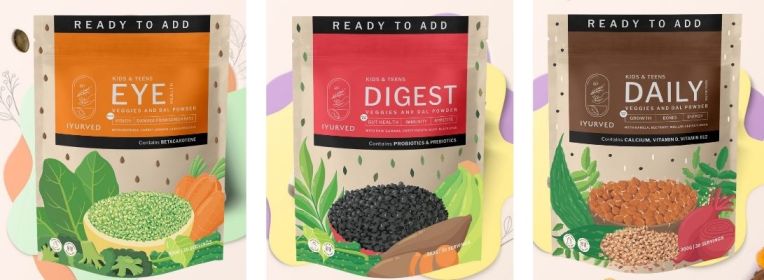
DAILY NUTRITION VEGGIES AND DAL POWDER

DIGEST VEGGIES AND DAL POWDER


BRAIN BOOSTER VEGGIES AND DAL POWDER

NURSING MOMS MILK MULTI JAGGERY CHOCO SPREAD


Stop Hair Fall Masala Spread

Quick Fix For Weak Digestion

Gut and Digestion - Iyurved

Have you ever wondered how BUSY your digestive system is? Well, a lot happens there. When you eat something, the food goes on a roller coaster ride which starts from chewing and ends with you going to the bathroom(Basically the digestion process). Do you know what plays a major role here? Your GUT!

Does your child rush to the bathroom after eating? Or Is he/she a frequent potty goer? Or Do you also feel that food sometimes just slips from their body?

All these are the signs of an unhealthy GUT. Child’s gut is not only responsible for the digestive health but also for the child’s overall health. It is connected to the child’s immune system, mood, mental health and body functioning. In fact, What we eat determines how well our digestion works. Probiotics, prebiotics and fibre rich food for good digestion should be included in the diet from the beginning.

If you want to set your child up for a lifetime of good health, it is essential to flourish the child’s digestive system with healthy bacteria. Let’s learn how!

Gut and Brain Connection – How does it help in Speech? – Read here

SIGNS OF UNHEALTHY GUT:

There are many factors that affect kids’ gut health such as eating too much processed and high sugar food, stress, too little sleep and taking excessive antibiotics. All of these lead to damage to kids’ gut health which results in many health issues. Here are some common problems that may occur due to unhealthy gut, namely:

PREVENTIVE MEASURES TO IMPROVE THE DIGESTIVE SYSTEM OF KIDS:

  • Introducing small meals
  • Chewing food slowly and carefully
  • Intake of plenty of water to cleanse child’s digestive system
  • Enough sleep helps to rejuvenate the child’s digestive system
  • Reduced processed foods
  • Add Prebiotic Fiber in the Diet

Here is the simplest way to get your kids these prebiotic fibres. Family PREBIOTIC GUT DRINKS! Incorporating this in their daily diet will help reduce frequent stool (associated with weak digestion), constipation, diarrhoea, gas, bloating and stomach pain. 2 serving of PREBIOTIC GUT DRINKS will help to meet 30% RDA of Prebiotic Dietary Fiber

Gut and Digestion - Iyurved

India’s First Tasty Kids Nutrition fortified with Ayurvedic herbs.

For Frequent Stools in kids give Family PREBIOTIC GUT DRINK | Made with Guar Beans | Prebiotic Fiber | Plant Sweetener | 0% preservative | 0% Artificial Colour | 100% Natural | No refined sugar | ORDER |

Available in 2 Flavours: LEMON and ORANGE

Gut and Digestion Iyurved. RDA fiber rich foods.

How PREBIOTIC FIBRE HELPS?

According to study, changes in the gut microbiota might occur within 2-3 weeks after changing food pattern and adding prebiotic fibres. Prebiotic dietary fibre also helps to increase the amount of healthy bacteria, which in turn helps to alleviate concerns about the same. People in some studies said it improved their quality of life.

WHAT CAUSES FREQUENT STOOLS?

The reaction of frequent potty is called the Gastrocolic Reflex. This is the normal reaction in the body whose intensity may vary. This reflex is generated when food hits your stomach. Once this happens it releases a hormone which signals your body to move food through the colon and then out of the body. This response affects some people more frequently and intensely than others.

Gut is made up of good bacteria and the bad bacteria generates as a result of our lifestyle, medication and food habits. When there is imbalance in this gut bacteria (gut dysbiosis) i.e., bad bacteria overpower good bacteria, then these concerns of frequent stools along with other digestive and overall develops.

HOW FIXING GUT WILL REDUCE THIS?

A lot of studies and research has stated that an unhealthy gut or certain digestive disorder may speed up the movement of food through the colon. This can be minimized with the use of prebiotic-rich foods, which have been shown to impact the makeup of beneficial gut bacteria (Probiotics).

Probiotics are responsible for keeping the bad bacteria in check. In addition, it helps in slowing down the bowel movements and reducing the gas production by balancing gut flora.


CHECK MORE PRODUCTS FOR:

Immunity, Gut health, Digestion, Weight, Brain development, Speech delay, Epilepsy, Eye health, Hormones, Sleep, Hyperactivity, Bones and Overall growth

Gut and Digestion Iyurved

PARENT REVIEWS:

Some parents have been kind enough to share their journey with us. Let’s hear them to closely understand the benefits of Ayurvedic spreads by Iyurved.

Read more blogs

Beta Carotene For Eye Care

Kids and teens Eye Health Veggies and Dal powder Eye care - Iyurved

The Eye is the lamp of the body, so if the eye is healthy your whole body will be full of light. Eye is the busiest organ as it starts working from the moment you wake up till the moment you close your eyes. Any information that your brain receives is initially processed through your vision. But, do your eyes get all the essential nutrients they need to keep them healthy? ( A guideline to children’s eye care)

If the answer is NO then don’t count upon consumptions of pills and syrups to reduce this risk. Rather than giving medicated supplements to kids, it is always preferable to stock up on foods for eye health and incorporate them into their diet. The best sources of these vitamins, minerals and antioxidants are from whole foods. This is because they may contain a combination of nutrients that provide these benefits. But again, does Beta-Carotene and Vitamin A really help in boosting eye health?

The answer to this is YES! Read on to learn more about how much of these nutrients is actually needed. But first, Basics! 

WHATSAPP for concerns like Speech Delay, Low Weight, Frequent Illness, Hyperactivity, Low Concentration, Weak Eyesight, Improper Sleep, Pigmentation, Pores, Face Marks, Fine Lines , Lactation etc.

REASONS OF WEAK EYESIGHT:

  1. Genetics: Kids with a family history of poor eyesight are at higher risk of weaker eyesight than those who don’t have any family history of eye issues.
  2. Lack of nutrients: Eating habits should be taken care of from an early age, as eating low nutrient food can lead to many health issues and weak eyesight is one of them.
  3. Screen time: Limitless screen time is adversely affecting the overall health including the eyes of kids especially those under the age of 3 years, as their development is happening rapidly.
  4. Sunlight: Just like UV rays affect our skin, it too affects our eyes. Photo keratitis is a type of sunburn on the surface of the eye.
  5. Lack of sleep: If there has been continuous lack of sleep it may cause eye fatigue and strain. Your eyes also get continuous lubrication when you get enough sleep. (How to improve your child’s sleep cycle?)
  6. Rubbing eyes: Rubbing your eyes can break the fragile vessels around the eyes. It may give you a moment of relief but the after effects are really bad.

WHAT IS BETA CAROTENE?

Beta carotene is a red-orange pigment found in colorful vegetables and fruits. It is the primary source of vitamin A in the human diet. Beta carotene is the precursor of vitamin A i.e., the formation of vitamin A starts for this. Orange-coloured fruits and vegetables like carrots, mangoes, apricots, and sweet potatoes are high in beta-carotene which helps your eyes to adjust them in darkness and improves night vision. (9 proven foods for eye health in kids)

HOW MUCH BETA CAROTENE DO YOU NEED?

Vitamin A RDAs are expressed as retinol activity equivalents (RAE). One milligrams of RAE is equivalent to 12 milligrams of dietary beta-carotene and 2 milligrams of supplemental beta-carotene. (7 Essential Nutrients for Eye Health in kids)

AgeMaleFemalePregnancyLactation
0–6 months*400 mcg RAE400 mcg RAE
7–12 months*500 mcg RAE500 mcg RAE
1–3 years300 mcg RAE300 mcg RAE
4–8 years400 mcg RAE400 mcg RAE
9–13 years600 mcg RAE600 mcg RAE
14–18 years900 mcg RAE700 mcg RAE750 mcg RAE1,200 mcg RAE
19–50 years900 mcg RAE700 mcg RAE770 mcg RAE1,300 mcg RAE
51+ years900 mcg RAE700 mcg RAE
The data is taken from NIH studies – Read here

WHY DO KIDS NEED BETA CAROTENE?

Children of growing age require a relatively high intake of vitamin A, roughly half of what adults require. The second reason for this Infections. Yes, infections raise the metabolic rate, which raises the body’s usage of vitamin A and limits it for their eye care. Breastmilk is sufficient for vitamin A up to the age of six months, but after that, additional meals high in beta carotene should be supplemented. A vitamin A-rich diet for a young kid should include at least 2–3 servings of vitamin A-rich fruits and vegetables per day, as well as a little amount of fat to promote absorption. According to studies, foods high in beta carotene contribute significantly to the daily supply of vitamin A.

ABSORPTION OF BETA CAROTENE:

The absorption of Β- carotene from the food sources varies from 5% to 65% in human beings. It depends on various factors though. The absorption and conversion of beta carotene takes place in the presence of bile acids. The gut health (stable number of good bacteria) also plays a major role to absorb these carotenoids nd thus, eye care!

HOW LONG DOES IT TAKE TO SHOW THE EFFECTS?

The rate at which beta carotene begins to have an effect is determined by a few factors. These factors include the source, absorption, your level of deficiency, how you eat your food, food processing, and other health conditions. It is critical to note that food supplements are not a magic pill that will instantly improve your eye health.

It takes time to build up a sufficient level of vitamins and minerals through daily and consistent consumption. A few studies and research shows that it takes around six to eight weeks to see noticeable changes.


HOW TO TAKE BETA CAROTENE AND OTHER ANTIOXIDANT IN CORRECT AMOUNT?

It’s no SECRET that following an Ayurvedic lifestyle has numerous advantages. This unique collection of Ayurvedic spreads is an easy solution to feed daily nutrition for Immunity, Eye, Brain development, Bone strength and overall growth to kids without any fuss. To know more about kid’s ayurvedic foods –SHOP HERE.

India’s First Tasty Kids Nutrition fortified with Ayurvedic herbs

For Better vision and to strengthen eye muscles, give Kids and Teens Eye health Chocolate Spread| Made with 100% veggies, greens, sprouted dal, Gingko Biloba, Lutein, Zeaxanthin | 0% preservative | 0% Artificial Colour | 100% Natural | No refined sugar | ORDER |


CHECK MORE PRODUCTS FOR:

Immunity, Gut health, Digestion, Weight, Brain development, Speech delay, Epilepsy, Eye health, Hormones, Sleep, Hyperactivity, Bones and Overall growth

what is the down's syndrome

PARENT REVIEWS:

Some parents have been kind enough to share their journey with us. Let’s hear them to closely understand the benefits of Ayurvedic spreads by Iyurved.


Read more blogs:

How Gut Health Affects Diabetes?

Diabetes in - Iyurved

It’s ALARMING!! Diabetes is anticipated to rise from 40.6 million in 2006 to 79.4 million by 2030 in India alone.  According to studies, the incidence of diabetes in urban Indian people is approximately 12.1%. Body weight, sedentary lifestyle, genetic impact, heredity, eating habits, stress, hormonal status, infections and antibiotics, and lifestyle changes related to urbanization are all risk factors for developing diabetes among Indians. These factors, however, appear to be extremely important for the formation of bacterial microflora in the gut.

WHATSAPP for concerns like Speech Delay, Low Weight, Frequent Illness, Hyperactivity, Low Concentration, Weak Eyesight, Improper Sleep, Pigmentation, Pores, Face Marks, Fine Lines , Lactation etc.

BUT WHY GUT?

The importance of the gut microbiome has been stated since early life. The intestinal flora is the largest organ, consisting of thousands of bacterial species that have intricate relationships with various body functions. The collection of bacteria has positive effects on behaviourappetiteimmunity (avoiding frequent infection in kids), digestive health and metabolism. Dietary habits play an important role in shaping these healthy gut microflora. Through a beneficial balance of the microbiota, this simple dietary modification may slow the development of diabetes disease and its complications. Prebiotic foods have a huge impact on human health, including improvements in diabetes metabolic imbalance, preventive and therapeutic control.

How does diabetes develop?

Diabetes develops when the pancreas fails to produce enough insulin to regulate the body’s carbohydrate metabolism and fails to absorb glucose from the bloodstream. When a person develops diabetes, the cells do not respond adequately to the hormone insulin. This causes the body’s blood sugar level to rise.

How does the gut help to maintain blood sugar levels?

Well, this is not rocket science to understand. To put in simple terms, changes in our gut microorganisms have an impact on our body metabolism, resulting in metabolic disorders. These disorders such as obesity or diabetes decrease the ability to maintain required blood glucose levels in the body. Recent studies found that people with diabetes had a distinct bacterial signature from those who did not. Similarly, scientific studies indicate gut alterations as a new strategy to controlling blood sugar levels.

Even after being diagnosed with diabetes, many people’s carbohydrate intake exceeds the limits, making it difficult for the body to consume enough dietary fibre. This fibre is essential for maintaining a healthy gut because it not only aids in healthy bowel functions but also regulates blood sugar levels, which helps to control diabetes. Several recent studies found that prebiotic fibre promotes the growth of healthy gut bacteria, which produce chemical signals that regulate appetite and blood sugar levels.

WHY CHOOSE PREBIOTIC GUT DRINK?

PREBIOTIC GUT drink is the most simple, convenient and tasty way to feed the good bacterias living in the body. It is 100% Natural. Made with Guar Gum and Prebiotic Fiber. Crafted to Boost GUT Health. Helps to meet the Daily Fiber Intake. Sweetened with a plant sweetener. Preservatives Free. No artificial colour or flavour. No refined sugar. (ORDER)

HOW DOES PREBIOTIC GUT DRINK INGREDIENTS HELPS?

1.PARTIALLY HYDROLYZED GUAR GUM:

Guar gum is a fiber made from guar bean or Indian cluster bean. Studies shows that guar gum can help diabetics improve their glycemic control and lower their serum LDL cholesterol levels. This gum powder aids in the slowing of carbohydrate absorption, making it an appealing option for diabetes management. While partially hydrolyzed guar gum is derived from guar gum by the process of enzymatic hydrolysis. PHGG is a water soluble dietary fiber and is used to regulate gut function. 

2. Fructooligosaccharides (FOS):

It are composed of short fructose chains. They are a type of carbohydrate called oligosaccharides. FOS occurs naturally in many plants. Several recent studies found that prebiotic fibre promotes the growth of healthy gut bacteria, which produce chemical signals that regulate appetite and blood sugar levels.

3. CITRIC ACID:

This acid is the weak organic acid found in the greatest amount in citrus fruits. The primary reason for including this in any packaged foods is for its tangy flavor. Apart from that, citric acid has been linked to a variety of health benefits, including diabetes. Overall, the findings imply that citrate may contribute to the health benefits of fresh fruits in diabetic patients’ diets, and that supplementing with citrate may be beneficial in the management of diabetes and its complications.

4. ORANGE and lemon EXTRACT:

These two extracts can assist you in efficiently controlling your blood sugar levels. If you have diabetes, you can have orange or lemon extract in your diet in moderation. Moreover, it also contain vitamin C , which is benefits in minimizing glucose strikes after meal and decreases the blood glucose levels.

5. STEVIA:

Stevia is one of the Alternatives of sugar made up of the leaves of a stevia plant, a kind of herb. It’s extremely sweet and safe in its natural form. It has no carbohydrates, calories or any artificial ingredients and a very low glycemic index, so does not spike your blood sugar level.

6. Papaya:

The nutritional value of papaya demonstrates that, despite its sweet taste, it is high in fibre and very low in sugar, making it a good snacking alternative for diabetics. The GI of papaya is medium. Papaya, when consumed in moderation, may help to reduce blood sugar levels. Papaya may have a hypoglycemic effect on the body, according to certain findings. Flavonoids are antioxidants present naturally in the fruit that may help regulate blood sugar levels.


CHECK MORE PRODUCTS FOR:

Immunity, Gut health, Digestion, Weight, Brain development, Speech delay, Epilepsy, Eye health, Hormones, Sleep, Hyperactivity, Bones and Overall growth

what is the down's syndrome

PARENT REVIEWS:

Some parents have been kind enough to share their journey with us. Let’s hear them to closely understand the benefits of Ayurvedic spreads by Iyurved.

READ MORE BLOGS:

Nutrient Deficiency : 10 Signs of Protein Deficiency in Kids

deficiency nutrient Iyurved

A great philosopher once quoted “Life is the Mode of Action of Protein”. Couldn’t agree more, can I? To elaborate more, protein is known as the building block of your body. Protein is essential in almost everything, including hair, skin, muscles, energy, hormones, body tissues, and enzymes. While protein is an important nutrient for your body, it is possible that you are protein-deficient. This nutrient deficiency occurs when your protein intake is insufficient to meet your body’s needs. This deficiency can affect almost all vital body functions and cause a variety of health issues. This deficiency is more common in people or children who have an unbalanced diet structure. So next time, if your body shows any signs and symptoms of protein – Do not let it go unattended.

Listing below the signs that you need to look out to find out whether your child’s body is protein deficient or not. 

WHATSAPP for concerns like Speech Delay, Low Weight, Frequent Illness, Hyperactivity, Low Concentration, Weak Eyesight, Improper Sleep, Pigmentation, Pores, Face Marks, Fine Lines , Lactation etc.

SIGNS OF PROTEIN DEFICIENCY IN KIDS:

1. Appetite:

There are two aspects here when appetite is considered. If your child has a milder nutrient (protein) deficiency then the appetite might increase. That is, when your body does not get enough amounts of protein, it attempts to restore the protein by increasing the appetite and encouraging you to find something to eat. (Here, majorly kids tend to crave junk foods more) Whereas, on the other hand, if your child has severe protein deficiency, then the appetite may seem to be poor.

2. Weak Bones:

Along with muscles, bones are also affected by low protein intake. Protein benefits the bones with strength and density. Therefore, deficiency of protein may increase the risk of bone fractures in kids as it weakens the bones.

3. Feeling Sluggish:

Not consuming enough protein can affect the muscles that are accountable for movement and posture. Moreover, it slows down the metabolism of the body. In addition to this, protein deficiency is also linked to anaemia which is the primary cause of sluggish feeling.

4. Low Immunity:

Lack of protein in your body may hamper you child’s immunity. Amino acids (proteins) in the blood assists the body’s immune system to produce antibodies that activate the cells to fight off against different viruses and bacteria. Also, studies have also shown that protein can alter the levels of diseases fighting good bacteria in the gut which is also responsible in building the immunity.

5. Slow wound healing:

Our skin is majorly made up of collagen. Collagen is responsible for holding the body together. It plays a major role in providing strength and structure. It is mostly present in bones, connective tissues, tendons, skin, muscles and ligaments. Therefore, protein is of crucial importance when it comes to wound healing. If you feel that your child is taking long enough to heal the wounds, check on the protein levels.

6. Skin, Hair and Nail:

Flaky, dry, split skin, redness, depigmentation, hair thinning, hair loss, brittle nails and fading of hair colour are all signs of protein nutrient deficiency.  Skin, hair and nails are majorly made up of proteins. Protein is known to give skin tissues its texture, durability, rigidity and structure. Moreover, it helps in keeping the skin hydrated and firm. It is an important part of hair and nails too. They are responsible for increasing hair thickness, quality and scalp coverage. Moreover, they help in strengthening nails thus preventing brittleness. (Healthy hair and skin foods)

7. Delayed growth:

Protein is vital for overall body growth and proper body functioning in kids especially during their growing phases. Therefore, it is of crucial importance to consume healthy proteins to ensure proper growth. Studies have shown that kids having low protein intake show impaired growth.

8. Lack of concentration:

In simple words, the brain uses a chemical to communicate information between cells. Most of these chemicals are made up of amino acids i.e., proteins. That means, when the body becomes deficient in proteins it would change how your brain works. It affects your mood, behaviour and concentration too.

9. Lack of muscle strength:

The simple logic behind this is, when your body lacks protein, it tends to draw it from the muscles (largest storage of protein) in order to preserve important body functions. This results in muscle wasting. Over a period of time, your child may feel a lack of muscle strength or find it harder to balance themselves.

10. Edema (Swollen/Puffy Skin):

This is a symptom of severe protein deficiency which causes swelling majorly on feet, ankle and legs. Acute protein deficiency may trap excess fluid in the tissues which results in swelling.  

HOW MUCH PROTEIN DO KIDS REQUIRE?

Protein requirements in kids (or be it adults) depends on multiple factors such as age, weight, height, muscle mass, physical activities, genes. Generally speaking, the recommended daily allowance (RDA) of most people must be around 0.8 grams of protein per kg per day.

HOW TO MAKE SURE YOUR CHILD IS GETTING ENOUGH PROTEIN?

Firstly, educate yourself with the minimum daily requirements of protein for your child. Be aware of the signs and symptoms of protein nutrient deficiency which are mentioned above. Look for easy, quick and delicious ways to provide protein to your kids – Click here for recipes.  And even after this, if you’re not sure where to start, you can either talk to your pediatrician or you can speak here for free to a Nutritional Expert on board for general nutrition guidance.

Foods that are rich source of protein

  1. Easy source of Protein for Kids – Check here
  2. Best Nuts and Seeds for Protein – Check here
  3. 5 Seeds that are high in Protein – Check here

PRODUCTS

It’s no SECRET that following an Ayurvedic lifestyle has numerous advantages. This unique collection of Ayurvedic spreads is an easy solution to feed daily nutrition for Immunity, Eye, Brain development, Bone strength and overall growth to kids without any fuss. To know more about kid’s ayurvedic foods – SHOP HERE.

India’s First Tasty Kids Nutrition fortified with Ayurvedic herbs.

If your child is a picky eater or does not take enough protein for the day, you can give Daily Nutrition Chocolate Spread and Daily nutrition Veggies and Dal powder | Made with Ayurvedic herbs | 0% preservative | 0% Palm oil | ORDER |


CHECK MORE PRODUCTS FOR:

Immunity, Gut health, Digestion, Weight, Brain development, Speech delay, Epilepsy, Eye health, Hormones, Sleep, Hyperactivity, Bones and Overall growth

what is the down's syndrome

read more blogs: