Skin and Hair Changes At Puberty

changes at puberty Iyurved

Do you miss having a clean, fresh face like you had when you were a kid? Have you ever wondered why your skin, like your body, has changed as you have grown up? Yes!! The most visible and noticeable changes in skin occur as a result of hormonal changes in the body. Between childhood and maturity, there is a period known as puberty. A child’s life changes dramatically in this era, both physically and emotionally. Teenage is the time in a person’s life when he or she matures sexually. Teenagers undergo several physical and physiological changes during puberty. It is a natural process that occurs between the ages of 10 and 14 for females and 12 and 16 for males. This read will take you through the changes that take place in the body during puberty and foods that help to manage them.

PHYSICAL CHANGES IN GIRLS AND BOYS During puberty

1. BODY SIZE:

Body size of boys starts increasing. You may observe that legs, arms, hands, feet are growing faster than the rest of the body. This sometimes makes a teen feel awkward but, frequent growth spurts are absolutely common in boys as they enters puberty phase.

2. BREAST GROWTH:

The upper body muscles begin to develop. Some boys may experience swelling in the breast area. The reason for this is only hormonal changes. It is a temporary condition which is common in teenage boys. Encourage him to start some regular exercises. It will help in growth.

3. VOICE CHANGE:

As a boy enters puberty phase, his voice may change. If you feel that your boy’s voice is cracking, he is going through the natural effects of male puberty. His voice will become deeper in some days.

4. HAIR GROWTH:

Boys get hair growth around genital area. They will also start having hairs on face (Beard and mustache), under their arms, and on legs. Boys generally love this change as they considered facial hairs as sign of manhood.

5. ACNE:

The most common issue is Acne. Almost all teenagers weather boys or girls face break out with pimples from time to time. It is caused as glands in the skin start producing natural oils called sebum. This happens because of increase in puberty hormones in male or boys. This extra sebum clog the skin pores which results in acne.  

6. BODY ODOR:

It is considered as one of the earliest sign of puberty. Boys begin to sweat profusely because of hormonal changes. Sweat itself has no smell. It is just odorless salty water. But the sweat glands located under the arms in the groin produce sebum which get mixed with sweat and make the kids stink.

7. TESTICLES AND SCROTUM:

As the body grows, some changes can be seen in their testicles and scrotum too. It is a natural process just as girls get their periods. The body is getting ready for the process of reproduction.

Physiological Skin changes at puberty:

During puberty, the body produces an increase in reproductive hormones such as estrogen, progesterone, and testosterone. These three hormones are in charge of puberty and are responsible for stimulating the sebaceous glands. These glands produce and secrete an oily substance known as sebum. Sebaceous glands grow in size and begin secreting sebum at the start of puberty. During puberty, these glands become overactive and produce excessive sebum, resulting in oily skin, clogged follicles, dead skin cells, and acne.

Acne is one of the most common skin conditions during puberty, but its severity varies greatly depending on hormone imbalances, genetics, and environmental factors. Puberty acne appears mostly on the back, upper chest, neck, shoulders, and, most commonly, the face during puberty.

Few tips to deal with skin changes at puberty:
  • Harsh scrub should be avoided. Acne-prone skin should be washed with gentle cleanser and warm water. Pat with a soft cloth. Repeat one to two times per day.
  • Oil based products which are known to clog pores should be avoided.
  • Sun protection and moisturizer should be used.
  • Picking, squeezing or popping acne lesions should be avoided.
  • Eating right.

Physiological hair changes at puberty:

Just as like your skin, puberty affects the hair too. As previously stated, our bodies contain glands that produce oil (sebum) to moisturize our hair. During puberty, hormonal changes cause these glands to become overactive, resulting in more sebum (oil) secretion than is necessary. Excess oil secretion results in an oily scalp or hair. Because of these things, teenagers and pre-teens find it annoying and even upsetting. On the contrary, some teenagers during puberty may experience skin and hair dryness due to decreased sebum secretion.

Few tips to deal with hair changes at puberty:
  • Proper hair care can help to regulate the excess oil.
  • Gentle hair wash with less harsh hair care products.
  • The frequency of shampooing varies based on hair types as oily hair washing should be at least 3 times per week.
  • Regular use of natural conditioners is also a good way to keep your hair healthy.
  • Eating right.

HORMONE BALANCING FOODS to manage changes at puberty:

1. MANJISHTHA:

Manjishtha is a powerful blood cleanser. It detoxes and purifies the blood. Apart from that, it aids in the removal of blood flow obstructions and promotes great blood circulation. This aids in the treatment of acne. This herb also helps to lift your spirits, leaving you peaceful and relaxed. It elevates your mood by increasing Dopamine levels in your blood (a neurotransmitter that regulates brain activity). Manjishtha’s anti-stress and nootropic properties aid to keep your mind at ease. It also helps in managing hair problems like dandruff, greying of hairs and hair fall.

2. TURMERIC:

Turmeric’s anti-inflammatory qualities are well-known. Furthermore, it aids in the management of hormone imbalances by regulating estrogen metabolism. It provides excellent liver support. Curcumin, the main ingredient in turmeric, has been found in studies to help the liver detoxify. This improves the liver’s ability to flush out harmful poisons that cause hormone imbalances. It is quite important. Curcumin has also been shown to help with puberty initiation in the event of delayed puberty in a few trials.

3. NEEM:

Neem offers a variety of medical characteristics and benefits in addition to balancing hormones. It is a powerful antioxidant that aids in the cleansing of the blood. This herb is an excellent hormonal acne treatment as well as a potent healer. It treats acne-prone skin that has been plagued by several ailments since adolescence. Neem also possesses anti-inflammatory, astringent, and antibacterial qualities, which aid in the treatment of hormonal acne.

4. NUTS:

For your hormones to function properly, the right amount of good fat is essential as your hormones thrive on fat production. Nuts such as peanut, cashew, and almonds are good sources of the same. Almonds have great estrogenic activity. Therefore, it impacts our endocrine system and regulates our major body glands. Whereas, cashews and peanuts have healthy phytoestrogens.

5. SEEDS:

Sunflower, pumpkin, and melon seeds are excellent sources of healthy fats. Vitamin E, antioxidants, magnesium, zinc, potassium, and vitamin K are all abundant in them. They help in balancing body’s estrogen and progesterone levels. Not only that, but they’re beneficial to your overall health because they aid digestion, cell growth, and keep your nervous system in good shape.

SCIENTIFIC RESEARCH ON INGREDIENTS FOR HORMONE BALANCE:

Manjistha: There is convincing scientific evidence that a Manjistha helps in making the skin complexion even, cure acne and lighten dark spots. Read here.

Neem: There is wide research on the role of Neem in reducing acne and hair fall. Read here.

Turmeric: There is scientific evidence that supports the claim that turmeric helps in reducing acne. Read here.

FOODS TO AVOID:

REFINED SUGAR:

Refined sugar and carbs can cause substantial hormonal imbalance. Sugar causes the body’s most critical hormone, Insulin, to malfunction. Insulin interacts with a number of other hormones in the body, including estrogen and testosterone. Furthermore, it depletes vitamin B levels in the body, leading to anxiety and sadness over time.

Greatest source of sugar in the average kid’s diet are sugary snacks and beverages like cookies, cakes, candies, fruit juice, soda, and sports drinks. Everything that the child picks up to eat today has strains of added sugar in some form or the other.

PRESERVATIVES: 

Most of the packaged food companies are adding artificial preservatives to delay spoilage and contamination in foods.  To clearly define, artificial preservatives such as nitrates, benzoates, sulphites, sorbates, parabens, formaldehyde, BHT, BHA and several others can cause serious health hazards. Hormone imbalances, hypersensitivity, allergy, asthma, hyperactivity, neurological damage are some hazards.

REFINED OIL: 

Broadly speaking, all natural and useful elements are removed from oil during the refining process. This is bad for your hormones, digestive system, and respiratory system, and ultimately has a negative impact on your general health.

RECIPE: CARAMELIZED MAKHANA WITH HIDDEN NUTS AND HERBS

Let’s make every dish tasty and nutritious by ‘hidden’ nutrition of veggies, herbs and nuts.

Check the Recipe made with Ayurvedic spread by Iyurved- DAILY NUTRITION spread.

CHECK MORE HEALTHY RECIPES LOVED BY KIDS.

PRODUCTS:

We are happy to introduce our range of nutritious & tasty products for kids!!

We know that preparing and feeding healthy foods everyday is a huge task. Even more tough when kids are picky eaters. Kids prefer certain foods and formats. It is not easy to feed kids bitter Ayurvedic herbs, variety of vegetables, fruits, nuts and seeds everyday.
Mixed with Ayurvedic herbs, this unique Ayurvedic chocolate spread is an easy solution to feed daily nutrition for Immunity, Brain development, Bone strength and overall-growth to kids without any fuss.

India’s First Tasty Kids Nutrition fortified with Ayurvedic herbs.

If your child is going through the puberty phase, you can give Teens Acne Treat Chocolate Spread | MANJISTHA | TURMERIC | NEEM | ORDER | 0% Preservative | 0% Palm oil | 0% Refined Sugar

Check more products for: Immunity, Gut health, Digestion, Weight, Brain development, Autism, Sleep, Hyperactivity, skin, Bones and Overall growth

(shipping in India and Singapore only)


Read more blogs:

How to Know About Your Skin Type?

how to know about your skin type Iyurved

Do you get perplexed when someone asks, “What is your skin type?’ Knowing your skin type is extremely beneficial when you have to choose an OTC skin care product. You should know your skin type for taking care of your skin. Healthy skin is a reflection of overall wellness. Everyone’s skin is different. This is because glowing healthy skin is the best foundation to wear. Skin is the largest organ of the human body. It has so many different functions. Apart from protecting our body from environmental aggregators such as sun rays, colds, germs and toxic substances it also helps in regulating our body temperature, prevents loss of moisture, and immune organs to detect infections. This read will summarize few key points that will help you to identify your skin type.

Does your skin type change over time? 

Yes! It is true that a person’s skin type can change over time due to changes in their bodies. The changes in the skin type can be due to the fact that a person’s sebaceous glands grow during puberty , the skin will be oilier during adolescence than during childhood. This can last into adulthood. Here are some other factors that may affect the type of skin you have: 

  • Pregnancy 
  • Menopause
  • Medications  
  • Ageing
  • Moving to a different climate
  • Exposure to pollutants and irritants

What Are the Different Skin Types? 

Defining your skin type may be confusing at times but here’s something that can help. You can take better care of your skin if you are aware of their specific characteristics. There are 5 different skin types. Normal, Dry, Oily, Combination and Sensitive skin. Let’s learn more about them which will help to know what skin type you may have:

1. Normal:

People describe normal skin as being neither oily nor dry, but with a smooth, soft appearance and normal texture with no imperfections. It does not require special care. People use normal skin to describe skin that is not obviously oily, dry, or sensitive. This skin type produces enough sebum to keep skin evenly hydrated without looking greasy. It is easy to care for and is not as problematic as other types of skin.

2. Dry:

This skin type lacks moisture and often flakes and peels. Your skin may also be easily irritated. Usually, dry skin is caused by external factors such as weather like winter, low air humidity, and hot water immersion. It is usually temporary. This type of skin may occur more often for some people and can even become a lifelong condition. This is due to the fact that dry skin can crack exposing the skin to bacteria, although on average it is not severe, it may lead to other skin disorders like eczema. There are many causes of dry skin , and the signs and symptoms can vary greatly depending on the cause, age, and health status of the person. Dry skin generally feels tight and rough. The skin may become ashy grey in colour and have desquamation, itching, redness, wrinkles and small cracks. People with dry skin may notice its following symptoms:

  • Feels tight or dry, especially after bathing or swimming
  • Flakes, itches, or cracks
  • Looks dull, rough, or ashy
3. Oily:

This skin type has a shiny look and feels greasy after touching the skin. People with oily skin have excess sebum production. They also tend to have larger pores on skin, mostly oil skin observed in youngsters under the age of 30 and usually they will have acne. People with oily skin may notice its following symptoms:

  • Feels greasy and appeached shiny 
  • Has large pores that clog easily
  • Is prone to pimple  or blackheads
  • Oily skin tends to have blemishes.

Oily skin can be triggered by various factors: Genetics, hormonal changes and imbalance, medication, stress, and comedogenic cosmetics too. 

4. Sensitive:

When it comes to sensitive skin, the skin is easily irritated. You may experience hives or breakouts. Some people develop frequent allergic reactions. Others have excess redness and irritation. Sensitive skin is more likely to react to certain products. It is a fragile skin that is prone to reacting to stimuli that normal skin does not experience. Sensitive skin feels uncomfortable, such as heat, tightness, redness, and itching. While the skin is delicate and needs special care, it can also be dry, itchy, cracked, rough and its usual appearance. Sensitive skin includes burning, stinging, or itching; visible reactions to substances, such as bumps, hives, or peeling. Oily and dry skin can both have sensitive skin, but it is most common in people with dry skin.

 5. Combination:

If you feel that sometimes skin can appear oily in some areas, while other areas may be dry, then your skin type would be a combination. Oily areas include the forehead, nose, and chin, collectively known as the T-zone. The cheeks or other areas may feel normal or dry. 

How to define which skin type you have?

Here are some steps to follow which will help you know about your skin type:

1.Wash your face with regular face wash.

2.Use a dry towel to clean.

3.Notice how your skin looks and feels immediately after washing.

4.Now wait for an hour, don’t apply any product in between and don’t touch your face.

5.Keep a note of how these changes over time.

6.Pat the dry tissue paper on your overall face.

Finally, it’s time to know about your skin type, interpret what you see:

1. Normal: 

Skin will look clear, even tone and texture will not feel tight or irritated after washing. After a few hours the skin will feel hydrated.

2. Dry: 

After 2 steps, the skin feels tight. It might also have a dull, rough or flaky look after a few hours. Easily scratchy skin.

3. Oily: 

After washing the skin will have a matte look. Later, after a few hours, the skin feels greasy and has a shiny appearance. After using tissue paper it will absorb oil. It will show the stains on tissue paper.

4. Sensitive: 

If your skin is sensitive, you will find red, possibly dry and easily irritated. Mostly after applying certain types of products.

5. Combination:

A few hours after washing the T-Zone will be oily, tissue will have oily patches in the T-zone but the rest of the face will dry and flaky.

Overall, when we visit skin care experts or dermatologists, they determine a person’s skin type conditions. Now you can treat your skin according to your skin type. Choose the product matching to your skin type and address skin condition.


Recipe: TANGY PARATHA AMLA RECIPE

Let’s make every dish tasty and nutritious by ‘hidden’ nutrition of veggies, herbs and nuts.

Check the Recipe made with Ayurvedic spread by Iyurved- DAILY NUTRITION spread.

CHECK MORE HEALTHY RECIPES LOVED BY KIDS.


Read more blog:

6 Smart Ways for Postpartum Weight Loss

postpartum weight loss

Finally, after a 9-month patience wait and a roller-coaster pregnancy, your little bundle of joy has arrived! Congratulations! Momma, you did it! We hope you’re receiving plenty of baby snuggles while your little one learns to explore new things every day. This happy moment comes with mixed feelings about the physical changes you’re going through. If you’re like most new moms and can’t wait to ditch your pregnancy clothes in favour of your old pants, this article of postpartum weight loss is for you!

It’s a lot to take care of yourself and your newborn while also focusing on getting in shape. The basic thing is that you should be aware that everyone is different and there is NO normal when it comes to postpartum weight loss. There are several factors that contribute to weight loss of an individual. However, there are some general weight loss tips, nutrition and exercise that can set you to the next chapter of your life!

WHATSAPP for concerns like Speech Delay, Low Weight, Frequent Illness, Hyperactivity, Low Concentration, Weak Eyesight, Improper Sleep, Pigmentation, Pores, Face Marks, Fine Lines , Lactation etc.

6 Successful Tips for Postpartum Weight Loss:

1. Eating Habits:

You may have changed your eating habits while pregnant to support the baby’s growth and development. Proper nutrition is still required after pregnancy to support your health. Missing out on these nutrients may result in postpartum issues such as hair loss, fatigue, depression, lethargies, and other complications. However, this does not imply that you should accept whatever food comes your way. It is critical to make healthy food choices to promote weight loss after pregnancy.

  • Eat fibre rich foods:  These foods can help you lose weight. Fibre-rich foods may help you feel fuller for longer periods of time, improve digestion, lower hunger hormones, and lower calorie intake.
  • Monitor your calorie intake: This is a difficult but beneficial task for reducing postpartum weight. It can also assist you in keeping track of the amount of energy and nutrition you require. The simplest method is to take photos of what you eat, use a mobile app, or find a partner to share this with to keep you on track!
  • Avoid processed foods: Avoid processed foods whether pregnant or not. They may be appealing, but they are low in nutrition. And apart from that, they are associated with several other high-risk health issues. All of these high sugar, fat, salt, and calorie foods will counteract your weight loss efforts.
  • Choose healthy proteins: Protein-rich foods have a significant thermic effect. It takes more energy to digest this. Moreover, including protein-rich foods in your diet helps to boost metabolism, keep you full, and reduce appetite and thus calories.
  • Handy healthy snacks: Always opt for healthy snacks when you feel like munching. Dried fruits, mixed seeds, makhana, nuts, yoghurt, hummus.

Read here: Superfoods for postpartum diet.

Read here: How to reduce postpartum hair fall.

2. Breastfeeding:

Yes! Apart from providing nutrition and a strong immune system to the baby, breastfeeding can also help you shed postpartum weight. This is due to the fact that it stimulates the release of a hormone that causes your belly to shrink. Furthermore, while breastfeeding, your body’s fat cells are depleted to fuel your milk production.

Read here: Food to boost breast milk production.

3. Physical activities:

Your physical fitness for exercises is determined by your mode of delivery, complications during delivery, other health conditions, how fit you were prior to childbirth, and how you feel now. If you had a normal delivery, you can begin as soon as you are ready, but if you had a C-section, you must first obtain permission from your healthcare provider.

Aerobic exercise works well for weight loss. Try brisk walking, jogging and running. Make the activities fun. Exercise in small bits. Make a routine set of exercises. Be consistent.

4. Proper amount of sleep:

A number of studies have discovered a link between sleep and obesity. Sleep deprivation not only affects your weight but also has a negative impact on your health. Getting enough sleep with a baby around is a huge challenge for many mothers. But keep in mind that your health is just as important as your child’s. Ask for assistance if necessary, and try to get enough sleep.

5. Set goals:

Setting realistic weight loss goals is an important factor that can keep you on track. Some may take six months, while others may take a year or two. Don’t be too hard on yourself, and accept your body’s changes. Good eating habits, consistent workouts, and acceptance can all be very beneficial. You can also participate in a group workout session. It may help you lose a little more weight.

6. What more can be done?

All these obsessions of losing weight desperately leads us to fall for the market that is full of unsure weight loss products, fad diets, supplements, meal replacements and what not. But, do you know that they may harm your health too? For some time, you might feel that you are losing weight but whenever you stop that, you again start gaining weight. Weight to height ratio is of prime importance gaining or reducing weight is considered. THIS SHOULD BE COMPLETELY AVOIDED.

Sharing some science backed and holistic tips:

  • Drink adequate amount of water
  • Eat slowly
  • Use smaller plates
  • Eat gut healthy foods regularly
  • Mindful eating
  • Reduce stress
  • Add herbs and spices that helps

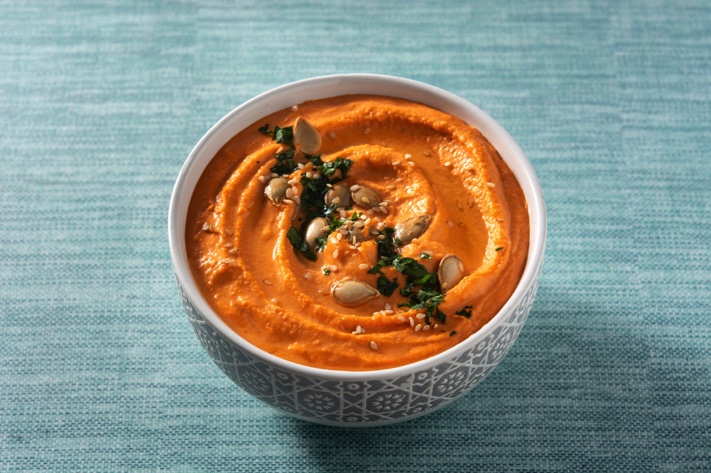
RECIPE: HUMMUS WITH PUMPKIN, HERBS AND NUTS

Let’s make every dish tasty and nutritious by ‘hidden’ nutrition of veggies, herbs and nuts.

Check the Recipe made with Ayurvedic spread by Iyurved- DAILY NUTRITION spread.

CHECK MORE HEALTHY RECIPES LOVED BY KIDS.


Products

2 tablespoons of Milk Jaggery Spread will help to boost milk supply, quality, supply & mothers’ and baby’s health.

foods for breast milk

India’s First Easy Effective Nutrition fortified with Ayurvedic herbs.

For Boosting Milk Supply & Quality in Nursing Moms, give Milk Jaggery Spread | 0% preservatives | 0% refined sugar | 0% palm oil | Fortified with SHATAVARI, METHI, MORINGA, GINGER | Contains CALCIUM, FOLIC, IRON PROTEIN, BIOTIN, VIT D, B12 | ORDER |


CHECK MORE PRODUCTS FOR:

Immunity, Gut health, Digestion, Weight, Brain development, Speech delay, Epilepsy, Eye health, Hormones, Sleep, Hyperactivity, Bones and Overall growth

what is the down's syndrome

Read more blogs:

9 Highly Effective Essential Oils for Oiling Skin

oiling skin Iyurved

Are you one of those people who is skeptical about the use of essential oils for oiling skin? Well, this read is for you! The world of beauty is transitioning and booming in such a way that can transform the way your skin and hair looks. Not only environmental factors, but also lifestyle choices such as not using high-quality skin care products and switching products frequently, can cause your skin to freak out. It is more important to treat your skin rather than covering it up.

Skin at times, may be tricky to manage and deal with, but using some high-quality essential oil on the skin has proven to be extremely magical. Essential oils have superpower to treat hair, skin, relax your body and even lifts your moooooood! These oils have been used since ancient times due to their efficacy and low risk of side effects. So, if you’re wondering how to keep your skin calm, clear, clean, balanced, hydrated, supple, and healthy, Essential Oil is the answer! Continue reading to learn more about the best essential oils for oiling skin.

WHAT ARE ESSENTIAL OILS (EO)?

According to NIH, EO are concentrated plant extracts that retain the natural smell and flavour of their source and are obtained through mechanical pressing, distillation, or evaporation. Each essential oil has a distinct chemical composition and aromatic properties that can be beneficial to the body.

HOW TO USE ESSENTIAL OILS FOR OILING SKIN?

The first thing to remember is that Essential Oils (if purchased unblended or raw) should NOT be applied directly to the skin or scalp because they can cause irritation.

  • Always do a patch test before using it for the first time.
  • Read label instructions well.
  • Use trusted brands or producers that make pure oils.
  • Do not use it on damaged, cute or irritated skin.
  • Do not overdo and stop using if skin reacts/
  • Take a few drops of EO on your fingertips and massage well in the upward circular motion on the skin.
  • If unblended, mix a few drops of EO in the carrier oil (olive oil, coconut oil) well and massage well in the upward circular motion on the skin.
ESSENTIAL OILS FOR YOUR SKIN:
1. Lavender:

This oil is ideal for people who have dry skin. Lavender Essential Oil is excellent for sleep and relaxation but it does a stellar job in skincare too. It has anti-inflammatory properties, reduces redness, repairs skin, maintains skin oil balance and keeps the skin hydrated. Moreover, it also helps in reducing eczema (NIH).

2. Lemongrass:

This oil is a distinct cousin of lemon and has a strong citrus aroma. It is also used in aromatherapy. Lemongrass EO has antimicrobial properties, making it suitable for acne-prone skin. Its astringent properties aid in the reduction of pimples, removal of dead skin cells, healing of wounds, reduction of inflammation, and the maintenance of clear skin.

3. Cinnamon:

We all love cinnamon in our food. Cinnamon is an excellent and potent remedy when it comes to skin. Cinnamon essential oil is thought to have antioxidant and anti-inflammatory properties, which aid in the reduction of pimples or acne. It helps to hydrate the skin, improves blood circulation, and removes dead skin cells. As a result, it smoothes the skin and improves your complexion and glow.

4. Peppermint:

When we think of peppermint, we think of coolness and freshness. However apart from its use in aromatherapy, peppermint essential oil is the most unusual oil to have on hand in the skin care industry. This oil has antibacterial, antifungal, and analgesic properties, making it ideal for acne-prone skin. It balances sebum production, cools the rash, prevents pore clogging, and adds a protective layer to your skin.

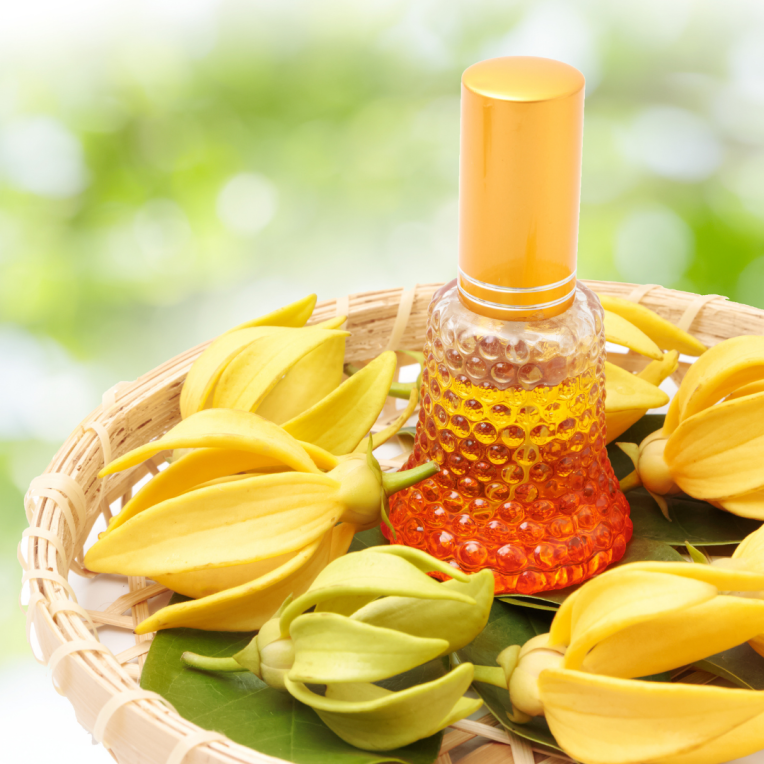
5. Ylang Ylang:

This difficult-to-pronounce oil is known to reduce uneven skin tone and hyperpigmentation (NIH). Besides that, it balances sebum (oil) production, which aids in the treatment of both oily and dry skin. This exotic Essential Oil stimulates cell growth and aids in the fight against signs of ageing. The added benefit is it boosts your moods and acts as insect repellent too.

6. Tea tree:

This has become a buzzword in skin and hair care too. Tea tree Essential Oil has the most notable antibacterial, antiseptic and anti-inflammatory properties. Studies show that it helps in alleviating itchy skin, reduces acne, helps control oily skin and majorly boost overall skin appearance.

7. Jojoba:

This oil, pronounced as Ho-Ho-Buh oil, is rich in essential fatty acids that occur naturally. Jojoba oil is a lightweight Essential Oil that helps in repairing the skin’s top layer, revitalizes the skin and thus leaves your skin smooth and supple.

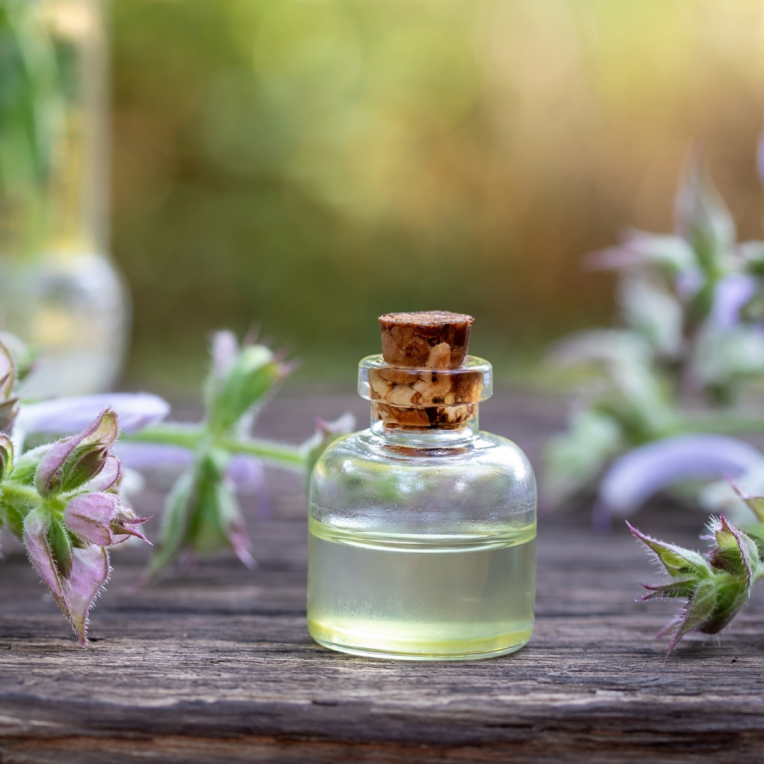
8. Clary sage:

Oiling skin may sound a bit weird but, this Essential Oil is a go-to oil if you wish to control excess oil or sebum on your skin. Clary sage oil helps in controlling the acne, regulating the oil glands and reducing the signs of ageing.

9. Neroli:

This fantastic Essential Oil is an excellent anti-aging ingredient. Neroli oil promotes cell regeneration and reduces visible signs of ageing such as wrinkles and fine lines, as well as mature skin. This oil is also suitable for sensitive skin and can help to lighten scarring. Further to that, its sebum control properties aid in skin hydration and protect against acne.


RECIPE : WRAP WITH SPINACH AND MUNG BEAN, HIDDEN NUTS AND HERBS

Let’s make every dish tasty and nutritious by ‘hidden’ nutrition of veggies, herbs and nuts.

Check the Recipe made with Ayurvedic spread by Iyurved- DAILY NUTRITION spread.

CHECK MORE HEALTHY RECIPES LOVED BY KIDS.


Join Iyurved group for FREE CONSULTATION

Foods and Remedies by a Nutrition Expert
READ MORE BLOGS:

9 Best Essential Oil For Hair

The world of beauty is transitioning and booming in such a way that can transform the way your skin and hair looks. Your hair, like your skin, endures a great deal and is frequently neglected. Are you someone who has always dreamed of long, beautiful tresses? Hair might be tricky to manage but massaging them frequently with some high-quality essential oil has proven to be extremely magical. Essential oils have superpower to treat hair, skin and even your moooooood! They give strength, gloss, and general health to your hair. These oils have been used since ancient times due to their efficacy and low risk of side effects. Let’s dive deep into more about the benefits of essential oils for hair.

WHATSAPP for concerns like Speech Delay, Low Weight, Frequent Illness, Hyperactivity, Low Concentration, Weak Eyesight, Improper Sleep, Pigmentation, Pores, Face Marks, Fine Lines , Lactation etc.

What are Essential Oils (EO)?

According to NIH, EO are concentrated plant extracts that retain the natural smell and flavour of their source and are obtained through mechanical pressing, distillation, or evaporation. Each essential oil has a distinct chemical composition and aromatic properties that can be beneficial to the body.

How to Use Essential Oils for hair?

The first thing to remember is that Essential Oils should NOT be applied directly to the skin or scalp because they can cause irritation.

  • Always do a patch test before using it for the first time.
  • Read label instructions well.
  • Mix a few drops of EO in the carrier oil (olive oil, coconut oil) well and massage well in the circular motion on the scalp as well as apply it to the strands.
  • Leave it for 15-20 minutes before washing as usual.
Essential oils for your hair:
1. LAVENDER:
essential oil iyurved

This is a gentle oil that can be used on sensitive skin and the scalp. Lavender essential oil is known for its soothing, antibacterial and antimicrobial properties. This improves overall scalp health, accelerates hair growth by generating new cells, and reduces hair loss. Additionally, it improves blood circulation and makes the strands look healthier. Lavender’s soothing aroma also aids in stress relief and relaxation. It is a kind of Stress-Booster!

2. Tea tree:
essential oil Iyurved

Tea tree oil has antibacterial, antifungal and antimicrobial properties that aid in hair follicle cleaning. To be more specific, it aids in the unclogging of follicles and the prevention of chemical or dead skin build-up. Overall, this promotes hair growth, reduces hair loss, and keeps lice at bay.

3. Cedarwood:
essential oil Iyurved

This oil works by balancing the oil glands in the scalp, which promotes hair growth and reduces hair loss. Cedarwood EO also has antibacterial and antifungal properties which helps in keeping dandruff at bay. Moreover, it facilitates good scalp health, thickens hair and strengthens hair too. Studies also show that cedarwood extracts help to reduce hair loss in people with alopecia areata.

4. Peppermint:
essential oil Iyurved

We all associate peppermint with coolness and freshness. Isn’t that right? This EO when applied to the scalp has a cooling and tingling effect which increases the blood circulation and thus promotes hair growth. A study also found that it aids in the growth of follicle depth and follicles. Furthermore, this oil alleviates dryness, itching, and other scalp issues. This oil can also be mixed into shampoo.

5. Rosemary:
essential oil Iyurved

If you’re looking for an oil that can help with both hair thickening and growth, rosemary oil is the way to go! This Essential Oil boosts cellular generation, making your hair thicker, stronger, and healthier. It has added benefits of improving blood circulation, reducing hair breakage, promoting better scalp, delaying premature greying of hair and hair regrowth. Well, that’s a lot!

6. Ylang-ylang:

This hard to pronounce Essential Oil is ideal for those having dry scalp. Ylang-Ylang EO stimulates the sebum production in the scalp and improves dry hair texture while reducing hair breakage. It has an amazing aroma and is a powerful aphrodisiac.

7. Clary sage:

This oil contains a similar compound that makes lavender oil. Therefore, it is also responsible for improving hair growth. It makes the hair frizz free. Clary sage oil can also help people who are experiencing premature baldness. It fights scalp infections and regulates sebum production. You can also combine this oil with your favourite conditioner.

8. Lemongrass:

This is a go to EO if you frequently face dandruff issues. Lemongrass Essential Oil is anti-dandruff and hair-follicle-strengthening. This is due to its astringent properties, which aid in keeping hair clean and clear. It also heals and soothes irritated and itchy scalp.

9. Thyme:
essential oil Iyurved

This essential oil is potent, nutrient-dense, antioxidant-rich, and flavonoid-rich. It has antimicrobial and anti-inflammatory properties that help keep the scalp healthy. Moreover, like cedarwood oil, this oil aids in the treatment of alopecia areata by preventing hair loss.


PRODUCTS:

It’s no SECRET that following an Ayurvedic lifestyle has numerous advantages. This unique collection of Ayurvedic spreads is an easy solution to feed daily nutrition for Immunity, Eye, Brain development, Bone strength and overall growth to kids without any fuss. To know more about kid’s ayurvedic foods –SHOP HERE.

India’s First Tasty Kids Nutrition fortified with Ayurvedic herbs.

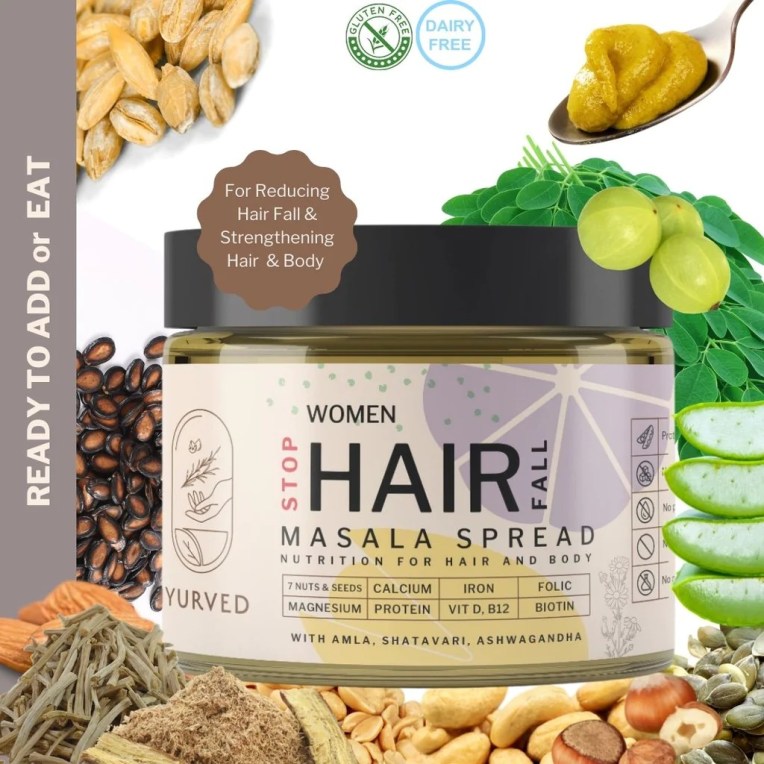
To stop Hair Fall & Strengthen Hair & Body, give Women Stop Hair Fall Masala Spread | 0% Preservatives | 0% Refined Sugar | 0% Palm oil | With SHATAVARI, ASHWAGANDHA, AMLA, MORINGA, ALOE VERA | ORDER |


CHECK MORE PRODUCTS FOR:

Immunity, Gut health, Digestion, Weight, Brain development, Speech delay, Epilepsy, Eye health, Hormones, Sleep, Hyperactivity, Bones and Overall growth

foods for breast milk

read more blogs

Tips on Fast Hair Growth: 9 Extremely Effective Hair Oil

tips on fast hair growth Iyurved

Just like your skin, your hair goes through a lot and is often neglected. Are you one of those people who has always wished for long, luscious locks? We understand how difficult it is to care for your hair with your hectic schedules, but oiling your hair three times a week will help. Hair, like the rest of the body, requires proper nutrition. While you can obviously make dietary changes to nourish your hair from the inside out, you cannot ignore oiling. Hair is composed of three layers, the outermost of which produces natural oils and serves to protect the hair. Aside from that, it makes hair shiny and healthy. When this layer wears away, the hair becomes dry and dull. Oil treatments for hair may help hydrate the strands and the scalp. Let’s learn more about the benefits, tips on fast hair growth and types of hair oils that are actually good for your hair.

WHATSAPP for concerns like Speech Delay, Low Weight, Frequent Illness, Hyperactivity, Low Concentration, Weak Eyesight, Improper Sleep, Pigmentation, Pores, Face Marks, Fine Lines , Lactation etc.

Benefits of hair oiling:
  • Protect hair from wear and tear
  • Maintains scalp health
  • Makes hair look healthy
  • Maintains shines, gloss and smoothness
  • Strengthen roots
  • Boost hair growth
  • Reduce split ends
  • Prevents dandruff
  • Maintains hair hydration
  • Provides protection against vitamin and mineral stripping during hair wash
  • Stress relief
How to apply hair oil properly?

According to Ayurveda, oiling your hair should be part of your daily routine, but this is not realistic. If this isn’t possible for you, at the very least, oil your hair twice a week. This is the one of the biggest tips on fast hair growth. Applying oil to your hair the night before washing it is ideal, but if this is not possible for you, you can oil your hair an hour before bathing. You can try these steps for proper oiling:

  • Apply oil on the scalp and massage with fingertips.
  • Rub oil on the palm and apply it to the strands as well
  • Cover properly with towel and keep it overnight
  • Wash normal, dry well and apply a small amount of coconut oil (or mixture of oils) as natural conditions.
9 best hair oil for hair nourishment:
1.Coconut Oil:

This is one of the most popular oils, easily available, anciently and widely used around the globe. Apart from being beneficial for skin, coconut oil works great for all hair types. This oil is rich in vitamins, antioxidants and essential fatty acids (mainly lauric acid). This penetrates deep into hair follicles without evaporating. It has a wide range of benefits right from reducing protein loss from hair, conditioning, protection against heat, repairs hair and keeps hair soft and healthy.

2. Olive Oil:

This oil is extremely versatile in nature, as it is used for all three purposes, namely food, skin, and hair. Olive oil is high in vitamin E and omega-3 fatty acids, and it has excellent emollient and protective properties. This oil is suitable for all hair types and makes the hair super soft. Furthermore, it aids in the retention of moisture in the hair, protects keratin, combats dandruff, and conditions the hair. Scalp revitalization, nourishment, and hair growth are all added advantages.

3. Almond oil:

It is high in vitamin E, magnesium, vitamin B7, antioxidants, and proteins, which promote hair growth, seal moisture, reduce oxidative stress, strengthen hair, prevent breakage, soften hair, and make hair lustrous. Isn’t that a lot? Almond oil can be consumed as well as applied topically.

4. Castor oil:

This is a viscous, thick oil that works wonders on your hair. Apart from vitamin E, protein, and minerals, castor oil contains ricinoleic acid, which helps to improve hair follicles and increase blood circulation. This, in turn, promotes hair growth. Another advantage is that it aids in the removal of dandruff and scalp inflammation. One of the tips on fast hair growth while using castor oil is massaging well in circular motion.

5. Onion oil:

This oil may smell foul when applied to hair, but you will enjoy the benefits at the end! Onion oil is rich in sulphur and sulphur containing compounds that are responsible for hair regrowth, prevents breakage, reduces hair thinning and split ends. In addition, it will also allow your hair to shine and be healthy by nourishing your scalp. Moreover, onion oil acts as a natural conditioner that prevents and controls frizz.

6. Argan oil:

Argan oil, like other oils, is high in vitamin E, antioxidants, vitamin A, vitamin C, vitamin E, and omega 3 fatty acids. It is extracted from the nuts of the argan tree. So, what else do you require for your hair to be healthy? Argan oil, also known as ‘liquid gold’ due to its colour, is minimally processed and thus can promote hair growth. Moreover, it aids in the replenishment of nutrients to the hair, the treatment of split ends, the repair of hair damage, and the maintenance of hair hydration.

7. Sesame oil:

This sesame seed oil is high in vitamin B1, calcium, magnesium, iron, copper, vitamin E, phosphorus, manganese, and zinc. It conditions the scalp deeply, smoothes hair, promotes hair growth, reduces frizz, and prevents dandruff.

8.Brahmi oil:

This ayurvedic hair oil rejuvenates hair follicles and strengthens them from roots. Thus, reducing hair fall and promoting thicker hair. Brahmi oil has cooling properties that helps in getting rid of dandruff and also works and stress relief. This, in addition, works well for dry and itchy scalp.

9. Tea tree:

This oil should not be applied to the hair directly. Always combine this with a carrier oil. Tea tree oil has antibacterial and antimicrobial properties that aid in hair follicle cleaning. To be more specific, it aids in the unclogging of follicles and the prevention of chemical or dead skin buildup. Overall, this promotes hair growth, reduces hair loss, and keeps lice at bay.


PRODUCTS:

It’s no SECRET that following an Ayurvedic lifestyle has numerous advantages. This unique collection of Ayurvedic spreads is an easy solution to feed daily nutrition for Immunity, Eye, Brain development, Bone strength and overall growth to kids without any fuss. To know more about kid’s ayurvedic foods –SHOP HERE.

India’s First Tasty Kids Nutrition fortified with Ayurvedic herbs.

To stop Hair Fall & Strengthen Hair & Body, give Women Stop Hair Fall Masala Spread | 0% Preservatives | 0% Refined Sugar | 0% Palm oil | With SHATAVARI, ASHWAGANDHA, AMLA, MORINGA, ALOE VERA | ORDER |


CHECK MORE PRODUCTS FOR:

Immunity, Gut health, Digestion, Weight, Brain development, Speech delay, Epilepsy, Eye health, Hormones, Sleep, Hyperactivity, Bones and Overall growth

foods for breast milk

read more blogs

6 Oily Scalp Home Remedies and Tips for Hair Care

tips hair care oily scalp Iyurved

Do you frequently have oily scalp after thoroughly washing it for a day or two? You are not, however, alone. A small amount of oil on the scalp is acceptable because it protects the hair. An abnormally oily scalp, on the other hand, can be a problem if it causes your hair to feel greasy! An oily scalp can cause scalp itching, dandruff, infection, hair loss, and other issues. Let’s learn more about the oily scalp causes, prevention, remedies for oily scalp and tips for hair care.

WHATSAPP for concerns like Speech Delay, Low Weight, Frequent Illness, Hyperactivity, Low Concentration, Weak Eyesight, Improper Sleep, Pigmentation, Pores, Face Marks, Fine Lines , Lactation etc.

What causes oily scalp?

Oily scalp can be caused by a variety of factors, including pollution and environmental factors.

Excess sebum production:

This is the root cause of oily scalp. Sebum is simply a protective oil that is secreted naturally to lubricate hair follicles and prevent moisture loss. Sebum overproduction can result in oily skin and other skin conditions such as dandruff.

Lack of personal hygiene:

This aggravates the situation. If you have a habit of not washing your hair for an extended period of time, using unwashed hair tools, and sleeping on dirty pillowcases and bed sheets, you may develop an oily scalp. It’s time to break the habit!

Stress:

You may not realise it, but stress causes your sebaceous glands to go into overdrive and produce more sebum (oil), resulting in an oily scalp. This states that stress and oily scalp go hand in hand!

Genetics:

Few factors are not in our control. This is one of them. The amount of oil produced by your glands and the thickness of your hair may be influenced by your genes. If someone in your close family has an abnormally oily scalp, there’s a good risk you’ll have it too.

Hormonal fluctuations:

Scientific research shows that hormonal changes can lead to oily scalp. When there are these sudden changes in the body, the body produces more testosterones thus, increasing the oily scalp.

Diet:

Diet has an impact on the scalp as much as the rest of the body. Consuming an unhealthy diet that is generally low in nutritional content deprives your hair of important nutrients, resulting in an oily scalp.

Read here: Foods and Tips to Reduce Oily skin

6 Home remedies for oily scalp:

Apart from trying different hair care products and switching from one to another, you can try these different home remedies for oily scalp, masks and tips for hair care. Here are some natural ways to keep the scalp oil in check:

1. Aloe vera:
Tips hair care aloevera Iyurved

This succulent is well-known for its numerous skin and hair benefits. Aloe vera aids in the detoxification, repair, and removal of impurities from the scalp. Furthermore, its nutrient-rich compounds aid in the reduction of excessive sebum production. Mix 3-4 spoons of aloe vera gel and add a few drops of lemon juice. Mix well and massage gently on the scalp. Let it rest for 15 minutes and rinse normally.

2. Apple cider vinegar (ACV):
tips hair care apple cider vinegar Iyurved

ACV is well known for its anti-inflammatory and pH balancing properties It has the ability to reduce oil production and, as a result, dandruff. Mix 2-3 tbsp of ACV in 2 cups of water. Apply this to your scalp and let it rest for a few minutes. Rinse hair with cold water.

3. Egg yolk:
tips hair care egg yolk Iyurved

This remedy works like magic for an oily scalp. The sulphur and protein content in the yolk, apart from maintaining scalp pH and reducing sebum production, helps in providing strength to your hair. Mix 1 egg yolk, few drops of lemon and ½ tbsp coconut oil. Massage this mixture on the scalp and let it rest for 30 minutes. Wash normally.

4. Lemon juice:
tips hair care lemon juice Iyurved

Using this for hair care is not a new concept. Lemon juice is naturally acidic, which helps to keep the oiliness at bay. It also kills bacteria and keeps dandruff at bay. Massage the scalp with 4 tbsp lemon juice and a cup of water. After 10 minutes, wash as usual.

5. Baking soda:
tips hair care baking soda Iyurved

This is an excellent remedy for oily skin as baking soda has incredible properties of exfoliation. It helps in removing oil, dirt, grime and other impurities from the scalp. Make a paste with baking soda and water. Apply on the roots and scalp. Let it rest for 15 minutes before washing thoroughly.

6. Fuller’s earth (Multani mitti):
tips hair care multani mitti Iyurved

This has been used for centuries to care for hair and skin. Multani mitti is extremely absorbent. It aids in the removal of excess oil from the scalp and inhibits the production of oil by overactive oil glands. Furthermore, this removes toxins from the scalp, promotes hair growth, and improves blood circulation. Mix Multani mitti with water to make a paste. Apply evenly to your scalp and wash after 20 minutes.

Oils for oily scalp:

Although it may appear counter-intuitive, there are some oils that can help with oily scalp. Essential oils (EO) are lighter than regular oils and can penetrate deep into your scalp. These are extremely effective for oily scalp because they control sebum production while also killing fungus and bacteria. Before using these oils, a patch test is required. EO should never be used in a direct manner. It is beneficial to combine it with a carrier oil such as coconut oil, olive oil, or almond oil. Massage this mixture into your scalp to reap the benefits. Sharing some essential oils:

1. Rosemary oil

2. Tea tree oil

3. Lavender oil

4. Jojoba oil

5. Lemon oil

6. Eucalyptus oil

Foods to consume to prevent oily scalp:

It’s obvious that what you eat reflects your skin and hair.  This is one of the tips for hair care. Certain foods cause your scalp to produce more oil, while others have the opposite effect. Maintaining the health of your scalp is largely dependent on your nutrition. Sharing few remedies and foods below that helps in preventing oily scalp:

1. Probiotics – Read here to know the sources

2. Vitamin B rich foods – Read here to know the sources

3. Foods rich in zinc – Nuts, seeds, legumes, oats, seafood, dairy, eggs

4. Vitamin E rich foods – Nuts, Seeds, spinach, pumpkin, red bell pepper, avocado, mango. Kiwi

5. C vitamin rich foods – All citrus fruits, strawberries, plums, broccoli, peppers, brussels sprouts, guava, kale, lychee

OILY SCALP Tips for hair care:

1.Wash your hair twice a week

2. Use suitable hair care products

3. Use cold or slightly warm water to rinse your hair

4. Clean your hair care accessories (brush, scrunchies) regularly

5. Shampoo properly

6. Do not apply conditioner to the scalp

7. Stay away from heat tools

8. Reduce stress


PRODUCTS:

It’s no SECRET that following an Ayurvedic lifestyle has numerous advantages. This unique collection of Ayurvedic spreads is an easy solution to feed daily nutrition for Immunity, Eye, Brain development, Bone strength and overall growth to kids without any fuss. To know more about kid’s ayurvedic foods –SHOP HERE.

India’s First Tasty Kids Nutrition fortified with Ayurvedic herbs.

To Strengthen Hair & Body, give Women Stop Hair Fall Masala Spread | 0% Preservatives | 0% Refined Sugar | 0% Palm oil | With SHATAVARI, ASHWAGANDHA, AMLA, MORINGA, ALOE VERA | ORDER |


CHECK MORE PRODUCTS FOR:

Immunity, Gut health, Digestion, Weight, Brain development, Speech delay, Epilepsy, Eye health, Hormones, Sleep, Hyperactivity, Bones and Overall growth

foods for breast milk

Read more blogs:

What are the Foods for Healthy Skin? 

foods healthy skin Iyurved

“No beauty cream will make your skin beautiful if you don’t start eating healthy”. Our skin is the body’s largest organ, and it is subjected to a variety of chemical, physical, bacterial, and fungal strikes. We are all aware that probiotics and prebiotic can help with a variety of health issues, either directly or indirectly. Another surprising aspect is that these probiotics and prebiotic have a high potential for preventing and treating skin-related issues such as dryness or eczema, acne, ageing, skin hypersensitivity, UV damage, or allergic inflammation. Let us find out how probiotics and prebiotic acts as foods for healthy skin.

Every person’s skin requires a steady, balanced microbiota. There’s a significant probability your microbiome is out of balance if your skin isn’t looking or feeling as healthy and fresh as it used to. Everyone, especially those with a damaged skin barrier or sensitivity, can benefit from the beneficial assistance that prebiotics provide.

WHATSAPP for concerns like Speech Delay, Low Weight, Frequent Illness, Hyperactivity, Low Concentration, Weak Eyesight, Improper Sleep, Pigmentation, Pores, Face Marks, Fine Lines, Lactation etc.

What are probiotics?

Probiotics are live bacteria naturally occurring in food that are good for you, your digestion and your GUT. These are those good bacteria that help you fight off diseases causing bad bacteria and restore the balance of both. Food habits, stress, lifestyle and antibiotics, all of them impact the gut health of your body. 

Also check here: What are probiotic foods for gut health?

What are prebiotics?

Prebiotics are a type of dietary fiber that humans cannot digest but the gut bacteria can. Prebiotic is a source of food for your gut’s friendly bacteria. It is a food which does not get fully digested in the body and reaches the large intestine (commonly known as GUT). The good bacteria in the large intestine eat this food and flourishes.

Prebiotics should not be confused with probiotics. Each has their separate role in the battle for better gut health, where probiotics are the friendly bacteria, prebiotics in foods are food for these bacteria.

Also check here: Understand the role of prebiotics in foods for health

how pre-probiotic foods are for healthy skin:

Each part of your body has its own microbiome, which is made up largely of beneficial viruses, fungi, and bacteria. Bacteria can aid in the promotion of skin health by preventing infections from becoming more serious. When the environment becomes unbalanced, it can lead to a variety of skin problems. This is when microbiome skin care enters the picture. According to current studies, pre and probiotics can aid in the prevention and treatment of a variety of skin disorders.

1. Acne:

As we age, the pH of our skin rises, which disrupts the skin barrier, causing it to dry out and allowing more bad bacteria to grow. Apart from this, hyperkeratinization, excess sebum production and bacteria colonization are also responsible for acne formation. When it comes to acne, it is critical to soothe the inflammation, keep the skin hydrated, consume foods for healthy skin and improve the skin barrier. Prebiotics are an effective treatment for certain types of acne breakouts. Probiotics aid in the removal of acne-causing bacteria from the skin, while prebiotics aid in the completion of the task. Aside from that, research shows that certain probiotics help to increase the skin’s ceramide (lipid) production, which traps moisture and keeps the skin hydrated, as well as improve the skin’s barrier functions and bacteria levels.

2. Ageing and UV radiation:

Many intrinsic factors, such as genetics and hormones, as well as extrinsic factors, such as environmental, stress, diet, and lifestyle, contribute to skin ageing. The changes in skin ageing include an increase in skin pH and a decreased ability to quench reactive oxygen species. Healthy, normal skin has a slightly acidic pH in the range of 4.2-5.6, which helps to prevent pathogenic bacterial colonization, regulate enzyme activity, and maintain a moisture-rich environment. A few topical probiotics improve moisture absorption and help to delay the signs of ageing. Lactic acid, one of the probiotics, reduces wrinkles, tightens pores, and exfoliates the skin. This, in turn, aids in the improvement of dull skin and the nourishing of sun-damaged skin.

3. Strengthen the Skin Barrier: 

We’ve seen what these beneficial microorganisms can do for your skin. Apart from that, prebiotics play a significant role in protecting and strengthening our skin barrier. In your skin’s microbiome, you’ll find the good bacteria that play a key part in maintaining a healthy barrier function. Probiotics help to maintain a healthy balance of bacteria in the skin microbiome, which helps to strengthen and protect your skin barrier. A robust skin barrier protects against UV rays, pollution, and other factors. In addition, probiotics also minimize the risk of infection and increase the skin’s barrier capabilities against harmful germs, pollutants, and free radical damage.

4. Soothes Skin: 

Prebiotics have a number of beneficial features, including the ability to relieve skin irritation, rash, redness, and inflammation. These are mild and help to improve sensitive skin. Ceramide levels are lower in those with eczema, thus replenishing them is crucial. Pre and probiotics have been shown in studies to aid with eczema relief and skin suppleness.

5. Promote Healthy Scalp:

Yes! Yes, you read that correctly. These beneficial bacteria not only keep the skin healthy, but also the scalp. Probiotics aid in the relief of irritations and the restoration of hair health. One study found that consuming probiotics led to thicker, shinier, and glossy hair.

Overall, prebiotics and probiotics have a strong relationship with your skin and hair. Probiotics, or beneficial bacteria, maintain the skin and hair healthy, while prebiotics assist these bacteria in doing their duties without fail. Consumption of these foods (Probiotics and Prebiotic) on a regular basis helps in maintaining healthy skin.


Recipe: CAULIFLOWER PIZZA WITH HIDDEN NUTS AND HERBS

Let’s make every dish tasty and nutritious by ‘hidden’ nutrition of veggies, herbs and nuts.

Check the Recipe made with Ayurvedic spread by Iyurved- DAILY NUTRITION spread.

CHECK MORE HEALTHY RECIPES LOVED BY KIDS.


PRODUCT:

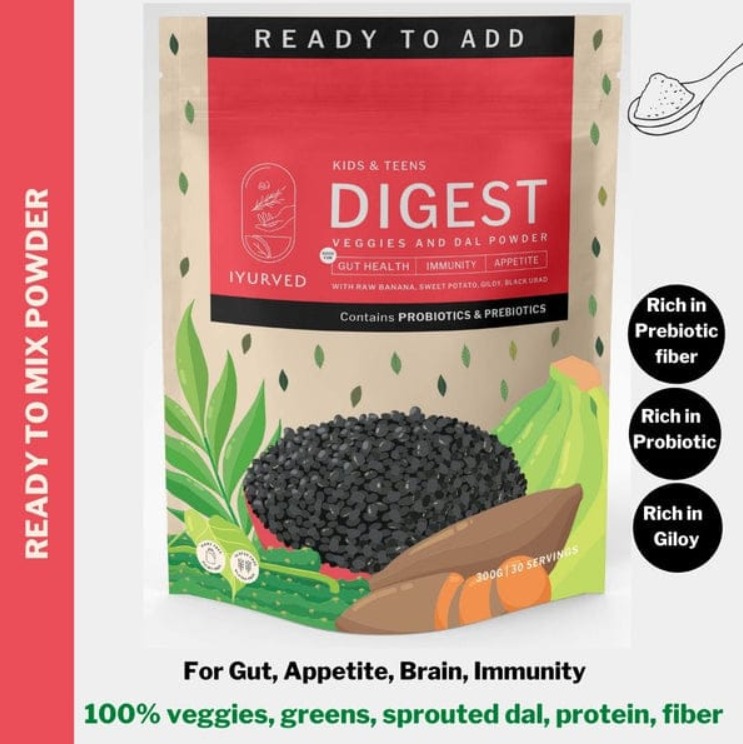
Make it EASY to feed a daily dose of vegetables, greens, dal, and prebiotics and probiotics. 1 serving of Veggies and  Dal powder equals 30-50g of fresh food. Helps to provide daily nutrition for Immunity, Brain, Digestion, Bones, Healthy Weight, Height, Eye health and Growth. Get yours now!

India’s First Tasty Kids Nutrition fortified with Ayurvedic herbs

For Healthy Skin and Gut| Give Digest Veggies and Dal powder | Rich in Prebiotic fiber, Probiotic and Giloy | Made with 100% veggies, greens, sprouted dal | 0% preservative | 0% Artificial Colour | 100% Natural | No refined sugar | ORDER |


CHECK MORE PRODUCTS FOR:

Immunity, Gut health, Digestion, Weight, Brain development, Speech delay, Epilepsy, Eye health, Hormones, Sleep, Hyperactivity, Bones and Overall growth

foods for breast milk

Read more blogs:

How to Avoid Frequent Infection in Kids?

infection in kids Iyurved

Our body is constantly communicating with us in its own language. We need to observe and understand the sign language that our body speaks to us. Come let’s understand. The collection of bacteria that resides in the gut is called the gut microbiome and has positive effects on behaviour, appetite, immunity (avoiding frequent infection in kids), digestive health and metabolism. Although most people think of bacteria as a bad word, human cells and bacteria live in close proximity and have a mutually beneficial connection.

Probiotics are live bacteria naturally occurring in food that are good for you, your digestion and your GUT. These are those good bacteria that help you fight off diseases causing bad bacteria and restore the balance of both. Food habits, lifestyle and antibiotics, all of them impact the gut health of your body. Your body loses good bacteria when you fall sick and take antibiotics. At this time probiotics can help to maintain the amount of good bacteria in the gut again.

WHATSAPP for concerns like Speech Delay, Low Weight, Frequent Illness, Hyperactivity, Low Concentration, Weak Eyesight, Improper Sleep, Pigmentation, Pores, Face Marks, Fine Lines , Lactation etc.

Benefits of probiotics –
  • Balance the friendly good bacteria in the gut and improve digestion.
  • Helps in stomach discomforts such as gas, bloating, diarrhea, constipation, heartburn and stomach ache. It reduces the risk of severity of diarrhea from a number of different causes.
  • Research shows that taking probiotics on a regular basis improves the symptoms of mental health disorders like depression, anxiety, stress etc. (More foods to manage stress and body ache?)
  • Probiotics may reduce the symptoms of eczema, by restarting the disrupted immune system. (Foods and remedies to manage skin rashes?)
  • Probiotics build your immunity by boosting immune cells and reduces the risk of infection in kids. (More foods that build immunity?)

Now coming to prebiotics, these are a type of dietary fiber that humans cannot digest but the gut bacteria can. Prebiotic is a source of food for your gut’s friendly bacteria.It is a food which does not get fully digested in the body and reaches the large intestine (commonly known as GUT). The good bacteria in the large intestine eat this food and flourishes.

Prebiotics should not be confused with probiotics. Each have their separate role in the battle for better gut health, where probiotics are the friendly bacteria, prebiotics in foods are food for these bacteria. (What are some foods for healthy gut?)

Benefits of prebiotics:
  • Consumption of prebiotics increases the useful gut flora, which synthesize the B complex vitamins.
  • Positive effect on calcium and other mineral absorption, by increasing their solubility.
  • Prebiotic may help reduce inflammation, especially in your intestines, and thereby strengthen the immune system.
  • Prebiotics in foods reduces constipation by maintaining the regularity of bowel movement.
  • It also may help with allergy prevention and symptoms of eczema.
  • Helps in maintaining healthy hormone levels. Prebiotics help your body absorb essential nutrients that help in building hormones.
  • Prebiotic are fiber and eating lots of fibrous food keeps you full for a long time, thus prebiotics in foods are great for weight loss.
Signs of unhealthy gut:

There are many factors that affect kids gut health such as eating too much processed and high sugar food, stress, too little sleep and taking excessive antibiotics. All of these lead to damage to kids gut health which results in many health issues. Here are some common problems that may occur due to unhealthy gut:

  • Constipation
  • Diarrhea
  • Bloating
  • Craving for sugar
  • Skin irritation
  • Improper sleep or sleep disturbances
  • Frequent infection in kids
  • Undefined weight changes
How gut health helps in reducing frequent infection in kids?

The best gift you can ever give to your child is a healthy body and strong immunity to fight infections. Immunity plays a major role and it can be achieved by feeding some foods for immunity boost. For the world, 2020 was all about immunity. We had never dreamt about going through such trying medical and emotional conditions. It taught us that in some situations science and medicine fail to help us as spontaneously as our own immunity can. Now the question arises: How to increase immunity in children?

Your GI tract houses a large amount of your immune system. The gut contains approximately 70% of the immune system. According to the studies, it is critical for the body’s health to maintain a delicate balance in the immune system by eliminating invading pathogens while also maintaining self-tolerance to avoid autoimmunity.

What is the immune system?

Our immune system is critical in protecting our bodies from harmful invaders. Immune cells serve as your body’s first line of defense, identifying and neutralizing harmful substances that enter the body. When this system in the body is functioning properly, your kid’s bodies do not feel anything. However, if this system is not robust, your child is likely to become ill on a regular basis.

Gut health and immunity:

The immune system’s job is to keep the body healthy and protect it from viruses and bacteria. What about gut microbes (prebiotics and probiotics), and how do they play a role?

The immune system shapes the bacteria variety, and the gut has an impact on the immune system’s strength and growth. Other factors, such as nutrition, environment, and lifestyle behaviours, affect the composition of the gut flora throughout time. When everything is in order, the stomach sends out signals that encourage the development of good immunological function, which modulates immune responses. In exchange, the immune system aids in the proliferation of health-promoting bacteria in the microbiome. When you acquire an infection, it’s a symptom that your system is out of balance due to nasty germs. At this moment, good bacteria assists in the elimination of the bad bacteria and the restoration of the good bacteria equilibrium. Thus, overall gut health improves children’s ability to fight infections and reduces the frequency of infection in kids.


PRODUCTS:

Make it EASY to feed a daily dose of vegetables, greens, dal, and prebiotics and probiotics. 1 serving of Veggies and  Dal powder equals 30-50g of fresh food. Helps to provide daily nutrition for Immunity, Brain, Digestion, Bones, Healthy Weight, Height, Eye health and Growth. Get yours now!

India’s First Tasty Kids Nutrition fortified with Ayurvedic herbs

For Healthy Gut| Give Digest Veggies and Dal powder | Rich in Prebiotic fiber, Probiotic and Giloy | Made with 100% veggies, greens, sprouted dal | 0% preservative | 0% Artificial Colour | 100% Natural | No refined sugar | ORDER |


CHECK MORE PRODUCTS FOR:

Immunity, Gut health, Digestion, Weight, Brain development, Speech delay, Epilepsy, Eye health, Hormones, Sleep, Hyperactivity, Bones and Overall growth

what is the down's syndrome

READ MORE BLOGS: