12 Foods to Avoid for Pregnant Ladies

foods to avoid for pregnant by Iyurved

Pregnancy is the most unexceptional moment in a woman’s life with a rollercoaster of emotion. A special shout-out to all the soon-to-be mothers. Every mother wants the best for her child. You may have a strong desire for all of the world’s delectable meals and go insane over them, but limiting your taste buds for a few months and being extra careful with your diet can be good for your child. The mother’s diet has a direct impact on the health of the child. Read more to know about 12 foods to avoid for pregnant ladies.

WHATSAPP for concerns like Speech Delay, Low Weight, Frequent Illness, Hyperactivity, Low Concentration, Weak Eyesight, Improper Sleep, Pigmentation, Pores, Face Marks, Fine Lines , Lactation etc.

Foods to avoid for pregnant ladies:

Fortunately, there’s more you can eat than there isn’t. A little extra care about what you eat can make your pregnancy easy and free from some unwanted concerns. Certain meals should be ingested only on rare occasions, while others should be avoided entirely.

1. Fish high in mercury:

This comes first on the list of foods to avoid for pregnant ladies. Seafood is a good source of protein and essential fatty acids (Omega-3) that can aid in the brain development of your growing baby. It should be noted, however, that high-mercury fish should be avoided at all costs. Such fish can be dangerous and toxic, affecting the developing nervous system of the baby. This species of fish is commonly found in polluted water. If you want to eat fish, always choose properly cooked fresh water fish. You can eat this fish about three times per week.

Fish to avoid: King Mackerel, Swordfish, Tuna, Shark, Orange Roughy, Shellfish

Fish to consume: Salmon, Shrimps, Cod, Haddock, Anchovies, Tilapia, Trout

(Note: There can be other fishes too mentioned in the above category. Enlisted here are only few)

2. Sesame Seeds:

It might be quite surprising to hear that sesame seeds (loved by many of us) should be avoided during the first 3-4 months of pregnancy. This is due to the fact that it activates the uterine muscles, forcing the fertilized ovum to expel.

3. Salty foods:

Cravings for salty foods (chips, sauces, wafers, condiments, and instant foods) are understandable during pregnancy because they may satisfy your taste buds. However, it is strongly advised that salty foods must be avoided by pregnant ladies. It is said to be so because a high salt content causes increased water retention in the body, which can lead to pregnancy complications.

4. Caffeine:

A sip of coffee or tea may lift your spirits and provide you with energy, but hold on! Caffeine is one of the “must avoid foods” during pregnancy. Caffeine is quickly absorbed by the body and can pass the placenta. Because the baby’s placenta lacks the main enzyme that metabolizes caffeine, there is a high risk of caffeine build-up. Furthermore, it can limit foetal growth and increase the risk of low birth weight during delivery. Generally, 2000mg caffeine/day is the advised limit for pregnant people.

5. Papaya:

You may have heard from your grandmother that eating papaya is a no-no during pregnancy. But do you understand why? Raw, green, unripe, or semi-ripe papaya should be avoided at all costs. These papayas contain the chemicals papain and latex, which are responsible for limiting foetal growth and uterine contractions, respectively. This could even result in a miscarriage.

6. Ajinomoto:

Do you have a craving for Chinese food preparations? Yes! Cravings for this type of cuisine are quite common, but they are not very healthy. This is due to the addition of one ingredient during the preparation – Ajinomoto! It can have a significant impact on the baby’s brain development while he or she is still a foetus. As a result, ajinomoto should be avoided to avoid such complications and to protect the baby’s growth.

7. Raw sprouts

Everyone tells you to eat healthy when you’re pregnant. Amongst them are sprouts. It is easily digestible and a good source of protein as well as other essential vitamins and minerals. Raw sprouts, on the other hand, should be avoided at all costs. This is done to avoid salmonella (bacteria) contamination, as pregnant women are at a much higher risk of infection. Sprouts, on the other hand, are safe to eat after they have been cooked.

Similarly, unwashed and unpeeled fruits and vegetables are must to avoid in order to keep away the risk of bacterial and parasitic infections.

8. Pineapple:

Bromelain is the active ingredient in pineapple. This compound causes cervix softening, which may lead to cervix opening and miscarriage. Furthermore, it is believed that pineapple can rapidly increase body heat. This can cause blood pressure to fluctuate, which is not ideal during pregnancy. Having very small amounts, however, is safe during pregnancy.

9. Alcohol:

It is not safe to drink alcohol whether pregnant or not. When you’re pregnant, it’s best to avoid alcohol because it raises the risk of miscarriage and stillbirth. Even a modest amount can have an adverse effect on a baby’s brain and development. Aside from that, it has the potential to create facial deformities as well as intellectual incapacity. DURING PREGNANCY, NO ALCOHOL LEVEL IS SAFE.

10. Processed junk foods:

You may have always struggled to avoid junk foods and eat healthy, or to plan a nutrient-dense meal. There is no better time to instill that than during pregnancy. To protect yourself and your child from infections, avoid eating street food such as chaats, Chinese, vada pav, and so on. Along with this, try to avoid foods made from refined wheat flour (Maida), which can cause bloating and constipation. Furthermore, pre-packaged pickles, chutneys, sauces, and condiments should be avoided because they may contain preservatives and additives that are harmful to the developing baby. Highly processed foods high in sugar, fat, added fats, and additives must be avoided as they can lead to unhealthy weight gain and pregnancy complications.

Increase your intake of protein, minerals, iron, calcium, and vitamins by eating more fresh foods. Don’t panic; there are a variety of methods to incorporate vegetables into your meals without compromising flavour.

11. Fenugreek Seeds (Methi):

Although fenugreek seeds have a number of health benefits, they should be avoided during pregnancy. contains a lot of phytoestrogens, which cause the uterine walls to contract and the lining to shed. Fenugreek seeds can also cause contractions and, if consumed in large quantities, can result in birth defects. It is unquestionably beneficial to consume fenugreek seeds after pregnancy. It aids in the production of breast milk, stimulates menstruation, and cleans the uterus.

(Read here: Foods that help to boost breast milk production)

12. Grapes:

Foods to avoid for pregnant ladies includes on of your favourite fruit too. This juicy fruit should not be consumed during your third trimester of pregnancy. Grapes can cause unwanted complications by rapidly increasing body heat. Apart from that, resveratrol, the active ingredient in grapes, can create a variety of problems, including hormone instability.

It’s natural to feel upset about not being able to eat what you want, but keep in mind that you’re doing this for yourself and your baby. There are several Indian foods that should not be consumed during pregnancy, but there are many others that are safe and delicious. So take pleasure in them! You’ll have a healthy baby if you focus on staying well and keeping your infant safe.


PRODUCTS:

2 tablespoons of Milk Jaggery Spread will help to boost milk quality, supply & mothers’ and baby’s health.

breast milk how to increase

India’s First Easy Effective Nutrition fortified with Ayurvedic herbs.

For Boosting Milk Supply in Nursing Moms and Recovering , give Milk Jaggery Spread | 0% preservatives | 0% refined sugar | 0% palm oil | Fortified with SHATAVARI, METHI, MORINGA, GINGER | Contains CALCIUM, FOLIC, IRON PROTEIN, BIOTIN, VIT D, B12 | ORDER |


CHECK MORE PRODUCTS FOR:

Immunity, Gut health, Digestion, Weight, Brain development, Speech delay, Epilepsy, Eye health, Hormones, Sleep, Hyperactivity, Bones and Overall growth

what is the down's syndrome

READ MORE BLOGS:

9 Effective Tips for Winter Skin Care

for winter skin care by Iyurved

Winter has arrived! As a result, chapped lips and dry skin! Winter can wreak havoc on your skin, causing it to become dry, itchy, and irritated. On your skin, harsh winter conditions can be harmful, unpleasant, and even painful. Winter skin care necessitates a little extra time and effort due to the harsh conditions that our delicate protective barrier faces. During the winter, the severe cold atmosphere and dry indoor air can leave skin in less-than-ideal condition.

However, there are several ways to combat this by making minor changes to your daily skin care routine and habits. This will keep your skin soft, supple, smooth, hydrated, and vibrant this winter.

Let’s have a look at it more closely!

WHATSAPP for concerns like Speech Delay, Low Weight, Frequent Illness, Hyperactivity, Low Concentration, Weak Eyesight, Improper Sleep, Pigmentation, Pores, Face Marks, Fine Lines, Lactation etc.

Signs of dry skin:

The following are some of the most prevalent signs and symptoms of dry skin:

  • Dehydration
  • Flaky skin or rough texture
  • Cracks on the skin
  • Redness
  • Painful skin or stinging
  • Itchiness
  • Wrinkled skin with loose texture
  • Skin irritation
  • Peeling of skin

9 effective tips for winter skin care:

A small tweak in your everyday routine can help you combat the dry skin that winter brings.

1. Moisturize your skin:

Moisturization is an important step in any winter skin care routine, whether you have oily skin, normal skin, or dry skin. The natural oil for the skin is stripped away when you bathe, wash your hands, or wash your face. These natural oils are what keep your skin hydrated, healthy, and supple. As a result, it is critical to moisturize your skin every time you wash it, especially in the winter. Natural moisturizers include coconut oil, aloe vera, olive oil, buttermilk, and cocoa butter.

2. Reset your skin care routine:

If your facial skin appears to be particularly sensitive or dry as a result of the dry winter air, you may try to reconsider or simplify your skin care routine for the time being. It is also possible to use just a moisturizer and sunscreen. When you feel your skin is healthy, you can reintroduce your skin care treatment products.

During the winter, cream-based cleansers and products are always preferable. Aside from that, use toners and astringents sparingly because they contain alcohols that can dry out your skin. Use a rich moisturizer on your face and skin at night. Don’t forget about your lips. According to the AAD, using a moisturizing balm can help heal dry, cracked lips and keep them from becoming chapped.

3. Apply sunscreen:

Application of sunscreen should be a daily and a year-round habit that everyone should build. Application of sunscreen during summers is a must and explainable, but why winters? This is because during winters, the ozone layers thin out. This means we have less defense against UV rays.  Even in the winter, damaging UV rays can cause damage to your skin’s moisture barrier, which is essential for skin health and hydration. Therefore, it is important to apply sunscreen even to the easy to forget areas. The American Academy of Dermatology Association recommends using sunscreen with at least SPF 30.

4. Overnight treatments:

In the winter, this is an excellent way to replenish your skin. Overnight treatments with emollients and occlusive are an excellent way to keep your skin soft and hydrated. These are excellent for moisturizing the skin, but they take longer to absorb into the skin. As a result, by applying these overnight, your skin will have enough time to absorb them and restore itself. Wrapping your hands and feet in gloves and socks after applying moisturiser is also a good idea.

5. Drink a lot of water:

We tend to drink less water than necessary throughout the winter, whether consciously or unconsciously. This causes us and our skin to become dehydrated. Another important aspect of keeping your skin healthy and shining is to stay hydrated throughout the day. Inadequate hydration can alter the appearance of your skin and make it more prone to drying out.

6. Avoid scrubbing and scratching:

Skin exfoliation might be a regular skin care practise for you, but if your skin is cracked and dry, you should avoid it until it heals. Aside from that, if your skin feels stringy, avoid scratching and scrubbing excessively. This could result in bleeding and bruises. If your skin appears dry or flaky, a gentle chemical exfoliation may be preferable than a physical scrub. Scrubs containing big particles that are harsher are more likely to damage your skin’s moisture barrier.

7. Use gentle skin care products:

Using the improper skin care products can aggravate your skin, whether it’s winter or summer. In the winter, choosing the correct moisturizer, soap, body wash, face wash, exfoliators, and cleansers is crucial. Choose items that are appropriate for your skin type. The natural oils and moisture in your skin should be able to be retained by your skin care products. You can also avoid winter skin problems by using less soap overall, so just lather your hands, armpits, genitals, and feet when necessary.

8. Choose comfortable clothes:

Winter needs warmth, but the winter clothing you choose might have an impact on your skin. When dealing with any skin ailment, it’s a good idea to avoid using harsh materials. And dry skin is no different. Avoid wearing apparel that is too tight. Whenever possible, dress in soft cotton clothing. Give your skin a chance to breathe. Furthermore, they frequently wash their garments with harsh detergents and chemicals.

9. Limit your bathing time:

It is tempting to take long hot water showers in winter, but your skin will be better served if this temptation would be replaced by short warm water baths. Hot water evaporates quickly, drying your skin and compromising its natural protective barrier. Avoid using hot water baths and limit bathing time. Moreover, immediately dry yourself well and moisturize.

Foods to protect your skin in winter:

Nuts and seeds:

Nuts and seeds have many characteristics that make them an excellent food for healthy skin. They are a good source of essential fatty acids, which are fats that the body cannot make itself. Many health experts advise eating a handful of nuts and seeds every day. Almonds, walnuts, cashews, sunflower seeds, pumpkin seeds and others all carry omega 3 fatty acids that are good for your body. These fatty acids help to strengthen the membranes of skin cells, locking in moisture and nutrients that keep the skin plump and glowing and keeps out toxins that can damage skin cells.

Jaggery:

During the winter, many Indian homes make a variety of sweets with jaggery or gur. This is because jaggery is not only a nutritious sugar substitute, but it is also known to generate heat in the body, which helps to keep the body warm in the cold. Jaggery also contains glycolic acid, which smoothes the texture of your skin, making it soft and supple.

Tomatoes:

Benefits of tomatoes for dry skin on the face are plenty. It contains several skin friendly vitamins and nutrients that can give you beautiful and glowing skin such as lycopene and antioxidants. These can repair damaged skin cells and restore its natural, healthy glow. It also contains deep cleansing agents and corrects the skin pH levels (making it not too dry nor too oily), therefore can very well prevent dryness in skin and minimize acne.

Also Check, What are other benefits of consuming a tomato every day?

Ghee:

Butter oil (ghee) is a natural and easy source of essential healthy fats that is beneficial for your overall health. Ghee, according to Ayurveda, helps you stay warm from the inside out, which is why it’s used in so many winter recipes. Ghee is high in essential fatty acids, which can aid to nourish dull, dry skin. It also aids in the hydration of the skin’s cells.

Avocado:

The natural oils in avocado deeply penetrate the skin to nourish, soften and hydrate. Avocado is packed with vitamin A which is responsible for ensuring effective cell repair. It is a great source of biotin, which is part of Vitamin B and helps to control dry skin issues. They are factories of healthy fats including vitamin E, which are essential to keep skin flexible and moisturized. Additionally, avocado also helps to slow the visible signs of ageing.

Also check, What is an easy recipe to use avocado?

Green vegetables:

During the winter, never underrate the power of green vegetables like spinach, cabbage, kale, methi (fenugreek), broccoli, and others. These veggies are the queen of beauty in winters, as they are high in vitamins C, A, and K, which help repair skin tissues, reduce free radical damage, and make you glow.


PRODUCTS:

It’s no SECRET that following an Ayurvedic lifestyle has numerous advantages. This unique collection of Ayurvedic spreads is an easy solution to feed daily nutrition for Immunity, Eye, Brain development, Bone strength and overall-growth to kids without any fuss. To know more about kids ayurvedic foods –SHOP HERE.

Ayurvedic Daily Nutrition Spread

India’s First Tasty Kids Nutrition fortified with Ayurvedic herbs.

For Kids with Sensitive skin , you can give Daily Nutrition Chocolate Spread | Made with clinically proven ‘5 Ayurvedic Herbs and 7 Nuts’ | ORDER | 0% preservative | 0% Palm oil |


CHECK MORE PRODUCTS FOR:

Immunity, Gut health, Digestion, Weight, Brain development, Speech delay, Epilepsy, Eye health, Hormones, Sleep, Hyperactivity, Bones and Overall growth

foods for breast milk

read more blogs:

9 Effective Foods for Excessive Bleeding in Period

excessive bleeding in period by Iyurved

Menstruation, also known as period, are a natural occurrence in a woman’s body in which the vaginal bleeds for 3-7 days every month. Periods aren’t fun, let’s face it! Periods cause all kinds of strange things in our bodies, from mood changes to cramps. Menstrual bleeding varies in length and severity from woman to woman. For some, it may be brief with normal or low flow, whereas for others, it may be lengthy with high flow. This abnormal or heavy flow during periods is called abnormal uterine bleeding or menorrhagia. This term is typically used when the bleeding does not follow a normal or regular pattern. So, what exactly is excessive bleeding in period?

A typical woman, on average, loses around 40 ml of blood during this period. However, on the other hand women with heavy bleeding may possibly lose up to 80 ml. Heavy or prolonged bleeding, if left untreated, can prevent you from living your life to the fullest. It can also cause anaemia.  If you have a bleeding disorder, it may lead to other health issues.

How do I know I have excessive bleeding in period?

There are a few signs that you may be experiencing excessive bleeding or heavy flow during your period.

  • More than a week of bleeding
  • Using one or more sanitary pads or tampons every hour for several hours in a row
  • Limiting daily activities due to heavy blood flow
  • Using double sanitary protection in order to control the flow
  • Having to wake up in the middle of the night to change sanitary protection
  • Signs of anaemia – fatigue, tiredness, short breath
  • Larger blood clots
  • Excess abdominal pain and cramp
  • Intermenstrual bleeding
  • After-menopausal vaginal bleeding
Causes of excessive bleeding in period:

The cause of excessive bleeding in period is unknown in some cases, but a variety of conditions can result in heavy bleeding. The following are common causes:

  • Hormone imbalance (PCOS, Thyroid, Insulin)
  • Obesity
  • Ovaries dysfunction
  • Inherited bleeding disorders
  • Complications during pregnancy
  • Endometriosis
  • Adenomyosis
  • Some infections
  • Contraceptive devices
  • Fibroids
  • Polyps
  • Certain medications
  • Some medical conditions
Foods that help with heavy or excessive bleeding in periods:

When it comes to heavy menstruation, food is very important. To avoid bloating, always eat light and fresh foods. Cravings are normal during this time of the month, but choose foods that are low in sodium. Sharing a few foods that can help with heavy bleeding:

1. Water:

It is critical to consume an adequate amount of water. Heavy bleeding can result in low blood volume and, at times, dehydration. Drinking an extra 4-6 cups of water at this time will aid in water retention, blood volume maintenance, and bloating prevention. You can also choose an electrolyte solution or a fruit with a high-water content.

2. Iron rich foods:

Iron deficiency can result in anaemia, which causes fatigue. Heavy bleeding can deplete your body’s iron reserves. Consumption of iron-rich foods aids in the retention of blood cells. Tofu, beetroot, spinach, beans, lentils, quinoa, cabbage, Brussel sprouts, broccoli, raisins, apricot, pumpkin seeds, hemp seeds, and dark chocolate are all good options.

3. Magnesium rich foods:

Magnesium is key in formation of bones, maintaining blood flow, keeping stress low and to make hormones happy. It also brings relief to girls who suffer from menstrual cramps, leg cramps, irritable mood and heavy menstrual bleeding. Spinach, beans, oats, pumpkin, squash, chia seed, sunflower seed, cumin, whole wheat flour, milk, yogurt, almond, peanut, cocoa, cashew, quinoa are great sources of this mineral to reduce heavy flow.

4. Vitamin C rich foods:

This vitamin, if taken in the right amount, may help with heavy flow during the periods. Moreover, it helps in the absorption of iron which prevents iron deficiency in the body. Lemons, oranges, grapefruits, bell peppers, kiwi, strawberries, broccoli, tomatoes are some of the foods that you can include.

5. Nuts and seeds:

Increasing omega-3 fatty acids and lowering saturated fats may assist to improve and manage bleeding. Saturated fats induce inflammation and thus severe bleeding, whereas omega 3’s are required for the body to develop anti-inflammatory cells. Overall, it also reduced the intensity of period pain, reduced mood swings and depression. Include pumpkin seed, sunflower seeds, walnuts, and flaxseed in your diet.

6. Ginger:

Research shows that ginger, when consumed in right amounts, helps in reducing or controlling the heavy blood flow during periods. Ginger, on the other hand, decreases the blood flow, helps in reducing nausea and soothing achy muscles. A warm ginger tea once a day helps!

7. Manjishtha:

Ayurvedic herbs have long been known for their healing and treatment properties. Manjishtha is a herb known for its blood purifying properties and ability to restore uterine health. Aside from that, it is well known for treating pimples, improving moods, controlling heavy bleeding, reducing foul odour during periods, developing smooth blood flow during periods, reducing menstrual pain, and aiding in the regulation of periods as well as treating PCOS.

8. Turmeric:

Turmeric (Haldi) has medicinal properties that aid in the treatment of a variety of medical conditions. It aids in hormone balance and menstrual cycle regulation in females. Furthermore, it helps to reduce bloating, and alleviates period cramps by relaxing the muscles. Curcumin stimulates the production of bile in the gallbladder, which is then used by the liver to eliminate toxins and purify the blood, resulting in normal blood flow. (Immunity powder for kids) 

9. Cocoa:

Yes! You heard it right. Dark chocolate is rich in magnesium and iron. Studies show that dark chocolate or cocoa helps in reducing the severity of PMS Symptoms.


Recipe: soya chilli paneer with hidden herbs and nuts

Let’s make every dish tasty and nutritious by ‘hidden’ nutrition of veggies, herbs and nuts.

Check the Recipe made with Iyurved’s secret health ingredient- DAILY NUTRITION spread.

CHECK MORE HEALTHY RECIPES LOVED BY KIDS.


PRODUCTS:

We are happy to introduce our range of nutritious & tasty kids Ayurvedic food!!
We know that preparing and feeding healthy foods everyday is a huge task. Even more tough when kids are picky eaters. Kids prefer certain foods and formats. It is not easy to feed kids bitter Ayurvedic herbs, variety of vegetables, fruits, nuts and seeds everyday.
Mixed with Ayurvedic herbs, this unique Ayurvedic spread is an easy solution to feed daily nutrition for Immunity, Brain development, Bone strength and overall-growth to kids without any fuss.


Teens acne treat chocolate spread by Iyurved

India’s First Tasty Kids Nutrition fortified with Ayurvedic herbs.

For Acne free clear skin, give Teens Acne Treat Chocolate Spread | Irregular period | Hair fall | 0% Preservatives | 0% Refined Sugar | 0% Palm oil With MANJISTHA, TURMERIC, NEEM | ORDER |

Check more products for: Immunity, Brain development, Sleep (for hyperactive kids), Weight gain, Eyesight, Digestion, Eczema, Dyslexia, Speech Delay and Overall growth.

(shipping in India and Singapore only)


Join Iyurved group for FREE CONSULTATION

Foods and Remedies by a Nutrition Expert
read more blogs

9 Proven Ingredients for Pimples on Face

for pimples on face by iyurved

We have all been in a position where along with something important, be it a date, an occasion or an important meeting, a breakout pops up too! Acne has always been an uninvited guest and the most asked question is how to get rid of acne? Pimples on face is the most common skin condition around the globe. Your skin has tiny pores or hair follicles and when these pores become clogged with sebum (skin’s natural oil), dead skin, bacteria and dirt the formation of pimples takes place. Apart from this, there are many reasons that cause pimples.

And if your skin is frequently affected by this condition then it results in the formation of acne. It appears especially on the face, forehead, neck, upper arms, shoulders, back and chest because those areas have the most sebaceous glands.

Acne normally occurs at the puberty age as the sebaceous glands activate but nowadays adult acne also seems to be prominent. (How to treat your kids acne?) However, pimples or acne, in general, are unfavourable at any time. It can, however, be treated with some consistency and the help of natural ingredients.

WHATSAPP for concerns like Speech Delay, Low Weight, Frequent Illness, Hyperactivity, Low Concentration, Weak Eyesight, Improper Sleep, Pigmentation, Pores, Face Marks, Fine Lines, Lactation etc.

WHAT TRIGGERS ACNE?

There are certain things that are said to trigger or worsen acne. It may be your lifestyle or the genetics that causes pimples to grow.

Diet: Your skin reflects what you eat. Certain foods including refined carbohydrates, high calorie food, fats and junk food affects the skin. Uneven eating habits can also trigger acne.

Hormonal changes: Androgens, a hormone which rises in the puberty stage, cause the sebaceous gland to enlarge and produce more sebum. Also, the hormonal changes during pregnancy and menstruation cause the breakouts. The midlife hormonal changes due to the living pattern also causes pimples in the adults. (How can foods help in menstruation issues?)

Genetics: The genetics also trigger the acne. If the parents or ancestors had an issue of acne, the proceeding will face that.

Medications: Certain medications can trigger acne. Usually, the drugs contain steroids effects. Other than this, any reaction to the drug also induces this.

Stress: Stress can be a cause of pimples but if you already have acne, stress may make it worse.

Cosmetic products: Cosmetic products can cause pimples. Some greasy or oily cosmetic products trigger acne.

Friction: Friction or pressure on the skin where the pimple is already there can make it worse or even inflammation can occur.

9 natural ingredients that reduce pimples on face:

1. Niacinamide:

The ‘it’ ingredient in the market this time is niacinamide. Niacinamide is one of the versatile, recognizable, desirable and safe skin care ingredients. Using niacinamide over periods of time helps in reducing severe acne and pimples. It has anti-inflammatory properties, lowers sebum production, keeps the skin moisturized and reduces acne causing bacteria on the skin.

2. Aloe vera leaf juice:

Certain characteristics of aloe vera such as anti-bacterial, anti-inflammatory, astringent and antioxidant help effectively in reducing pimples and acne by killing acne causing bacteria. Moreover, it also contains magnesium lactate that reduces the itching caused by the same. Apart from this, it is used to soothe the skin, regenerate skin cells and add moisture to it.

3. Kakadu plum extract:

The high vitamin C content of the Kakadu plum makes it a useful therapy for acne treatment. It aids in the removal of the bacteria that causes pimples on your face, as well as the prevention of pimples in the future. 

4. Illawarra plum extract:

Another rich source of vitamin C, Illawarra plum is also known for its antioxidant properties. This fruit extract helps in revitalizing dull skin. It not only helps in minimizing pimples but also aids in skin hydration, rejuvenation, and vitality. 

5. Burdekin plum extract:

This is yet another fruit that belongs to the plum category and is a rich source of vitamin C, vitamin E, vitamin A and vitamin K. It is packed with all the essential vitamins for skin.  Vitamin C is thought to be useful in the treatment of acne because it protects the skin from free radical damage, aids in skin regeneration, and forms scar tissue, blood vessels, and tendons.

6. Sodium hyaluronate:

This is typically thought to be a non-comedogenic ingredient. Acne redness and apparent appearance can be reduced with sodium hyaluronate. It can also help protect the skin, which is particularly beneficial for acne-prone skin. Furthermore, if you are unduly drying your face with strong exfoliants, cleansers, and treatments, it may assist your acne by rebalancing the skin.

7. Salicylic acid:

Face acids are much in trend now and salicylic acid is one of them. It is well known for reducing acne as it is an excellent exfoliating agent. Salicylic acid penetrates the skin and dissolves the dead skin cells that clog your pores, keeping them clear.

8. Allantoin:

This non-irritating component when applied topically, helps in soothing, protecting and hydrating the skin. Allantoin increases the blood flow in the skin and has tissue repairing properties. This helps in reducing the inflammation and the bumps on the skin. 

9. Zinc PCA:

Right from being an effective sunscreen ingredient to its fantastic role in reducing pimples or breakouts. Many scientific studies have shown that Zinc PCA is an effective combination for treating acne and reducing the pain, inflammation, and redness associated with it. It can aid in the reduction of sebum secretion, which is the cause of pore clogging. Additionally, it aids in the skin’s overall healing process.

Scientific studies on ingredients that helps in reducing acne:

Niacinamide: It would be a suitable component in cosmetic products for use in disorders of epidermal barrier function, for ageing skin, for improving pigmentary disorders and for use on skin prone to acne. Read here.

Aloe vera:  Aloe vera are effective in skin protection as they are rich sources of antioxidants and vitamins. Read here.

Vitamin C: Vit. C has a potential anti-inflammatory activity and can be used in conditions like acne vulgaris. Read here.

Salicylic acid: Effectiveness of salicylic acid as an exfoliant. Read here.

Zinc PCA: The anti-inflammatory properties of zinc have been the reasons for its use in many common inflammatory acne. Read here.

PREVENTION AND MANAGEMENT TIPS CAN HELP TO GET RID OF ACNE

Here are few prevention and management tips for acne prone skin:

  • Wash your face no more than twice each day
  • Avoid popping pimples
  • Refrain from touching the face
  • Clean spectacles regularly as they collect sebum and skin residue.
  • Choose makeup for sensitive skin and avoid oil-based products.
  • Remove makeup before sleeping
  • Keep hair clean
  • Avoid excessive sun exposure
  • Avoid anxiety and stress
  • Apply topical treatments
  • Cut back on foods linked to acne
  • Wear sunscreen when going outdoors
  • Avoid skincare products that contain oil
  • Keep facial care products clean

WHICH INGREDIENTS TO AVOID?

Despite the fact that every skin care product claims to reduce pimples on the face, there are a few skin care chemicals that must be avoided. When taken for an extended period of time, they can cause serious harm. Therefore, when looking for a solution to reduce pimples on the face, it’s important to do your research. Some cosmetics contain substances that are potentially detrimental to your skin and health. Here are a few to mention:

  • Paraben
  • Phthalates
  • Mercury
  • Aluminum
  • Lead
  • Liquid Bleach
  • Steroids

HOW TO USE BYE BYE AGE INGREDIENTS FOR PIMPLES ON FACE?

Although this serum is generally accepted by all skin types, a patch test is required before usage to identify allergies or danger. Here’s how to get started:

  • Cleans your face well and pat dry.
  • Apply a small amount of vitamin c with the help of the dropper to the affected area
  • Massage gently (in the circular of upward direction)
  • Leave it to fully absorb by the skin
  • Lastly, apply sunscreen

Products

It’s no SECRET that following an Ayurvedic lifestyle has numerous advantages. This unique collection of skin care product for adults is an easy solution to various skin related problems. Made with Proven Ingredients. No Silicone, No paraben, No sulfate. To know more about this product SHOP HERE

For improving Face Skin Texture, Repairing Dull Skin Cells & Ageing Lines| Use Bye Bye Age Plum Niacinamide face Drops | Made with NIACINAMIDE, ALOE VERA, KAKDU PLUM, BURKEDIN PLUM, ILLAWARA PLUM | 100% Natural | Sulfate-Free | Paraben & Silicon-Free | ORDER


CHECK MORE PRODUCTS FOR:

Immunity, Gut health, Digestion, Weight, Brain development, Speech delay, Epilepsy, Eye health, Hormones, Sleep, Hyperactivity, Bones and Overall growth

what is the down's syndrome

read more blogs

9 home remedies for uneven type of skin tone

home remedies for uneven skin tone by Iyurved

Who doesn’t love their skin? We all love our skin and do care for that. It’s a universal desire to have flawless skin. Yet, sometimes we find ourselves at a stage where we struggle to meet our skin expectations. Every day, our skin is exposed to dust, pollution, and ultraviolet radiation from the sun, all of which contribute to an uneven type of skin tone. And none of it is going to go away!

The colour differences or the uneven tone of the skin in humans are mainly due to the natural pigment granules present and the amount of the melanin produced. Melanin is pigment which is made by the cells in the skin which provides coloration to the skin and is responsible for the hyper pigmentation too. The light and the dark skin complexion depend on the amount of the melanin produced in your body. Moreover, it protects the human skin from the UV light radiation.

WHATSAPP for concerns like Speech Delay, Low Weight, Frequent Illness, Hyperactivity, Low Concentration, Weak Eyesight, Improper Sleep, Pigmentation, Pores, Face Marks, Fine Lines , Lactation etc.

Causes of uneven type of skin tone:

As discussed earlier, the basic and the most common cause of uneven skin tone on face is the excess production of melanin pigment. The areas affected majorly include face, neck, hands, knees and elbows. There can be the various causes for the occurrence of uneven skin tone of which few are listed below –

  • Excess sun exposure
  • Medication
  • High production of melanin
  • Allergies
  • Heredity of skin pigmentation
  • Inflammatory Diseases
  • Aging
  • Pregnancy or hormonal causes
  • Chemical or physical injury
  • Frequent exposure to some cosmetic product

How Can I Even Out My Skin Tone?

The first and most important step is to select cosmetics that are appropriate for your skin type. Instead of correcting discoloration, using the wrong treatments might cause additional issues such as acne or dry, flaky skin. Don’t worry if you’re not sure which formulas are ideal for your skin type. Here’s some assistance:

Dry Skin: Use skin care products with more oils and lipids.

Oily skin: Look for “non-comedogenic” skincare products that are oil-in-water emulsions.

Combination skin: You can use both water in oil and oil in water emulsion skin care products

Normal skin: Keep your skin clean and moisturized. You can use water in oil emulsion products during the day and oil in water emulsion products at night.

NUTRITION, DIET AND HYDRATION:

Nutrition, diet and hydration plays an important role in skin nourishment. Proper diet including fruits, vegetables, nuts, seeds and adequate hydration results in improving skin tone, skin cell turnover and texture.

DARK GREEN VEGETABLES:

Time to add dark green veggies in your cart. Dark green veggies such as kale, spinach, broccoli, peas, zucchini and other leafy vegetables contain a good number of vitamins and minerals. They also contain carotenoids that help in reducing the oxidative stress and act as a filter to UV radiation which helps in reducing the unevenness in the skin.

Also check,How to overcome from iron deficiency?

CITRUS FRUITS:

Citrus fruits are the savior! Fruits such as lemons, orange, mandarin grapefruits are all packed with high amounts of vitamin C and vitamin A. They act as antioxidants and help reduce the free oxygen radicals in the body. Furthermore, they assist melanin production that can help fight discoloration.

Also check,Which food is powerhouse of vitamin C?

GREEN TEA:

Green tea is rich in antioxidants and flavonoids, which help reduce skin inflammation and melanin production in the skin. You can either add green tea to your regular diet or make a paste out of a spoonful of green tea and water to be used as a face mask.

Also check, Why do we need antioxidants?

NUTS AND SEEDS:

Nuts and seeds are a good source of Omega 3 fatty acids, Magnesium, zinc and Vitamin E. They also have anti-inflammatory properties and also act as a preventive measure for acne. They regulate the hormones thus helping in reducing the skin unevenness of its kind.

Also check, Why it is Importance to include protein in kids diet?

SWEET POTATOES AND CARROTS:

Carrots and sweet potatoes, both contain a good amount of beta carotene or provitamin A. These compounds when consumed, gets combined into your skin and acts as a natural sunblock.

WATER:

Heard about water being the secret for healthy skin? Yes! It’s true. Drinking adequate water helps to flush out the toxins from your body, including your skin cells. This in turn helps in keeping the skin cells hydrated so that they can resist the sun exposure.

Also check, Summer drinks for kids

Natural home remedies for UNeven skin tone ON FACE:

Apart from the cosmetic procedures and creams for the treatment of uneven type of skin tone on face, there are numerous ways in which you can lighten the skin pigmentation at home using natural remedies. Few of the remedies are anecdotal, but research suggests that the actives present in the ingredients works on uneven skin tone on face.

1. VITAMIN C:

The antioxidant properties of vitamin C play a significant role in the fight against dark spots. It is also in charge of giving you a more even skin tone. Furthermore, vitamin C inhibits melanin production, preventing uneven skin tone.

2. NIACINAMIDE:

Niacinamide has been shown in a few tests to help brighten dark spots. Furthermore, it protects the skin from new discolorations. It lightens existing pigmentation and gives your skin a more even appearance. Additionally, it helps in reducing the dark circle.

3. LEMON CUCUMBER:

Together, lemon and cucumber are great ingredients for uneven type of skin tone. Vitamin C plays the major role here. These exfoliate, lighten and moisturize the skin. This combination is also suitable for oily skin. First, blend the slices of cucumber and add a few drops of lemon into it. Apply it to the skin and leave for around 20 mins. Usage of this remedy, twice a day for a month can leave your skin amazing.

4. MULTANI MITTI (FULLER’S EARTH):

It is considered as mother nature’s gift to heal a variety of skin problems. Its antibacterial powers and skin-fortifying ingredients assist to brighten the skin, clear the pores of all impurities, and prevent acne. Mix Multani mitti with raw milk and make a fine paste. Apply the paste on the affected areas and let it rest for 20-30 minutes. Rinse well with lukewarm water.

5. APPLE CIDER VINEGAR:

Apple Cider Vinegar (ACV) is one of the admirable skin lightening agents for uneven skin tone. ACV consists of acetic acid and polyphenols. The former part acts as a mild chemical peel in some cases and the latter one acts as an antioxidant that helps protect skin cells. The remedy can be used as – Mix equal parts of apple cider vinegar and water and apply it to the pigmented area. Keep it for 3-5 mins and rinse with lukewarm water. Avoid contact with the eyes and use higher concentrations.

6. ALOE VERA:

Aloe Vera is the king when it comes to skin. Aloin or Aloesin is the active ingredient that is present in Aloe Vera. This active could work effectively in reducing uneven type of skin tone over time. Moreover, it is also responsible for soothing and moisturizing the skin. The Fresh Aloe Vera or the Aloe Vera gel must be applied on the pigmented areas twice a day. The skin absorbs the actives and makes the skin soft.

Also check, How to treat heat rash?

7. YOGURT OR MILK:

Another natural product that you may find in your kitchen is dairy products. Milk, Yogurt and even buttermilk contains lactic acid which tends to be effective in lightening the skin colour. As it is a dairy product, it also helps to rectify the Ph imbalances. The usage of any of these to reduce uneven skin tone is quite easy – Soak a cotton ball in the dairy product you wish to. Rub it over the pigmented skin twice a day. Let it rest for 10 min and rinse. You can also add honey or turmeric to it for better results.

8. PAPAYA:

Papaya is considered as a natural exfoliant as it contains fruit acid and enzyme, papain being the major one. It helps in breaking down the skin cells in and improves the skin by breaking the topmost layer of the skin. Papaya is rich in vitamins, minerals and antioxidants which helps reduce the age spots on the skin. Grate the papaya or blend it and apply the juice on the skin, rest it for 15 mins and rinse. Apply daily for a month to notice the changes.

Also check, Which foods can help to keep liver healthy?

9. TURMERIC:

Turmeric has been used to treat skin disorders since ancient times. The major active ingredient in turmeric is curcumin. It has antibacterial properties and acts as a bleaching agent. Besides, to some extent it’s been shown to reduce the melanin production in the skin thus reducing the uneven type of skin tone. Daily apply turmeric mixed with lemon juice or raw milk on the skin for 20 mins and rinse with cold water.

Also check, How to use immunity powder?


PRODUCTS:

It’s no SECRET that following an Ayurvedic lifestyle has numerous advantages. This unique collection of skin care product for adults is an easy solution to various skin related problems. Made with Proven Ingredients. No Silicone, No paraben, No sulfate. To know more about this product SHOP HERE

For Even tone, Reducing Pigmentation, Pores, Acne and Spots on Face | Use Ready Steady Glow Guava Botanical Face Drops | Made with GUAVA, ALOE VERA, PAPAYA, SAXIFRAGA PLANT, RICE PROTEIN | 100% Natural | Sulfate-Free | Paraben & Silicon-Free | ORDER


CHECK MORE PRODUCTS FOR:

Immunity, Gut health, Digestion, Weight, Brain development, Speech delay, Epilepsy, Eye health, Hormones, Sleep, Hyperactivity, Bones and Overall growth

what is the down's syndrome

read more blogs

10 Superfoods for Healthiest Postpartum Diet

Stacy Johnson rightly stated that “Pregnancy, in my experience, was less about what I wasn’t told, more about what I couldn’t understand until going through it” Pregnancy is not an easy journey, but it is one to be treasured. However, the first few weeks or even a month after childbirth can be physically, mentally and emotionally exhausting. And, while the first month is an excellent time to concentrate on your health, self-care, healthiest diet is unlikely to be at the top of your priority list.

But, when you are powered through the marathon of your life, you should be eating like a damn queen. Motherhood necessitates good nutrition, and the way you eat will benefit you in the long run, as well as how you look and feel about yourself.

Here are some foods that, whether you like them or not, you may have to incorporate in your diet!

WHATSAPP for concerns like Speech Delay, Low Weight, Frequent Illness, Hyperactivity, Low Concentration, Weak Eyesight, Improper Sleep, Pigmentation, Pores, Face Marks, Fine Lines , Lactation etc.

Why do you need postnatal nutrition?

Eating healthiest diet on a regular basis will help you make the most of the energy you have as a new parent. Eating the correct foods will assist you in-

Foods to eat after pregnancy:

The nutritional requirements of each woman are unique and are influenced by a variety of circumstances. When you deliver a normal birth, there are less restrictions on what you can consume. If you had a caesarean section, however, you should start with a liquid diet and gradually introduce semi-solid foods. Slowly reintroduce solids.

When introducing foods to the new mom, exercise caution. Fresh, nutrient-dense, and easily digestible meals are ideal. Sharing a few healthiest diet foods that can be included in a post-pregnancy diet-

1. Water:

New mothers are at great risk of dehydration. It is important to stay hydrated whether or not you are breastfeeding. It is required for milk production and also to keep your energy levels up. In order to meet your fluid requirement, you can either drink water or opt for fresh fruit juice or milk. It is better to avoid any kind of caffeine. (What is the right time to introduce water to the babies)

2. Eggs:

This is the versatile and the easiest way to introduce protein in your diet. Eggs are a rich source of proteins and vitamin d that helps in repairing tissues, soothing sore muscles, building new tissues and providing strength. Altogether, it helps in healing the whole birthing ordeal. 

3. Fresh vegetables:

Green leafy vegetables are rich sources of vitamin A, antioxidants, calcium, vitamin C, iron, folic acid, magnesium, phosphorus and fibre. Moreover, they are low in calories which provide nutrients and help in weight loss too. Include spinach, kale broccoli, apple gourd, lotus stem, bell peppers, avocado, cabbage, carrots, fenugreek, tomatoes, sweet potatoes, bottle gourd.

4. Fish:

Well, fish is one of the perfect healthiest diet foods after childbirth as it is rich in omega 3 fatty acids, eicosapentaenoic acid EPA and docosahexaenoic acid DHA. All these components are crucial for brain and nervous system development. In addition to it, studies state that it helps in enhancing the mood and thus, preventing postpartum depression. Salmons, sardines and anchovies must be preferred as they have low mercury content. Fishes with high mercury content must be avoided completely. The quantity of fish consumption must be limited to 12 ounces per week.

5. Dairy Products:

These foods are an essential part of the postpartum diet. Milk and milk products are high in calcium, vitamin D, protein, and beneficial bacteria for gut health. Dairy products are necessary because they aid in strengthening bones. Breast milk contains calcium, which your infant absorbs for bone development. As a result, as part of your Post Pregnancy Diet, include calcium-rich foods to replace the calcium your body has lost. Milk, cheese, butter, paneer, yoghurt, and buttermilk are all good options.

6. Fruits:

Every day, new moms should eat two or more servings of fruit. These are excellent providers of vitamins, minerals, and fibre. Fruits provide a good source of carbs, which helps you stay energized. It aids in the prevention of undesirable cravings and maintains satiety. Aside from that, the fibre in fruits aids in the relief of constipation. Pectin, which is contained in several fruits, also acts as a natural fat burner. Oranges, blueberries, strawberries, apples, prunes, bananas, citrus, melons, and pears are all good choices.

7. Herbs:

There are also a lot of hormonal changes after the pregnancy. Many imbalances and diseases can occur if a healthy and nutritious diet is not followed. Herbs are important in addition to a well-balanced diet. Shatavari, basil, nutmeg, coriander, turmeric, chamomile, lemon balm, ashwagandha, and Brahmi are some of the herbs used.

8. Nuts and seeds:

For your postnatal diet, you should definitely count on nuts and seeds. These are considered to be a quick source of energy. Moreover, they contain healthy fats, protein and fibres. Seeds, on the other hand, have a great amount of calcium, magnesium, omega 3, copper, and antioxidants in it. Overall, this category of foods is important so as to improve digestion, immunity, blood circulation, bone health and brain health. Additionally, all these are crucial to your little one’s development and breast milk production. Some nuts and seeds that you must include are almonds, pistachios, walnuts, cashews, sunflower seeds, cum seeds, pumpkin seeds, sesame seeds, fennel seeds, fenugreek seeds.

9. Moringa:

Drumstick tree leaves or moringa is highly recommended to mothers after their delivery. These leaves are one of the healthiest diet foods as it is an excellent source of protein, vitamin B, vitamin C, iron, vitamin A, magnesium and fibre. It helps in boosting moods, helps skin and hair, reduces constipation, improves bone health and eye health. Additionally, it has its effect on increasing breast milk. Though it’s better to eat fresh moringa leaves, soaking moringa powder in water and drinking it can help ensure that nutrients are absorbed more effectively.

10. Whole grains:

Grains are another excellent source of necessary carbs, which give your body energy. They also contain iron, calcium, protein, fibre, folic acid, and a variety of other minerals. Include all legumes and pulses in your diet as well. Overall, grains will assist you in becoming stronger. Wheat, oatmeal, brown rice, and barely are all important.

Foods to avoid after pregnancy:

Foods to eat have previously been stated, but there are some foods and other substances to avoid. These can be harmful to both you and your baby.

  • Alcohol
  • Caffeine
  • Drinks with high sugar content (Carbonated beverages)
  • Fish high in mercury
  • Food that are heavy to digest
  • Spicy foods
  • Fermented foods
  • Fried foods
  • Uncooked or cold foods

recipe: Palak Cookies with hidden nuts and herbs

Let’s make every dish tasty and nutritious by ‘hidden’ nutrition of veggies, herbs and nuts.

Palak cookies by Iyurved

Check the Recipe made with Iyurved’s secret health ingredient- DAILY NUTRITION spread.

CHECK MORE HEALTHY RECIPES LOVED BY KIDS.


HOW DOES Milk Jaggery Spread HELP to increase BREAST MILK SUPPLY?

2 tablespoons of Milk Jaggery Spread will help to boost milk supply, quality, supply & mothers’ and baby’s health.

foods for breast milk

India’s First Easy Effective Nutrition fortified with Ayurvedic herbs.

For Boosting Milk Supply & Quality in Nursing Moms, give Milk Jaggery Spread | 0% preservatives | 0% refined sugar | 0% palm oil | Fortified with SHATAVARI, METHI, MORINGA, GINGER | Contains CALCIUM, FOLIC, IRON PROTEIN, BIOTIN, VIT D, B12 | ORDER |


CHECK MORE PRODUCTS FOR:

Immunity, Gut health, Digestion, Weight, Brain development, Speech delay, Epilepsy, Eye health, Hormones, Sleep, Hyperactivity, Bones and Overall growth

what is the down's syndrome

read more blogs:

6 Foods for Period Pain in Teens

Foods for period pain by Iyurved

As an adult, you may recall puberty, a period in your life when your body underwent significant changes. You’re now the parent of a youngster who is going through these changes. As your child enters puberty it becomes more important to be with them and support them. This is the time for some major physical and hormonal changes in your teen along with emerging period pain.

Girls usually get their first periods within 1-2 years after the development of breast buds. It is important to be aware that periods are a normal natural process of growing up. It can be irregular during the first few months as the body is adapting to some fast physical changes. Normal menstrual cycle can be from 21 days to 35 day. Cramps and period pain are normal with periods. There is nothing to worry about. But if menstrual cramps are severe and affecting school and normal day to day activities, talk to gynecologists’.

You may be concerned about your daughter’s major physical change, ‘Periods,’ and the usual problems that come with it. It is critical to understand what an adolescent means when she complains about menstruation. Let’s have a look at the various menstrual issues that teenagers confront and the foods that can aid them.

WHATSAPP for concerns like Speech Delay, Low Weight, Frequent Illness, Hyperactivity, Low Concentration, Weak Eyesight, Improper Sleep, Pigmentation, Pores, Face Marks, Fine Lines , Lactation etc.

Some common problems faced by teens:

Periods are entirely hormonal. Some of them may have regular periods, minimal pain, and normal bleeding, while others may be the polar opposite. This could be caused by hormonal imbalances in the body.

  • Irregular periods
  • Excess period pain or cramps
  • Acne breakouts
  • Heavy bleeding
  • Excess sweating
  • Mood swings
  • Stomach bloating or loose stools
  • Disturbed sleep patterns or insomnia
  • Breast pain
  • Prolonged periods (more than 7 days)

How can you help your teen overcome this?

These foods, together with a healthy lifestyle that includes yoga, meditation, exercise, and good eating, will aid your teen in overcoming their concerns.

1.NUTS AND SEEDS

Nuts and seeds are packed with protein, antioxidants, fiber and vitamins and minerals. They also contain healthy fats, which have anti-inflammatory properties and help to maintain the structure of body cells. All of these nutrients are necessary and beneficial for hormone balance. They aid in the reduction of menstrual cramps. Regular consumption of flax seeds, pumpkin seeds, sunflower seeds, almonds, and hazelnuts can help induce regular periods and improve digestion.

2. ASHWAGANDHA

Ashwagandha is a plant that acts as an adaptogen. It is an excellent stress reliever and can be extremely beneficial for adolescent girls. Researchers believe that its root contains sleep-inducing compounds that can help people sleep better naturally. It also causes an increase in the level of acetylcholine, the most important neurotransmitter linked to increased brain power.

Also check, Health benefits of ashwagandha for kids

3.Shatavari

Shatavari is an Ayurvedic herb containing multifold health benefits for women. It contains vitamins A, B1, B2, C, E, calcium, magnesium, and folic acid. Flavonoids in it help regulate cellular activity and fight off free radicals that are the primary cause of oxidative stress. Shatavari also helps in balancing the hormones. It can assist to regulate the menstrual cycle and relieve the symptoms of premenstrual syndrome (PMS) and menstrual cramps. It is also useful in cases of unusual or severe bleeding.

4.Aloe vera

Aloe vera juice is proven to provide immediate pain relief during monthly cycles. The Aloe Vera plant is water-dense. It is the best way to detox your body. This plant keeps the body hydrated and provides a way to flush out impurities. It is a rich source of antioxidants, which helps fight free radicals and lowers oxidative stress on your body. Aloe Vera is proven to clean toxins from the liver. It also decreases irritation in the stomach and intestine.

5.Moringa

Moringa leaves are one of the healthiest diet foods as it is an excellent source of protein, vitamin B, vitamin C, iron, vitamin A, magnesium and fibre. It helps in boosting moods, reducing the period cramps, helps skin and hair, reduces constipation, and improves bone health and eye health. Though it’s better to eat fresh moringa leaves, soaking moringa powder in water and drinking it can help ensure that nutrients are absorbed more effectively.

Also check, Foods for increase breast size

6.TURMERIC

Turmeric (Haldi) has medicinal properties that aid in the treatment of a variety of medical conditions. It aids in hormone balance and menstrual cycle regulation in females. Turmeric is also high in vitamin A, thiamine (B1), riboflavin (B2), and vitamin C, making it an excellent immunity booster for adolescent girls. Furthermore, it helps to calm the teen, reduces bloating, and alleviates period cramps by relaxing the muscles. Curcumin stimulates the production of bile in the gallbladder, which is then used by the liver to eliminate toxins and purify the blood, resulting in regular periods.

Also check, Immunity powder for kids

FOODS TO AVOID:

REFINED SUGAR:

Refined sugar and carbs can cause substantial hormonal imbalance. Sugar causes the body’s most critical hormone, Insulin, to malfunction. Insulin interacts with a number of other hormones in the body, including estrogen and testosterone. Furthermore, it depletes vitamin B levels in the body, leading to anxiety and sadness over time.

Greatest source of sugar in the average kid’s diet are sugary snacks and beverages like cookies, cakes, candies, fruit juice, soda, and sports drinks. Everything that the child picks up to eat today has strains of added sugar in some form or the other.

PRESERVATIVES: 

Most of the packaged food companies are adding artificial preservatives to delay spoilage and contamination in foods.  To clearly define, artificial preservatives such as nitrates, benzoates, sulphites, sorbates, parabens, formaldehyde, BHT, BHA and several others can cause serious health hazards. Hormone imbalances, hypersensitivity, allergy, asthma, hyperactivity, neurological damage are some hazards.

REFINED OIL: 

Broadly speaking, all natural and useful elements are removed from oil during the refining process. This is bad for your hormones, digestive system, and respiratory system, and ultimately has a negative impact on your general health.


HOW TO FEED ALL THESE FOODS TO TEENS?
Foods to reduce acne by Iyurved

Now the question arises how to include all these bitter Ayurvedic herbs, nuts, seeds and antioxidants in your child’s diet?


product:

It’s no SECRET that following an Ayurvedic lifestyle has numerous advantages. This unique collection of Ayurvedic spreads is an easy solution to feed daily nutrition for Immunity, Eye, Brain development, Bone strength and overall growth to kids without any fuss. To know more about kid’s ayurvedic foods –SHOP HERE.

India’s First Tasty Kids Nutrition fortified with Ayurvedic herbs.

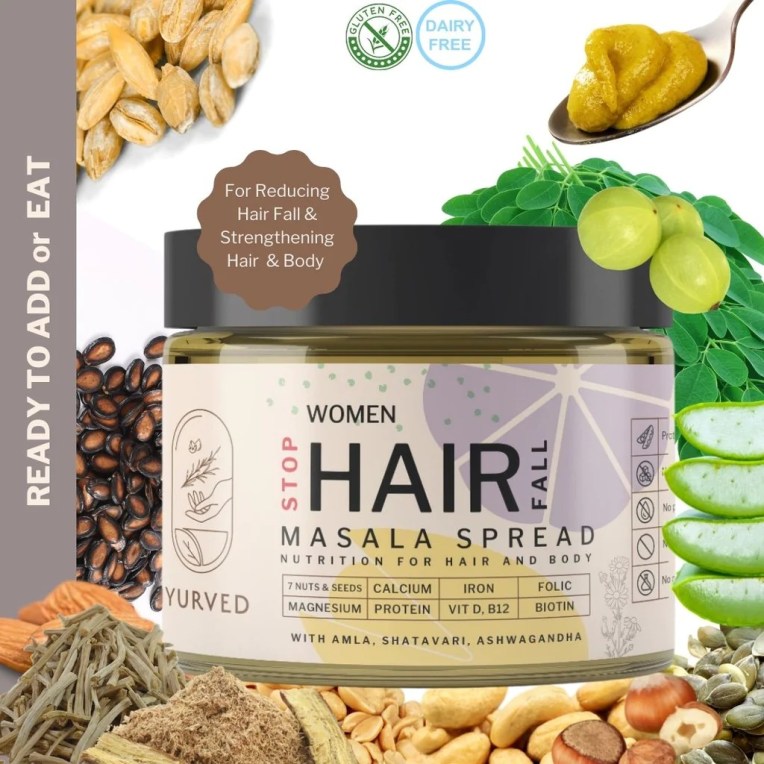
For Periods pain, give Women Stop Hair Fall Masala Spread | 0% Preservatives | 0% Refined Sugar | 0% Palm oil | With SHATAVARI, ASHWAGANDHA, AMLA, MORINGA, ALOE VERA | ORDER |


CHECK MORE PRODUCTS FOR:

Immunity, Gut health, Digestion, Weight, Brain development, Speech delay, Epilepsy, Eye health, Hormones, Sleep, Hyperactivity, Bones and Overall growth

foods for breast milk

Read more blogs:

Postpartum Depression Feels: 9 Tricks to Deal

Postpartum depression feels by Iyurved

The birth of a child can elicit a wide range of strong emotions, from joy and excitement to dread and anxiety. However, it can also lead to something unexpected: Depression or call it Postpartum Depression feels. Approximately 80% of new mothers are affected by this and are unaware of it. Women are especially vulnerable during pregnancy and the postpartum period. They often experience biological, emotional, financial, physical and social changes during this time. Some women are at a higher risk of experiencing mental health issues, such as depression and anxiety.

The signs and symptoms of baby blues, postpartum depression and postpartum psychosis may vary. All strong mothers must keep in mind that postpartum depression is neither a flaw or weakness. It is just as natural as having a baby. The only difference is that some people will have a mild reaction while others will have a stronger reaction.

WHATSAPP for concerns like Speech Delay, Low Weight, Frequent Illness, Hyperactivity, Low Concentration, Weak Eyesight, Improper Sleep, Pigmentation, Pores, Face Marks, Fine Lines , Lactation etc.

What causes Postpartum Depression (PPD)?

PPD is a complicated mix of hormonal, physical, emotional, social, and behavioural changes that occur after a baby is born. The main cause is a reduction in hormone levels. Aside from that, there could be a slew of other factors at play.

  • Hormonal changes
  • Delivery complications
  • Preterm birth
  • Breastfeeding difficulties
  • Lack of sleep
  • Delivery and work stress and financial concerns
  • Having baby with special needs
  • Past trauma
  • Medical conditions
  • Feeling of unattractiveness
  • Lack of support from the loved ones or feeling of not meeting the expectations
  • No self-care times
  • Improper diet
  • Social isolation
  • Unwanted pregnancy

Symptoms:

The signs and symptoms of baby blues, postpartum depression and postpartum psychosis may vary.

Baby blues:

The symptoms for baby blues can be seen right after the childbirth. It is a temporary condition and may last from a few days to weeks.

  • Crying
  • Sleep regression or trouble in sleeping
  • No appetite
  • Mood swings
  • Unable to focus on anything
  • Feeling sad
  • Irritability and anxiety
Postpartum depression:

PPD is sometimes confused with the infant blues since the symptoms are similar. Postpartum depression feels can continue anywhere from a few weeks to a year after giving birth.

  • Difficulties in bonding with the Baby
  • Not talking to anyone or withdrawing social contact
  • Fatigue
  • Loss of energy
  • Restlessness and hopelessness
  • Severe mood swings
  • Insomnia or excess sleep
  • Lack of interest in anything
  • Not eating at all or eating a lot
  • Crying excessively
  • Overwhelmed with newborn baby
  • Stress to manage everything
  • Self-doubt of being a good or perfect mother
  • Feeling worthless
  • Lack of focus or concentration
  • Anxiety, anger and irritability
Postpartum psychosis:

This condition usually develops within week after delivery and can be sever. This requires an immediate treatment and measures.

  • Sleeping difficulties
  • Hallucinations
  • Delusion
  • Disorientation
  • Agitation
  • Attempting harm to the baby or thoughts of suicide
  • Compulsive thoughts about baby
  • Paranoia

How to deal with postpartum depression feels?

1. Communicate:

This is the most effective method for treating postpartum depression feels. Communicating with someone you can rely on can provide you with relief by removing the burden from your mind and chest. Avoid keeping your emotions bottled up inside. It will aggravate the situation. Discuss both the minor and major issues that are bothering you. When it comes to talking and expressing yourself, don’t hold back. If you find that verbal communication is difficult for you, experiment with what works for you. If you don’t feel like talking to your own person a counselling will help too.

2. Pamper yourself and take care of your body:

One of the most effective ways to deal with postpartum depression feels is to take care of yourself and pamper yourself. Nobody understands you better than you do. Spend time alone with yourself. Carry out your skin-care routine. Consume your preferred cuisine. Take a relaxing hot water bath. Take a break from your motherly duties. Watch your favourite television show or movie. A small change in routine will be beneficial.

3. Relax and sleep:

‘Sleep when the baby sleeps,’ they say. Both the baby and the mother require relaxation and a good night’s sleep. If your baby isn’t sleeping for longer periods of time, you can seek assistance. According to studies, women suffering from postpartum depression take longer to sleep and have poorer sleep quality. Apart from sleep, which is essential, do whatever relaxes you. Good books, music, longer conversations, bathing, or whatever you prefer. Make sure to stick to a meditation routine.

4. Get out from isolation:

Isolation is the worst victim of depression. It’s not necessary to have a frantic social life, but try to keep your closest relationships intact. It can make you feel more connected. Talk to your family and friends. Go out if possible. Take a troll with them. A minute change in environment or exposure to sunlight will do wonders to your mood.

5. Cut down your daily chores:

Don’t try to do everything on your own. It’s fine to leave some errands unfinished. Try not to overdo it or to do everything perfectly all of the time. If possible, seek assistance or ask your partner to divide up some of the work that will relieve your stress. Set realistic goals and check list that will keep you organized.

6. Strengthen bonds with baby:

It is critical to strengthen your bond with the baby during this nurturing period. Make an effort to develop an emotional bond with the baby. Massage your baby thoroughly. A skin-to-skin touch can help a lot with healing. Talk to your child. Sing him songs and smile at him.

7. Introduce exercise as a routine:

Exercise, whether new or old, is an excellent way to combat postpartum depression. It relieves stress, increases energy, improves moods, and promotes better sleep. If you had a normal, uncomplicated delivery, you can begin gentle exercise right away; otherwise, consult your doctor. Walking for 20-30 minutes will benefit your body at first.

8. Create a network of support:

Many new mothers feel lonely after being overwhelmed by the changes in their lives following childbirth. Receiving social and emotional support from others can help you cope with problems more effectively. It also helps you by increasing your self-esteem and sense of independence. A small set of close friends or people will be all for this. You can even join a few parenting groups and talk to mothers who are facing the same issues. You can even seek and give advice which will help you as a moral support. Also, you can try out some baby or toddler classes.

9. Eat well balanced diet:

Apart from the essential iron, calcium, protein, vitamin, and mineral-rich foods, there are few foods that can help with PPD. Foods high in Vitamin B2 (riboflavin) and Omega-3 fatty acids have recently received attention for their potential to help with postpartum depression feels and mood disorders. It has been discovered that a lack of Omega-3 fatty acids is linked to the development of this type of depression. You can incorporate the following foods into your diet:

It is not expected to make major life changes just after childbirth but these small steps will ensure your well-being.

It can also help to have a partner, a friend, or another caregiver who can help take care of the baby while you are depressed. If you are feeling depressed during pregnancy or after having a baby, don’t suffer alone. Tell a loved one and call your doctor right away.


Product

2 tablespoons of Milk Jaggery Spread will help to boost milk quality, supply, and baby’s weight.

how increase the weight

India’s First Easy Effective Nutrition fortified with Ayurvedic herbs.

For Boosting Breast milk supply and quality, give Milk Jaggery Spread | 0% preservatives | 0% refined sugar | 0% palm oil | Fortified with SHATAVARI, METHI, MORINGA, GINGER | Contains CALCIUM, FOLIC, IRON PROTEIN, BIOTIN, VIT D, B12 | ORDER |


CHECK MORE PRODUCTS FOR:

Immunity, Gut health, Digestion, Weight, Brain development, Speech delay, Epilepsy, Eye health, Hormones, Sleep, Hyperactivity, Bones and Overall growth

what is the down's syndrome

Read more blogs:

Quick Tips of Skin Care Routine for Busy Moms

tips of skin care by Iyurved

What if you recharged your skin the same way you recharge your phones? Yes, your skin too needs to be recharged in order for it to function well. We are all aware of your mummified schedule, but skin care is one thing that you can’t compromise on! We’ve seen how much you have been working hard in taking care of your child, managing the household chores, building your career and taking care of your family. In between all of this probably you’re putting yourself last. But, hey! Here we are with quick tips of skin care for busy moms like you.

It can be difficult to maintain a skin care regimen when you have a precious boob monster to cradle, but not impossible. A weekly adjustment and constancy is all that is required to make your skin look vibrant, gorgeous, and clean.

But, when you’re barely getting enough sleep, who has time for a 11-12 step skin care routine? Here are a few basic, effective tips of skin care routines for all of your skin troubles that can fit in with your other responsibilities as a mother. This includes the essentials that will help you feel and look nice even if you’re short on time.

WHATSAPP for concerns like Speech Delay, Low Weight, Frequent Illness, Hyperactivity, Low Concentration, Weak Eyesight, Improper Sleep, Pigmentation, Pores, Face Marks, Fine Lines , Lactation etc.

Why do I need a skin care routine?

A high stress lifestyle will make you look a few years older than you actually are. Stress can easily affect your skin when you have so much on your plate every day. It can lead to dark circles, spots, fines, wrinkles, puffy eyes, dullness and much more. So yes, for this reason you need to get off the track and include a skin care routine.

Although there is no such thing as a “perfect” skin-care routine, there is an ideal manner to apply your products. The manner you layer your items has a significant impact on how well they perform.

But before that, a well-balanced diet, yoga and consumption of enough water is of utmost importance. Getting clear skin starts from within. Therefore, be cautious about what you eat every day. Ensure to eat fresh foods and lots of vegetables and fruits. Try to avoid highly processed foods as it will not provide any nutrition but will cause more harm.

Tips of Basic skin care routine:

Cleanse:

Cleansing your face twice a day with a choice of face wash that suits your skin is essential. Here the tips of skin care lies in always choosing a face wash that doesn’t leave your skin dry, tight and squeaky clean. This is because it may cause your natural oil to wear off.

Exfoliate:

Exfoliation is an important part of the skincare routine. It helps in removing the dead skin and other impurities from the skin. This step also helps in better absorption of the actives from the other products and improves the skin texture. You should not exfoliate on a daily basis but make it a part of your regime a few times a week.

Tone:

Toners help to keep the pH of the skin in check. They are made in such a way that they penetrate quickly and provide a boost of cleansing and hydration to the skin. It also provides skin with a layer of protection. It can be applied with a cotton swab or sprayed.

Treatment:

This is a type of skin care process that varies and is also a personal preference. For pimples, black spots, or any other skin care concern, you can use any specialised concern product. If this step isn’t necessary for you, skip it. Always go for a product that doesn’t irritate your skin and isn’t too heavy, but does the job.

Few serums, such as Vitamin C or Niacinamide, are designed to treat the face. Serums are necessary because they are concentrated doses of actives, nutrients, antioxidants, and possibly hydrators that instantly hydrate your skin. People often overlook them, but they’re the backbone of your skincare routine.

Moisturise:

Moisturizing your face is one of the best tips of skin care routine that you will receive. Regardless of whether you have an AM or PM skin care routine, this is a must-do phase. It will constantly give your face a youthful appearance. It also improves the tone, texture, and clarity of your skin. Moisturizers should be chosen so that they do not leave greasy residues on the skin and do not make it appear heavy. More of a natural component should be considered. Overall, moisturizer aids in the trapping of all goods and increases their effectiveness.

Protect:

This is the final and ‘not to miss’ step of the skin care routine. Whatever your skin type, maybe application of sunscreen should be a daily and a year-round habit that everyone should build.  Sunscreens are made to protect our skin from the harmful UV rays of the sun. Here is one of the quick tips of skin care for sunscreen: 15 SPF (block around 93% UVB rays) is the least that you should use whereas SPF 30 (blocks 97%) works best of all.

Home remedies for common skin concerns:

If you don’t want to spend a lot of money on skin care but still want flawless skin, try these kitchen superstars.

1.DARK SPOTS:

Raw Milk:

Soak a cotton ball in raw milk. Rub it over the pigmented skin twice a day. Let it rest for 10 min and rinse. You can also add honey or turmeric to it for better results.

Lemon cucumber:

First, blend the slices of cucumber and add a few drops of lemon into it. Apply it to the skin and leave for around 20 mins. Usage of this remedy, twice a day for a month can leave your skin amazing.

2.BLACK HEADS:

Egg and honey mask:

Mix egg white with 1 tablespoon of honey. Apply on the blackheads. Let it dry. Peel off or wash with lukewarm water. Repeat this once or twice a week for better results.

Green tea mask:

Mix 1 tablespoon of dry green tea leaves with 2 tablespoons of water to make a not too smooth paste. Gently scrub on the blackheads. Leave for 15-20 minutes. Rinse with lukewarm water. Use this once or twice a week.

3.DARK LIPS:

Lemon and sugar:

Take a slice of freshly cut lemon. On it add some sugar and honey. Gently massage your dark lips for a few minutes. Rest it for a minute or two. Rinse with cold water. If you feel it drying out, apply honey and rinse.

Pomegranate:

Crush or grind pomegranate seeds. Mix raw milk. Make a paste and gently massage your lips. Leave for 5 mins rinse off with cold water. You can also mix carrot or beetroot juice for extra benefits.

4.TANNED SKIN:

Gram flour and turmeric:

Mix 2 spoons of gram flour, 1 spoon of turmeric, 1 spoon of raw milk, ½ spoon of honey and 1-2 spoons of lemon juice. Apply this paste on the affected areas. Scrub well. And then rinse off. Pat dry and apply Aloe Vera gel.

Oatmeal and buttermilk:

Soak 3 spoons of oatmeal for 15 minutes. Add 2-3 spoons of freshly made buttermilk. Add 1 tablespoon of honey. Mix well. Apply on the tanned face. Rub in circular motion. Leave it for 15-20 minutes. Rinse well with lukewarm water.

5.DARK CIRCLES:

Cucumber:

Take thin slices of cucumber and refrigerate it for 20 mins. Place it on the eye and leave for 10-15mins. Remove and wipe the areas with lemon juice. Make sure it does not enter your eyes. Rinse well. Green tea bags are optional.

Potato pack:

Mix potato, tomato and lemon juice. Dip a cotton pad and place it on the eye for 20 minutes. Remove and massage for 5 minutes. Rinse well. Add vitamin E for extra benefits.

6.PIMPLES:

Honey and cinnamon mask:

Mix honey and cinnamon (2:1) and form a paste. After cleansing the face, apply for 5-10 minutes on the pimple and rinse off. Pat dry.

Aloevera:

Scrap the gel and apply it to your face. Massage gently. Keep it for 30 mins and rinse normally.

7.OPEN PORES:

Papaya mash:

Mash papaya pieces well. Gently massage and rest it for 15 minutes. Wash well. You can also make the choice of your fruit or combination of fruits and apply.

Clay mask:

Make a paste by mixing Fuller’s earth (Multani Mitti) and rose water. Apply it on the face. Let it dry. It will tighten the pores. Rinse with water by gently scrubbing. Moisturize well.

8.OILY SKIN:

Oatmeal:

Combine grounded oatmeal with hot water and make a paste. Add 1-1/2 tablespoon of honey, 1-1/2 tablespoon of yoghurt. Mix well and apply for 10-15 minutes. Rinse with warm water.

Tomatoes:

Cut the tomatoes into slices. Add some sugar to it and gently exfoliate in the circular motion. Wash with normal water.

9.SENSITIVE SKIN:

Banana:

Mash the banana and add 1 tablespoon of honey, 1 tablespoon of curd to it. Mix well, make a paste and apply it as a mask on affected areas. Rest it for 15 minutes and then wash.

Turmeric:

Mix 1 tablespoon of turmeric with a few drops of honey. To it add 1-2 tablespoons of raw milk. Mix and make a paste. Spread it on affected areas and let it dry. Wash normally.


Products:

It’s no SECRET that following an Ayurvedic lifestyle has numerous advantages. This unique collection of skin care product for adults is an easy solution to various skin related problems. Made with Proven Ingredients. No Silicone, No paraben, No sulfate. To know more about this product SHOP HERE

For Skin Brightening, Reducing Pigmentation, Pores, Acne and Spots on Face | Use Ready Steady Glow Guava Botanical Face Drops | Made with GUAVA, ALOE VERA, PAPAYA, SAXIFRAGA PLANT, RICE PROTEIN | 100% Natural | Sulfate-Free | Paraben & Silicon-Free | ORDER


CHECK MORE PRODUCTS FOR:

Immunity, Gut health, Digestion, Weight, Brain development, Speech delay, Epilepsy, Eye health, Hormones, Sleep, Hyperactivity, Bones and Overall growth

what is the down's syndrome

Read more blogs: