Reverse Ageing of Skin by these 9 Best Bye Bye Age Ingredients

ageing of skin by Iyurved

Aging is a natural part of life, but it eventually catches up with everyone. Skin ageing is a complex biological process. It is influenced by both intrinsic and extrinsic factors. Younger generations are becoming victims of early signs of ageing skin due to various factors, majorly modern lifestyle, exposure to sun and pollution, stress, lack of sleep, genetics and smoking.

Apart from that, the skin conditions such as lack of moisture and collagen degradation also affects the signs of ageing. Because skin health and beauty is regarded as one of the most important aspects influencing general “well-being” and “health” perception in humans, various anti-aging techniques have been developed in recent years.

The right products at the right age and with the right techniques can keep your skin youthful.

WHATSAPP for concerns like Speech Delay, Low Weight, Frequent Illness, Hyperactivity, Low Concentration, Weak Eyesight, Improper Sleep, Pigmentation, Pores, Face Marks, Fine Lines , Lactation etc.

Signs of ageing:

There are several visible signs of ageing that the skin is quick to show. Few of them are:

  • Wrinkles
  • Fine lines
  • Dry skin
  • Visible pores
  • Dull skin
  • Uneven skin tone
  • Hyperpigmentation
  • Rough texture

9 ingredients that reduces signs of ageing skin:

1. Niacinamide:

The ‘it’ ingredient in the market this time is niacinamide. Niacinamide is one of the versatile, recognizable, desirable and safe skin care ingredients. This form of vitamin B3 is well known for its anti-ageing properties. A study shows that niacinamide helps in reducing fine lines, wrinkles and skin sagging. Therefore, it helps in keeping the skin young, bright and supple.

2. Aloe Vera:

This is a well-known substance that boosts collagen production. Aloe aids in the stimulation of fibroblasts, which create elastin and collagen fibers. As a result, the skin becomes more elastic and wrinkles are reduced. The amino acids in aloe soften the skin, and the zinc, which acts as an astringent, helps to tighten pores. Overall, aloe vera’s cell growth stimulating activity enhances skin integrity, increases collagen creation, and reduces wrinkle appearance.

3. Terminalia Ferdinandiana (Kakadu Plum) fruit extract:

Kakadu plum is one of the fruits with the highest level of vitamin C. With its high antioxidant properties this fruit extract helps in fighting the free radicals that are responsible for causing wrinkles and fine lines. Moreover, it is rich in vitamin E, carotenoids and folic acid too that helps in reducing the symptoms of ageing. Vitamin C present in higher amounts helps in boosting the collagen production thus reducing skin ageing.

4. Podocarpus Elatus (Illawarra plum) fruit extract:

Illawarra plum is also known for its antioxidant properties. This fruit extract, which is high in vitamin C, helps to revitalize dull skin. It not only helps to reduce the signs of ageing, but it also aids in skin hydration, rejuvenation, and vitality. The good news is that this ingredient is suitable for people of all ages and skin types.

5. Pleiogynium Timorense (Burdekin plum) fruit extract:

This is yet another fruit that belongs to the plum category and is a rich source of vitamin C, vitamin E, vitamin A and vitamin K. It is packed with all the essential vitamins for skin. Vitamin c helps in promoting collagen production whereas vitamin K protects the skin elasticity. However, talking about retinoids, it also plays its part in boosting collagen production and stimulating production of new blood vessels. Altogether, this fruit extract helps in reversing the ageing signs.

6. Sodium Hyaluronate:

The sodium salt of hyaluronic acid (HA) is sodium hyaluronate. HA is again one of the important ingredients that boosts the collagen production in the skin. The presence of amino acids that supports the collagen boot makes this ingredient integral for collagen production. Studies show that sodium hyaluronate apart from skin hydration helps in reducing wrinkle depth and improving elasticity of the skin. This makes sodium hyaluronate an effective component in reducing the signs of ageing skin.

7. Salicylic Acid:

Face acids are much in trend now and salicylic acid is one of them. Few studies state that this acid reduces signs of ageing by exfoliating the skin. The peeling property of salicylic acid exfoliates the dead skin and quickens the skin cell renewal process. Moreover, it can penetrate deeper in the lipid layers of the skin thus making it effective against aging.

8. Allantoin:

This ingredient is an anti-ageing champion extracted from the root of comfrey plant. This non-irritating component when applied topically, helps in soothing, protecting and hydrating the skin. Apart from its benefits in facilitating collagen production, allantoin, on the other hand, improves the skin texture too. Overall, it reduces the wrinkles and fine lines by alleviating inflammation and promoting the generation of new skin cells.

9. Zinc PCA:

Right from being an effective sunscreen ingredient to its fantastic role in anti-ageing, zinc has gained its popularity. Few studies have shown that zinc PCA aids in balancing the synthesis and degradation of collagen in the skin. This actively delays the signs of aging and makes you look youthful.  

SCIENTIFIC RESEARCH ON INGREDIENTS THAT HELP BOOST COLLAGEN PRODUCTION:

  1. Niacinamide helps in reducing fine lines and wrinkles. Also, Read here.
  2. Effect of Aloe vera in facilitation collagen production. Also, Read here.
  3. Clinical studies showing the anti-aging benefits of sodium salicylate in human skin. Also, Read here.
  4. Zinc PCA helps in collagen synthesis and reduce sings of ageing skin. Also, Read here.

HOW TO say bye-bye age to your skin?

It’s no SECRET that following an Ayurvedic lifestyle has numerous advantages. This unique collection of skin care product for adults is an easy solution to various skin related problems. Made with Proven Ingredients. No Silicone, No paraben, No sulfate. To know more about this product SHOP HERE
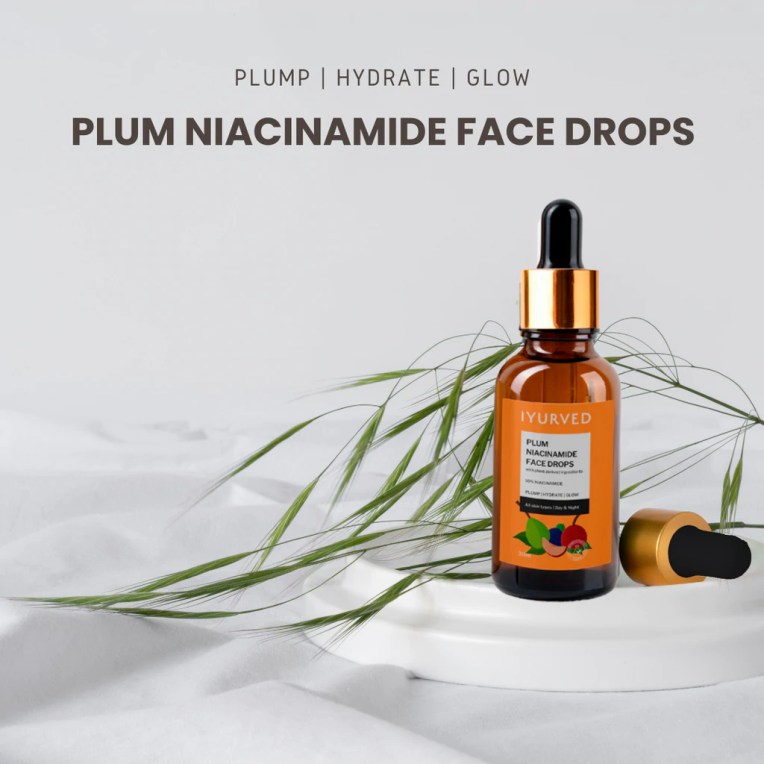
For Improving Face Skin Texture, Repairing Dull Skin Cells, Skin Hydration, Loose skin & Ageing Lines | Use Bye Bye Age Plum Niacinamide Face Drops | Made with 3 kinds of PLUM, NIACINAMIDE, ALOE VERA | 100% Natural | Sulfate-Free | Paraben & Silicon-Free | ORDER


REVIEWS:

CHECK MORE PRODUCTS FOR:

Immunity, Gut health, Digestion, Weight, Brain development, Speech delay, Epilepsy, Eye health, Hormones, Sleep, Hyperactivity, Bones and Overall growth

what is the down's syndrome

Read more blogs:

7 Ready Steady Glow ingredients for wrinkles on face

for wrinkles on face by Iyurved

Collagen is the recent buzzword in the cosmetic industry. There is more to it when we talk about collagens apart from its benefits for the skin. The most prevalent protein in the human body is collagen. You would be surprised to know that collagen covers about one third of protein in the body and 75% of your skin. Isn’t it a lot? The good news here is that you can boost your collagen production and reduce wrinkles on face through some natural ingredients.

Collagen is responsible for holding the body together. It plays a major role in providing strength and structure to the skin. It is mostly present in bones, connective tissues, tendons, skin, muscles and ligaments. Collagen found in the body has multiple functions. Hence, its depletion leads to a number of health and skin issues.

What is Collagen for?

To put it in simple terms, collagen is the glue that holds the body together. Collagen is protein and is made up of the building block of protein i.e., amino acids (majorly proline, glycine, hydroxyproline and arginine). It is a hard, strong, quite flexible and fibrous form of protein that the body needs.

Why do we need collagen?

By now you might have got a little idea about what collagen is. Let’s get a bit deeper.

Every year our body loses about 1% of collagen. Initially there would be negligible difference but it makes a huge difference when you reach your 40s. The rate of breaking down is more than the rate of replacing the collagen in the body. It means, the depletion in the collagen will lead to weakened organ protection, wrinkles, fine lines and other ageing skin signs. Overall, it affects the strength and structure of the skin and body. Therefore, collagen is of utmost importance. (Natural sources of collagen)

Benefits of collagen to the skin:
  • Skin elasticity
  • Skin hydration
  • Heals wound
  • Reduce wrinkles
  • Reduce fine lines
  • Helps in improving skin structure
  • Improves blood circulation
How to reduce wrinkles on face?
1. Aloe vera:

This is a well-known substance that boosts collagen production. Aloe aids in the stimulation of fibroblasts, which create elastin and collagen fibers. As a result, the skin becomes more elastic and wrinkles are reduced. The amino acids in aloe soften the skin, and the zinc, which acts as an astringent, helps to tighten pores. Overall, aloe vera’s cell growth stimulating activity enhances skin integrity, increases collagen creation, and reduces wrinkle appearance.

2. Vitamin C:

This vitamin is a viable supplement to enhance collagen production. Vitamin C plays a vital role in collagen regulation and synthesis in the body. The collagen skin fibroblast has an absolute dependence on vitamin c for its production as it directly triggers the DNA. Thus, it helps a lot to reduce wrinkles on face and make the skin look young and youthful.

3. Sodium hyaluronate:

The solidum salt of hyaluronic acid (HA) is sodium hyaluronate. HA is again one of the important ingredients that boosts the collagen production in the skin. The presence of amino acids that supports the collagen boot makes this ingredient integral for collagen production.

4. Licorice:

This herb extract is rich in antioxidants. The active components and amino acids present in licorice helps in skin rejuvenation and protection in various ways. Studies show that licorice in addition to skin hydration, helps regenerate elastin and collagen in the skin. Thus, making the skin smooth and firm.

5. Glycerin:

Apart from its superpower of skin hydration, glycerin also helps to maintain collagen formation. When applied topically, glycerin has been shown to increase skin barrier function, elasticity, and mechanical qualities. Furthermore, it keeps the skin looking young, soft, and supple while also assisting in the healing process.

6. Papaya extract:

This fruit extract is rich in vitamin A, vitamin C, enzymes and antioxidants too. Papaya contains the enzyme papain, which is present naturally in the fruit. This ingredient can be found in many skin care products. The richness of these nutrients and enzymes helps in improving the skin’s collagen content and reduce wrinkles on face. Moreover, it helps skin healing and fights oxidative damage. When applied topically, it prevents the breakdown of elastin and collagen, enhances secretion of collagen, tightens skin and reduces wrinkles.

7. Guava extract:

Due to the presence of vitamin C, antioxidants (carotene and lycopene), vitamin B and vitamin A guava is regarded as an important collagen building component. Antioxidants protect cells from injury, aid in cell repair, and increase collagen formation. Guavas also contain a high vitamin A concentration, which is necessary for maintaining healthy skin membranes. Furthermore, we’ve already seen how vitamin C aids in collagen production.

Scientific research on ingredients that help boost collagen production:
  1. Aloe aids in the stimulation of fibroblasts, which create elastin and collagen fibers. Read here.
  2. Vitamin C is the viable ingredient that boost collagen production. Read here.
  3. HA is an supports the collagen buildup. Read here.
  4. The antioxidant properties of licorice helps in boosting collagen production. Read here.
WHICH INGREDIENTS TO AVOID?

Despite the fact that every skin care product claims to improve collagen, there are a few skin care chemicals that must be avoided. When taken for an extended period of time, they can cause serious harm. Therefore, when looking for a solution to help collagen boost, it’s important to do your research. Some cosmetics contain substances that are potentially detrimental to your skin and health. Here are a few to mention:

  • Paraben
  • Phthalates
  • Mercury
  • Aluminum
  • Lead
  • Liquid Bleach
  • Steroids
HOW TO READY STEADY GLOW YOUR FACE?

Although vitamin C is generally accepted by all skin types, a patch test is required before usage to identify allergies or danger. Here’s how to get started:

  • Cleans your face well and pat dry.
  • Apply a small amount of vitamin c with the help of the dropper to the affected area
  • Massage gently (in the circular of upward direction)
  • Leave it to fully absorb by the skin
  • Lastly, apply sunscreen

Read more blogs:

Treatment for Dry Skin: 7 Ready Steady Glow Ingredients

The most talked about and most common skin ailment on the globe is dry skin. It can affect any part of the body, but our face skin is particularly vulnerable. In many cases, treatment for dry skin includes simple lifestyle changes and over-the-counter moisturizers will suffice.

Dry skin is defined by a lack of moisture in the epidermis, or top layer of the skin. Lipids and protein make up the epidermis, which helps to keep the skin hydrated. When these proteins and lipids are deficient in our skin, moisture from the skin evaporates quickly, resulting in dry skin.

The symptoms of dry skin usually include cracked skin, itching, flakiness, redness, grey or ashy skin and stretched skin. Before knowing the treatments, let us understand the causes of dry skin.

WHATSAPP for concerns like Speech Delay, Low Weight, Frequent Illness, Hyperactivity, Low Concentration, Weak Eyesight, Improper Sleep, Pigmentation, Pores, Face Marks, Fine Lines , Lactation etc.

What are the causes of dry skin?

The absolute cause of dry skin is quite unidentified. But it is alleged to be triggered by some environmental, genetic, atopic conditions.

  • Weather conditions – cold weather
  • Using extreme hot water for bathing
  • Hormone
  • Genetics
  • Allergens
  • Dry air
  • Exposure to harsh skin care products
  • Medical conditions (diabetes, eczema)
  • Unbalanced skin Ph
  • Harsh skin scrubbing or scratching

How to get rid of dry skin naturally?

There are the big hitters in the realm of moisturizing skin-care ingredients that you’ve probably heard of. These are few natural ingredients that helps in treatment for dry skin help:

1. Aloe vera:

This ingredient is an all-rounder and works great for alleviating dry skin. The mucopolysaccharides present help in binding moisture to the skin. Aloe vera gets absorbed easily in the skin and helps in retaining moisture and improving skin integrity.

2. Glycerin:

This humectant is a dry skin superhero. Glycerin has antimicrobial properties and is well suited for almost all types of skin.  It helps minimize the water loss in your skin and balances the skin Ph. Additionally, it draws moisture to the skin and creates a protective layer which helps in keeping the skin healthy and glowing. In skin care products, glycerin is majorly used as occlusive that traps moisture in the skin. Few studies show that glycerin is the most effective humectant.

3. Papaya extract:

This fruit extract is indeed a boon in treating dry skin It contains antioxidants, enzymes (papain), and vitamin A, all of which aid in the treatment of dry, flaky skin. Furthermore, this nutrient-dense fruit extract revitalizes the skin, keeping it soft, vibrant, and luminous.

4. Psidium Guajava (Guava):

Guava contains a variety of antioxidants and vitamins. It aids in the protection of your skin from harm. Guava fruit extract, in addition to its health benefits, aids in skin hydration when applied to the skin. Moreover, as guava has antimicrobial properties it may reduce the inflammation caused by dry skin.

5. Licorice:

For centuries, licorice has been used for skin treatments along with its benefits for health. Licorice has skin smoothing properties. It is an effective agent when it comes to treat dry skin or even atopic dermatitis (a type of eczema).  The active compound of licorice, glycyrrhetinic acid, helps in reducing skin dryness severity by alleviating irritation and redness. It also helps in regulating the oil production in the skin.

6. Hydrolysed rice protein:

This type of rice protein improves the ability of the skin to bind moisture. Thus, developing flexibility and strength. Hydrolyzed rice protein aids  in retaining skin’s moisture is an valuable cosmetic ingredient. It contains vitamin E, starch, and amino acids, which keep the skin hydrated and provide a protective barrier.

7. Sodium hyaluronate:

This hydrophilic ingredient extracted from Hyaluronic Acid (HA) is hydrophilic in nature. Sodium hyaluronate when applied to the skin topically draws moisture to the skin and retains it. It also helps in repairing the compromised moisture barrier and plums the skin up. According to the studies, sodium hyaluronate provides greater hydrating effects than HA.

Scientific research on ingredients that help with dry skin:

  1. How Aloe Vera helps for skin hydration. Read here.
  2. How Glycerin is an effective humectant for dry skin. Read here.
  3. Skin smoothening and hydrating properties of Licorice. Read here.
  4. How Sodium hyaluronate provides greater hydrating effects than HA. Read here.

Tips: Care for dry skin on face:

Along with the use of the above mentioned ingredients for reducing dry ski, here are a few tips that can help you this winter (and year round too).

  • Moisturize daily (twice or thrice or whenever dryness occurs)
  • Avoid going near strong heat sources
  • Use lukewarm water for bathing
  • Limit the bathing time
  • Dry yourself well
  • Reducing stress
  • Avoid scrubbing and scratching
  • Identify your triggers and avoid them
  • Cut fingernails often
  • Use gentle skin care products
  • Avoid chemical products
  • Avoid tight fitting clothing
  • Wear soft cotton clothes
  • Take extra care in winters
  • Clean yourself thoroughly when sweating a lot
  • Avoid dust and mites too
  • Drink adequate amount of water

WHICH INGREDIENTS TO AVOID?

Despite the fact that every skin care product claims to reduce dry skin, there are a few skin care chemicals that must be avoided. When taken for an extended period of time, they can cause serious harm. Therefore, when looking for a solution to help dry skin, it’s important to do your research. Some cosmetics contain substances that are potentially detrimental to your skin and health. Here are a few to mention:

  • Paraben
  • Phthalates
  • Mercury
  • Aluminum
  • Lead
  • Liquid Bleach
  • Steroids

HOW TO READY STEADY GLOW YOUR FACE?

Although vitamin C is generally accepted by all skin types, a patch test is required before usage to identify allergies or danger. Here’s how to get started:

  • Cleans your face well and pat dry.
  • Apply a small amount of vitamin c with the help of the dropper to the affected area
  • Massage gently (in the circular of upward direction)
  • Leave it to fully absorb by the skin
  • Lastly, apply sunscreen

Product

It’s no SECRET that following an Ayurvedic lifestyle has numerous advantages. This unique collection of skin care product for adults is an easy solution to various skin related problems. Made with Proven Ingredients. No Silicone, No paraben, No sulfate. To know more about this product SHOP HERE

For Dry skin, Reducing Pigmentation, Pores, Acne and Spots on Face | Use Ready Steady Glow Guava Botanical Face Drops | Made with GUAVA, ALOE VERA, PAPAYA, SAXIFRAGA PLANT, RICE PROTEIN | 100% Natural | Sulfate-Free | Paraben & Silicon-Free | ORDER


CHECK MORE PRODUCTS FOR:

Immunity, Gut health, Digestion, Weight, Brain development, Speech delay, Epilepsy, Eye health, Hormones, Sleep, Hyperactivity, Bones and Overall growth

what is the down's syndrome

Read more blogs:

Dry and frizzy hair home remedies: 10 hair hacks

dry and frizzy hair home remedies by Iyurved

People having dry and frizzy hair may relate to this quote that keeps on popping up the internet a lot of times. “My hair is wilder than I am” But, hey! Frizzy hair may be difficult to manage, but it’s not impossible! Frizzy hair is 100% natural and there is nothing wrong with it. With so many over-the-counter (OTC) anti-frizz products available in the market, you’d think keeping frizz away can be easy. But it seems that no matter how much product you put in your hair to keep it from frizzing up, nothing works. Here home remedies come into picture. Yes, there are some easy and effective dry and frizzy hair home remedies that not only control your frizz but also help improve the overall hair health.

Before going to home remedies, let’s start with some basic ideas about Frizz!

WHATSAPP for concerns like Speech Delay, Low Weight, Frequent Illness, Hyperactivity, Low Concentration, Weak Eyesight, Improper Sleep, Pigmentation, Pores, Face Marks, Fine Lines, Lactation etc.

what causes hair to be frizzy?

Our hair is composed of three layers, the outermost of which is known as the cuticle. When the hair is healthy, the natural oil present in the outer layers of the hair protects the inner layer of the hair as well. As a result, the hair retains moisture, shine, and sheen.

But, when hair becomes damaged or dry, the cuticle (outer layer of the hair strand) begins to resemble a pine cone, with rough, open, and overlapping scales. When this happens, the hair loses moisture while absorbing moisture from the air. This causes the hair to swell, lose shape, become fragile, brittle, and appear dull. In a nutshell, it becomes frizzy!

Causes of dry and frizzy hair:

A lot of factors are responsible for dry and frizzy hair. Dry hair makes the frizz worse. Here are some possible causes:

  • Dry scalp
  • Weather or environmental conditions
  • Excessive sun exposure
  • Nutritional deficiencies
  • Age
  • Very hot water for hair wash
  • Frequent or too often hair wash
  • Heat styling (blow try, straighteners, curlers)
  • Using harsh hair care product
  • Hormonal changes
  • No proper hair care routine
  • Some medical conditions can also lead to dry and frizzy hair:
  • Hypothyroidism
  • Hypoparathyroidism
  • Anorexia nervosa
  • Menkes disease
dry and frizzy hair home remedies:

You don’t have to spend a lot of money on these home remedies. Well, definitely not as much as the anti-frizz products available in the market. These remedies are pocket friendly, effective, and the simplest way to control frizz!

1.    Banana hair mask:

This fruit is almost universally adored. Bananas are not only good for the body but also for the hair. They are high in potassium and contain a lot of moisture. When applied to the hair, they help to prevent split ends, reduce frizz, soften the hair, keep it moisturized, and improve the elasticity of the hair.

Mash one banana. Mix 2 tablespoons of honey. Whisk and make a paste. Apply thoroughly from roots to tips. Let it rest for 45-50 minutes. Rinse well.

mash one banana and thoroughly spread it on the hair, from roots to ends. Leave it on for 1 hour and rinse with lukewarm water.

2.    Egg mask:

‘Do not use it if you have an egg allergy.’ Eggs contain a lot of protein, saturated fats, vitamins, and biotin. It has the ability to smooth and moisturize frizzy hair. Furthermore, it makes the hair shinier and healthier.

Whip one or two eggs according to the length of your hair. Mix 1-2 tablespoons of olive oil to it. Whisk it until they are frothy. Apply on the hair and scalp. Make sure that the entire length of hair is covered. Tie and cover your hair with aplastic wrap. Rest it for 30 minutes. Rinse well.

3.    Apple cider vinegar (ACV):

The pH of healthy hair is between 4.5 and 5.5. When the pH of the hair becomes too alkaline, the cuticles open up, resulting in frizz. ACV which is slightly acidic in nature that maintains the hair pH when applied. It helps by removing the product build up, reduces dandruff and thus tames frizzy hair. It also has antibacterial properties. People having sensitive scalp should avoid this remedy as it may cause irritation. Additionally, those who have coloured hair must not use this very often as this may fade the colour.

Mix 1/3 cup of apple cider vinegar to 1 quarter warm water. Combine thoroughly. Pour the required amount onto the hairs. Ensure that the entire length is covered. Allow it to sit for a few minutes before rinsing thoroughly. You can even use a conditioner if necessary. The strong odour of ACV must be washed away.

4.    Yogurt and Honey:

Honey and yogurt are a great combination to kick the frizz out. Yogurt has conditioning properties whereas honey provides hydration.

Mix well ½ cup of yogurt and 1 tablespoon of honey. Apply this to your hair and scalp completely. Keep it for about 20-30 minutes. Rinse well and ensure that all the residues of yogurt are washed off.

5.    Warm oil:

Coconut oil and argan oil are great to control the frizzy hairs. They are rich in lauric acid and oleic, linolenic acids respectively. Overall, they help in adding moisture to the hair, reduce protein loss, provide shine and protect hair from styling heat. There are multiple ways in which you can use these oils.

Apply warm coconut oil mixed with 10 drops of vitamin E on the scalp and hair. Massage gently. Leave it overnight. Rinse with warm water and shampoo.

Applying a tiny amount of coconut oil post wash (when the hair is damp) helps in reducing frizz too.

Before heat styling, add a few drops of argan oil on the palm and apply on the hair.

6.    Avocado hair mask:

Frizzy hair remedies at home include this fruit which is not only a delicious toast topping, but it’s also a superfruit that fights frizz. Avocado is high in vitamin A, E, saturated fats, vitamins, and minerals, all of which aid in hair strengthening, nourishing dry, damaged hair, and retaining moisture.

Mash one ripe avocado. To it add 2-3 spoons of coconut oil. Make a medium thick paste. Apply it all over your scalp and hair. Cover it with a plastic wrap or towel. Let it rest on your hairs for 20-30 minutes. Wash well with shampoo.

Ayurvedic dry and frizzy hair home remedies:

Herbs have been used for centuries for treating a lot of health concerns. It has incredible medical benefits when it comes to hair and skin too. Ayurvedic formulations are full of nutrients, which nourish the hair from root to tip. They keep the cuticle hydrated and seal in moisture to prevent frizzing. Here are a few simple but amazing ayurvedic dry and frizzy hair home remedies:

1.    Ashwagandha

This ayurvedic herb is well known for its healing and grounding abilities. One of the reasons for dry and frizzy hair is vata dosha. Ashwagandha has a very high potential to treat this frizz.  

Apply warm ashwagandha oil to the scalp and hair. Keep it overnight. Rinse well with shampoo.

Mix ashwagandha powder (required as per the hair length) and add water to it to make a fine paste. Apply this to your scalp and hair and massage gently. Wrap it up with a towel or sheet. Rinse well after 30 minutes.

2.    Neem:

Well, the antibacterial properties of neem are well known. In addition to it, the fatty acids in the neem helps to control frizz by locking the moisture in the hair follicles.

Take a handful of neem leaves and add it to boiling water. Leave it overnight. Grind the leaves to a medium flow consistency. You can use the water too for the hair wash. Apply gently on the hair and the scalp. Leave it for 20 minutes. Rinse well with a mild shampoo.

3.    Brahmi:

Since ancient times Brahmi has been a magical herb that helps to reduce vata dosha and thus reduce dry and frizzy hairs. Moreover, it also reduces hair loss and premature hair greying. Additional benefit is that a regular scalp massage with Brahmi oil helps in curing insomnia.  

Soak overnight a few Brahmi leaves in warm amla oil. Warm the oil before applying and massage gently on the scalp and hairs. Leave it for 1 hour and rinse well.

4.    Homemade shampoo:

Boil Reetha, Shikakai and Amla separately and strain the juice. To it mix Brahmi, hibiscus and fenugreek powder. Mix well. Use this as a shampoo. It will reduce frizz naturally.

Effective tips to prevent frizzy hair:
  • Protect your hair from humidity
  • Avoid excessive exposure to sun
  • Best to avoid hair dyes
  • Do not over wash/ over shampoo your hair
  • Use warm or cold water to cleanse your hair.
  • Protect the hair from the hair styling heat
  • Follow a hair care routine
  • Avoid (frequent) chlorinated water exposure
  • Trim your hair on a regular basis in order to prevent split ends
  • Apply hydrating hair mask at least once a week
  • Tie your hair in loose hair styles
  • Use soft and padded hair accessories and do not sleep with them
  • Avoid washing your hair too often
  • Use chemical free hair care products
  • Proper oiling
  • Drink plenty of water
  • Consume a good healthy balanced diet
Food that helps reduce dry and frizzy hairs:

Food is the most important aspect to consider when decreasing frizz. A balanced diet will help your hair become less dry and frizzy while also adding shine and hydration.

Nuts and seeds: These seeds are rich in essential fatty acids that help in keeping the hair hydrated, almond, pista, walnut, sesame seeds, pumpkin seeds, sunflower seeds.

Fruits: These are rich in vitamins, minerals and micronutrients too. Papaya, banana, avocado, grapes, oranges, melons, figs, plums, apples, coconut, berries and cherries.

Legumes and pulses: Green gram and black lentils.

Vegetables: Carrots, onion, garlic, asparagus, celery, beetroot, radish, green leafy vegetables, tomatoes, sprouts.

Dairy: Milk, paneer, cheese, ghee, butter


PRODUCT:

It’s no SECRET that following an Ayurvedic lifestyle has numerous advantages. This unique collection of Ayurvedic spreads is an easy solution to feed daily nutrition for Immunity, Eye, Brain development, Bone strength and overall growth to kids without any fuss. To know more about kid’s ayurvedic foods –SHOP HERE.

India’s First Tasty Kids Nutrition fortified with Ayurvedic herbs.

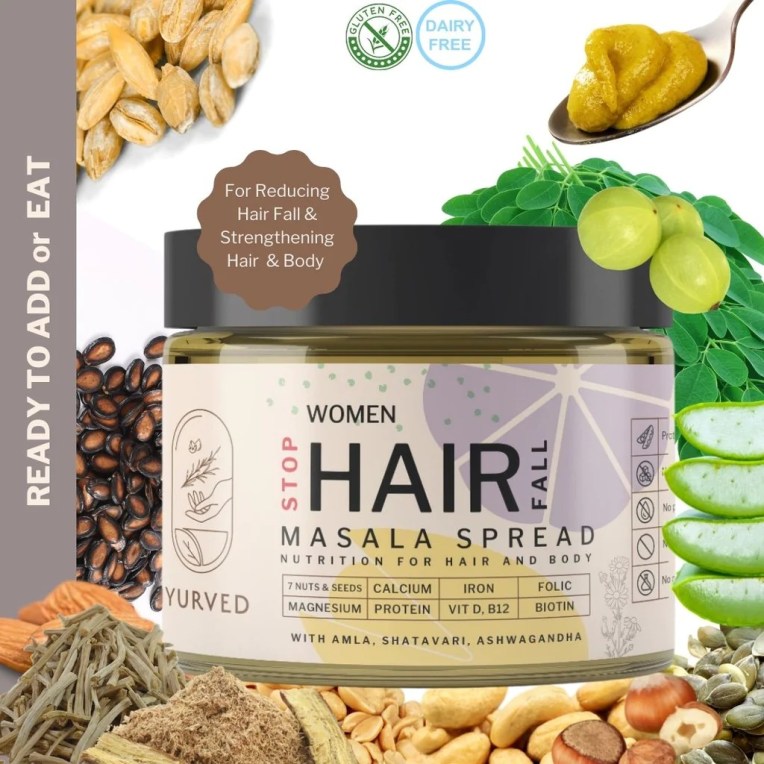
To Stop Hair fall & Strengthen Hair & Body, give Women Stop Hair Fall Masala Spread | 0% Preservatives | 0% Refined Sugar | 0% Palm oil | With SHATAVARI, ASHWAGANDHA, AMLA, MORINGA, ALOE VERA | ORDER |


CHECK MORE PRODUCTS FOR:

Immunity, Gut health, Digestion, Weight, Brain development, Speech delay, Epilepsy, Eye health, Hormones, Sleep, Hyperactivity, Bones and Overall growth

foods for breast milk
Read more blogs:

The benefit of Vitamin C: Ready Steady Glow!

the benefit of vitamin c

We all love our skin and do care for that. It’s a universal desire to have flawless skin. Yet, sometimes we find ourselves at a stage where we struggle to meet our skin expectations. Dark spots, undoubtedly, are the most common skin issue that is faced across the world. Dark spots aren’t necessarily a condition but the change in the colour of the skin which is usually harmless. The benefit of vitamin C along with the other ingredients for dark spots are well known.

The colour differences of the skin in humans are mainly due to the natural pigment granules present and the amount of the melanin produced. Melanin is pigment which is made by the cells in the skin which provides coloration to the skin and is responsible for the dark spots too. The light and the dark skin complexion depend on the amount of the melanin produced in your body. But how do we reduce the dark spots on the face?

Well, where do we even begin? There are a lot of ingredients but vitamin C has captivated the entire cosmetic industry because of its potential benefits.  It is legendary in the skin care world and is known as the powerhouse. Vitamin C, on the other hand, is the holy grail (for a good reason) for many skin-related issues. The benefit of vitamin C are for reducing dark spots are massive!

WHATSAPP for concerns like Speech Delay, Low Weight, Frequent Illness, Hyperactivity, Low Concentration, Weak Eyesight, Improper Sleep, Pigmentation, Pores, Face Marks, Fine Lines , Lactation etc.

Why do dark spots occur?

Dark spots occur when the skin generates more melanin. All types of the skin are affected with this. The types in which the dark spots appear may be melasma, post inflammatory hyperpigmentation (inflammation due to acne, pimples, eczema, burn or frictions), sunspots and even freckles.  There are a lot of factors that could cause dark spots on the face. Here are a few:

  • Excess sun exposure (Tips to use sunscreen)
  • Medication
  • High production of melanin
  • Allergies
  • Heredity of skin pigmentation
  • Inflammatory Diseases
  • Aging
  • Pregnancy or hormonal causes
  • Chemical or physical injury
  • Frequent exposure to some cosmetic product
How to reduce dark spots naturally?

There is no specific model for the mechanism behind the formation of dark spots. Additionally, the development of dark spots is ambiguous and unpredictable. However, there are few ingredients that help in reducing the dark spots.

1. Vitamin C:

It has been recognized as one of the most effective antioxidant (Foods with anti-oxidants) ingredients on the market. The benefit of topical vitamin C (also known as ascorbic acid) is thta it promotes collagen production, protects skin from sun UV rays, impedes melanin production (NIH), prevents existing pigments from getting darker and lightens the dark spots.

2. Licorice:

This is an effective botanical ingredient that helps in fighting the dark spots. Studies have shown that licorice root extract contains active components known as glabridin and liquiritin which helps in treating dark spots. The former one helps in retaining the enzyme that produces melanin and the latter one breaks up the melanin hence, reducing the pigmentation. Consequently, it reduces the dark spot on the face.

3. Aloe barbadensis (Aloe vera) leaf juice:

Aloe Vera is the king when it comes to skin. Aloin and Aloesin are the active ingredients present in Aloe Vera. This active could work effectively in reducing dark spots over the period of time. Moreover, it is also responsible for soothing and moisturizing the skin. Aloin has been shown to break down melanin in the skin, whereas aloesin suppresses melanin development by decreasing the action of tyrosinase, an enzyme that produces melanin (NIH).

4. Papaya fruit extract:

Papaya is considered as a natural exfoliant. It contains phytochemicals, fruit acid, beta-carotene, vitamins and enzymes, papain being the major one. It helps in breaking down the skin cells in and improves the skin by breaking the topmost layer of the skin. Thus, reducing the dark spots and enhancing the skin complexion.

5. Strawberry begonia extract:

Saxifraga sarmentosa is the extract from the herb strawberry begonia. It is widely known for its antioxidant and astringent properties. This herb has been used as a cosmetic ingredient for its skin whitening properties. Apart from reducing dark spots it also assists skin tightening and degreases oily skin.

6. Guava fruit extract:

This fruit extract is the newest source of skin care ingredients in the OTC products.  Guava fruit extract helps in reducing the dark spots as it is rich in vitamin A, vitamin C and potassium. It reduces the wrinkles, pigmentation, inflammation and tones the skin.

Which ingredients to avoid?

Despite the fact that every skin care product claims to reduce black spots, there are a few skin care chemicals that must be avoided. When taken for an extended period of time, they can cause serious harm. Therefore, when looking for a solution to help fade black spots, it’s important to do your research. Some cosmetics contain substances that are potentially detrimental to your skin and health. Here are a few to mention:

  • Paraben
  • Phthalates
  • Mercury
  • Aluminum
  • Lead
  • Liquid Bleach
  • Steroids

Product

It’s no SECRET that following an Ayurvedic lifestyle has numerous advantages. This unique collection of skin care product for adults is an easy solution to various skin related problems. Made with Proven Ingredients. No Silicone, No paraben, No sulfate. To know more about this product SHOP HERE

For Reducing Pigmentation, Pores, Acne and Spots on Face | Use Ready Steady Glow Guava Botanical Face Drops | Made with GUAVA, ALOE VERA, PAPAYA, SAXIFRAGA PLANT, RICE PROTEIN | 100% Natural | Sulfate-Free | Paraben & Silicon-Free | ORDER


REVIEWS:


CHECK MORE PRODUCTS FOR:

Immunity, Gut health, Digestion, Weight, Brain development, Speech delay, Epilepsy, Eye health, Hormones, Sleep, Hyperactivity, Bones and Overall growth

what is the down's syndrome

Read more blogS:

Let’s understand what eczema is- 6 proven foods that help

what eczema by Iyurved

Treating eczema at times is hard to deal with. In addition to infants and babies, eczema can also affects teens and adults. It is possible that some people will be able to overcome this condition. In most cases, this is the long-term skin condition that flares up periodically. Eczema is a skin condition in which the body develops patches on the skin that can be itchy, dry, red, inflamed, cracked and rough.

In spite of the fact that a lot of research has been done, a cure has not yet been found. Few medications or creams can help reduce inflammation. Some home remedies can soothe the skin and make it better. It must be noted that eczema can be triggered by some foods too. Avoiding them will help a lot.

By the end of this read, you will find a few foods and tips that will help in preventing and reducing eczema to some extent.

WHATSAPP for concerns like Speech Delay, Low Weight, Frequent Illness, Hyperactivity, Low Concentration, Weak Eyesight, Improper Sleep, Pigmentation, Pores, Face Marks, Fine Lines, Lactation etc.

Feedback from parents:

Symptoms of eczema:

The symptoms of eczema may vary according to age. These symptoms help in treating eczema. Though there are not many differences but can be noticeable.

General: Mild severity. Itching. Dryness. Redness. Scaly skin. Weeping sores. Infections if scratched frequently.

Skin colour: People whose skin tone is not white usually have eczema rash in brown colour. Light or dark patches (Hyperpigmentation)

Infants (below 2 years): Itchiness, dryness, boils, rash on cheeks, scalp and chest, redness, sensitive skin

Childhood (above 2 years): Usually overcome as the child gets older. Small bumps, itching, thick skin, rash on necks, legs, wrists, creases of buttocks, elbow and knees, light or dark rash, redness

Foods that help with eczema:

Ashwagandha:

This herb has revitalizing and anti-inflammatory properties. It is also well known for its healing properties.  The root, when ground into a paste and used topically, can be used to treat a variety of skin irritations and infections, such as boils, ulcers, and eczema. Ashwagandha may also assist to enhance and stabilize the immune system. Consumption of ashwagandha may help with the inflammation in eczema.

Mulethi (Licorice):

For centuries, licorice has been used for skin treatments along with its benefits for health. Licorice has skin smoothing properties. It is an effective agent when it comes to atopic dermatitis (a type of eczema).  The active compound of licorice, glycyrrhetinic acid, helps in reducing eczema severity by alleviating irritation and redness. Moreover, it may be effective against the bacteria that can infect the skin. (NIH)

Brahmi:

This medicinal herb is well known for its properties for treating various skin related concerns including eczema. It helps in blood purification, skin renewal and regeneration. It also helps to soothe irritated skin and clear it up quickly. Brahmi improves the complexion of the skin whether applied directly to it or consumed on a regular basis. Moreover, Brahmi helps in balancing Pitta in the skin and strengthen skin’s defensive properties.

Turmeric:

This is the oldest cure when it comes to skin. As eczema is an inflammatory skin condition, an anti-inflammatory compound would help ease the irritation and redness. Turmeric has antimicrobial, anti-inflammatory and antioxidant properties that help in reducing eczema and other skin related concerns.  The antimicrobial property in turmeric helps prevent the growth of bacteria on the skin that may flare up irritation and damage. Few studies have shown that turmeric can help treat eczema and other skin diseases by boosting collagen.

Antioxidants:

Too many free radicals in the body, in some cases, triggers various inflammatory skin conditions including eczema. Vitamin E is an antioxidant that helps in stabilizing the skin. In addition to its antioxidant properties, vitamin E also helps in protecting them from UV damage, renewing skin cells and repairing the skin.

Essential fatty acids:

Deficiency of essential fatty acids can be a cause of eczema as it can leave your skin dry and flaky. The foods rich in essential acids such as pumpkin seeds and sunflower seeds have the capability to reduce inflammation. 

FEW TIPS FOR ECZEMA BABIES AND CHILDREN:

Extra care must be taken while treating eczema in babies and children as their skin is quite sensitive and may react quicker.

  • Use mild, chemical free moisturizers
  • Oat’s bath is generally safe for babies. Care must be taken for sensitive areas.
  • Avoid bathing the babies frequently
  • Make sure baby gets enough air flow when covered
  • Avoid tight clothing
  • Use mittens whenever required
  • Use chemical free baby care products
  • Fragrance free and alcohol-free wipes must be proffered
  • Extra care must be taken in extreme weather conditions

Scientific research on ingredients that helps with eczema:

Licorice: There is a convincing scientific research that licorice helps in reducing the inflammation and itching caused by eczema. Read Here.

Turmeric: There is a wide research on the role of turmeric in improving skin related concerns. It is well tolerated and widely available. Read here.

Foods to avoid:

Foods to avoid by Iyurved

Refined sugar: Excessive sugar spikes the insulin levels in the body and result in inflammation. Moreover, sugar can aggravate other skin conditions such as acne, wrinkles and fine lines. Greatest source of sugar in the average kid’s diet are sugary snacks and beverages like cookies, cakes, candies, fruit juice, soda, and sports drinks. Everything that the child picks up to eat today has strains of added sugar in some form or the other.

Preservatives: Most of the packaged food companies are adding artificial preservatives to delay spoilage and contamination in foods.  Artificial preservatives such as nitrates, benzoates, sulfites, sorbates, parabens, formaldehyde, BHT, BHA and several others can cause serious health hazards such as skin hypersensitivity, allergy, asthma, hyperactivity, neurological damage.

Refined oil: The high temperature involved in the refining process removes all the natural and beneficial substances from the oil, which is not good for the skin and body.


How to feed all these foods to kids?

What eczema by Iyurved

Now the question arises- how to include all these bitter Ayurvedic herbs, nuts, seeds and antioxidants in your child’s diet?


Immunity booster chocolate spread

It’s no SECRET that following an Ayurvedic lifestyle has numerous advantages. This unique collection of Ayurvedic spreads is an easy solution to feed daily nutrition for Immunity, Eye, Brain development, Bone strength and overall growth to kids without any fuss. To know more about kid’s ayurvedic foods – SHOP HERE.

India’s First Tasty Kids Nutrition fortified with Ayurvedic herbs.

For Boosting immunity and Fight against Allergies, Cough and Cold in kids, give Immunity Boost Chocolate Spread | 0% preservatives | 0% Refined sugar | 0% Palm oil | With Amla, Giloy, Tulsi, Turmeric, Ashwagandha | ORDER |


CHECK MORE PRODUCTS FOR:

Immunity, Gut health, Digestion, Weight, Brain development, Speech delay, Epilepsy, Eye health, Hormones, Sleep, Hyperactivity, Bones and Overall growth

what is the down's syndrome

Read more blogs:

8 proven benefits of using niacinamide for anti-ageing

using niacinamide by Iyurved

Every now and again, a new “it” ingredient appears in the skin-care market, even if it isn’t genuinely new. This season, niacinamide is the must-have skincare ingredient. It is gaining popularity since it is currently regarded as a golden standard remedy for a variety of skin issues, particularly anti-aging.

Niacinamide is one of the versatile, recognizable, desirable and safe skin care ingredients. It is a water soluble B3 vitamin. Well, If you’re not sure what it is, here’s what you should know before incorporating it into your skin-care regimen.

WHATSAPP for concerns like Speech Delay, Low Weight, Frequent Illness, Hyperactivity, Low Concentration, Weak Eyesight, Improper Sleep, Pigmentation, Pores, Face Marks, Fine Lines, Lactation etc.

What is Niacinamide (vitamin B3)?

Niacinamide, often known as nicotinamide, is a water-soluble form of vitamin B3 that is not stored in the body and hence must be replenished. It is frequently promoted as a therapy for skin problems.

According to the findings, niacin (and hence niacinamide) works as a precursor of two biochemical cofactors that are required to repair, propagate, and function correctly skin cells. These provide energy to your cells while also allowing your body to absorb and destroy free radicals. Furthermore, niacinamide has been shown to help reduce wrinkles and fine lines by assisting in the creation of lipids that help maintain the skin’s protective barriers.

We do get vitamin B3 through foods but they are also found in some skin care products that help to improve skin visibly.

Benefits of Niacinamide for skin:

Niacinamide is well tolerated by all skin types and goes well with other skin care treatments. Let’s have a look at all the benefits of using niacinamide:

1. Lipid Barrier:

Niacinamide tends to boost the skin hydrating ability. It helps in resisting the moisture loss that keeps the skin away from dryness. Niacinamide assists in the creation of ceramide, a kind of lipid barrier that helps maintain skin’s protective barriers. It also helps with eczema.

2. Healthy skin:

Niacinamide aids in the formation of keratin, a protein that keeps the skin firm and healthy.

3. Reduce pores:

Niacinamide may help in natural reduction in pore size over the period of time. This is due to the fact that it normalises the pore lining, which has an impact on clogging and rough skin.

4. Sun damage protection:

Niacinamide has the ability to regenerate healthy skin cells while also shielding them from UV radiation harm. Additionally, it reduces inflammation and redness caused by sun damage and other skin conditions.

5. Reduces hyperpigmentation:

Niacinamide has been shown in a few tests to help brighten dark spots. Furthermore, it protects the skin from new discolorations. It lightens existing pigmentation and gives your skin a more even appearance. Additionally, it helps in reducing the dark circle.

6. Anti-ageing:

This form of vitamin B3 is well known for its anti-ageing properties. A study shows that niacinamide helps in reducing fine lines, wrinkles and skin sagging. Therefore, it helps in keeping the skin young, bright and supple.

7. Helps reduce pimples:

Using niacinamide over periods of time helps in reducing severe acne and pimples. It has anti-inflammatory properties that help reduce pimples and acne.

8. Reduce environmental damage impact:

Niacinamide has a remarkable ability to rejuvenate and rebuild skin cells. It serves as a first line of defence and helps to strengthen the skin’s barrier against environmental harm. As a result, the skin remains youthful.

How to get started with Niacinamide?

Still thinking whether to include niacinamide in your skin care regime or not? Well, there is no reason to wait. This incredibly versatile B vitamin has numerous topical effects that help skin appear more even, younger, and brighter. In order to get the maximum benefits from niacinamide it is important to protect your skin with sunscreen.

It’s easy and safe to incorporate niacinamide into your skin care routine. Just buy and apply as directed. Some people might experience very mild irritation but it’s likely to go away after repeated use. To get the most out of niacinamide for the skin, it is advised to apply it in such a way that it will stay in contact with the skin for a good amount of time. Because niacinamide penetrates deeply into the skin and is quickly absorbed, you’ll want to give your skin time to absorb it and put it to work.

A 10% niacinamide works well for the skin. You can use it around your eyes too. In general, niacinamide can be applied at any time of day—one to two times per day, depending on the formulation. You can either use it alone or in combination with other products. 

Anti-ageing remedies at home:

Age cannot be reversed, but the indications of ageing can be slowed. A proper skin care regimen with the right components can assist. Furthermore, eating healthy foods for anti-aging benefits.

Coconut oil:

Apart from soothing, smoothing and nourishing the skin, coconut oil acts as an anti-ageing serum. It is rich in vitamins, vitamin A and fatty acids that reduce wrinkles, fine lines, damaged skin and hyperpigmentation. Moreover, it improves the skin elasticity to a greater extent. Dip cotton swab in the coconut oil. Apply in the affected areas. Leave it for 15 minutes. Rinse well.

Potato, tomato and lemon:

All these have one or more properties of making the skin softer, lighter and supple. It also promotes the synthesis of collagen thus, making you look younger.  Mix potato, tomato and lemon juice. Dip a cotton pad and place it on the eye for 20 minutes. Remove and massage for 5 minutes. Rinse well.

Vitamin E:

Vitamin E, greatly known for its antioxidant properties, repairs the damaged skin cells, dryness and tightens the skin too. It also lightens the dark areas and prevents fine lines and wrinkles. Take vitamin E and apply to the dark circle directly. Massage in clockwise and anti-clockwise direction for 10 mins. Leave it overnight. Rinse well in the morning.

Cucumber:

Cucumber is excellent for reducing ageing signs. It has a high-water content, which aids in skin hydration. It also tightens pores and slows down the ageing process thanks to its antioxidant (Foods rich in antioxidants) effects. Blend frozen cucumber slices with lemon juice. Apply on the face and leave it for 15-20 minutes. Rinse with normal water.


PRODUCTS:

It’s no SECRET that following an Ayurvedic lifestyle has numerous advantages. This unique collection of skin care product for adults is an easy solution to various skin related problems. Made with Proven Ingredients. No Silicone, No paraben, No sulfate. To know more about this product SHOP HERE

For improving Face Skin Texture, Repairing Dull Skin Cells & Ageing Lines| Use Bye Bye Age Plum Niacinamide face Drops | Made with NIACINAMIDE, ALOE VERA, KAKDU PLUM, BURKEDIN PLUM, ILLAWARA PLUM | 100% Natural | Sulfate-Free | Paraben & Silicon-Free | ORDER


CHECK MORE PRODUCTS FOR:

Immunity, Gut health, Digestion, Weight, Brain development, Speech delay, Epilepsy, Eye health, Hormones, Sleep, Hyperactivity, Bones and Overall growth

what is the down's syndrome

Read more blogs:

10 amazing tips for sensitive skin care

Tips for sensitive skin care by Iyurved

Taking care of your skin is more important than covering it up. A little extra care is needed when you have sensitive skin. It isn’t a disease but rather a skin condition. Sensitive skin is the skin that is more reactive than usual. With a few simple tips for sensitive skin care, you can typically keep your symptoms under control.

According to polls, around 50% of women and 40% of men may have sensitive skin. You may even believe you have it, but you have no idea what causes it or how to treat it effectively. Is sensitive skin something that is inherited, or can it happen to anyone? What common skin-care chemicals should a person with sensitive skin avoid? Is sensitive skin classified into distinct sorts or degrees? A lot of questions might flood your brain.

This article will answer all of your questions. We have compiled a list of homemade face packs that are suitable for sensitive skin. But first, one must determine whether or not they have sensitive skin.

What is the sensitive skin?

In a nutshell, sensitive skin develops when the skin’s natural barrier function is disrupted. Our skin is made up of lipids that helps in protecting skin against external factors, locking the moisture, regulating fluids, elasticity, firmness and providing skin stability.

When the skin’s barrier function is disrupted, the skin becomes sensitive, losing moisture and allowing irritants to get through.

Are there multiple forms of sensitivie skin?

There are different levels of sensitive skin, just as there are varied degrees of severity for oiliness, dryness, and acne. It can be broadly divided into 4 main types:

Naturally sensitive skin: It can be genetic.

Environmentally sensitive skin: It is due to sensitivity triggered by your environment.

Reactive skin: Skin reacts to various skin care, daily use or cosmetic products.

Thin skin: Ageing makes our skin thin and sensitive.

Causes of sensitive skin:

Having sensitive skin isn’t always a cause for alarm, as it’s usually the result of a small allergy or underlying skin issue. Mentioned below are few causes:

Common symptoms of sensitive skin:

Symptoms and the degree of symptoms may vary from person to person. These are some common symptoms of sensitive skin:

  • Eczema
  • Dry, flaky cracked skin
  • Redness with or without swelling
  • Itching and burning rashes
  • Blisters with fluids (Home remedies for boils)
  • Sunburns
  • Skin peels
  • Rough to touch skin or tender skin
  • Red or brownish looking patches
Home remedy for sensitive skin:

Remedies or the tips for sensitive skin care can be selective depending on each skin. These remedies will help you to reduce or prevent the symptoms of sensitive skin.

1. Aloe Vera:

The home remedy for sensitive skin or even other skin must include aloe vera. It has a universal use. It works by reducing redness and irritation caused by excessive dryness and moreover, can also help to reduce acne breakouts. But some people may develop allergic contact dermatitis to aloe. A patch test is a must before performing this.

Apply fresh aloe vera gel on the affected area. Rest it for about 10-15 minutes.

2. Olive oil:

Apart from its well-known health benefits, olive oil is a great natural oil to use on the skin. It has great cleansing and moisturizing properties which soothes the sensitive skin. You can use in two ways.

Gently massage the olive oil on your skin with the tips of your finger. Cover it with a warm damp cloth for about 10-15 minutes. Wipe and remove the excess oil. OR Mix 2 tablespoons of olive oil with half a spoon of sugar. Exfoliate gently and wash normally.

3. Turmeric:

The active component of turmeric, curcumin, has antiseptic properties. This helps the sensitive skin by keeping it away from rashes and even breakouts. In addition, it is responsible to give your skin a nice glow.

Mix 1 tablespoon of turmeric with a few drops of honey. To it add 1-2 tablespoons of raw milk. Mix and make a paste. Spread it on affected areas and let it dry. Wash normally.

4. Oatmeal:

Oatmeal is an effective home remedy for sensitive skin. This is because it helps in improving the skin’s barrier. It also helps to alleviate the symptoms of rash, eczema and dry skin.

Grind oats to a fine powder. Take 2-3 tablespoons of fine powder and mix it with 1 tablespoon of honey. To it add half tablespoon of honey and 2 tablespoons of milk. Mix well. Apply it on the face and leave it for 15 minutes, Rinse well.

5. Tomato:

Dealing with sun tan with sensitive skin is a nightmare to some people. But tomatoes can help. It helps in removing the sun tan and cleanses the skin too.

Mix 3 tablespoons of tomato pulp with 1½ spoon of lemon juice. Add 1 tablespoon of sugar to it. Mix well and gently scrub on the face. Rest it for 10 minutes and wash.

6. Honey:

Honey not only acts as a natural humectant but it also has antibacterial properties. This property of honey helps the sensitive skin with irritation. Additionally, it gives an instant glow.

Mix equal parts of honey and cinnamon powder. Make a paste and apply it on the affected areas. Leave it for 15 minutes. Wash with normal water.

7. Raw milk:

Sensitive skin at times becomes worse in winters. Raw milk helps the skin by cleansing and moisturizing the skin. Raw milk is a good alternative skin cleanser to the chemical-based cleansers.

Dip a cotton ball in raw milk. Clean the face or dab the cotton ball on the affected areas. Leave it for a few minutes and wash with warm water.

8. Green tea:

Green tea is high in antioxidants, which assist to keep your skin looking young and refreshed. It does not dry out the skin and helps to soothe. Green tea bags can also be stored in the fridge and used once they have totally chilled.

Boil water and add ½-1 tablespoon of green tea leaves. Keep it for a few minutes. Strain and let the liquid cool. Add a few drops of honey. Take a cotton ball dip into it and dab on the face. Leave for 15 minutes and wash.

9. Baking soda:

Baking soda is one of the best tips of sensitive skin care. This is because it balances the skin’s pH level and reduces inflammation. Moreover, it soothes the skin and reduces tans too.

Mix 2-3 tablespoon of coconut water with 1 tablespoon of baking soda. Apply this on the affected area and leave for 5-10 minutes. Wash normally.

10. Banana:

Next time if you find an overripe banana do not throw it. You can use it as a face pack for sensitive skin. It helps in removing the dead skin cells and moisturizes the skin.

Mash the banana and add 1 tablespoon of honey, 1 tablespoon of curd to it. Mix well, make a paste and apply it as a mask on affected areas. Rest it for 15 minutes and then wash.

Tips for sensitive skin care:

Complete treatment of sensitive skin is quite a hypothesis but it is possible to minimize the symptoms. Here are few tips:

  • Take Short showers or baths
  • Use warm water (Avoid using hot water)
  • Better to pat dry than rubbing you body to dry up
  • Test the skin care product before use (Patch test)
  • Moisturizing on a regular basis
  • Avoid harsh chemical cleansers and exfoliants
  • Try to use fragrance free cosmetic and skin care products
  • Use essential oils in place of perfumes
  • Avoid foods that inflame

It is good to identify and note down the possible triggers and symptoms on their skin to avoid them in future. If at any point of time, you feel that the product is causing any discomfort on the skin, stop using it immediately.

Skin care ingredients to avoid:

Sensitive skin does not imply that all skin types are the same. Every skin type is different as there are varying degrees and causes of sensitive skin. However, generally speaking, people with sensitive skin should avoid using skin care products that contain pigments (dyes) and fragrances. This also includes even heavily scented laundry detergents as it may affect the other parts of the body.

Other than that, it is wise to avoid chemical ingredients such as sulfates, salicylic acid, retinoids, glycolic acid and creams with many ingredients. It is also recommended to avoid using waterproof makeup to those who suffer from sensitive skin.

Skin care ingredients to use:

Skin care experts state that glycerine, hyaluronic acid and shea butter are good humectants and emollients if you have sensitive skin. Selection of cosmetic products that will not provoke irritation is important.  Silicon and mineral based cosmetic and skin care products are advised. It is always better to use products with few preservatives and ingredients on the list. Moreover, few known tips for sensitive skin care includes discarding cosmetic products that have been sitting in the cabinet for a longer time is a must.

Foods for sensitive skin:

 It is an old saying that you are what you eat and healthy skin starts from the inside. The foods that we eat ultimately alter our skin’s appearance. Certain foods encourage healthier looking skin, while others can cause fine lines and ageing.

According to the research, certain foods may have either inflammatory or anti-inflammatory effects on our foody. You may notice a substantial improvement in your sensitive skin symptoms or avoid them from occurring in the first place if you eat less inflammatory foods and more anti-inflammatory foods.

Foods that inflame:
  • Refined/ processed foods
  • Foods with additives
  • High sugar foods (How sugar affects skin)
  • Spicy foods
  • Gluten
  • Dairy products
  • Fatty foods or fried foods
  • Hydrogenated oils
  • Legumes (For some)
  • Eggs (For some)
  • Alcohol
Foods that soothe:
  • Berries (especially blueberries)
  • Tomatoes
  • Asparagus
  • Red onion
  • Broccoli
  • Peppers
  • Avocado
  • Dark green leafy vegetables
  • Healthy nuts and seeds (Almonds, walnuts, hazelnut, pistachio, sunflower seeds, pumpkin seeds)
  • Pumpkin, carrot, sweet potatoes
  • Salmon and sardines
  • Green tea
  • Water

Recipe : Moong Dal Cheela/Pancake with Hidden Herbs and Nuts

Check the Recipe made with Ayurvedic spread by Iyurved- DAILY NUTRITION spread.

CHECK MORE HEALTHY RECIPES LOVED BY KIDS.


Product:

We are happy to introduce our range of nutritious & tasty products for kids!!

We know that preparing and feeding healthy foods everyday is a huge task. Even more tough when kids are picky eaters. Kids prefer certain foods and formats. It is not easy to feed kids bitter Ayurvedic herbs, variety of vegetables, fruits, nuts and seeds everyday.
Mixed with Ayurvedic herbs, this unique Ayurvedic chocolate spread is an easy solution to feed daily nutrition for Immunity, Brain development, Bone strength and overall-growth to kids without any fuss.

Let’s try to make every food a child wants to eat more tasty and nutritious with (hidden) veggies, herbs and nuts.


Ayurvedic Teens Hormone Chocolate Spread by Iyurved

India’s First Tasty Kids Nutrition fortified with Ayurvedic herbs.

Teens Hormone Balance Chocolate Spread | 0% Preservatives | 0% Refined Sugar | 0% Palm oil | With Manjistha, Turmeric, Neem ORDER |

Check more products for: Immunity, Brain development, Sleep (for hyperactive kids), Weight gain, Eyesight, Digestion, Eczema, Dyslexia, Speech Delay and Overall growth.

(shipping in India and Singapore only)


Join Iyurved group for FREE CONSULTATION

Foods and Remedies by a Nutrition Expert

Read more blogs:

7 health foods for kids daily nutrition

heal foods for kids by Iyurved

Taking care of kid’s nutrition from early years itself is very important. This not only keeps their present active but also ensures a dependable and disease-free future. What are the benefits of eating nutritious food? Nutritious health foods for kids and healthy diet has many benefits for children: improves mental health, stabilizes energy, builds immunity and prepares the body against diseases. You can easily develop healthy eating habits in your children from their childhood. This can be the best gift you can give them for their better tomorrow.

Healthy eating for children?

WHATSAPP for concerns like Speech Delay, Low Weight, Frequent Illness, Hyperactivity, Low Concentration, Weak Eyesight, Improper Sleep, Pigmentation, Pores, Face Marks, Fine Lines , Lactation etc.

WHAT COMPRISES A NUTRITIOUS OR HEALTHY DIET FOR KIDS?

A nutritious diet plan must provide all the essential nutrients like carbohydrates, fats, proteins, vitamins, minerals and water in the required amounts. Requirements of essential nutrients vary with age, gender, physiological status and physical activity.

Also check, Why is balanced diet important for children?

RECOMMENDED DIETARY ALLOWANCE FOR INDIAN KIDS AS PER NATIONAL INSTITUTE OF NUTRITION, HYDERABAD:

RDA for Macronutrients and Minerals
RDA for Vitamins

7 health foods for kids daily nutrition:

Protein:

Protein makes up building blocks of organs, muscles, skin and hormones. Our body needs protein to maintain and repair tissues. Meanwhile, children need it for proper growth in their early years too. Fish, poultry, nuts (almond, peanut, cashew, hazelnut), beans, are best choices. A balanced protein rich breakfast is always great for children to start their day. It helps them stay full for longer ideas and hence protein is a must for proper child nutrition. (How to add protein to your diet?)

Good fats:

Health foods for kids must limit fats that are high in saturated fat and avoid trans-fat. Nuts, avocado, seeds (such as pumpkin seeds, melon seeds, sunflower seeds) and few oils are the healthiest sources of unsaturated fat. It is good for eye, bones and mental health of child, helps to boost brain and nervous system development, and strengthen the immune system. Encourage your child to eat all these good fats that support kid’s nutrition.

Also check, Foods and remedies for cough?

Calcium:

It is really important to get strong bones and teeth and we get chance to build them only once – throughout childhood and adolescence. Children who get enough amount of calcium in childhood start their adult lives with the strongest bones possible. Mostly calcium is stored in bones and teeth where it supports their structure and hardness, but the body also needs calcium for muscles to move and for nerves to carry messages between the brain and every body part. Calcium is predominately found in milk and milk based products like cheese. And is also found in smaller quantities in some nuts and seeds. Moreover, few herbs such as shallaki also contains calcium.

Also check, Should kids take whey protein?

Carbohydrates:

Fibre, starches and sugar are very essential food for healthy diet that body turns into glucose to give energy to function. Carbs that take time to digest and have fibre in them are complex carbs which are found in naturally existing fruits, vegetables, almonds, cashews, hazelnut, sunflower seeds, pumpkin seeds, melon seeds and whole grains. 

Vitamin and minerals:

Vitamins and minerals help us to grow, to form bones, muscles, for eyesight, for skin and organs and most importantly help us to fight against infections by building immunity. Deficiency of certain vitamins and minerals can lead to severe issues related to health. The best way to ensure that your child is getting enough vitamins and minerals for proper growth and development is to provide them with five food groups (fruit and vegetable, complex carbs, dairy, protein and fat).

Ayurvedic Herbs:

Ayurveda has the potential to not only correct imbalances in our children, but also to set them on an enduring path toward optimal health and well-being. Thus, ayurvedic herbs must be included in the list of health foods for kids. Ayurvedic herbs such as ashwagandha, mulethi, brahmi, shallaki and turmeric are great for kids development. Overall, these herbs support immunity, bone strength, brain development and overall growth.

Antioxidants:

Antioxidants are compounds produced in your body or naturally found in some foods that scavenge or neutralize the effects of cell damage by potentially harmful molecules known as free radicals. Fortunately eating a diet rich in antioxidants or antioxidant rich foods help to fight oxidative stress and reduce the risk of many chronic diseases. Turmeric, Vitamin E, cocoa, Vitamin A, Vitamin C, Selenium, Beta carotene, Lycopene, Lutein, Zeaxanthin, Manganese, Polyphenols show great antioxidant properties.

Foods to avoid:

Refined sugar: Sugar causes inflammation in the body which results in weaker immunity. Sugar damages the protein in our body, resulting in ageing of organs, which further compromises immunity, growth and functioning. Greatest source of sugar in the average kid’s diet are sugary snacks and beverages like cookies, cakes, candies, fruit juice, soda, and sports drinks. Everything that the child picks up to eat today has strains of added sugar in some form or the other.

Preservatives: most of the packaged food companies are adding artificial preservatives to delay spoilage and contamination in foods.  artificial preservatives such as nitrates, benzoates, sulfites, sorbates, parabens, formaldehyde, BHT, BHA and several others can cause serious health hazards such as hypersensitivity, allergy, asthma, hyperactivity, neurological damage.

Refined oil: The high temperature involved in the refining process removes all the natural and beneficial substances from the oil, which is not good for the digestive as well as respiratory health and ultimately affects your immunity.

How to feed these essential foods to kids?

Now the question arises- how to include all these bitter Ayurvedic herbs, nuts, seeds and antioxidants in your child’s diet?

Kids and teens Daily Nutrition Chocolate Spread:

It’s no SECRET that following an Ayurvedic lifestyle has numerous advantages. This unique collection of Ayurvedic spreads is an easy solution to feed daily nutrition for Immunity, Eye, Brain development, Bone strength and overall growth to kids without any fuss. To know more about kid’s ayurvedic foods – SHOP HERE.

India’s First ever Tasty Kids Nutrition fortified with Ayurvedic herbs.

For Providing daily nutrition for kids and overall health, you can give Daily Nutrition Chocolate Spread | ASHWAGANDHA | MULETHI | SHALAKI | VITAMIN B12 | VITAMIN D  | ORDER | 0% Preservative | 0% Palm oil | 0% Refined Sugar


CHECK MORE PRODUCTS FOR:

Immunity, Gut health, Digestion, Weight, Brain development, Speech delay, Epilepsy, Eye health, Hormones, Sleep, Hyperactivity, Bones and Overall growth

what is the down's syndrome

Read more blog: