what is gluten free means: A guide to a Gluten free Diet for Kids

What is gluten free means? Is a gluten free diet advisable for kids? Before answering this question let us understand the meaning of gluten and gluten free diet. Gluten is a protein found naturally in certain grains including wheat, barley, spelt and rye. There are two main proteins in gluten: glutenin and gliadin. Gliadin is responsible for the adverse health effects of gluten. The name gluten is derived from the glue-like property of this protein. When the flour mixes with water, the gluten protein forms a sticky texture that has glue like consistency. A gluten free diet is an eating plan that excludes foods containing gluten.

Why a Gluten free diet for kids? 

Gluten is not harmful and unhealthy. Avoiding or cutting gluten from your kid’s diet would not make your child feel better, however kids with certain health conditions are advised to avoid gluten or have a gluten free diet.

If the child is suffering from Celiac Diseases or gluten intolerance, should stick to a gluten free diet. Celiac disease is an autoimmune disorder that causes damage to the small intestine’s lining due to eating gluten. People suffering from this disorder experience unpleasant symptoms after eating gluten rich foods like bread or pasta. Whereas gluten intolerance is the body’s inability to digest or break down gluten. Some people have gluten intolerance with mild sensitivity to gluten while others may have celiac disease.

Symptoms of celiac disease

Children with celiac disease may have the symptoms like weight loss, vomiting, abdominal pain and bloating, diarrhea or constipation and in some cases delayed puberty(How to deal with puberty in girls?). Kids with a family history of celiac disease are at higher risk. If you feel your child has any symptoms of celiac disease or gluten intolerance, call your doctor and go for the test he/ she suggests.

Treatment

Currently the only way to treat celiac disease is to avoid gluten. A lifelong strict gluten-free diet is the only available treatment for celiac disease. Parents should take extra care of kids with this disorder, as it is very difficult for kids to understand and follow the restricted diet. Make everybody around them aware of the fact like their teachers, school staff and friends.

Some foods are naturally gluten-free and some made gluten-free through a process of purification. There are several foods that are naturally gluten-free, such as rice, corn, potatoes and a number of different grains, seeds and legumes. Historically, rice, corn and potatoes have been the first natural substitutes for gluten-containing grains.

Gluten containing cereals:

Some foods that naturally contains gluten and should be avoided by a person or child suffering from celiac disease or have gluten intolerance are:

  • Wheat
  • Barley
  • Rye
  • Kamut
  • Malt
  • Triticale
Gluten free foods:

Gluten free foods are often low nutrients, as opposed to their gluten containing equivalents. Kids with celiac disease need to avoid gluten, they cannot eat many foods which are often good sources of minerals and vitamins. So, in order to make sure that your child gets all the nutrients despite the gluten free diet, meet with a registered dietitian nutritionist. A dietitian can work with you and your child to develop a gluten-free, balanced eating plan. Here are some naturally gluten free foods with their benefits.(Nutrients a child require?)

Vegetables:

Veggies like carrots, tomatoes, beetroot, broccoli, peas and other leafy greens are mostly gluten free. These veggies are a great source of vitamin A, C, E, fiber, iron and antioxidants. Vegetables are often a good source of prebiotic fiber that supports a healthy gut and immune system by becoming the food of the good bacteria living in the gut. Encourage your child to eat a variety of vegetables so that they do not face any mineral or vitamin deficiency due to a such diet. (Power foods for kids)

Fruits:

Fruits are one of the gluten free foods. Fruit provides vitamins, minerals, dietary fiber and many phytonutrients (nutrients naturally present in plants), which helps kids’ bodies to stay healthy. Fruits being rich in antioxidants boost a child’s immunity and give sustainable energy which is specially required when the child is on a special diet. It also ensures kids healthy growth and development. High in fiber contents it aids in proper functioning of the digestive system and thus prevents constipation. Fruits also provide a wide range of health- boosting antioxidants, including flavonoids.(fruits for teens and kids)

Nuts and seeds:

Apart from being gluten free foods, Nuts and seeds are among the best foods with protein to meet the daily requirement of the body. They are packed with antioxidants, protein, calcium, fiber, potassium, healthy fats like omega 3 and 6 (Why Omega 3 is important?). They are considered super healthy for brain development in children, nuts also help keep their immune system strong. (Why to include nut and seeds daily to a kid’s diet?)

Whole Grains:

Except for a few whole grains which contain gluten, rest are naturally gluten free. However when you are purchasing gluten free whole grains, always check the labels, because even gluten free gains can be contaminated with gluten, if they are processed in the same facility as gluten containing foods. Some of the gluten free whole grains are: quinoa, rice, brown rice, sorghum, millet, amaranth, teff, arrowroot, oats and buckwheat. Whole grains are nutritious foods for kids as they are powerhouse of energy and rich in carbohydrates, protein, iron, fiber, iodine, magnesium, zinc, folate, riboflavin and vitamin E. All these nutrients help in overall growth and development of kids.

Gluten free source of Protein:

Protein is considered the body’s building block and repair agent. It’s also integral in forming enzymes and hormones in the body. From digestion to immunity, from hair to nails, everything requires protein. Some such sources of protein are: legumes (beans, lentils, peanuts, and peas), fresh fish, tofu, red meat, fresh chicken and egg. (Some easy sources of protein)

Gluten free dairy products:

Most of the dairy products are naturally gluten free, but if they are flavored and contain preservatives or additives, do check the labels before buying, as they can include thickeners, malt and modified food starch. Some of the dairy products are: milk, yogurt, butter, paneer, cottage cheese, ghee etc.

RECIPE OF MILLET PIZZA THAT IS GLUTEN FREE WITH HERBS AND NUTS

Let’s make every dish tasty and nutritious by ‘hidden’ nutrition of veggies, herb.

Check the Recipe made with Iyurved’s secret health ingredient- DAILY NUTRITION spread.

Check more healthy recipes loved by kids.

Product

We are happy to introduce our range of nutritious & tasty products for kids!!
We know that preparing and feeding healthy foods everyday is a huge task. Even more tough when kids are picky eaters. Kids prefer certain foods and formats. It is not easy to feed kids bitter Ayurvedic herbs, variety of vegetables, fruits, nuts and seeds everyday.
Mixed with Ayurvedic herbs, this unique product is an easy solution to feed daily nutrition for Immunity, Brain development, Bone strength and overall-growth to kids without any fuss.

India’s First Tasty Kids Nutrition fortified with Ayurvedic herbs.

If your child is a picky eater or does not take enough nutrition for the day, you can give ‘5 Ayurvedic herbs and 7 Nuts’ chocolate or savoury spreads to meet daily Nutrition ORDER | 0% preservative

Daily Nutrition for: Immunity, Brain development, Bones and Overall growth

(shipping in India only)

Check what our Satisfied Parents have to say!

Join 9000+ KIDS NUTRITION Community for Parents of small Kids & Teens.

Foods and Remedies recommended by a Nutritionist expert.

Read more blogs:

Indian Food Tradition: Authored by Sangitika Patra Shendre (Cuttack, Odisha)

We speak to lots of parents, grandparents and great-grandparents about the Indian food tradition and some stories are simply nostalgic. All stories are special for us. They are raw, unfiltered, peculiarly nostalgic, and explain the contrast between traditional lifestyle/eating patterns and modern-day lifestyle/eating patterns in the most basic yet beautiful way. If you are a parent and this story took you down the memory lane, share with your friends and family.

Hello everyone, I am Sangitika patra shendre, born and brought up in an Odia family. My father belongs to Jajpur in Odisha and my mother belongs to Cuttack a beautiful city surrounded by rivers. But my grandparents from both sides, my nanaji and my dadaji both were serving in the railways in Bondhamunda (known for Asia’s biggest railway ward)near Rourkela (Odisha), so my maximum childhood time of summer vacation we spent in Bondhamunda. 

So when it comes to Indian food tradition, I can say Odisha has a lot of variety in food, and diversity in every district or borders.

Like we used to have these many varieties of breakfast: Suji upma, Dahibara(dahiwada), Aludum(small single potato curry), Chuda santula( includes sometime banana or mangoes), Bara(vada), Ghuguni(dry green peas curry), Chakuli pitha(plain dosa), Alu tarkari(potato curry). My dadi and nani both use to make all these dishes very delicious😋�.

People also ask: What is the traditional food of Orissa?

What is Odia food?

A typical Odia meal will comprise rice, dal, a vegetable dish or two, something fried, and a fish curry or even meat. There’s a lot of similarity between Odia and Bengali food – the two cuisines in fact use pretty much the same kind of spices and ingredients, but in the end they are quite distinct. However, unless you’re used to both the cuisines, you may not even be able to tell the difference. Mustard oil, besara (mustard seeds pounded with garlic), panch phutana (panch phoron) are three important ingredients in Odisha, with even curd being an occasional feature. Having said that, the cuisine has been influenced by its borders as well, with Andhra Pradesh adding its Telugu touches, and chillies and curry leaves, and tamarind, making an appearance in some of the dishes. The food in this Odisha-Andhra border in fact is high on the spice factor. And you’ll see the influence vividly if you make a trip to Berhampur during the festival of Pongal. And while coastal Odisha loves its fish, the cuisine is replete with vegetarian, and sattvik food, thanks to the Jagannath temple in Puri.

Rice is a staple in Odisha, with vegetables such as potatoes, yam, pumpkin, brinjal, ash gourd, drumstick, banana flower and stem, finding their way into different dishes. Then again there are some of the unusual ones, which are rarely talked about. Take the Hendua (from western Odisha) for example, dried bamboo shoot that is used to make pickle, or even a curry with ladies finger, panch phutana, mustard paste, tomatoes, and chillies. It’s a heady combination of aroma and flavour, with both trying to outdo each other. Then there is the famous dalma, a dish that the cuisine is most commonly known for. The dalma is a preparation where daal and vegetables are cooked together, and usually eaten with rice. One can use moong dal, toor dal, or even chana dal. Some of the vegetables added include yellow pumpkin, raw banana, brinjal, and raw papaya. The panch phutana is an important ingredient in the dalma, as are dry red chillies, ginger (chopped) turmeric, roasted cumin seeds, and some ghee. A simple and quick preparation, the dalma actually has plenty of variations, and the better the vegetables, the better the end result.

Meat is definitely important in an Odia meal, especially if it’s a special one. What’s quite curious is that in general a mutton curry is referred to as mansha tarkari, where tarkari is curry. A standard mutton curry recipe will include potatoes, garlic, onions, ginger, garam masala, whole black pepper and cardamom, cinnamon, and a pinch of sugar. Additionally, the mutton is marinated in turmeric, curd, and red chili powder. The dish is cooked in mustard oil. It takes a while to make this one.

The Dahi Baigana where slices of brinjal are first fried and then cooked in a curd based gravy too is a delicious preparation. 

The khechidi (or khichdi) is a very important dish in Odia cuisine. It’s served at the Jagannath Puri temple, and while that recipe is extremely simple (using only moong dal, rice, heeng, and basic ingredients such as salt, turmeric, dried bay leaf, cinnamon), there are other variations where one could add vegetables such as cauliflower florets, peas, and potatoes. It’s not only healthy, but tasty too.

Santula, One of the main food dishes of Odisha, Santula is a classic Odia delicacy that you can slurp and slurp even more on your trip. Made with raw papaya, brinjal, and tomato, the dish has more greens and fewer spices, thereby having all the makings for a healthy dish.

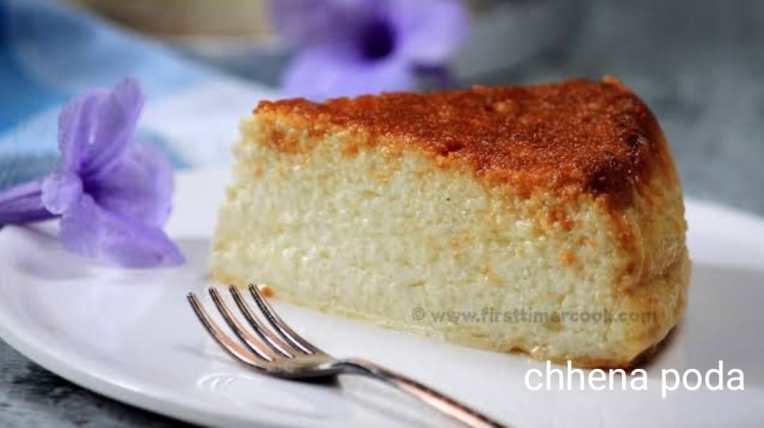
One can’t end an Odia meal without something sweet, and one of the most famous dishes to have out of that cuisine is the chhena poda (literally meaning burnt cheese). Cooked with chhena (curdled milk) the dessert can be either baked or even cooked in a pressure cooker. It requires some sooji (semolina), refined flour, and lots of sugar (to caramelize, and to sweeten). Some people also add some dry fruits such as pistachios, and cashew nuts, to add texture. A little bit of green cardamom (crushed) adds a lovely fragrance to the dish too. And ofcourse rice kheer is also a very important dish of Odisha.

From bhajas (fried food), dal, tarkari (vegetable preparations), to fish and meat curries – there are plenty of dishes in the cuisine experiment with. Odia food has its lovely nuances, a sense of rusticity that hasn’t withered with time, and that will always make it special.

So like this I grew up with traditional food of Odisha. Hope u all enjoyed reading my story, many more things are there to pen, but for now this is it.

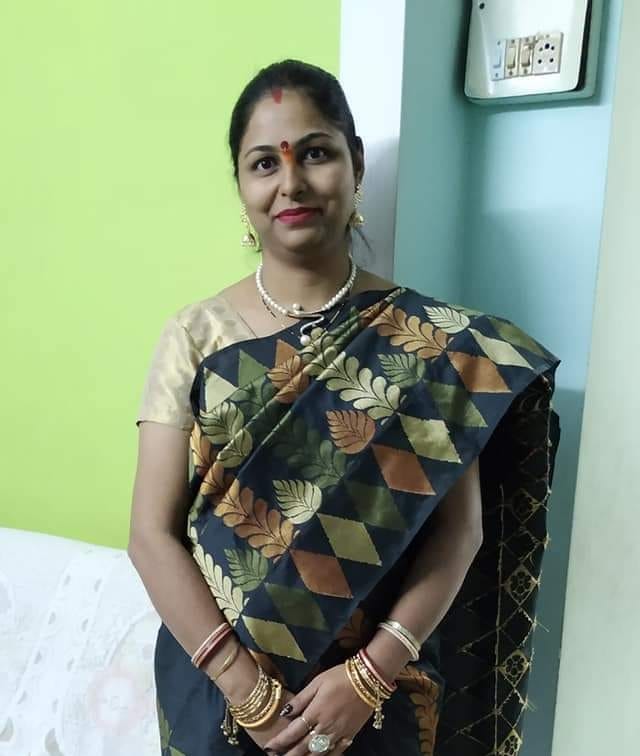
Me
Indian food tradition (Chhena Poda)
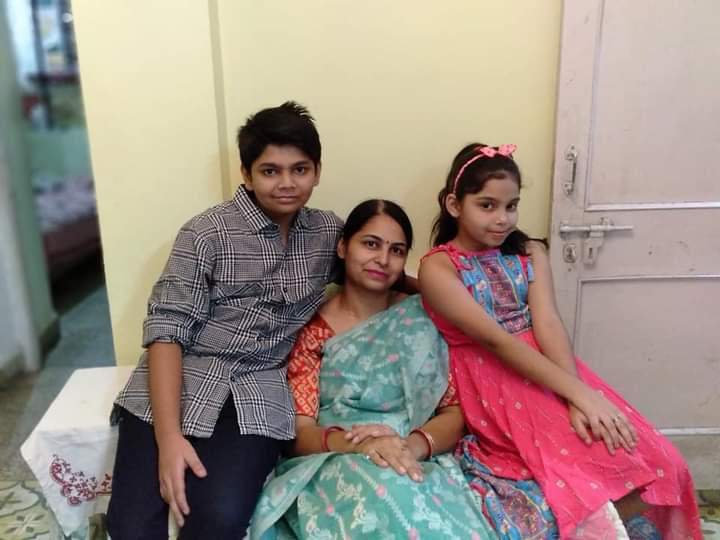
With my kids

Thanks to Iyurved for giving us this opportunity of sharing our different culture of food. I truly believe that nowadays children do not get the kind of nutrition and food that we used to get in childhood. It is great that Iyurved is making such nutritious food products for kids. This is the need of the hour.

I tried the chocolate spread. The taste is great but more than taste I like the ingredients and no preservative concept, Awesome, keep up the good work. 🙏🙏Jai jagannath 🙏🙏

Regards,

SANGITIKA PATRA SHENDRE


India’s First Tasty Kids Nutrition fortified with Ayurvedic herbs.

If your child is a picky eater or does not take enough nutrition for the day, you can give ‘5 Ayurvedic herbs and 7 Nuts’ chocolate or savoury spreads to meet daily Nutrition ORDER | 0% preservative

Daily Nutrition for: Immunity, Brain development, Bones and Overall growth

(shipping in India only)

Join 9000+ KIDS NUTRITION Community for Parents of small Kids & Teens.

Foods and Remedies recommended by a Nutritionist expert.

Read more blogs:

Indian Food Tradition: Authored by Sumantra ( Kolkata )

We speak to lots of parents, grandparents and great-grandparents about Indian food tradition and some stories are simply nostalgic. All stories are special for us. They are raw, unfiltered, peculiarly nostalgic, and explain the contrast between traditional lifestyle/eating patterns and modern-day lifestyle/eating patterns in the most basic yet beautiful way. If you are a parent and this story took you down the memory lane, share with your friends and family.

Bengalis are known to be born foodies. I grew up in an environment where home-made food or Indian food tradition was considered far superior to restaurants. I always cherished eating Bhaja Muger Dal (Moong Dal fried and not boiled) and Aloo Bhaja (French Fries and not Julienne) with Gondhoraj Lebu (lemon with aroma). Dal is probably still the most uncomplicated dish ever discovered, simple yet tasty. 

Apart from a regular freshwater fish item like Rui, Katla, Tengra, Pabda, weekdays were allocated for veg items and weekends for non-veg so that the entire family can relish every bite. So, Sunday was D-Day for me. While Mushur Dal (Masoor Dal), Mug Dal (Moong Dal), Danta Chochori (Mixed veg with Drumsticks), Aloo Posto (Potatoes in a thick paste of Poppy Seeds), Begun Bhaja (Fried Eggplant), Mocha (Banana Flower) formed the veg line-up, the non-veg armoury was even more tempting with Kosha Mangsho (Mutton in thick paste), Bhetki Paturi (Bekti Fish coated with mustard paste, wrapped in banana leaf and steamed), Chingri Malai Curry (Prawns in Coconut Gravy) and Bhapa Ilish (Hilsa Fish with mustard paste, steamed). Being a food enthusiast, it was impossible to cover even 2 non-veg items in a single meal as back in those times the quantity overpowered variety. But I was blessed with the capacity to Eat-all Digest-all as I could never let go of any dish without gratifying my taste buds. My mom’s Kosha Mangsho is something which I cherish even today.

When I used to visit my maternal grandparents for summer vacation, the variety of pickles made by my grandmother was simply amazing. The Gur-Aam and Chiri-Aam were always on my list. The GurAam resembled Murabba but with the Bengali touch of spices. The name Chiri always intrigued me which basically was finely grated green mango. Nevertheless, they both tasted heavenly. I still miss them. Then competed the varieties of pickles with green mango, chilies, garlic and tomato. I often used to wonder why Grandmother took so much pain to make those pickles. Later, I realized that it is her love and emotions attached while preparing that made each one of them unique. I still believe, any food made by heart has a lot more to offer apart from its ingredients, process, pre-cooking and post cooking measures. Maybe this is the reason, the home-made Kosha Mangsho tasted much better compared to the restaurant. 

Unfortunately, now the trend has shifted to the other end of the spectrum with Eating-Out being the norm. The entry of junk food in our lives has added more pain than pleasure, which is realized in later stages. What was considered a luxury once, has now become a standard today, especially for kids. Last but not the least, a greater loss of emotional quotient attached to food, the feeling of “Cooking for My Family” is slowly diminishing only to reflect that times have indeed changed.

Me with my mother and father.
Indian food tradition (Mutton rice).
Creativity at its best.

I am very grateful to Iyurved for sharing my childhood memories and giving me this platform. I truly believe that nowadays children do not get the kind of nutrition and food that we used to get in childhood. It is great that Iyurved is making such nutritious food products for kids. This is the need of the hour.

In today’s world of busy parents these spreads( chocolate and savoury) are life saving, especially when kids are fussy eaters. Just a spoon fulfills their daily nutrition needs. hats off to Iyurved for making such fabulous products.

Regards,

SUMANTRA BAGCHI


India’s First Tasty Kids Nutrition fortified with Ayurvedic herbs.

If your child is a picky eater or does not take enough nutrition for the day, you can give ‘5 Ayurvedic herbs and 7 Nuts’ chocolate or savoury spreads to meet daily Nutrition ORDER | 0% preservative

Daily Nutrition for: Immunity, Brain development, Bones and Overall growth

(shipping in India only)

Join 9000+ KIDS NUTRITION Community for Parents of small Kids & Teens.

Foods and Remedies recommended by a Nutritionist expert.

Read more blogs:

Indian Food Tradition: By Geeta Tiwari (Varanasi, U.P.)

We speak to lots of parents, grandparents and great-grandparents about food and tradition and some stories are simply nostalgic. All stories are special for us. They are raw, unfiltered, peculiarly nostalgic, and explain the contrast between traditional lifestyle/eating patterns and modern-day lifestyle/eating patterns in the most basic yet beautiful way. If you are a parent and this story took you down the memory lane, share with your friends and family.

As written by Geeta Tiwari- 65 years

With the arrival of Holi, many memories are refreshed. At this stage of life, it is the memories that keep the mind like a child. In our time, festival were the reason to celebrate. As soon as the march begins, papad chips started appearing on everyone’s roof. All of us friends used to decide the day on which we all go to each others house to help in making chips and papad, as we made this for the whole year. You must be thinking why for a year? In our time these Lays- Kurkure packets were not available, so when we wanted to eat something in the evening with tea, these chips and papad were an easy option. As far as gujiya is concerned there was no limit, nothing was more. The eating habits and foods those days were very simple, homemade food was preferred. Do not remember that we have ever gone outside to eat specially.

Then the second innings of age started, after marriage my lifestyle changed completely, my husband was in defense (IAF) and had to transfer after every three years. New place, new people, new culture. People from different states all used to live together. Everyone used to share recipes of special dishes of their states with each other, we were each other’s YouTube channel. Got to learn a lot.

Now looking at the children of today, it seems that even though we have come a long way in technology, the eating habits have become very bad. The value of home cooked food has come down. But I feel very happy when my grandson makes a list on the phone before coming and says that granny, I want to eat items made by your hands, when my daughter says mummy saw red chilies in the market today – put pickles for me too.

Iyurved is doing a fabulous job by making food nutritious for kids. Received the samples, outstanding products. My grandson loved the chocolate one and I liked the savoury as we can now add to everything that he eats without even making him realise.

Once again I would like to thank Iyurved for showcasing my story.

Regards,

Geeta Tiwari


गीता तिवारी- 65 वर्ष

होली के आने के साथ ही बहुत सारी यादें ताज़ा हो जाती हैं। उम्र के इस पड़ाव पे यादें ही तो हैं जो मन को बच्चों जैसा बनाए रखती हैं। हमारे समय में त्योहार तो बहना हो जाता था कुछ ख़ास बनाने का। मार्च शुरू होते ही सबकी छत पर पापड़ चिप्स दिखने लगते थे। हम सब friends दिन decide कर लेते थे कि किस दिन किसके घर जाना है help करवाने, साल भर के चिप्स पापड़ जो बनने होते थे एक साथ। आप सोच रहे होंगे साल भर के क्यों? अब हमारे समय में ये Lays- kurkure के packet तो मिलते नहीं थे तो शाम को जब कुछ खाने का मन करता तो चाय के साथ यही काम आते थे। ऊपर से होली की special गुझिया जितनी भी बनाओ कम ही पड़ जाती थी। तब का खान पान भी बहुत सादा हुआ करता था। घर की ही बनी चीजें खाई जाती थी। याद ही नहीं कि कभी बाहर specially खाने के लिए गये हों। 

फिर उम्र की दूसरी पारी शुरू हुई, शादी के बाद मेरी lifestyle एकदम से बदल गयी, मेरे husband defence में थे (IAF) हर तीन साल बाद transfer। नयी जगह नए लोग नया culture। अलग अलग states के लोग सब मिलजुल कर रहते थे। सब एक दूसरे के साथ अपने states की special dishes की recipe share करते थे, हम एक दूसरे के Youtube channel थे   . काफी कुछ सीखने को मिला। 

अब आज कल के बच्चों को देखती हु तो लगता है कि technology मे भले ही हम बहुत आगे निकल गए हैं पर eating habits तो बहुत ही ख़राब हो गयी हैं। घर के खाने की value कुछ कम हो गयी है। पर बहुत खुशी होती है जब मेरा नाती आने से पहले phone पर एक लिस्ट बनाता है और बोलता है कि नानी मुझे आपके हाथों के बने items खाने हैं, जब बेटी बोलती है mummy आज मार्केट में लाल मिर्च देखी- मेरे लिए भी अचार डाल देना।

Me
With my Husband
Me with my Son, Daughter and Daughter-in-law

बच्चों के लिए पौष्टिक खाद्य उत्पाद बनाकर Iyurved शानदार काम कर रहा है। मुझे sample बहुत पसंद आये, उत्कृष्ट उत्पाद। मेरे पोते को chocolate बहुत पसंद आया और मुझे savouryI क्योंकि अब हम उसे बिना बताए भी जो कुछ भी वो खाता हैं, उसमें मिला सकते हैं, और इसे और अधिक पौष्टिक बना सकते हैI

एक बार फिर मैं अपनी कहानी  साझा करने के लिए Iyurved को धन्यवाद देना चाहता हूं।

आपकी,

गीता तिवारी

. . .

India’s First Tasty Kids Nutrition fortified with Ayurvedic herbs.

If your child is a picky eater or does not take enough nutrition for the day, you can give ‘5 Ayurvedic herbs and 7 Nuts’ chocolate or savoury spreads to meet daily Nutrition ORDER | 0% preservative

Daily Nutrition for: Immunity, Brain development, Bones and Overall growth

(shipping in India only)

Join 9000+ KIDS NUTRITION Community for Parents of small Kids & Teens.

Foods and Remedies recommended by a Nutritionist expert.

Read more blogs:

Indian Food Tradition: Authored by Deepa Chandra (Kanpur, U.P.)

We speak to lots of parents, grandparents and great-grandparents about Indian food tradition and some stories are simply nostalgic. All stories are special for us. They are raw, unfiltered, peculiarly nostalgic, and explain the contrast between traditional lifestyle/eating patterns and modern-day lifestyle/eating patterns in the most basic yet beautiful way. If you are a parent and this story took you down the memory lane, share with your friends and family.

My Food Journey!

Hi, I am Deepa Chandra. I have spent more than 6 decades in this world and with my experience I can say Food is not only for survival  but it influences our emotional ,social and cultural life to a great extent and good food also nourishes our soul.

A life starts with two drops of milk and ends with two drops of Gangajal. Life and food are two sides of the same coin.

As I go down the memory lane, I see myself as a child in a happy family. We are three sisters and a brother. I can still feel the heavenly taste of food cooked by my mother whom we fondly called Amma. I don’t know why even a simple sabji made by her tasted so nice. Those days mostly food was prepared at home, dining out was rare. I remember every meal was made afresh and our house help used to grind fresh masala and chutneys on sil batta, Angithi and kerosene stoves were common during those days, and gas stove came much later.

All the snacks & sweets were freshly prepared at home and milk and fruits used to be a part of our daily diet .My father was fond of good food, so in the evenings when he came from the office, hot snacks were served with tea. Halwa and pakodi were most common.

During festivals, lots of dishes were prepared. Especially in Holi, gujiya,gulab jamun,samosa and a variety of papads,chips were made in large quantities. Friends and relatives visited us and we visited them.

As papa was in administrative services, he was posted in various parts of U.P. and we had the opportunity to taste some regional foods from different parts of the state. Food from every region has a tinge of its own.

We are non-vegetarians so every Sunday was a special day when we could relish the yummy non veg preparations by Amma. Those days mutton was more common than chicken. We also enjoyed eating kebabs and keema. We had Muslim friends and I remember Amma learning some tasty cuisines from them.

During our vacations we used to visit our Nani’s home in Allahabad. We eagerly looked forward to the train journey and enjoyed every moment of the journey along with the home packed food. Puri,sabji,achar and a surahi for water (earthen pot) with a steel glass on top of it was a common sight and that journey food tasted so delicious.

I loved food cooked by my Nani which had a native flavor and Nanaji used to bring small Allahabadi samosa and jalebis for us.

My real cooking started after marriage. When I got married, my husband was in the last stages of writing his Ph. D. thesis and we had a small apartment in the IIT Kanpur campus from where my cooking journey started and I tried my hands on my first few dishes. In the evenings we often ate in canteens or Red Rose (the one and only restaurant in the campus at that time). Most of the evenings, friends would visit us and there were joint cooking sessions which everyone enjoyed. Different cuisines like south Indian and Chinese were experimented. Chinese food was gradually gaining popularity in India at that time.                                                         

Every household in India has a different food culture and I learnt some different types of food in my new house. My father in law and other members were strictly vegetarians but my mother in law loved non veg. This common food interest made both of us happy and some evenings we both would enjoy eating fried fish or chicken curry.

Most of my life I lived in I.I.T campus and my children grew up there. With time my culinary skills improved and I enjoyed trying new recipes. Both my kids had different tastes and food choices and I ended up satisfying their likings by trying more varieties. Aloo (potato) used to be a common choice of both my husband and son, my son used to demand aloo-tamatar ki sabji almost every single day. My daughter was not so fond of aloo, so sometimes I would prepare aloo-mutter tamatar sabji, separate the mutters from my son’s bowl & serve it as aloo-tamatar for him and as mutter-tamatar for my daughter.(How creative right? )

aur aaj bhi aloo humare ghar par raaj kar raha hai 😃 😃 . Sharing of food pots with friends and neighbors was very common. We enjoyed dining at each other’s place. People of different states mingled freely and many a time’s ladies would share food recipes with each other. Birthday parties were thrown with great zeal and in most of the parties menu was chhole, bhature, dahi vada, cake etc.

Visits to foreign countries widened my food vision and I realized that food affects all aspects of life and apart from Indian food tradition, every country has its own food traditions. It is a culture in itself including numerous varieties of dishes, methods of cooking, ways of serving and eating. How Japanese drink tea, how Germans greet before having food by saying “Guten appétit”, how Chinese eat with sticks and how Indians can manage with hand. “Food is a common ground which brings us together.” It unites nations and cultures across the Globe. Inviting someone for tea is not just about tea, It is about the warmth, affection and friendship that we share over a cup of tea.

Me
Me in frock with my Brother, Mother Father and Aunt (Mausi)
Indian food tradition ( Samosa, Jalabi and tea)

I am very grateful to Iyurved for sharing my childhood memories and giving me this platform. I truly believe that nowadays children do not get the kind of nutrition and food that we used to get in childhood. It is great that Iyurved is making such nutritious food products for kids. This is the need of the hour.

I personally recommend all the parents to try both Iyurved’s DAILY NUTRITION Chocolate and Savoury spread for their kids.

Regards,

Deepa Chandra


India’s First ever Tasty Kids Nutrition fortified with Ayurvedic herbs.

If your child is a picky eater or does not take enough nutrition for the day, you can give ‘5 Ayurvedic herbs and 7 Nuts’ chocolate or savoury spreads ORDER | 0% preservative

Daily Nutrition for: Immunity, Brain development, Bones and Overall growth

(shipping in India only)

Join Fast-Growing KIDS NUTRITION & SKINCARE Community for Parents of small Kids & Teens.

Foods and Remedies recommended by a Nutritionist expert.

Read more blogs:

Healthy Alternatives of sugar for Kids

In today’s era of packaged and processed foods, sugar is just unavoidable, it is in everything you eat from breads to sauces, from snacks to beverages. It is now high time to shift on healthy alternatives of sugar for kids. Bread is one of the most staple foods in every household for kids. Other common sources of sugar are white sugar, brown sugar, cane sugar, cookies, candy, donut, cake, canned drinks, packed juices, bottled shakes and smoothies, granola bars, sauces, jams and many others. Everything that the child picks up to eat today has strains of added sugar in some form or the other. The food industry has understood the formula to entice more and more kids towards their products- ADD SUGAR!

However, sugar has many positives and contains healthy nutrients, if you take it in its natural form. In processed form, large intake of sugar can harm the growth and performance of a child. Sugar damages the protein in our body, resulting in ageing of organs, which further compromises immunity, growth and functioning. Kids often fall sick, heal slowly, are physically unfit and become lazy. Kids love to enjoy meals with high sugar content. Here are some reasons why too much sugar is harmful.

WHATSAPP for concerns like Speech Delay, Low Weight, Frequent Illness, Hyperactivity, Low Concentration, Weak Eyesight, Improper Sleep, Pigmentation, Pores, Face Marks, Fine Lines , Lactation etc.

Effects of Added Sugar:

Weight gain:

The first and the most significant risk of excessive sugar intake is weight gain. According to a study, a diet high in fat and sugar, especially sugary drinks can lead to leptin resistance, a hormone that regulates hunger and tells your body to stop eating.

Also check, How to fight Obesity?

Causes tooth cavities:

Sugary foods cause tooth decay which may lead to cavities. When sugar is consumed it comes in contact with bacteria within the plaque to produce acid. This acid causes tooth decay and it slowly dissolves the enamel which leads to cavities in the teeth.

Also check, why it is important to brush your teeth at night?

Poor nutrition:

If you eat more sugary foods and drinks, you will miss the chance to absorb important nutrients from nutritious foods. Such intake on a regular basis can deplete four of the best bone-friendly nutrients from your child’s body. Consumption of sugar increases an enzyme that degrades vitamin D and thereby also results in reduced absorption of calcium by the bones. Vitamin C helps to make collagen and also delays the decaying process of bones. Sugar intake restricts the absorption of this vitamin into our body cells resulting in weaker bones. Magnesium works on keeping the bones strong. Sugar strips the body of magnesium too by releasing it out through urine.

Also check, Which nutrients a child needs on daily basis?

Risk of acne:

A diet rich in added sugar has been associated with the risk of having acne. Foods with high sugar contents cause your body insulin level to spike which increases the production of oils in the skin  and causes pores clogging, which results in acne.

Also check, some home remedies for acne

Early ageing:

consuming a diet high in refined carbs and sugar leads to the production of AGEs (advanced glycation end production). AGEs damages collagen and elastin, which helps the skin stretch and keep it youthful and when collagen and elastin damages the skin becomes loose and begins to sag.

Also check, How to protect your skin from ageing with foods?

Fatty liver:

foods with high sugar contents especially fructose increases the risk of fatty liver. Unlike other types of sugar fructose is exclusively broken down by the liver. If the food has a large amount of fructose, your liver becomes overloaded and leads to many fatty liver diseases.

Also check, What is fatty liver and how to prevent it?

Spikes blood sugar level:

High sugar consumption drives resistance to insulin, a hormone produced by the pancreas that regulates blood sugar levels. Insulin resistance leads to an increase in blood sugar level and also raises the risk of diabetes.

Sugar is present naturally in all the foods that contain carbohydrates, like fruits, vegetables and grains, and consuming sugar in its natural form is okay, but problems occur when you consume too much added sugar. Our body runs on energy which is derived from Protein, Fat and Carbs. 50-60% of daily energy comes from carbs (Fiber + Sugar). Today, the majority of the energy (calorie) from carbs is derived from added sugar intake. Whereas, for our kids to have a balanced healthy growth, we need the energy (calorie) to come from natural sources of carbs (sugar) along with protein and fat.

The solution here is to shift focus to natural sweeteners. These alternatives to added sugar are extremely nutritious. Apart from making a dish sweet, they also load it with required nutrients. Natural sources of sweetness are also rich in antioxidants which help in building our immunity and also keeping our body young. Such sugar from natural sources doesn’t increase the blood sugar level in our body. Below are some natural sugar substitutes.

Also check, What happens when you eat too much bread?

Health Sugar Alternatives:

These sugar alternatives are a healthy mix of fructose and fiber (and also other nutrients). It is important to consume sugar along with other nutrients. This slows down the sudden rise in blood sugar levels. Consuming large quantity of simple sugar increases the blood sugar levels in the body. Constant increasing of blood sugar levels lead to signs of diabetes in kids (a common concern these days, and also on a rising trend). When sugar is consumed, the blood sugar level rises.

To manage that, insulin is released and the liver works on lowering the blood sugar levels. Imagine, when this happens at a constant basis. Soon the body stops reacting to insulin too. Liver is overburdened with this task and eventually becomes weak in its performance. Overall, this creates a mess for the body. To be able to manage this well, sugar must be consumed in limited quantity and also with other nutrients in its natural form (example whole fruits instead of fruit juices).

Date sugar:

Date sugar is made by drying and powdering the dates. It is an easier sweetener to add to baked goods like cakes and cookies, and also to porridge and oat meals. Apart from making the dish sweet, it is a powerhouse of antioxidants, iron and fiber. It is one of the most common alternatives of sugar

Also check, Recipe for one pot dark chocolate dates cake

Black strap molasses:

It is made after the third boiling of sugar cane juice. The majority of sugar (sucrose) from the original juice has crystallized and been removed. It is considered a dietary supplement. 1 tablespoon can give up to 20% of daily recommended intake of several vitamins and minerals. The taste of this is strong but can blend well with other ingredients in smoothies, shakes, cakes and cookies.

Coconut sugar:

Coconut sugar is extracted from the sap of the coconut palm. This also contains nutrients like iron, zinc, calcium, and potassium, as well as antioxidants. It also has a lower glycemic index than regular sugar, which may be partly due to its inulin content. It can be used in place of sugar for baking, and making any sweet dish or beverages.

Raw honey:

In its raw form honey has many health benefits, it has antibacterial, antioxidant, antiviral and antifungal qualities. But it should be used in moderate quantities as it has a high fructose level. You can buy local or unprocessed honey rather than the one easily available in store which are highly processed.

Also check, Recipe for honey turmeric balls, good for immunity

Stevia:

Stevia is one of the Alternatives of sugar made up of the leaves of a stevia plant, a kind of herb, it’s extremely sweet and safe in its natural form. It has no carbohydrates, calories or any artificial ingredients and a very low glycemic index, so does not spike your blood sugar level. Stevia in powder or liquid form is easily available in supermarkets and health-food stores.

Monk fruit sugar:

This sugar is extracted from the monk fruit, a small and round fruit grown in Southeast Asia. It has no calories and no effects on blood sugar level. Monk fruit contains natural sugars, mainly fructose and glucose. It is high in unique antioxidants called mogrosides, which make it 100–250 times sweeter than regular sugar.

Maple syrup:

Maple syrup is the most loved sugar substitute because of its flavorful taste. It contains many antioxidants and a lower score on a glycemic index. Also rich in minerals like calcium, zinc, potassium and iron. Maple syrup is made by boiling the sap of maple trees and is easily available in stores. So next time when you make something sweet for your kids use these sugar alternatives.

Also check, Recipe of chocolate Twix bar


PRODUCTS:

It’s no SECRET that following an Ayurvedic lifestyle has numerous advantages. This unique collection of Ayurvedic spreads is an easy solution to feed daily nutrition for Immunity, Eye, Brain development, Bone strength and overall growth to kids without any fuss. To know more about kid’s ayurvedic foods – SHOP HERE.

Ayurvedic spread by Iyurved

India’s First Tasty Kids Nutrition fortified with Ayurvedic herbs.

If your child is a picky eater or does not take enough nutrition for the day, you can give Daily Nutrition Chocolate Spread | Made with clinically proven ‘5 Ayurvedic Herbs and 7 Nuts’ | ORDER | 0% preservative | 0% Palm oil |


CHECK MORE PRODUCTS FOR:

Immunity, Gut health, Digestion, Weight, Brain development, Speech delay, Epilepsy, Eye health, Hormones, Sleep, Hyperactivity, Bones and Overall growth


Read more blogs:

Soaking and Sprouting of seeds: 8 Proven Benefits

WHATSAPP for concerns like Speech Delay, Low Weight, Frequent Illness, Hyperactivity, Low Concentration, Weak Eyesight, Improper Sleep, Pigmentation, Pores, Face Marks, Fine Lines , Lactation etc.

Soaking

In traditional diets of our ancestors, soaking and sprouting of seeds was key to preparing food. Dal, rice, beans, nuts, seeds and other whole grains contain phytic acid. Soaking for a few hours before you cook helps to break down the phytic acid which makes it easy for the body to absorb all the nutrients and also digest the food better. Study shows that our grains contain arsenic, a compound found in earth‘s crust. By soaking the grain prior to cooking, the arsenic level can come down by 25-30%. Soaking grains also release compounds called lower order inositols – specifically myo- and d-chiro-inositol. And these compounds help support blood sugar regulation, metabolic and hormonal health (PCOS).Soaking of rice and dal can be done up till 4 hours. ( why eating lentils is important?) For oats and most nuts, soaking overnight is good.

Soaking in different culture

Traditionally In India, rice and lentils are fermented for at least two days before they are prepared as idli and dosas, or flour is fermented to make Bhatura; Africans soak corn overnight before adding it to soups and ferment corn for days to prepare a traditional dish; Welsh prepared similar dish by soaking oats overnight. Latin Americans ferment rice for long before cooking; Ethiopians make their distinctive bread by fermenting a grain called teff for several days; (Recipe of teff bread) Mexican corn cakes are fermented for two weeks in banana leaves; Americans and Europeans used fermented starter to Bake bread, cookies and cake. The Chinese were the first people to carry moong dal (mung bean) and sprout for consumption as they sailed on voyages overseas.

Sprouting of seeds

Sprouting involves soaking seeds, draining water and leaving them until they germinate. This germination process usually begins with the seeds being soaked for several hours. The soaked seeds are then exposed to the right combination of temperature and moisture, and allowed to grow for two to seven days. The end product is sprout. During sprouting, the seed releases enzymes that lays the nutritional foundation for it to become a plant. So, just when the seed sprouts and is sufficiently loaded with nutrients and enzymes, we consume it. These enzymes also help in our digestion process.

Soaking and sprouting of seeds are gaining popularity because of their highly concentrated nutritional benefits. Sprouts are low in calories and rich in fiber, enzymes, protein and other micronutrients. Following are some health benefits, after knowing them you wouldn’t stop yourself from adding sprouts to your daily diet.

Health benefits of Soaking and Sprouting:

Here are some benefits of soaking and sprouting:

Improves nutrient contents:

Almost all the whole grains, nuts and legumes are high in fiber, B vitamins, iron, zinc and magnesium and protein. Studies show that sprouting may increase these nutrient contents even more.

Helps in digestion

The concentration of fiber increases in sprouted grains. Fiber is one of the most important components for maintaining gut health. Fiber nourishes the good bacteria in the gut and promotes elimination and detoxification of the colon. (How to improve gut health?)

Break down anti nutrient contents:

Anti nutrients are compounds that reduce the absorption of certain nutrients within your body. Enzymes created during sprouting also break down the phytic acid present in some seeds. Phytic acid is also called ‘anti-nutrient’ because it makes it difficult for humans to absorb certain vitamins and minerals from food sources. By sprouting, the phytic acid of the seed breaks down and it becomes easier for humans to absorb more vitamins and minerals from the sprouted seed.

Aids in weight loss:

Sprouts are one of the best foods if you are looking for some weight loss. They are high in nutrients with very low calories. Sprouts contain a high amount of fiber that keeps you full for a long period of time. It also reduces the release of ghrelin, a hunger hormone, that tells our brain to eat more. (How to tackle obesity?)

Boost your immunity:

Consuming sprouts allow the body to absorb all the vital nutrients and antioxidants that protect and boost the immunity system. Sprouting process promotes the level of vitamin C and other antioxidants that make it easy for white blood cells to fight off infections and free radicals and hence builds strong immunity. (What are some more foods that boost immunity?)

Improves heart health:

Some sprouts contain omega 3 fatty acids which helps to control the cholesterol level in the body. The presence of potassium in sprouted grains helps reduce blood pressure level, which also reduces the risk of any cardiac problem.

Improves Eyesight:

Because of the presence of Vitamin A in sprouts, they help in improving eye health. Also the high antioxidants properties of sprouts protects the eye cells from free radicals. (What are common Eye concerns and foods to improve eye health?)

Good for skin and hairs:

Sprouts prevent premature ageing. The antioxidants present in the sprouts help combat cell damage due to free radicals that can cause premature ageing. Sprouts contains many components that helps hairs to grow healthy like: selenium in sprouts fights dandruff , zinc promotes production of sebum in the scalp, vitamin A stimulates hair follicles and help them to grow thicker and longer and presence of biotin helps in overall hair health. (Some foods for skin and hair)


ProductS:

Make it EASY to feed a daily dose of vegetables, greens, dal, and prebiotics and probiotics. 1 serving of Veggies and  Dal powder equals 30-50g of fresh food. Helps to provide daily nutrition for Immunity, Brain, Digestion, Bones, Healthy Weight, Height, Eye health and Growth. Get yours now!

India’s First Tasty Kids Nutrition fortified with Ayurvedic herbs

For Kids with Unhealthy eating habits| Give Daily Nutrition Veggies and Dal powder | Rich in Calcium, Vitamin D, B12, Iron | Made with 100% veggies, greens, sprouted dal | 0% preservative | 0% Artificial Colour | 100% Natural | No refined sugar | ORDER |


CHECK MORE PRODUCTS FOR:

Immunity, Gut health, Digestion, Weight, Brain development, Speech delay, Epilepsy, Eye health, Hormones, Sleep, Hyperactivity, Bones and Overall growth

foods for breast milk

Read more blogs

Breakfast Ideas that are healthy For Kids

Your morning sets up the success of your day. If your child starts their day with healthy and nutritious breakfast you will see a difference in their health and academic performance. Studies show that kids who eat breakfast do better in school, have better concentration, perform better in sports and remain energetic throughout the day. Breakfast is the most important meal of the day out of all the meals as it refuels your body after a long night of sleep. A healthy breakfast is very important for your kid’s growth and weight management

WHATSAPP for concerns like Speech Delay, Low Weight, Frequent Illness, Hyperactivity, Low Concentration, Weak Eyesight, Improper Sleep, Pigmentation, Pores, Face Marks, Fine Lines , Lactation etc.

Benefits of breakfast

  • Eating breakfast boosts your metabolism.
  • Improves concentration and attention
  • Keeps you feeling fuller for long and reduces the risk of starving, hence control weight.
  • Studies have shown that people who eat breakfast consume more vitamins, minerals and fiber throughout the day.
  • Keeps you energetic throughout the day.
  • If you skip your breakfast, obviously you are going to eat much in the next meal, this will increase the chances of being overweight.
  • If you don’t eat breakfast you may be in a bad mood throughout the day.
  • Doing Breakfast keeps the blood sugar level stable during the day.

A healthy breakfast should be packed with protein, fiber and carbohydrates that will give you energy to kick start your day and keep you full for a longer time. Below are some breakfast ideas that are healthy and nutritious too. Recipes that you can daily offer your child so that they can jump start their day.

breakfast ideas that are healthy

Try these breakfast ideas that are healthy and easy to make with your family and friends

Let’s make every dish tasty and nutritious by ‘hidden’ nutrition of veggies, herbs and nuts.

Quinoa Peas Meal

Ingredients:

  • ½ cup quinoa boiled in equal water
  • 2 tbsp oil
  • 1 small onion chopped.
  • ½ cup peas.
  • 1 pod garlic and ginger chopped.
  • 1 tsp cumin seeds.
  • 2 tbsp Iyurved’s 3 herbs and 7 nuts savoury spread (order here)
  • Lemon juice fresh
  • Green chilli chopped (optional)
  • Salt
  • Chopped handful coriander

Heat oil in a pan. Put cumin ginger garlic and onion. Sauté for a minute. Add peas, salt and chilies. Cook for 3 min. Add boiled quinoa (no water at all)and Iyurved’s savoury spread. Cook for 5 min. Add lots of lemon juice to taste spicy, salty and sour. All flavors! Garnish with coriander. Serve!

Paneer Paratha with hidden radish

Ingredients:

  • 4 small radish
  • 2 cups Jowar/ sorghum or whole-wheat flour (or as much required to make super soft dough)
  • Salt (as per taste)
  • 4 tbsp Iyurved’s 3 herbs and 7 Nuts savoury spread (order here)
  • Paneer or firm tofu (mixed with spices of choice)

Keep the dough very soft. Take a ball of dough Scramble Paneer or firm tofu. Add spices of choice and salt stuff mixture in the fattened ball of dough, roll the ball into a thin paratha/tortilla, cook on both sides and apply little ghee

Sprouted Mung Bean (Moong Dal) Cheela/ Pancake

Ingredients:

  • 1 cup mung bean/ moong dal
  • Salt
  • 1 tsp Ajwain/ Carom seeds
  • 3 tbsp Iyurved’s 3 herbs and 7 nuts savoury spread (order here)
  • 1 pod ginger
  • 1 tsp cumin seeds

Wash and soak for 30 min to remove impurities (Why soak?). Add fresh 2 cups of water and leave to soak further for 4-5 hours. Grind the paste with ginger pod. (Added health benefits of fermenting?) Leave the mixture covered with a lid to ferment for a few hours or make immediately. Add salt, herb and nut spread, cumin and carom seeds when ready to cook. Heat iron or non-stick pan. Grease lightly. Spread one big spoon of mixture and spread circular till thin. Cook covered with a lid. Flip to cook on the other side. Serve with any sauce or plain! (Added health benefits of using iron pan?)

Millet Upma

Ingredients:

  • Ghee (clarified butter) or oil
  • 1 tbsp mustard seeds
  • Curry leaves
  • Crushed roasted Peanuts
  • Medium size chopped onion (or more veggies)
  • 1 tbsp grated ginger
  • 1 cup little millet or semolina
  • 3 tbsp Iyurved’s 3 herbs and 7 nuts savoury spread (order here)
  • 2 cups water

After the veggies are cooked and turn brown, add Iyurved’s 5 herbs and 7 nuts savoury spread (order here). Roast again. Add millet or semolina. Add water. Cover and cook for 8-10 minutes till soft and water is absorbed. Garnish with coriander. Serve hot!

Millet Halwa


  • 1.5 cups Ragi (finger millet)
  • 2 tbsp Ghee (clarified butter)
  • 3 tbsp Iyurved’s 3 herbs and 7 nuts savoury spread (order here)
  • ½ cup jaggery
  • Water
  • ½ tsp Cardamom powder

Roast Ragi/ millet once aromatic add Ghee and Iyurved Spread Keep Roasting till change in colour (keep low flame) Take water and jaggery and melt once mixture thickens slightly, add mixture. Keep mixing. Add more water if the paste becomes too hard to mix. Soon the mixture will be cooked well and will leave edges. Add Cardamom powder. Serve garnished with nuts and cardamom powder.

Beetroot Wrap

  • 1cup Ragi flour (optional)
  • 1 cup chickpea flour or mung bean paste (soak mung bean for 4 hours, blend with water to make thick batter)
  • 1 beetroot grated/ puréed (uncooked)
  • 200mg Tofu (mashed)
  • 3 tbsp Sesame Seeds
  • Water (as required)
  • Salt (as per taste)
  • 2 tbsp grated ginger
  • 1 tsp Ajwain/ Carom seeds
  • 2tbsp Iyurved’s 3 herbs and 7 nuts savoury spread (order here)
  • Coriander leaves (chopped)

 Mix all these ingredients together to make it better. Spread 1 serving spoon batter on a non-stick pan. Apply some oil. Flip the other side. Taste best with coconut chutney.

(What happen when you eat beetroot daily?)

Whole Grain Pizza cups

Stuffing:

  • Sprouts of any kind (pea sprout, alfaalfa etc)
  • Cheddar cheese or vegan or any
  • chopped onions
  • chopped tomato
  • basil, pine nut, sesame spread (blend basil, garlic, pine nuts and sesame seeds, nut milk in a thick smooth paste form) or use Iyurved’s 5 herbs and 7 nuts savoury spread (order here)

Dough:

  • Equal part Ragi flour or amaranth flour or Rye flour or Sorghum flour (any two)
  • Put salt and oregano
  • Add 2 tbsp psyllium husk (optional but good)
  • 1 boiled sweet potato (optional)
  • 1 tsp yeast (optional)
  • 5 tbsp Iyurved’s 3 herbs and 7 nuts savoury spread (order here)
  • water or yogurt to knead into sticky dough
  • 1 tbsp nutritional yeast (optional but good)
  • Mix all this together into a sticky dough and leave to rise for 2 hours covered lightly with a cotton cloth and loose lid.

Preheat 5 minutes, Bake for 15 minutes at 200 Celsius.

Apple and Banana Muffins

  •  Eggs or 2 tbsp chia or flax seeds powder soaked in 6 tbsp warm water till it becomes lumpy
  • 2 mashed banana
  • 1 tbsp butter or Iyurved’s 3 herbs and 7 nuts savoury spread (order here)
  • 1.5 cup whole-wheat flour or almond flour
  • ¾ tsp baking soda
  • Pinch of salt
  • 1 small apple cut in small chunks
  • Honey (optional)
  • Choco chips (optional)

Preheat the oven at 175 Celsius for 5 min.Mix eggs/ chia or flax paste, banana, and butter or Iyurved’s 5 herbs and 7 nuts savoury spread (order here) in a bowl. Add flour, baking soda, apple chunks, salt to the bowl and Mix well. Feel free to add chocolate chips to the mixture. Taste the mixture for sweetness or else add honey. Divide batter into muffin pan or moulds. Bake for 16 to 18 minutes or until golden brown and the toothpick/ knife inserted into the center comes out clean. Cool on the wire rack and eat! Feel free to add chocolate chips to the mixture. Add melted dark chocolate or Iyurved’s 5 herbs and 7 nuts Choco spread (order here) on top (optional) (Benefits of eating banana and apple)


PRODUCTS:

It’s no SECRET that following an Ayurvedic lifestyle has numerous advantages. This unique collection of Kids Ayurvedic Brain Booster is an easy solution to feed daily nutrition for Brain development to kids without any fuss. Made with Proven Ingredients. No Preservatives or Artificial Colour or Flavour. No Side Effects. Trusted by 20000+ Parents and Practitioners. To know more about kid’s ayurvedic foods – SHOP HERE.

what is the down's syndrome

India’s First Tasty Kids Nutrition fortified with Ayurvedic herbs.

For Focus, Concentration, Memory,Kids & Teens Brain Booster Savoury Spread | 0% preservatives | 0% refined sugar | 0% palm oil | Fortified with SHANKHAPUSHPI, ASHWAGANDHA, BRAHMI | Contains OMEGA 3, CALCIUM, PROTEIN | ORDER |


CHECK MORE PRODUCTS FOR:

Immunity, Gut health, Digestion, Weight, Brain development, Speech delay, Epilepsy, Eye health, Hormones, Sleep, Hyperactivity, Bones and Overall growth

what is the down's syndrome

Read more blogs:

How to potty train and what is the right age for potty training?

Seeing your baby doing their things independently is such an overwhelming experience, but it takes a lot of effort to make them independent. Out of many developmental milestones, baby potty training is one of the thing which might require lots of attention and time.Many parent are finding the answer or how to potty train their baby ad what is the right age for potty training So get ready and don’t get frustrated, if things are not working as per your expectations, don’t put pressure on the baby by turning it into a battle.

WHATSAPP for concerns like Speech Delay, Low Weight, Frequent Illness, Hyperactivity, Low Concentration, Weak Eyesight, Improper Sleep, Pigmentation, Pores, Face Marks, Fine Lines , Lactation etc.

When your baby is ready

Every child has his/her own pace to reach milestones like sitting, walking, teething and talking. Some do things early, while some take a little more time. There is no perfect age for potty training, it all depends upon many physical, emotional and environmental factors. Generally the age for potty training is between 18 months to 24 months. But before starting baby potty training ask yourself the following questions.

  • Is my baby able to sit on a potty seat without support and get back up?
  • Do they tell, when it’s time to go?
  • Is my baby ready to follow my instructions?
  • Does he/she seem interested in using the toilet seat?
  • Is my baby ready to pull down diapers, pants or underwear without any help?
  • Do they keep the diaper dry for at least two hours?
  • Do dirty diapers bother them?

Also check, What are expected Growth and development in babies

Tips for potty training

If most of the answers are yes then you can potty train your baby or its the right age for potty training your baby. Usually girls learn this quickly than boys. Try baby potty training when there is no big disruption or change to your child’s or your family routine such as travelling or shifting, as it is important to stay consistent. It may be possible that some of your initial attempts go on vein, but don’t lose the hope, what all you need is patience, patience and patience and keep on trying to potty train your baby with these tips:

Introduce the concept:

The first step towards baby potty training is to start mentioning the concept occasionally. Show some videos and keep some children’s books about potty training to read with your child. Also bring up the subject of potty in the conversation by saying things like: “I have to go pee or poo ”or“ need to go to the toilet to pee”. The idea is to make them aware of the potty training concept.

Choosing a potty seat:

Choose a seat which is apt according to your baby’s age and have built in footrest to push against during bowel movement. Go for a durable seat, as a shaky seat can put a child back into the diaper for weeks. If possible take your child with you while shopping for a potty seat, this will make him/her more connected and excited to use it.

Placing of potty seat:

The most appropriate location for a potty seat is your bathroom. This will make your baby understand that the bathroom is the right place to do potty. But as you start using a potty seat for the baby, place it according to the convenience of the baby so that they can use it as and when required.

Get a routine:

Following a schedule is always a good idea. Make your baby sit on the potty first thing in the morning, whether they need to go or not. Also encourage your kid to use the toilet after every meal, before nap time and after getting up from sleep . This will help your baby to understand that going potty is a routine work, just like eating and sleeping.

Make potty time fun:

If your child is nervous about using a potty seat, make it fun with help of some music or rhyme. Sing a song or rhyme along with your baby during this process to divert his/her mind. This will make them comfortable.

Always praise your child:

Never punish your child for wetting or soiling their pants, as they are still learning and can’t sometimes control it. Instead every time when your baby attempts to use a toilet even if nothing happens, praise them by giving a high five, a hug or by telling them that they are doing a great job that will keep them motivated.

Comfortable clothes:

Avoid clothes that are hard to pull off, kids who are under potty training are required to wear comfortable clothes, so that they can easily undress themselves.

Teach hygienic habits:

Teach your child every time to wash their hands when they go to the toilet even if nothing happened, also gradually teach them to flush and clean after doing potty.

For boys:

Start with teaching your son to sit down for both pee and poo. Once your baby is comfortable doing sitting position, he can try standing position. Any male member in the family can teach better.

Foods for regular bowel movement

As soon as the age for potty training starts, also take care of their diet by offering foods that are easy to digest and make their bowel movement easy and regular, as constipation can lead to pain and interrupt in potty training. Following are some foods that help in regular bowel movement.

Apple:

Apples are an easy way to boost the fiber content of your diet and cure constipation. According to a study, pectin in apples can accelerate the movement of the stool through the intestine and aid in constipation.

Also check, Apple and banana muffins recipe

Prunes

Prunes also known as dried plums are commonly used for treating constipation because of its high fiber contents. It also contain sorbitol and phenolic compounds that maintain gut health and may provide gastrointestinal benefits.

Also check, what to do if kids have constipation?

Yogurt:

Yogurt contains living microorganisms known as probiotics which are also called good bacteria and helps to improve gut health and soften stool. The good bacteria produce short chain fatty acids and lactic acid that may improve bowel movement. It helps to regulate a child’s digestive system and decreases bloating, diarrhea, and constipation.

Also check, What is probiotics?

Nuts:

Nuts are another fiber powerhouse, which help ease constipation.  Choose nuts that are dry roasted, rather than roasted in oil. Also high in healthy fats, potassium, sodium, calcium, protein and antioxidants these nuts contribute towards, getting a healthy body.

Also check, Excellent source of protein

Sweet potatoes:

The high fiber content of the sweet potatoes help in preventing constipation and promotes a well-functioning digestive tract. According to a study, dietary fiber found in sweet potatoes such as cellulose, lignin and pectin helps in maintaining gut health and improves digestion. It also contains vitamin A, vitamin C and vitamin E, potassium, magnesium, and calcium that helps in the overall health of your baby.

Also check, Sweet potato fries in baked format

Whole grains:

Whole grain delivers a variety of important nutrients that includes fiber, manganese, phosphorus, magnesium, copper, zinc and iron. This includes oats, brown rice, whole wheat, quinoa, barley and rye. All of these are high in fiber and a great choice to prevent constipation.

Also check, Importance of balanced diet for kids


PRODUCTS:

Fix your GUT with these Quick, Easy and Tasty PREBIOTIC Gut Drinks! This flavorful range of prebiotic gut friendly drinks helps with  Digestion, Constipation, Brain development, Allergies, Immunity, Hormonal balance, Acidity and Bloating and even more! Grab yours. NOW!

India’s First Tasty Kids Nutrition fortified with Ayurvedic herbs.

For Improving the gut health , Constipation, Vomit, Brain Development, Allergies | Family PREBIOTIC GUT DRINK | Made with Guar Beans | Prebiotic Fiber | Plant Sweetener | 0% preservative | 0% Artificial Colour | 100% Natural | No refined sugar | ORDER |

Available in 2 Flavours: LEMON and ORANGE


CHECK MORE PRODUCTS FOR:

Immunity, Gut health, Digestion, Weight, Brain development, Speech delay, Epilepsy, Eye health, Hormones, Sleep, Hyperactivity, Bones and Overall growth

what is the down's syndrome

Read more blogs