Eating Disorders in children

eating disorders

Is your kid a picky eater who consumes only specific foods? Or, have you noticed that they are eating less portions of food every day? Then there is a chance that this problem could progress into a severe eating disorder. Many times, eating disorders go undiagnosed by parents because they believe that their child’s eating habits can be changed as they grow. However, they are unaware of the growing concern about eating disorders in children and teens, which can lead to both physical and mental illnesses. 

Therefore, it is crucial for parents who deal with young children to recognise the indicators of eating disorders because the prevalence of these diseases among young girls and boys under the age of 12 has been rising recently. Continue reading to know simple yet effective tips to overcome eating disorders in children.

WHATSAPP for concerns like Speech Delay, Low Weight, Frequent Illness, Hyperactivity, Low Concentration, Weak Eyesight, Improper Sleep, Pigmentation, Pores, Face Marks, Fine Lines , Lactation etc.

What is an Eating Disorder?

It is a condition caused due to unhealthy eating habits of children which gets manifested into a serious problem and affects the health, mind and body of the child. Eating disorders are more emotional and mental problems than physical ones. There are several types of eating disorder which includes Anorexia, Bulimia, Binge eating, AFRID (avoidant restrictive food intake disorder), pica etc.

Types of Eating disorders:

Anorexia Nervosa:

Children with this condition are more prone to malnutrition as they avoid intake of calorie-rich or nutritious food. They consume only a small quantity which won’t even be sufficient to meet the daily requirement. These kids mostly avoid food because of their consciousness about their body image and other weight-related problems.

Also, check Foods that provide Daily Nutrition for Kids

Bulimia Nervosa:

It is the condition wherein the children will consume a larger portion of food in one sitting or overeat and then purge through vomiting, laxatives or other means because of the fear of weight gain. This is mainly due to the negative perception of their bodies feeling guilty about eating more and gaining weight.

Also, check Foods for healthy weight gain in kids

Binge eating:

This condition is the opposite of anorexia where the children intake more calories than required or indulge in overeating. It occurs more commonly with kids who are more distracted while eating so that they don’t know how much or how fast they eat leading to binging or overeating food which can eventually lead to obesity and other ailments like heart problems, hypertension, diabetes etc when they grow up.

AFRID (avoidant restrictive food intake disorder):

As the name suggests, it is the condition wherein children have avoidant or restrictive behaviour towards eating. They will be pickier toward certain kinds of food based on their flavour, texture, taste or other sensory properties.

Pica:

It is a type of eating disorder where the children used to chew items that are not non- food or don’t have any nutritive value like chalk, hair, clay, soil etc. This habit then develops into a coping mechanism both emotionally and psychologically.

Also, check Iron Rich foods for kids

Eating Disorders: causes

Most eating disorders are concerned with body image, and emotional and psychological problems. Usually, pre-teens and teenagers have these conditions due to the influence of society, peer pressure, and media standards that make them think that being skinny is more attractive than being healthy. Children suffering from emotional and mental issues usually use these as a coping mechanism for their problems and to keep everything under control and perfect.

The other spectrum of the line shows that there is an increase in the obesity rate from 5 to 18 per cent among children and teenagers as per IOTF (International Obesity Taskforce). Both eating disorders and obesity go hand in hand as obesity can lead to various lifestyle disorders or metabolic disorders like hypertension, Cardiovascular disorder (CVD), diabetes etc.

This is due to unhealthy lifestyles:

Symptoms:

These children have both physical and mental conditions:

Physical Symptoms include:

  • Weight gain/ Weight Loss
  •  Hair loss
  •  Change in blood pressure
  •  Dropping of heart rate
  •  Heart-related ailments
  •  Loss of stamina
  •  Feeling tired and Fatigued
  • Extreme Dieting or Extreme Exercising
  • Sensitivity to cold
  • Lack of oxygen leads to bluish discolouration
  • Dizziness and Insomnia
  • Delay in puberty
  • Irregular Menstrual cycle

Mental health symptoms include:

  • Anxiety disorder
  • Mood Disorder/ mood Swings
  • Unable to cope with emotions / Perfectionism/ Wanting to have everything under their control
  • Low self-esteem
  • Depressions
  • Withdrawal from social situations
Certain tips to prevent eating disorders:
  • Encourage eating wholesome food and include all varieties of food in the diet.
  • Eating healthy and nutritious meals helps the children to have a sound mind and body.
  • Since most of the time eating disorder is related to emotional well-being, it is good to have an open discussion about the child’s feelings and emotions and the home is a better place to voice out their opinions. This prevents them from suppressing their emotions.
  • Have a body-positive attitude and avoid comparing kids with others in terms of their body, grades or anything and teach them to accept that every shape and every size is beautiful.
  • Create awareness among children and teens about the importance of a healthy and nutritious diet as this is the age where their physical and mental ability develops.
  •  Have a healthy lifestyle and avoid junk foods.
  • These eating disorders can hinder the puberty and menstruation cycle of girls. So, care should be taken in the food intake and nutrition of Pre-teen and teenage girls.
PRODUCTS:

It’s no SECRET that following an Ayurvedic lifestyle has numerous advantages. This unique collection of Ayurvedic spreads is an easy solution to feed daily nutrition for Immunity, Eye, Brain development, Bone strength and overall growth to kids without any fuss. To know more about kid’s ayurvedic foods – SHOP HERE.

India’s First Tasty Kids Nutrition fortified with Ayurvedic herbs.

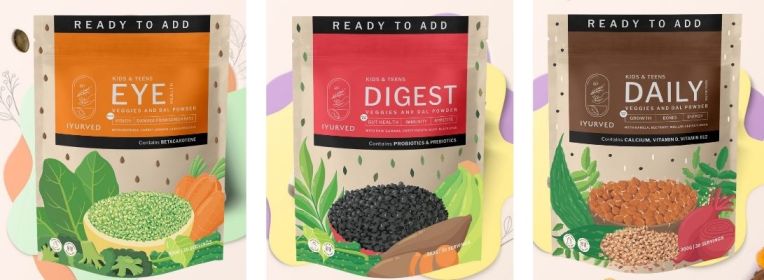
If your child is a picky eater or does not take enough nutrition for the day, you can give Daily Nutrition Chocolate Spread and Daily nutrition Veggies and Dal powder | Made with Ayurvedic herbs | 0% preservative | 0% Palm oil | ORDER |


CHECK MORE PRODUCTS FOR:

Immunity, Gut health, Digestion, Weight, Brain development, Speech delay, Epilepsy, Eye health, Hormones, Sleep, Hyperactivity, Bones and Overall growth

what is the down's syndrome

READ MORE BLOGS:

Bloating: Foods and Tips that help

bloating of stomach

Are you feeling your tummy got bigger today? Did you start thinking it might be because you ate too much last night, or you got too much gas? If so, yes! You may have bloating of stomach. There are many reasons behind bloating of stomach. It may be because of eating too much or too less, too much sugar or salt in the food, drinking too less water or from constipation. Continue reading to know tips and foods to reduce bloating.

WHATSAPP for concerns like Speech Delay, Low Weight, Frequent Illness, Hyperactivity, Low Concentration, Weak Eyesight, Improper Sleep, Pigmentation, Pores, Face Marks, Fine Lines , Lactation etc.

What is actually bloating of stomach?

Stomach bloating is a feeling of pressure, fullness, or tightness in the stomach. It is the feeling of fullness of the stomach with or without actual change in stomach circumference. In fact, bloating of stomach may be associated with swelling in the abdomen area that is visible. It may result in lighter discomfort to strong pain in the belly. The most evident reason for bloating is constipation. Apart from that, indigestion and hormonal imbalance may also result in bloating of stomach.

Causes of bloating of stomach:

1. Eating gassy foods:

Some of the legumes, millets and cereals are rich in oligosaccharides such as raffinose and stachyose. These oligosaccharides are sometimes not properly digested in stomach and small intestine due to high levels of insoluble fibre and they pass to the large intestine where they are fermented by gut bacteria to produce gas. Because of this, the person feels bloated after eating such foods.

Also, check Home remedies to solve allergy in kids

2. FODMAP:

FODMAPs refer to a group of carbohydrates that are not digested easily in some people. They may result in fluid build-up and gas trouble. FODMAPs include fructose present in honey, lactose in dairy products, beans and lentils, gluten-containing foods and also some foods such as apples, pears and cherries.

3. Eating too fast:

If you are a person with the habit of gulping down food too fast, you are more likely to have bloating frequently. When you engulf the food quickly, you swallow more air which may pass to your intestines and cause bloating.

4. Consuming fizzy drinks:

When you consume more fizzy drinks loaded with carbon dioxide gas, it may fill in your belly. Some of the gas is released through burping. The remaining gas may fill in tummy and pass to the intestines and even result in anal gas.

5. Drinking too little water:

When you consume fibre-rich foods and don’t drink enough water, it may tighten the stools and result in constipation. Due to constipation, you feel your belly is bloated and often feel pain in your stomach.

6. Eating junk foods:

Junk foods or fast foods are loaded with sodium, sugar and fat. They may be too easy to digest, but these processed foods cause an imbalance in your gut microflora. These microbes are responsible for the absorption of the digested nutrients in your body. So, any imbalance in the gut microbes might cause irritation and bloating of stomach.

Also check,

7. Not moving enough:

Having a big and hearty meal is so satisfying right!! Yes. There’s no harm in having a big meal often. But if you are a person who goes to bed right after your meal, then you may suffer from indigestion and gastric problems ultimately leading to stomach bloating. Not giving importance to physical activity is the key problem here.

How long does it take bloating to leave?

It depends on the reason behind your bloating of stomach. In the majority of cases, it goes away in one night or maximum two days. In case of severe constipation, it may extend upto 4-5 days.

How to prevent or relieve bloating?

1.Eat probiotic-rich foods:

Probiotics refer to the live microorganisms when consumed in the right amount, resulting in health benefits to the body. These microorganisms are present in fermented foods such as yoghurt, fermented vegetables, sauerkraut etc. These microorganisms usually skip the digestion process and straight away move to the gut. In the gut, they help to maintain a good balance of healthy microbes that benefit the body in digestion.

Also, check 7 proven Gut healthy foods

2.Hydration:

It’s very important to consume 3-4 litres of water daily. When we consume fibre-rich foods, water helps to smoothen them and swell, helping in smooth bowel movements. Thus water helps in relieving constipation.

3.Prefer whole foods over processed ones:

When we consume complex carbohydrates rich in fibre, they help to maintain a good balance of healthy bacteria in the gut. Thus by avoiding simple sugars, fizzy drinks and sodium-loaded foods and consuming whole foods such as whole-grain cereals, millets and pulses, fruits and vegetables, the gastric problem can be reduced.

Also, check Harmful health effects of Junk foods

4.Eat enough and move more:

It is important to listen to your stomach while eating. Eat only as required to fill your stomach. Don’t overload it. And having a small walk after your meal also helps in digesting the food. You also feel lighter. Involve in some form of physical activity daily.

5.Prefer a number of small meals a day rather than 2-3 bigger meals:

When you starve yourself for a long time, you indulge in more food than you require which ultimately leads to bloating and indigestion. Hence, it’s a smart move to have small meals every 2-3 hours because you don’t feel hungry all the time if you do so.

6.Avoid dairy if you are allergic:

Some people are lactose intolerant. That means, they cannot digest lactose in their food as they lack one type of enzyme ‘lactase’ which is important to digest lactose. So, it’s advisable to avoid dairy products if you feel bloated after consuming any dairy product.

Also, check Lactose Intolerance in Kids

7.Cook your veggies:

It’s healthy to eat a bowl of salad made of raw veggies, but some people may not digest the fibrous raw vegetables. So, it is important to cook your vegetables to reduce the bloating as the fibre breaks down while cooking.

8.Have an early dinner:

Your digestive system works very hard after you consume food. The digestive system slows down at night because of the low activity level. Hence it is advisable to have an early dinner or have at least 3 hour gap before you go to bed to make sure your food is digested properly.

Foods that help in reducing bloating of stomach:

PARTIALLY HYDROLYZED GUAR GUM: 

Guar gum is a fibre made from guar bean or Indian cluster bean. It is used as a laxative that normalises the moisture content of the stool, absorbing excess liquid in diarrhoea, and softening the stool in constipation. Undoubtedly, it is one of the best foods for helping in bloating.

PHGG is a water-soluble dietary fibre and is used to regulate gut function. According to the study conducted by NIH, intake of PHGG improves human stool form by regulating intestinal microbiota. It has also been useful in treating Irritable bowel syndrome (IBS) symptoms in both adults and kids.

Benefits of Guar gum:

  • Treating diarrhoea/ constipation and bloating
  • Lowering cholesterol
  • Manages high blood pressure
  • Control diabetes
  • Weight loss
  • Enhance Mineral absorption
Fructooligosaccharides (FOS):

Fructooligosaccharides (FOS) are composed of short fructose chains. They are a type of carbohydrate called oligosaccharides. FOS occurs naturally in many plants. They are prebiotic fibres that support the growth of healthy bacteria in the digestive tract. FOS is also a good source of soluble, dietary fibre and has been shown to reduce, or eliminate constipation and relieve bloating.

CITRIC ACID:

Citric acid is the weak organic acid found in the greatest amount in citrus fruits. We all have seen citric acid appear on the label of many products but don’t know exactly what citric acid is for our health. However, the primary reason for including this in any packaged foods is for its tangy flavour. But apart from this citric acid is associated with many health benefits also:

  • Citric acid helps to convert food into energy.
  • It enhances calcium, phosphorus and Magnesium absorption through the gut.
  • This also prevents calcium crystals or kidney stones from forming.

Also, check 11 Proven Foods for Proper Digestion

ORANGE EXTRACT:

Oranges are the food to boost immunity. They are not only nutritious and rich in Vitamin-C but also loved by kids. Just one orange can meet 100% vitamin C requirements for the kid’s daily nutrition.  The pith (white after between peel and fruit) of orange has 30% fibre of the fruit and this particular fibre (called pectin) is good for the gut which builds immunity, reduces bloating and supports digestion.

PAPAYA:

The papaya fruit contains two enzymes, papain and chymopapain. They can help with digestion, reduce bloating, inflammation and also improve gut health. Papaya is also high in fibre and water content, both of which help to prevent constipation and promote regularity and a healthy digestive tract. Also, it is a good source of folate, vitamin A, magnesium, copper, B vitamins, alpha and beta-carotene, lutein and zeaxanthin, vitamin E, calcium, potassium, vitamin K, and lycopene, and pantothenic acid.

LEMON:

Lemons are rich in Vitamin C and have a potential to reduce gut inflammation and boost the immune system. Lemons are high in a fibre called pectin, which is a prebiotic that assists good gut health by feeding healthy gut bacteria.


PRODUCTS:

Fix your GUT with these Quick, Easy and Tasty PREBIOTIC Gut Drinks! This flavourful range of prebiotic gut friendly drinks helps with  Digestion, Constipation, Brain development, Allergies, Immunity, Hormonal balance, Acidity and Bloating and even more! Grab yours. NOW!

India’s First Tasty Kids Nutrition fortified with Ayurvedic herbs.

For Bloating , Immunity, Constipation, Vomit, Brain Development, Allergies | Family PREBIOTIC GUT DRINK | Made with Guar Beans | Prebiotic Fiber | Plant Sweetener | 0% preservative | 0% Artificial Colour | 100% Natural | No refined sugar | ORDER |


CHECK MORE PRODUCTS FOR:

Immunity, Gut health, Digestion, Weight, Brain development, Speech delay, Epilepsy, Eye health, Hormones, Sleep, Hyperactivity, Bones and Overall growth


Read more blogs

Nutritional Needs for Breastfeeding Moms

diet for breastfeeding moms

Breastfeeding is one of the most nutritionally demanding times in a woman’s life, particularly during the first three months of lactation. During this time, a woman needs a rich supply of protein, carbohydrates, healthy fats and more. But exactly which foods provide the nutrients her body — and her growing baby — need? Read on to learn more about nutritional requirements and diet for breastfeeding moms, which help their kid grow and maintain a healthy weight.

WHATSAPP for concerns like Speech Delay, Low Weight, Frequent Illness, Hyperactivity, Low Concentration, Weak Eyesight, Improper Sleep, Pigmentation, Pores, Face Marks, Fine Lines , Lactation etc.

diet for breastfeeding moms

Nutritional needs in lactation:

It is always vital to have a nutritious diet, but it is more crucial during nursing.

Breastfeeding consumes a significant amount of both energy and nutrients. It’s critical that diet for breastfeeding moms includes the following nutrients:

  • Calcium
  • Iodine
  • Iron
  • Vitamin D and
  • Other vitamins

For adequate breast milk production, to meet the nutritional needs of the infant and for your own health and well-being, you require these nutrients. Consume a diverse range of healthful meals on a daily basis.

Energy:

During the first six months, the diet for breastfeeding moms requires an additional 550 kcal per day. Although the milk supply is lowered when an Indian woman continues to lactate beyond six months, an additional 400 kcal per day is required from six to twelve months.

PROTEIN:

Diet for breastfeeding moms must include more protein than non-lactating mothers. During the 0 to 6 month and 6 to 12 month periods of breastfeeding, an extra protein of 16.8g per day and 12g per day should be added to the diet, respectively.

For optimum milk production, enough amounts of high-quality protein (milk, cheese, paneer, curds, poultry, eggs, cereal pulse combinations, nuts) should be provided in the diet.

Milk volume will be reduced if protein and calories are insufficient in the diet. However, if very little protein is consumed, the quantity of casein (milk protein) may be lowered as well.

FATS:

To achieve necessary fatty acid requirements, extra fat should be consumed. This proportion of fat in the diet would offer sufficient energy density to meet the greater energy requirements of nursing women.

CALCIUM:

Nursing mothers are estimated to lose 3-5 percent of their bone mass. This occurs due to the baby’s increasing calcium need. To acquire the recommended intake of 1,000 mg per day, the mother should consume at least 3 to 4 servings of calcium-rich foods each day (milk, yoghurt, sardines, almonds, spinach, or tofu).

IRON:

During breastfeeding, no extra iron is required. Because milk is a poor supplier of this mineral, the baby is born with sufficient stores. The extra iron in the diet of breastfeeding moms does not pass on to the baby, but iron-rich foods are crucial for the mother’s health. Try to include foods like dairy products, eggs, seafood, or iodized table salt.

VITAMIN D:

It is necessary for bone formation because it aids calcium absorption. Breastfeeding women require 400 IU of vitamin D every day. Vitamin D can also be found in cereals, eggs, orange juice, fortified milk, yoghurt and other foods.

Vitamin needs rise with those for calories, proteins, and calcium during breastfeeding. The key vitamins required in higher amounts at this time include vitamin A, B1, B2, B3, C, folic acid, and vitamin B12.

HOW DOES MILK JAGGERY SPREAD HELP NURSING MOMS MEET THEIR NUTRITIONAL NEEDS?

2 tablespoons of Milk Jaggery Spread will help to boost milk quality, supply and meet the nutritional requirements of the nursing moms and baby.

diet for breastfeeding moms

India’s First Easy Effective Nutrition fortified with Ayurvedic herbs.

For Healthy Nutrition for Nursing Moms and Baby, give Milk Jaggery Spread | 0% preservatives | 0% refined sugar | 0% palm oil | Fortified with SHATAVARI, METHI, MORINGA, GINGER | Contains CALCIUM, FOLIC, IRON PROTEIN, BIOTIN, VIT D, B12 | ORDER |

Foods that help to meet the nutritional needs of Breastfeeding moms:

1. Fenugreek:

Fenugreek is one of the most effective meals for increasing milk supply and quality. It helps in adding vitamin A, B1, B2, C and calcium to activate the mammary glands to boost the production of breast milk which helps to increase weight in newborns.  

Also check, Nuts and seeds that help with milk production

2. Moringa:

Moringa is rich in iron, vital for a nursing mom. It helps in restoring the lost blood during labour. Also, Moringa, being high in Vitamin K, aids in blood coagulation. It is very beneficial for ladies who are experiencing heavy postpartum bleeding. Consuming moringa leaves can also assist with labour discomfort. The anti-inflammatory and antibacterial characteristics can help in removing uterine sluggishness following birth.

Also, check 20 Best foods for Healthy Body and Hair

3. Shatavari:

This Ayurvedic herb has been used to help women with breastfeeding concerns, aids cellular damage, boosts immunity, and helps with constipation. Shatavari has antidepressant chemicals as well. As a result, it can help to prevent postpartum depression or anxiety, which are common among nursing moms.

4. Ginger:

Breastfeeding women who wish to produce a good milk supply or maintain their supply might benefit from consuming ginger.
It is widely administered to women in the early postpartum period to aid in the healing process.
Digestive enzymes supplied on to the infant through breast milk may help digestion in a baby’s undeveloped stomach, alleviating colic symptoms in newborns.

Also, check How to gain weight for kids?

5. Nuts:

Nuts like peanuts, Almonds, Cashew, and Hazelnut are packed with protein and fibre. It is rich in micronutrients like zinc, iron, copper, and folic acid. Some people are concerned about the high-fat content of nuts, although the majority of the fat is “healthy” monounsaturated fat. These nuts help to boost milk production. These are a reasonably good source of proteins and healthy fats, ensuring a healthy weight gain for the baby. 

Also check, Best nuts and seeds

6. Seeds:

During the first two years of life, the brain grows at its fastest. As a result, the crucial fatty acid DHA, which promotes brain development, is a key component of breast milk. Moms may ensure that their milk is full of omega-3 fatty acids by consuming omega-3 fatty acid-rich foods such as ground flax seeds, chia seeds, pumpkin seeds, and sunflower seeds.

Also, check Baby Poop Types and Colour: What does it mean?

7. Jaggery:

Iron and essential minerals like potassium, magnesium, and phosphorus are abundant in jaggery. It helps in the build-up of milk in the breast. Eating it with a piece of Garlic can help boost breast milk production.

Also, check Growth Spurts in Kids

8. Turmeric:

For hundreds of years, this golden spice has been utilised in Ayurvedic medicine as the best galactagogue (the food that boosts milk production).  Hence, Turmeric may help nursing mothers by increasing milk production, boosting immunity, relieving pain, and lowering depression.

9. Vitamin E:

Vitamin E is only transferred to the foetus through the placenta during pregnancy, therefore breast milk is the only source of this nutrient for exclusively breastfed newborns. This is an important strategy to provide the infant with antioxidant protection while also stimulating immune system development. A strong immune system is also responsible for healthy weight gain.

10. Sunflower lecithin:

It is a natural fat emulsifier that can aid to lessen the “thickness and stickiness” of milk. It may also help release existing fatty blockages, boosting milk flow and quantity of milk supply.

Also, check Hearing aids and Speech development

11. Cocoa solids:

It’s chocolate, but it’s healthy!!! It can assist nursing mothers in increasing their milk production. It not only delivers excellent nutrition to enhance a nursing mother’s milk production, but it also gives a slew of additional health advantages to a new mother.

12. Cinnamon:

Cinnamon promotes the flow of mother’s milk. For milk stimulation, combine honey, milk, and cinnamon powder. Having honey and cinnamon is therefore not only healthful but is also a fantastic choice for increasing milk production.

Also, check Role of Prebiotics and Probiotics in Digestion

Parent reviews:

Some parents have been kind enough to share their journey with us. Let’s hear them to closely understand the benefits of Ayurvedic spreads by Iyurved.


CHECK MORE PRODUCTS FOR:

Immunity, Gut health, Digestion, Weight, Brain development, Speech delay, Epilepsy, Eye health, Hormones, Sleep, Hyperactivity, Bones and Overall growth

diet for breastfeeding moms

Read more blogs:

Lactation: How to Increase Weight in Babies?

how increase the weight

Healthy Weight gain is one of the signs of a breastfed baby’s good health. Nearly 75% of new mothers stop breastfeeding their babies due to insufficient milk supply. This directly affects a baby’s weight and overall growth. A perfectly healthy newborn might gain weight slowly due to his or her own unique growth pattern. If your infant isn’t gaining weight in predictable patterns, you should pay attention to your food because breast milk is a newborn’s primary source of nourishment. Continue reading to learn how to increase your breast milk supply so that it aids in a child’s healthy weight gain and growth.

WHATSAPP for concerns like Speech Delay, Low Weight, Frequent Illness, Hyperactivity, Low Concentration, Weak Eyesight, Improper Sleep, Pigmentation, Pores, Face Marks, Fine Lines , Lactation etc.

HOW INCREASE THE WEIGHT

Importance of lactation in babies:

The period from birth to 6 months is the most vulnerable period for both baby and the mother as it is the first time the baby begins to feed.  During this time, the infant goes through a lot of growth and requires time to adjust to his or her new surroundings. Solid food feeding is risky for babies under the age of 6 months since it might trigger allergies and other digestive issues. At this age, breast milk is the only nutritional diet that is safe and acceptable. Breast milk contains bioactive and anti-infective substances, as well as vitamins, minerals, and iodine. It also includes DHA, which is required for the proper development of the retina, brain, and nervous system.

Also check, Best milk for Babies

WEIGHT GAIN IN BABIES:

Can the mother’s diet affect the baby’s weight and health? Well, it seems so. WHO has released a booklet for mothers to promote healthy eating during pregnancy and breastfeeding. It says that the principles of healthy food habits for pregnant women also apply to lactating mothers.

According to the American Journal of Obstetrics and Gynaecology, the composition of breast milk is uniquely suited to meet the nutritional needs of breastfeeding babies. This composition of breast milk is influenced by the mother’s diet during lactation and the mother’s adipose nutrient stores. Thus, eating a nutrient-rich diet is a way for lactating mothers to support their own health as well as their baby’s health.
According to NIH,” The total amounts of nutrients that the lactating mother secretes in her milk are directly related to the extent and duration of lactation”. This makes it clear that the nutritional intake of the mother is passed on to her milk for the breastfeeding baby.

Breast milk is a baby’s only source of nutrition, as well as all of the components necessary for growth and development. As a result, the weight gain in babies is linked to the mother’s milk supply and quality.

Baby’s ageAverage weight gain in grams
5 days to 4 months170 grams per week
4 months to 6 months113–150 grams per week
6 months to 12 months57–113 grams per week

Also check, Weight gain foods for kids

HOW DOES Milk Jaggery Spread HELP IN WEIGHT GAIN IN BABIES?

2 tablespoons of Milk Jaggery Spread will help to boost milk quality, supply, and baby’s weight.

how increase the weight

India’s First Easy Effective Nutrition fortified with Ayurvedic herbs.

For Healthy Weight Gain in Babies, give Milk Jaggery Spread | 0% preservatives | 0% refined sugar | 0% palm oil | Fortified with SHATAVARI, METHI, MORINGA, GINGER | Contains CALCIUM, FOLIC, IRON PROTEIN, BIOTIN, VIT D, B12 | ORDER |

Foods that help to increase weight in babies:

1. Fenugreek:

Fenugreek is one of the most effective meals for increasing milk production. It is the finest galactagogue ( foods that increase breast milk).  It helps activate the mammary glands to boost the production of breast milk which help to increase weight in newborns.  

Also check, Nuts and seeds that help with milk production

2. Moringa:

Moringa is also a powerful galactagogue that enhances milk supply in mothers. It’s packed with nutrients such as Vitamin E and K, calcium and iron. These nutrients are essential for nursing moms and newborn babies as they boost milk production and support increasing the weight of babies.

Also, check 20 Best foods for Healthy Body and Hair

3. Shatavari:

This Ayurvedic herb has been used to help women with breastfeeding concerns. It possesses qualities that aid in the production of prolactin and corticoids, which aid in the increase of breast milk, and so enhance lactation and breast milk quality. It also stimulates the release of steroid hormones, which increase milk production and baby weight.

4. Ginger:

Ginger is utilised for its health advantages in addition to giving flavour to a variety of dishes and beverages. It is a well-known natural galactagogue among nursing mothers. There is, however, evidence to support ginger’s effectiveness in enhancing breast milk volume, indirectly aiding in the increase of weight of babies.

Also, check How to gain weight for kids?

5. Nuts:

Nuts like peanuts, Almonds, Cashew, and Hazelnut provide energy for a breastfeeding mother to stay active throughout the day. It is rich in micronutrients like zinc, iron, copper, and folic acid. It is the best snack to include in a breastfeeding mother’s diet. These nuts help to boost milk production. These are a reasonably good source of proteins and healthy fats, ensuring a healthy weight gain for the baby. 

Also check, Best nuts and seeds

6. Seeds:

Seeds like melon, sesame, and pumpkin help in milk production. Sesame is a rich source of calcium which is the most important nutrient for breastfeeding mothers. It is also rich in healthy fats that help to increase the weight of babies. Pumpkin seeds are a natural source of DHA and alpha-linolenic acid which helps in boosting milk volume.

Also, check Baby Poop Types and Colour: What does it mean?

7. Jaggery:

Iron and essential minerals like potassium, magnesium, and phosphorus are abundant in jaggery. It helps in the build-up of milk in the breast. Eating it with a piece of Garlic can help boost breast milk production.

Also, check Growth Spurts in Kids

8. Turmeric:

For hundreds of years, this golden spice has been utilised in Ayurvedic medicine as the best galactagogue (the food that boosts milk production).  Hence, Turmeric may help nursing mothers by increasing milk production, relieving pain, and lowering depression.

9. Vitamin E:

Vitamin E is only transferred to the foetus through the placenta during pregnancy, therefore breast milk is the only source of this nutrient for exclusively breastfed newborns. This is an important strategy to provide the infant with antioxidant protection while also stimulating immune system development. A strong immune system is also responsible for healthy weight gain.

10. Sunflower lecithin:

It is a natural fat emulsifier that can aid to lessen the “thickness and stickiness” of milk. It may also help release existing fatty blockages, boosting milk flow and quantity of milk supply.

Also, check Hearing aids and Speech development

11. Cocoa solids:

It’s chocolate, but it’s healthy!!! It can assist nursing mothers in increasing their milk production. It not only delivers excellent nutrition to enhance a nursing mother’s milk production, but it also gives a slew of additional health advantages to a new mother.

12. Cinnamon:

Cinnamon promotes the flow of mother’s milk. For milk stimulation, combine honey, milk, and cinnamon powder. Having honey and cinnamon is therefore not only healthful but is also a fantastic choice for increasing milk production.

Also, check Role of Prebiotics and Probiotics in Digestion

Parent reviews:

Some parents have been kind enough to share their journey with us. Let’s hear them to closely understand the benefits of Ayurvedic spreads by Iyurved.


CHECK MORE PRODUCTS FOR:

Immunity, Gut health, Digestion, Weight, Brain development, Speech delay, Epilepsy, Eye health, Hormones, Sleep, Hyperactivity, Bones and Overall growth

what is the down's syndrome

Read more blogs:

Role of Prebiotic and Probiotic in digestion

difference in prebiotic and probiotic

Digestive health plays an important role in the well-being of individuals, especially kids. It has a profound impact on overall health. From growth and development, immune system, brain functioning, mental health to hormonal changes and skin and hair issues, everything is linked to digestive health. Probiotic (good bacteria) and Prebiotic (food of bacteria) play a major role in keeping digestion healthy.

WHATSAPP for concerns like Speech Delay, Low Weight, Frequent Illness, Hyperactivity, Low Concentration, Weak Eyesight, Improper Sleep, Pigmentation, Pores, Face Marks, Fine Lines, Lactation etc.

Probiotics

Probiotics are live yeast or bacteria naturally occurring in food that are good for your digestion and for your GUT. According to a study, there are approximately 300 trillion bacteria living inside your body. Whenever you get an infection, it is a sign that bad bacteria are affecting your system out of balance. At this point of time, good bacteria helps in eliminating those bad ones and maintains the balance of good bacteria again.

Prebiotics

Prebiotics are a type of dietary fibre that humans cannot digest but the gut bacteria can. Prebiotic is a source of food for your gut’s friendly bacteria (probiotic). The good bacteria in the large intestine eat this food and flourishes. Good bacteria multiply and win over the bad bacteria (disease causing). This also allows your gut bacteria to produce nutrients for your colon cells, which helps in healthy digestion.

SiGNs of an unhealthy DIGESTIVE SYSTEM and POOR GUT

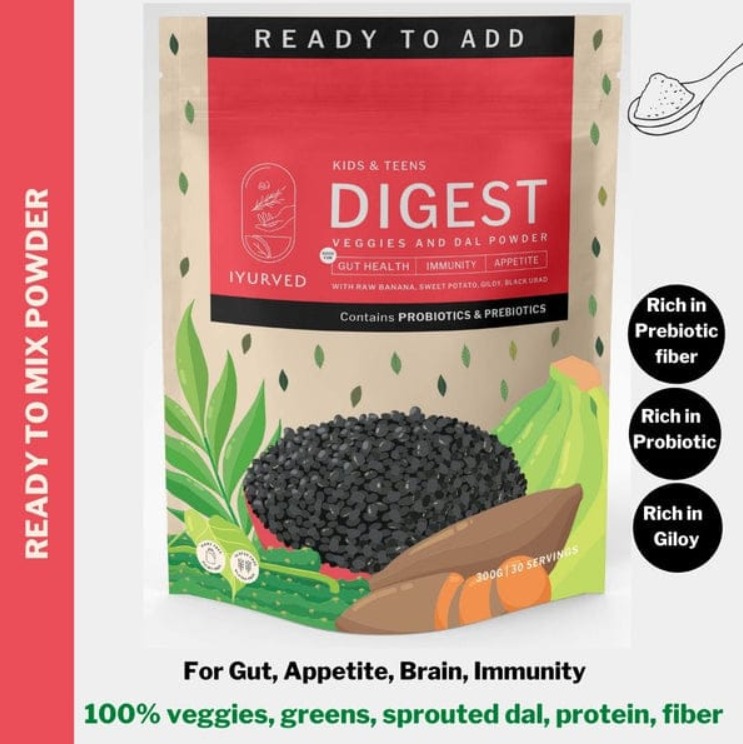
USE Digest veggies and dal powder for DIETARY FIBER and PROBIOTIC

Make it EASY to feed a daily dose of high fiber veggies and dal, prebiotic fibre and probiotic to the child. 1 serving of Veggies and  Dal powder equals 30-50g of fresh food.  Excellent for child’s good Gut health, Immunity, Brain Health, Appetite, Healthy Weight. Get yours now!

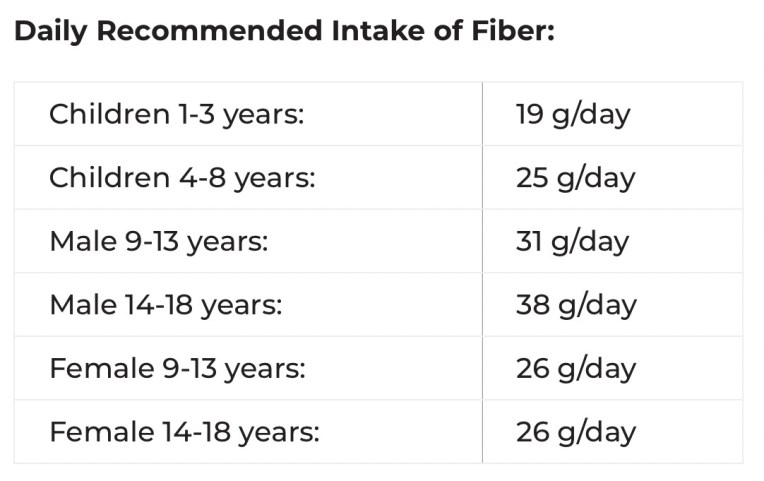
2 spoons = 40-50% Fiber required for the day. Guaranteed 5 Lakh units of Bacillus coagulans probiotic in every serve. 100% veggies + greens + sprouted dal.

India’s First Tasty Kids Nutrition fortified with Ayurvedic herbs

For Improving Gut Health and Digestion| Give Digest Veggies and Dal powder | Rich in Prebiotic fiber and Probiotic | Made with 100% veggies, greens, sprouted dal | 0% preservative | 0% Artificial Colour | 100% Natural | No refined sugar | ORDER |

Benefits of Digest veggies and dal powder ingredients

1. Tapioca starch:

Tapioca is a delicious starch extract from the cassava plant. High in dietary fiber tapioca is great food for digestion and constipation. Fiber bulks up the stool, which may help move it through the digestive tract, thereby eliminating constipation, bloating, and also intestinal pain. It is also rich in protein, calcium iron and vitamin K, all of these support the overall growth of kids.

2. Sweet potato:

The high fiber content of this food helps in preventing constipation and promotes a well-functioning digestive tract. According to a study, dietary fiber found in sweet potatoes such as cellulose, lignin and pectin helps in maintaining gut health and improves digestion. It also contains vitamin A, vitamin C and vitamin E, potassium, magnesium and calcium that helps in the overall health of your baby.

Also check, Easy sweet potato fries recipe

3. Black urad:

Urad dal is usually called black dal when whole and white when it is skinned and split. It is great in taste and in nutritional content. Urad dal is one of the best options to improve your digestion. It is Rechana (laxative) in nature. Consuming Urad dal helps to add bulk to stool and its high fiber content improves bowel movement. Altogether, it helps control constipation. Also, it is a great source of protein too.

4. Giloy:

It is a shrub and also an essential herb in ayurvedic medicines. Giloy treats a wide range of health conditions. It contains important plant compounds like terpenoids, alkaloids, lignans, and steroids. Research shows that these compounds have antimicrobial, anti-inflammatory, antioxidant, and also antidiabetic properties which help in boosting immunity. Giloy stem can also help improve digestion, reduce constipation, acidity, gas and bloating. It works well for people with a weak digestive system.

Also check, Brain development foods for children

5. Shallaki:

Also known as Boswellia serrate, helps in the treatment of inflammatory diseases, including those affecting the gastrointestinal tract (e.g. diarrhea, dysentery, and inflammatory bowel disease). Shallaki is also rich in carbohydrates and calcium, thus helping in bone growth and improving appetite.

6. Sendha namak ( rock salt):

In traditional Ayurvedic practices, rock salt was the best home remedy for various digestive ailments, including stomach worms, heartburn, bloating, constipation, stomach pain, and vomiting. It can serve as a natural substitute for laxatives. It’s a great alternative for table salt in meals and the essential minerals in Rock salt aid digestion.

7. Raw banana:

Just with the addition of raw banana, a child can meet the daily fiber requirement considerably. It is a fiber rich food with around 60% fiber, which is a god-sent solution to improper digestion. (Some more foods rich in fibre). It is also extremely high in Vitamin B6, which keeps haemoglobin high, gives ample energy and helps kids fight weakness, fatigue and crankiness.

8. Green tea extract:

Green tea contains polyphenols and also helps to improve your body’s digestive process. Studies on green tea extracts have demonstrated similar benefits to those associated with drinking it as a tea. In addition, it has high antioxidant content, which helps improve health and body composition.

9. FOS:

Fructooligosaccharides (FOS) is short fructose chains. They are a type of carbohydrate called oligosaccharides. FOS occurs naturally in many plants. They are also prebiotic fibres that support the growth of healthy bacteria in the digestive tract. FOS is good source of soluble, dietary fiber and reduces or eliminates constipation.

10. Greens:

Curry leaves are famous food for digestion and also stimulate digestive enzymes. The laxative properties of curry leaves also help in regulating the bowel movement and help in treating issues like gas and diarrhea.

Arbi or taro leaves is a green leafy vegetable that’s high in potassium, folate, fiber and also vitamin C, vitamin A. Taro root also contains plenty of fiber and resistant starch. Hence, it is beneficial for gut health and supports a healthy digestive system.

Also check, Tips to improve concentration

11. Bacillus coagulans:

Bacillus coagulans is a type of good bacteria (probiotics). It is also used similarly to lactobacillus and other probiotics as “beneficial” bacteria. People take Bacillus coagulans for irritable bowel syndrome (IBS), diarrhea, gas, airway infections, and also for many other conditions.

SCIENTIFIC RESEARCH ON INGREDIENTS FOR PROPER DIGESTION:

How shallaki helps in digestion? Read here

Also, check the role of Bacillus coagulans in digestion – Read here

HOW TO FEED digest veggies and dal powder?

kid's daily nutrition veggies and dal powder by iyurved

PARENT REVIEWS:

Some parents have been kind enough to share their journey with us. Let’s hear them to closely understand the benefits of DIGEST veggies and dal powder by Iyurved.


CHECK MORE PRODUCTS FOR:

Immunity, Gut health, Digestion, Weight, Brain development, Speech delay, Epilepsy, Eye health, Hormones, Sleep, Hyperactivity, Bones and Overall growth

foods for breast milk

Read more blogs:

Quick Fix For Weak Digestion

Gut and Digestion - Iyurved

Have you ever wondered how BUSY your digestive system is? Well, a lot happens there. When you eat something, the food goes on a roller coaster ride which starts from chewing and ends with you going to the bathroom(Basically the digestion process). Do you know what plays a major role here? Your GUT!

Does your child rush to the bathroom after eating? Or Is he/she a frequent potty goer? Or Do you also feel that food sometimes just slips from their body?

All these are the signs of an unhealthy GUT. Child’s gut is not only responsible for the digestive health but also for the child’s overall health. It is connected to the child’s immune system, mood, mental health and body functioning. In fact, What we eat determines how well our digestion works. Probiotics, prebiotics and fibre rich food for good digestion should be included in the diet from the beginning.

If you want to set your child up for a lifetime of good health, it is essential to flourish the child’s digestive system with healthy bacteria. Let’s learn how!

Gut and Brain Connection – How does it help in Speech? – Read here

SIGNS OF UNHEALTHY GUT:

There are many factors that affect kids’ gut health such as eating too much processed and high sugar food, stress, too little sleep and taking excessive antibiotics. All of these lead to damage to kids’ gut health which results in many health issues. Here are some common problems that may occur due to unhealthy gut, namely:

PREVENTIVE MEASURES TO IMPROVE THE DIGESTIVE SYSTEM OF KIDS:

  • Introducing small meals
  • Chewing food slowly and carefully
  • Intake of plenty of water to cleanse child’s digestive system
  • Enough sleep helps to rejuvenate the child’s digestive system
  • Reduced processed foods
  • Add Prebiotic Fiber in the Diet

Here is the simplest way to get your kids these prebiotic fibres. Family PREBIOTIC GUT DRINKS! Incorporating this in their daily diet will help reduce frequent stool (associated with weak digestion), constipation, diarrhoea, gas, bloating and stomach pain. 2 serving of PREBIOTIC GUT DRINKS will help to meet 30% RDA of Prebiotic Dietary Fiber

Gut and Digestion - Iyurved

India’s First Tasty Kids Nutrition fortified with Ayurvedic herbs.

For Frequent Stools in kids give Family PREBIOTIC GUT DRINK | Made with Guar Beans | Prebiotic Fiber | Plant Sweetener | 0% preservative | 0% Artificial Colour | 100% Natural | No refined sugar | ORDER |

Available in 2 Flavours: LEMON and ORANGE

Gut and Digestion Iyurved. RDA fiber rich foods.

How PREBIOTIC FIBRE HELPS?

According to study, changes in the gut microbiota might occur within 2-3 weeks after changing food pattern and adding prebiotic fibres. Prebiotic dietary fibre also helps to increase the amount of healthy bacteria, which in turn helps to alleviate concerns about the same. People in some studies said it improved their quality of life.

WHAT CAUSES FREQUENT STOOLS?

The reaction of frequent potty is called the Gastrocolic Reflex. This is the normal reaction in the body whose intensity may vary. This reflex is generated when food hits your stomach. Once this happens it releases a hormone which signals your body to move food through the colon and then out of the body. This response affects some people more frequently and intensely than others.

Gut is made up of good bacteria and the bad bacteria generates as a result of our lifestyle, medication and food habits. When there is imbalance in this gut bacteria (gut dysbiosis) i.e., bad bacteria overpower good bacteria, then these concerns of frequent stools along with other digestive and overall develops.

HOW FIXING GUT WILL REDUCE THIS?

A lot of studies and research has stated that an unhealthy gut or certain digestive disorder may speed up the movement of food through the colon. This can be minimized with the use of prebiotic-rich foods, which have been shown to impact the makeup of beneficial gut bacteria (Probiotics).

Probiotics are responsible for keeping the bad bacteria in check. In addition, it helps in slowing down the bowel movements and reducing the gas production by balancing gut flora.


CHECK MORE PRODUCTS FOR:

Immunity, Gut health, Digestion, Weight, Brain development, Speech delay, Epilepsy, Eye health, Hormones, Sleep, Hyperactivity, Bones and Overall growth

Gut and Digestion Iyurved

PARENT REVIEWS:

Some parents have been kind enough to share their journey with us. Let’s hear them to closely understand the benefits of Ayurvedic spreads by Iyurved.

Read more blogs

Gut-Brain Connection: How does it help in Speech delay?

meaning of gut

19-25 % of children aged below 5 years have delayed speech. A lot of parents have plenty of questions about their child’s developing speech skills. Like when do babies utter their first word? When can they hold a conversation? Well, without the brain, there would be no language because the human brain has a few areas that are specific to language processing and production. But, the brain is not the only player in this game. It is also critical to have a healthy gut in order to improve speech delay.  This read will help you understand the meaning of the gut and its vital role in brain health as well as in improving speech delay in kids. 

WHATSAPP for concerns like Speech Delay, Low Weight, Frequent Illness, Hyperactivity, Low Concentration, Weak Eyesight, Improper Sleep, Pigmentation, Pores, Face Marks, Fine Lines , Lactation etc.

Feedback about Brain Chocolate Spread and Prebiotic Gut drink Combo

PROVEN ROLE OF DIET in speech delay:

The “tug of war” we are concerned about in children with speech delays is the one between neurotransmitters – glutamate and GABA, important for speech development. We all know that processed foods are bad for us. But did you know that processed foods also contain a lot of glutamate? Glutamate can induce an imbalance in a neurotransmitter called GABA, which controls speech.

  • Excess glutamate causes nerve injury
  • Lack of GABA can delay language development

One of the most essential things to do with preverbal or speech-delayed children is to get their food right. Reduced glutamate consumption helps to restore balance in the gut. It is advisable to avoid any foods (as well as tonics/gummies) that contain (or cause the body to produce) glutamate, glutamic acid, aspartate, and/or aspartic acid and cysteine.

Identifying and removing food sensitivities has helped them to sleep better, focus better and also helped them develop speech and language capabilities.

To keep things simple, you have to understand the meaning of gut and brain connection and eliminate processed or refined foods.

HOW PREBIOTIC GUT DRINK WILL HELP TO IMPROVE SPEECH DELAY:

Prebiotics can help you improve your response time, mood, learning memory, speech, and working memory. Here is the simplest way to feed prebiotics to your child everyday.

(1) 1 serving of PREBIOTIC GUT DRINK will provide prebiotic essential for healthy gut.

(2) Combine PREBIOTIC GUT DRINK with 1 spoon of BRAIN BOOSTER chocolate Spread to maintain a healthy gut and improve speech delay.

India’s First Tasty Kids Nutrition fortified with Ayurvedic herbs

For kids facing speech delay, give Prebiotic Gut Drink + Kids and Teens Brain Booster Chocolate Spread| Made with PREBIOTIC FIBRE, SHANKHAPUSHPI, ASHWAGANDHA, BRAHMI | Contains OMEGA 3, PROTEIN | | 0% preservative | 0% Artificial Colour | 100% Natural | No refined sugar | ORDER |


Meaning ofGut and Brain connection”:

The gut-brain relationship isn’t a joke. Have you ever “felt nauseated” in particular situations? Have you ever had the sensation of “butterflies” in your stomach? These idioms are used to explain the meaning of gut. Emotions have an impact on the gastrointestinal tract. Anger, worry, grief, and joy are just a few of the emotions that can cause symptoms in the gut.

The enteric nervous system, or ENS, is a network of nerves in your stomach that functions similarly to the brain. It’s also known as the “second brain”. For all of these processes to function smoothly, a balance must be maintained in the gut microbiome made up of billions of bacteria, fungi, viruses, and even parasites.

To know the meaning of gut and foods for a healthy gut, read here.

INGREDIENTS OF PREBIOTIC GUT DRINK POWDER

GUT and BRAIN have a strong connection. Keeping the GUT healthy results in a healthy brain. Adding foods that support brain development can help to improve language development.

(1) FRUCTO-OLIGOSACCHARIDES (FOS):

Fructooligosaccharides (FOS) are an excellent source of prebiotics that promote growth of healthy gut bacteria. Prebiotics can help you improve your response time, mood, learning memory, speech, and working memory. It is safe to consume daily dosages of 5-10 g to boost brain function (learning and working memory) and behaviour (anxiety and mood). 

For scientifically proven studies by NIH, Check here.

(2) CITRUS FRUITS:

Lemon and orange are the two best sources of citric acid or vitamin C. Supplementing citrus acid in the diet can help to improve learning, memory and language and boost cognitive performance, thereby helping in overall brain health. 

For scientifically proven studies by NIH, Check here.

(3) STEVIA

It is a great sugar alternative for refined sugar and is highly beneficial for kids with speech delay or hyperactivity. It’s sweet and safe (approved by FDA) in its natural form. It has no carbohydrates, calories or any artificial ingredients and is called a “zero-calorie” sweetener.

To know the meaning of gut-healthy foods, check here.


CHECK MORE PRODUCTS FOR:

Immunity, Gut health, Digestion, Weight, Brain development, Speech delay, Epilepsy, Eye health, Hormones, Sleep, Hyperactivity, Bones and Overall growth

what is the down's syndrome

Read more blogs:

How Gut Health Affects Diabetes?

Diabetes in - Iyurved

It’s ALARMING!! Diabetes is anticipated to rise from 40.6 million in 2006 to 79.4 million by 2030 in India alone.  According to studies, the incidence of diabetes in urban Indian people is approximately 12.1%. Body weight, sedentary lifestyle, genetic impact, heredity, eating habits, stress, hormonal status, infections and antibiotics, and lifestyle changes related to urbanization are all risk factors for developing diabetes among Indians. These factors, however, appear to be extremely important for the formation of bacterial microflora in the gut.

WHATSAPP for concerns like Speech Delay, Low Weight, Frequent Illness, Hyperactivity, Low Concentration, Weak Eyesight, Improper Sleep, Pigmentation, Pores, Face Marks, Fine Lines , Lactation etc.

BUT WHY GUT?

The importance of the gut microbiome has been stated since early life. The intestinal flora is the largest organ, consisting of thousands of bacterial species that have intricate relationships with various body functions. The collection of bacteria has positive effects on behaviourappetiteimmunity (avoiding frequent infection in kids), digestive health and metabolism. Dietary habits play an important role in shaping these healthy gut microflora. Through a beneficial balance of the microbiota, this simple dietary modification may slow the development of diabetes disease and its complications. Prebiotic foods have a huge impact on human health, including improvements in diabetes metabolic imbalance, preventive and therapeutic control.

How does diabetes develop?

Diabetes develops when the pancreas fails to produce enough insulin to regulate the body’s carbohydrate metabolism and fails to absorb glucose from the bloodstream. When a person develops diabetes, the cells do not respond adequately to the hormone insulin. This causes the body’s blood sugar level to rise.

How does the gut help to maintain blood sugar levels?

Well, this is not rocket science to understand. To put in simple terms, changes in our gut microorganisms have an impact on our body metabolism, resulting in metabolic disorders. These disorders such as obesity or diabetes decrease the ability to maintain required blood glucose levels in the body. Recent studies found that people with diabetes had a distinct bacterial signature from those who did not. Similarly, scientific studies indicate gut alterations as a new strategy to controlling blood sugar levels.

Even after being diagnosed with diabetes, many people’s carbohydrate intake exceeds the limits, making it difficult for the body to consume enough dietary fibre. This fibre is essential for maintaining a healthy gut because it not only aids in healthy bowel functions but also regulates blood sugar levels, which helps to control diabetes. Several recent studies found that prebiotic fibre promotes the growth of healthy gut bacteria, which produce chemical signals that regulate appetite and blood sugar levels.

WHY CHOOSE PREBIOTIC GUT DRINK?

PREBIOTIC GUT drink is the most simple, convenient and tasty way to feed the good bacterias living in the body. It is 100% Natural. Made with Guar Gum and Prebiotic Fiber. Crafted to Boost GUT Health. Helps to meet the Daily Fiber Intake. Sweetened with a plant sweetener. Preservatives Free. No artificial colour or flavour. No refined sugar. (ORDER)

HOW DOES PREBIOTIC GUT DRINK INGREDIENTS HELPS?

1.PARTIALLY HYDROLYZED GUAR GUM:

Guar gum is a fiber made from guar bean or Indian cluster bean. Studies shows that guar gum can help diabetics improve their glycemic control and lower their serum LDL cholesterol levels. This gum powder aids in the slowing of carbohydrate absorption, making it an appealing option for diabetes management. While partially hydrolyzed guar gum is derived from guar gum by the process of enzymatic hydrolysis. PHGG is a water soluble dietary fiber and is used to regulate gut function. 

2. Fructooligosaccharides (FOS):

It are composed of short fructose chains. They are a type of carbohydrate called oligosaccharides. FOS occurs naturally in many plants. Several recent studies found that prebiotic fibre promotes the growth of healthy gut bacteria, which produce chemical signals that regulate appetite and blood sugar levels.

3. CITRIC ACID:

This acid is the weak organic acid found in the greatest amount in citrus fruits. The primary reason for including this in any packaged foods is for its tangy flavor. Apart from that, citric acid has been linked to a variety of health benefits, including diabetes. Overall, the findings imply that citrate may contribute to the health benefits of fresh fruits in diabetic patients’ diets, and that supplementing with citrate may be beneficial in the management of diabetes and its complications.

4. ORANGE and lemon EXTRACT:

These two extracts can assist you in efficiently controlling your blood sugar levels. If you have diabetes, you can have orange or lemon extract in your diet in moderation. Moreover, it also contain vitamin C , which is benefits in minimizing glucose strikes after meal and decreases the blood glucose levels.

5. STEVIA:

Stevia is one of the Alternatives of sugar made up of the leaves of a stevia plant, a kind of herb. It’s extremely sweet and safe in its natural form. It has no carbohydrates, calories or any artificial ingredients and a very low glycemic index, so does not spike your blood sugar level.

6. Papaya:

The nutritional value of papaya demonstrates that, despite its sweet taste, it is high in fibre and very low in sugar, making it a good snacking alternative for diabetics. The GI of papaya is medium. Papaya, when consumed in moderation, may help to reduce blood sugar levels. Papaya may have a hypoglycemic effect on the body, according to certain findings. Flavonoids are antioxidants present naturally in the fruit that may help regulate blood sugar levels.


CHECK MORE PRODUCTS FOR:

Immunity, Gut health, Digestion, Weight, Brain development, Speech delay, Epilepsy, Eye health, Hormones, Sleep, Hyperactivity, Bones and Overall growth

what is the down's syndrome

PARENT REVIEWS:

Some parents have been kind enough to share their journey with us. Let’s hear them to closely understand the benefits of Ayurvedic spreads by Iyurved.

READ MORE BLOGS:

Baby Poop Types and Colour: What does it mean?

poop types

A new mother’s journey is both exciting and frightening too. Many things become a part of your daily routine as a new mother, from nursing to changing poopy diapers. While changing diapers, you will come across a wide range of colours and textures that may be both alarming and frightening. The colour of your baby’s poop types might indicate how healthy he or she is. Your baby’s faeces will change colour as their diet changes, especially throughout the first year of life. Poop may provide a range of information, such as the balance of their gut microorganisms, how their bodies react to foods, and whether or not they have adequate stomach acid and bile. So, let’s take a closer look at what your child’s poop types and colour could be telling you about their general health.

Also check,What is the right age for potty training?

WHATSAPP to talk an expert!!

What is Poop?

A potty/poop is a collection of whatever remains after food has passed through the digestive tract. This matter is made of water, bacteria, undigested food, fibre, trace quantities of fat, mucus, and other proteins. There are no globally acknowledged criteria for characterising typical faeces since it varies considerably from person to person and day to day. In general, healthy poop should take less than 10 minutes to excrete, come out smoothly and painlessly, be brown in colour, and be formed like a tube or a banana.

Also check, 6 Best foods for digestion in kids

HOW ROUTINELY DO BABIES POOP?

One of the commonly asked questions by every new mom is “How routinely do babies poop?”. If your infant does not poop on a daily basis, this does not always signify a concern. A newborn may have little bowel movements at first. If you’re breastfeeding your child, he or she may only defecate once a week. If your child is formula-fed, bowel movements should occur at least once per day. Anything less than this may indicate constipation, however, some formula-fed newborns do not excrete on a daily basis. When your child starts eating solids, he or she will almost certainly have a bowel movement every day. At any moment, pooping more than once after each feeding might imply diarrhea.

Also check, Colic in babies

BABY POOP TYPES:

After birth, babies pass faeces of varying consistency. Here’s a table to help you understand the different poop types your infant will pass each day.

TypesDescription
1Separate, hard lump
2Sausage-shaped but lumpy
3Like a sausage but with cracks on the surface
4Smooth and soft sausage-shaped or snake-like
5Soft blobs with clear-cut edges
6Mushy consistency with ragged edges
7 Entirely liquid or watery (no solid pieces)
Poop types

Usually, Type 1 and 2 faeces indicate hard, difficult-to-pass stools, indicating constipation. Types 3 and 4 denote the ideal stools. Types 5, 6, and 7 exhibits a faeces pattern that is more prone to diarrhea.

Also check, Foods to increase breast milk

What does baby poop colour mean?

Poop is mainly made up of broken down food, the foods your child consumes can have a big impact on the colour of his or her poop! Let us have a look at the different poop colours and what they could actually mean.

1.Greenish black in colour

Meconium faeces(Poop) occurs for two to three days after birth (on usual). It’s sticky, and it’s made up of mucus, skin cells, and amniotic fluid. It will turn olive/khaki coloured after three to four days, indicating that the breast milk or formula has been effectively digested. If it hasn’t appeared within 24 hours of birth, consult your doctor.

2.Yellow with a tint of green

Breastfed babies have a yellowish-green poop that is often described as mustard in colour. It may contain small seed-like fragments and could be extremely runny. Depending on your diet, it may turn greener.

In kids, green stools are usually related to consuming green foods (e.g. spinach), or the stool may have passed through the intestines faster than usual, giving less time for the brown bilirubin pigment to be picked up.

3.Vibrant shade of green

A poop that is bright green or algae-coloured/textured could indicate that the smaller baby is getting too much foremilk (the milk that comes first in a feed), requiring the baby to spend more time on each breast to reach the more nutritious milk.

4.Peanut butter-colored

Peanut butter-coloured poop is common in formula-fed babies. It’s tan-brown, yellow-brown, or green-brown in colour and smells a little stronger than breast milk poop.

5.Dark green colour

If you’re taking an iron supplement, your baby’s poop may occasionally become dark green. It’s also likely that eating a lot of really green food has anything to do with it. If you aren’t taking a supplement and don’t believe the green is caused by food, consult your doctor.

6. Brown

The poop will be browner and smellier once your baby is weaned off the breast/formula and onto solids. It will be thicker, but not completely solid. Poop should typically be brown in a healthy child. This is due to the presence of bilirubin, a pigment produced during the regular breakdown of red blood cells in the body. 

7.Rainbow-brown

If your baby’s poop contains undigested food, it might mean that food is moving too rapidly through the digestive tract or that some of the food is indigestible. Among the veggies on the exhibit were orange carrots, red beets, and blueberries. It’s also conceivable that the youngster isn’t properly eating his or her food. If this continues for a lengthy period of time, get medical attention.

Also check, Fibre rich foods to treat constipation.

8.Yellow-green-brown colour combination

Diarrhea is the one thing that parents are afraid of. It is potentially explosive because it looks to contain more water than solids. Consult your doctor if you observe this in a baby under the age of three months. Sometimes, it may last for a short amount of time (as little as two or three diapers) or it may last for more than 24 hours. Diarrhea, if untreated, can cause dehydration.

Also check,10 effective home remedies and foods for diarrhea in kids

9.Red lines

If the poop is pebbly and dry, with red streaks, it’s possible that the baby is constipated, and the hard, dry stool is causing tiny tears in the anus’s skin. You may include plenty of water, prunes/apricots, grains, and high-fibre vegetables in the baby’s diet.

Also check, Fibre-rich recipes for kids

Keep an eye out for any unusual changes in your child’s stool colour that last more than a few days. This may indicate that more investigation is required and you should visit a doctor.

We hope you are now clear with what kind of poop is normal and what is not. The poop types and colour is usually determined by the diet that the child feeds on. Healthy stools are soft and somewhat brown in colour while some poop colour may indicate might indicate a health problem that requires care. In general, a wide variety of poop colours is healthy as long as a newborn is gaining weight and eating as frequently as they require.

Also check, Home remedies for bedwetting


PRODUCTS:

2 tablespoons of Milk Jaggery Spread will help to boost milk supply, quality, supply & mothers’ and baby’s health.

foods for breast milk

India’s First Easy Effective Nutrition fortified with Ayurvedic herbs.

For Boosting Milk Supply & Quality in Nursing Moms, give Milk Jaggery Spread | 0% preservatives | 0% refined sugar | 0% palm oil | Fortified with SHATAVARI, METHI, MORINGA, GINGER | Contains CALCIUM, FOLIC, IRON PROTEIN, BIOTIN, VIT D, B12 | ORDER |


CHECK MORE PRODUCTS FOR:

Immunity, Gut health, Digestion, Weight, Brain development, Speech delay, Epilepsy, Eye health, Hormones, Sleep, Hyperactivity, Bones and Overall growth

foods for breast milk

PARENT REVIEWS: LET’S HEAR FROM RUNA GHOSH, ASSAM

Some parents have been kind enough to share their journey with us. Let’s hear them to closely understand the benefits of Ayurvedic spreads by Iyurved.

Check here to know how Runa helped her child gain healthy weight and prevent constipation.

CHECK MORE PARENT REVIEWS HERE.

To get your doubts or queries answered by Nutrition expert, whatsapp us.


read more blogs: