Proven foods for ADHD in Kids

hyperactivity attention deficit disorder

Is your kid always too active and energetic? Do you have hard time controlling them from jumping here and there, being impulsive or not having a proper sleep routine? Does he/she have mood and behavioural problems?  Chances are that your kid is suffering from Attention Deficit Hyperactivity Disorder or ADHD. Since they require extra care and attention, managing kids with ADHD requires lots of patience and understanding. Giving children a balanced diet from an early age is crucial, and it becomes much more important if the child has ADHD.

WHATSAPP for concerns like Speech Delay, Low Weight, Frequent Illness, Hyperactivity, Low Concentration, Weak Eyesight, Improper Sleep, Pigmentation, Pores, Face Marks, Fine Lines , Lactation etc.

Feedbacks from parents

What is ADHD?

In children, ADHD is the most prevalent neurodevelopmental disorder. Children with this condition have trouble paying attention, controlling in impulsive actions, and regulating their restless feelings. ADHD (attention deficit hyperactivity disorder) symptoms typically first appear between the ages of 3 and 6. However, while certain symptoms, such as hyperactivity, get better with age, others, such poor impulse control and disorganisation, can persist through the adolescent years. 

Also, check ADHD in Kids: Symptoms and Remedies

Signs and Symptoms:

The following are some signs and symptoms noticed in kids with Attention Deficit Hyperactive Disorder (ADHD):

  • Trouble in staying focused on a task
  • Often makes careless mistakes
  • Easily distracted.
  • Appears forgetful or losing things.
  • Difficulty in following instructions.
  • Frequently avoid tasks that require a long time.
  • Can’t remain still for a
  • Kids don’t listen even when someone is directly talking to them.
  • Disorganized
  • Inability to control oneself or be impulsive.
  • Interrupting conversation frequently to voice their opinions
  • Excessive and uncontrolled movements
  • Not able to interpret danger.
  • Desire for immediate reward.
  • Difficulty sleeping
  • Short attention spans and a lack of focus
  • Unable to sit still for several seconds to minutes. (Tips to increase concentration in Kids)

Foods and Herbs for ADHD:

Following are some foods and herbs that help in managing the symptoms of ADHD:

1. NutS:

All nuts, including almonds, cashews, peanuts, and hazelnuts, are high in omega-3 fatty acids and vitamin E. According to research, Omega 3 fatty acids have been found to be associated with early childhood brain development. These good fats have incredible brain-boosting abilities and are essential for improving memory and attention span.

Also, check How to improve your child’s Memory?

2. Seeds:

Seeds like Melon, Pumpkin and Sunflower contain potent antioxidants like vitamin E that protect the brain from oxidative damage. Sunflower seeds are regarded as a brain-boosting snack because of their impact on the general mood and mental processing abilities. Compared to other seeds, pumpkin seeds have substantially higher levels of zinc, magnesium, and copper, all of which aid in improving focus and memory.

Also, check 5 Seeds that are high in Protein

3. Jowar Flour:

Jowar, which is rich in iron, can also lessen ADHD symptoms like anxiety, hyperactivity, and tantrums. Iron has the ability to relax the nervous system, which helps the child with ADHD syndrome to become more at ease.

4. HERBS:
Gotukola:

Gotu kola has strong anti-oxidant qualities and enhances cognition, memory, and mental performance. It gently relaxes the nervous system while also encouraging alertness—the best possible state of consciousness for any form of mental focus, study, or cognition.

Also, check 5 Ayurvedic herbs that are safe for kids

Spearmint:

Spearmint extract has higher quantities of phenolic compounds that enhance working memory, spatial working memory and increase attention, concentration, and brain function by promoting the formation and protection of new brain cells.

St. John’s Wort:

St John’s wort contains chemical messengers like Hyperforin and Adhyperforin, which are recognised for their antidepressant qualities. The extracts of this herb enhance mood, focus, and reduce anxiety and insomnia. According to several studies, adolescents with ADHD may benefit from taking St. John’s wort every day for four weeks. It is also used to treat problems including anxiety, exhaustion, appetite loss, and difficulty sleeping that might occasionally accompany depression.

Passion Flower:

The chemicals in the passion flower provide a calming and relaxing effect. Early research indicates that taking passion flower orally for eight weeks may help some ADHD symptoms in kids aged 6 to 13 years.

Also, check What is Sensory Processing Disorder?

Valerian:

The herb valerian is well known for its relaxation properties. Additionally, it contains some anticonvulsant qualities that might be advantageous for kids who are prone to seizure activity. Children with ADHD, cognitive impairment, hyperactivity, irritability, anxiety, behavioural regulation, and neurodevelopmental abnormalities can benefit from valerian for improved attention and sleep.

Lavender:

The most well-known essential oil for soothing is lavender. Lavender essential oil can be helpful for reducing anxiety and making you feel more at ease, which may help with ADHD symptoms. It has been demonstrated that the aroma can calm and soothe the nervous system. Its relaxing qualities can benefit autistic children by enhancing their sleep quality and assisting their bodies in combating emotional stress.

Turmeric:

Curcumin, an active ingredient in turmeric is known to improve spatial memory, long-time retrieval and visual memory as per a study. It helps in managing anxiety, depression etc which is commonly seen in people with ADHD disorder.

Also, check Asthma: 7 foods that help

Ginkgo biloba:

Ginkgo biloba is a promising herbal supplement that may alter the neural system in a disorder similar to ADHD. It has been recommended for enhancing memory and cognitive performance. According to a study, Children who took a ginkgo extract daily for three to five weeks showed a decrease in the symptoms of ADHD.

5. Sunflower Lecithin:

Sunflower lecithin is an excellent source of choline, a vital nutrient required for a variety of health functions. Since choline is a precursor to acetylcholine, a neurotransmitter involved in memory and learning, choline is particularly significant for maintaining good brain function.

6. Rosemary Extract:

As per research, it was found that exposure to the aroma of rosemary oil improved people’s performance on thinking tasks in terms of speed and accuracy.

Scientific studies on ingredients supporting calmness:

Gotu Kola: https://www.ncbi.nlm.nih.gov/pmc/articles/PMC3116297/
Ginkgo Biloba: https://pubmed.ncbi.nlm.nih.gov/27908257/
St John: https://www.ncbi.nlm.nih.gov/books/NBK92750/
Spearmint: https://www.ncbi.nlm.nih.gov/pmc/articles/PMC5779242/
Passion flower: https://www.ncbi.nlm.nih.gov/pmc/articles/PMC7766837/
Valerine: https://www.ncbi.nlm.nih.gov/pmc/articles/PMC8077445/
Lavender: https://www.ncbi.nlm.nih.gov/pmc/articles/PMC3612440/

Tips to deal with kids with attention deficit with hyperactivity disorder: 
1.Energy Channelization

ADHD kids have lots of energy but lack self-control and get distracted pretty fast. The best way to tackle this is to involve them in any extracurricular activities that can channel their energy and help them stay focused.

2. Help Them Manage Their Emotions:

Kids with attention deficit with hyperactivity disorder find it difficult to manage different emotions like anger, despair worry etc. Teach them about expressing and healthily handling these emotions.

Also, check 10 Activities for Brain Development in Kids

3. Get them to relax:

“Nature is the greatest healer of all time”. Take your kids outside and let them play and enjoy the warmth of the sun and greenery around them which will calm down and relax them.

4. Reward System:

Encourage them to create order, be creative, maintain a schedule, follow rules and be polite to others. Give small rewards as they follow everything properly.

5. Give them Second Chances:

ADHD or Attention deficit with hyperactivity disorder kids are similar to any other kids, it’s just that they require extra attention and care compared to others. Give them second chances if they fail in anything and don’t compare them with any other kids or be harsh with them. Teach them failure is not the end but the stepping stone to success.

6. Involve them in household work:

Household tasks can become enjoyable family activities when carried out together. Whatever you need to get done around the house—gardening, mowing the yard, cleaning the kitchen, cooking—divide your tasks among your children. Performing domestic duties fosters self-discipline, responsibility, and self-esteem.

ACTIVITIES AND GAMES FOR KIDS WITH ADHD – CHECK HERE

Products:

It’s no SECRET that following an Ayurvedic lifestyle has numerous advantages. This unique collection of Ayurvedic spreads is an easy solution to feed daily nutrition for Immunity, Eye, Brain development, Bone strength and overall growth to kids without any fuss. To know more about kid’s ayurvedic foods –SHOP HERE.

hyperactivity attention deficit disorder

India’s First Tasty Kids Nutrition fortified with Ayurvedic herbs.

For Kids with Hyperactivity or ADHD, give Kids & Teens Hyper Less Savoury spread | 0% preservatives | 0% refined sugar | 0% palm oil | Made with Gotukula, Spearmint, St. Johns, Passion flower, Valerine, Lavender, Turmeric, Ginkgo| ORDER |


CHECK MORE PRODUCTS FOR:

Immunity, Gut health, Digestion, Weight, Brain development, Speech delay, Epilepsy, Eye health, Hormones, Sleep, Hyperactivity, Bones and Overall growth

what is the down's syndrome

READ MORE BLOGS:

Infertility in Females

Have you been trying to conceive but been unsuccessful even after a year? Do you feel stressed about getting pregnant because of irregular periods or other reproductive health issues? Do not panic; at least 10% of women have some form of infertility on average. Numerous factors, including hereditary factors, lifestyle factors, and environmental situations, may be to blame for this. Due to their fast-paced lifestyles and lack of nutrient-dense diets, infertility in females rises in comparison to male infertility. However, this condition is treatable with the right medical attention, a healthy lifestyle, and a balanced diet.

WHATSAPP for concerns like Speech Delay, Low Weight, Frequent Illness, Hyperactivity, Low Concentration, Weak Eyesight, Improper Sleep, Pigmentation, Pores, Face Marks, Fine Lines , Lactation etc.

What is Infertility in females?

Infertility is a condition that impairs or limits one’s capacity to become pregnant and give birth to a child. For heterosexual couples, one-third of infertility causes are attributable to male issues, one-third to female issues, and one-third to a combination of factors or unidentified causes. Female infertility, often known as “female factor” infertility, is the term used when the female partner is proven to be the cause of infertility. Infertility in females is often diagnosed when a woman has attempted to become pregnant (using unprotected sex) for a period of 12 months without succeeding.

How Common is Female Infertility?

All of a woman’s eggs are there when she is born. Her eggs decrease in quality and number as she ages. Every month, a woman in her early to mid-20s has a 25 to 30% chance of becoming pregnant. The likelihood of getting pregnant by age 40 is about 5%.

Causes of Infertility in females:

The following are some of the causes linked to infertility in females

  • Hormonal disorders – polycystic ovary syndrome, hyperprolactinemia and thyroid problems (hyperthyroidism or hypothyroidism)
  • Reproductive health-related issues -Uterine or cervical abnormalities (Cysts, fibroid formation)
  • Fallopian tube damage or blockage
  • Endometriosis (tissue that normally lines the inside of the uterus grows outside the uterus).
  • Early Menopause – before 40 years of age
  • Pelvic-related problems and surgery
  • Age – the quality and quantity of which makes it difficult o conceive eggs decreases as the women ages 
  • Diseases that are associated with the absence or delay of menstruation -diabetes, celiac disease, and several autoimmune illnesses like lupus
  • Smoking and excessive alcohol consumption
  • Being underweight/overweight
  • Repeated miscarriages

Also, check PCOS: How to manage it?

Symptoms:

The below-mentioned symptoms imply that the woman is not ovulating:

  • Inability to conceive
  • Very long (35 days or more) or very short (21 days or less) menstruation cycle
  • Irregular periods or Absence of periods

Tips and Remedies to boost fertility:

A healthy diet rich in nutrients along with some tips helps to improve fertility. The following are some tips to manage and prevent infertility in females.

  • Maintaining Healthy Routine: “A healthy body leads to a healthy mind”. Keep in check your weight and maintain a healthy weight. Practice eating healthy and keeping yourself active physically by doing workouts regularly.
  • Tracking the ovulation cycle: The three days just before ovulation are generally considered the most fertile, with the highest chances of conception.
  • Healthy Diet: Consuming foods that are rich in all required nutrients like protein, iron, zinc, folic acid and Vitamins C and D (Note: Avoid Junk foods, refined foods and refined sugar and high-fat foods)
  • Maintain a Healthy Weight: Weight management is really important as being too thin or being too fat can affect the fertility rate.
  • Quit Smoking and Alcohol consumption: Alcohol can alter oestrogen levels, which can harm the developing foetus and delay egg implantation. Two glasses a day are said to lower fertility by as much as 60%. Smoking can lead to greater damage to DNA levels leading to birth defects in babies.
  • Reduce the intake of caffeine: As per research, coffee can delay conception. More than 5 cups of coffee per day have been linked to reduced fertility. 
  • Be cautious around toxic chemicals 
  • Check the label before using any lubricants to see if they kill sperms
  • Have a stress-free lifestyle: Do yoga and meditation to keep your mind and body calm and away from stress. Have an 8-hr good night’s sleep which is very much important for conception.
  • Have a happy and healthy sexual life

Foods that help in improving fertility:

Cabbage:

It can assist in regulating oestrogen metabolism and protect against the development of fibroids. Cabbage also aids in the prevention of endometriosis, a condition affecting the uterine lining tissue. It contains vital vitamins and minerals, and its di-indole methane content can effectively balance the oestrogen metabolism.

Green Leafy Vegetables:

Fertility-enhancing elements are found in green leafy vegetables. They include lots of antioxidants, folic acid, and iron. Organ performance can be enhanced by eating green leafy vegetables.

Also, check Health benefits of Vegetables

Broccoli:

Iron, folic acid, and antioxidants are all abundant in broccoli. Broccoli’s iron content aids in preventing postpartum anaemia. Additionally, broccoli contains a lot of vitamin C, which promotes egg development and helps with ovulation.

Banana:

Bananas, which are a great source of vitamin B6, can help regulate your menstrual periods. Fertility can be enhanced and the chances of conception are increased by having a regular menstrual cycle. In addition to being low in fat, bananas also offer vital nutrients that provide energy. They consequently serve as a nutritious snack.

Salmon:

Salmon contains Omega-3 fatty acids, which can improve your body’s reproductive hormones and reduces inflammation and boost the likelihood of conception.

Also, check Omega-3 Rich food sources

Citrus Fruits:

Citrus fruits like lemon, orange, and grapes are rich in vitamin C, which helps facilitate the release of eggs from the ovaries.

Eggs:

Egg yolks are a great source of DHA, choline, and vitamin B12, and eggs are a good source of protein which increases the fertility rate. However, avoid eating raw eggs since they could impair the growth of your unborn child.

Manganese-rich foods:

One of the best examples is pineapple which helps in ovulation and boosts fertility.

Colourful Fruits and Vegetables:

Fruits and vegetables have more phytonutrients and plant components when they are a darker shade of colour. These foods are loaded with phytonutrients, plant-based chemicals, and vitamins that can increase fertility.

Also, check Health Benefits of Fruits for kids

Complex Carbohydrates:

Regular consumption of complex carbohydrates can help avoid an insulin rise that could interfere with the reproductive hormones. A crucial macronutrient which provides a rich source of vital fats, vitamins, and minerals. Since obesity has been associated with reduced fertility, maintaining a healthy weight is helpful for conceiving more quickly.

Foods to Avoid:

The following are the foods to be avoided to reduce or prevent infertility in females and boost fertility.

Product

It’s no SECRET that following an Ayurvedic lifestyle has numerous advantages. This unique collection of Ayurvedic spreads is an easy solution to the boost fertility and improve the sexual wellness in adults, both men and women. To know more about adults ayurvedic foods –SHOP HERE.

foods for increasing female fertility

India’s First Tasty Adults Nutrition fortified with Ayurvedic herbs.

To boost Fertility in Women, take Women Fertility Booster Masala Spread | 0% preservatives | 0% refined sugar | 0% palm oil | Fortified with ASHOKA, LODHRA, SHATAVARI, ALOE VERA, GINGER | ORDER |


CHECK MORE PRODUCTS FOR:

Immunity, Gut health, Digestion, Weight, Brain development, Speech delay, Epilepsy, Eye health, Hormones, Sleep, Hyperactivity, Bones and Overall growth

foods for breast milk

read more blogs

Hormonal Hair fall: Foods that help

what causes hair fall

Are you facing sudden hair loss? Is your scalp visible or your hairline is reducing gradually? Do you notice more hairs caught in your hair brush or bathroom drain or pillows? Chances are that you are not just facing normal hair fall but hair fall due to hormonal imbalance. But have you any time thought of what causes hormonal hair fall in women? It can be due to a lot of reasons starting from genetic factors, lifestyle to environmental conditions. The good news is that these types of hair fall in women can be reverted back by including certain nutrients and foods that boost hair health. 

WHATSAPP for concerns like Speech Delay, Low Weight, Frequent Illness, Hyperactivity, Low Concentration, Weak Eyesight, Improper Sleep, Pigmentation, Pores, Face Marks, Fine Lines, Lactation etc.

Feedbacks on Hair Fall masala spread

Androgenic alopecia/ Hormonal Hair loss:

Androgenic alopecia, also known as androgenetic, or male or female pattern hair loss, is the most typical kind of hair loss in both men and women. Androgenic hair loss starts after puberty, and according to a 2020 study, it was found that androgenetic alopecia can be hormonal as well as genetic. It happens due to the imbalance of the following hormones in the body – High testosterone, High cortisol and High or low thyroid hormone. Both male and female body has testosterone but its level will differ with males having higher level and females having lower level of testosterone. The by-product of this hormone is dihydrotestosterone (DHT) which is responsible for hair loss in both males and females. DHT affects the hairline by reducing hair follicles, which stops the hair from growing regularly and eventually leads to hair loss.

In Males: The hair loss starts above both temples and follows a distinct pattern and eventually leading to baldness. It is also referred to as male-pattern baldness.

In Females: Female pattern baldness causes thinning on the top and crown of the head. It frequently begins with a widening of the centre hair part, leaving the front hairline unchanged and gradually increasing the thinning starting from the top part.

Also, check Foods to balance Hormones

wHAT Causes hormonal hair fall?

The following are reasons of that causes hair fall due to hormonal changes and imbalances:

1. Stressful lifestyle

Telogen effluvium, which causes hair to enter a resting phase followed by shedding, can be caused by stress. This is due to an increase in cortisol level which influences the hair to move to the resting phase.  Additionally, this occurs after having surgery, having a kid, or losing a lot of weight quickly since the body perceives these as stressful situations. 

2. Post-partum stress

Blood volume increases and hormone levels such as prolactin, oxytocin, gonadotropin, and estrogens rise during pregnancy. The key hormones responsible for postpartum hair loss are estrogen and progesterone. The body’s increased estrogen levels signal the follicles to begin the growing phase of the hair cycle. But immediately after childbirth, these hormone levels drop and return to their pre-pregnancy levels. Estrogen and progesterone are majorly responsible for postpartum hair loss as they prompt the hair follicles to enter the resting phase of the hair cycle.

Also, check Hair and Skin changes at Puberty

3. Menopause

During menopause, the body’s ability to produce estrogen and progesterone decreases. There is an increase in susceptibility to male hormones like DHT concurrently with a drop in female hormone synthesis. The hairline and hair thickness may be impacted if the person has genetic sensitivity to DHT. Most women who are prone to hair loss see a continuous reduction in their hair density after menopause, which typically occurs between the ages of 50 and 60.

Also, check Changes after menopause

4. Thyroid problem

Hair loss can be brought on by both hypothyroidism (underactive thyroid) and hyperthyroidism (overactive thyroid). This is due to the fact that the thyroid helps the body maintain a steady supply of new hair by playing a part in the production of new hair strands at the root.

5. Lack of nutrition or proper intake of food

Hair fall due to iron deficiency exhibits the same kind of diffuse thinning as hormonal hair loss and telogen effluvium. Numerous factors, including a poor diet deficient in minerals and various gastrointestinal illnesses, can contribute to iron deficiency. Premenopausal women commonly encounter this type of hair loss because they lose a lot of iron during their period.

Tips to Stop Hair loss:

With these tips and a healthy diet, you can easily manage hormonal hair fall in women and strengthen your mind and body naturally.

  • Having a nutritional diet – including plenty of protein and iron, fruits, dark leafy vegetables, potatoes, carrots, nuts and seeds is essential
  • Yoga and meditation for a stress-free life
  • Have an 8-hr good night’s sleep
  • Proper hair care routine
  • Supplements rich in – iron, calcium, vitamin B, vitamin C

Foods to stop hair fall:

The following are some superfoods that can help in stopping hair fall naturally:

1. Peanuts: 

Peanut is high in protein. As we know, protein is key to building tissues required by every organ of the body, repairing and maintaining body cells, and hormones and supplying energy. Calcium, Manganese, Magnesium, Phosphorus and Protein in peanuts together work on making the bones strong, which is very important for females especially after delivery. It contains high amounts of Vitamin B2 and B3, which is vital in maintaining the body’s energy supply.

Also, check Natural ways of Hair fall control

2. Almonds: 

Almonds carry a wide variety of healthy nutrients which promotes your mood and nourishment to the body and hair. They are considered to be a quick source of energy. Moreover, they contain healthy fats, protein and fibres. High in calcium, magnesium, omega 3, copper, and antioxidants, almonds help to improve digestion, immunity, blood circulation, bone health, hair health and brain health.

3. Cashewnut: 

Cashew nuts are a rich source of copper that helps eliminate free radicals from the body. Also good for hair, helping it remain bright and strong. In addition, copper also is an essential part of many enzymes that help provide colour to the hair. It has a high level of dietary fibre and high energy density, which helps in weight management too.

4. Hazelnuts: 

The rich source of dietary fibre, folate, and manganese make for a power-packed food item. They are an excellent source of Vitamin E and phenolic compounds which help in decreasing inflammation and blood cholesterol. 

Also, check What causes hair fall? Natural remedies to control them 

5. Seeds: 

Seeds, on the other hand, have a great amount of calcium, magnesium, omega 3, copper, and antioxidants in it. Overall, this category of foods is important to improve digestion, immunity, blood circulation, bone health and brain health.

 6. Moringa:

Drumstick tree leaves or moringa are highly recommended to mothers after their delivery. These leaves are one of the healthiest diet foods as it is an excellent source of protein, vitamin B, vitamin C, iron, vitamin A, magnesium and fibre. It helps in boosting moods, helps skin and hair, reduces constipation, and improves bone health and eye health. Additionally, it affects increasing breast milk. Though it’s better to eat fresh moringa leaves, soaking moringa powder in water and drinking it can help ensure that nutrients are absorbed more effectively.

7. Amla:

Amla is a storehouse of antioxidants. It is one of the richest sources of vitamin C, which is known to boost immunity. Amla has antibacterial and astringent properties that boost immunity. It has detoxifying qualities which help to reduce cholesterol levels. In addition, it has anti-inflammatory properties which remove free radicals and help to restore hormonal balance in the body.

8. Ashwagandha:

As an antioxidant, boosting immunity is one of the most popular benefits of Ashwagandha. The root activates and increases the levels of enzymes and macrophages, a type of white blood cell that kills bad viruses and bacteria. It also promotes the development of antibodies, which is a major factor in improving the body’s response to a health-threatening infection.

Also, check What causes hair fall in kids?

9. Shatavari:

Shatavari is an Ayurvedic herb containing multifold health benefits for women. It contains vitamins A, B1, B2, C, E, calcium, magnesium, and folic acid. Flavonoids in it help regulate cellular activity and fight off free radicals that are the primary cause of oxidative stress. Shatavari also helps in balancing the hormones and thereby prevents PCOS. Shatavari actively boosts collagen production in your body, diminishing wrinkles, and fine lines and promoting healthy hair growth.

10. Biotin:

Biotin is a water-soluble vitamin that’s a part of the vitamin B family. It’s also known as vitamin B7. Your body needs biotin to help convert certain nutrients into energy. It also plays an important role in the health of your hair, skin, and nails.

11. Jowar: 

Jowar flour is a great source of protein, unsaturated fats and dietary fibre, packed with B Vitamins, and minerals like iron, magnesium, calcium, zinc, potassium and phosphorus.  It also contains antioxidants. The high dietary fibre content eases digestion and improves appetite.  It also strengthens the bones and teeth.

12. Vitamin D:

Vitamin D helps the body to absorb calcium and works with it to build strong bones. It moves calcium from the intestine to the bloodstream and into the bones. Very low vitamin D can lead to soft bones and also increase the risk of bone fracture.

Also, check Vitamin D: Benefits and Sources

13. Vitamin B12:

Also known as Cobalamin is important for the production of blood cells and to sustain healthy nerve cells in the body. Vegetarians and vegans may not obtain enough vitamin B12 in their meals and may need to take a B12 supplement. Vitamin B12 shortage can lead to several symptoms including weakness, exhaustion, constipation, a decreased appetite, and weight. Failure to meet the minimum requirements can also have negative effects on the nervous system and can lead to mental illnesses such as confusion, depression and dementia.

15. Folic acid:

Vitamin B9, also known as folic acid or folate, is an essential component for the growth and development of the human body. Folate aids in the formation of DNA and RNA, as well as protein metabolism. Dietary folate is also necessary for the production of healthy red blood cells. And it is especially important in times of fast growth, such as during pregnancy and the development of the fetus.

16. Vitamin C: 

Our body does not produce vitamin C and hence it becomes necessary to consume it through foods. Vitamin C helps heal the wound as it repairs body tissues. It also helps in the absorption of iron in the body. Vitamin C helps build up your immune system by increasing the production of white blood cells, which fights infections. 

Also, check Immunity Booster Foods

17. Aloe vera:

The Aloe Vera plant is water-dense. It is the best way to detox your body. This plant keeps the body hydrated and provides a way to flush out impurities. It is a rich source of antioxidants, which helps fight free radicals and lowers oxidative stress on your body. Aloe Vera is proven to clean toxins from the liver. It also decreases irritation in the stomach and intestine.

18. Sunflower lecithin:

Lecithin is a mixture of fats that are essential to cells in the human body. Sunflower lecithin is made by dehydrating a sunflower. Lecithin is essential to your body. Sunflower lecithin is rich in choline and other essential fatty acids such as phosphatidylinositol. It has been shown to help with acne and improve liver function. Also improves cholesterol levels, arthritis, and high blood pressure.

19. Antioxidant: 

Antioxidants are compounds produced in your body or naturally found in some foods that scavenge or neutralize the effects of cell damage by potentially harmful molecules known as free radicals. Eating a diet rich in antioxidants or antioxidant-rich foods helps to fight oxidative stress and reduce the risk of many chronic diseases.  

20. Rice bran oil:

Rice bran oil is extracted from rice bran, the outer layer of the rice grain. It is a good source of unsaturated fat; vitamin E and vitamin K. Rice bran oil helps in lowering cholesterol and blood pressure and also manages blood sugar. It also enhances your immune system and promotes skin health. 


PRODUCTS:

It’s no SECRET that following an Ayurvedic lifestyle has numerous advantages. This unique collection of Ayurvedic spreads is an easy solution to feed daily nutrition for Immunity, Eye, Brain development, Bone strength and overall growth to kids without any fuss. To know more about kid’s ayurvedic foods –SHOP HERE.

India’s First Tasty Kids Nutrition fortified with Ayurvedic herbs.

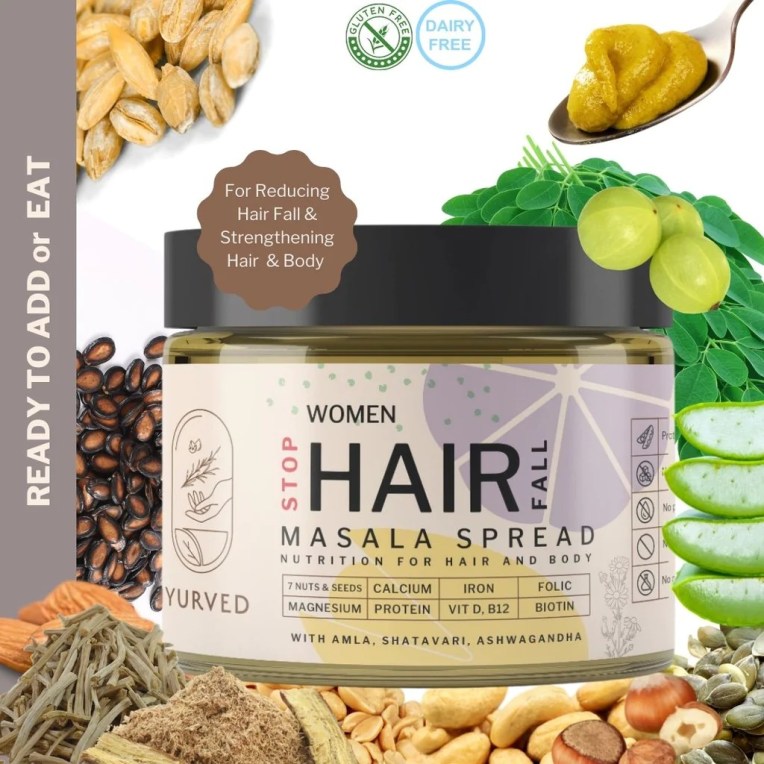
To stop Hormonal Hair fall & Strengthen Hair & Body, give Women Stop Hair Fall Masala Spread | 0% Preservatives | 0% Refined Sugar | 0% Palm oil | With SHATAVARI, ASHWAGANDHA, AMLA, MORINGA, ALOE VERA | ORDER |


CHECK MORE PRODUCTS FOR:

Immunity, Gut health, Digestion, Weight, Brain development, Speech delay, Epilepsy, Eye health, Hormones, Sleep, Hyperactivity, Bones and Overall growth

foods for breast milk

read more blogs

15 Healthy Brain Foods to boost your Brain

healthy brain food

A child’s brain undergoes an amazing period of development from birth to first few years of life. More than 1 million new neural connections are formed every second. Since the brain develops rapidly from birth to age 5 in children, it affects the overall growth of a child. There are four main areas of development in any child: motor (physical), language and communication, social & emotional and cognitive. Brain development is part of cognitive development. Including healthy brain food along with brain-stimulating activities can help them to sharpen memory, improve focus and help with better cognitive development.

WHATSAPP for concerns like Speech Delay, Low Weight, Frequent Illness, Hyperactivity, Low Concentration, Weak Eyesight, Improper Sleep, Pigmentation, Pores, Face Marks, Fine Lines, Lactation etc.

Brain Developmental changes from Newborn to infant

 A newborn baby’s brain continues to expand in size until the age of five, with the first two years of life being the most crucial. The stages of your baby’s brain development may be case-specific, but doctors will have a number of benchmarks to use as a guide that are based on the typical development of kids in their age group. As a result, doctors are better able to spot any growth delays that might be a sign of more serious health or developmental problem. 

Infants’ brain development includes not only the improvement of their physical abilities but also of their emotions, senses, and ability to learn new languages for everyday communication. Baby milestones like the ability to recognise her parents, wave at known faces, hold items, play with a toy, utilise a teething ring, etc. can be used to monitor the development of an infant’s brain. The baby’s capacity to take in, process, and apply information is demonstrated by all of these developmental milestones. 

Healthy Brain Foods to boost brain development in kids:

The following are some of the top foods for the brain that you can feed your little Einstein to keep him/her mentally sharp:

1. Tapioca Starch

Tapioca starch is a great source of Vitamin K. This nutrient is very important for the proper functioning of the neurological system. The vitamin prevents free radicals from damaging brain tissue and keeps the neural networks active.  Additionally, it contains dietary fibres like cellulose and pectin that aid to maintain digestion and healthy gut health.

Also check, Health benefits of pumpkin seeds for kids

2. Sage:

Sage is a great source of vitamins, minerals, and antioxidants. It has been demonstrated to strengthen your brain’s defence mechanism and aid in memory, problem-solving, thinking, and other cognitive functions.

3. Flax seed:

Flaxseed, which is high in Omega 3 fatty acids, aids in regulating and promoting general brain function. It is particularly rich in alpha-linolenic acid (ALA), a form of omega-3 that has been closely associated with brain health. It contributes to better circulation and inflammation reduction in addition to enhancing cognitive function. 

4. Vitamin K2-7 (Menaquinone):

A reduction in cognitive impairment symptoms, depression, and anxiety, as well as improved learning and spatial memory, have all been associated with vitamin K supplementation. It also provides essential nutrients for the strong nervous system. 

5. Omega – 3 Fatty Acids:

Omega-3 fatty acids are considered as healthy brain food that may counteract oxidative stress and inflammations, two drivers of cognitive decline. It also increases the concentration power in kids. These healthy fats have amazing brain-boosting power and play a vital role in enhancing memory and attention span.

( What are some home benefits of omega 3?)

6. FOS (Prebiotic fiber):

FOS (Prebiotic fibres) are beneficial for many important functions, such as enhancing mood, working memory, learning memory, and reaction time. Prebiotics may support both cognitive enhancement and avoid behavioural changes. They also aid in a variety of digestive issues, encourage the growth of beneficial bacteria in the gut, and even strengthen your immune system.

Also, check Role of Prebiotics for health

7. Rice Protein

There are significant amounts of various vital amino acids in rice protein. It has been demonstrated to build muscle mass and increase strength. It is rich in non-heme Iron which plays a major role in transporting oxygen throughout the body and helps in improving brain health and metabolism. Moreover, compared to many other protein powders, rice protein is regarded to be much simpler to digest. 

8. Sprouted Moong Dal:

The nutrient-dense sprouted moong dal is an excellent source of essential vitamins and minerals like calcium, iron, potassium, magnesium, and B vitamins. Excellent for bone strength and helps maintain brain health. 

Also, check Benefits of Soaking and Sprouting of Seeds

9. Moringa:

Moringa includes 100% of the recommended daily allowance of Vitamin E and K, which is excellent for strengthening bones and improving skin and hair. It is also a fantastic source of vitamin B1, which has amazing effects on a child’s brain. The high iron content of moringa promotes brain sharpness. It aids in strengthening memory and learning while also enhancing neurotransmission in the brain. It lessens oxidative stress and the degeneration of brain nerve cells.

Also, check What are the Benefits of Moringa for kids?

10. Beetroot:

Beetroot nitrates may boost brain function by encouraging blood vessel dilatation and so improving blood flow to the brain. It contains Vitamin C, B9 (folate), calcium, potassium, copper, manganese, iron, nitrates, proteins, and phytonutrients (betalains).  It’s known to specifically increase blood flow to the frontal lobe of the brain, which is connected to higher-order cognitive functions including decision-making and working memory.

11. Spinach:

Spinach is packed with brain-boosting nutrients like vitamin  A, B12, K, and iron. According to research, just one serving of spinach per day may help your brain stay a decade younger (likely due to Vitamin A) than people who do not regularly consume green leafy vegetables. Spinach is a complete superfood in addition to being a brain booster.

12. Giloy:

This healthy brain food is found to increase dopamine levels, boost locomotor function, decrease oxidative stress and help in overall brain health. Giloy possesses anti-inflammatory qualities that aid in the recovery of brain cells that have been injured. Additionally, it can also help to boost immunity.

Also, check Foods to boost immunity

13. Alfa-alfa Grass:

Alfalfa has a diverse range of vitamins, minerals, and bioactive substances, which contribute to its many health advantages. The antioxidant properties of alfalfa may lessen the cellular harm brought on by free radicals. 

14. Barley Grass:

Gamma-Aminobutyric Acid (GABA), a chemical messenger that works in the brain to regulate emotions and alleviate stress and anxiety symptoms, is abundant in barley grass extract. It is gluten-free, unlike its counterpart barley and is a natural detox for the body.

15. Wheat Grass:

It has also been demonstrated that wheatgrass has a neuroprotective impact on the brain, which can enhance mental capacity and memory. Extracts of this healthy brain food provide a concentrated, rich and bioavailable source of all brain-boosting nutrients.

As you are now familiar with the healthy brain foods that are required to boost your child’s brain development, memory and focus, adding them to their daily diet would be the best option.

PRODUCTS:

Make it EASY to feed a daily dose of vegetables, greens, dal, and prebiotics and probiotics. 1 serving of Veggies and  Dal powder equals 30-50g of fresh food. Helps to provide daily nutrition for Immunity, Brain, Digestion, Bones, Healthy Weight, Height, Eye health and Growth. Get yours now!


Brain Booster Powder

India’s First Tasty Kids Nutrition fortified with Ayurvedic herbs.

For Brain Development, Focus, Memory and Hyperactivity, give Kids & Teens Brain Booster Veggies and Dal Powder | Rich in Omega-3, Vitamin D, Vitamin K | Made with 100% veggies, greens, sprouted dal | 0% preservative | 0% Artificial Colour | 100% Natural| ORDER |


CHECK MORE PRODUCTS FOR:

Immunity, Gut health, Digestion, Weight, Brain development, Speech delay, Epilepsy, Eye health, Hormones, Sleep, Hyperactivity, Bones and Overall growth

what is the down's syndrome

READ MORE BLOGS:

Sensory Processing Disorder (SPD)

sensitivity

Does your child experience extreme sensitivity to touch, loud noises, bright lights, and strong smells? Or, Do you see them struggling to concentrate due to their uncomfortable clothing? Do they avoid crowded places and resist hugs as well? These are a few signs of the Sensory Processing Disorder (SPD).The prevalence of SPD among school-aged children ranges from 5 to 16 percent, making it more common than both autism and ADHD. Kids with SPD are also found to be picky eaters. Therefore, a healthy diet and therapy can assist your child in managing these sensory stimuli.

WHATSAPP for concerns like Speech Delay, Low Weight, Frequent Illness, Hyperactivity, Low Concentration, Weak Eyesight, Improper Sleep, Pigmentation, Pores, Face Marks, Fine Lines , Lactation etc.

Sensory Processing Disorder:

The inability of the brain to process the signals and information it receives from the sense organs is referred to as sensory integration dysfunction. Due to this, the child becomes extraordinarily sensitive to things like normal sounds, touch, and food texture. Health professionals think that sensory processing disorder may also manifest on its own, despite the fact that its symptoms are frequently linked to other developmental issues like autism spectrum disorder.

Also, check Autism and Sensory Sensitivity

Causes of Sensory Processing Disorder:

There is no exact cause of SPD but studies have often shown that it might be due to the following reasons:

  • Genetic Disorder
  • Abnormal brain activity/ lack of proper brain activity
  • Hypersensitivity to light and sound
  • React aggressively to a touch on the hand or a loud noise

Also. check Early signs of Autism

Symptoms:
  • Issues with eating unfamiliar or textured foods
  • Fear of strangers
  • Difficulty switching attention rapidly
  • Inability to fall or stay asleep for a long period of time
  • Not meeting the milestone
  • Low tolerance for being dressed
  • Slow response to pain
  • Hates hugging/ cuddling
  • Startles easily and is very clumsy
  • Restlessness

Also, check A healthy Autism Diet Plan

Diagnosis:

The following are some tests done by occupational therapists to check if your child is suffering from SPD.

  • Sensory Integration and Praxis Test
  • Miller Function and Participation Scales
Treatment:

SDP treatment is a customized approach and not a one size fits all concept. It differs between individuals and is more specific. According to research, the key to curing SPD is to begin therapy at a young age. Children can develop coping mechanisms through therapy. The therapist will assist you in teaching your kids how to manage the problem. The child’s sessions will depend on whether they are oversensitive, undersensitive, or a combination of both.

Types of Therapy:

  1. Sensory integration therapy (SI): It is based on fun activities that help the child to manage the situation without getting overwhelmed by environmental factors.
  2. Sensory routine/ diet:  These are the list of activities given to children that help to stay focused and organized in control.
  3. Occupational therapy:  It helps to develop good motor skills and cope with everyday activities.

Also, check Activities for Autistic kids

Foods to manage SENSORY PROCESSING DISORDER:

Children with sensory difficulties often have increased nutritional requirements because they frequently exhibit oral defensiveness and excessive sensitivity to textures, tastes, and smells that restrict their food intake (such as fussy eating). Fortunately, there are several foods and nutrients that can assist to enhance both sensory and mental performance. Here is a list of a few of them:

1. Fruits and vegetables

Fruits and Vegetables such as Apple, Orange, Lemon, Papaya, Carrot, Beetroot, Brinjal etc are great energy sources and hence help in handling attention issues and improve brain activity.

2. Probiotics

Probiotics have also been demonstrated to enhance brain performance through enhancing intestinal health. The intestinal tract has a dense network of nerves that have an impact on several brain functions.  Therefore, probiotics’ capacity to improve gut nerve function is especially advantageous for kids with sensory issues. Fermented foods like idli, dosa, and dhokla, as well as buttermilk, are examples of foods high in probiotics.

Also, check Probiotics rich foods

3. Vitamin B

Vitamin B helps to boost brain function, improves attention nd memory and improve the cognitive performance. Some of the foods that are rich in vitamin B are fish, peanuts, soybeans, oats, and bananas. 

4. Vitamin E

Vitamin E is a crucial antioxidant that mainly protects against cell damage and oxidative stress caused by free radicals. Deficits in cognition and memory are also improved. Avocado, almonds, hazelnuts, sunflower seeds, peanuts, and hazelnuts are a few foods that are high in vitamin E.

5. Omega-3 fatty acids:

There is a link between omega 3 fatty acids and early childhood brain development, according to research. These healthy fats have incredible brain-boosting properties, and additionally play an important role in improving autism features like sensory sensitivity, memory, and attention span. Some foods rich in these nutrients are walnuts, seeds (chia seeds, flaxseeds), soybeans, and fatty fishes like salmon, mackerel and cod liver oil.

Also, check Why is Omega 3 important for your kids?

6. PROTEIN: 

Protein is an essential component of a healthy diet. It helps to build, maintain, and repair body tissues. It is also necessary for brain health and plays an important role in neurotransmitter production (brain chemical).

Also, check Best nuts for protein

7. Magnesium:

Magnesium is responsible for nerve transmission and nerve-muscle coordination in our bodies. In other words, it guards against a child’s excessive excitement (which can be traumatic). It also increases the effectiveness of vitamin B, which is important in the production of enzymes required by the brain. It may improve sensory sensitivity and reduce behavioural issues. Almonds, spinach, cashews, pumpkin seeds, black beans, dark chocolate, potato, banana, avocado, spinach and brown rice are all promising sources of magnesium.

Also, check what are some disorders in which magnesium can help?

Some tips that may help Children With Sensory sensitivity

There are numerous tools available to parents to assist their children in managing sensory issues or sensitivity. While therapy and professional care are the most important ways to help your child, the work you do at home every day is also critical. You can help your child’s mental health by doing some simple things. Your child’s challenges with autism and sensory issues are unique. Environmental changes can also be beneficial.

Try these solutions:

  • If your child is sensitive to noise, use noise-cancelling headphones to avoid sound at noisy or crowded places.
  • For children who become overly stimulated, consider weighted blankets and jackets. These tools can help them feel more in control and calm.
  • Consult with a child’s teacher about classroom interventions such as advance notice of fire drills or a special cushion for their chair.
  • Introduce new places to your child during quiet times, gradually increasing the amount of time they spend there in subsequent visits.
  • Provide clothing with no tags. Children with tactile sensitivities are less likely to be itchy.
  • Reduce the brightness of a room’s lights because bright lights can be overwhelming for children who are sensitive to visual input.
  • Set aside time during the day to listen to music or bounce on the trampoline.
  • Educate yourself and others in your child’s life about their unique needs and what works best for them.

Products:

It’s no SECRET that following an Ayurvedic lifestyle has numerous advantages. This unique collection of Kids Ayurvedic Brain Booster is also an easy solution to feed daily nutrition for Brain development to kids without any fuss. Made with Proven Ingredients. No Preservatives or Artificial Colour or Flavour. No Side Effects. Trusted by 20000+ Parents and Practitioners. To know more about kid’s ayurvedic foods – SHOP HERE

India’s First Tasty Kids Nutrition fortified with Ayurvedic herbs.

For Kids with Sensory Processing Disorder (SPD), give Kids & Teens Brain Booster Chocolate/ Savoury Spread | 0% preservatives | 0% refined sugar | 0% palm oil | Fortified with SHANKHAPUSHPI, ASHWAGANDHA, BRAHMI | Contains OMEGA 3, PROTEIN | ORDER |


CHECK MORE PRODUCTS FOR:

Immunity, Gut health, Digestion, Weight, Brain development, Speech delay, Epilepsy, Eye health, Hormones, Sleep, Hyperactivity, Bones and Overall growth

what is the down's syndrome

READ MORE BLOGS:

Post Partum Hair Loss: Foods that help

post partum hair loss

Are you a new mommy who is facing a lot of hair loss after your little one is born? Don’t worry you are not alone. Hair loss during childbirth ( Post Partum Hair Loss) is completely normal and not true hair loss. Some women may experience this condition in one pregnancy but not in another or some may not even experience it. By the child’s first birthday, most of the mother’s get back to their normal hair growth.

WHATSAPP for concerns like Speech Delay, Low Weight, Frequent Illness, Hyperactivity, Low Concentration, Weak Eyesight, Improper Sleep, Pigmentation, Pores, Face Marks, Fine Lines , Lactation etc.

Also check, Foods to increase Breast milk

Feedbacks on Hair Fall masala spread

Hair fall after delivery / Postpartum Hair LOSS:

Postpartum hair loss commonly referred to as “Postpartum Shedding,” is the severe temporary hair loss that occurs after delivering a baby. In the first two to six months after giving birth, many new mothers notice a considerable rate of hair loss. The body’s hormonal changes, specifically the decrease in oestrogen levels, are what cause this consequence of pregnancy after childbirth. In medical terms, it is referred to as “Telogen Effluvium” or “Postpartum Alopecia”.

Why Hair fall after delivery:
  • Hormonal changes
  • Postpartum stress
  • Lack of sleep
  • Demand for caring for the newborn
  • Lack of nutrition or proper intake of food

Tips to Stop POST PARTUM HAIR LOSS:

  • Having a nutritional diet – including plenty of protein and iron, fruits, dark leafy vegetables, potatoes, carrots, nuts and seeds is essential
  • Yoga and meditation for a stress-free life
  • Have an 8-hr good night’s sleep
  • Avoid trendy and tight hairstyles that stretch your follicles
  • Avoid rough brushing and drying of the hair
  • Proper hair care routine
  • Supplements rich in –  iron, calcium, vitamin B, vitamin C

Foods to stop POST PARTUM HAIR LOSS:

1. Peanuts: 

Peanut is high in protein. As we know, protein is key to building tissues required by every organ of the body, repairing and maintaining body cells, and hormones and supplying energy. Calcium, Manganese, Magnesium, Phosphorus and Protein in peanuts together work on making the bones strong, which is very important for females especially after delivery. It contains high amounts of Vitamin B2 and B3, which is vital in maintaining the body’s energy supply.

Also, check Natural ways of Hair fall control

2. Almonds: 

Almonds carry a wide variety of healthy nutrients which promotes your mood and nourishment to the body and hair. They are considered to be a quick source of energy. Moreover, they contain healthy fats, protein and fibres. High in calcium, magnesium, omega 3, copper, and antioxidants, almonds help to improve digestion, immunity, blood circulation, bone health, hair health and brain health.

3. Cashewnut: 

Cashew nuts are a rich source of copper that helps eliminate free radicals from the body. Also good for hair, helping it remain bright and strong. In addition, copper also is an essential part of many enzymes that help provide colour to the hair.  It has a high level of dietary fibre and high energy density, which helps in weight management too.

4. Hazelnuts: 

The rich source of dietary fibre, folate, and manganese make for a power-packed food item. They are an excellent source of Vitamin E and phenolic compounds which help in decreasing inflammation and blood cholesterol.

5. Seeds: 

Seeds, on the other hand, have a great amount of calcium, magnesium, omega 3, copper, and antioxidants in it. Overall, this category of foods is important to improve digestion, immunity, blood circulation, bone health and brain health.

Also, check Reason for Post partum Hair loss

 6. Moringa:

Drumstick tree leaves or moringa are highly recommended to mothers after their delivery. These leaves are one of the healthiest diet foods as it is an excellent source of protein, vitamin B, vitamin C, iron, vitamin A, magnesium and fibre. It helps in boosting moods, helps skin and hair, reduces constipation, and improves bone health and eye health. Additionally, it affects increasing breast milk. Though it’s better to eat fresh moringa leaves, soaking moringa powder in water and drinking it can help ensure that nutrients are absorbed more effectively.

7. Amla:

Amla is a storehouse of antioxidants. It is one of the richest sources of vitamin C, which is known to boost immunity. Amla has antibacterial and astringent properties that boost immunity. It has detoxifying qualities which help to reduce cholesterol levels. In addition, it has anti-inflammatory properties which remove free radicals and help to restore hormonal balance in the body.

Also, check Reason for hair fall and remedies to treat it

8. Ashwagandha:

As an antioxidant, boosting immunity is one of the most popular benefits of Ashwagandha. The root activates and increases the levels of enzymes and macrophages, a type of white blood cell that kills bad viruses and bacteria. It also promotes the development of antibodies, which is a major factor in improving the body’s response to a health-threatening infection.

9. Shatavari:

Shatavari is an Ayurvedic herb containing multifold health benefits for women. It contains vitamins A, B1, B2, C, E, calcium, magnesium, and folic acid. Flavonoids in it help regulate cellular activity and fight off free radicals that are the primary cause of oxidative stress. Shatavari also helps in balancing the hormones and thereby prevents PCOS. Shatavari actively boosts collagen production in your body, diminishing wrinkles, and fine lines and promoting healthy hair growth.

10. Biotin:

Biotin is a water-soluble vitamin that’s a part of the vitamin B family. It’s also known as vitamin B7. Your body needs biotin to help convert certain nutrients into energy. It also plays an important role in the health of your hair, skin, and nails.

11. Jowar: 

Jowar flour is a great source of protein, unsaturated fats and dietary fibre, packed with B Vitamins, and minerals like iron, magnesium, calcium, zinc, potassium and phosphorus.  It also contains antioxidants. The high dietary fibre content eases digestion and improves appetite.  It also strengthens the bones and teeth.

12. Vitamin D:

Vitamin D helps the body to absorb calcium and works with it to build strong bones. It moves calcium from the intestine to the bloodstream and into the bones. Very low vitamin D can lead to soft bones and also increase the risk of bone fracture.

13. Vitamin B12:

Also known as Cobalamin is important for the production of blood cells and to sustain healthy nerve cells in the body. Vegetarians and vegans may not obtain enough vitamin B12 in their meals and may need to take a B12 supplement. Vitamin B12 shortage can lead to several symptoms including weakness, exhaustion, constipation, a decreased appetite, and weight. Failure to meet the minimum requirements can also have negative effects on the nervous system and can lead to mental illnesses such as confusion, depression and dementia.

Also, check 9 Extremely Effective Hair oil

15. Folic acid:

Vitamin B9, also known as folic acid or folate, is an essential component for the growth and development of the human body. Folate aids in the formation of DNA and RNA, as well as protein metabolism. Dietary folate is also necessary for the production of healthy red blood cells. And it is especially important in times of fast growth, such as during pregnancy and the development of the fetus.

16. Vitamin C: 

Our body does not produce vitamin C and hence it becomes necessary to consume it through foods. Vitamin C helps heal the wound as it repairs body tissues. It also helps in the absorption of iron in the body. Vitamin C helps build up your immune system by increasing the production of white blood cells, which fights infections. 

17. Aloe vera:

The Aloe Vera plant is water-dense. It is the best way to detox your body. This plant keeps the body hydrated and provides a way to flush out impurities. It is a rich source of antioxidants, which helps fight free radicals and lowers oxidative stress on your body. Aloe Vera is proven to clean toxins from the liver. It also decreases irritation in the stomach and intestine.

Also, check Foods and remedies to treat Grey hair in kids

18. Sunflower lecithin:

Lecithin is a mixture of fats that are essential to cells in the human body. Sunflower lecithin is made by dehydrating a sunflower. Lecithin is essential to your body. Sunflower lecithin is rich in choline and other essential fatty acids such as phosphatidylinositol. It has been shown to help with acne and improve liver function. Also improves cholesterol levels, arthritis, and high blood pressure.

19. Antioxidant: 

Antioxidants are compounds produced in your body or naturally found in some foods that scavenge or neutralize the effects of cell damage by potentially harmful molecules known as free radicals. Eating a diet rich in antioxidants or antioxidant-rich foods helps to fight oxidative stress and reduce the risk of many chronic diseases.  

20. Rice bran oil:

Rice bran oil is extracted from rice bran, the outer layer of the rice grain. It is a good source of unsaturated fat; vitamin E and vitamin K. Rice bran oil helps in lowering cholesterol and blood pressure and also manages blood sugar. It also enhances your immune system and promotes skin health.


PRODUCTS:

It’s no SECRET that following an Ayurvedic lifestyle has numerous advantages. This unique collection of Ayurvedic spreads is an easy solution to feed daily nutrition for Immunity, Eye, Brain development, Bone strength and overall growth to kids without any fuss. To know more about kid’s ayurvedic foods –SHOP HERE.

India’s First Tasty Kids Nutrition fortified with Ayurvedic herbs.

To stop Post Partum Hair Loss & Strengthen Hair & Body, give Women Stop Hair Fall Masala Spread | 0% Preservatives | 0% Refined Sugar | 0% Palm oil | With SHATAVARI, ASHWAGANDHA, AMLA, MORINGA, ALOE VERA | ORDER |


CHECK MORE PRODUCTS FOR:

Immunity, Gut health, Digestion, Weight, Brain development, Speech delay, Epilepsy, Eye health, Hormones, Sleep, Hyperactivity, Bones and Overall growth

foods for breast milk

read more blogs

Early Signs of Autism in Kids

autism early signs

(Co-Authored by Mother of 4.5-yr-old child)

An Indian Mother talks about the journey of her Autistic Child!

Mother of 4.5-yr-old child clearly sheds light on the early signs of autism that parents usually ignore in their kids. Check out the full article below.

My son was diagnosed with autism when he was 3 years old. I suspected he might have autism because he was behind on some milestones, but it wasn’t until he was 3 that it was medically confirmed. This was due to a lack of awareness and acceptance of the Autism among the family members.

The most difficult thing for any parent is when there is no hope for a better future for their children. “I chose to speak out and help other parents with autistic children learn about what it is like to live with autism and feel hopeful about the future”.

“Autism doesn’t come with a manual. It comes with a Parent that never gives up”.

Early signs of autism might be difficult to detect because not every child follows the same way or exhibits the same symptoms. However, it’s more typical for symptoms to become apparent between the ages of 2 and 3. Around 18 months, children’s development toward some milestones appears to stop or regress, which causes the loss of previously mastered abilities like babbling, waving, pointing, or using other social gestures. Some parents may notice symptoms in their child before the first birthday. Some signs of autism are mild and undetectable until the child enters school. Autism frequently coexists with sensory sensitivities, physical conditions including gastrointestinal (GI) diseases, seizures, or sleep disorders, as well as psychological difficulties like anxiety, depression, and attention deficits.

SOME Early Signs of Autism THAT MOST OF THE PARENTS IGNORE:

  • Lack of eye contact
  • Speech disability/ disability
  • Difficulty in pointing out things
  • Doesn’t like physical touches like holding or cuddling
  • Doesn’t smile or very less smile or laugh
  • By 12 months they fail to respond to their name when called
  • Can’t follow simple instructions
  • Don’t listen properly- Auditory issues
  • Very obsessed with certain things or order
  • Resist change and cannot follow a routine
  • Repetitive movements – flaps hands, rocks, or spins the body in a circle
  • Has difficulty babbling back and forth
  • Always prefer solitude and don’t mingle with others
  • Cannot show their emotions and understand other’s feelings
  • Use repetitive phrases or words or use monotone
  • Have behavioural problems
  • Have very less food choices and unusual food preferences
other signs of autism:

One of the biggest mistakes parents do when it comes to autism is ignoring the signs. Not all autistic children will be hyperactive, some will be calm and quiet. There are different levels of autism and the treatment or therapy differs for each child as per the level they are in. So, awareness should be made regarding the signs and symptoms of ASD, so that parents can identify it early which makes it easier for diagnosis and treatment.

If you notice any of the above-mentioned signs of autism then consult a doctor for a complete diagnosis. A team of child psychologists, occupational therapists, and speech pathologists do screening and evaluations. If you are sure that the child is autistic don’t hesitate to take him/ her to therapy sessions and treatment or think that the symptoms will get better as they grow up. Autism can be diagnosed as early as 8 months, provided you watch closely the behaviour and small changes in their actions.

Also, check Difficulties in learning and writing in kids

Different Levels of Autism:
Levels of Autism Signs and Symptoms
Level 1 – Mild AutismChildren with level 1 ASD have difficulty speaking properly with others. A person with ASD level 1 is normally able to converse and talk in full sentences.  They may try to make friends but are unlikely to succeed. They may also struggle to transition from one activity to another or to try new activities. Furthermore, they may struggle with organization and planning. 
Level 2 -Moderate Autism People with ASD level 2 will have more noticeable difficulties with verbal and social communication than those with ASD level 1. Similarly, they will find it more difficult to adjust their focus or transition from one activity to the next. Level 2 children have relatively narrow interests and engage in repetitive behaviours, making it difficult for them to perform in certain situations.
Level 3 – Severe AutismChildren in this group exhibit many of the same behaviours as those in levels 1 and 2, but to a greater extent. Problems expressing yourself verbally and nonverbally can make it difficult to operate, communicate socially, and adjust to a shift in focus or location. Another sign of level 3 ASD is engaging in repetitive behaviours.
Levels of Autism
DIAGNOSIS:
  • Medical exams like blood tests, hearing test
  • Gathering information about the symptoms that exist, and from when these symptoms started
  • Whether these symptoms are affecting their day-to-day life, or they find it difficult to socialize
  • Family history of ASD
  • It may also involve interviews or questionnaires for family members, teachers and others close to the child to know the causes of autism 
TREATMENT AND THERAPIES:

While there is no cure for ASD, currently available treatments can help reduce symptoms and improve functioning. Treatments include medication, psychotherapy, education or training, or a combination of treatments.

  • Medication to treat some symptoms like irritability, aggression, repetitive behaviour, hyperactivity, anxiety and attention problems.
  • Behavioural, psychological, educational, or skill-building therapy to build self-confidence.
  • Speech-language pathologists are therapists who specialize in treating language problems and speech disorders. They are a key part of the autism treatment team.
  • Find an autism support group. Sharing information and experiences can help children with ASD and/or their caregivers learn about treatment options and ASD-related programs.

HEALTHY ASD DIET FOR KIDS:

It is very important to feed kids a nutritious diet from the early years, even more, important if the child is suffering from ASD. Along with the treatment and therapies, a healthy ASD diet for kids including essential nutrients is a must, which may help in reducing the symptoms. Experts say whatever is good for the brain is likely to be good for ASD and speech delay. Below is the list of essential nutrients and foods recommended as a part of a healthy ASD diet.

  • Protein
  • Omega 3 fatty acids
  • Magnesium
  • Zinc
  • Nuts
  • Seeds
  • Cocoa powder
  • Ashwagandha
  • Brahmi
  • Shankhapushpi

Refer here for the Healthy Diet Plan for Autistic Child

Products:

It’s no SECRET that following an Ayurvedic lifestyle has numerous advantages. This unique collection of Ayurvedic spreads is an easy solution to feed daily nutrition for Immunity, Eye, Brain development, Bone strength and overall growth to kids without any fuss. To know more about kid’s ayurvedic foods –SHOP HERE.

India’s First Tasty Kids Nutrition fortified with Ayurvedic herbs.

For Kids with Autism, give Kids & Teens Brain Booster Chocolate/ Savoury Spread | 0% preservatives | 0% refined sugar | 0% palm oil | Fortified with SHANKHAPUSHPI, ASHWAGANDHA, BRAHMI | Contains OMEGA 3, PROTEIN | ORDER |


WATCH THE FULL VIDEO HERE


CHECK MORE PRODUCTS FOR:

Immunity, Gut health, Digestion, Weight, Brain development, Speech delay, Epilepsy, Eye health, Hormones, Sleep, Hyperactivity, Bones and Overall growth

what is the down's syndrome

READ MORE BLOGS:

Stop Hair Fall with these 20 Superfoods

Hair fall in women is becoming a major issue among all age groups worldwide. Every person’s dream is to have healthy, voluminous and shiny hair but unfortunately due to this fast-moving lifestyle, stress and improper health care routine, they face heavy hair fall. There are various reason for hair fall but managing them with a healthy diet and proper hair care regimen is the best way to stop hair fall. Diets rich in vitamins (B2, B7, B9 and B12), proteins and zinc help to stop hair fall. Continue reading to know more about hair fall reason and some foods and home remedies to manage it.

WHATSAPP for concerns like Speech Delay, Low Weight, Frequent Illness, Hyperactivity, Low Concentration, Weak Eyesight, Improper Sleep, Pigmentation, Pores, Face Marks, Fine Lines , Lactation etc.

Feedbacks on Hair Fall masala spread

Hair fall reason:

  • People of 40 years or more (especially women)
  • Women who are in the stage of menopause
  • New Moms – due to a decrease in estrogen levels
  • Chemotherapy patient
  • Other medications – blood thinners, antidepressants, cholesterol-lowering drugs
  • Pregnancy
  • Autoimmune condition – Alopecia areata
  • Tight hairstyles – Traction alopecia

Also check, Foods to increase breast milk in women

Foods to stop hair fall:

1. Peanuts: 

Peanut is high in protein. As we know, protein is key to building tissues required by every organ of the body, repairing and maintaining body cells, and hormones and supplying energy. Calcium, Manganese, Magnesium, Phosphorus and Protein in peanuts together work on making the bones strong, which is very important for females especially after delivery. It contains high amounts of Vitamin B2 and B3, which is vital in maintaining the body’s energy supply.

Also, check Natural ways of Hair fall control

2. Almonds: 

Almonds carry a wide variety of healthy nutrients which promotes your mood and nourishment to the body and hair. They are considered to be a quick source of energy. Moreover, they contain healthy fats, protein and fibres. High in calcium, magnesium, omega 3, copper, and antioxidants, almonds help to improve digestion, immunity, blood circulation, bone health, hair health and brain health.

3. Cashewnut: 

Cashew nuts are a rich source of copper that helps eliminate free radicals from the body. Also good for hair, helping it remain bright and strong. In addition, copper also is an essential part of many enzymes that help provide colour to the hair.  It has a high level of dietary fibre and high energy density, which helps in weight management too.

4. Hazelnuts: 

The rich source of dietary fibre, folate, and manganese make for a power-packed food item. They are an excellent source of Vitamin E and phenolic compounds which help in decreasing inflammation and blood cholesterol.

5. Seeds: 

Seeds, on the other hand, have a great amount of calcium, magnesium, omega 3, copper, and antioxidants in it. Overall, this category of foods is important to improve digestion, immunity, blood circulation, bone health and brain health.

Also, check Reason for hair fall after childbirth

 6. Moringa:

Drumstick tree leaves or moringa are highly recommended to mothers after their delivery. These leaves are one of the healthiest diet foods as it is an excellent source of protein, vitamin B, vitamin C, iron, vitamin A, magnesium and fibre. It helps in boosting moods, helps skin and hair, reduces constipation, and improves bone health and eye health. Additionally, it affects increasing breast milk. Though it’s better to eat fresh moringa leaves, soaking moringa powder in water and drinking it can help ensure that nutrients are absorbed more effectively.

Also check, Foods for increase breast size

7. Amla:

Amla is a storehouse of antioxidants. It is one of the richest sources of vitamin C, which is known to boost immunity. Amla has antibacterial and astringent properties that boost immunity. It has detoxifying qualities which help to reduce cholesterol levels. In addition, it has anti-inflammatory properties which remove free radicals and help to restore hormonal balance in the body.

Also, check Reason for hair fall and remedies to treat it

8. Ashwagandha:

As an antioxidant, boosting immunity is one of the most popular benefits of Ashwagandha. The root activates and increases the levels of enzymes and macrophages, a type of white blood cell that kills bad viruses and bacteria. It also promotes the development of antibodies, which is a major factor in improving the body’s response to a health-threatening infection.

9. Shatavari:

Shatavari is an Ayurvedic herb containing multifold health benefits for women. It contains vitamins A, B1, B2, C, E, calcium, magnesium, and folic acid. Flavonoids in it help regulate cellular activity and fight off free radicals that are the primary cause of oxidative stress. Shatavari also helps in balancing the hormones and thereby prevents PCOS. Shatavari actively boosts collagen production in your body, diminishing wrinkles, and fine lines and promoting healthy hair growth.

Also check, Foods for increasing breast milk quality

10. Biotin:

Biotin is a water-soluble vitamin that’s a part of the vitamin B family. It’s also known as vitamin B7. Your body needs biotin to help convert certain nutrients into energy. It also plays an important role in the health of your hair, skin, and nails.

11. Jowar: 

Jowar flour is a great source of protein, unsaturated fats and dietary fibre, packed with B Vitamins, and minerals like iron, magnesium, calcium, zinc, potassium and phosphorus.  It also contains antioxidants. The high dietary fibre content eases digestion and improves appetite.  It also strengthens the bones and teeth.

12. Vitamin D:

Vitamin D helps the body to absorb calcium and works with it to build strong bones. It moves calcium from the intestine to the bloodstream and into the bones. Very low vitamin D can lead to soft bones and also increase the risk of bone fracture.

13. Vitamin B12:

Also known as Cobalamin is important for the production of blood cells and to sustain healthy nerve cells in the body. Vegetarians and vegans may not obtain enough vitamin B12 in their meals and may need to take a B12 supplement. Vitamin B12 shortage can lead to several symptoms including weakness, exhaustion, constipation, a decreased appetite, and weight. Failure to meet the minimum requirements can also have negative effects on the nervous system and can lead to mental illnesses such as confusion, depression and dementia.

Also, check 9 Extremely Effective Hair oil

15. Folic acid:

Vitamin B9, also known as folic acid or folate, is an essential component for the growth and development of the human body. Folate aids in the formation of DNA and RNA, as well as protein metabolism. Dietary folate is also necessary for the production of healthy red blood cells. And it is especially important in times of fast growth, such as during pregnancy and the development of the fetus.

16. Vitamin C: 

Our body does not produce vitamin C and hence it becomes necessary to consume it through foods. Vitamin C helps heal the wound as it repairs body tissues. It also helps in the absorption of iron in the body. Vitamin C helps build up your immune system by increasing the production of white blood cells, which fights infections. 

17. Aloe vera:

The Aloe Vera plant is water-dense. It is the best way to detox your body. This plant keeps the body hydrated and provides a way to flush out impurities. It is a rich source of antioxidants, which helps fight free radicals and lowers oxidative stress on your body. Aloe Vera is proven to clean toxins from the liver. It also decreases irritation in the stomach and intestine.

Also, check Foods and remedies to treat Grey hair in kids

18. Sunflower lecithin:

Lecithin is a mixture of fats that are essential to cells in the human body. Sunflower lecithin is made by dehydrating a sunflower. Lecithin is essential to your body. Sunflower lecithin is rich in choline and other essential fatty acids such as phosphatidylinositol. It has been shown to help with acne and improve liver function. Also improves cholesterol levels, arthritis, and high blood pressure.

19. Antioxidant: 

Antioxidants are compounds produced in your body or naturally found in some foods that scavenge or neutralize the effects of cell damage by potentially harmful molecules known as free radicals. Eating a diet rich in antioxidants or antioxidant-rich foods helps to fight oxidative stress and reduce the risk of many chronic diseases.  

20. Rice bran oil:

Rice bran oil is extracted from rice bran, the outer layer of the rice grain. It is a good source of unsaturated fat; vitamin E and vitamin K. Rice bran oil helps in lowering cholesterol and blood pressure and also manages blood sugar. It also enhances your immune system and promotes skin health.


PRODUCTS:

It’s no SECRET that following an Ayurvedic lifestyle has numerous advantages. This unique collection of Ayurvedic spreads is an easy solution to feed daily nutrition for Immunity, Eye, Brain development, Bone strength and overall growth to kids without any fuss. To know more about kid’s ayurvedic foods –SHOP HERE.

India’s First Tasty Kids Nutrition fortified with Ayurvedic herbs.

To stop Hair Fall & Strengthen Hair & Body, give Women Stop Hair Fall Masala Spread | 0% Preservatives | 0% Refined Sugar | 0% Palm oil | With SHATAVARI, ASHWAGANDHA, AMLA, MORINGA, ALOE VERA | ORDER |


CHECK MORE PRODUCTS FOR:

Immunity, Gut health, Digestion, Weight, Brain development, Speech delay, Epilepsy, Eye health, Hormones, Sleep, Hyperactivity, Bones and Overall growth

foods for breast milk

read more blogs

Best Foods to increase Breast Milk in Lactating Moms

foods for increase breast milk

Approximately 75% of new moms start nursing their newborns, but many of them discontinue either partially or entirely within the first few months. One of the most prevalent reasons is the insufficient milk supply. A baby’s only source of immune-boosting substances, protein, and other nutrients necessary for its general growth in breast milk. Your breast milk will be of the highest possible quality for your child as long as you are healthy. Through proper diet and nutrition, breast milk supply and quality can be increased. Check here to know few tips and foods to increase breast milk supply.

WHATSAPP for concerns like Speech Delay, Low Weight, Frequent Illness, Hyperactivity, Low Concentration, Weak Eyesight, Improper Sleep, Pigmentation, Pores, Face Marks, Fine Lines , Lactation etc.

Signs of low breast milk supply:

1. Wet/dirty diapers:

Having very fewer wet diapers in a day. On average, the baby should have around 6 to 8 wet diapers, indicating that they are healthy and well fed.

Also, check Natural remedies for Diaper rashes in Babies

2. Pooping:

Babies who still feed on breast milk should poop more often and in a week the colour should change from tar-black to greenish-yellow, orange to a more grainy or seedy appearance.

Breastfeeding should be easy and comfortable, if not it states that the milk supply isn’t enough which causes pain or discomfort while nursing.

Also, check Baby Poop colour: what does it mean?

3. No proper weight gain:

It is normal to lose 7- 10% of their weight in first few days, but they should return to their birth weight after 10-14 days. Improper weight gain can be a sign of low breast milk being fed to the baby.

Also check, 6 Months baby food chart

4. Feeding rate Less:

If the baby doesn’t feed at least 8-12 times a day, then there are chances that the milk produced is not adequate for the baby. As the breastmilk gets easily digested babies often wanted to feed more.

5. Not feeling empty:

After feeding your baby, your breast should feel softer and empty. Improper emptying of breasts can affect the milk supply. The baby doesn’t latch off/come off on its own and keeps on sucking even after being completely fed. This affects the milk supply.

6. Signs of dehydration:

Babies show signs like dark urine, dry lips, and sunken eyes which indicates that they are not being fed properly. The baby’s cheek should be full while nursing which shows that they are drinking the milk actively.

Factors affecting breast milk supply:

  • Improper latching or weak sucking
  • Baby feeding less than 8-16 times in a day can impact the milk supply as it depends on how well the breast drains.
  • Providing babies with water or formula milk after nursing creates a habit of sucking the bottle. This affects the feeding rate and milk supply as the babies just want that sucking feeling and are not actually hungry to be fed.
  • Introducing solid foods before 6 months of age
  • Starting the birth control pill early.
  • Stress and tiredness.
  • Not drinking enough water or overconsumption of water.
  • Using breast flanges that are not of proper size.
  • Care must be taken while using nipple shields and pacifiers
  • Pregnancy

HOW DOES Milk Jaggery Spread HELP to increase BREAST MILK SUPPLY?

2 tablespoons of Milk Jaggery Spread will help to boost milk supply, quality, supply & mothers’ and baby’s health.

foods for breast milk

India’s First Easy Effective Nutrition fortified with Ayurvedic herbs.

For Boosting Milk Supply & Quality in Nursing Moms, give Milk Jaggery Spread | 0% preservatives | 0% refined sugar | 0% palm oil | Fortified with SHATAVARI, METHI, MORINGA, GINGER | Contains CALCIUM, FOLIC, IRON PROTEIN, BIOTIN, VIT D, B12 | ORDER |

Foods to increase breast milk supply:

Fenugreek:

Fenugreek is one of the most effective meals for increasing milk production. It is the finest galactagogue (foods that increase breast milk).  It helps in activating the mammary glands to boost the production of breast milk. 

Moringa:

Moringa is also a powerful galactagogue. It was reported to have a positive impact on breast milk production. It’s packed with nutrients essential for nursing moms and newborn babies. Though it is ideal to ingest fresh moringa leaves, soaking moringa powder in water and consuming it can also ensure the absorption of nutrients much more efficiently.

Also, check Weight gain diet plan for kids

Shatavari:

This ayurvedic herb has been used to help women with breastfeeding concerns. It possesses qualities that aid in the production of prolactin and corticoids, which aid in the increase of breast milk, and so enhance lactation and breast milk quality. 

Ginger:

Ginger is utilised for its health advantages in addition to giving flavour to a variety of dishes and beverages. It is a well-known natural galactagogue among nursing mothers. There is, however, evidence to support ginger’s effectiveness in enhancing breast milk volume.

Also, check Foods to increase breast size

Nuts:

Nuts like peanuts, almonds, cashew, and hazelnut provide energy for a breastfeeding mother to stay active throughout the day. It is the best snack to include in a breastfeeding mother’s diet. These nuts help to boost milk production. Also, consuming nuts new study suggested that the consumption of nuts while breastfeeding can help to protect babies from developing allergies. Nuts are considered one of the best foods for increasing breast milk.

Also,check Benefits of nuts

Seeds:

Seeds like melon, sesame, and pumpkin help in milk production. Sesame is a rich source of calcium which is the most important nutrient for breastfeeding mothers. Pumpkin seeds are a natural source of DHA and alpha-linolenic acid which helps in boosting milk volume.

Jaggery:

Iron and essential minerals like potassium, magnesium, and phosphorus are abundant in jaggery. It helps in the build-up of milk in the breast. Eating it with a piece of garlic can help boost breast milk production.

Turmeric:

For hundreds of years, this golden spice has been utilised in ayurvedic medicine as the best galactagogue ( foods that increase breast milk supply).  Hence, turmeric may help nursing mothers by increasing milk production, relieving pain, and lowering depression.

Vitamin E:

Vitamin e is only transferred to the foetus through the placenta during pregnancy, therefore breast milk is the only source of this nutrient for exclusively breastfed newborns. This is an important strategy to provide the infant with antioxidant protection while also stimulating immune system development.

Sunflower lecithin:

It is a natural fat emulsifier that can aid to lessen the “thickness and stickiness” of milk. It may also help release existing fatty blockages, boosting milk flow and quantity of milk supply.

Cocoa solids:

It’s chocolate, but it’s healthy!!! It can assist nursing mothers in increasing their milk production. It not only delivers excellent nutrition to enhance a nursing mother’s milk production, but it also gives a slew of additional health advantages to a new mother.

Cinnamon:

Cinnamon promotes the flow of mother’s milk. For milk stimulation, combine honey, milk, and cinnamon powder. Having honey and cinnamon is therefore not only healthful but is also a fantastic choice for increasing milk production.

Also check, 12 Best foods to improve breast milk quality

Tips: How to increase the breast milk supply?

  • Proper latching and the correct position of the baby are very much crucial in breastfeeding.
  • Nurse the baby often, at least 1.5 -2 hours intervals so it gets to feed 8- 16 times in 24 hours.
  • Nurse on both the sides of your breast and do that till the baby want to drink and don’t limit or stop the feeding process in the middle.
  • Use your hands to stimulate milk supply by gently massaging so that the baby gets adequate milk.
  • Have a good night’s sleep and practice relaxation techniques like yoga and meditation to reduce stress and keep your mind calm.
  • It is very important for mothers to have healthy and nutritious foods that can increase breast milk supply.
  • Keep yourself hydrated and avoid overconsumption of water as it can affect the breast milk supply.
  • A breast pump can be used to stimulate and increase milk production
  • Allowing more skin-to-skin time after nursing is shown to increase breast milk supply.
  • Express the milk out completely by either compressing the breast using hands or a breast pump to drain the breast. This helps increase the milk supply.
  • Avoid using bottles and pacifiers as they get used to the habit of sucking and can’t latch properly while breastfeeding.
  • Babies should be breastfed exclusively until they reach 6 months. Avoid using other types of solid foods till this time. 

Parent reviews:

Some parents have been kind enough to share their journey with us. Let’s hear them to closely understand the benefits of Ayurvedic spreads by Iyurved.


CHECK MORE PRODUCTS FOR:

Immunity, Gut health, Digestion, Weight, Brain development, Speech delay, Epilepsy, Eye health, Hormones, Sleep, Hyperactivity, Bones and Overall growth

foods for breast milk

Read more blogs: