Puberty in girls

During parenting you experience many things while watching your kids grow. Infant (0 to 1 years old), toddler (1 to 3 years old), early childhood (4 to 8 years old), middle childhood (9 to 11 years old) and adolescence (12 to 18 years old), as each stage passes you observe some mental and physical development in your child. During the first three stages (Infant, toddler and early childhood) kids generally go through many natural physical changes of growth. These first 8 years of kids are extremely important for their healthy development and lifelong learnings. Cognitive, social, emotional, language and physical development during this time plays an important role in their life. At every stage a child needs you to understand the learnings and changes that they are experiencing around them. As they enter the puberty phase it becomes more important to be with them. This is the time for some major physical and hormonal changes, which may pop up some questions, which have to be answered properly, But the main question is what puberty is and at what age puberty starts?

What is Puberty? At what age puberty starts?

Puberty is the time when a boy or girl goes through a series of biological and physical transformations. Everyone has experienced this phase in life. It is a transition from childhood to adolescence. Teens go through some changes in their body and hormone levels during this phase. Puberty often begins early in girls as it falls between the ages of 8 to 13 in them. Although every girl has her own unique journey and puberty timing differs in each girl, it definitely brings some hormonal, physical and emotional changes in girls which are absolutely normal. 8 years of age sounds really young for seeing any physical changes. So, it is a little bit awkward to discuss puberty stages and the female reproductive system with your young girls, but it is important to start educating them on these topics before changes happen to best prepare them. It will make them much more comfortable to understand and accept the changes.

Sings of puberty among girls

Breast development: It is the first visible sign of puberty among most of the girls. One can notice “breast buds”, little bumps under the nipples. It is normal for the left and right breast to grow at different speeds. Its also normal for breast buds to be tender or sore, usually it improves with time. A sports bra can be a good choice to wear at this stage.

Body hair: In about 15-20% girls public hairs may be the first sign of puberty. These hairs begin to grow under the arms, around genital areas and on the legs. It is another sign of puberty among girls.

Vaginal discharge: This is a sign of growing numbers of estrogen hormones in the body. Girls experience a small amount of clear or white vaginal discharge that starts about 6-12 months before their first periods. It is considered as a sign of puberty among girls.

Periods: Girls usually get their first periods within 1-2 years after the development of breast buds. It is important to be aware that periods are a normal natural process of growing up. It can be irregular during the first few months as the body is adapting to some fast physical changes. Normal menstrual cycle can be from 21 days to 35 day. (Which foods can help during menstruation?)) Cramps and pains are normal with periods. There is nothing to worry about. But if menstrual cramps are severe and affecting school and normal day to day activities, talk to gynecologists. 

Some other changes during puberty phase
Brain

Girls obviously face fast changes during puberty phase and thus their brain needs time to adjust. (Top 10 foods to boost kids brain power) It affects their behavior and social skills. You may observe some sort of clumsiness in their activities.

Bones

If girls hit puberty at an older age they may have lower bone density and can face bone issues further in life. so, it is the ideal time to invest in bone health. Including calcium and vitamin D rich foods in their diet can help them to get strong bones for lifetime. (How vitamin D can help to absorb calcium?)

Weight

There might be an increase in weight. (How to manage weight issues?) During puberty the brain instructs the ovaries to make female hormones estrogen. This hormone is responsible for the change in size and shape of a girl’s body. Fat can be seen around the upper arms, thighs and backs. Hips tend to become wider and curvy. Their organs like stomach, intestine also increase in size during this phase. More healthy and nutritious foods with protein, minerals calcium and iron should be included in their diet at this point of time.

Height

Girls may grow taller during puberty. While entering into puberty girls can see an increase in height by 7-8 cm per year. Peak growth in girls’ height can be seen 6-12 months before the onset of their periods.

Sleep patterns

During puberty or you can say teenage there is a pattern developed in kids of staying up late at night and sleeping longer in morning. (Which foods can help to get better sleep naturally?) This happens because their body takes time to produce melatonin, a sleep promoting hormone. Sleep research suggests that a teenager should get at least 8 to 9 hours of sleep. But most of them get only 6-7 hours.   

Skin and hairs

During puberty phase oil glands become more active. Due to this girls face acne issues. (How to treat my kids acne?) Sometimes it’s just an occasional pimple that occurs right before each menstrual cycle. But for some teens it can be a chronic condition which is known as acne. Mostly oily skin and acne issues go hand in hand. Many teen girls also face excessive sweat on the palm, soles of feet, under the arms, and in the scalp. Some teenage girls experience hair fall as they enter puberty. (What is the root cause of hair fall in kids?) Though it is curable and can be managed by following a healthy diet.

PCOS IN TEENS

PCOS stands for polycystic ovary syndrome. It has become a common condition in teenage girls nowadays. Women make a female hormone that is entrogen. But she also makes male hormone testosterone in small amounts. The girls with PCOS make little extra of these male hormones. Though it is not clear what exactly causes PCOS, it is said that the genes you inherit from your family is the main cause for this hormone imbalance. If a mother has PCOS, daughters are at high risk of having it. The signs and symptoms include:-  Irregular menstrual periods, very heavy and pain full periods, facial hair growth, acne and weight problems. If your girl has any of these issues, consult your gynecologist. PCOS is treatable and can be cured by making some changes in lifestyle in terms of diet and exercise.

Nutrients that can help during puberty   
Protein

Girls need a balanced meal with adequate amounts of protein during puberty. It helps in growth and repair of muscles and tissues. It also generates enzymes and hormones. Protein rich diets help them to feel energetic throughout the day. (How can I provide needed protein to my kids?)

Iron

Many girls lead to iron deficiency and anemia. (How to overcome from iron deficiency?) This happens due to lack of iron because of an unbalanced diet. As per RDA (Recommended dietary allowances) guidelines 2020, the iron need for a girl ranges from 28-30mg/d. A girl needs more iron during puberty to restore their menstrual loss. It helps in muscle growth and increases blood volume too.

Calcium

Girls need at least 800-1000mg of calcium per day. (How calcium helps in building strong bones?) They need it to build strong bones which can help them later in life. Deficiency of calcium can increase the risk of developing osteoporosis (Condition in which bones become weak and can easily break). Consumption of vitamin D is equally important as it helps in absorption of calcium.

Zinc

The RDA for zinc is highest for teen girls ranging from 9- 12mg/day. Deficiency of zinc can lead to growth retardation in girls. It also promotes bone mineralization during puberty and helps to increase bone density.

Vitamin A

This is the most essential nutrient to include in a girl’s diet. It helps in strengthening the uterus during puberty phase. Besides this it promotes healthy skin and optimum growth. It repairs tissue and helps in vision too.(How can we absorb vitamin A from foods?)

Useful herbs

Manjishtha

Ayurvedic herbs are well known for their healing and treating properties since ages. Manjishtha is one of the herb known for its blood purifying properties. Apart from that it is well known for treating pimples, enhancing moods, develops smooth blood flow during thus reduces the menstrual pain and helps in regulating periods and treating PCOS.

Neem

Neem is incredibly effective in treating acne issues. As girls enter into teenage their oil glands become more active and causes acne. The anti-bacterial and anti-inflammatory properties of neem have a positive impact on any kind of pimples, black or white heads. It control the harmful effects of acne causing bacteria. It also has antioxidants and medicinal properties which helps to purifies blood and promotes regular periods. Consuming neem leaves can help to fix period pain as it is an excellent pain reliever. (Why do we need antioxidants?)

Turmeric

Turmeric (Haldi) has medicinal benefits which helps to treat many medical conditions. It helps in balancing hormones and regulating menstrual cycle in girls. Turmeric is also rich in vitamin A, Thiamine (B1), Riboflavin (B2) and vitamin C and works as a perfect immunity booster food for teenage girls. Curcumin stimulates the production of bile in gallbladder it is used by liver to eliminate toxins and purify blood which helps to cure PCOS. (Immunity powder for kids) 

Nuts and seeds

Nuts and seeds are packed with protein, antioxidants, fiber and vitamins and minerals. They also include healthy fats which have anti-inflammatory effects and provide healthy structure to body cells. All of these nutrients are essential and beneficial for balancing hormones. Eating flax seeds, Pumpkin seeds, Sunflower seeds, Almonds and Hazelnuts on regular basis can help to reduce the symptoms of PCOS.

Ashwagandha

Ashwagandha is an adaptogen herb. It is an excellent stress reliever and can be immensely helpful for teenage girls. Researchers suggest that its root has sleep inducing compounds which can help to get better sleep naturally. It also induce raising the level of acetylcholine, the most important neurotransmitter associated with boosting brain power. (Health benefits of ashwagandha for kids)

Recipe: Wheat Berry cookies with hidden herbs and nuts

Let’s make every dish tasty and nutritious by ‘hidden’ nutrition of veggies, herbs and nuts.

Check the Recipe made with Ayurvedic spread by Iyurved- DAILY NUTRITION spread.

CHECK MORE HEALTHY RECIPES LOVED BY KIDS.

Products:

We are happy to introduce our range of nutritious & tasty kids Ayurvedic foods!!
We know that preparing and feeding healthy foods everyday is a huge task. Even more tough when kids are picky eaters. Kids prefer certain foods and formats. It is not easy to feed kids bitter Ayurvedic herbs, variety of vegetables, fruits, nuts and seeds everyday.
Mixed with Ayurvedic herbs, this unique Ayurvedic spread is an easy solution to feed daily nutrition for Immunity, Brain development, Bone strength and overall-growth to kids without any fuss.


Ayurvedic teens hormone chocolate spread by Iyurved

India’s First Tasty Kids Nutrition fortified with Ayurvedic herbs.

For teens facing acne on cheeks, forehead or nose, experiencing early greying of hair or hair fall and for girls going through period pain or irregular periods, give Kids & Teens Hormone Balance Chocolate Spread| 0% preservatives | 0% refined sugar | 0% Palm oil | Fortified with MANJISTHA, TURMERIC and NEEM | ORDER |

Check more products for: Immunity, Brain development, Digestion, Healthy weight, Eye health Bones, Autism, Hyperactivity, Sleep and Overall growth

(shipping in India and Singapore only)


Join Facebook group for FREE CONSULTATION

Foods and Remedies by a Nutrition Expert

Read more blogs:

Health Benefits of Pumpkin Seeds for Kids

Most of us know pumpkin as the fruit used for decorating Jack-o’- lanterns for Halloween, but other than just being a decorative fruit or vegetable, pumpkin offers numerous health benefits to your kids. This winter squash is not a vegetable, but rather a healthy fruit that also contains nutritious edible seeds. The origin of pumpkin is not known but there is evidence that pumpkins were grown in Mexico and North America about 5000 to 7000 BC. There pumpkin seeds health benefit for kids are many. These health benefits can range from improved brain development, help in getting sound sleep, improved liver health, possesses antimicrobial properties, improved urodynamics and supply of essential vitamins and minerals.

WHATSAPP for concerns like Speech Delay, Low Weight, Frequent Illness, Hyperactivity, Low Concentration, Weak Eyesight, Improper Sleep, Pigmentation, Pores, Face Marks, Fine Lines , Lactation etc.

When can I start giving pumpkin seeds to my kids?

You can start giving pumpkin seeds to your toddler once he/she has strong enough teeth to chew regular solid food, which can usually be between 1 ½ years of age to 2 years of age. If you are worried whether or not your child can chew the seeds, then you could simply grind the seeds and give it. You can prepare and store it in a jar. An important thing to keep in mind is that when you start collecting these seeds from pumpkin fruit, make sure that before you serve the seeds to your child or if you’re trying to make a paste out of it, you need to remove the outer husk or layer that surrounds the seed. Although this is a time-consuming process, considering the benefits your child can get, it is worth the effort.

 What are the benefits of pumpkin seeds?

Here are some benefits of pumpkin seeds,

Improves Brain Development:

Benefits of pumpkin seeds for brain are that it is a great source of omega 3 and omega 6 fatty acids. These fatty acids are highly recommended for kids because of brain development. Brain development in children is as essential as the development of the rest of the body and this is one of the most important pumpkin seeds benefits for brain.

Also check, Foods for your child’s brain development?

Promotes sound sleep:

Another pumpkin seed benefits for health is that they promote proper sleep in kids and adults. Tryptophan is an essential amino acid which helps in producing serotonin and this in turn gets converted into melatonin which is a hormone that helps in getting better sleep. If your kid has trouble sleeping, having a few pumpkin seeds before bed with small amounts of carbohydrates such as a piece of fruit, may be beneficial in providing the body with tryptophan needed for melatonin production, which can lead to better sleep. For younger kids, powdered pumpkin seeds can be an option.

Also check, Why is sleep so important for your child’s brain development?

Possesses Antimicrobial Properties:

Pumpkin seeds also possess antimicrobial properties. Studies suggest that pumpkin seeds are effective in controlling bacteria such as S. aureus, E. coli and P. aeruginosa.

Improves Urodynamics:

Traditionally, pumpkin seeds have been used for regulating passage of urine. Recent studies have confirmed that pumpkin seed oil can reduce bladder pressure, increase bladder compliance and reduce urethral pressure.

Rich in antioxidants:

Antioxidants are compounds produced in your body or naturally found in some foods that scavenge or neutralize the effects of cell damage by potentially harmful molecules known as free radicals. Pumpkin seeds benefits for brain are tremendous and including it in diet is a good choice. Pumpkin seeds are a rich source of antioxidants.

Also check, What are antioxidants?

High in magnesium:

Magnesium is one of the top four abundant minerals in the body. So, any deficiency of this mineral will easily reflect in daily life. Magnesium is key in formation of bones, maintaining blood flow and keeping stress low. It also brings relief to girls who suffer from menstrual cramps, leg cramps and irritable mood. For kids who deal with Asthma, which is on a rise due to hazardous air quality levels, magnesium can help. This marvelous mineral has calming effects and hence aids in reducing hyperactivity and lack of focus in kids. Daily intake of magnesium is necessary to maintain stock of the mineral in the body. Pumpkin seeds are a rich source of magnesium, with 150 mg in a 1-ounce (28-gram) serving. 

Also check, Puberty in girls

Strengthens the liver: 

The unsaturated fats present in pumpkin seeds are good for strengthening the liver. Studies suggest that a mixture of pumpkin and flax seeds can reduce liver damage.

Also check, How to prevent liver disease in kids?

Loaded with zinc:

Zinc is considered an essential nutrient which means that the body cannot produce or store it. For this reason, it is very important to add zinc in your daily diet. Zinc is required for numerous processes in the body like gene expression, growth and development, immune function, protein synthesis, wound healing to name a few. Pumpkin seeds are a good source of zinc.

Also check, How can zinc help with hair and skin health?

Rich in phosphorus:

The health benefits of Phosphorus include supporting bone growth, aiding healthy digestion, eliminating toxins from the body, combating fatigue and weakness, preventing arthritis and osteoporosis and ensuring a healthy brain function.Phosphorus is found in high amounts in pumpkin seeds. 

High in Potassium:

Potassium is one of the seven essential macro minerals. The human body needs potassium to support the heart, the muscles, and the transmission of messages through the nervous system. Pumpkin seeds are rich in potassium. Potassium basically acts as an electrolyte and it is less harmful than sodium which is also an electrolyte. In most of our diets and also in our children’s diets, the presence of potassium is becoming very less and the presence of sodium is increasing rapidly which needs to be corrected.

Also check, How can potassium rich food help the bones?

 Pumpkin Seed Nutrition Facts:

In addition to this, other pumpkin seeds health benefit for kids are that they contain various other nutrients required by the body. They are a great source of healthy fats, vitamin K, magnesium, manganese, zinc, copper, and phosphorus.

How much pumpkin seeds to eat in a day? 28 grams of dried, roasted pumpkin seed kernals

Here’s a better look at the overall nutrition provided by one ounce (28 grams) of dried, roasted seed kernels. According to The National Nutrient Database, the nutritional profile of Pumpkin Seeds includes:

NutritionValue per 100 gNutritionValue per 100 g
Protein30.23 gCarbohydrates10.71 g
Fat49.0 gDietary Fiber6.0 g
Calories559 kcalWater5.623 g
Calcium46 mgCopper1.3 mg
Iron8.82 mgMagnesium592 mg
Manganese4.54 mgPhosphorus1233 mg
Potassium809 mgSodium7 mg
Zinc7.81 mgNiacin4.98 mg
Vitamin B60.143 mgCholine63 mg
Folate58 mcgVitamin C1.9 mg
Vitamin A16 IUVitamin E2.18 mg
Vitamin K7.3 mcgThiamine0.273 mg
Riboflavin0.153 mgPantothenic Acid0.75 mg
Pumpkin seeds health benefit

PRODUCTS:

It’s no SECRET that following an Ayurvedic lifestyle has numerous advantages. This unique collection of Ayurvedic spreads is an easy solution to feed daily nutrition for Immunity, Eye, Brain development, Bone strength and overall growth to kids without any fuss. To know more about kid’s ayurvedic foods – SHOP HERE.

India’s First ever Tasty Kids Nutrition fortified with Ayurvedic herbs.

If your child is a picky eater or does not take enough nutrition for the day, | ASHWAGANDHA | MULETHI | SHALAKI | VITAMIN B12 | VITAMIN D  | ORDER | 0% Preservative | 0% Palm oil | 0% Refined Sugar


CHECK MORE PRODUCTS FOR:

Immunity, Gut health, Digestion, Weight, Brain development, Speech delay, Epilepsy, Eye health, Hormones, Sleep, Hyperactivity, Bones and Overall growth

what is the down's syndrome

Read more blogs:

Tips and Foods to Increase height of Your Child

Every parent wants their kids to be taller than them. Children grow at their own pace and the rate of their growth is also different, some kids gain height in early years while others in their late teenage years. But generally both girls and boys are likely to gain 2 inches in height every year. but there are certain tips and balanced diet to increase height of the kids. The height of the kids depends upon many factors as listed below:

WHATSAPP for concerns like Speech Delay, Low Weight, Frequent Illness, Hyperactivity, Low Concentration, Weak Eyesight, Improper Sleep, Pigmentation, Pores, Face Marks, Fine Lines, Lactation etc.

Factors that influence kid’s height

Genetics: Genetics play an important role in determining a kid’s height. They got their physical characteristics from their parents, all aspects of their personality such as , height, weight, body structure, skin , hair and eye color, all influenced by their parents genes. Usually taller parents have taller kids and vice versa.

Nutrition: After genetics nutrients is the main factor on which the height of the kids depends, as everything the body needs comes from the food we eat. Malnutrition can lead to many deficiency diseases that can adversely affect the child’s growth and development.

Also check, How to keep track of daily kids nutrition?

Exercise and outdoor activities: Outdoor activities and regular exercise helps kids to grow well and reach their developmental milestones on time. If they regularly play outdoors or do some exercise daily, it will help keep them healthy by strengthening their immune system.

Also check, How to control the weight of the child?

Hormones: Growth hormones play an important role in a child’s physical growth. These are made in pituitary gland and are crucial hormones for growth. If the production is low due to any health condition it will adversely affect the children’s height.

Also check, Foods that are good to balance the hormones?

Sex: boys and girls grow in different rates. Males tend to be taller than females. Even males continue growing for longer than females.

This is a reference Height and Weight Chart for Indian Boys and Girls upto 5 years of age.

Indian Boys Growth Chart

*Weight in Kg and Height in cm.

Indian Girls Growth Chart

*Weight in Kg and Height in cm

Tips on how to increase height of kids

Balanced diet to increase height:

You are what you eat, your personality is the mirror of your diet. The foods that kids consume have to be healthy so that they grow up to be tall. A balanced diet is one which includes protein, carbohydrates, fats, vitamins and minerals in correct proportions. Minerals like calcium and potassium are key nutrients for bone development and should be present in the foods to increase height. Also keep a check on the consumption of processed foods as it adversely affects the kid’s growth.

Also check, Nutrition tips for toddlers?

Exercise and yoga:

Outdoor play and exercise must be part of a kid’s lifestyle. There are some exercises which help in gaining height like stretching, as it helps elongate the spine and also improves the posture of the child at all times. Hanging from the bar also helps the spine elongate, which is important to be taller. The next exercise for gaining height is skipping, in which the body stretches entirely and promotes the overall growth in the kids. Swimming is another sport or exercise which keeps your child active and energetic, it’s a full body exercise which involves lots of stretching which helps kids to grow taller. Apart from these exercises you can also motivate your child to do some yoga poses, which is an age-old practice and helps children to make them taller. Some of the asanas are surya namaskar and chakrasana, which are proven to have positive effects on a kid’s height.

Also check, What kind of supplements should healthy kids eat?

Good sleep:

Sleep is the golden chain that ties your health and body together. Proper sleep is one of the most important factors in your kids overall development and an essential part of a healthy lifestyle. Sleeping releases a growth hormone called HGH, which plays an important role in increasing height. The effects of sleep deprivation (insufficient sleep) can lead to many developmental issues.

Also check,How is sleep linked to brain development and what foods help in better sleep?

Sunlight:

Sunlight is the great source of vitamin D, which helps in muscle and bone growth and development that is crucial for a kid’s height. Vitamin D also helps your body to absorb calcium from the foods and aids in strengthening the bones. So always encourage our child for outdoor activities, so that they get a daily dose of vitamin D through the sun.

Also check,What foods are a good source of calcium and vitamin-D?

Posture:

Posture of your child has a great impact on their height, as slumping can put unnecessary pressure on the spine. A good posture not only elevates stress and pain in neck and back but it can change your physical height also. Always interrupt your child to sit and walk straight when you see them slouching.

Kids are growing fast and gaining height so their Calcium needs are also high. One of the most important minerals in our body is CALCIUM. Bones are 70% calcium and it is only calcium which gives bones their hardness for protection and support. Vitamin D helps the body to absorb calcium and works with it to build strong bones and increase height. It moves calcium from the intestine to the bloodstream and into the bones. From age 9 – 18 children need more calcium to meet the daily recommended intake. Interestingly, it is only till mid-20s that kids can improve their bones and increase height, which will last them a lifetime

Foods to increase height :

Calcium and vitamin D rich Indian vegetables and foods can help to grow taller and increase height in children.

Cow’s milk and its products:

It is the most commonly consumed type of milk and naturally a good source of many nutrients like calcium, protein, phosphorus and Vitamin B2 and is one of the best foods to increase height. In several countries, it is fortified with vitamin D because milk doesn’t naturally contain vitamin D, but is one of the most widely used calcium rich foods for kids. These two work together to keep the bones strong. There are some dairy products made of cow’s milk like cheese, yogurt which are a good source of vitamin D. All of these play a role in increasing the height of kids.

Egg yolk:

Eggs are one of the highest natural sources of vitamin D. Just one whole large egg provides 50% of vitamin D required for the day. It helps to maintain strong bones and teeth. Those who can may opt for fish (salmon, sardines) also as a source of vitamin D. Egg is the food if you are looking for height gainer foods. Include eggs on regular basis in kids diet chart to increase height.

Moringa:

Moringa is a superfood. It has 3 times more calcium than milk which makes it one of the best foods to increase height to treat weak or damaged bones and also one of the best non-dairy sources of calcium. Some studies also indicate that moringa can heal damaged bones thus making it a must have calcium rich foods for bones. Dried moringa leaf powder has 17 times more vitamin D than fortified milk. In addition to this, it’s a fix for digestion troubles, immunity and iron.

Ragi:

Ragi is also one of the foods high in calcium and vitamin D.  It is said that no other plant source provides calcium the way ragi can, making it one of a popular non-dairy sources of calcium. Ragi also has vitamin D and along with calcium, it can help in improving bone strength. It is a whole grain that is gluten free also and can be used in baking cakes and cookies.

Potassium rich food:

If the child eats lots of comfort-food, then consuming Potassium rich foods (banana, spinach, cucumber, peas, and sweet potato) will save Calcium from being robbed from the bones.

Almonds:

Amongst all the nuts, almonds are the highest in calcium. One ounce of almonds or about 22 almonds, provides 8% of the recommended daily intake of calcium. (Iyurved’s Daily Nutrition Chocolate and Savoury spread made of Almond and 6 other nuts and seeds)

Seeds:

Many seeds are good sources of calcium. For instance, 1 tablespoon (9 grams) of poppy seeds has 13% of the recommended daily intake, while the same serving of sesame seeds packs 9% of the recommended daily intake. In addition to calcium, chia seeds are also rich in omega 3 fatty acids.

Vegetables:

Cabbage, mustard (sarson leaves), broccoli & ladyfinger are a good source of calcium.

Lotus seeds/ Makhana:

Makhana or lotus seeds are grown in Asian countries and are considered as a power food to increase height. Makhana is an excellent source of many important nutrients. It is loaded with protein, fiber, calcium, magnesium, iron, phosphorus and carbohydrates. Just a bowl of makhana is a great snack for kids.


PRODUCTS:

It’s no SECRET that following an Ayurvedic lifestyle has numerous advantages. This unique collection of Ayurvedic spreads is an easy solution to feed daily nutrition for Immunity, Eye, Brain development, Bone strength and overall growth to kids without any fuss. To know more about kid’s ayurvedic foods – SHOP HERE.

India’s First Tasty Kids Nutrition fortified with Ayurvedic herbs.

For Child height and overall growth and development, you can give Daily Nutrition Chocolate Spread and Daily nutrition Veggies and Dal powder | Made with clinically proven ‘5 Ayurvedic Herbs and 7 Nuts’| 0% preservative | 0% Palm oil  | ORDER


CHECK MORE PRODUCTS FOR:

Immunity, Gut health, Digestion, Weight, Brain development, Speech delay, Epilepsy, Eye health, Hormones, Sleep, Hyperactivity, Bones and Overall growth

what is the down's syndrome

PARENT REVIEWS:

Some parents have been kind enough to share their journey with us. Let’s hear them to closely understand the benefits of Ayurvedic spreads by Iyurved.


Read more blogs:

Popcorn or Makhana- the better snack for Kids

Giving healthy snacks to kids every time when they have cravings in between meals is the toughest job for every mother. By handing over a pack of chips, sugary cookies and cold drinks we miss the chance to feed them something healthy and nutritious. In this article we will discuss which is healthier of the two snacks: Popcorn or Makhana (lotus seeds) and will see who wins the race in being more nutritious.

Popcorn: What makes a movie perfect? The answer is popcorn. Whether it is in the theatre or at home, movies are incomplete without popcorn. They are considered as one of the healthy snacks for kids. It has ample dietary fiber and low calorie count. Popcorn is also a good source of polyphenols, an antioxidant that helps in better blood circulation and digestive health. And is considered to be a food that can aid in weight loss too. Although always remember that vending-machine popcorn is not just high in calories but also in sodium. Air-popped would be a good way to prepare popcorn.

Makhana (Lotus seeds): Makhana or lotus seeds are grown in Asian countries and considered as a power food. It is an excellent source of many important nutrients. Moreover, it is loaded with protein, fiber, calcium, magnesium, iron, phosphorus and carbohydrates. It also contains antioxidants like gallic acid, chlorogenic acid and epicatechin, which reduces inflammation, helps to neutralize harmful free radicals and prevent oxidative stress. To sum up, makahan and popcorn both are healthy snacks options. Its a kind of co win situation for you to offer these healthy snacks to your kids.

Makhana (Lotus Seeds) vs. Popcorn

Amongst many minerals and vitamins that contribute towards brain development and function, a few are Manganese, Vitamin B6 and B9. They are abundantly present in Makhana.

  • Just a cup of Makhana is enough to meet 50% of Manganese requirements for the day.
  • It is those rare snacks which are loaded with a good balance of B vitamins, 5 times that of popcorn.
  • Makhana has 1/4th of the calories of popcorn. This gap is huge in the limited amount of calories a child can be fed. Every calorie a child consumes should be loaded with nutrients and not be an empty calorie.
  • Not just Brain, Makhana also supports strong bone development of a growing child.

Hence we can say that if we have to choose between Popcorn or Makhana as a healthier snacks for kids, Makhana wins over many folds in nutrition. However, popcorn is not an unhealthy snack option, but Makhana is definitely more nutritious and healthier. So next time when you are watching a movie or otherwise, offer your kids roasted makhana. They will surely love this crunchy healthy snack.

Health benefits of Makhana:

Strengthen bones:

Calcium is crucial for bone development and strengthening, especially for kids in growing years to have strong bones for lifetime. In addition to this, Makhana being high in calcium helps kids in bone development and adults in bone strengthening.(Foods that help build strong bones?)

Gluten free:

This superfood is gluten free, which means if you are gluten intolerant or somebody who avoids gluten foods, can enjoy it without worrying about the reactions. (Foods that can help with allergies?)

Weight loss:

Loaded with sufficient amounts of protein, this healthy snack for kids helps to stay full for longer and prevents overeating. Also low in calories, makhana is an ideal food for weight loss. Moreover, the fiber in it moves slowly through your digestive tract to keep you feeling full for a long time. (Foods that can help with weight control?)

Helps in cognitive function:

Makhana have high thiamine content, which helps with sustaining the cognitive function of the nerves and contributes to the process of neurotransmission. (Brain developments foods for kids?)

Better digestion:

The high fiber contents of makhana aids in digestion and keeps the bowel movement regular. The antioxidant properties of makhana make them even better for digestion. It also helps in prevention of excessive and frequent urination. (How to fix gut health?)

Improve heart health:

Makhana is the great source of magnesium, which significantly improves the quality of blood and oxygen in the body and reduces the risk of heart diseases. Makhana is high in potassium and low in sodium, which keeps the blood pressure level in check. (How to keep the liver safe from fatty liver disease?)

Good for skin

Makhana contains several amino acids, which help promote skin elasticity and skin health. Also the antioxidant properties in it help fight free radicals, thus they act as an anti-ageing agent. Since Makhana is high in a natural flavonoid called kaempferol, it helps to keep away the signs of ageing such as hair loss, graying of hairs and formation of wrinkles. So it is not only good for kids but for adults too. (Remedies and foods to avoid rashes in skin?)

To conclude we can say that Makhana and popcorn both are healthy but Makhana has more nutritional benefits than popcorn.


Recipe for Makhana (Lotus seeds) Ice Cream with hidden herbs and nuts:

Let’s try to make every food a child wants to eat more tasty and nutritious with (hidden) veggies, herbs and nuts.

Makhana ice cream recipe by Iyurved

Check the Recipe made with Ayurvedic spread by Iyurved- DAILY NUTRITION spread.

Check more healthy recipes loved by kids.


Benefits OF ADDING DAILY NUTRITION Chocolate SPREAD:

PRODUCTS:

We are happy to introduce our range of nutritious & tasty kids Ayurvedic foods!!
We know that preparing and feeding healthy foods everyday is a huge task. Even more tough when kids are picky eaters. Kids prefer certain foods and formats. It is not easy to feed kids bitter Ayurvedic herbs, variety of vegetables, fruits, nuts and seeds everyday.
Mixed with Ayurvedic herbs, this unique Ayurvedic spread is an easy solution to feed daily nutrition for Immunity, Brain development, Bone strength and overall-growth to kids without any fuss.

Ayurvedic chocolate spread by Iyurved

India’s First Tasty Kids Nutrition fortified with Ayurvedic herbs.

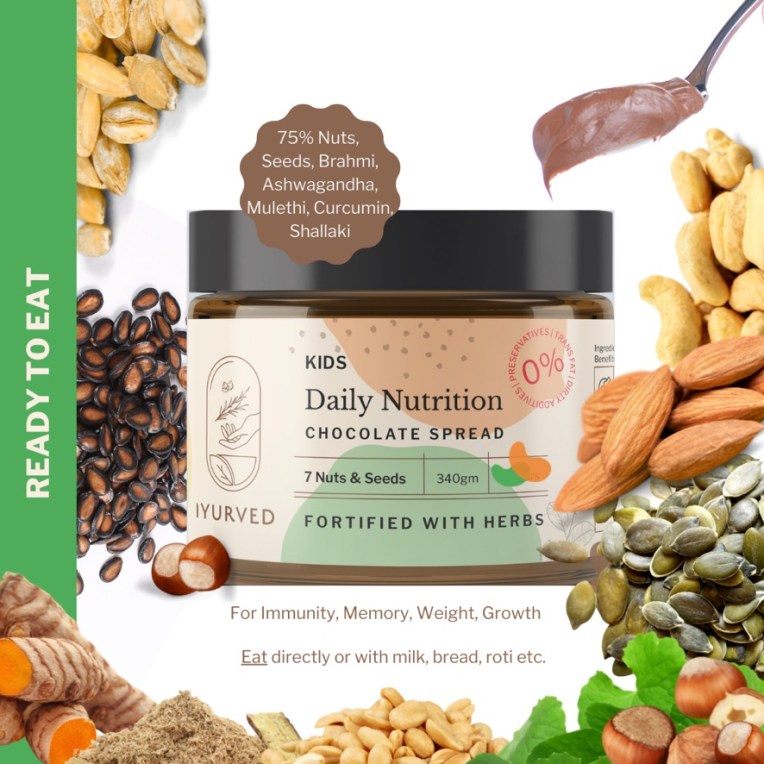
If your child is a picky eater or does not take enough nutrition for the day, you can give Daily Nutrition Chocolate Spread | Made with clinically proven ingredients to meet daily Nutrition |ORDER | 0% preservative | 0% Palm oil |

Check more products for: Immunity, Gut health, Digestion, Eyesight, Weight, Brain development, Sleep, Bones and Overall growth

(shipping in India and Singapore only)

Join Iyurved group for FREE CONSULTATION

Foods and Remedies by a Nutrition Expert

Read more blogs:

How to increase breast milk: 7 foods to eat

Giving birth to a baby is altogether a new journey for a woman. A new chapter in life with a new character MOTHER. The bonding between a mother and a child is pure and pious. During early days of motherhood, the main concern of a mother is whether she is producing enough breast milk for the baby or not. Every cry of the baby makes her restless, thinking that maybe he/she is not getting enough milk. Here are some foods that increase breast milk in mothers.

The first five to six weeks are crucial for a first time mom to understand and find a proper routine. It is the same time when the body is regulating a healthy supply of breast milk. Though there are small numbers of mothers who are not able to produce enough breast milk, still it is a common fear. Some tips and foods that increase breast milk production in new moms and can help to get over this fear. Before that all we have to understand are the causes for low breast milk supply.

WHATSAPP for concerns like Speech Delay, Low Weight, Frequent Illness, Hyperactivity, Low Concentration, Weak Eyesight, Improper Sleep, Pigmentation, Pores, Face Marks, Fine Lines , Lactation etc.

Reasons of low breast milk supply

Delay:

Separation of mother and baby due to some medical conditions can affect milk production. If the mother is unwell after delivery or the baby needs admission to a special care nursery, it delays the breast feed and hence the body stops producing enough milk.

Poor attachment:

Some mothers have flat or inverted nipples which makes it difficult for the baby to suck milk properly. This may cause poor attachment to the breast. Sleepy babies due to having jaundice at birth time and lip or tongue tie are some other causes which detach babies to get required milk supply from breast feed.

Schedule:

Baby needs to get fed whenever he/she demands. Scheduling or making a time table to feed the baby can result in low breast milk production.

Skipping

Some mothers prefer breast feed and formula feed for their babies.  But skipping breastfeed and depending more on formula can lead to low supply of breast milk.

Contraceptive pills

To escape from fear of getting pregnant again, some women start taking contraceptive pills that contain estrogen. This affects breast milk production.

Smoking

Smoking can also obstruct the production of milk. It can also pass through the negative effects of nicotine to babies through feed. Further in life babies may face a range of health problems due to this bad practice.

Ways to increase breast milk production

Demand and supply

Breastfeed your baby often as the body makes milk on the law of demand and supply. The more you breastfeed, the more your body get signal to produce milk. By nursing your baby every two to three hours you can be able to naturally increase your breast milk supply.

Breast pump

Power pump is a great way to boost up your breast milk production. This empties your breast fully and Indicates body to make more milk.

Proper diet

A nursing mom should take proper care of her food intake. It is the most effective way to increase milk supply. Lactating mom must organize her drinking and eating of a proper balanced meal throughout the day as nothing can hold milk supply faster than being hungry and dehydrated. (Easy source of protein for mothers)

Breastfeed from both sides

During the early days it is advisable to feed your baby 8-12 times in a day. Always try to feed the baby from both sides. If it is not working, you can use a pump on the other side. It will stimulate more milk production.

Rest and sleep:

Proper rest and a good sleep time can help your body to boost milk supply. After you deliver the baby, your breast milk supply starts to build up.  Many factors such as proper nutritious diet, hydration and relaxation influence this process. Lactation cookies play an important role to increase milk production in lactating mothers. Some foods that promote milk production are used to make these cookies. These are the best things to include in a new mom’s diet to overcome low milk supply issues.

Also check,How does sleep help a child with brain development?

Foods to increase breast milk

Fenugreek:

Fenugreek is one of the most effective meals for increasing milk production. It is the finest galactagogue (foods that increase breast milk).  It helps in activating the mammary glands to boost the production of breast milk. 

Moringa:

Moringa is also a powerful galactagogue. It was reported to have a positive impact on breast milk production. It’s packed with nutrients essential for nursing moms and newborn babies. Though it is ideal to ingest fresh moringa leaves, soaking moringa powder in water and consuming it can also ensure the absorption of nutrients much more efficiently.

Also, check Weight gain diet plan for kids

Shatavari:

This ayurvedic herb has been used to help women with breastfeeding concerns. It possesses qualities that aid in the production of prolactin and corticoids, which aid in the increase of breast milk, and so enhance lactation and breast milk quality. 

Also, check 20 Best foods for Healthy Body and Hair

Ginger:

Ginger is utilised for its health advantages in addition to giving flavour to a variety of dishes and beverages. It is a well-known natural galactagogue among nursing mothers. There is, however, evidence to support ginger’s effectiveness in enhancing breast milk volume.

Also, check Foods to increase breast size

Nuts:

Nuts like peanuts, almonds, cashew, and hazelnut provide energy for a breastfeeding mother to stay active throughout the day. It is the best snack to include in a breastfeeding mother’s diet. These nuts help to boost milk production. Also, consuming nuts new study suggested that the consumption of nuts while breastfeeding can help to protect babies from developing allergies. Nuts are considered one of the best foods for increasing breast milk.

Also,check Benefits of nuts

Seeds:

Seeds like melon, sesame, and pumpkin help in milk production. Sesame is a rich source of calcium which is the most important nutrient for breastfeeding mothers. Pumpkin seeds are a natural source of DHA and alpha-linolenic acid which helps in boosting milk volume.

Jaggery:

Iron and essential minerals like potassium, magnesium, and phosphorus are abundant in jaggery. It helps in the build-up of milk in the breast. Eating it with a piece of garlic can help boost breast milk production.

Turmeric:

For hundreds of years, this golden spice has been utilised in ayurvedic medicine as the best galactagogue ( foods that increase breast milk supply).  Hence, turmeric may help nursing mothers by increasing milk production, relieving pain, and lowering depression.

Vitamin E:

Vitamin e is only transferred to the foetus through the placenta during pregnancy, therefore breast milk is the only source of this nutrient for exclusively breastfed newborns. This is an important strategy to provide the infant with antioxidant protection while also stimulating immune system development.

Sunflower lecithin:

It is a natural fat emulsifier that can aid to lessen the “thickness and stickiness” of milk. It may also help release existing fatty blockages, boosting milk flow and quantity of milk supply.

Cocoa solids:

It’s chocolate, but it’s healthy!!! It can assist nursing mothers in increasing their milk production. It not only delivers excellent nutrition to enhance a nursing mother’s milk production, but it also gives a slew of additional health advantages to a new mother.

Cinnamon:

Cinnamon promotes the flow of mother’s milk. For milk stimulation, combine honey, milk, and cinnamon powder. Having honey and cinnamon is therefore not only healthful but is also a fantastic choice for increasing milk production.

Also check, 12 Best foods to increase breast milk quality


HOW DOES Milk Jaggery Spread HELP to increase BREAST MILK SUPPLY?

2 tablespoons of Milk Jaggery Spread will help to boost milk supply, quality, supply & mothers’ and baby’s health.

foods for breast milk

India’s First Easy Effective Nutrition fortified with Ayurvedic herbs.

For Boosting Milk Supply & Quality in Nursing Moms, give Milk Jaggery Spread | 0% preservatives | 0% refined sugar | 0% palm oil | Fortified with SHATAVARI, METHI, MORINGA, GINGER | Contains CALCIUM, FOLIC, IRON PROTEIN, BIOTIN, VIT D, B12 | ORDER |


CHECK MORE PRODUCTS FOR:

Immunity, Gut health, Digestion, Weight, Brain development, Speech delay, Epilepsy, Eye health, Hormones, Sleep, Hyperactivity, Bones and Overall growth

what is the down's syndrome

Read more blogs:

Does Sugar have harmful effects on bones?

sugar harmful effects

During the early years, the bones of kids develop and grow while also being depleted at the same time. If the consumption of calcium, Vitamin D and other required minerals are sufficient, the health of bones will be positive. If the consumption of required vitamins and minerals are less, the depletion of bones will soon take over resulting is much weaker bones and easy fractures. (What are some bone building foods?). In addition to this, consumption of sugar can have harmful effects on bones too.

We have already talked about how refined Sugar harm our body. Now, lets see how it can damage the bones too.

Sugar can be consumed in many forms like Bread which is extremely high in added sugar and one of the most staple food in every household for kids. Other common sources of sugar are white sugar, brown sugar, cane sugar, cookies, candy, donut, cake, canned drinks, packed juices, bottled shakes and smoothies, granola bars, sauces, jams and many others. Such intake on a regular basis can deplete four of the best bone-friendly nutrients from your child’s body. (Why are antioxidants good and which foods have them?)

Calcium + Phosphorous

Calcium combines with phosphorous to make calcium phosphate which is most important component for our bones. When sugar is consumed, there is acid that’s released in the body. In order to balance this acid, calcium is extracted from the bones resulting in Calcium deficient weaker bones. (What are some easy to feed calcium rich foods?)

Vitamin D

Vitamin D assists in absorption of Calcium by the bones. Consumption of sugar increases an enzyme that degrades vitamin D and thereby also results in reduced absorption of calcium by the bones. Double whammy!

Vitamin C

Vitamin C helps to make collagen and also delays the decaying process of bones. Sugar intake restricts the absorption of this vitamin into our body cells resulting in weaker bones. (How to reduce iron deficiency in kids through food)

Magnesium

Magnesium works on keeping the bones strong. Sugar strips the body of magnesium too by releasing it out through urine.

So yes! sugar can have harmful effects on the bones.

Recipe: Pumpkin hummus with hidden herbs and nuts

Let’s make every dish tasty and nutritious by ‘hidden’ nutrition of veggies, herbs and nuts.

Check the Recipe made with Iyurved’s secret health ingredient- DAILY NUTRITION spread.

Check more healthy recipes loved by kids.


PRODUCTS

We are happy to introduce our range of nutritious & tasty products for kids!!
We know that preparing and feeding healthy foods everyday is a huge task. Even more tough when kids are picky eaters. Kids prefer certain foods and formats. It is not easy to feed kids bitter Ayurvedic herbs, variety of vegetables, fruits, nuts and seeds everyday.
Mixed with Ayurvedic herbs, this unique product is an easy solution to feed daily nutrition for Immunity, Brain development, Bone strength and overall-growth to kids without any fuss.


India’s First Tasty Kids Nutrition fortified with Ayurvedic herbs.

If your child is a picky eater or does not take enough nutrition for the day, you can give Daily Nutrition Savoury Spread to meet daily Nutrition | Made with clinically proven ‘5 Ayurvedic Herbs and 7 Nuts | ORDER | 0% preservative | 0% Palm oil |

Check more products for: Immunity, Gut health, Digestion, Weight, Brain development, Autism, Hyperactivity, Sleep, Bones and Overall growth

(shipping in India and Singapore only)


Read more blogs:

Vitamin D, Calcium and Kids: Are they building strong bones in Kids?

One of the most important minerals in our body is CALCIUM. Bones are 70% calcium and it is only calcium which gives bones their hardness for protection and support. Bones also serve as the calcium bank of the body. Sometimes people get confused between vitamin D and calcium. Vitamin D helps the body to absorb calcium and works with it to build strong bones. It moves calcium from the intestine to the bloodstream and into the bones. If you are thinking that your child is getting enough vitamin D only by drinking milk, then you may be partially correct. There are some more foods for vitamin D and calcium other than milk which are great source of these nutrients.

Recent study shows that most of the children are not getting essential vitamins and minerals, and especially vitamin D. Some children with low vitamin D complain of pain in the legs and body ache. Very low vitamin D can lead to soft bones, causing rickets, a bone softening disease and also increase the risk of bone fracture in children. From age 9 – 18 children need more calcium to meet the daily recommended intake. Interestingly, it is only till mid-20s that kids can improve their bones which will last them a lifetime. Sunshine is considered as the natural source of vitamin D in the body. Every cell of our body has vitamin D receptors. So, if your child is in the sunlight three times a week for about 15-20 minutes he/she will get enough UV rays to produce vitamin D. Not just bones and teeth, vitamin D builds immunity in the body and fights off attacking viruses and bacteria.

WHATSAPP for concerns like Speech Delay, Low Weight, Frequent Illness, Hyperactivity, Low Concentration, Weak Eyesight, Improper Sleep, Pigmentation, Pores, Face Marks, Fine Lines, Lactation etc.

FOODS FOR VITAMIN D AND CALCIUM:

Cow’s milk and its products:

It is the most commonly consumed type of milk and naturally a good source of many nutrients like calcium, protein, phosphorus and Vitamin B2. In several countries, it is fortified with vitamin D because milk doesn’t naturally contain vitamin D, but is one of the most widely used calcium rich foods for kids. These two work together to keep the bones strong. There are some dairy products made of cow’s milk like cheese, yogurt which are a good source of vitamin D

Also check, How is it used in the rest of the world?

Cereals:

In comparison to other natural resources, fortified corn flakes and oat meals or granola mixes may provide less vitamin D, but still they can be a good way to boost the vitamin D levels. These cereals can be consumed together with milk or yogurt to achieve both calcium and vitamin D for the body. The most important check to make here is the sugar levels in the cereal. Added sugar intake can adversely impact calcium and vitamin D levels.

Also check, How does sugar impact bones?

Egg yolk:

Eggs are one of the highest natural sources of vitamin D. Just one whole large egg provides 50% of vitamin D required for the day. It helps to maintain strong bones and teeth. Those who can may opt for fish (salmon, sardines) also as a source of vitamin D.

Banana:

The yummy bananas are a great source of magnesium, which plays an important role in activating vitamin D in the body. Journal of the American osteopathic Association, suggests that- it is essential to consume the recommended amount of magnesium to obtain the optimal benefits of vitamin D. So while bananas don’t have vitamin D directly, it enables absorption. In addition, bananas are also a great source of quick energy (simple carbs) and prebiotic fibre (for digestion) for kids. Win-win!

Moringa:

Moringa is a super food. It has 3 times more calcium than milk which makes it an excellent food to treat weak or damaged bones and also one of the best non dairy sources of calcium. Some studies also indicate that moringa can heal damaged bones thus making it a must have calcium rich foods for bones. Dried moringa leaf powder has 17 times more vitamin D than fortified milk. In addition to this, it’s a fix for digestion troubles, immunity and iron.

Ragi:

Ragi is also one of the foods high in calcium and vitamin D.  It is said that no other plant source provides calcium the way ragi can making it one of a popular non-dairy sources of calcium. Ragi also has vitamin D and along with calcium, it can help in improving bone strength. It is a whole grain that is gluten free also and can be used in baking cakes and cookies.

Also check, Easy nutritious ragi recipe

Mushroom:

Mushrooms are a rich ‘plant’ source of vitamin D. Researchers has found that we can increase levels of vitamin D even more by exposing mushrooms to the sun for 10-15 minutes. Mushrooms can be consumed either directly or also in the form of dried mushroom powder, which can be used throughout the year, even when the season of mushroom has passed. For kids who are picky and don’t particularly enjoy eating mushroom, using the powder is an easy option. You can hide it in any batter or dough to make pancakes, wraps, bread, paratha, pizza.

Also check, Easy pizza recipe to hide mushroom powder


PRODUCTS:

It’s no SECRET that following an Ayurvedic lifestyle has numerous advantages. This unique collection of Ayurvedic spreads is an easy solution to feed daily nutrition for Immunity, Eye, Brain development, Bone strength and overall growth to kids without any fuss. To know more about kid’s ayurvedic foods – SHOP HERE.

India’s First Tasty Kids Nutrition fortified with Ayurvedic herbs.

For building strong bones and muscles in kids, you can give Daily Nutrition Chocolate Spread and Daily nutrition Veggies and Dal powder | Made with clinically proven ‘5 Ayurvedic Herbs and 7 Nuts’| 0% preservative | 0% Palm oil  | ORDER


CHECK MORE PRODUCTS FOR:

Immunity, Gut health, Digestion, Weight, Brain development, Speech delay, Epilepsy, Eye health, Hormones, Sleep, Hyperactivity, Bones and Overall growth

what is the down's syndrome

Read more blogs:

BONE DEVELOPMENT

The bone development is a complex process. Bone development starts 6 months before the birth in the fetus and this process actually never really completes. Bone is living tissue made up of protein, calcium, other minerals and water. Bones tissue constantly renews itself by breaking down and replacing with new ones. So, it is really important to take care of bone development in childhood as this can help your child to get stronger bones for lifetime. During childhood bones grow rapidly. Bone growth is supported by a well balanced diet and healthy living environment. One of the most important minerals in our body is CALCIUM. Bones are 70% calcium and it is only calcium which gives bones their hardness for protection and support. Bones also serve as the calcium bank of the body. Sometimes people get confused between vitamin D and calcium. Vitamin D helps the body to absorb calcium and works with it to build strong bones. It moves calcium from the intestine to the bloodstream and into the bones. If you are thinking that your child is getting enough vitamin D only by drinking milk, then you may be partially correct. Recent study shows that most of the children are not getting essential vitamins and minerals, and especially vitamin D. Some children with low vitamin D complain of pain in the legs and body. Very low vitamin D can lead to soft bones, causing rickets, a bone softening disease and also increase the risk of bone fracture in children. From age 9 – 18 children need more calcium to meet the daily recommended intake. Interestingly, it is only till mid-20s that kids can improve their bones which will last them a lifetime. Sunshine is considered as the natural source of vitamin D in body. Every cell of our body has vitamin D receptors. So, if your child is in the sunlight three times a week for about 15-20 minutes he/she will get enough UV rays to produce vitamin D. Not just bones and teeth, vitamin D builds immunity in the body and fights off attacking viruses and bacterias.

Kids food for strong bones

The greatest amount of bone tissue develop during childhood and adolescence as the skeleton expands in size and density. During this time its very important to provide your child with some vital food sources that can help him/her in developing strong bones. The health and strength of our kids bones rely on a balanced diet and a steady stream of nutrients, most importantly , calcium and vitamin D.

Cow’s milk and its products: It is the most commonly consumed type of milk and naturally a good source of many nutrients like calcium, protein, phosphorus and Vitamin B2. In several countries, it is fortified with vitamin D because milk doesn’t naturally contain vitamin D, but is a great source of calcium. These two work together to keep bones strong. There are some dairy products made of cow’s milk like cheese, yogurt which are a source of vitamin D (How is it used in the rest of the world?)

Cereals: In comparison to other natural resources, fortified corn flakes and oat meals or granola mixes may provide less vitamin D, but still they can be a good way to boost the vitamin D levels. It is considered as the best kids food for strong bones as it is easily available. These cereals can be consumed together with milk or yogurt to achieve both calcium and vitamin D for the body. The most important check to make here is the sugar levels in the cereal. Added sugar intake can adversely impact calcium and vitamin D levels. (how does sugar impact bones?)

Egg yolk: Eggs are one of the highest natural sources of vitamin D and considered as appropriate food for strong bones and joints in kids. Just one whole large egg provides 50% of vitamin D required for the day. It helps to maintain strong bones and teeth. Those who can, can opt for fish (salmon, sardines) also as a source of vitamin D.

Banana: The yummy bananas are a great source of magnesium, which plays an important role in activating vitamin D in the body. Journal of the American osteopathic Association, suggests that- it is essential to consume the recommended amount of magnesium to obtain the optimal benefits of vitamin D. So while bananas don’t have vitamin D directly, it enables absorption. This speciality makes it the best kids food for strong bones.  In addition, bananas are also a great source of quick energy (simple carbs) and prebiotic fibre (for digestion) for kids. Win-win!

Moringa: Moringa is a superfood. It has 3 times more calcium than milk which makes it an excellent food to treat weak or damaged bones. Some studies also indicate that moringa can heal damaged bones. All these qualities make it the best food for strong bones and joints in kids. Dried moringa leaf powder has 17 times more vitamin D than fortified milk. In addition to this, it’s a fix for digestion troubles, immunity and iron. (Some easy ways to moringa)

Ragi: It is said that no other plant source provides calcium the way ragi can. It also has vitamin D and along with calcium it helps in bone development in children. It can also help in improving bone strength. It is a whole grain that is gluten free also and can be used in baking cakes and cookies.(Easy nutritious ragi recipe)

Mushroom: Mushrooms are a rich ‘plant’ source of vitamin D. Researchers have found that we can increase levels of vitamin D even more by exposing mushrooms to the sun for 10-15 minutes. Mushrooms can be consumed either directly or also in the form of dried mushroom powder, which can be used throughout the year, even when the season of mushroom has passed. For kids who are picky and don’t particularly enjoy eating mushroom, using the powder is an easy option. It can hide in any batter or dough to make pancakes, wraps, bread, paratha, pizza. It can be used as a rich source of vitamin D food for strong bones and joints in kids. (Easy pizza recipe to hide mushroom powder)

Read more blogs:

What does Refined Sugar do to your Kid’s bones?

During the early years, the bones of kids develop and grow while also being depleted at the same time. If the consumption of calcium, Vitamin D and other required minerals are sufficient, the health of bones will be positive. If the consumption of required vitamins and minerals are less, the depletion of bones will soon take over resulting is much weaker bones and easy fractures. In this article, you will know how refined sugar and bones are related?

We have already talked about how refined Sugar harm our body. Now, lets see how it can damage the bones too.

Sugar can be consumed in many forms like Bread which is extremely high in added sugar and one of the most staple food in every household for kids. When we buy bread, we must look at the ratio of fibre to carbs given at the back label of the bread. For a more fibrous and less refined bread, this ratio must be 1:10 at least. If it is 1:5 that’s even better for health. There is an easy recipe of fibrous bread given below.

Other common sources of sugar are white sugar, brown sugar, cane sugar, cookies, candy, donut, cake, canned drinks, packed juices, bottled shakes and smoothies, granola bars, sauces, jams and many others. Such intake on a regular basis can deplete four of the best bone-friendly nutrients from your child’s body.

sugar and bones
refined sugar affects bone negatively

Calcium + Phosphorous

Calcium combines with phosphorous to make calcium phosphate which is most important component for our bones. When sugar is consumed, there is acid that’s released in the body. In order to balance this acid, calcium is extracted from the bones resulting in Calcium deficient weaker bones.

Vitamin D

Vitamin D assists in absorption of Calcium by the bones. Consumption of sugar increases an enzyme that degrades vitamin D and thereby also results in reduced absorption of calcium by the bones. Double whammy!

Vitamin C

Vitamin C helps to make collagen and also delays the decaying process of bones. Sugar intake restricts the absorption of this vitamin into our body cells resulting in weaker bones.

Magnesium

Magnesium works on keeping the bones strong. Sugar strips the body of magnesium too by releasing it out through urine.

99% of the Calcium is stored in Bones and Teeth. If calcium is needed elsewhere, it is taken from the Bones. Hence it becomes imperative to keep 100% stock of calcium and consume everyday. The more bones will lend calcium, the more weak they will become. It is said that Osteoporosis is a disease that manifests in old age.

Studies indicate that roughly 50% kids don’t meet the daily Magnesium requirement. Magnesium is one of the top four abundant minerals in the body. So, any deficiency of this mineral will easily reflect in daily life. Magnesium is key in formation of bones. We only build bones until mid-20s and hence it becomes crucial to build strong bones and teeth to last us a lifetime.

Every single cell in the body requires Vitamin D. Body can also produce this through cholesterol exposure to sunlight. However, deficiency of Vitamin D is common in kids and results in weaker bones and muscles, fatigue and body pain among others. Vitamin D has to be consumed with fat (oil). For e.g. Cheese has vitamin D and fat both so its a great food to meet this nutrition.

Recipe: Millet Bread with hidden herbs and nuts

Let’s try to make every healthy food recipe for a child more tasty and nutritious with (hidden) veggies, herbs and nuts

Millet Bread Recipe by Iyurved

Check the Recipe made with Ayurvedic spread by Iyurved- DAILY NUTRITION spread.

Check more healthy recipes loved by kids.


PRODUCTS:

We are happy to introduce our range of nutritious & tasty kid’s Ayurvedic foods!!
We know that preparing and feeding healthy foods everyday is a huge task. Even more tough when kids are picky eaters. Kids prefer certain foods and formats. It is not easy to feed kids bitter Ayurvedic herbs, variety of vegetables, fruits, nuts and seeds everyday.
Mixed with Ayurvedic herbs, this unique Ayurvedic spread is an easy solution to feed daily nutrition for Immunity, Brain development, Bone strength and overall-growth to kids without any fuss.


India’s First Tasty Kids Nutrition fortified with Ayurvedic herbs.

If your child is a picky eater or does not take enough nutrition for the day, you can give ‘5 Ayurvedic herbs and 7 Nuts’ savoury spread to meet daily Nutrition ORDER | 0% preservative | 0% Palm oil |

Check more products for: Immunity, Gut health, Digestion, Eyesight, Weight, Brain development, Sleep, Bones and Overall growth

(shipping in India and Singapore only)

Join Facebook group for FREE CONSULTATION

Foods and Remedies by a Nutrition Expert

Read more blogs: