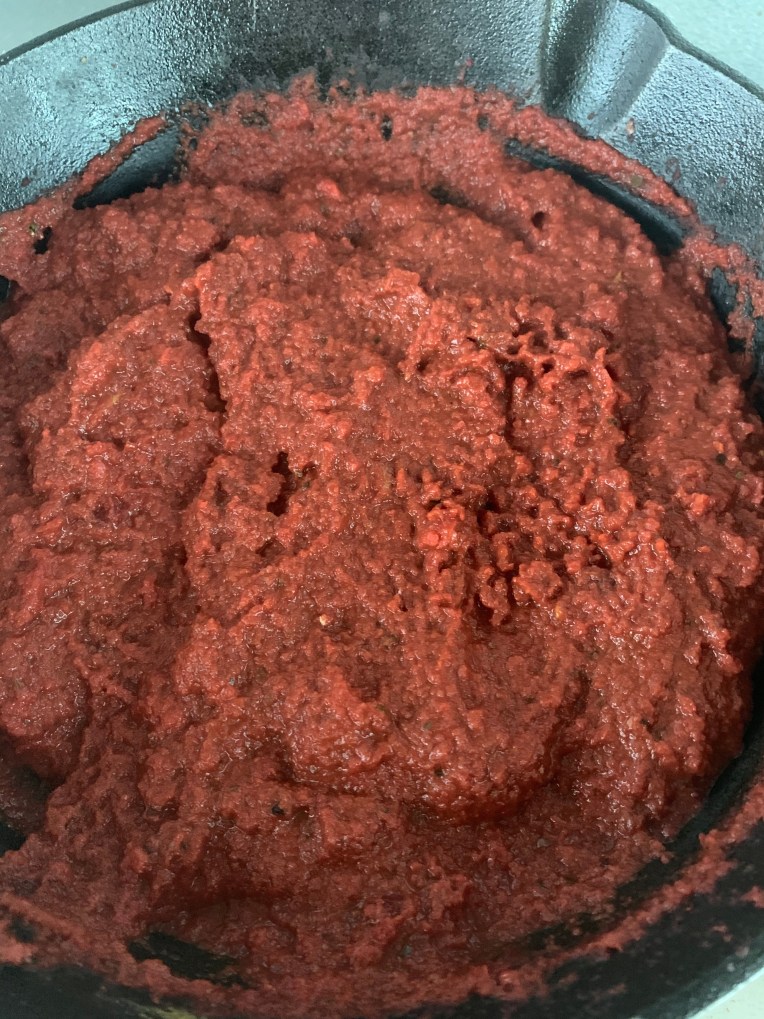
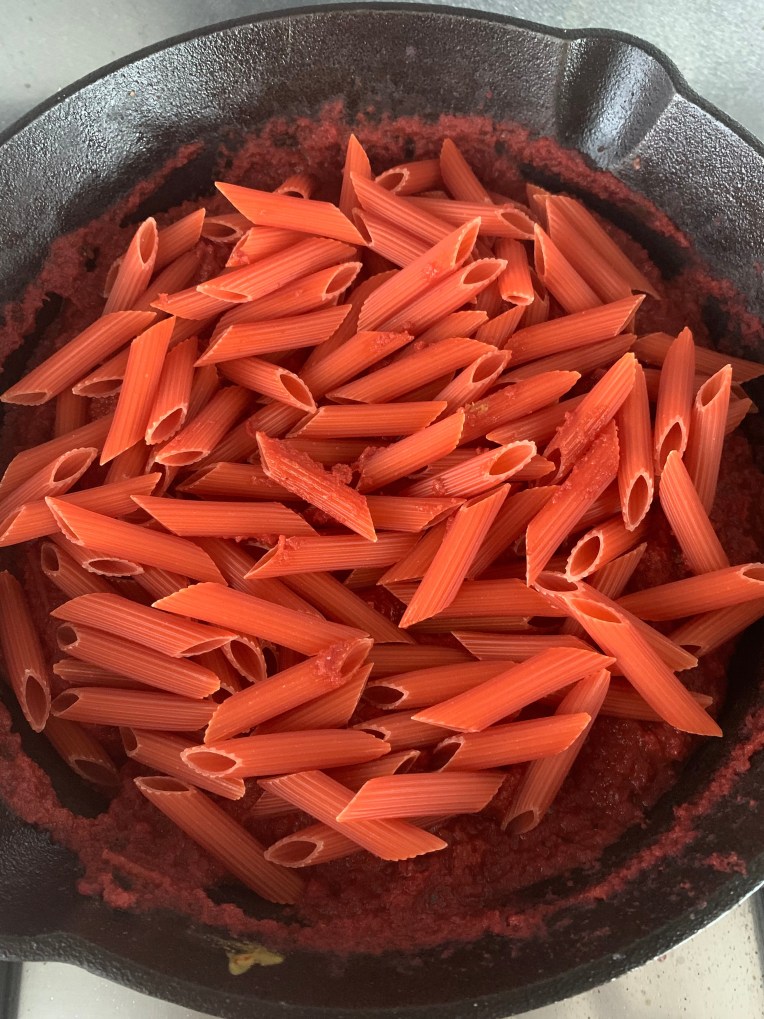
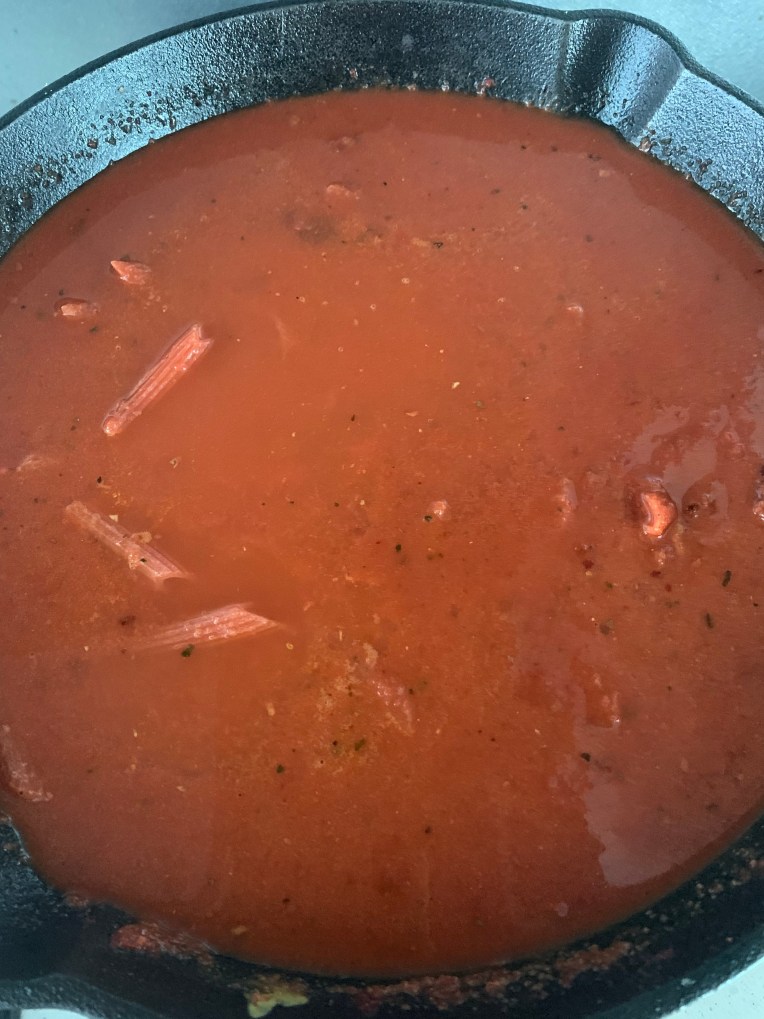
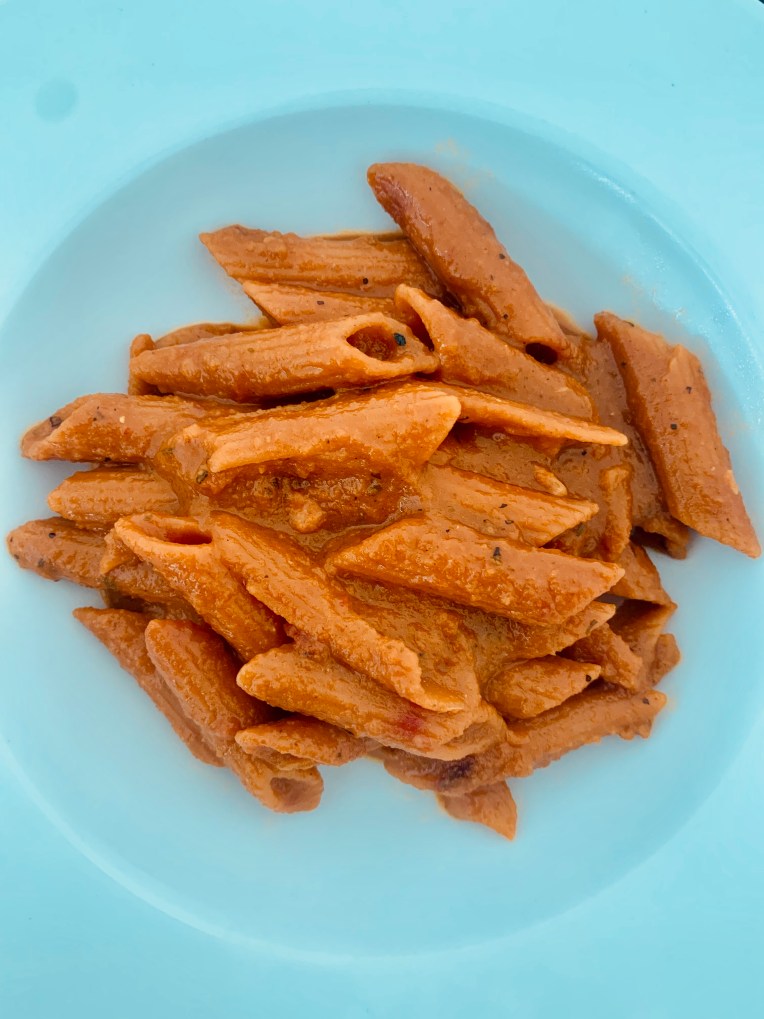
Recipe of healthy Carrot beetroot Pasta with red Sauce and with hidden nuts and herbs:
Kids will love to eat Pasta. Preparing carrot beetroot pasta with red sauce helps to add nutrition to their favorite foods in a convenient way. This healthy pasta sauce recipe helps to add the health benefits of beetroot and carrot. Kid’s Nutrition is very important nowadays and preparing healthy food recipes for a child is not an easy task. Iyurved is happy to share lots of children’s food recipe ideas which are not only innovative but also very tasty. The recipes shared here are Kids approved!
Let’s try to make every food a child wants to eat more tasty and nutritious with (hidden) veggies, herbs and nuts. Check this recipe for healthy pasta with red sauce for babies, toddlers and kids.
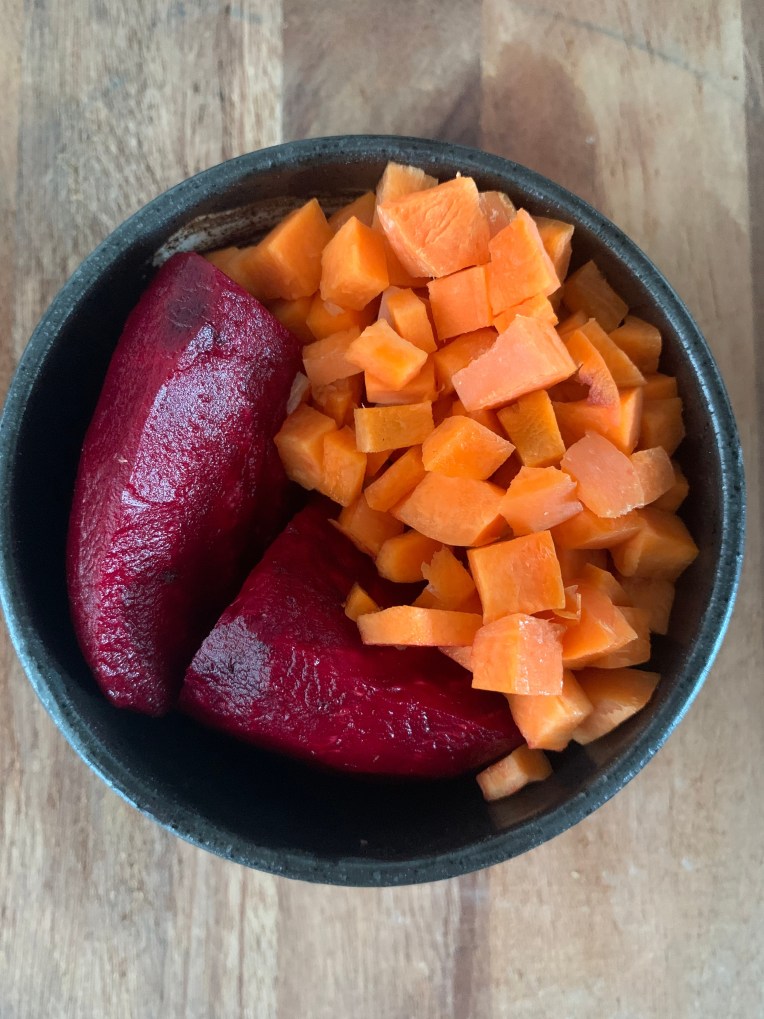
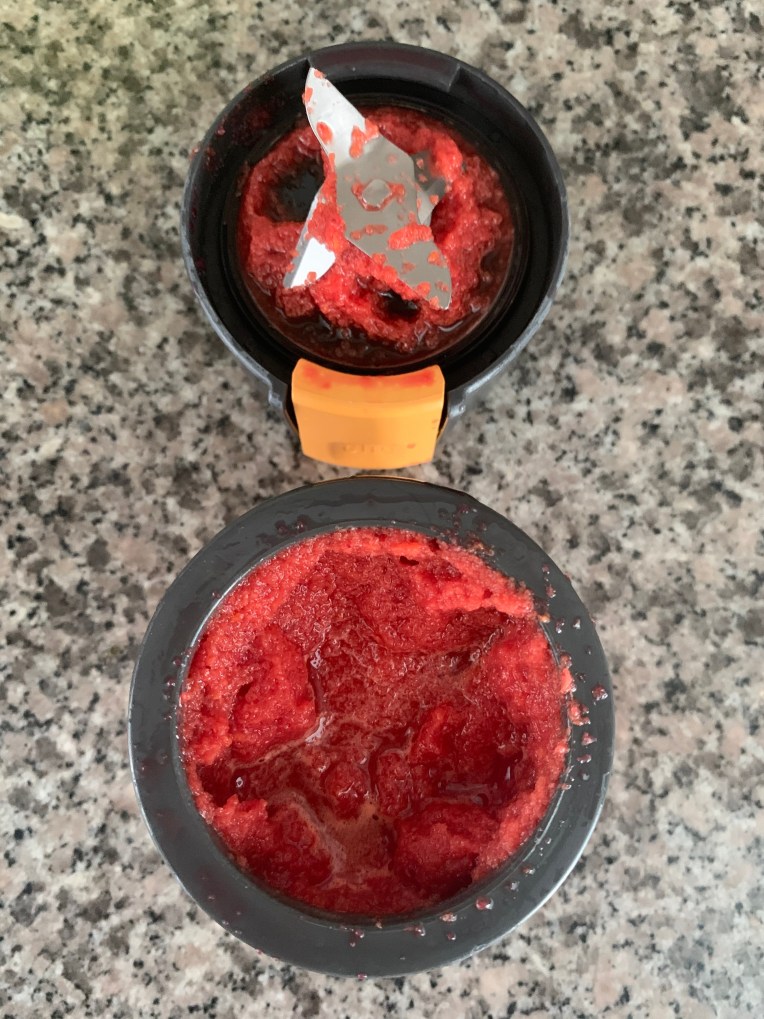
Beetroot puree
Carrot puree
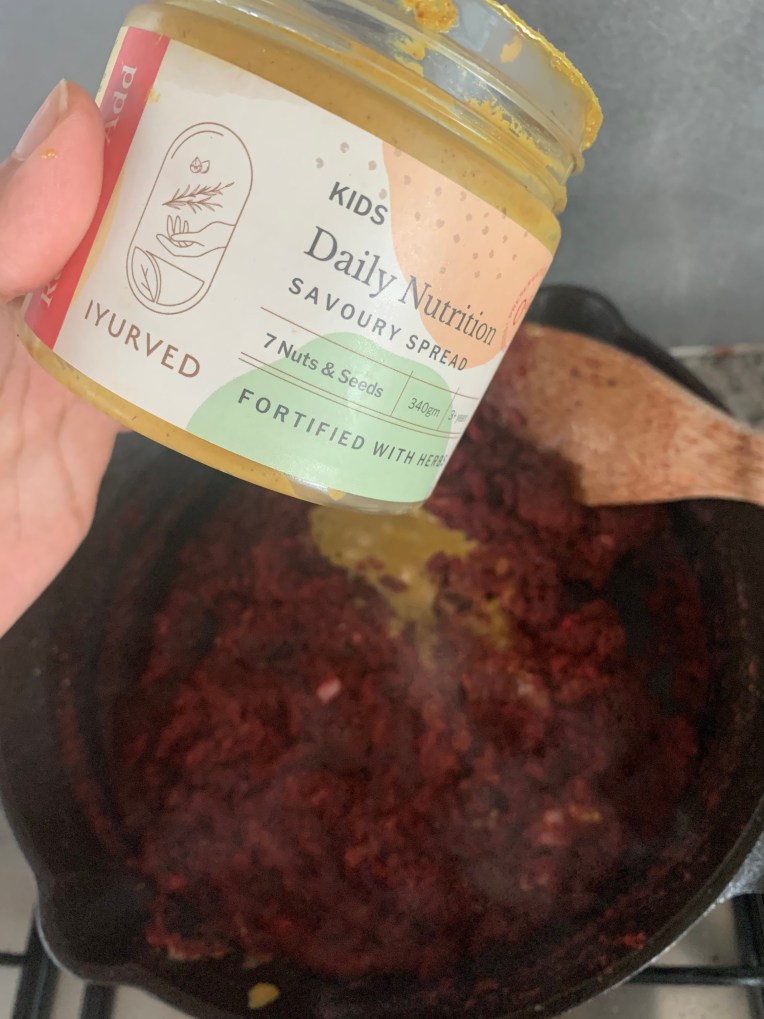
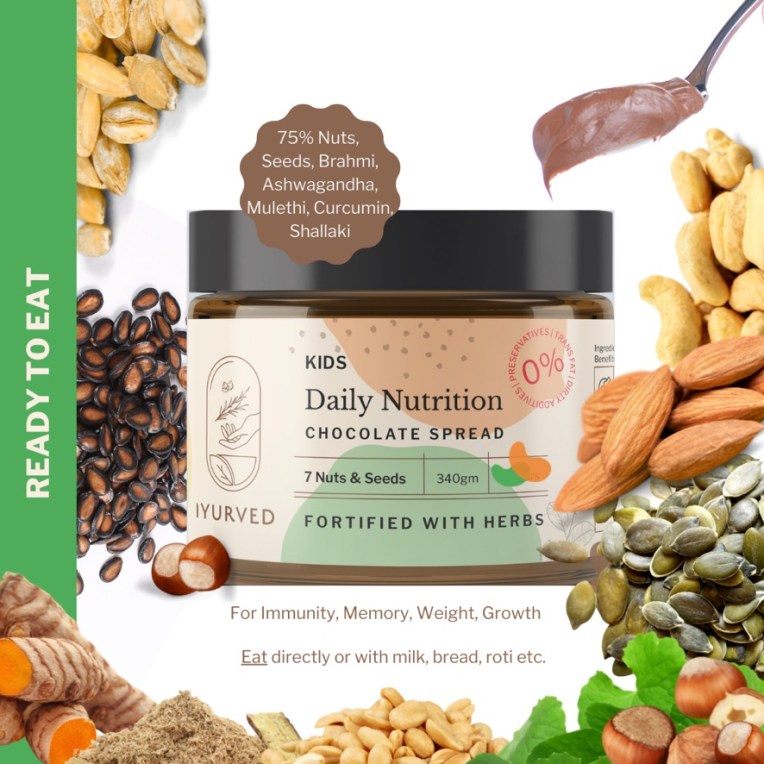
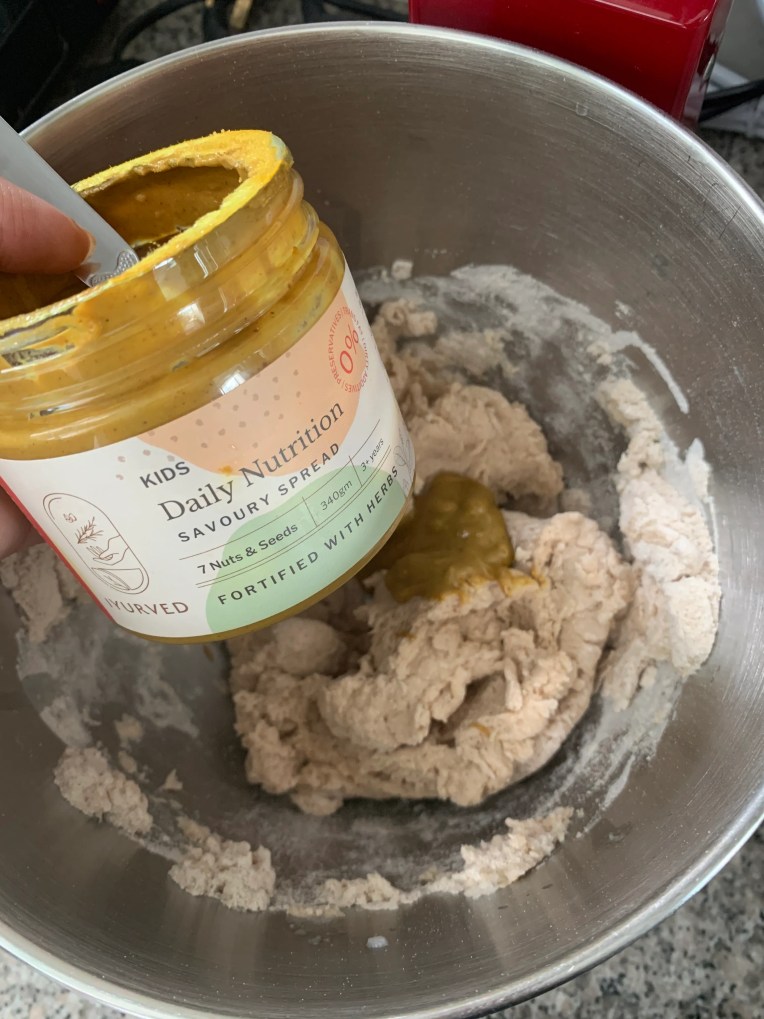
Iyurved’s 5 herbs and 7 nuts savoury spread (order here)
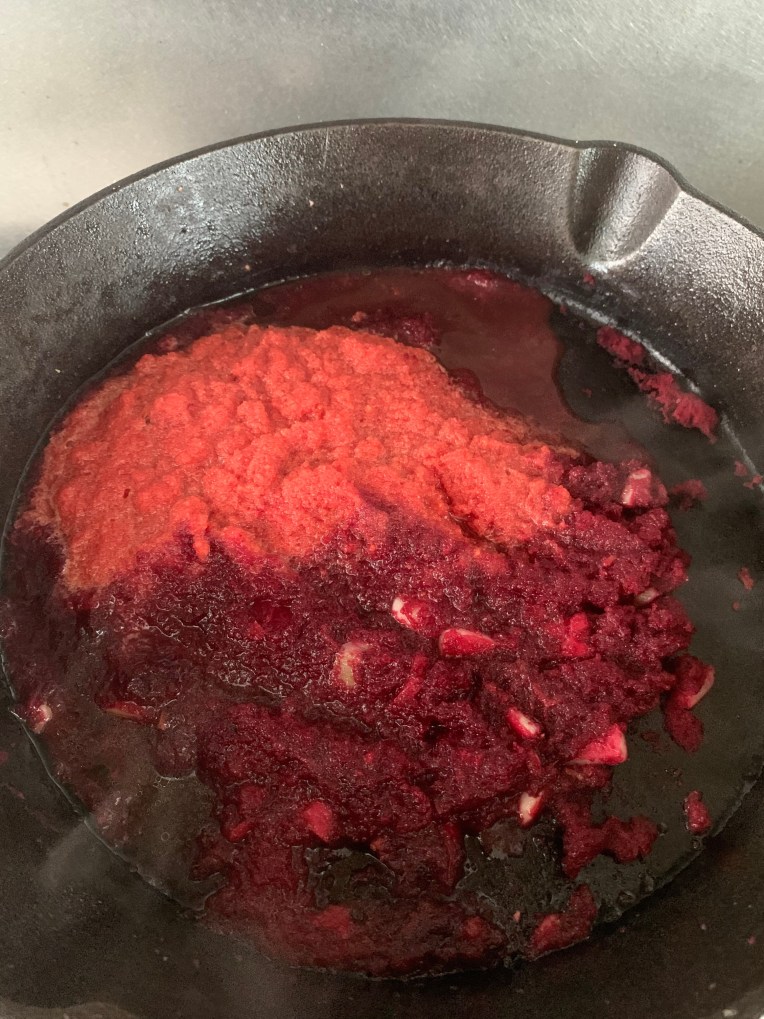
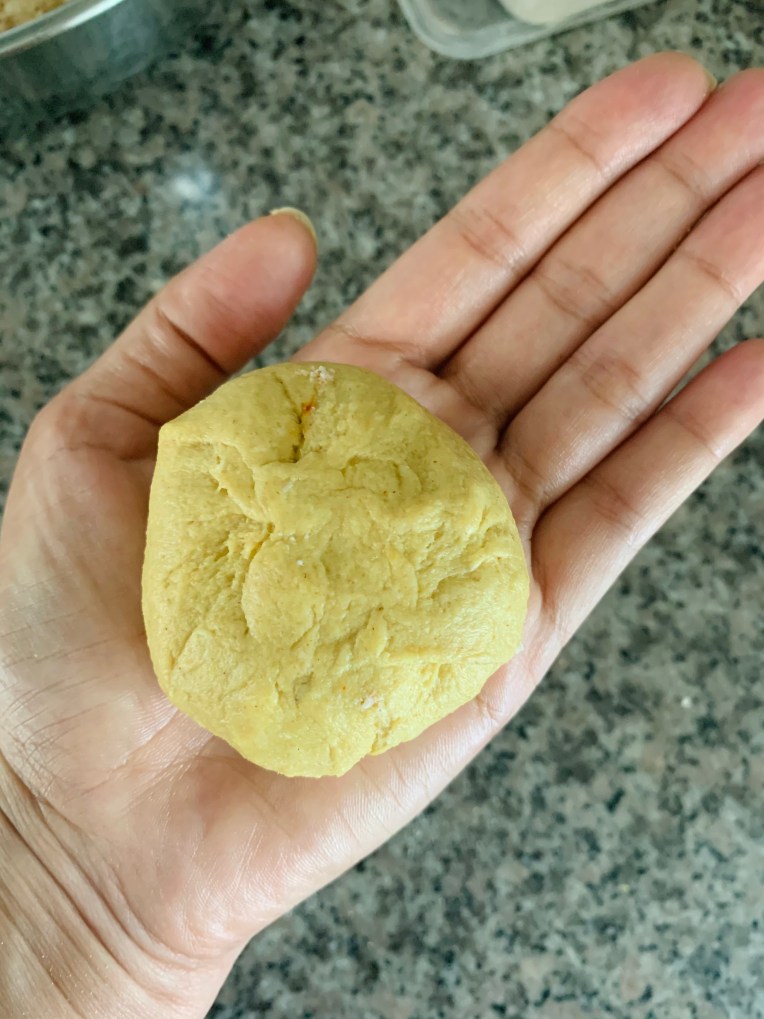
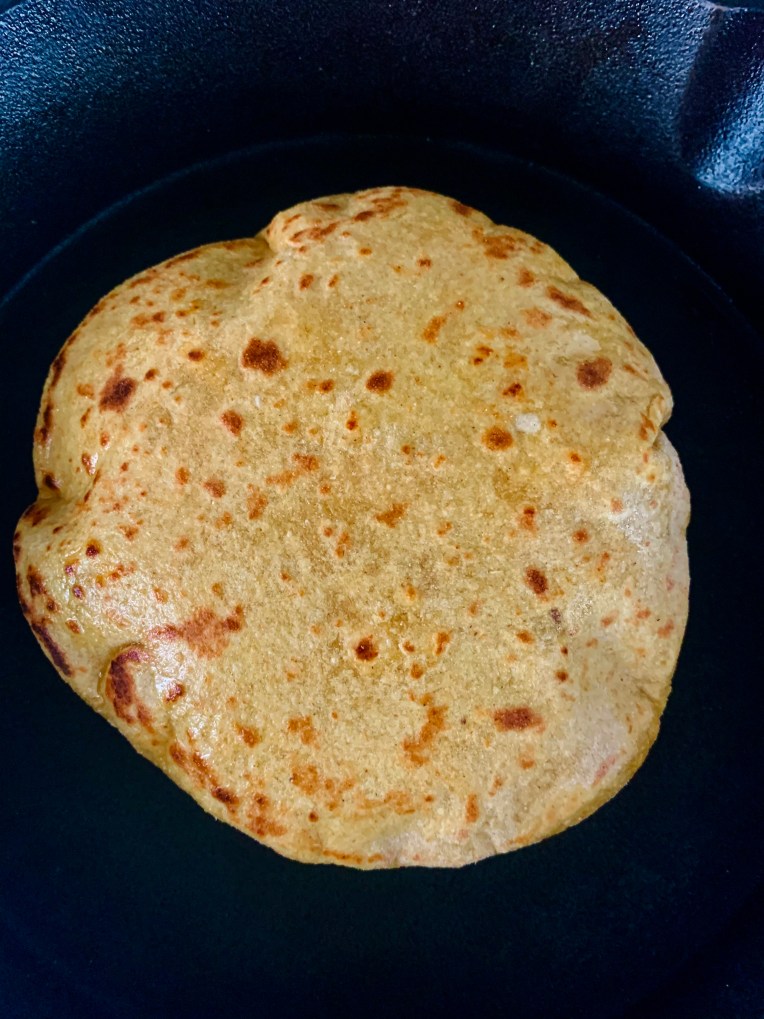
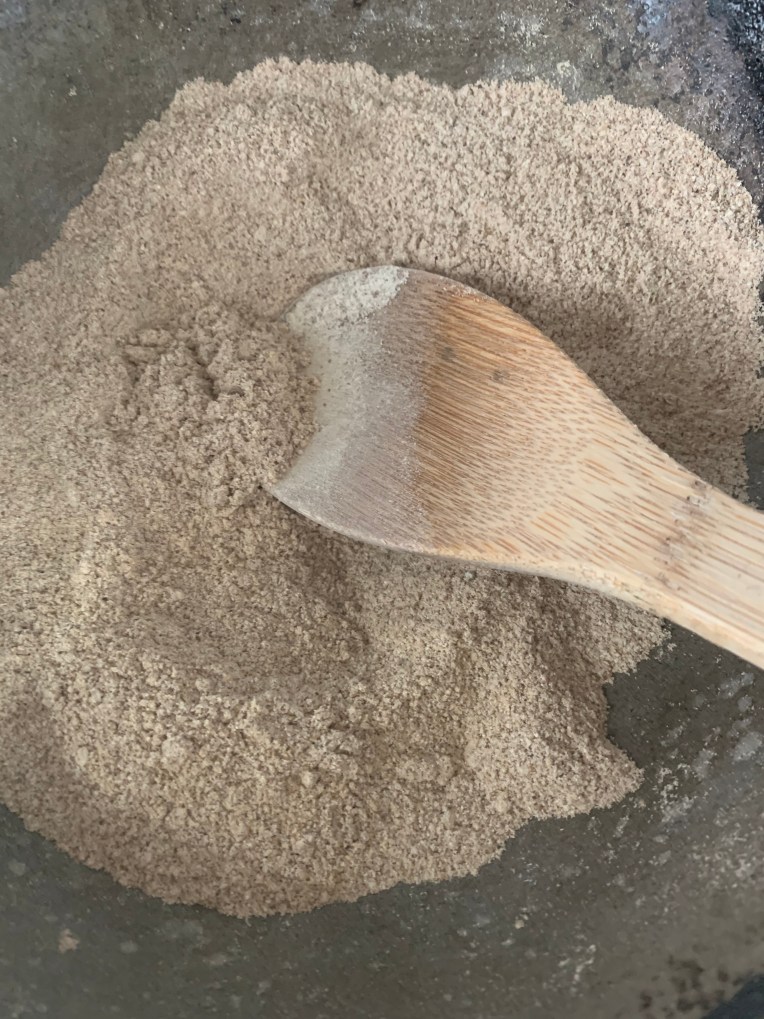
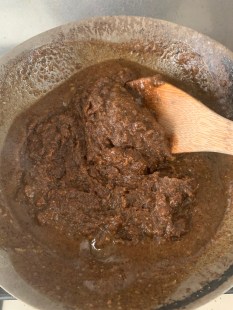
Heat ghee. Add garlic. Add carrot beetroot puree. Cook for 5 min. Add Iyurved’s Daily Nutrition savoury spread (order here). Add pasta sauce and seasonings. Cook for another 5 min. Add pasta and water. Cover and cook till soft. (What are the health benefits of beetroot?)
PRODUCTS:
We are happy to introduce our range of nutritious & tasty kids Ayurvedic foods!! We know that preparing and feeding healthy foods everyday is a huge task. Even more tough when kids are picky eaters. Kids prefer certain foods and formats. It is not easy to feed kids bitter Ayurvedic herbs, variety of vegetables, fruits, nuts and seeds everyday. Mixed with Ayurvedic herbs, this unique Ayurvedic spread is an easy solution to feed daily nutrition for Immunity, Brain development, Bone strength and overall-growth to kids without any fuss.
India’s First Tasty Kids Nutrition fortified with Ayurvedic herbs.
If your child is a picky eater or does not take enough nutrition for the day, you can give Daily Nutrition Savoury Spread | Made with clinically proven ‘5 Ayurvedic Herbs and 7 Nuts’ | ORDER | 0% preservative | 0% Palm oil | High in CALCIUM, VITAMIN D and VITAMIN B12 |
Check more products for: Immunity, Gut health, Digestion, Healthy weight, Eye health, Autism, Brain development, Hyperactivity, Sleep, Bones and Overall growth
Most of us know pumpkin as the fruit used for decorating Jack-o’- lanterns for Halloween, but other than just being a decorative fruit or vegetable, pumpkin offers numerous health benefits to your kids. This winter squash is not a vegetable, but rather a healthy fruit that also contains nutritious edible seeds. The origin of pumpkin is not known but there is evidence that pumpkins were grown in Mexico and North America about 5000 to 7000 BC. There pumpkin seeds health benefit for kids are many. These health benefits can range from improved brain development, help in getting sound sleep, improved liver health, possesses antimicrobial properties, improved urodynamics and supply of essential vitamins and minerals.
WHATSAPPfor concerns like Speech Delay, Low Weight, Frequent Illness, Hyperactivity, Low Concentration, Weak Eyesight, Improper Sleep, Pigmentation, Pores, Face Marks, Fine Lines , Lactation etc.
When can I start giving pumpkin seeds to my kids?
You can start giving pumpkin seeds to your toddler once he/she has strong enough teeth to chew regular solid food, which can usually be between 1 ½ years of age to 2 years of age. If you are worried whether or not your child can chew the seeds, then you could simply grind the seeds and give it. You can prepare and store it in a jar. An important thing to keep in mind is that when you start collecting these seeds from pumpkin fruit, make sure that before you serve the seeds to your child or if you’re trying to make a paste out of it, you need to remove the outer husk or layer that surrounds the seed. Although this is a time-consuming process, considering the benefits your child can get, it is worth the effort.
What are the benefits of pumpkin seeds?
Here are some benefits of pumpkin seeds,
Improves Brain Development:
Benefits of pumpkin seeds for brain are that it is a great source of omega 3 and omega 6 fatty acids. These fatty acids are highly recommended for kids because of brain development. Brain development in children is as essential as the development of the rest of the body and this is one of the most important pumpkin seeds benefits for brain.
Another pumpkin seed benefits for health is that they promote proper sleep in kids and adults. Tryptophan is an essential amino acid which helps in producing serotonin and this in turn gets converted into melatonin which is a hormone that helps in getting better sleep. If your kid has trouble sleeping, having a few pumpkin seeds before bed with small amounts of carbohydrates such as a piece of fruit, may be beneficial in providing the body with tryptophan needed for melatonin production, which can lead to better sleep. For younger kids, powdered pumpkin seeds can be an option.
Pumpkin seeds also possess antimicrobial properties. Studies suggest that pumpkin seeds are effective in controlling bacteria such as S. aureus, E. coli and P. aeruginosa.
Improves Urodynamics:
Traditionally, pumpkin seeds have been used for regulating passage of urine. Recent studies have confirmed that pumpkin seed oil can reduce bladder pressure, increase bladder compliance and reduce urethral pressure.
Rich in antioxidants:
Antioxidants are compounds produced in your body or naturally found in some foods that scavenge or neutralize the effects of cell damage by potentially harmful molecules known as free radicals. Pumpkin seeds benefits for brain are tremendous and including it in diet is a good choice. Pumpkin seeds are a rich source of antioxidants.
Magnesium is one of the top four abundant minerals in the body. So, any deficiency of this mineral will easily reflect in daily life. Magnesium is key in formation of bones, maintaining blood flow and keeping stress low. It also brings relief to girls who suffer from menstrual cramps, leg cramps and irritable mood. For kids who deal with Asthma, which is on a rise due to hazardous air quality levels, magnesium can help. This marvelous mineral has calming effects and hence aids in reducing hyperactivity and lack of focus in kids. Daily intake of magnesium is necessary to maintain stock of the mineral in the body. Pumpkin seeds are a rich source of magnesium, with 150 mg in a 1-ounce (28-gram) serving.
The unsaturated fats present in pumpkin seeds are good for strengthening the liver. Studies suggest that a mixture of pumpkin and flax seeds can reduce liver damage.
Zinc is considered an essential nutrient which means that the body cannot produce or store it. For this reason, it is very important to add zinc in your daily diet. Zinc is required for numerous processes in the body like gene expression, growth and development, immune function, protein synthesis, wound healing to name a few. Pumpkin seeds are a good source of zinc.
The health benefits of Phosphorus include supporting bone growth, aiding healthy digestion, eliminating toxins from the body, combating fatigue and weakness, preventing arthritis and osteoporosis and ensuring a healthy brain function.Phosphorus is found in high amounts in pumpkin seeds.
High in Potassium:
Potassium is one of the seven essential macro minerals. The human body needs potassium to support the heart, the muscles, and the transmission of messages through the nervous system. Pumpkin seeds are rich in potassium. Potassium basically acts as an electrolyte and it is less harmful than sodium which is also an electrolyte. In most of our diets and also in our children’s diets, the presence of potassium is becoming very less and the presence of sodium is increasing rapidly which needs to be corrected.
In addition to this, other pumpkin seeds health benefit for kids are that they contain various other nutrients required by the body. They are a great source of healthy fats, vitamin K, magnesium, manganese, zinc, copper, and phosphorus.
How much pumpkin seeds to eat in a day? 28 grams of dried, roasted pumpkin seed kernals
Here’s a better look at the overall nutrition provided by one ounce (28 grams) of dried, roasted seed kernels. According to The National Nutrient Database, the nutritional profile of Pumpkin Seeds includes:
Nutrition
Value per 100 g
Nutrition
Value per 100 g
Protein
30.23 g
Carbohydrates
10.71 g
Fat
49.0 g
Dietary Fiber
6.0 g
Calories
559 kcal
Water
5.623 g
Calcium
46 mg
Copper
1.3 mg
Iron
8.82 mg
Magnesium
592 mg
Manganese
4.54 mg
Phosphorus
1233 mg
Potassium
809 mg
Sodium
7 mg
Zinc
7.81 mg
Niacin
4.98 mg
Vitamin B6
0.143 mg
Choline
63 mg
Folate
58 mcg
Vitamin C
1.9 mg
Vitamin A
16 IU
Vitamin E
2.18 mg
Vitamin K
7.3 mcg
Thiamine
0.273 mg
Riboflavin
0.153 mg
Pantothenic Acid
0.75 mg
Pumpkin seeds health benefit
PRODUCTS:
It’s no SECRET that following an Ayurvedic lifestyle has numerous advantages. This unique collection of Ayurvedic spreads is an easy solution to feed daily nutrition for Immunity, Eye, Brain development, Bone strength and overall growth to kids without any fuss. To know more about kid’s ayurvedic foods – SHOP HERE.
India’s First ever Tasty Kids Nutrition fortified with Ayurvedic herbs.
If your child is a picky eater or does not take enough nutrition for the day, | ASHWAGANDHA | MULETHI | SHALAKI | VITAMIN B12 | VITAMIN D | ORDER | 0% Preservative | 0% Palm oil | 0% Refined Sugar
Beetroot belongs to the same family as spinach which means that both the leaves and root of beetroot may be eaten. The leaves have a bitter taste whereas the root is sweet. The health benefits of beetroot for children as well as adults are many and that is why kids should eat beets. It should be among your children’s favorite vegetables and for good reasons! Beetroots are highly nutritious and extremely delicious.
WHATSAPPfor concerns like Speech Delay, Low Weight, Frequent Illness, Hyperactivity, Low Concentration, Weak Eyesight, Improper Sleep, Pigmentation, Pores, Face Marks, Fine Lines , Lactation etc.
What are the 7 Proven HEALTH benefits of beetroot?
The following is the nutritional profile for one cup of cooked, sliced beetroot:
Nutrient
Amount
% Daily Value
Protein
2.8 grams (g)
6%
Carbohydrate
17 g
8%
Fat
0.3 g
0
Fiber
3.4 g
12%
Calories
74
4%
Folate
136 micrograms (mcg)
34%
Manganese
0.55 milligrams (mg)
24%
Copper
0.13 mg
14%
Potassium
518 mg
11%
Magnesium
39 mg
9%
Phosphorus
64 mg
9%
Vitamin C
6 mg
8%
Iron
1.34 mg
7%
Vitamin B6
0.11 mg
6%
The health benefits of Beetroot for children
These are just some of the vitamins and minerals you will find in beetroot. There are many more health benefits of beetroot for children including valuable phytonutrients (substances found in plants which are good for health & helps prevent diseases).
1.Beetroots are superfoods:
A superfood is a food which is rich in nutrients and very beneficial for the overall wellbeing and health of an individual. Superfood contains essential vitamins, antioxidants, micro & macro nutrients and fiber and for this reason, beetroots can definitely be called a superfood as it contains all these nutrients. Beetroots are rich in B vitamins, iron, manganese, copper, magnesium, potassium and also contain betalains (a class of antioxidants), that helps in reducing free radicals and inflammation in the body.
One of the important health benefits of beetroot is that it is high in fiber and thus helps to improve digestion. If your child suffers from constipation, you should include beets in his/ her diet. One cup of beets contains 4 grams of fiber, most of which is insoluble fiber which aids in regular bowel movements.
Iron is required in the body to make new blood cells which help to carry oxygen to different parts of the body. There are two types of iron: heme-iron which is found in animal products and non-heme iron which is found in beets, grains & legumes. Thus, another reason why your kids should eat beets is that it can prevent anemia in children by increasing their iron levels. Anemia is a condition in which one lacks enough healthy red blood cells to carry adequate oxygen to the body’s tissues. Having anemia can make your child feel tired and weak. There are various health benefits of beetroot juice. Studies suggest that drinking 500ml of beetroot juice a day can reduce the risk of anemia in kids. Therefore, any time of the day is the best time to drink beetroot juice.
Beetroots are a natural antioxidant storehouse and they are essential to enhance your kids’ immune system. Moreobers, beets can help to enhance the immunity of babies & young kids whose immune system is still developing and this is another reason why your kids should eat beets.
Combining cucumber, carrot juice & beetroot juice can help to cleanse the body, especially the gallbladder and the kidneys. If your child enjoys lots of junk food like chips, pizza, burger etc., including this juice in his/her diet will help to cleanse the system.
There are many health benefits of beetroot juice for children who are engaged in any types of sports or athletic games. Studies suggest that when athletes add beetroot juice to their regime, it may support exercise endurance and improve performance. It also aids recovery because when muscles are in a resting state, the nitrates present in beetroot helps to bring more oxygen to the muscle cells helping muscles to recover more efficiently. In general, including beetroot in your child’s diet can give the energy boost his/her body needs.
7.Improves blood circulation:
Betanin is responsible for the red color of beetroots. When you think beetroot, you think red, Blood red! This is the reason why this vegetable can do wonders for your blood circulation. The presence of iron and magnesium helps in blood production, thus helping to prevent anemia. Research suggests that drinking 500ml of beetroot juice a day significantly lowers blood pressure and it was found that blood pressure was reduced in healthy volunteers within an hour of drinking the juice.
Is beetroot safe for babies?
You can give beetroot for infants just like any other vegetable. Beetroot is safe for infants and can be introduced when he/she has turned 6 months old and started consuming solid foods. Moreover, they are loaded with nutrients which support development in infants and can be easy on their palette as well. Start with small quantities and give the beets in a form that your baby will easily be able to digest. (food ideas for 6 months old babies)
For older kids, you can either give them beets in juice form or raw as slices or puree them and mix in their food. There are many beetroot recipes for kids to choose from. (Beetroot wrap recipe)
PRODUCTS:
Make it EASY to feed a daily dose of vegetables, greens, dal, and prebiotics and probiotics. 1 serving of Veggies and Dal powder equals 30-50g of fresh food. Helps to provide daily nutrition for Immunity, Brain, Digestion, Bones, Healthy Weight, Height, Eye health and Growth. Get yours now!
India’s First Tasty Kids Nutritionfortified with Ayurvedic herbs
For Kids with Unhealthy eating habits| Give Daily Nutrition Veggies and Dal powder | Rich in Calcium, Vitamin D, B12, Iron | Made with 100% veggies, greens, sprouted dal| 0% preservative | 0% Artificial Colour | 100% Natural | No refined sugar | ORDER |
Lentils are small lens shaped seeds and belong to the legume family. It is a yearly crop and many different types of lentils are found in India and Canada. Lentils hindi name is Dal. There are numerous health benefits from lentils and they come in a variety of colors and shapes.
What are the health benefits FROM Lentils?
Due to numerous health benefits from lentils, an Indian thali (plate) is never complete without Dal (Lentils hindi name) and it is extremely popular in north as well as south India. You can prepare a variety of dishes with different kinds of lentils and all are amazingly delicious. One can either cook to consume lentils directly, or sprout them (why sprout?) or make them into a batter for wraps (recipe for lentil wrap or lentil soup). There are several health benefits from lentils for kids that make them a must-have in your child’s daily diet.
The following nutrition information is provided by the USDA (United States deptt. of agriculture):
For 1 cup (198g) of cooked lentils with no added salt:
Nutrient
Amount
Calories
230 kcal
Fat
0.8g
Sodium
4mg
Carbohydrates
40g
Fiber
15.6g
Sugar
3.6g
Protein
18g
Nutrition in Dal by Iyurved
Health benefits:
Rich in proteins: Amongst various health benefits of different kinds of lentils, the most important benefit is that it is rich in protein. Protein helps in building muscles & supports generation and regeneration of cells in the body. For kids, protein is a vital nutrient and should be included in their each and every meal. Each 1 cup serving of lentils provides a healthy 18 grams of protein, so it is a boon for vegetarian families and they can depend on lentils for their 90% of daily recommended intake of protein. (Why proteins are important for your kids?)
Aids digestion: Lentils are especially rich in prebiotic fiber which promotes digestive function and fuels the beneficial gut bacteria which are so important for our health. A fiber rich diet helps with a number of health benefits. (What is the role of prebiotics for good health?)
Reduces chronic diseases: Lentils have the highest total phenolic content in comparison to other common legumes which helps in reducing chronic diseases like diabetes, obesity, cancer and heart disease. (How to control the weight of the child?)
Supports heart health: Lentils are rich in fiber, folate and potassium making them a great choice for the heart and for managing blood pressure and cholesterol. They are also high in iron and vitamin B1 which helps maintain a steady heartbeat.
How many types of lentils are there?
Lentils come in different colours and slightly different shapes.
Green Moong:
Whether you eat them whole, with the skin on, without the skin or split, they are extremely beneficial in providing your body with proteins. Green moong sprouts are a wonderful source of protein, is high in dietary fiber and also a good source of manganese, potassium, folate, magnesium, copper, zinc, and vitamin B.
Yellow moong dal:
In addition to proteins, yellow moong dal is rich in iron and potassium and very easy to digest. It can be easily given to babies as their first solid meal in the form of khichadi combined with rice. (What foods can be given to babies who are starting solids?) In addition to this, moong dal benefits weight loss and is consumed as part of a detox diet.
Arhar or toor dal:
Arhar dal is packed with all the healthy nutrients and is widely used in North as well as south Indian cuisines. It contains nutrients like iron, folic acid, magnesium, calcium, Vitamin B and potassium making it vital for your child’s proper growth and development. (Nutrition tips for toddlers?)
Urad dal:
Urad dal is usually called black dal when whole and white when it is skinned and split. It is great in taste and in nutritional content. Urad dal is one of the best options to improve your digestion. It is a great source of protein and also helps lower your cholesterol levels. Your kids will love urad dal because it has a nice gooey feel and is extremely tasty. Mouth-watering dishes like daal makhni, sambar vada, dahi vada and many more dishes are prepared with it.
Masoor dal:
Masoor dal is available in black and orange color. Both are really delicious and rich. This dal is very versatile and can be cooked in different ways. Besides protein, It is one of the best sources of fiber, iron, amino acids, potassium and vitamin B1 for your little one. For adults, masoor dal can be very useful in reducing your cholesterol levels and ensuring that your sugar stays in check. (How can iron deficiency hamper your child’s growth and development?)
Lobia or Black-eyed pea:
Lobia is known to have originated from West Africa, but it is widely cultivated in Asia and the US. It is loaded with fiber which helps in keeping your child feeling fuller and also improves digestion considerably. In addition to this, it has high protein content making it an essential part of your child’s diet.
Matar Dal:
Matar dal is also one of the most versatile and easy to cook dals available in India. You can use the yellow variety or the green. You can cook it as an evening snack by simply roasting and seasoning it. Matar dal provides protein and fiber and hence you should definitely include it in your child’s diet. It is also rich in several minerals like manganese, folates, copper and potassium and contains essential vitamins such as vitamin B1 and B5. (Why vitamins are important for kids?)
Chick pea/ Bengal gram/ Chana dal:
This dal comes in two forms: a smaller one with a dark skin, which is called kala chana and the larger white one which is known as kabuli chana. You can cook it in different ways and it can be sprouted to add to a salad. It has anti-inflammatory qualities, is high on folate, molybdenum, manganese, copper, fiber, protein, iron and zinc. You can give Kabuli chana to your kids in the form of hummus or a more popular form in India is to cook it as a gravy (chhole) and serve with poori. (Pumpkin hummus recipe)
KULTHI DAL/ Horse Gram:
Horse Gram is one of the best sources of calcium in comparison to other lentils and hence it is good to develop more strength in your lower body. It is also high in protein, low in fat, and in lipid and sodium content, and is good for those who have diabetes or suffer from obesity. In addition to this, it is high in carbohydrates making it very beneficial for kids. (Why is balanced diet important for kids?)
When can we start giving lentils to kids?
Due to so many benefits of different kinds of lentils, giving lentils to babies and growing children is very important to promote proper growth and development in kids. Lentils can be safely given to a baby when he/she is 6 or 8 months old or when he/she starts taking foods other than milk. At that time, you can give lentils in a very watery/liquid form. Sometimes lentils are gaseous, so you have to watch. To minimize the gas problem, you can add some veggies and make a puree. The fiber in lentil helps the child in smooth and regular bowel movements. Gradually, you can increase the lentil intake in kids, as a growing child needs a lot more protein and other minerals and fibers. (Nutrition for kids)
Recipe for Chana Dal Hummus with hidden herbs:
Let’s try to make every healthy food recipe for a child more tasty and nutritious with (hidden) veggies, herbs and nuts.
We are happy to introduce our range of nutritious & tasty products for kids!! We know that preparing and feeding healthy foods everyday is a huge task. Even more tough when kids are picky eaters. Kids prefer certain foods and formats. It is not easy to feed kids bitter Ayurvedic herbs, variety of vegetables, fruits, nuts and seeds everyday. Mixed with Ayurvedic herbs, this unique Ayurvedic chocolate spread is an easy solution to feed daily nutrition for Immunity, Brain development, Bone strength and overall-growth to kids without any fuss.
India’s First Tasty Kids Nutrition fortified with Ayurvedic herbs.
Giving healthy snacks to kids every time when they have cravings in between meals is the toughest job for every mother. By handing over a pack of chips, sugary cookies and cold drinks we miss the chance to feed them something healthy and nutritious. In this article we will discuss which is healthier of the two snacks: Popcorn or Makhana (lotus seeds) and will see who wins the race in being more nutritious.
Popcorn: What makes a movie perfect? The answer is popcorn. Whether it is in the theatre or at home, movies are incomplete without popcorn. They are considered as one of the healthy snacks for kids. It has ample dietary fiber and low calorie count. Popcorn is also a good source of polyphenols, an antioxidant that helps in better blood circulation and digestive health. And is considered to be a food that can aid in weight loss too. Although always remember that vending-machine popcorn is not just high in calories but also in sodium. Air-popped would be a good way to prepare popcorn.
Makhana (Lotus seeds): Makhana or lotus seeds are grown in Asian countries and considered as a power food. It is an excellent source of many important nutrients. Moreover, it is loaded with protein, fiber, calcium, magnesium, iron, phosphorus and carbohydrates. It also contains antioxidants like gallic acid, chlorogenic acid and epicatechin, which reduces inflammation, helps to neutralize harmful free radicals and prevent oxidative stress. To sum up, makahan and popcorn both are healthy snacks options. Its a kind of co win situation for you to offer these healthy snacks to your kids.
Makhana (Lotus Seeds) vs. Popcorn
Amongst many minerals and vitamins that contribute towards brain development and function, a few are Manganese, Vitamin B6 and B9. They are abundantly present in Makhana.
Just a cup of Makhana is enough to meet 50% of Manganese requirements for the day.
It is those rare snacks which are loaded with a good balance of B vitamins, 5 times that of popcorn.
Makhana has 1/4th of the calories of popcorn. This gap is huge in the limited amount of calories a child can be fed. Every calorie a child consumes should be loaded with nutrients and not be an empty calorie.
Not just Brain, Makhana also supports strong bone development of a growing child.
Hence we can say that if we have to choose between Popcorn or Makhana as a healthier snacks for kids, Makhana wins over many folds in nutrition. However, popcorn is not an unhealthy snack option, but Makhana is definitely more nutritious and healthier. So next time when you are watching a movie or otherwise, offer your kids roasted makhana. They will surely love this crunchy healthy snack.
Health benefits of Makhana:
Strengthen bones:
Calcium is crucial for bone development and strengthening, especially for kids in growing years to have strong bones for lifetime. In addition to this, Makhana being high in calcium helps kids in bone development and adults in bone strengthening.(Foods that help build strong bones?)
Gluten free:
This superfood is gluten free, which means if you are gluten intolerant or somebody who avoids gluten foods, can enjoy it without worrying about the reactions. (Foods that can help with allergies?)
Weight loss:
Loaded with sufficient amounts of protein, this healthy snack for kids helps to stay full for longer and prevents overeating. Also low in calories, makhana is an ideal food for weight loss. Moreover, the fiber in it moves slowly through your digestive tract to keep you feeling full for a long time. (Foods that can help with weight control?)
Helps in cognitive function:
Makhana have high thiamine content, which helps with sustaining the cognitive function of the nerves and contributes to the process of neurotransmission. (Brain developments foods for kids?)
Better digestion:
The high fiber contents of makhana aids in digestion and keeps the bowel movement regular. The antioxidant properties of makhana make them even better for digestion. It also helps in prevention of excessive and frequent urination. (How to fix gut health?)
Improve heart health:
Makhana is the great source of magnesium, which significantly improves the quality of blood and oxygen in the body and reduces the risk of heart diseases. Makhana is high in potassium and low in sodium, which keeps the blood pressure level in check. (How to keep the liver safe from fatty liver disease?)
Good for skin:
Makhana contains several amino acids, which help promote skin elasticity and skin health. Also the antioxidant properties in it help fight free radicals, thus they act as an anti-ageing agent. Since Makhana is high in a natural flavonoid called kaempferol, it helps to keep away the signs of ageing such as hair loss, graying of hairs and formation of wrinkles. So it is not only good for kids but for adults too. (Remedies and foods to avoid rashes in skin?)
To conclude we can say that Makhana and popcorn both are healthy but Makhana has more nutritional benefits than popcorn.
Recipe for Makhana (Lotus seeds) Ice Cream with hidden herbs and nuts:
Let’s try to make every food a child wants to eat more tasty and nutritious with (hidden) veggies, herbs and nuts.
Boosts brain due to high omega-3 and natural brain herbs
Builds immunity due to presence of antioxidants and proven immunity herbs
Increases breast milk supply for lactating moms also provides folic acid for baby development
PRODUCTS:
We are happy to introduce our range of nutritious & tasty kids Ayurvedic foods!! We know that preparing and feeding healthy foods everyday is a huge task. Even more tough when kids are picky eaters. Kids prefer certain foods and formats. It is not easy to feed kids bitter Ayurvedic herbs, variety of vegetables, fruits, nuts and seeds everyday. Mixed with Ayurvedic herbs, this unique Ayurvedic spread is an easy solution to feed daily nutrition for Immunity, Brain development, Bone strength and overall-growth to kids without any fuss.
India’s First Tasty Kids Nutrition fortified with Ayurvedic herbs.
If your child is a picky eater or does not take enough nutrition for the day, you can give Daily Nutrition Chocolate Spread | Made with clinically proven ingredients to meet daily Nutrition |ORDER | 0% preservative | 0% Palm oil |
Check more products for: Immunity, Gut health, Digestion, Eyesight, Weight, Brain development, Sleep, Bones and Overall growth
Recipe for Paneer Paratha with hidden radish, herbs and nuts
Kids love to eat paneer paratha and adding nutrition to their favorite foods is a convenient way for parents to feed them nutrition. Kid’s Nutrition is very important nowadays and preparing healthy food recipes for a child is not an easy task. Iyurved is happy to share lots of children’s food recipe ideas which are not only innovative but also very tasty. The recipes shared here are Kids approved!
WHATSAPPfor concerns like Speech Delay, Low Weight, Frequent Illness, Hyperactivity, Low Concentration, Weak Eyesight, Improper Sleep, Pigmentation, Pores, Face Marks, Fine Lines , Lactation etc.
Let’s try to make every healthy food recipe for a child more tasty and nutritious with (hidden) veggies, herbs and nuts. Check this healthy radish and paneer paratha recipe for babies, toddlers and kids.
Keep dough very soft to be able to fill the stuffing. You can serve plain Paneer paratha or with yogurt or any curry.
PRODUCTS:
It’s no SECRET that following an Ayurvedic lifestyle has numerous advantages. This unique collection of Ayurvedic spreads is an easy solution to feed daily nutrition for Immunity, Eye, Brain development, Bone strength and overall growth to kids without any fuss. To know more about kid’s ayurvedic foods – SHOP HERE.
India’s First Tasty Kids Nutrition fortified with Ayurvedic herbs.
If your child is underweight according to his/her age or has less appetite, you can give Kids and Teens WEIGHT Savoury Spread | 0% preservative | 0% Palm oil | 0% Refined sugar | Made with Ashwagandha, Mulethi, Turmeric, Shalaki, Brahmi | ORDER |
Which are the good foods for children’s health? How much calories are needed per day for a child? How can parents ensure healthy eating for children? These are questions that every parent faces in day to day life. Providing all the basic nutrients to their kids in the right quantity is what every parent is thriving for. With a rising childhood obesity rate, parents are often worried that they are over feeding their kid. On the other hand, being underweight is also a major concern for parents.(Nutritious foods for weight gain) Kids of different ages need different amounts of calories in a day depending on their existing weight and activity levels.
Choosing the right amount of calories, fulfilling children’s daily nutritional requirements and planning their meals to make it tasty yet healthy is a herculean task for parents. A healthy or balanced meal is one comprising all the three food groups: proteins, carbohydrates and fats along with micro nutrients such as vitamins (vitamin A, B, C, D, E,K), minerals (calcium, zinc, iodine), fiber and water in the right quantity. Studies suggest that children who eat a balanced diet are healthy, lead an active lifestyle and have lower chances of developing any health issues at a later age. (Why is balanced diet important for kids?)
Importance of Nutritious Food for Children
It is the parent’s responsibility to provide nutritious food for children according to the kid’s age, gender and activity levels. Nutrients that we obtain from food have significant effects on our kid’s physical and mental growth and development, maintenance of normal body function, physical activity and overall health. Requirements of essential nutrients vary with age, gender, physiological status and activity. Carbohydrates, fats and proteins are macro-nutrients which are needed in larger quantities whereas vitamins and minerals are needed in smaller amounts. Children, in particular, need healthy meals to complement their growing bodies and that is why it is essential to promote healthy eating for children. (Nutrition for kids)
What problems the kid might face due to lack of proper nutrition in their diet?
Nutritional deficiency is a major factor contributing to various diseases like obesity, iron deficiency, weak vision, hair fall, dry skin etc. In school-children, proper nutrition becomes more important to prevent them from falling sick regularly which affects their learning capabilities. Few nutritional problems faced by school going children are obesity, eating disorders, low immunity, dental problems and anemia.
Healthy eating for children:
With all the information about the importance of a balanced and healthy diet, the next question that comes to a parent’s mind is what are the good food for children’s health, how can they provide all these nutrients to their children, how many meals should they have and what all to include in their meal so that it is appealing to kids and healthy at the same time. (How can you provide nutrition to kids in their preferred food formats?) A child’s daily calorie intake depends on the kid’s age, current weight & activity levels. Four meals a day with a gap of three hours is advisable for kids as well as adults.
Planning the meals:
Depending on their recommended daily calorie intake, parents can plan each meal with a proper amount of nutrients and calories. For example, if a kid’s daily calorie need is fifteen hundred calories, then he/she can have four meals, each meal approximately comprising three hundred calories. Some important points to remember while preparing your kid’s meal are: choose a variety of foods depending on their age, gender, physiologicalstatus and physical activities combining whole grains, beans/ lentils and greens in appropriate amounts, prefer fresh & locally available fruits and vegetables and encourage mindful eating for kids, which means that they understand what they are eating and for which purpose. This understanding in kids at a young age goes a long way in making better food choices for themselves thereby ensuring healthy eating for children.
What are the food sources for various food groups?
Carbohydrates:
Carbohydrates are also known as energy giving foods. It means, they are one of the three main ways from which the body obtains energy or calories. Foods rich in carbohydrates are an important part of a healthy diet. It provides glucose, which is converted to energy and further used in body functioning and physical activities. Carbohydrates are found as both simple and complex carbs. Food sources such as fruits, milk and milk products are quick sources of energy called simple carbs. This can also include refined or processed sugar or syrups or soft drinks or other processed and packed foods. Vegetables, whole grains are types of complex carbs which take longer to digest and breakdown into energy. And thus support healthy weight by keeping the body full for longer due to high fiber content (What are some healthy weight gain foods?)
Proteins:
Protein acts as building blocks for bones, muscles, cartilage, skin and blood and ensures healthy eating for children. It is made up of a chemical called amino acids. Amino acids are necessary to make protein in the body. Consuming a variety of food results in higher chances of eating all 20 amino acids required to build proteins. If there is a shortage of amino acids required, the body stops making protein. The bulk of food consumed is then stored as fat in the body causing weight gain. Proteins are necessary to build and repair muscles and bones and to make hormones and enzymes. Protein group includes all meat, poultry, seafood, beans, peas, eggs, soy products, nuts and seeds. (What are some easy protein sources?)
Fats:
Fats are a concentrated source of energy and are made of fatty acids in different proportions. It also promote the absorption of fat-soluble vitamins like vitamin A, D, E, K. Nuts & seeds, vegetable and nut oils, ghee, butter are sources of fats. Liver helps to breakdown fat in the body. Excess fat intake can put extra pressure on the liver resulting in likely damage. Also, any additional fat not used in the body is stored in the cells for later use at specific fat reserves (hips, thighs, upper arms, and tummy) in the body. Body needs fat for energy, producing hormones, keeping the body warm and protecting it against infection. Moreover, Fat is extremely important for the brain also.
There are two types of Fats- saturated and unsaturated. Saturated fats are solid at room temperature and found mostly in dairy products, animal products and processed/ packaged foods in high quantities. Whereas unsaturated fat is the good fat found in plant sources (except also in fish) like avocado, olive, nuts & seeds, fish (sardines, salmon). This fat is mostly liquid at room temp. While choosing a food, keep the saturated fat as low as possible. (Which fat is good for the body?)
Vitamins and minerals:
Also known as protective foods, Vitamins and minerals help to remove deficiencies, build bones, heal wounds, fight diseases and support strong immune systems.
Therefore, vitamins are important for various processes and maintenance of the structure of skin, bone, nerves, eye, brain, blood. And there are water-soluble or fat-soluble vitamins. Leafy vegetables, animal products, nuts & seeds, vegetable oils, dairy foods are rich in fat-soluble vitamins (vitamin A, D, E and K ). Whereas nuts & seeds, fruits, vegetables, grains, milk and dairy foods are high in water-soluble vitamins (vitamin C, the B vitamins). (What foods have which vitamins?)
Minerals include calcium, iron, sodium, phosphorus, magnesium, chloride and sulphur are found in nuts, seeds, shellfish, chicken, eggs, beans, cocoa, avocados, berries, yogurt and cheese. (What are some vitamins and minerals for bones?)
Recipe: OatsCake with hidden herbs and nuts:
Let’s make every dish tasty and nutritious by ‘hidden’ nutrition of veggies, herbs and nuts.
1 cup oats flour (grind oats to make flour)
½ cup milk (or nut milk)
2 tbsp Iyurved’s 7 nuts and 5 herbs savoury spread (order here) or 2 tbsp Ghee
2 eggs beaten or flax-egg (2 tbsp flax seed powder mixed with 12 tbsp warm water. Leave for 5 minutes to make lumpy paste)
Mix all with hand and pour in a lined pan. Preheat at 200 celsius for 5 min. Bake for 20-25 minutes. Let it cool outside. Serve.
PRODUCTS:
We are happy to introduce our range of nutritious & tasty products for kids!! We know that preparing and feeding healthy foods everyday is a huge task. Even more tough when kids are picky eaters. Kids prefer certain foods and formats. It is not easy to feed kids bitter Ayurvedic herbs, variety of vegetables, fruits, nuts and seeds everyday. Mixed with Ayurvedic herbs, this unique product is an easy solution to feed daily nutrition for Immunity, Brain development, Bone strength and overall-growth to kids without any fuss.
India’s First ever Tasty Kids Nutrition fortified with Ayurvedic herbs.
If your child is a picky eater or does not take enough nutrition for the day, you can give ‘5 Ayurvedic herbs and 7 Nuts’ chocolate or savoury spreads ORDER | 0% preservative
Daily Nutrition for: Immunity, Brain development, Bones and Overall growth
(shipping in India only)
Check what our Satisfied Parents have to say!
Join Fast-Growing KIDS NUTRITION Community for Parents of small Kids & Teens.
Foods and Remedies recommended by a Nutritionist expert.
MILLET BREAKFAST RECIPE that is easy: Tasty Millet Halwa with hidden nuts and herbs:
Kids love to eat sweets. This millet breakfast recipe that is easy helps to add nutrition to their favourite foods in a convenient way. Kid’s Nutrition is very important nowadays and preparing healthy food recipes for a child is not an easy task. Iyurved is happy to share lots of children’s food recipe ideas which are not only innovative but also very tasty. The recipes shared here are Kids approved!
Let’s try to make every healthy food recipe for a child more tasty and nutritious with (hidden) veggies, herbs and nuts. Check this millet breakfast recipe that is easy for babies, toddlers and kids.
Roast Ragi/ millet
Once aromatic add Ghee and Iyurved Spread
Keep Roasting till change in colour (keep low flame)
Take water and jaggery and melt
Once mixture thicken slightly, add mixture.
Keep mixing. Add more water if the paste becomes too hard to mix.
Soon the mixture will be cooked well and will leave edges. Add Cardamom powder.
Serve this millet halwa garnished with nuts and cardamom powder.
We are happy to introduce our range of nutritious & tasty products for kids!! We know that preparing and feeding healthy foods everyday is a huge task. Even more tough when kids are picky eaters. Kids prefer certain foods and formats. It is not easy to feed kids bitter Ayurvedic herbs, variety of vegetables, fruits, nuts and seeds everyday. Mixed with Ayurvedic herbs, this unique product is an easy solution to feed daily nutrition for Immunity, Brain development, Bone strength and overall-growth to kids without any fuss.
India’s First Tasty Kids Nutrition fortified with Ayurvedic herbs.
If your child is a picky eater or does not take enough nutrition for the day, you can give ‘5 Ayurvedic herbs and 7 Nuts’ chocolate or savoury spread to meet daily Nutrition ORDER | 0% preservative | 0% Palm oil |
Check more products for: Immunity, Gut health, Digestion, Eyesight, Weight, Brain development, Sleep, Bones and Overall growth
Just like the body, the brain too needs nutrients for development. Children’s brain develops rapidly from birth to age five and during these years, it’s necessary to provide the right nutrients required to boost their brain’s growth. Brain development foods for children can help to sharpen memory, improve focus and help with cognitive development. As a parent, you can help your child to make healthy food choices to develop a positive relationship with food. Once this is done, kids benefit for a lifetime.
The early years of a child’s life are very important for his/her future growth and development in terms of both physical as well as mental. Brain development in kids is influenced by many factors. In addition to genes, some important factors are nutrition is taken during pregnancy, an encounter with toxins or infections at an early age, experience with people and exposure to the world around them. Children are ready to learn from the moment their umbilical cord is cut. They depend upon parents, family members to help them develop skills to become more and more independent and learned. Lastly, in combination with others, food too is a key factor behind brain development.
Before going further, to know in detail about brain development foods for child, it is important to understand the nutrients that work together to make them brain food. Key nutrients in brain foods are:
Foods rich in above nutrients which can support memory, cognition and overall brain health among kids:
GREEN VEGGiES
Green veggies are one of the best brain development foods for children. The health benefits attached with them are not only for brain but also eyes (vitamin A), immunity (vitamin C, E), energy (vitamin B) and bones (Vitamin K). Vegetables like spinach, cabbage, mint and kale contributes to brain health as they are rich in vitamin Bs, iron and antioxidants that helps in the growth of new cells and aids in sharp thinking.
The daily vitamin C requirements of a kid’s body can be fulfilled by the intake of citrus fruits in natural form. Vitamin C has powerful antioxidant that helps fight off free radicals (what are free radicals?) which can damage brain cells. This is the reason why vitamin C is one of the top 10 brain foods for kids. Vitamin C also supports brain health in your kids growing age by protecting it against cell damage. Other than oranges, kiwi, tomatoes, and strawberries are also some of the rich sources of vitamin C.
NUTS AND SEEDS
All the nuts like almonds, walnut, pista, cashew, brazil nut, hazel nuts, and Pine nuts are rich in vitamin E and helps in boosting memory. They are also antioxidants which protect against cell damage. Walnuts are rich in omega 3 fatty acid is a valuable substance for brain function, memory and thinking abilities. This fatty acid also encourages the cognitive functions. Apart from nuts seeds like flex, chia, melon, sesame and pumpkins also contain powerful antioxidants like vitamin E that protect the brain from free radical damage. Nuts and seeds are also very important brain development foods for children.
Beans are rich in vitamin B1, which act positively to improve memory and enhance cognitive function. Beans encourages the function of compound called acetylcholine which is a neuron transmitter that allows signal to be transmitted through the brain and nerves. Kidney beans contain higher amount of omega3 fatty acids as compare to other beans, which are important for brain’s growth and function and makes it top 10 brain foods for kids.
CHICKPEA(Chola)
The presence of folate (vitamin B9) in chickpeas is not only good for efficient brain development, but also good for smooth functioning of nervous system. Chickpeas are nutritionally high in good fats (like linoleic and oleic) which makes it one of the top 10 brain development foods for children.
APPLE AND PLUMS
Loaded with lots of nutrients, apple and plums helps in brain development in kids and fight cognitive declines. These fruits are packed with proteins, carbs, vitamins, choline, iron, selenium and antioxidants required for brain development and growth.
SWEET POTATO
Sweet potato contains component (choline and manganese) that helps a kid’s brain to function at its best. Choline is an essential nutrient for brain growth development. The anthocyanin present in purple sweet potato may also have memory enhancing properties.
Pure cocoa powder (unsweetened) contains brain boosting components as it is packed with large number of antioxidants molecule, the main is epicatechin helpful to improve cognition in studies. Hence cocoa powder is also an important brain development foods for children.
Loaded with folate (vitamin B9) and other B vitamins, Lentil has a reputation for strengthening brain power. The high fiber contents of lentils is a key component in keeping your brain in optimal shape.
Honey is also one of the top 10 brain foods for kids. The secret to Honey’s brain booster potential is an antioxidant called pinocembrin which improves brain function and prevents cellular damage within brain. It also has anti-inflammatory properties. Honey helps absorb calcium, which is used by brain in thought and decision making process.
It’s no SECRET that following an Ayurvedic lifestyle has numerous advantages. This unique collection of Kids Ayurvedic Brain Booster is an easy solution to feed daily nutrition for Brain development to kids without any fuss. Made with Proven Ingredients. No Preservatives or Artificial Colour or Flavour. No Side Effects. Trusted by 20000+ Parents and Practitioners. To know more about kid’s ayurvedic foods – SHOP HERE.
India’s First Tasty Kids Nutrition fortified with Ayurvedic herbs.
For lack of focus, memory and concentration, giveKids & Teens Brain Booster Chocolate Spread | 0% preservatives | 0% refined sugar | 0% palm oil | Fortified with SHANKHAPUSHPI, ASHWAGANDHA, BRAHMI | Contains OMEGA 3, PROTEIN | ORDER |