Post Partum Hair Loss: Foods that help

post partum hair loss

Are you a new mommy who is facing a lot of hair loss after your little one is born? Don’t worry you are not alone. Hair loss during childbirth ( Post Partum Hair Loss) is completely normal and not true hair loss. Some women may experience this condition in one pregnancy but not in another or some may not even experience it. By the child’s first birthday, most of the mother’s get back to their normal hair growth.

WHATSAPP for concerns like Speech Delay, Low Weight, Frequent Illness, Hyperactivity, Low Concentration, Weak Eyesight, Improper Sleep, Pigmentation, Pores, Face Marks, Fine Lines , Lactation etc.

Also check, Foods to increase Breast milk

Feedbacks on Hair Fall masala spread
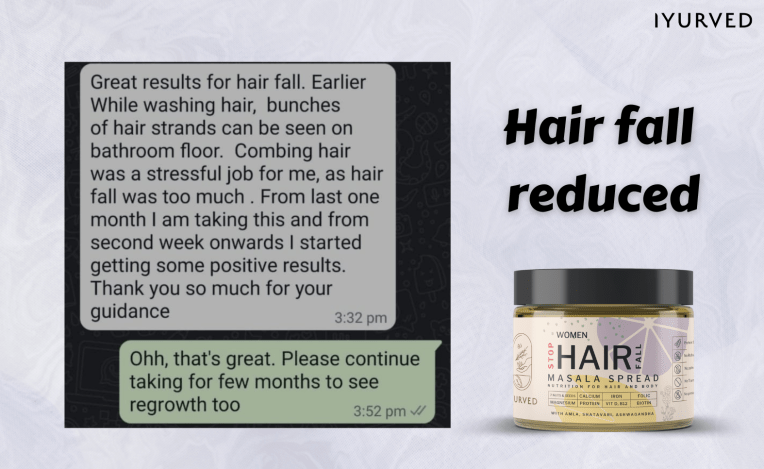
Hair fall after delivery / Postpartum Hair LOSS:

Postpartum hair loss commonly referred to as “Postpartum Shedding,” is the severe temporary hair loss that occurs after delivering a baby. In the first two to six months after giving birth, many new mothers notice a considerable rate of hair loss. The body’s hormonal changes, specifically the decrease in oestrogen levels, are what cause this consequence of pregnancy after childbirth. In medical terms, it is referred to as “Telogen Effluvium” or “Postpartum Alopecia”.

Why Hair fall after delivery:
  • Hormonal changes
  • Postpartum stress
  • Lack of sleep
  • Demand for caring for the newborn
  • Lack of nutrition or proper intake of food

Tips to Stop POST PARTUM HAIR LOSS:

  • Having a nutritional diet – including plenty of protein and iron, fruits, dark leafy vegetables, potatoes, carrots, nuts and seeds is essential
  • Yoga and meditation for a stress-free life
  • Have an 8-hr good night’s sleep
  • Avoid trendy and tight hairstyles that stretch your follicles
  • Avoid rough brushing and drying of the hair
  • Proper hair care routine
  • Supplements rich in –  iron, calcium, vitamin B, vitamin C

Foods to stop POST PARTUM HAIR LOSS:

1. Peanuts: 

Peanut is high in protein. As we know, protein is key to building tissues required by every organ of the body, repairing and maintaining body cells, and hormones and supplying energy. Calcium, Manganese, Magnesium, Phosphorus and Protein in peanuts together work on making the bones strong, which is very important for females especially after delivery. It contains high amounts of Vitamin B2 and B3, which is vital in maintaining the body’s energy supply.

Also, check Natural ways of Hair fall control

2. Almonds: 

Almonds carry a wide variety of healthy nutrients which promotes your mood and nourishment to the body and hair. They are considered to be a quick source of energy. Moreover, they contain healthy fats, protein and fibres. High in calcium, magnesium, omega 3, copper, and antioxidants, almonds help to improve digestion, immunity, blood circulation, bone health, hair health and brain health.

3. Cashewnut: 

Cashew nuts are a rich source of copper that helps eliminate free radicals from the body. Also good for hair, helping it remain bright and strong. In addition, copper also is an essential part of many enzymes that help provide colour to the hair.  It has a high level of dietary fibre and high energy density, which helps in weight management too.

4. Hazelnuts: 

The rich source of dietary fibre, folate, and manganese make for a power-packed food item. They are an excellent source of Vitamin E and phenolic compounds which help in decreasing inflammation and blood cholesterol.

5. Seeds: 

Seeds, on the other hand, have a great amount of calcium, magnesium, omega 3, copper, and antioxidants in it. Overall, this category of foods is important to improve digestion, immunity, blood circulation, bone health and brain health.

Also, check Reason for Post partum Hair loss

 6. Moringa:

Drumstick tree leaves or moringa are highly recommended to mothers after their delivery. These leaves are one of the healthiest diet foods as it is an excellent source of protein, vitamin B, vitamin C, iron, vitamin A, magnesium and fibre. It helps in boosting moods, helps skin and hair, reduces constipation, and improves bone health and eye health. Additionally, it affects increasing breast milk. Though it’s better to eat fresh moringa leaves, soaking moringa powder in water and drinking it can help ensure that nutrients are absorbed more effectively.

7. Amla:

Amla is a storehouse of antioxidants. It is one of the richest sources of vitamin C, which is known to boost immunity. Amla has antibacterial and astringent properties that boost immunity. It has detoxifying qualities which help to reduce cholesterol levels. In addition, it has anti-inflammatory properties which remove free radicals and help to restore hormonal balance in the body.

Also, check Reason for hair fall and remedies to treat it

8. Ashwagandha:

As an antioxidant, boosting immunity is one of the most popular benefits of Ashwagandha. The root activates and increases the levels of enzymes and macrophages, a type of white blood cell that kills bad viruses and bacteria. It also promotes the development of antibodies, which is a major factor in improving the body’s response to a health-threatening infection.

9. Shatavari:

Shatavari is an Ayurvedic herb containing multifold health benefits for women. It contains vitamins A, B1, B2, C, E, calcium, magnesium, and folic acid. Flavonoids in it help regulate cellular activity and fight off free radicals that are the primary cause of oxidative stress. Shatavari also helps in balancing the hormones and thereby prevents PCOS. Shatavari actively boosts collagen production in your body, diminishing wrinkles, and fine lines and promoting healthy hair growth.

10. Biotin:

Biotin is a water-soluble vitamin that’s a part of the vitamin B family. It’s also known as vitamin B7. Your body needs biotin to help convert certain nutrients into energy. It also plays an important role in the health of your hair, skin, and nails.

11. Jowar: 

Jowar flour is a great source of protein, unsaturated fats and dietary fibre, packed with B Vitamins, and minerals like iron, magnesium, calcium, zinc, potassium and phosphorus.  It also contains antioxidants. The high dietary fibre content eases digestion and improves appetite.  It also strengthens the bones and teeth.

12. Vitamin D:

Vitamin D helps the body to absorb calcium and works with it to build strong bones. It moves calcium from the intestine to the bloodstream and into the bones. Very low vitamin D can lead to soft bones and also increase the risk of bone fracture.

13. Vitamin B12:

Also known as Cobalamin is important for the production of blood cells and to sustain healthy nerve cells in the body. Vegetarians and vegans may not obtain enough vitamin B12 in their meals and may need to take a B12 supplement. Vitamin B12 shortage can lead to several symptoms including weakness, exhaustion, constipation, a decreased appetite, and weight. Failure to meet the minimum requirements can also have negative effects on the nervous system and can lead to mental illnesses such as confusion, depression and dementia.

Also, check 9 Extremely Effective Hair oil

15. Folic acid:

Vitamin B9, also known as folic acid or folate, is an essential component for the growth and development of the human body. Folate aids in the formation of DNA and RNA, as well as protein metabolism. Dietary folate is also necessary for the production of healthy red blood cells. And it is especially important in times of fast growth, such as during pregnancy and the development of the fetus.

16. Vitamin C: 

Our body does not produce vitamin C and hence it becomes necessary to consume it through foods. Vitamin C helps heal the wound as it repairs body tissues. It also helps in the absorption of iron in the body. Vitamin C helps build up your immune system by increasing the production of white blood cells, which fights infections. 

17. Aloe vera:

The Aloe Vera plant is water-dense. It is the best way to detox your body. This plant keeps the body hydrated and provides a way to flush out impurities. It is a rich source of antioxidants, which helps fight free radicals and lowers oxidative stress on your body. Aloe Vera is proven to clean toxins from the liver. It also decreases irritation in the stomach and intestine.

Also, check Foods and remedies to treat Grey hair in kids

18. Sunflower lecithin:

Lecithin is a mixture of fats that are essential to cells in the human body. Sunflower lecithin is made by dehydrating a sunflower. Lecithin is essential to your body. Sunflower lecithin is rich in choline and other essential fatty acids such as phosphatidylinositol. It has been shown to help with acne and improve liver function. Also improves cholesterol levels, arthritis, and high blood pressure.

19. Antioxidant: 

Antioxidants are compounds produced in your body or naturally found in some foods that scavenge or neutralize the effects of cell damage by potentially harmful molecules known as free radicals. Eating a diet rich in antioxidants or antioxidant-rich foods helps to fight oxidative stress and reduce the risk of many chronic diseases.  

20. Rice bran oil:

Rice bran oil is extracted from rice bran, the outer layer of the rice grain. It is a good source of unsaturated fat; vitamin E and vitamin K. Rice bran oil helps in lowering cholesterol and blood pressure and also manages blood sugar. It also enhances your immune system and promotes skin health.


PRODUCTS:

It’s no SECRET that following an Ayurvedic lifestyle has numerous advantages. This unique collection of Ayurvedic spreads is an easy solution to feed daily nutrition for Immunity, Eye, Brain development, Bone strength and overall growth to kids without any fuss. To know more about kid’s ayurvedic foods –SHOP HERE.
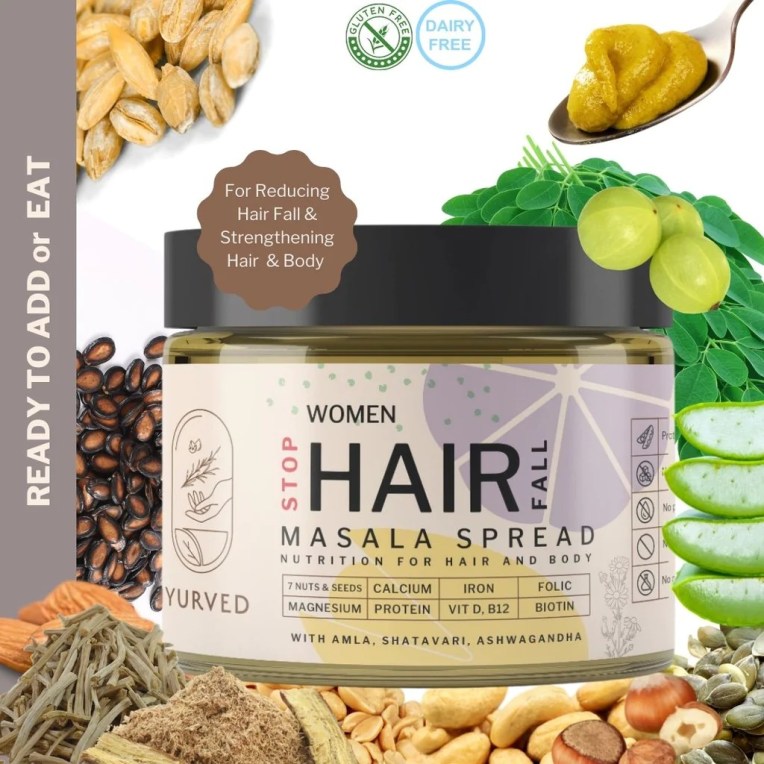
India’s First Tasty Kids Nutrition fortified with Ayurvedic herbs.

To stop Post Partum Hair Loss & Strengthen Hair & Body, give Women Stop Hair Fall Masala Spread | 0% Preservatives | 0% Refined Sugar | 0% Palm oil | With SHATAVARI, ASHWAGANDHA, AMLA, MORINGA, ALOE VERA | ORDER |


CHECK MORE PRODUCTS FOR:

Immunity, Gut health, Digestion, Weight, Brain development, Speech delay, Epilepsy, Eye health, Hormones, Sleep, Hyperactivity, Bones and Overall growth

foods for breast milk

read more blogs

Migraine in kids

migraine headache

You may be wondering why only one side of the head feels painful!! Or,You may have a headache if you are out in the sun, hear some noise, or are sensitive to smell and touch. You are undoubtedly dealing with a migraine headache. But did you realise that your child may also face migraine headaches?

Yes!! Children may also suffer from migraine. Their migraine headache may last from 1 hour to 6 hours and can linger up to 1-3 days. 3% of preschool children, 4% to 11% of elementary school-aged children, and 8% to 15% of high school-aged children suffer from migraine. Repetitive and painful headaches not only affect your children’s health, but also their academic performance and overall personality development. Read on to know more about symptoms of migraine in children, natural ways to reduce migraine headache and foods that help in relieving migraine headache.

WHATSAPP for concerns like Speech Delay, Low Weight, Frequent Illness, Hyperactivity, Low Concentration, Weak Eyesight, Improper Sleep, Pigmentation, Pores, Face Marks, Fine Lines , Lactation etc.

Also check, HEADACHE IN KIDS: 7 PROVEN FOODS THAT CAN HELP

WHAT IS ACTUALLY MIGRAINE HEADACHE?

When there are complex alterations in neurological activity of the brain, it may end up hindering the normal thinking patterns of a person and also cause headaches. The child may suffer light migraine that occurs once or twice in a month upto more than 15 headaches in a month which can be called as chronic migraine. Children may also develop this because of their family history of migraine.

It is most commonly seen in girls who are reaching the age of puberty where they undergo hormonal and body changes.

causes of migraine:

Initially, migraine was explained as a result of blood vessels changing their size causing irregularities in the blood flow. Recently, migraine headache is explained as a disorder of the brain that affects brain, blood vessels as well as nerves. This disorder is caused by release of chemicals such as serotonin in the brain. Because of these changes, the inflammation and headache of migraine are prevalent.

Symptoms of migraine headache in children:

Migraine comes with some of the symptoms like stomach pain, head banging in infants, sensitivity to light, sound and touch, vomiting, diarrhoea, urinating a number of times, intense headache, hitting the head, urge to sleep more, nausea, sweating too much and dehydration. 

Common reasons for migraine in children:

Also check, SKIN AND HAIR CHANGES AT PUBERTY

Tips to relieve MIGRAINE:

1. Regular Sleep Cycles

Not having good sleep patterns such as not sleeping on time, sleeping in the day, waking up late etc may trigger migraine headache in children. Thus by fixing the sleep pattern of the child, migraine can be reduced.

2. Hydration

Dehydration is a cause of migraine headache in kids. Try to remind them to drink more water regularly. Giving colourful bottles may help in this.

3. Ice packs

Putting an ice pack on the head, scalp, forehead and neck heals the pain from the headache. The ice pack helps to lower the flow of blood thus prevents attacks. Cold water bag or wet towel can also do the job.

4. Stay away from bright light and loud noise

Bright light and sound may worsen the migraine. Hence, staying away from the same for sometime and resting in a dark silent room may help relieve headache.

5. Involve in physical activity and meditation

Physical exercise releases endorphins in the brain which help to suppress some kinds of pain in the body. Meditation can help in calming down the mind. Motivate children to do some outdoor activities, meditation and involve them in small small exercises. 

Also check, 6 SMART WAYS FOR POSTPARTUM WEIGHT LOSS

6. Head massage

A nice head massage, also with oil aids blood circulation which may help in reducing the headache.

7. Hot water bath

Taking a hot water shower along with an ice pack on the neck helps in reducing migraine pain. The hot and cold combination works really well in healing migraine attacks.

8. Nature therapy

Roaming in natural fresh air and walking in greenery help to soothe the mind and relaxes the mind.

Ingredients/herbs that help TO REDUCE migraine headache:

1. Lemon balm 

Lemon balm may be useful in treating tension headaches, especially if they’re happening as a result of stress. Its relaxing properties can help you to release tension, and relax your muscles. It also helps to open up and relax tight blood vessels, which can contribute to headaches.

2. Chamomile

Chamomile is a feathery aromatic leaf that helps to prevent and treat headache and migraine. It contains parthenolide and some other compounds which get in the way of serotonin and prostaglandin which help to dilate the blood vessels and in turn help in reducing migraine triggers. 

Also check, 10 PROVEN HEALTH BENEFITS OF CHAMOMILE

3. Ginger

It contains natural oil. The chemical compounds in this oil, which include gingerols and shogaols have anti-inflammatory and pain-relieving effects. Ginger extracts may also increase serotonin (happy hormones). Increasing the serotonin levels in your brain may help stop migraine by reducing inflammation and restricting blood vessels.

4. Peppermint

Peppermint is a hybrid herb that soothes the nerves and helps in improving circulation. Drinking peppermint tea can help to relieve migraine headaches.

5. Nuts

Nuts are a good source of magnesium which is proven to soothe head pain by relaxing the blood vessels. They are packed with antioxidants, protein, calcium, fiber, potassium, and healthy fats like omega 3. Nuts are a good source of vitamin E  that research has shown can help control migraines. Some of the nuts that you should include in your child’s diet are almonds, cashew nut, walnut and hazelnut

6. Seeds 

Seeds are rich in  omega3 fatty acids, which can reduce the production of molecules and substances which results in inflammation that may cause headaches. It also contains a decent amount of magnesium which may help prevent blood vessel spasms. Few seeds to include in your kids diet are sunflower seeds, pumpkin seeds, melon seeds and chia seeds.

7. Green leafy vegetables

Green leafy vegetables such as spinach, and kale are rich in vitamin B-9 and magnesium. These nutrients help in relieving headaches of migraine

8. Sweet potato

Sweet potato is rich in beta carotene, vitamin-C, manganese, potassium, copper, niacin, vitamin B-6 and B-12 which are natural antioxidants and anti-inflammatory substances which help to reduce headaches of migraine.

9. Beetroot

Beetroot are rich in manganese, potassium, vitamin C and folic acid which are proven nutrients for migraine treatment.

10. Dark chocolate

Dark chocolate may contain magnesium and it helps to reduce stress and relax the mind.

Products:

It’s no SECRET that following an Ayurvedic lifestyle has numerous advantages. This unique collection of Ayurvedic spreads is an easy solution to feed daily nutrition for Immunity, Eye, Brain development, Bone strength and overall growth to kids without any fuss. To know more about kid’s ayurvedic foods –SHOP HERE.

food for brain

India’s First Tasty Kids Nutrition fortified with Ayurvedic herbs.

For Migraine in Kids, give Kids & Teens Sleep Well Chocolate Spread | 0% preservatives | 0% refined sugar | 0% palm oil | Fortified with LEMON BALM, CHAMOMILE | ORDER |


CHECK MORE PRODUCTS FOR:

Immunity, Gut health, Digestion, Weight, Brain development, Speech delay, Epilepsy, Eye health, Hormones, Sleep, Hyperactivity, Bones and Overall growth

what is the down's syndrome

READ MORE BLOGS:

Thyroid in kids

thyroid gland

Thyroid is the most common endocrine disorder among school-age kids. On average, 37 out of every 1,000 kids are thought to have thyroid problems. It is quite prevalent among girls, with roughly 1 in 300 girls being affected. Even though thyroid disease is mostly seen in adults, it can also occur in newborns, infants, children and teens as well affecting the thyroid gland. While some of the symptoms may be similar in adults, it can be challenging to detect thyroid disease in children. Read more to check causes, symptoms and foods that can help to manage thyroid in kids.

WHATSAPP for concerns like Speech Delay, Low Weight, Frequent Illness, Hyperactivity, Low Concentration, Weak Eyesight, Improper Sleep, Pigmentation, Pores, Face Marks, Fine Lines , Lactation etc.

What is thyroid?

Thyroid gland is a gland which is present at the front side of the neck. Adam’s apple is present just above the thyroid gland. Thyroid gland secretes hormones called T3 and T4 hormones. These are responsible for regulating the metabolic rate of the body, controlling digestion, heart and muscle function, brain development and also maintaining bone health. So, any irregularities in this gland may cause imbalance in the whole body function.

Thyroid gland disorder in children:

It’s all in the right amount of hormone secretion by the thyroid gland. If it secretes too much thyroid hormones, the condition is called hyperthyroidism and when it secretes too little hormones, it will result in a condition called hypothyroidism in kids. Both of these disorders can affect the child’s growth, mood, health, learning ability and concentration. Hashimoto’s thyroiditis (HT), is a disease which typically causes hypothyroidism, is the most occurred thyroid disease in children.

Also, check Bloating: Tips and foods that help

Symptoms of thyroid in kids: 

These most common symptoms listed here can help to relate if your child is having thyroid disorder.

  1. Hypothyroidism: 

In the case of kids with hypothyroidism, their thyroid gland is producing either too little hormones, a condition known as primary hypothyroidism, or the thyroid gland is not stimulated properly, a condition known as secondary hypothyroidism. Symptoms include constipation, rough dry skin, slow growth, fatigue, cold intolerance, bruising, too much sleeping, bone fracture, delayed puberty etc. Sometimes, the child with thyroid issue is overweight or obese and shorter in height.

  1. Hyperthyroidism: 

In case of hyperthyroidism, the thyroid gland produces high amounts of hormones which may be because of overactivity or overstimulation of gland. The symptoms include, shorter attention spans, tremors, weight loss, emotional breakdowns, increased appetite, goitre(enlarged thyroid), less blinking, upper eyelid lag, excessive sweating, muscle weakness,high blood pressure etc.

DISEASES ASSOCIATED WITH THYROID IN KIDS:

Thyroid gland disorder can also cause other endocrine disorders such as tumours in pituitary gland, diabetes mellitus, and tumours in adrenal gland. It may also include some of the symptoms such as increased or decreased blood sugar level, white discharge from breast, vision problem, early puberty, headache, high BP or low BP. 

Thyroid may also lead to some of the health complications in kids such as myxedema (hypothyroidism condition resulting in skin swelling), infertility during adulthood, puberty delay, heart complications and even thyroid cancer.

Also check, DIABETES IN KIDS: 6 FOODS TO MANAGE THEIR BLOOD SUGAR

Foods to avoid with hypothyroidism

  1. Soybean and soybean products: 

Soybean contains isoflavones, compounds that negatively affect the thyroid affected child. It may increase the risk of hypothyroidism. It interferes with the absorption of thyroid medication.

  1. Cruciferous vegetables:

Cruciferous vegetables include brussel sprouts, cabbage, cauliflower, broccoli, kale, turnip etc. These are definitely full of nutrients and fibre rich but they may affect the thyroid’s ability to produce the hormones, especially if your child is iodine deficient.

  1. Gluten:

Gluten found in some of the cereals such as wheat and rye, and their products may hamper the absorption of medication given for thyroid in the small intestine. The condition may get worse if the child is suffering from gluten intolerance along with hypothyroidism. (Also check, WHAT IS GLUTEN FREE MEANS: A GUIDE TO A GLUTEN FREE DIET FOR KIDS)

  1. Sugar and fatty foods:

Usually thyroid disorders are associated with overweight and obesity. So, it’s very important to take care about how much sugar or fatty foods your child is gulping down. These junk foods may also hamper the production of thyroid hormones.

  1. Fibre rich food in excess:

Consuming fibre rich foods is good. However, too much fibre consumption in terms of whole grains, vegetables, fruits, beans and legumes may affect the absorption of medication in the intestine.

Foods to avoid with hyperthyroidism

Too much iodine consumption can worsen hyperthyroidism. Hence, children with hyperthyroidism should avoid or limit eating iodized salt, fish and shellfish, dairy products, egg yolk, seaweed, baked goods and products with soy, gluten and caffeine.

Foods that help To manage thyroid in kids

Ashwagandha:

Ashwagandha is a medicinal herb that has magical healing properties. It can boost the thyroid hormone production from the thyroid gland. Hence this herb can be used to treat hypothyroidism. But, because of this thyroid stimulating property, it is not advisable for children with hyperthyroidism. 

(Also check HEALTH BENEFITS OF ASHWAGANDHA FOR KIDS AND TEENAGERS)

Brahmi:

Brahmi is a powerful medicinal herb. It can stimulate the activity of the thyroid gland by raising the level of production of T4 hormone. Hence it is useful for hypothyroidism.

Shankhpushpi:

Shankhpushpi is a herb that finds use in many Ayurvedic medicines. It has the ability to suppress the thyroid gland function and reduce hormone production. Therefore, it is very useful for treating hyperthyroidism.

Nuts and seeds:

Nuts and seeds such as cashew nuts, almonds and pumpkin seeds, Brazil nuts, macadamia nuts and hazelnuts are rich in iron and selenium. These nutrients can help in proper functioning of the thyroid gland.

Vitamin E: 

Vitamin E is essential for optimal thyroid function. If the child is deficient in vitamin E, it may negatively affect the thyroid gland and increase the risk of developing thyroid disease.    

Also, check TOP 10 BENEFITS OF VITAMIN E FOR SKIN AND HAIR

Rosemary extract: 

Rosemary is a woody herb belonging to the mint family. Many thyroid treating tablets include rosemary as a part of it. This might be because the rosemary stimulates thyroid hormone receptors. It has powerful antioxidants that help in reducing joint pain, hair loss and other symptoms of thyroid.

Himalayan pink salt: 

Since Himalayan pink salt is rich in iodine and lower sodium level, it helps to boost the thyroid gland function and can be effective in curing hypothyroidism.


READ MORE BLOGS:

PCOS And GUT Health: How is it connected?

what pcos means

PCOS affects women during the age group of 15-44 years. Between 2.2 and 26.7 percent of women in this age group have PCOS. If you are experiencing irregular periods, infertility or excessive facial hair, then probably you are suffering from PCOS. It is the most common endocrine disorder in women around the world. In this article, you will learn about what pcos means and what is the connection between pcos and your gut health.

WHATSAPP for concerns like Speech Delay, Low Weight, Frequent Illness, Hyperactivity, Low Concentration, Weak Eyesight, Improper Sleep, Pigmentation, Pores, Face Marks, Fine Lines , Lactation etc.

What does PCOS means?

PCOS means Polycystic ovary syndrome which is a widespread health problem that affects 6% to 20% women of reproductive age. The incidence of PCOS has increased dramatically in the recent years, one of the main reasons being poor lifestyle.

The three main features of PCOS are:

  • Irregular periods: it means that your ovaries do not release eggs regularly
  • Excess androgen: more than normal levels of androgen(male hormone) which results in excess facial or body hair and Acne
  • Polycystic ovaries:  a condition in which ovaries become enlarged and contain many fluid-filled sacs that surround the eggs.

Being overweight or obese increases your chances of getting PCOS. Few common symptoms include swelling, weight gain, hair loss, acne, less frequent periods and infertility. 

What Causes PCOS?

Doctors can’t say for sure what causes it, but PCOS seems to be related to an imbalance in a girl’s or woman’s hormones . Though PCOS is mostly linked to an imbalance in hormones, have you ever thought about what causes this hormonal imbalance? An unhealthy or leaky gut might be the main reason for hormonal imbalance. Let’s see how.

Also check, What are some foods to manage hormonal imbalance?

Connection between Gut health & PCOS:

What does gut health have to do with PCOS? The answer is EVERYTHING. According to recent research, PCOS is associated with some degree of chronic inflammation. This chronic inflammation leads to weight gain (particularly around the abdomen) and insulin resistance. It also leads to GUT Dysbiosis, which is an imbalance of good and bad bacteria in the gut. In other words, women with PCOS have less good bacteria and more harmful bacteria than normal.

Additionally, many women diagnosed with PCOS also suffer from a Leaky Gut. Leaky gut occurs when the lining of the gut allows food particles and toxins to pass through into the bloodstream, causing inflammation and insulin resistance. This again stimulates a systemic, low-grade inflammatory response. Probably this is the reason why leaky gut is so common among women suffering from PCOS. So getting your gut health back to normal becomes extremely important for women with PCOS conditions.

Foods to improve Gut Health:

Diet is extremely important to improve your gut health. A healthy diet of unprocessed foods, limited alcohol, and high fiber will help to produce an environment for good bacteria to thrive. Additionally, a good prebiotic supplement will help to replenish gut microbes and hence should be taken regularly. 

Studies have shown that probiotics (which are live microbes or healthy-gut bacteria) and prebiotics (food for good bacteria) have positive effects on improving hormonal balance and reducing inflammation in women with PCOS. Check scientific study here:

HOW PREBIOTIC GUT DRINK WILL HELP WITH PCOS?

Prebiotic can help you improve your hormonal imbalance and reduce inflammation by healing your gut. Here is the simplest way to get your daily dose of prebiotics.

1 serving of PREBIOTIC GUT DRINK will provide prebiotic essential for healthy gut.

India’s First Tasty Kids Nutrition fortified with Ayurvedic herbs.

For improving Gut health | Family PREBIOTIC GUT DRINK | Made with Guar Beans | Prebiotic Fiber | Plant Sweetener | 0% preservative | 0% Artificial Colour | 100% Natural | No refined sugar | ORDER |

INGREDIENTS OF PREBIOTIC GUT DRINK POWDER:

(1) FRUCTO-OLIGOSACCHARIDES (FOS):

Fructooligosaccharides (FOS) are an excellent source of prebiotics that promote growth of healthy gut bacteria. Hence, Prebiotics play an important role in weight management, lowering blood sugar and maintaining insulin levels.

(2) PARTIALLY HYDROLYZED GUAR GUM:

Guar gum is a fiber made from guar bean or Indian cluster bean. Partially hydrolyzed guar gum is derived from guar gum by the process of enzymatic hydrolysis. It is a water soluble dietary fiber and helps to regulate gut function. Consuming PHGG can help to improve metabolic health and fertility.

(3) CITRUS FRUITS:

Lemon and orange are the two best sources of citric acid or vitamin C. Vitamin C is one of the most important vitamins for PCOS and has many health benefits. Women with PCOS have increased levels of oxidative stress (imbalance of free radicals). As an antioxidant, Vitamin C helps to prevent free radical damage to healthy cells.

For scientifically proven studies by NIH, Check here.

(4) STEVIA

It is a great sugar alternative for refined sugar and is highly beneficial for women facing hormonal issues. It’s sweet and safe (approved by FDA) in its natural form. Stevia has no carbohydrates, calories or any artificial ingredients and is called a “zero-calorie” sweetener. (What are other sugar alternatives?)

(5) PAPAYA

Papaya contains carotene that helps induce period naturally and hence including papaya in diet can benefit women with PCOS.

To know the meaning of gut-healthy foods, check here.


CHECK MORE PRODUCTS FOR:

Immunity, Gut health, Digestion, Weight, Brain development, Speech delay, Epilepsy, Eye health, Hormones, Sleep, Hyperactivity, Bones and Overall growth

what is the down's syndrome

Read more blogs:

Skin and Hair Changes At Puberty

changes at puberty Iyurved

Do you miss having a clean, fresh face like you had when you were a kid? Have you ever wondered why your skin, like your body, has changed as you have grown up? Yes!! The most visible and noticeable changes in skin occur as a result of hormonal changes in the body. Between childhood and maturity, there is a period known as puberty. A child’s life changes dramatically in this era, both physically and emotionally. Teenage is the time in a person’s life when he or she matures sexually. Teenagers undergo several physical and physiological changes during puberty. It is a natural process that occurs between the ages of 10 and 14 for females and 12 and 16 for males. This read will take you through the changes that take place in the body during puberty and foods that help to manage them.

PHYSICAL CHANGES IN GIRLS AND BOYS During puberty

1. BODY SIZE:

Body size of boys starts increasing. You may observe that legs, arms, hands, feet are growing faster than the rest of the body. This sometimes makes a teen feel awkward but, frequent growth spurts are absolutely common in boys as they enters puberty phase.

2. BREAST GROWTH:

The upper body muscles begin to develop. Some boys may experience swelling in the breast area. The reason for this is only hormonal changes. It is a temporary condition which is common in teenage boys. Encourage him to start some regular exercises. It will help in growth.

3. VOICE CHANGE:

As a boy enters puberty phase, his voice may change. If you feel that your boy’s voice is cracking, he is going through the natural effects of male puberty. His voice will become deeper in some days.

4. HAIR GROWTH:

Boys get hair growth around genital area. They will also start having hairs on face (Beard and mustache), under their arms, and on legs. Boys generally love this change as they considered facial hairs as sign of manhood.

5. ACNE:

The most common issue is Acne. Almost all teenagers weather boys or girls face break out with pimples from time to time. It is caused as glands in the skin start producing natural oils called sebum. This happens because of increase in puberty hormones in male or boys. This extra sebum clog the skin pores which results in acne.  

6. BODY ODOR:

It is considered as one of the earliest sign of puberty. Boys begin to sweat profusely because of hormonal changes. Sweat itself has no smell. It is just odorless salty water. But the sweat glands located under the arms in the groin produce sebum which get mixed with sweat and make the kids stink.

7. TESTICLES AND SCROTUM:

As the body grows, some changes can be seen in their testicles and scrotum too. It is a natural process just as girls get their periods. The body is getting ready for the process of reproduction.

Physiological Skin changes at puberty:

During puberty, the body produces an increase in reproductive hormones such as estrogen, progesterone, and testosterone. These three hormones are in charge of puberty and are responsible for stimulating the sebaceous glands. These glands produce and secrete an oily substance known as sebum. Sebaceous glands grow in size and begin secreting sebum at the start of puberty. During puberty, these glands become overactive and produce excessive sebum, resulting in oily skin, clogged follicles, dead skin cells, and acne.

Acne is one of the most common skin conditions during puberty, but its severity varies greatly depending on hormone imbalances, genetics, and environmental factors. Puberty acne appears mostly on the back, upper chest, neck, shoulders, and, most commonly, the face during puberty.

Few tips to deal with skin changes at puberty:
  • Harsh scrub should be avoided. Acne-prone skin should be washed with gentle cleanser and warm water. Pat with a soft cloth. Repeat one to two times per day.
  • Oil based products which are known to clog pores should be avoided.
  • Sun protection and moisturizer should be used.
  • Picking, squeezing or popping acne lesions should be avoided.
  • Eating right.

Physiological hair changes at puberty:

Just as like your skin, puberty affects the hair too. As previously stated, our bodies contain glands that produce oil (sebum) to moisturize our hair. During puberty, hormonal changes cause these glands to become overactive, resulting in more sebum (oil) secretion than is necessary. Excess oil secretion results in an oily scalp or hair. Because of these things, teenagers and pre-teens find it annoying and even upsetting. On the contrary, some teenagers during puberty may experience skin and hair dryness due to decreased sebum secretion.

Few tips to deal with hair changes at puberty:
  • Proper hair care can help to regulate the excess oil.
  • Gentle hair wash with less harsh hair care products.
  • The frequency of shampooing varies based on hair types as oily hair washing should be at least 3 times per week.
  • Regular use of natural conditioners is also a good way to keep your hair healthy.
  • Eating right.

HORMONE BALANCING FOODS to manage changes at puberty:

1. MANJISHTHA:

Manjishtha is a powerful blood cleanser. It detoxes and purifies the blood. Apart from that, it aids in the removal of blood flow obstructions and promotes great blood circulation. This aids in the treatment of acne. This herb also helps to lift your spirits, leaving you peaceful and relaxed. It elevates your mood by increasing Dopamine levels in your blood (a neurotransmitter that regulates brain activity). Manjishtha’s anti-stress and nootropic properties aid to keep your mind at ease. It also helps in managing hair problems like dandruff, greying of hairs and hair fall.

2. TURMERIC:

Turmeric’s anti-inflammatory qualities are well-known. Furthermore, it aids in the management of hormone imbalances by regulating estrogen metabolism. It provides excellent liver support. Curcumin, the main ingredient in turmeric, has been found in studies to help the liver detoxify. This improves the liver’s ability to flush out harmful poisons that cause hormone imbalances. It is quite important. Curcumin has also been shown to help with puberty initiation in the event of delayed puberty in a few trials.

3. NEEM:

Neem offers a variety of medical characteristics and benefits in addition to balancing hormones. It is a powerful antioxidant that aids in the cleansing of the blood. This herb is an excellent hormonal acne treatment as well as a potent healer. It treats acne-prone skin that has been plagued by several ailments since adolescence. Neem also possesses anti-inflammatory, astringent, and antibacterial qualities, which aid in the treatment of hormonal acne.

4. NUTS:

For your hormones to function properly, the right amount of good fat is essential as your hormones thrive on fat production. Nuts such as peanut, cashew, and almonds are good sources of the same. Almonds have great estrogenic activity. Therefore, it impacts our endocrine system and regulates our major body glands. Whereas, cashews and peanuts have healthy phytoestrogens.

5. SEEDS:

Sunflower, pumpkin, and melon seeds are excellent sources of healthy fats. Vitamin E, antioxidants, magnesium, zinc, potassium, and vitamin K are all abundant in them. They help in balancing body’s estrogen and progesterone levels. Not only that, but they’re beneficial to your overall health because they aid digestion, cell growth, and keep your nervous system in good shape.

SCIENTIFIC RESEARCH ON INGREDIENTS FOR HORMONE BALANCE:

Manjistha: There is convincing scientific evidence that a Manjistha helps in making the skin complexion even, cure acne and lighten dark spots. Read here.

Neem: There is wide research on the role of Neem in reducing acne and hair fall. Read here.

Turmeric: There is scientific evidence that supports the claim that turmeric helps in reducing acne. Read here.

FOODS TO AVOID:

REFINED SUGAR:

Refined sugar and carbs can cause substantial hormonal imbalance. Sugar causes the body’s most critical hormone, Insulin, to malfunction. Insulin interacts with a number of other hormones in the body, including estrogen and testosterone. Furthermore, it depletes vitamin B levels in the body, leading to anxiety and sadness over time.

Greatest source of sugar in the average kid’s diet are sugary snacks and beverages like cookies, cakes, candies, fruit juice, soda, and sports drinks. Everything that the child picks up to eat today has strains of added sugar in some form or the other.

PRESERVATIVES: 

Most of the packaged food companies are adding artificial preservatives to delay spoilage and contamination in foods.  To clearly define, artificial preservatives such as nitrates, benzoates, sulphites, sorbates, parabens, formaldehyde, BHT, BHA and several others can cause serious health hazards. Hormone imbalances, hypersensitivity, allergy, asthma, hyperactivity, neurological damage are some hazards.

REFINED OIL: 

Broadly speaking, all natural and useful elements are removed from oil during the refining process. This is bad for your hormones, digestive system, and respiratory system, and ultimately has a negative impact on your general health.

RECIPE: CARAMELIZED MAKHANA WITH HIDDEN NUTS AND HERBS

Let’s make every dish tasty and nutritious by ‘hidden’ nutrition of veggies, herbs and nuts.

Check the Recipe made with Ayurvedic spread by Iyurved- DAILY NUTRITION spread.

CHECK MORE HEALTHY RECIPES LOVED BY KIDS.

PRODUCTS:

We are happy to introduce our range of nutritious & tasty products for kids!!

We know that preparing and feeding healthy foods everyday is a huge task. Even more tough when kids are picky eaters. Kids prefer certain foods and formats. It is not easy to feed kids bitter Ayurvedic herbs, variety of vegetables, fruits, nuts and seeds everyday.
Mixed with Ayurvedic herbs, this unique Ayurvedic chocolate spread is an easy solution to feed daily nutrition for Immunity, Brain development, Bone strength and overall-growth to kids without any fuss.

India’s First Tasty Kids Nutrition fortified with Ayurvedic herbs.

If your child is going through the puberty phase, you can give Teens Acne Treat Chocolate Spread | MANJISTHA | TURMERIC | NEEM | ORDER | 0% Preservative | 0% Palm oil | 0% Refined Sugar

Check more products for: Immunity, Gut health, Digestion, Weight, Brain development, Autism, Sleep, Hyperactivity, skin, Bones and Overall growth

(shipping in India and Singapore only)


Read more blogs:

5 Home Remedies and Foods to Cure Bedwetting

treatment for bedwetting

You might have potty trained your baby, despite that bedwetting can occur in your child. Medically known as Nocturnal Enuresis, it can be easily defined as nighttime bedwetting beyond age 5. It is a condition wherein the child unknowingly passes urine during sleep. We have seen babies or infants urinating frequently. It happens because the link between the brain and bladder has not fully formed in babies and toddlers. As the bladder feels full it releases urine. As they step into toddler age they only urinate during walking hours and as they reach the age of 5 most of the kids stop bedwetting. The connection between the brain and bladder develops as a child grows. But after this age if your child still urinates while sleeping, it is a matter of concern. Bedwetting affects many school age children and even some teens. Though, it’s not a serious problem and after a certain age children usually outgrow it. But still bedwetting is upsetting for both children and parents. Some foods and Ayurvedic herbs can help in treatment of bedwetting in kids.

WHATSAPP for concerns like Speech Delay, Low Weight, Frequent Illness, Hyperactivity, Low Concentration, Weak Eyesight, Improper Sleep, Pigmentation, Pores, Face Marks, Fine Lines , Lactation etc.

Types of nocturnal enuresis

Primary: Child always wet the bed as he/she has never had bladder control at night.

Secondary: A child had bladder control for some period of time (6 months) but due to some conditions later lost that control and now wets the bed.

Also check, 6 Month baby food chart

Causes responsible for bed wetting

Bedwetting occurs due to delay in developments. It can be in one of these areas:

Brain: Unable to figure out that bladder is full during sleep

Bladder: Less space in bladder during night time

Kidney: More urine made during night

Also check, How to introduce solid foods to baby?

Genetics

If any of the parents had this problem in childhood then 40% kids are likely to have this issue. If both parents went through it during childhood then, children would have about 70% chance of having the same problem.

Constipation

The bladder and bowels sit very near to each other in the body. While the child’s bowel is enlarged by an excess of stool, it puts pressure on the bladder. It shrinks the bladder capacity to hold urine and results in accidental bedwetting. It is important to look at the signs of constipation if your child is wetting the bed. (What foods can help to treat constipation?)

Bladder or kidney disease

It may be the case if a child has bladder control problems in both daytime and night time. It happens because of weakened bladder muscles. Bladder Or kidney diseases can be followed up by other urinary symptoms such as pain while peeing or the need to pee frequently.

Neurologic Disease

A spinal cord problem in childhood can develop with growth and can be a reason for bedwetting. Though it is a very rare cause of bedwetting.

Stress

It is one of the most common reasons for secondary enuresis. While moving to a new school or home, losing a parent or experiencing parental divorce or going through any major unpleasant event in life can be a cause of occurring bedwetting.

Deep sleep

Children who wet the bed are often deep sleepers. It is harder for kids with deep sleep to develop an effective signalling system that wakes them up when they need to urinate. While sleeping kids pelvic floor relaxes and bedwetting occurs.

Sleep apnea

While sleeping children with this condition experience partially blocked airways. It can briefly stop their breathing when they are sleeping which changes the chemical balance of the brain and may trigger bedwetting.

Intestinal worm

In many cases intestinal worms are responsible for bedwetting. Treatment for the same can cure bedwetting in kids. (How to deworm kids naturally?)

Other medical conditions

In some cases medical conditions such as diabetes can be a cause of bedwetting in kids. Studies suggested that children suffering from ADHD are more likely to occur bedwetting due to different brain chemistry. Some kids don’t produce enough antidiuretic hormone (ADH) which helps to slow night time urine production. Some medications can also increase the chances of bedwetting.

Foods that irritate the bladder

Some foods irritate the bladder. Recognising these foods and removing them from your kid’s diet can help to stop bedwetting. Carbonated drinks, coffee or tea, acidic fruit juices, tomato based products, chocolate, spicy foods cranberry, sugary foods and drinks are some of the foods that can trigger bedwetting.

Baby poop types and colour: What does it mean?

Things that can help to stop bedwetting
Decrease the number of drinks before bed time

It is important to control the amount of drinks kids have before bedtime. Try to encourage your child to drink more fluids in the morning and afternoon, rather than at night. Make it a part of the bed time routine to urinate before going to bed.

Establish bathroom breaks in the middle of night

Kids are usually deep sleepers. Wake them up to empty their bladder as it may be hard for them to wake up on their own.

Motivate them by giving responsibility

To some extent it is important to motivate the kid to be responsible and independent. If the kid wets the bed, instead of letting them sit there and feeling guilty and ashamed, calmly show them how to change and clean the sheet and the clothes they are wearing.

Also check, Food for kids to gain weight

 Foods and herbs that can help to cure bedwetting
High fiber diet

In treatment of bedwetting, a healthy diet can go way long towards improvement. Constipation is one of the factors responsible for bedwetting. Including fiber rich foods such as whole grains, oats, nuts and seeds, legumes, vegetables and fruits in diet can help to easily flush out harmful toxins from the body and are good to prevent constipation thus stopping or controlling bedwetting.

Magnesium rich foods in diet

According to research children deficient in magnesium might suffer from bedwetting. Lack of magnesium makes the nervous system less responsive. Including magnesium rich foods in a kid’s diet can help in treatment of bedwetting and can control or solve this problem. Sesame seeds, avocado, legumes, tofu bananas are some foods that are high in magnesium. (Magnesium for hormone)

Vitamin D and Omega 3

Studies suggested that foods rich in vitamin D and Omega 3 can help in treatment of bedwetting as it reduce the numbers of wet nights among kids suffering with nocturnal enuresis. Cereals, almonds, bananas, oranges, and mushrooms are high in vitamin D. Nuts and seeds such as flaxseeds, chia seeds, and walnuts are rich sources of omega 3. Studies suggested that including foods rich in vitamin D and omega 3 can help to reduce the numbers of wet nights among children with nocturnal enuresis.

Brahmi

Brahmi has neuroprotective properties. It also possesses antioxidants which have anti stress properties. It helps to improve not only cognitive functions and mental health, but can also help in urinary disorders such as in treatment of bedwetting.

Shankhpushpi

Shankhpushpi has anti- anxiety properties that are capable of treating uneasiness and restlessness and helps in relaxing the mind and body. It’s extremely helpful in improving digestion thus preventing constipation. Presence of bioactive compounds in this Ayurvedic herb helps to prevent worm infestation too. Treating all these concerns contributes in treatment of bedwetting in kids.

Ashwagandha

Ashwagandha has been used to treat stress, weakness and fatigue. All three of them are psychological reasons which trigger bedwetting in kids. Studies have shown that it can reduce the symptoms of stress and anxiety and cure bedwetting. (Health benefits of Ashwagandha)

Home remedies for bedwetting
Cinnamon

Chewing cinnamon bark daily can help to reduce bedwetting tendencies. If child refuse to chew you can fed powdered cinnamon.

Amla

Amla is high in vitamin C and antioxidants. It not only helps to build strong immunity but also prevents urinary and intestinal infections. It is helpful to control sudden urination while sleeping. Mix amla powder in warm water and sprinkle 2 pinch black pepper powder in it. This herbal remedy can slowly cure bedwetting tendency in kids.

Olive oil

Massage the lower abdomen with warm olive oil everyday. It helps to prevent involuntary flexing of the pelvic muscles which is the main cause of bedwetting.

Apple cider vinegar

It is said that apple cider vinegar reduces the acidic level in stomach that irritates the bowel. Bowel irritation is one of the cause of bedwetting. Dilute 2 table spoon of ACV in a glass of water and give it to your kid. to make it less bitter you can add honey.

Jaggery

Jaggery helps to keep the body warm which may minimize the bedwetting tendency in kids. Give your kids a piece of jaggery with warm milk everyday. You can prepare any treat with jaggery too.

Scientifically proven study conducted by NIH

Effect of vitamin D and omega 3 on nocturnal enuresis. Read here


PRODUCTS:

It’s no SECRET that following an Ayurvedic lifestyle has numerous advantages. This unique collection of Ayurvedic spreads is an easy solution to feed daily nutrition for Immunity, Eye, Brain development, Bone strength and overall growth to kids without any fuss. To know more about kid’s ayurvedic foods – SHOP HERE.

what is the down's syndrome

India’s First Tasty Kids Nutrition fortified with Ayurvedic herbs.

For Bed wetting, Mild hyperactivity, Brain Seizures, give Kids & Teens Brain Booster Savoury Spread | 0% preservatives | 0% refined sugar | 0% palm oil | Fortified with SHANKHAPUSHPI, ASHWAGANDHA, BRAHMI | Contains OMEGA 3, CALCIUM, PROTEIN | ORDER |


CHECK MORE PRODUCTS FOR:

Immunity, Gut health, Digestion, Weight, Brain development, Speech delay, Epilepsy, Eye health, Hormones, Sleep, Hyperactivity, Bones and Overall growth


Read more blogs:

लड़कियों में यौवन में होने वाले शरीरिक बदलाव 

Puberty in girls

पैरेंटिंग के दौरान आप अपने बच्चों को बढ़ते हुए देखने के साथ साथ कई चीजों का अनुभव करते हैं। शिशु (0 से 1 वर्ष), बच्चा (1 से 3 वर्ष), प्रारंभिक बचपन (4 से 8 वर्ष), मध्य बचपन (9 से 11 वर्ष) और किशोरावस्था (12 से 18 वर्ष), प्रत्येक चरण के रूप में आप अपने बच्चे में कुछ मानसिक और शारीरिक विकास का अनुभव करते हैं।

पहले तीन चरणों (शिशु, बच्चा और प्रारंभिक बचपन) के दौरान बच्चे आमतौर पर विकास के कई प्राकृतिक शारीरिक परिवर्तनों से गुजरते हैं। बच्चों के ये पहले 8 साल उनके स्वस्थ विकास और आजीवन सीखने के लिए बेहद महत्वपूर्ण हैं। इस दौरान संज्ञानात्मक, सामाजिक, भावनात्मक, भाषा और शारीरिक विकास उनके जीवन में महत्वपूर्ण भूमिका निभाता है। प्रत्येक चरण में एक बच्चे को आपके द्वारा सिखाई गई सीखों और परिवर्तनों को समझने की आवश्यकता होती है जो वे अपने आसपास अनुभव कर रहे हैं। जैसे ही वे यौवन (puberty) के चरण में प्रवेश करते हैं, उनके साथ रहना अधिक महत्वपूर्ण हो जाता है। यह कुछ प्रमुख शारीरिक और हार्मोनल परिवर्तनों का समय है, जो कुछ प्रश्न उत्पन्न कर सकते हैं, जिनका ठीक से उत्तर दिया जाना है, लेकिन मुख्य प्रश्न यह है कि यौवन क्या है और किस उम्र में यौवन शुरू होता है?

यौवन क्या है? यह किस उम्र में शुरू होता है?

यौवन वह समय है जब एक लड़का या लड़की जैविक और शारीरिक परिवर्तनों की एक श्रृंखला से गुजरते हैं। जीवन में इस चरण का अनुभव सभी ने किया है। यह बचपन से किशोरावस्था तक का संक्रमण है। इस चरण के दौरान किशोर अपने शरीर और हार्मोन के स्तर में कुछ बदलावों से गुजरते हैं।

लड़कियों में यौवन अक्सर 8 से 13 साल की उम्र के बीच  शुरू हो जाता है । हालांकि हर लड़की की अपनी अनूठी यात्रा होती है और प्रत्येक लड़की में यौवन का समय अलग होता है, यह निश्चित रूप से लड़कियों में कुछ हार्मोनल, शारीरिक और भावनात्मक परिवर्तन लाता है जो बिल्कुल सामान्य हैं। किसी भी शारीरिक परिवर्तन को देखने के लिए 8 वर्ष की आयु वास्तव में युवा लगती है। इसलिए, अपनी युवा लड़कियों के साथ यौवन के चरणों और महिला प्रजनन प्रणाली पर चर्चा करना थोड़ा अजीब है, लेकिन उन्हें सबसे अच्छी तरह से तैयार करने के लिए परिवर्तन होने से पहले इन विषयों पर उन्हें शिक्षित करना महत्वपूर्ण है। इससे उन्हें परिवर्तनों को समझने और स्वीकार करने में अधिक सुविधा होगी।

लड़कियों में यौवन के संकेत :

स्तन विकास:

यह ज्यादातर लड़कियों में यौवन का पहला दिखाई देने वाला संकेत है। “ब्रेस्ट बड्स”, निपल्स के नीचे छोटे-छोटे उभार, दिखने लगते हैं । बाएं और दाएं स्तन का अलग-अलग गति से बढ़ना सामान्य है। ब्रेस्ट बड्स का कोमल या दर्द होना भी सामान्य है, आमतौर पर समय के साथ इसमें सुधार होता है। इस स्तर पर पहनने के लिए स्पोर्ट्स ब्रा एक अच्छा विकल्प हो सकता है।

शरीर के बाल(प्यूबिक हेयर):

लगभग 15-20% लड़कियों में प्यूबिक बाल यौवन का पहला संकेत हो सकते हैं। ये बाल बाहों के नीचे, जननांग क्षेत्रों के आसपास और पैरों पर बढ़ने लगते हैं। यह लड़कियों में यौवन का एक और संकेत है।

योनि स्राव(वैजिनल डिस्चार्ज):

यह शरीर में एस्ट्रोजन हार्मोन की बढ़ती संख्या का संकेत है। लड़कियों को थोड़ी मात्रा में स्पष्ट या सफेद योनि स्राव का अनुभव होता है जो उनकी पहली माहवारी से लगभग 6-12 महीने पहले शुरू होता है। इसे लड़कियों में यौवन का संकेत माना जाता है।

पीरियड्स (माहवारी):

लड़कियों को आमतौर पर ब्रेस्ट बड्स के विकसित होने के 1-2 साल के भीतर पहली बार पीरियड्स आ जाते हैं। यह जानना जरूरी है कि पीरियड्स बड़े होने की एक सामान्य प्राकृतिक प्रक्रिया है। पहले कुछ महीनों के दौरान यह अनियमित हो सकता है क्योंकि शरीर कुछ तेज शारीरिक परिवर्तनों के अनुकूल हो रहा होता है। सामान्य मासिक धर्म चक्र 21 दिन से 35 दिन तक का हो सकता है। (मासिक धर्म के दौरान कौन से खाद्य पदार्थ मदद कर सकते हैं?) माहवारी के साथ ऐंठन और दर्द सामान्य है। चिंता करने की कोई बात नहीं है। लेकिन अगर मासिक धर्म में ऐंठन गंभीर है और स्कूल और सामान्य दिन-प्रतिदिन की गतिविधियों को प्रभावित कर रही है, तो स्त्री रोग विशेषज्ञों से बात करें।

यौवन चरण के दौरान कुछ अन्य परिवर्तन:

मस्तिष्क

जाहिर तौर पर लड़कियों को यौवन के दौरान तेजी से बदलाव का सामना करना पड़ता है और इस तरह उनके मस्तिष्क को समायोजित होने के लिए समय की आवश्यकता होती है। (बच्चों की दिमागी शक्ति बढ़ाने के लिए शीर्ष 10 खाद्य पदार्थ) यह उनके व्यवहार और सामाजिक कौशल को प्रभावित करता है। 

हड्डियाँ 

यदि लड़कियां अधिक उम्र में यौवन में प्रवेश करती हैं तो उनकी हड्डियों का घनत्व कम हो सकता है और जीवन में आगे भी हड्डियों की समस्या का सामना करना पड़ सकता है। इसलिए, हड्डियों के स्वास्थ्य में निवेश करने का यह आदर्श समय है। अपने आहार में कैल्शियम और विटामिन डी से भरपूर खाद्य पदार्थों को शामिल करने से उन्हें जीवन भर के लिए मजबूत हड्डियां प्राप्त करने में मदद मिल सकती है। (विटामिन डी कैल्शियम को अवशोषित करने में कैसे मदद कर सकता है?)

वजन

वजन में वृद्धि हो सकती है। (वजन की समस्याओं का प्रबंधन कैसे करें?) यौवन के दौरान मस्तिष्क अंडाशय को महिला हार्मोन एस्ट्रोजन बनाने का निर्देश देता है। यह हार्मोन एक लड़की के शरीर के आकार और आकार में बदलाव के लिए जिम्मेदार होता है। ऊपरी बाहों, जांघों और पीठ के आसपास चर्बी देखी जा सकती है। कूल्हे (हिप्स) चौड़े और सुडौल हो जाते हैं। उनके पेट, आंत जैसे अंग भी इस चरण के दौरान आकार में बढ़ जाते हैं। इस समय अपने आहार में प्रोटीन, खनिज, कैल्शियम और आयरन युक्त अधिक स्वस्थ और पौष्टिक खाद्य पदार्थों को शामिल करना चाहिए।

ऊंचाई

यौवन के दौरान लड़कियां लंबी हो सकती हैं। युवावस्था में प्रवेश करते समय लड़कियों की ऊंचाई में प्रति वर्ष 7-8 सेमी की वृद्धि देखी जा सकती है। लड़कियों की हाइट में पीक ग्रोथ उनके पीरियड्स शुरू होने से 6-12 महीने पहले देखी जा सकती है।

नींद के पैटर्न

यौवन के दौरान बच्चों में देर रात तक जागने और सुबह अधिक देर तक सोने का एक पैटर्न विकसित होता है। (कौन से खाद्य पदार्थ स्वाभाविक रूप से बेहतर नींद लेने में मदद कर सकते हैं?) ऐसा इसलिए होता है क्योंकि उनके शरीर को मेलाटोनिन, नींद को बढ़ावा देने वाले हार्मोन का उत्पादन करने में समय लगता है। नींद के शोध से पता चलता है कि एक किशोर को कम से कम 8 से 9 घंटे की नींद लेनी चाहिए। लेकिन उनमें से ज्यादातर को सिर्फ 6-7 घंटे ही मिलते हैं।

त्वचा और बाल

यौवन अवस्था के दौरान तेल ग्रंथियां अधिक सक्रिय हो जाती हैं। इससे लड़कियों को मुंहासों की समस्या का सामना करना पड़ता है। (बच्चों के मुंहासों का इलाज कैसे करें?) कभी-कभी यह केवल एक सामयिक दाना होता है जो प्रत्येक मासिक धर्म से ठीक पहले होता है। लेकिन कुछ किशोरों के लिए यह एक स्थायी स्थिति हो सकती है जिसे मुँहासे के रूप में जाना जाता है। ज्यादातर तैलीय त्वचा और मुंहासों की समस्या साथ-साथ चलती है। कई किशोर लड़कियों को हथेली, पैरों के तलवों, बाहों के नीचे और खोपड़ी पर अत्यधिक पसीने का सामना करना पड़ता है। कुछ किशोर लड़कियों के यौवन में प्रवेश करते ही बालों के झड़ने का अनुभव होता है। (बच्चों में बाल गिरने का मूल कारण क्या है?) हालांकि यह इलाज योग्य है और स्वस्थ आहार का पालन करके इसे प्रबंधित किया जा सकता है।

किशोरों में पीसीओएस (PCOS)

पीसीओएस का मतलब पॉलीसिस्टिक ओवरी सिंड्रोम है। यह आजकल की टीनएज लड़कियों में एक आम बात हो गई है। महिलाएं एक महिला हार्मोन एस्ट्रोजेन बनाती हैं । लेकिन वह पुरुष हार्मोन टेस्टोस्टेरोन भी कम मात्रा में बनाती है। पीसीओएस वाली लड़कियां इन पुरुष हार्मोनों का थोड़ा अतिरिक्त उत्पादन करती हैं। हालांकि यह स्पष्ट नहीं है कि पीसीओएस का वास्तव में क्या कारण है, ऐसा कहा जाता है कि आपको अपने परिवार से जो जीन विरासत में मिला है, वह इस हार्मोन असंतुलन का मुख्य कारण है। अगर मां को पीसीओएस है, तो बेटियों को इसके होने का खतरा अधिक होता है।

संकेत और लक्षणों में शामिल हैं: अनियमित मासिक धर्म, बहुत भारी और दर्द पूर्ण मासिक धर्म, चेहरे पर बालों का बढ़ना, मुंहासे और वजन की समस्या। अगर आपकी लड़की को इनमें से कोई भी समस्या है, तो अपने स्त्री रोग विशेषज्ञ से सलाह लें। पीसीओएस इलाज योग्य है और आहार और व्यायाम के मामले में जीवनशैली में कुछ बदलाव करके इसे ठीक किया जा सकता है।

पोषक तत्व (nutrients) जो यौवन के दौरान मदद कर सकते हैं:

प्रोटीन

लड़कियों को यौवन के दौरान पर्याप्त मात्रा में प्रोटीन के साथ संतुलित भोजन की आवश्यकता होती है। यह मांसपेशियों और ऊतकों की वृद्धि और मरम्मत में मदद करता है। यह एंजाइम और हार्मोन भी उत्पन्न करता है। प्रोटीन युक्त आहार उन्हें पूरे दिन ऊर्जावान महसूस करने में मदद करते हैं। (मैं अपने बच्चों को आवश्यक प्रोटीन कैसे प्रदान कर सकता हूँ?)

आयरन 

कई लड़कियों को आयरन की कमी और एनीमिया हो जाता है। (आयरन की कमी को कैसे दूर करें?) असंतुलित आहार के कारण आयरन की कमी हो सकती है । आरडीए (अनुशंसित आहार भत्ता) दिशानिर्देश 2020 के अनुसार, एक लड़की के लिए आयरन  की जरूरत 28-30mg/d के बीच होती है। एक लड़की को अपने मासिक धर्म के नुकसान को बहाल करने के लिए यौवन के दौरान अधिक आयरन की आवश्यकता होती है। यह मांसपेशियों की वृद्धि में मदद करता है और रक्त की मात्रा भी बढ़ाता है।

कैल्शियम

लड़कियों को प्रतिदिन कम से कम 800-1000mg कैल्शियम की आवश्यकता होती है। (कैल्शियम कैसे मजबूत हड्डियों के निर्माण में मदद करता है?) उन्हें मजबूत हड्डियों के निर्माण के लिए इसकी आवश्यकता होती है जो बाद में जीवन में उनकी मदद कर सकते हैं। कैल्शियम की कमी से ऑस्टियोपोरोसिस होने का खतरा बढ़ सकता है (ऐसी स्थिति जिसमें हड्डियां कमजोर हो जाती हैं और आसानी से टूट सकती हैं)। विटामिन डी का सेवन भी उतना ही जरूरी है क्योंकि यह कैल्शियम के अवशोषण में मदद करता है।

ज़िंक 

किशोर लड़कियों के लिए के लिए आरडीए 9-12 मिलीग्राम / दिन ज़िंक उच्चतम है। जिंक की कमी से लड़कियों में विकास मंदता हो सकती है। यह यौवन के दौरान अस्थि खनिज करण (bone mineralization)  को भी बढ़ावा देता है और हड्डियों के घनत्व (bone density ) को बढ़ाने में मदद करता है।

विटामिन ए

यह एक लड़की के आहार में शामिल करने के लिए सबसे आवश्यक पोषक तत्व है। यह यौवन के दौरान गर्भाशय को मजबूत करने में मदद करता है। इसके अलावा यह स्वस्थ त्वचा और विकास को बढ़ावा देता है। यह ऊतक (tissues) की मरम्मत करता है और दृष्टि में भी मदद करता है। (हम खाद्य पदार्थों से विटामिन ए को कैसे अवशोषित कर सकते हैं?)

उपयोगी जड़ी बूटियां/ हर्ब्स :

मंजिष्ठा

आयुर्वेदिक जड़ी बूटियों को उनके उपचार और उपचार गुणों के लिए सदियों से जाना जाता है। मंजिष्ठा अपने रक्त शुद्ध करने वाले गुणों के लिए जानी जाने वाली जड़ी-बूटियों में से एक है। इसके अलावा यह पिंपल्स के इलाज के लिए जाना जाता है, मूड को बढ़ाता है, इस दौरान सुचारू रक्त प्रवाह विकसित करता है और मासिक धर्म के दर्द को कम करता है और पीरियड्स को नियंत्रित करने और पीसीओएस के इलाज में मदद करता है।

नीम

नीम मुंहासों की समस्या के इलाज में अविश्वसनीय रूप से प्रभावी है। जैसे-जैसे लड़कियां किशोरावस्था में प्रवेश करती हैं, उनकी तेल ग्रंथियां अधिक सक्रिय हो जाती हैं और मुंहासों का कारण बनती हैं। नीम के एंटी-बैक्टीरियल और एंटी-इंफ्लेमेटरी गुण किसी भी तरह के पिंपल्स, ब्लैक या व्हाइट हेड्स पर सकारात्मक प्रभाव डालते हैं। यह मुंहासे पैदा करने वाले बैक्टीरिया के हानिकारक प्रभावों को नियंत्रित करता है। इसमें एंटीऑक्सिडेंट और औषधीय गुण भी होते हैं जो रक्त को शुद्ध करने में मदद करते हैं और नियमित अवधि को बढ़ावा देते हैं। नीम के पत्तों का सेवन करने से पीरियड्स के दर्द को ठीक करने में मदद मिल सकती है क्योंकि यह एक बेहतरीन दर्द निवारक है। (हमें एंटीऑक्सीडेंट की आवश्यकता क्यों है?)

हल्दी

हल्दी (हल्दी) के औषधीय लाभ हैं जो कई चिकित्सीय स्थितियों का इलाज करने में मदद करते हैं। यह हार्मोन को संतुलित करने और लड़कियों में मासिक धर्म चक्र को विनियमित करने में मदद करता है। हल्दी विटामिन ए, थायमिन (बी1), राइबोफ्लेविन (बी2) और विटामिन सी से भी भरपूर होती है और किशोर लड़कियों के लिए एक उत्तम प्रतिरक्षा बूस्टर भोजन के रूप में काम करती है। करक्यूमिन पित्ताशय की थैली में पित्त (bile in gallbladder ) के उत्पादन को उत्तेजित करता है, इसका उपयोग यकृत (liver ) द्वारा विषाक्त पदार्थों (toxins ) को खत्म करने और रक्त को शुद्ध करने के लिए किया जाता है जो पीसीओएस को ठीक करने में मदद करता है। (बच्चों के लिए इम्युनिटी पाउडर)

मेवे और बीज

मेवे और बीज प्रोटीन, एंटीऑक्सिडेंट, फाइबर और विटामिन और खनिजों से भरे होते हैं। इनमें स्वस्थ वसा भी शामिल हैं जिनमें सूजन-रोधी प्रभाव होते हैं और शरीर की कोशिकाओं को स्वस्थ संरचना प्रदान करते हैं। ये सभी पोषक तत्व हार्मोन को संतुलित करने के लिए आवश्यक और फायदेमंद होते हैं। अलसी के बीज, कद्दू के बीज, सूरजमुखी के बीज, बादाम और हेज़लनट्स को नियमित रूप से खाने से पीसीओएस के लक्षणों को कम करने में मदद मिल सकती है।

अश्वगंधा

अश्वगंधा एक एडाप्टोजेन जड़ी बूटी है। यह एक उत्कृष्ट तनाव निवारक है और किशोर लड़कियों के लिए बेहद मददगार हो सकता है। शोधकर्ताओं का सुझाव है कि इसकी जड़ में नींद पैदा करने वाले यौगिक होते हैं जो स्वाभाविक रूप से बेहतर नींद लेने में मदद कर सकते हैं। यह एसिटाइलकोलाइन के स्तर को बढ़ाने के लिए भी प्रेरित करता है, जो मस्तिष्क की शक्ति को बढ़ाने से जुड़ा सबसे महत्वपूर्ण न्यूरोट्रांसमीटर है। (बच्चों के लिए अश्वगंधा के स्वास्थ्य लाभ)

पकाने की विधि: छिपी जड़ी बूटियों और नट्स के साथ गेहूं बेरी कुकीज़ (Recipe of Wheat Berry Cookies)

आइए सब्जियों, जड़ी-बूटियों और नट्स के ‘छिपे हुए’ पोषण से हर व्यंजन को स्वादिष्ट और पौष्टिक बनाते हैं।

Recipe of Wheat Berry Cookies by Iyurved

Iyurved के गुप्त स्वास्थ्य घटक- डेली न्यूट्रिशन स्प्रेड से बनी रेसिपी देखें।

बच्चों द्वारा पसंद किए जाने वाले अधिक स्वस्थ व्यंजनों की जाँच करें।

उत्पाद/प्रोडक्ट्स:

हमें बच्चों के लिए पौष्टिक और स्वादिष्ट उत्पादों की अपनी श्रृंखला पेश करते हुए खुशी हो रही है !!

हम जानते हैं कि प्रतिदिन स्वस्थ भोजन तैयार करना और खिलाना एक बहुत बड़ा काम है, और भी कठिन है जब बच्चे अपने द्वारा चयनित भोजन खाने वाले होते हैं। बच्चे कुछ खाद्य पदार्थ और प्रारूप को पसंद करते हैं। बच्चों को हर रोज कड़वी आयुर्वेदिक जड़ी बूटियां, तरह-तरह की सब्जियां, फल, मेवा और बीज खिलाना आसान नहीं होता।

आयुर्वेदिक जड़ी बूटियों के साथ मिश्रित, यह अनूठा उत्पाद बिना किसी झंझट के बच्चों को प्रतिरक्षा(इम्युनिटी), मस्तिष्क के विकास (ब्रेन डेवलपमेंट) , हड्डियों की मजबूती(बोन स्ट्रेंथ) और समग्र विकास (ओवरॉल ग्रोथ) के लिए दैनिक पोषण (डेली न्यूट्रिशन) प्रदान करने का एक आसान उपाय है।


Teens Hormone Balance Chocolate Spread

आयुर्वेदिक जड़ी बूटियों के साथ भारत का पहला स्वादिष्ट किड्स न्यूट्रिशन।

बच्चों और किशोरों के लिए  हॉर्मोन बैलेंस चॉकलेट स्प्रेड | 0% संरक्षक | 0% रिफाइंड चीनी | 0% पाम तेल | मंजिष्ठा , हल्दी और नीम के साथ  | यहाँ आर्डर करें | 

बच्चों के लिए दैनिक पोषण: प्रतिरक्षा, मस्तिष्क विकास, हड्डियों और समग्र विकास के लिये

(शिपिंग केवल भारत और सिंगापुर में )


Join Facebook group for FREE CONSULTATION

Foods and Remedies by a Nutrition Expert

और ब्लॉग पढ़ें:

9 Effective Foods for Excessive Bleeding in Period

excessive bleeding in period by Iyurved

Menstruation, also known as period, are a natural occurrence in a woman’s body in which the vaginal bleeds for 3-7 days every month. Periods aren’t fun, let’s face it! Periods cause all kinds of strange things in our bodies, from mood changes to cramps. Menstrual bleeding varies in length and severity from woman to woman. For some, it may be brief with normal or low flow, whereas for others, it may be lengthy with high flow. This abnormal or heavy flow during periods is called abnormal uterine bleeding or menorrhagia. This term is typically used when the bleeding does not follow a normal or regular pattern. So, what exactly is excessive bleeding in period?

A typical woman, on average, loses around 40 ml of blood during this period. However, on the other hand women with heavy bleeding may possibly lose up to 80 ml. Heavy or prolonged bleeding, if left untreated, can prevent you from living your life to the fullest. It can also cause anaemia.  If you have a bleeding disorder, it may lead to other health issues.

How do I know I have excessive bleeding in period?

There are a few signs that you may be experiencing excessive bleeding or heavy flow during your period.

  • More than a week of bleeding
  • Using one or more sanitary pads or tampons every hour for several hours in a row
  • Limiting daily activities due to heavy blood flow
  • Using double sanitary protection in order to control the flow
  • Having to wake up in the middle of the night to change sanitary protection
  • Signs of anaemia – fatigue, tiredness, short breath
  • Larger blood clots
  • Excess abdominal pain and cramp
  • Intermenstrual bleeding
  • After-menopausal vaginal bleeding
Causes of excessive bleeding in period:

The cause of excessive bleeding in period is unknown in some cases, but a variety of conditions can result in heavy bleeding. The following are common causes:

  • Hormone imbalance (PCOS, Thyroid, Insulin)
  • Obesity
  • Ovaries dysfunction
  • Inherited bleeding disorders
  • Complications during pregnancy
  • Endometriosis
  • Adenomyosis
  • Some infections
  • Contraceptive devices
  • Fibroids
  • Polyps
  • Certain medications
  • Some medical conditions
Foods that help with heavy or excessive bleeding in periods:

When it comes to heavy menstruation, food is very important. To avoid bloating, always eat light and fresh foods. Cravings are normal during this time of the month, but choose foods that are low in sodium. Sharing a few foods that can help with heavy bleeding:

1. Water:

It is critical to consume an adequate amount of water. Heavy bleeding can result in low blood volume and, at times, dehydration. Drinking an extra 4-6 cups of water at this time will aid in water retention, blood volume maintenance, and bloating prevention. You can also choose an electrolyte solution or a fruit with a high-water content.

2. Iron rich foods:

Iron deficiency can result in anaemia, which causes fatigue. Heavy bleeding can deplete your body’s iron reserves. Consumption of iron-rich foods aids in the retention of blood cells. Tofu, beetroot, spinach, beans, lentils, quinoa, cabbage, Brussel sprouts, broccoli, raisins, apricot, pumpkin seeds, hemp seeds, and dark chocolate are all good options.

3. Magnesium rich foods:

Magnesium is key in formation of bones, maintaining blood flow, keeping stress low and to make hormones happy. It also brings relief to girls who suffer from menstrual cramps, leg cramps, irritable mood and heavy menstrual bleeding. Spinach, beans, oats, pumpkin, squash, chia seed, sunflower seed, cumin, whole wheat flour, milk, yogurt, almond, peanut, cocoa, cashew, quinoa are great sources of this mineral to reduce heavy flow.

4. Vitamin C rich foods:

This vitamin, if taken in the right amount, may help with heavy flow during the periods. Moreover, it helps in the absorption of iron which prevents iron deficiency in the body. Lemons, oranges, grapefruits, bell peppers, kiwi, strawberries, broccoli, tomatoes are some of the foods that you can include.

5. Nuts and seeds:

Increasing omega-3 fatty acids and lowering saturated fats may assist to improve and manage bleeding. Saturated fats induce inflammation and thus severe bleeding, whereas omega 3’s are required for the body to develop anti-inflammatory cells. Overall, it also reduced the intensity of period pain, reduced mood swings and depression. Include pumpkin seed, sunflower seeds, walnuts, and flaxseed in your diet.

6. Ginger:

Research shows that ginger, when consumed in right amounts, helps in reducing or controlling the heavy blood flow during periods. Ginger, on the other hand, decreases the blood flow, helps in reducing nausea and soothing achy muscles. A warm ginger tea once a day helps!

7. Manjishtha:

Ayurvedic herbs have long been known for their healing and treatment properties. Manjishtha is a herb known for its blood purifying properties and ability to restore uterine health. Aside from that, it is well known for treating pimples, improving moods, controlling heavy bleeding, reducing foul odour during periods, developing smooth blood flow during periods, reducing menstrual pain, and aiding in the regulation of periods as well as treating PCOS.

8. Turmeric:

Turmeric (Haldi) has medicinal properties that aid in the treatment of a variety of medical conditions. It aids in hormone balance and menstrual cycle regulation in females. Furthermore, it helps to reduce bloating, and alleviates period cramps by relaxing the muscles. Curcumin stimulates the production of bile in the gallbladder, which is then used by the liver to eliminate toxins and purify the blood, resulting in normal blood flow. (Immunity powder for kids) 

9. Cocoa:

Yes! You heard it right. Dark chocolate is rich in magnesium and iron. Studies show that dark chocolate or cocoa helps in reducing the severity of PMS Symptoms.


Recipe: soya chilli paneer with hidden herbs and nuts

Let’s make every dish tasty and nutritious by ‘hidden’ nutrition of veggies, herbs and nuts.

Check the Recipe made with Iyurved’s secret health ingredient- DAILY NUTRITION spread.

CHECK MORE HEALTHY RECIPES LOVED BY KIDS.


PRODUCTS:

We are happy to introduce our range of nutritious & tasty kids Ayurvedic food!!
We know that preparing and feeding healthy foods everyday is a huge task. Even more tough when kids are picky eaters. Kids prefer certain foods and formats. It is not easy to feed kids bitter Ayurvedic herbs, variety of vegetables, fruits, nuts and seeds everyday.
Mixed with Ayurvedic herbs, this unique Ayurvedic spread is an easy solution to feed daily nutrition for Immunity, Brain development, Bone strength and overall-growth to kids without any fuss.


Teens acne treat chocolate spread by Iyurved

India’s First Tasty Kids Nutrition fortified with Ayurvedic herbs.

For Acne free clear skin, give Teens Acne Treat Chocolate Spread | Irregular period | Hair fall | 0% Preservatives | 0% Refined Sugar | 0% Palm oil With MANJISTHA, TURMERIC, NEEM | ORDER |

Check more products for: Immunity, Brain development, Sleep (for hyperactive kids), Weight gain, Eyesight, Digestion, Eczema, Dyslexia, Speech Delay and Overall growth.

(shipping in India and Singapore only)


Join Iyurved group for FREE CONSULTATION

Foods and Remedies by a Nutrition Expert
read more blogs

9 Proven Ingredients for Pimples on Face

for pimples on face by iyurved

We have all been in a position where along with something important, be it a date, an occasion or an important meeting, a breakout pops up too! Acne has always been an uninvited guest and the most asked question is how to get rid of acne? Pimples on face is the most common skin condition around the globe. Your skin has tiny pores or hair follicles and when these pores become clogged with sebum (skin’s natural oil), dead skin, bacteria and dirt the formation of pimples takes place. Apart from this, there are many reasons that cause pimples.

And if your skin is frequently affected by this condition then it results in the formation of acne. It appears especially on the face, forehead, neck, upper arms, shoulders, back and chest because those areas have the most sebaceous glands.

Acne normally occurs at the puberty age as the sebaceous glands activate but nowadays adult acne also seems to be prominent. (How to treat your kids acne?) However, pimples or acne, in general, are unfavourable at any time. It can, however, be treated with some consistency and the help of natural ingredients.

WHATSAPP for concerns like Speech Delay, Low Weight, Frequent Illness, Hyperactivity, Low Concentration, Weak Eyesight, Improper Sleep, Pigmentation, Pores, Face Marks, Fine Lines, Lactation etc.

WHAT TRIGGERS ACNE?

There are certain things that are said to trigger or worsen acne. It may be your lifestyle or the genetics that causes pimples to grow.

Diet: Your skin reflects what you eat. Certain foods including refined carbohydrates, high calorie food, fats and junk food affects the skin. Uneven eating habits can also trigger acne.

Hormonal changes: Androgens, a hormone which rises in the puberty stage, cause the sebaceous gland to enlarge and produce more sebum. Also, the hormonal changes during pregnancy and menstruation cause the breakouts. The midlife hormonal changes due to the living pattern also causes pimples in the adults. (How can foods help in menstruation issues?)

Genetics: The genetics also trigger the acne. If the parents or ancestors had an issue of acne, the proceeding will face that.

Medications: Certain medications can trigger acne. Usually, the drugs contain steroids effects. Other than this, any reaction to the drug also induces this.

Stress: Stress can be a cause of pimples but if you already have acne, stress may make it worse.

Cosmetic products: Cosmetic products can cause pimples. Some greasy or oily cosmetic products trigger acne.

Friction: Friction or pressure on the skin where the pimple is already there can make it worse or even inflammation can occur.

9 natural ingredients that reduce pimples on face:

1. Niacinamide:

The ‘it’ ingredient in the market this time is niacinamide. Niacinamide is one of the versatile, recognizable, desirable and safe skin care ingredients. Using niacinamide over periods of time helps in reducing severe acne and pimples. It has anti-inflammatory properties, lowers sebum production, keeps the skin moisturized and reduces acne causing bacteria on the skin.

2. Aloe vera leaf juice:

Certain characteristics of aloe vera such as anti-bacterial, anti-inflammatory, astringent and antioxidant help effectively in reducing pimples and acne by killing acne causing bacteria. Moreover, it also contains magnesium lactate that reduces the itching caused by the same. Apart from this, it is used to soothe the skin, regenerate skin cells and add moisture to it.

3. Kakadu plum extract:

The high vitamin C content of the Kakadu plum makes it a useful therapy for acne treatment. It aids in the removal of the bacteria that causes pimples on your face, as well as the prevention of pimples in the future. 

4. Illawarra plum extract:

Another rich source of vitamin C, Illawarra plum is also known for its antioxidant properties. This fruit extract helps in revitalizing dull skin. It not only helps in minimizing pimples but also aids in skin hydration, rejuvenation, and vitality. 

5. Burdekin plum extract:

This is yet another fruit that belongs to the plum category and is a rich source of vitamin C, vitamin E, vitamin A and vitamin K. It is packed with all the essential vitamins for skin.  Vitamin C is thought to be useful in the treatment of acne because it protects the skin from free radical damage, aids in skin regeneration, and forms scar tissue, blood vessels, and tendons.

6. Sodium hyaluronate:

This is typically thought to be a non-comedogenic ingredient. Acne redness and apparent appearance can be reduced with sodium hyaluronate. It can also help protect the skin, which is particularly beneficial for acne-prone skin. Furthermore, if you are unduly drying your face with strong exfoliants, cleansers, and treatments, it may assist your acne by rebalancing the skin.

7. Salicylic acid:

Face acids are much in trend now and salicylic acid is one of them. It is well known for reducing acne as it is an excellent exfoliating agent. Salicylic acid penetrates the skin and dissolves the dead skin cells that clog your pores, keeping them clear.

8. Allantoin:

This non-irritating component when applied topically, helps in soothing, protecting and hydrating the skin. Allantoin increases the blood flow in the skin and has tissue repairing properties. This helps in reducing the inflammation and the bumps on the skin. 

9. Zinc PCA:

Right from being an effective sunscreen ingredient to its fantastic role in reducing pimples or breakouts. Many scientific studies have shown that Zinc PCA is an effective combination for treating acne and reducing the pain, inflammation, and redness associated with it. It can aid in the reduction of sebum secretion, which is the cause of pore clogging. Additionally, it aids in the skin’s overall healing process.

Scientific studies on ingredients that helps in reducing acne:

Niacinamide: It would be a suitable component in cosmetic products for use in disorders of epidermal barrier function, for ageing skin, for improving pigmentary disorders and for use on skin prone to acne. Read here.

Aloe vera:  Aloe vera are effective in skin protection as they are rich sources of antioxidants and vitamins. Read here.

Vitamin C: Vit. C has a potential anti-inflammatory activity and can be used in conditions like acne vulgaris. Read here.

Salicylic acid: Effectiveness of salicylic acid as an exfoliant. Read here.

Zinc PCA: The anti-inflammatory properties of zinc have been the reasons for its use in many common inflammatory acne. Read here.

PREVENTION AND MANAGEMENT TIPS CAN HELP TO GET RID OF ACNE

Here are few prevention and management tips for acne prone skin:

  • Wash your face no more than twice each day
  • Avoid popping pimples
  • Refrain from touching the face
  • Clean spectacles regularly as they collect sebum and skin residue.
  • Choose makeup for sensitive skin and avoid oil-based products.
  • Remove makeup before sleeping
  • Keep hair clean
  • Avoid excessive sun exposure
  • Avoid anxiety and stress
  • Apply topical treatments
  • Cut back on foods linked to acne
  • Wear sunscreen when going outdoors
  • Avoid skincare products that contain oil
  • Keep facial care products clean

WHICH INGREDIENTS TO AVOID?

Despite the fact that every skin care product claims to reduce pimples on the face, there are a few skin care chemicals that must be avoided. When taken for an extended period of time, they can cause serious harm. Therefore, when looking for a solution to reduce pimples on the face, it’s important to do your research. Some cosmetics contain substances that are potentially detrimental to your skin and health. Here are a few to mention:

  • Paraben
  • Phthalates
  • Mercury
  • Aluminum
  • Lead
  • Liquid Bleach
  • Steroids

HOW TO USE BYE BYE AGE INGREDIENTS FOR PIMPLES ON FACE?

Although this serum is generally accepted by all skin types, a patch test is required before usage to identify allergies or danger. Here’s how to get started:

  • Cleans your face well and pat dry.
  • Apply a small amount of vitamin c with the help of the dropper to the affected area
  • Massage gently (in the circular of upward direction)
  • Leave it to fully absorb by the skin
  • Lastly, apply sunscreen

Products

It’s no SECRET that following an Ayurvedic lifestyle has numerous advantages. This unique collection of skin care product for adults is an easy solution to various skin related problems. Made with Proven Ingredients. No Silicone, No paraben, No sulfate. To know more about this product SHOP HERE

For improving Face Skin Texture, Repairing Dull Skin Cells & Ageing Lines| Use Bye Bye Age Plum Niacinamide face Drops | Made with NIACINAMIDE, ALOE VERA, KAKDU PLUM, BURKEDIN PLUM, ILLAWARA PLUM | 100% Natural | Sulfate-Free | Paraben & Silicon-Free | ORDER


CHECK MORE PRODUCTS FOR:

Immunity, Gut health, Digestion, Weight, Brain development, Speech delay, Epilepsy, Eye health, Hormones, Sleep, Hyperactivity, Bones and Overall growth

what is the down's syndrome

read more blogs