Recipe of caramelized makhana with hidden herbs and nuts
Kids love to eat sweets. This recipe of caramelized makhana helps to add nutrition to their favourite foods in a convenient way. Kid’s Nutrition is very important nowadays and preparing healthy food recipes for a child is not an easy task. Iyurved is happy to share lots of children’s food recipe ideas which are not only innovative but also very tasty. The recipes shared here are Kids approved!
Let’s try to make every healthy food recipe for a child more tasty and nutritious with (hidden) veggies, herbs and nuts. Check this recipe of caramelized makhana for babies, toddlers and kids.
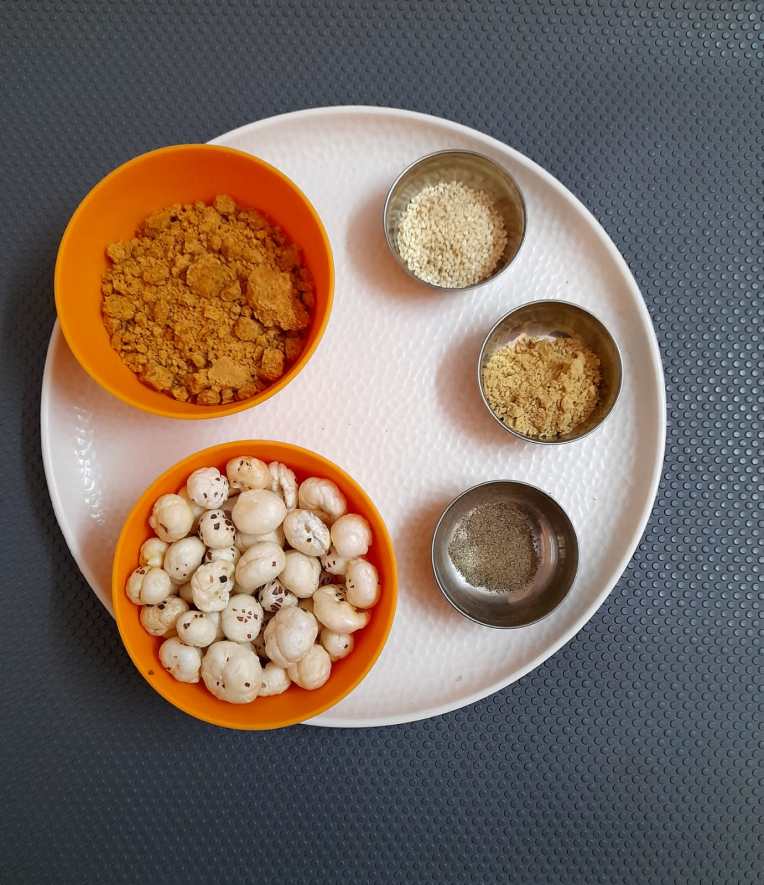
Put 1/2 tbsp ghee/oil in a skillet. Add makhana and roast on low flame till turn crispy. keep aside. Take 1/2 tbsp ghee/oil in skillet and put jaggery. Stir for 3-4 minutes till it melts properly. Put black pepper, saunth powder and sesame seeds. Add Iyurved’s daily nutrition Savoury spread (order here). Mix well. Add makhanas and keep mixing so that every makhana get covered with the caramel. Take them out in a plate. After 1 minute, with a help of spoon separate each makhanas as they get stick to each other inside caramel. Caramelized makhana are ready!!!
Benefits OF ADDING DAILY NUTRITION SAVOURY SPREAD:
Improves muscle strength and body weight with high protein (6g protein in 1 serving)
Boosts brain due to high omega-3 and natural brain herbs
Builds immunity due to presence of antioxidants and proven immunity herbs
Increases breast milk supply for lactating moms also provides folic acid for baby development
PRODUCTS:
We are happy to introduce our range of nutritious & tasty kids Ayurvedic foods!! We know that preparing and feeding healthy foods everyday is a huge task. Even more tough when kids are picky eaters. Kids prefer certain foods and formats. It is not easy to feed kids bitter Ayurvedic herbs, variety of vegetables, fruits, nuts and seeds everyday. Mixed with Ayurvedic herbs, this unique Ayurvedic spread is an easy solution to feed daily nutrition for Immunity, Brain development, Bone strength and overall-growth to kids without any fuss.
India’s First Tasty Kids Nutrition fortified with Ayurvedic herbs.
If your child is a picky eater or does not take enough nutrition for the day, you can give Daily Nutrition Savoury Spread to meet daily Nutrition | Made with clinically proven ‘5 Ayurvedic Herbs and 7 Nuts | ORDER | 0% preservative | 0% Palm oil |
Check more products for: Immunity, Gut health, Digestion, Weight, Brain development, Autism, Hyperactivity, Sleep, Bones and Overall growth
Premature infants/babies or Preemie means that the baby is born more than three weeks before the baby’s estimated due date (EDD). This means that the premature infants are born anytime before the start of the 37th week of pregnancy.
Premature babies, especially those born very early, often have medical problems. The earlier your baby is born, the higher the risk of complications.
Depending on how early a baby is born, he or she may be:
Late preterm, born between 34 and 36 completed weeks of pregnancy
Moderately preterm, born between 32 and 34 weeks of pregnancy
Very preterm, born at less than 32 weeks of pregnancy
Extremely preterm, born at or before 25 weeks of pregnancy
Most premature births occur in the late preterm stage.
Causes for premature delivery:
Although there is no specific cause for premature birth, but it might happen due to one or more of the following reasons:
Having a history of premature delivery
Twin, triplet or multiple pregnancy
Less gap between two pregnancies, usually less than 6 months of gap
Issues with uterus, cervix or placenta
Infection of amniotic fluid or lower genital tract
Conceiving through In Vitro Fertilization
Smoking cigarettes or using illicit drugs
Chronic conditions such as diabetes or high blood pressure
Multiple miscarriages or abortions
Stressful life events such as death in family, divorce or domestic violence
According to the American Academy of Pediatrics (AAP), development is not a race, and babies develop at their own pace. Even premature infants will gradually reach their developmental milestones and will be on track with full term babies by age 3 or so. But a premature baby’s initial growth and development is slightly different from a full term baby. Therefore, parents of preemies will need to adjust their baby’s age to get a true picture of where their baby should be in his/her developmental stage.
How to calculate your baby’s adjusted/correct age?
Identify the number of weeks your baby was born earlier than the Estimated Due Date(EDD)
Subtract this number from your baby’s actual age in weeks (number of weeks since the date of birth).
This is your baby’s adjusted age (also called corrected age).
For example: Suppose your baby’s EDD was 8th December but she arrived on 10th November(4 weeks earlier), then her corrected age on 10th June will be 28 weeks-4 weeks=24 weeks.
Factors that affect the growth and development of Premature Babies:
1.How early they were born?
The earlier the baby is born, the more likely he or she is to face health issues which can impact their growth and development. Extremely preterm babies are more prone to serious complications as compared to late preterm babies who tend to catch up to full-term babies sooner.
2. Weight at the time of Birth:
Another important factor that affects the growth and development of premature infants is their birth weight. Lower birth weight of a baby means that the baby is at risk of facing health complications.
3.Hospital stay time:
Extremely preterm babies usually spend some weeks in the hospital. If your baby spent a long time in the neonatal intensive care unit (NICU) and needed a lot of special care, they are likely to need extra time to develop.
4. Other medical conditions:
Preemies are more likely to have medical issues like heart, lung infections or intestinal conditions at the time of birth since they have missed out on a lot of crucial development in the final months of pregnancy. This slows down their development and hence premature babies have developmental delays as compared to full term babies.
How to monitor growth and development of premature infants?
Weight, height and head circumference are the key parameters to track the growth and development of babies(Tips to increase height?). But for premature babies, their weight, height and head circumference vary depending on the gestational week of their birth and their overall health at birth. The following are some key points to remember:
Premature infants have to stay in the neonatal intensive care unit (NICU) where they start gaining weight within a few days after birth.
Healthy premature infants are likely to show improvement first in the head circumference, followed by weight and then height.
How much weight a premature baby will gain per day depends on how early he/she was born. For example, a baby with a gestational age of 24 weeks (born after the 24th week of pregnancy) may attain five grams per day while those born at 33 weeks or later can put on as much as 30 grams per day.
The desirable weight gain in babies who are born with a birth weight of more than two kilograms is 20-30 grams per day.
The height of preterm babies increases by about 1.1 centimeters every week until the completion of the ideal gestational age, which is about 40 weeks.
Complications associated with Preterm Birth:
While not all premature babies experience complications, being born too early can cause short-term and long-term health issues. Generally, the earlier a baby is born, the higher the risk of complications. Birth weight plays an important role too.
Short-term complications
In the first few weeks, the complications of premature birth may include:
1.Difficulty in breathing:
A premature baby may have trouble breathing due to an immature respiratory system. If the baby’s lungs lack surfactant (a substance that allows the lungs to expand),he or she may develop respiratory distress syndrome because the lungs cannot expand and contract normally. They may also develop a lung disorder known as bronchopulmonary dysplasia. In addition, some preterm babies may experience prolonged pauses in their breathing, known as apnea.
2.Heart problems:
Patent ductus arteriosus (PDA) and low blood pressure (hypotension) are the most common heart problems that premature babies face. PDA is a persistent opening between the aorta and pulmonary artery. Usually this heart defect closes on its own, but if left untreated, it can lead to a heart murmur, heart failure as well as other complications.
3.Brain hemorrhage:
The earlier a baby is born, the greater is the risk of bleeding in the brain, known as an intraventricular hemorrhage. Most hemorrhages are mild and generally resolve with little short-term impact. But some babies may have larger brain bleeding that may cause permanent brain injury.
4.Low body temperature:
Since premature babies don’t have the stored body fat of a full-term infant, they can’t generate enough heat to maintain a normal body temperature. This might result in an abnormally low core body temperature also known as hypothermia. Hypothermia may cause breathing difficulties and low blood sugar levels. Moreover, a premature infant may use up all of the energy gained from feedings just to stay warm. This is the reason why premature infants require additional heat from a warmer or an incubator until they are able to maintain body temperature without assistance.
5.Immature Gastrointestinal system:
Premature infants are prone to have immature gastrointestinal systems, which might result in complications like necrotizing enterocolitis (NEC). This potentially serious condition, in which the cells lining the bowel wall are injured, can occur in premature babies once they start feeding. However, premature babies who receive only breast milk have a much lower risk of developing NEC. (Which foods help to increase breast milk supply?)
6.Anemia and Newborn Jaundice:
Premature babies are at higher risk of anemia (low count of red blood cells) and newborn jaundice. Newborn jaundice is a yellow discoloration in a baby’s skin and eyes that occurs because the baby’s blood contains excess bilirubin(yellow-colored substance) from the liver or red blood cells. (How Iron rich foods help in Anemia?)
7.Poor Metabolism:
Premature babies often have problems with their metabolism. Some premature babies may develop an abnormally low level of blood sugar (hypoglycemia). This happens because premature infants typically have smaller stores of stored glucose than full-term babies. They also have difficulty converting their stored glucose into more-usable, active forms of glucose.
8.Low Immunity:
An underdeveloped immune system is quite common in premature babies which can lead to a higher risk of infection. Infection in a premature baby can quickly spread to the bloodstream, causing sepsis. (Foods that help to boost immunity?)
Long-term complications
In the long term, premature birth may lead to the following complications:
1.Cerebral palsy:
Cerebral palsy is a disorder of movement, muscle tone or posture that can be caused by infection, inadequate blood flow or injury to a newborn’s developing brain either early during pregnancy or while the baby is still young and immature.
2.Impaired learning:
Premature babies are more likely to lag behind their full-term counterparts on various developmental milestones. This is the reason why a premature child is more likely to have learning disabilities. ( How some foods can help with learning difficulties?)
3.Impaired Vision:
Premature infants may develop retinopathy of prematurity, a disease that occurs when blood vessels swell and overgrow in the light-sensitive layer of nerves at the back of the eye (retina). Sometimes the abnormal retinal vessels gradually scar the retina, pulling it out of position. When the retina is pulled away from the back of the eye, it’s called retinal detachment, a condition that, if undetected, can impair vision and cause blindness. (Foods that help with eye health?)
4.Hearing loss:
Premature babies are at a higher risk of hearing loss. As a routine, all babies have their hearing checked before going home from the hospital.
5.Dental problems:
Premature infants who have been critically ill are at increased risk of developing dental problems, such as delayed tooth eruption, tooth discoloration and improperly aligned teeth.
6.Chronic health issues:
Premature babies are more likely to have chronic health issues, some of which may require hospital care. Infections, asthma and feeding problems are more common amongst them. (Tips to avoid frequent infections in kids?)
How to prevent Premature Deliveries?
Although the exact cause of preterm birth is not known, some preventive measures can be taken to help women, especially those who are at a higher risk of preterm deliveries.
Progesterone supplements: Progesterone supplements may help to reduce the risk of preterm birth in woman who have a history of premature deliveries, short cervix or both issues.
Cervical cerclage: Women with short cervix or a history of cervical shortening might need this procedure during pregnancy. In this procedure, cervix is stitched closed with strong sutures to provide extra support to the uterus.
Recipe: COOKIES WITH SESAME AND HIDDEN NUTS AND HERBS
Let’s make every dish tasty and nutritious by ‘hidden’ nutrition of veggies, herbs and nuts.
We are happy to introduce our range of nutritious & tasty kid’s Ayurvedic foods!! We know that preparing and feeding healthy foods everyday is a huge task. Even more tough when kids are picky eaters. Kids prefer certain foods and formats. It is not easy to feed kids bitter Ayurvedic herbs, variety of vegetables, fruits, nuts and seeds everyday. Mixed with Ayurvedic herbs, this unique Ayurvedic spread is an easy solution to feed daily nutrition for Immunity, Brain development, Bone strength and overall-growth to kids without any fuss.
India’s First Tasty Kids Nutrition fortified with Ayurvedic herbs.
For proper nutrition, immunity, strong bones & muscles and overall growth in kids, give Daily Nutrition Savoury Spread | Made with clinically proven ‘5 Ayurvedic Herbs and 7 Nuts’ | ORDER| 0% preservative | 0% Palm oil |High in CALCIUM, VITAMIN D and VITAMIN B12 |
Check more products for: Immunity, Gut health, Digestion, Healthy weight, Brain development, Eye health, Autism, Hyperactivity, Sleep, Bones and Overall growth
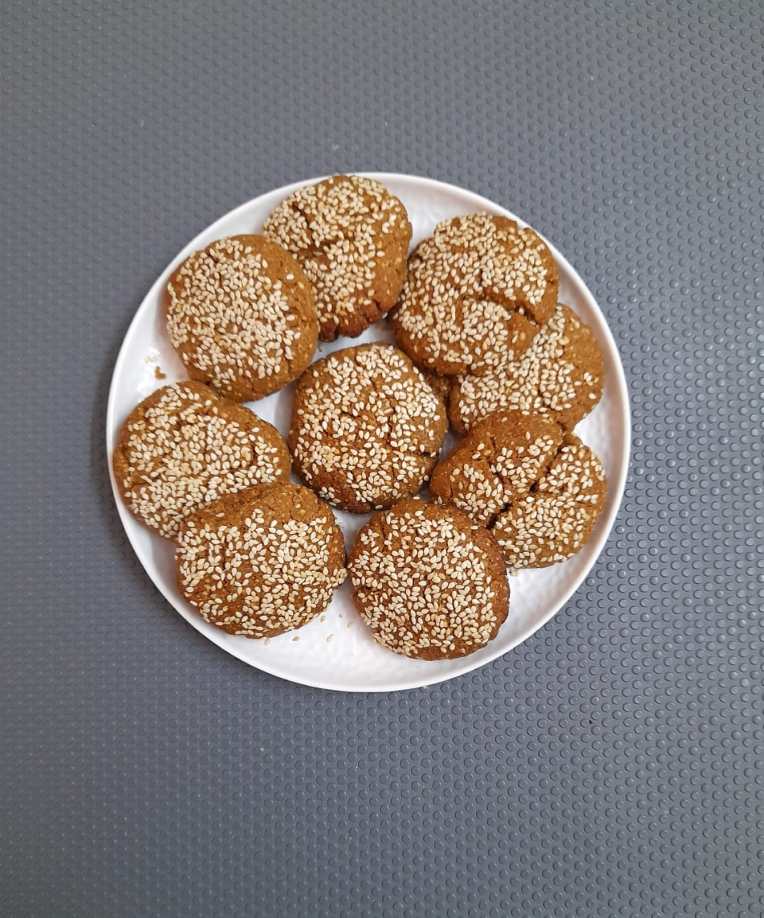
Recipe of cookies with sesame and hidden herbs and nuts
Kids love to eat cookies. This recipe of cookies with sesame helps to add nutrition to their favourite foods in a convenient way. Kid’s Nutrition is very important nowadays and preparing healthy food recipes for a child is not an easy task. Iyurved is happy to share lots of children’s food recipe ideas which are not only innovative but also very tasty. The recipes shared here are Kids approved!
Let’s try to make every healthy food recipe for a child more tasty and nutritious with (hidden) veggies, herbs and nuts. Check this recipe of cookies with sesame for babies, toddlers and kids.
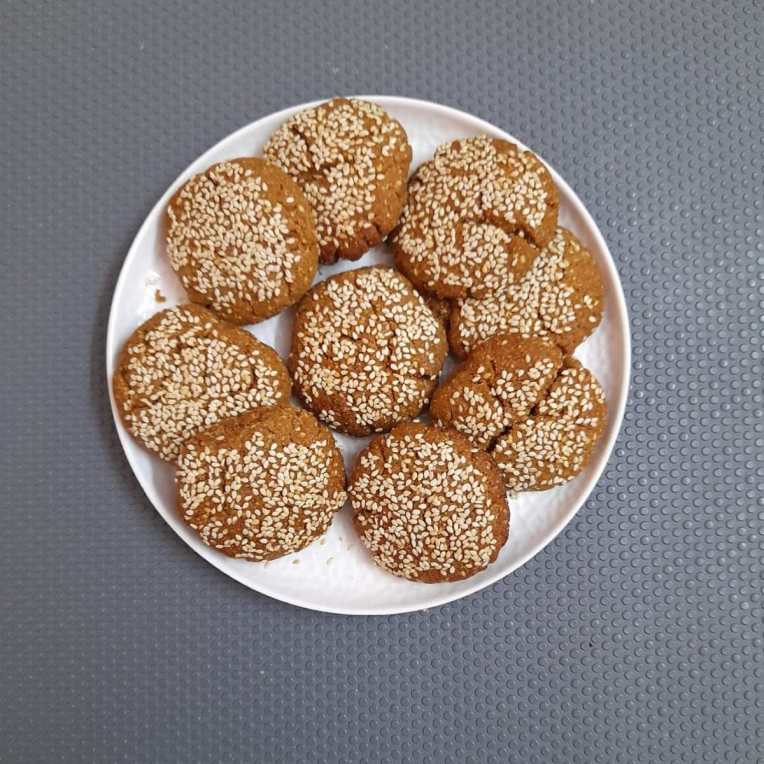
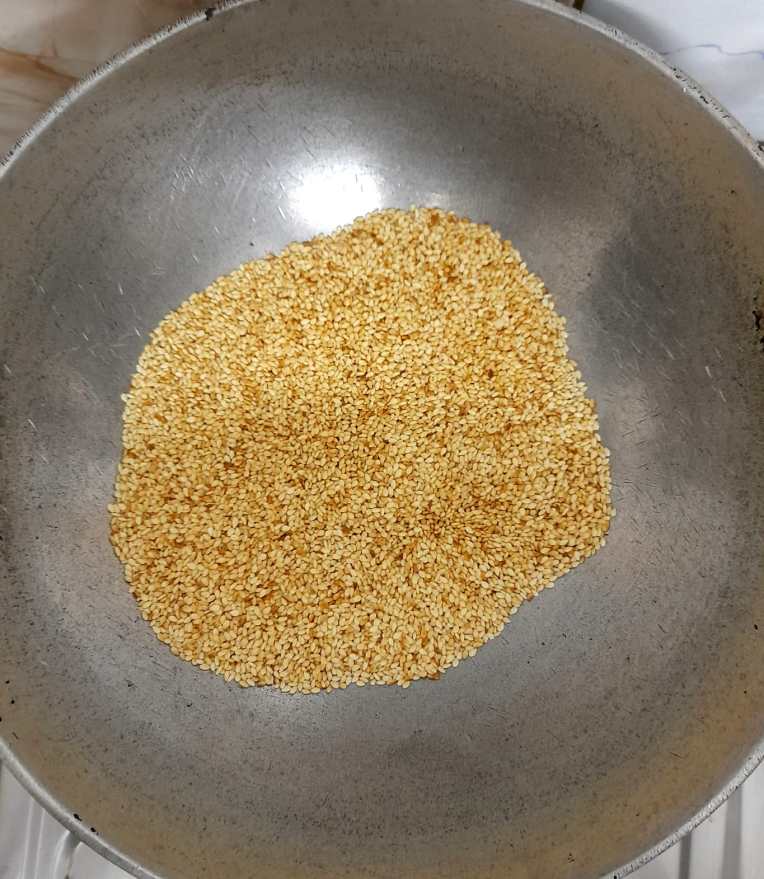
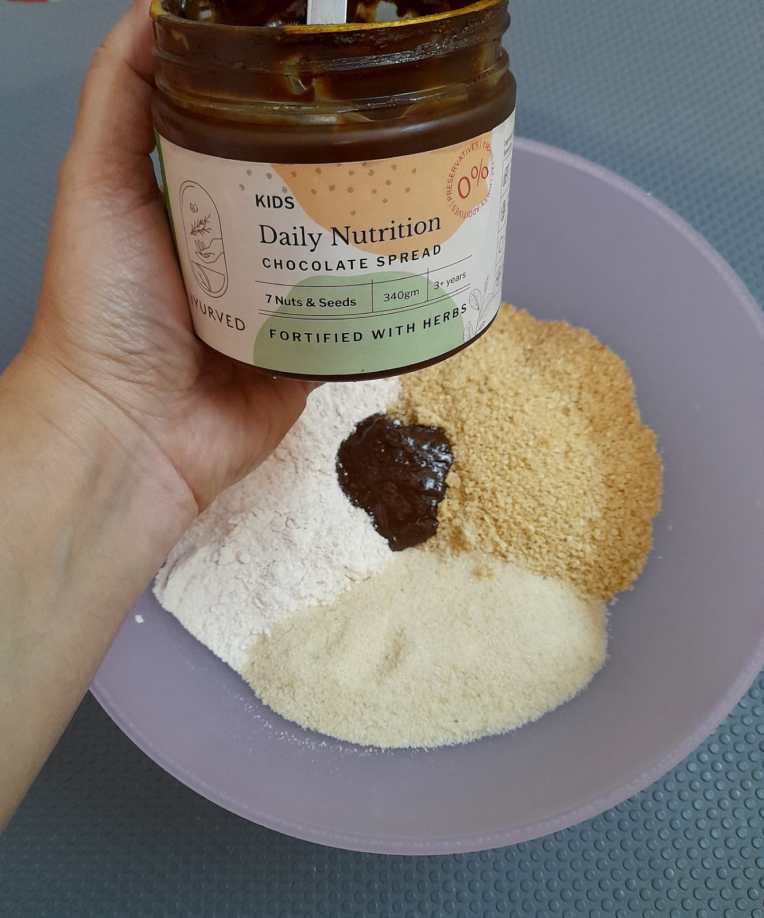
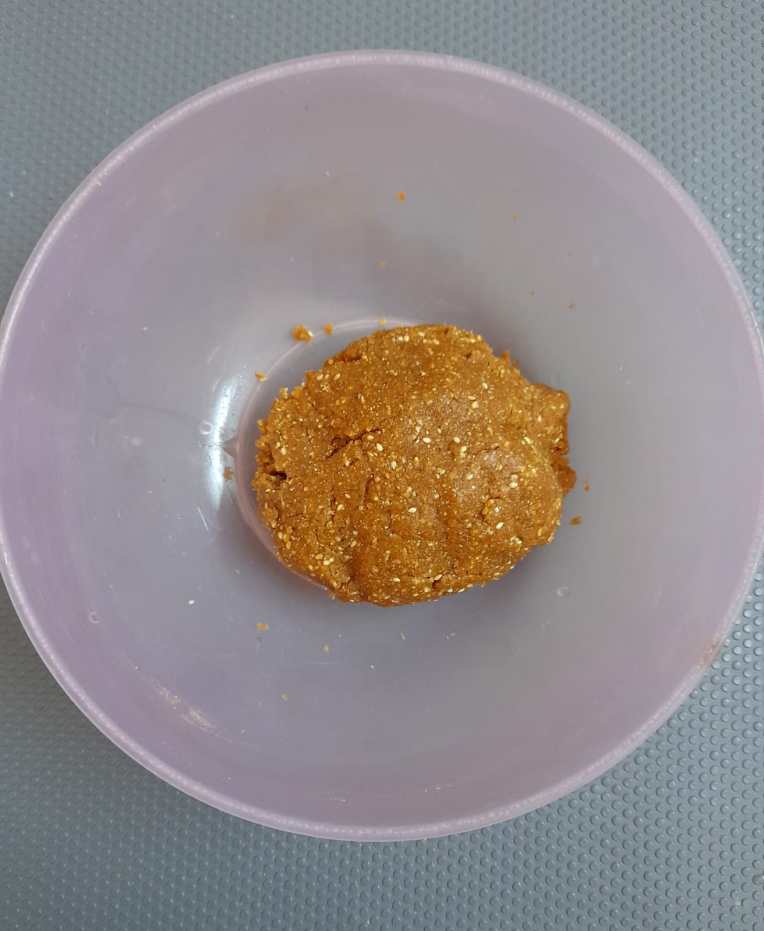
Dry roast sesame seeds and grind them to make powder. Take Butter/oil in a bowl. Put wheat flour, sesame seeds powder, khandsari. Add vanilla essence, baking powder and Iyurved daily nutrition chocolate spread (order here). Mix well to make soft dough. Roll the dough into small balls and give them cookies shape. Spread little water on top and sprinkle sesame seeds over cookie and press (optional). Place the cookies into baking tray. Preheat the oven and bake the cookies for 25-30 minutes at 180 degree celsius. Tasty, healthy and nutritious sesame cookies are ready.
Benefits OF ADDING DAILY NUTRITION Chocolate SPREAD:
Improves muscle strength and body weight with high protein (6g protein in 1 serving)
We are happy to introduce our range of nutritious & tasty kids Ayurvedic foods!! We know that preparing and feeding healthy foods everyday is a huge task. Even more tough when kids are picky eaters. Kids prefer certain foods and formats. It is not easy to feed kids bitter Ayurvedic herbs, variety of vegetables, fruits, nuts and seeds everyday. Mixed with Ayurvedic herbs, this unique Ayurvedic spread is an easy solution to feed daily nutrition for Immunity, Brain development, Bone strength and overall-growth to kids without any fuss.
India’s First Tasty Kids Nutrition fortified with Ayurvedic herbs.
If your child is a picky eater or does not take enough nutrition for the day, you can give Daily Nutrition Chocolate Spread | Made with clinically proven ‘5 Ayurvedic Herbs and 7 Nuts | ORDER | 0% preservative | 0% Palm oil | Fortified with CALCIUM, VITAMIN D and VITAMIN B12 |
Check more products for: Immunity, Gut health, Digestion, Eyesight, Weight, Brain development, Sleep, Bones and Overall growth
Oats are an excellent source of nutrients for adults and children, but they are especially beneficial to babies. They may be used in a variety of dishes from different cuisines. In the Indian kitchen, they are a perfect alternative for a variety of Indian grains and cereals. Oats are commonly thought to be a weight-loss meal that should not be offered to newborns. That is completely untrue, and oats are a fantastic baby meal! Here are some of the nutritional benefits of oats for kids along with 6 tasty yet simple recipes with oats for breakfast or snacks for your young one.
WHATSAPPfor concerns like Speech Delay, Low Weight, Frequent Illness, Hyperactivity, Low Concentration, Weak Eyesight, Improper Sleep, Pigmentation, Pores, Face Marks, Fine Lines , Lactation etc.
OATS:Nutritional benefits
Excellent source of energy: Every 100 g of oatmeal has 400 kcal of energy for newborns. Oats are high in protein, fibre, and antioxidants, making them a wonderful meal choice for newborns. As a result, they provide a steady source of energy for your kid.
Promotes healthy growth: They are abundant in micronutrients like phosphorus, magnesium, manganese, calcium, iron, selenium, zinc, and copper, which give your child a well-balanced nutritional profile and help in the overall growth and development of the body.
Eases digestion: Oats have the highest amount of beta glucan, a soluble fibre which is necessary for normal bowel movements. Because your baby’s digestive system is still developing, oats can help digestion without placing too much load on his or her system. (6 best foods for digestion and constipation in kids)
Gluten-free: Oats are a great food for babies who are just starting solids because it is gluten-free and easy to digest.
Nutritional value of oats
Nutritional value of Oats
When can I give my baby oats?
When your kid reaches the age of six months, you can begin feeding oats. Begin with simple recipes with oats for breakfast, such as oat porridge. When your infant is used to oats porridge, explore with different flavours by using fruits and vegetables. However, just add one new ingredient at a time to evaluate his preferences and check for allergies. (6-month baby food chart )
Which type of oats is best for babies?
Choosing the correct sort of oats for your infant might be difficult because there are so many different varieties – instant, rolled, steel-cut, and so on. While there are several types of oats that are safe for your baby to consume, it is better to avoid giving him instant oatmeal or anything that has been over-processed because it will have little to no nutrition to deliver. As a result, choosing steel-cut or regular oats is the greatest option for your kids. ( Check 5 harmful side effects of Food preservatives for children )
Tasty recipes with oats for breakfast and snacks
Here are 6 simple and amazing recipes with oats for breakfast or snacks for your babies and toddlers.
In a bowl, add oats flour, rava, curd/yogurt, grated carrot, chilies, curry leaves, coriander leaves, Iyurved’s daily nutrition savoury spread (order here), baking powder and water. Mix well to form a thick batter.
Grease the idli molds with ghee or oil. Pour the batter into each molds.
Put the idli maker into steamer, cover it and cook for 10-15 minutes.
Let it cool and serve with coconut chutney.
1 Oats Idli – 30 calories Additional nutrition benefits ( 1 tbsp of Iyurved’s daily nutrition savoury spread gives 126 calories with 5.36g of protein).
In a pan, add oil/ghee, followed by black gram, mustard seeds and wait for it to crackle.
Then add ginger, curry leaves and chilies, finely chopped carrots, peas and Iyurved’s daily nutrition savoury spread (order here), salt and saute well.
Then add water, bring to boil slightly and add oats. let it cook for 5-10 minutes.
Turn off the flame and serve hot!!
1 cup –207 calories Additional nutrition benefits ( 1 tbsp of Iyurved’s daily nutrition savoury spread gives 126 calories with 5.36g of protein).
Things to Keep in Mind When Feeding Oats to Your Baby
Before you offer recipes with oats for breakfast or any other meal to your baby, there are a few things you should keep in mind to ensure that your baby reaps the most advantages from this food.
Introduce oats to your infant after six months or when he or she begins solid meals in order to avoid any adverse reactions.
Choose regular oats or steel-cut oats for the best results.
Boil the oats for 20 to 30 minutes, or until they are soft enough for the infant to digest.
For the first time, give your infant plain cooked oats to see whether he has an allergic reaction. If your infant has no allergies, you can give him or her oat porridge with fruit or veggies added to it.
When your baby is ready to explore solid meals, oatmeal is a fantastic supplement. They are highly healthy, and we are confident that you will enjoy cooking these delectable recipes with oats for breakfast or snacks and make dining a joyous experience for your little bundle of joy. Remember to introduce new meals to your infant slowly and after consulting with a doctor. To get the most advantages, aim to feed your kid organic foods as often as possible.
PRODUCTS:
It’s no SECRET that following an Ayurvedic lifestyle has numerous advantages. This unique collection of Ayurvedic spreads is an easy solution to feed daily nutrition for Immunity, Eye, Brain development, Bone strength and overall-growth to kids without any fuss. To know more about kids ayurvedic foods –SHOP HERE.
India’s First Tasty Kids Nutrition fortified with Ayurvedic herbs.
If your child is a picky eater or does not take enough nutrition for the day, you can give Weight Healthy Savoury Spread | Made with clinically proven ‘5 Ayurvedic Herbs and 7 Nuts’ | ORDER | 0% preservative | 0% Palm oil |
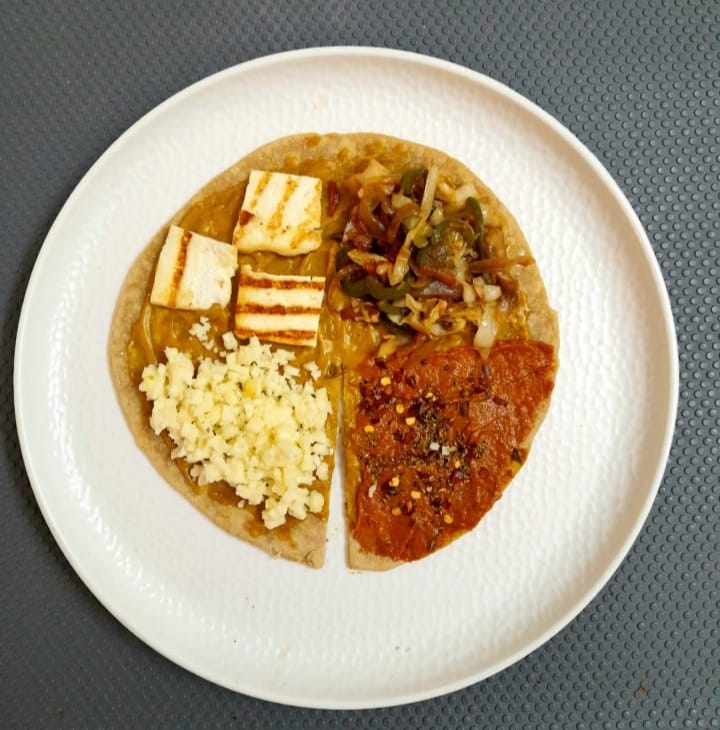
Kids love to eat wraps. This recipe of veg-wrap helps to add nutrition to their favorite foods in a convenient way. Kid’s Nutrition is very important nowadays and preparing healthy food recipes for a child is not an easy task. Iyurved is happy to share lots of children’s food recipe ideas which are not only innovative but also very tasty. The recipes shared here are Kids approved!
Let’s try to make every healthy food recipe for a child more tasty and nutritious with (hidden) veggies, herbs and nuts. Try this recipe of veg-wrap for babies, toddlers and kids.
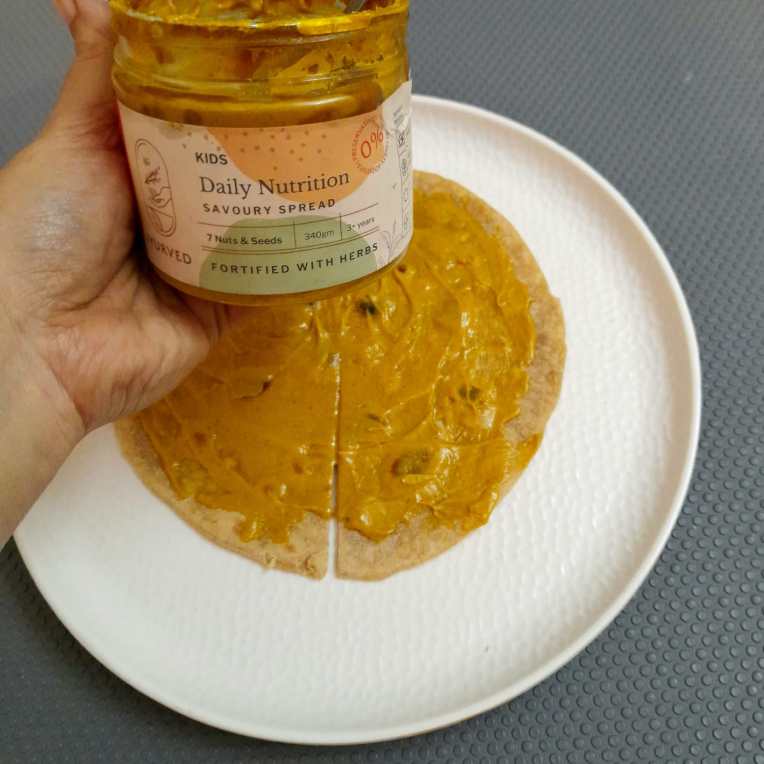
Take wheat and sorghum flour to make a soft dough. Make a big roti and keep aside. Heat oil in pan and put grated ginger garlic. Add sliced onion, capsicum, grated cabbage, carrot and sauté. Put chilly sauce, soy sauce, sprinkle salt over veggies and mix well. Cook them for 5 minutes on high flame. Continuously stir the veggies. Take roti on a plate and spread Iyurved daily nutrition savoury spread (order here). Cut it on one side. Spread pizza sauce, put veggies, place paneer slices and cheese on each quarter. Fold it and place it over grill pan. Drop little oil on edges and cook on both sides for 3-5 minutes on low flame. Veg-wrap is ready to serve. healthy and nutritious lunch box recipe for kids.
Benefits OF ADDING DAILY NUTRITION SAVOURY SPREAD:
Improves muscle strength and body weight with high protein (6g protein in 1 serving)
Boosts brain due to high omega-3 and natural brain herbs
Builds immunity due to presence of antioxidants and proven immunity herbs
Increases breast milk supply for lactating moms also provides folic acid for baby development
PRODUCTS:
We are happy to introduce our range of nutritious & tasty kid’s Ayurvedic foods!! We know that preparing and feeding healthy foods everyday is a huge task. Even more tough when kids are picky eaters. Kids prefer certain foods and formats. It is not easy to feed kids bitter Ayurvedic herbs, variety of vegetables, fruits, nuts and seeds everyday. Mixed with Ayurvedic herbs, this unique Ayurvedic spread is an easy solution to feed daily nutrition for Immunity, Brain development, Bone strength and overall-growth to kids without any fuss.
India’s First Tasty Kids Nutrition fortified with Ayurvedic herbs.
If your child is a picky eater or does not take enough nutrition for the day, you can give Daily Nutrition Savoury Spread | Made with clinically proven ‘5 Ayurvedic Herbs and 7 Nuts’ | ORDER | 0% preservative | 0% Palm oil |
Check more products for: Immunity, Gut health, Digestion, Weight, Brain development, Autism, Hyperactivity, Sleep, Bones and Overall growth
The first year of a baby’s life is the most crucial year for a child’s development. Babies develop their skills gradually. It’s so overwhelming to see your newborn doing new activities every day, but these abilities don’t develop overnight. Babies put a lot of effort and handwork to achieve these motor skills. There are a lot of new parents frequently asking questions around baby development including when babies typically hold their head, sit up, roll over crawl and finally walk.
Motor skills refer to the body’s ability to manage the process of movement. Gross Motor skills involve baby’s milestone like holding head, sitting, crawling and walking.
Every parent wants to know if their child’s development is on track or not. Below are the age when normally babies start showing that they are ready to sit and the age when they finally sit without support.
WHATSAPPfor concerns like Speech Delay, Low Weight, Frequent Illness, Hyperactivity, Low Concentration, Weak Eyesight, Improper Sleep, Pigmentation, Pores, Face Marks, Fine Lines , Lactation etc.
When do babies start sitting
Normally a baby starts to sit with support at around 5 months to 6 months and without support at around 7 to 9 months. Holding head control and having enough upper body strength is a must for a baby before he/ she is able to sit up on their own. At 9 months babies can sit without any support and easily get in and out of sitting position. When your baby starts sitting up, you should provide support to his back. There are chances that he may lose his balance and hit his head on the floor.
When to consult a doctor
Usually a child who is late doing certain activities catches up to other children. But sometimes, developing late is the sign of a health condition. In case your baby is unable to sit upright without support by the end of nine months, you should consult your doctor. There are many causes of such delay in a child’s development, few are listed below.
Premature birth
Cerebral Palsy (brain damage before birth)
Myopathy (a disease of muscles)
Brain injury
Ataxia (defective muscle coordination)
Problems with vision
Spina Bifida (birth defect in the baby that occurs when the spine and spinal cord do not develop completely)
How to help your baby in sitting
Right from the beginning you can help your child to achieve their milestones on time. Here are some tips on how you can help your baby to sit on time.
Holding the baby:
Holding the baby in an upright position on your shoulder. The baby tries to control the head position by using his/ her neck muscles. You can start this from the 2nd month, support the baby from the upper body then gradually move towards the hip. This will help them in strengthening their neck muscles.
Tummy time:
Give your baby plenty of tummy time. Lay your baby on his tummy and place the toys he/ she likes in front of them. It helps strengthen your baby’s arms, legs, torso, as well as his neck muscles.
Roll over:
When you place them on their tummy they will begin to push up on their arm. Tummy to side rolling is most common in babies at the age of 4 months. By 6 months most babies have gained enough abdominal strength to flip in both directions and roll over from their back to front. Rolling over helps strengthen the upper body and neck muscles that your baby needs to sit up. So always encourage your baby to roll over by placing toys or books near to them, so that they roll over to reach those things.
Sitting with support:
Once the baby gains control over their head, you can encourage them to sit by placing a pillow around them for support. Be careful and stay close to help them if they fall.Try sitting them on the floor while holding their back up straight. This helps improve their muscle control and coordination.
Foods to improve motor skill:
As soon as your baby is 6 months, taking care of their diet is very important, as food or nutrients that they get from food is key for a child’s development on time. Nutrients like protein helps in muscle strengthening, calcium and vitamin d promotes bone health and the foods that promote brain health like omega 3 fatty acids, as this milestone involve the brain and body’s muscles to work together. Below are the foods that help in a child’s development for sitting.
Calcium:
It is really important to get strong bones and we get a chance to build them only once – throughout childhood and adolescence. Children who get enough calcium in childhood start their adult lives with the strongest bones possible. Mostly calcium is stored in bones and teeth where it supports their structure and hardness, but the body also needs calcium for muscles to move and for nerves to carry messages between the brain and every body part. Calcium is predominantly found in milk and milk based products like cheese. And is also found in smaller quantities in some nuts and seeds.
Vitamin D helps the body to absorb calcium and works with it to build strong bones. It moves calcium from the intestine to the bloodstream and into the bones. If you are thinking that your child is getting enough vitamin D only by drinking milk, then you may be partially correct. Recent study shows that most of the children are not getting essential vitamins and minerals, and especially vitamin D. Some children with low vitamin D complain of pain in the legs and body. Very low vitamin D can lead to soft bones, causing rickets, a bone softening disease and also increase the risk of bone fracture in children. From age 9 – 18 children need more calcium to meet the daily recommended intake.
Omega 3:
Research has established a link between omega 3 fatty acids and brain development in early childhood. These healthy fats have amazing brain boosting power and play a vital role in enhancing memory and attention span. Omega-3 fatty acids are considered as critical brain foods that may counteract oxidative stress and inflammations, two drivers of cognitive decline which may also result in motor skill delay.
Nuts:
All the nuts like almonds, walnuts, cashew, peanuts and hazelnuts are rich in vitamin E and help in boosting memory. They are also antioxidants which protect against cell damage. Walnuts are rich in omega 3 fatty acids and are a valuable substance for brain function, memory and thinking abilities. This fatty acid also encourages cognitive functions.
Apart from nuts, seeds like flex, chia, melon, sesame and pumpkins also contain powerful antioxidants like vitamin E that protect the brain from free radical damage.Sunflower seeds impact overall mood and mental processing powers and therefore it is considered a brain boosting snack. Pumpkin seeds are high in magnesium, copper, and much higher in zinc than other seeds, which help in increasing concentration, memory and thus helps in better coordination.
Ayurvedic Herbs:
Ayurveda has the potential to not only correct imbalances in our children, but also to set them on an enduring path toward optimal health and well-being. Thus, ayurvedic herbs must be included in the list of health foods for kids. Ayurvedic herbs such as ashwagandha, brahmi, shankhapushpi are great for kids’ development. Overall, these herbs support immunity, bone strength, brain development and overall growth.
Antioxidants:
Antioxidants are compounds produced in your body or naturally found in some foods that scavenge or neutralize the effects of cell damage by potentially harmful molecules known as free radicals. Fortunately eating a diet rich in antioxidants or antioxidant rich foods help to fight oxidative stress and reduce the risk of many chronic diseases. Turmeric, Vitamin E, cocoa, Vitamin A, Vitamin C, Selenium, Beta carotene, Lycopene, Lutein, Zeaxanthin, Manganese, Polyphenols show great antioxidant properties.
PRODUCTS:
It’s no SECRET that following an Ayurvedic lifestyle has numerous advantages. This unique collection of Kids Ayurvedic Brain Booster is an easy solution to feed daily nutrition for Brain development to kids and also without any fuss. Made with Proven Ingredients. No Preservatives or Artificial Colour or Flavour. No Side Effects. Trusted by 20000+ Parents and Practitioners. To know more about kid’s ayurvedic foods – SHOP HERE.
India’s First Tasty Kids Nutrition fortified with Ayurvedic herbs.
For improving Motor skills and Brain development, giveKids & Teens Brain Savoury Spread and Daily Veggies and Dal powder | 0% preservatives | 0% refined sugar | 0% palm oil | Fortified with SHALAKKI, SHANKHAPUSHPI, ASHWAGANDHA, BRAHMI | Contains OMEGA 3, PROTEIN | ORDER |
Ragi, often known as finger millet, is a popular millet in India. It has several health advantages and is a Super Food for newborns to acquire weight. Babies have an immature immune system and require all nutrients to grow. Ragi delivers a variety of important nutrients to newborns and is abundant in protein, iron, and calcium. This whole grain is enriched in amino acids such as phenylalanine, methionine, isoleucine, and leucine. Ragi in a tasty format becomes the perfect option for both parents and kids! Every mom wants to offer her kids something nutritious, and kids want something yummy when it comes to meals, therefore ragi in a tasty form becomes the ideal choice for kids! This article will enlightens you on the advantages of ragi and provide you with a healthy and delicious recipe for ragi flour. (8 yummy paratha recipes for kids lunch-box menu)
WHATSAPPfor concerns like Speech Delay, Low Weight, Frequent Illness, Hyperactivity, Low Concentration, Weak Eyesight, Improper Sleep, Pigmentation, Pores, Face Marks, Fine Lines , Lactation etc.
Nutritional information ofRagi flour
Nutritional Information of Ragi flour
When can babies eat ragi?
Because of the benefits of ragi for health, it is the best weaning food for babies after the age of six months. To be clear, it should not be your baby’s first food. Steamed and mashed veggies such as potatoes, apples, etc. should be the first thing on your menu to get started. You can make Ragi malt at home and other recipe of ragi flour that is ideal for your child. (Baby’s first foods: How to introduce solids?)
HEALTH BENEFITS OF RAGI:
Here are 6 reasons why ragi needs to be the next go-to snack for children.
1.GREAT SOURCE OF PROTEIN AND FIBER:
100 grams of Whole Ragi Flour gives 7.29 grams of protein and 16.56 grams of fibre. Ragi helps in the easy movement of foods in the stomach and adds water into the stool, hence aiding easy digestion and relieving constipation. (6 Best foods for digestion andconstipation in kids)
2. CALCIUM RICH – PROMOTES HEALTHY BONES AND TEETH:
When compared to other grains, ragi flour is one of the greatest non-dairy calcium sources. Calcium is essential for building strong bones and teeth, as well as for the prevention of a bone-weakening condition called osteoporosis. The sprouting process can increase the calcium content in Ragi by 20 percent. (Benefits of calcium in kids)
3.IMPROVES RED BLOOD CELLS PRODUCTION – PREVENTS ANEMIA:
Naturally rich in iron, ragi benefits those with low hemoglobin levels. Also, vitamin B1 helps in the synthesis of red blood cells and generates ATP, which is used by our bodies for energy. (Foods rich in iron)
4.GLUTEN-FREE:
Ragi is a must-have for anyone on a gluten-free diet or suffering from celiac disease. For chapatis, dosas and some sweets, ragi can readily replace wheat because it is gluten-free. (A guide to a Gluten free diet for kids)
5. RICH IN ANTIOXIDANTS:
Other health benefits of ragi include its antioxidant property. Ragi is rich in antioxidants which prevents oxidation and fight against infections. Also, being a rich source of amino acids, it aids the body’s natural ability to relax. You can efficiently combat depression, headaches and insomnia, as well as anxiety and stress, by consuming ragi. (Why do we need antioxidants)
6.GREAT PICK FOR THE LITTLE ONES AND NEW MOMS:
The health benefits of ragi make it a great choice for infants and new moms. As well as aiding with their digestion, it also strengthens their bones and promotes their overall growth. Ragi is great for stimulating milk production and balancing hormonal processes in pregnant women and young moms due to its high iron and calcium content.
6HEALTHY AND DELICIOUSRECIPE OF Ragi flour
Here are 6 amazing recipe with ragi flour for your child. These ragi recipes are simple and take minimal preparation time. And you can make sure that your child will love their mealtime.
1. Ragi banana pancake
Ragi pancake
Ingredients
1 cup Ragi Flour
1/2 cup whole wheat flour or oat flour
2 ripen mashed bananas
1.5 tbsp yogurt or 1 tsp baking powder
1 egg or flax-egg (1 tbsp flax seeds mixed with 6 tbsp warm water, leave for 5 min)
Mix ragi flour, whole wheat flour, ripen bananas, baking powder, Iyurved’s Weight Savoury spread (order here), salt and egg. The batter should not be watery.
Heat a skillet. Grease with oil or ghee.
Once heated, pour a ladle of batter on to the skillet.
Allow the pancake to cook on medium heat.
Flip to the other side and allow it to cook properly for 30 seconds.
Serve hot!!
You may add Iyurved’s Weight Savoury spread (order here) to the batter or spread 1 tbsp over the pancake while serving.
1 Ragi pancake – 230 calories Additional nutrition benefits ( 1 tbsp of Iyurved’s Weight Savoury spread (order here) gives 126 calories with 5.36g of protein)
Mix the coarse mixture of veggies and Iyurved’s Weight Savoury spread (order here) with finger millet.
Make a batter with pouring consistency by adding little water in it.
Grease the appam pan with oil.
Once heated pour spoonful of batter in each mold. Cover and cook on medium flame. After 3 minutes flip over each appam and cook from other side for 2 minutes.
Take out on a plate and serve with coriander chutney or green chili sauce.
1 appam – 35 calories Additional nutrition benefits ( 1 tbsp of Iyurved’s Weight Savoury spread (order here) gives 126 calories with 5.36g of protein).
Take roasted ragi flour and roasted rava in a bowl.
To this, add grated carrot, curd/yoghurt, Iyurved’s Weight Savoury spread (order here), salt and mix well.
Add water and adjust the idli batter consistency.
Add baking soda, mix it well and pour the batter into greased molds.
Place the idli maker into steamer, cover it and cook for 15-20 minutes.
Turn off the flame, let it cool and serve with coconut or tomato chutney!!
1 Ragi idli – 42 calories Additional nutrition benefits ( 1 tbsp of Iyurved’s Weight Savoury spread (order here) gives 126 calories with 5.36g of protein).
These recipe for ragi flour are not only ideal for kids, but they are also simple. Start trying them for snacking, healthy breakfast, or almost any meal, and we guarantee your kids will like it and get the benefits of ragi in a creative way!
PRODUCTS:
It’s no SECRET that following an Ayurvedic lifestyle has numerous advantages. This unique collection of Ayurvedic spreads is an easy solution to feed daily nutrition for Immunity, Eye, Brain development, Bone strength and overall growth to kids without any fuss. To know more about kid’s ayurvedic foods –SHOP HERE.
India’s First Tasty Kids Nutrition fortified with Ayurvedic herbs.
If your child is underweight according to his/her age or has less appetite, you can give Kids and Teens WEIGHT Savoury Spread | 0% preservative | 0% Palm oil | 0% Refined sugar | Made with Ashwagandha, Mulethi, Turmeric, Shalaki, Brahmi | ORDER |
Children usually get bored when they consume the same foods every day. As a result, it is essential that we provide a range of flavours from our staple diet, such as rice, to keep kids away from junk food. Rice recipes are easy to prepare and nutritious for children. There is no limit to creativity, flavours and ideas with rice recipes that you can cook to tempt your kid’s taste buds.
Rice is a popular staple meal that is generally given to newborns as their first solid foods. It has several health advantages for newborns, including being an excellent source of B complex vitamins, being energy-dense, having helpful protein in rice, being easy to digest, rejuvenating the body when blended with milk, and being a remedy for diarrhea and dysentery. Rice is also mom’s favourite healthy cooking ingredient because of its nutritious characteristics.
NUTRITION IN white RICE:
Nutritional information of Rice
When can babies eat rice?
Rice is a relatively low allergen food that is good for newborns to digest. Rice may be given to kids as early as six months old, which is also the recommended age to begin solid foods. (Baby’s first foods: How to introduce solids?)
Health benefits of rice for babies:
Rice provides the following advantages to a baby:
Replenishes the body’s energy: 100g of rice cereal provides around 79.15g of carbs. A cup of rice cereal might provide your kid the energy he or she needs to be active.
Great source of vitamin B: Whole or brown rice is an excellent source of B complex vitamins. Each of these vitamins plays a crucial part in the baby’s entire development, including physical and mental development.
Easily digestible: Rice, especially white rice, is extremely easy to digest. This is beneficial for newborns because they cannot digest heavier foods. Their digestive systems have not matured to the point where they can digest heavy, complex foods. (5 recipes for easy digestion in kids)
Good for Bones: Rice is high in calcium and magnesium, both of which are necessary for strong bones. Regular rice meals, in addition to breast milk, can provide an extra calcium supply for the infant. (Foods for strong bones)
Good for overall health: Along with macronutrients, rice includes trace amounts of micronutrients such as zinc, copper, and selenium, which are vital for proper growth and are required for several functions of the body. (7 health foods for kids daily nutrition)
6 HEALTHY Rice recipes that are easy and kids friendly
Here are quick, simple, nutrient-dense top six rice recipes that are easy and help every parent to overcome the challenge of cooking tasty and kid-friendly rice recipes. (8 easy khichdi recipes for kids and toddlers)
1. Paneer vegetable fried rice
It is no surprise that paneer, or cottage cheese, is a household staple in most Indian households. Paneer is healthy, high in protein and calcium, simple to prepare, and also versatile enough to be used in a number of meals. This is also why paneer is a favourite among moms, especially when there are fussy eaters in the family!
In a pressure cooker, heat ghee or olive oil, add cumin seeds, onion and saute until it turns pinkish brown.
Add veggies, Iyurved’s daily nutrition savoury spread (order here), salt and saute well for 5 minutes.
Once done, add rice, water and allow it to cook on medium flame for 3-4 whistles.
Serve!!
1 cup – 170 calories Additional nutrition benefits ( 1 tbsp of Iyurved’s daily nutrition savoury spread gives 126 calories with 5.36g of protein)
3. Palak Pulao
Flavorful Palak pulao, also known as palak rice, is a delectable dish made of spinach, spices, and rice. Spinach is high in nutrients, vitamins, and minerals. Palak rice recipes is easy, tasteful and quick to make for a meal and also goes well in lunch box for kids.
In a pan, add 1 cup water, baby spinach and cook for 4-5 minutes until the spinach becomes soft. Cool, blend them in a mixer and keep the spinach puree aside.
In a pressure cooker, heat ghee, add cumin seeds, onion, ginger, garlic and saute until it turns brown.
Then add tomato, saute well.
Add turmeric powder, coriander powder, garam masala, Iyurved’s daily nutrition savoury spread (order here), spinach puree,salt and mix well for 7-8 minutes.
Add water, bring it to a boil and add rice.
Cook on a medium flame for 3-4 whistles.
Serve!!
1 cup – 235 calories Additional nutrition benefits ( 1 tbsp of Iyurved’s daily nutrition savoury spread gives 126 calories with 5.36g of protein)
4. Broccoli and chickpea rice
This is one of the flavourful and wholesome dish for kids. Broccoli is a nutrient-dense vegetable. It contains a variety of vitamins and minerals that newborns require, such as vitamins A, C, K, B6, folate and iron, zinc while chickpeas are high in protein.
In a pressure cooker, heat ghee or olive oil, add cumin seeds, onion, ginger, garlic, broccoli florets and saute until it turns brown.
Add pepper powder, coriander powder, garam masala, Iyurved’s daily nutrition savoury spread (order here), chickpea, salt and mix well for 3 minutes.
Add water, bring it to a boil and add rice.
Cook on a medium flame for 3-4 whistles.
Serve!!
1 cup – 240 calories Additional nutrition benefits ( 1 tbsp of Iyurved’s daily nutrition savoury spread gives 126 calories with 5.36g of protein)
5. Vegetable masala khichdi
Khichdi is an easy, simple and nutritive one-pot meal that a mother may prepare in a flash for her child. The vegetable masala khichdi is a blend of vegetables, rice, moong dal, toor dal and spices. Vegetables add additional vitamins, minerals and antioxidants to the baby’s diet.
Vegetable masala khichdi
Ingredients
2 cups Rice
1/4 cup Moong dal
1/2 cup mixed vegetables (carrot, beans, potato,peas)
It is an easy, tangy and flavourful dish. Lemon rice recipes is easy, comfort food and is commonly eaten for a meal. It is seasoned with spices like mustard seeds, curry leaves, and is topped with crunchy peanuts and tangy lemon juice.
They are easy to make and will quickly become your child’s favourite. Rice is one of those ingredients that may be used in any way and provide a satisfying result. You may make it a complete meal by adding any fruit, vegetable, or protein. Enjoy these rice recipes with veggies and spices that give vital nutrients, and add your own ideas to make them more nutritious for your child.
PRODUCTS:
We are happy to introduce our range of nutritious & tasty kid’s Ayurvedic foods!! We know that preparing and feeding healthy foods everyday is a huge task. Even more tough when kids are picky eaters. Kids prefer certain foods and formats. It is not easy to feed kids bitter Ayurvedic herbs, variety of vegetables, fruits, nuts and seeds everyday. Mixed with Ayurvedic herbs, this unique Ayurvedic spread is an easy solution to feed daily nutrition for Immunity, Brain development, Bone strength and overall-growth to kids without any fuss.
India’s First Tasty Kids Nutrition fortified with Ayurvedic herbs.
If your child is a picky eater or does not take enough nutrition for the day, you can give Daily Nutrition Savoury Spread | Made with clinically proven ‘5 Ayurvedic Herbs and 7 Nuts’ | ORDER | 0% preservative | 0% Palm oil |
Check more products for: Immunity, Gut health, Digestion, Weight, Brain development, Speech delay, Epilepsy, Eye health, Hormones, Sleep, Hyperactivity, Bones and Overall growth
When you have a picky eater in the house, it can be tough to come up with fresh and exciting meal ideas. However, when it comes to satisfying both flavour and nutrition in your child’s diet, pasta may be the greatest option. Easy, classic pasta recipes with vegetables are an excellent way to include nutrition into your child’s favourite meal. It may be carried in a lunch box or offered as an after-school snack while your child is watching his or her favourite TV show or the T20, IPL live.
Pasta is one of the most popular foods among children because of its smoothness, variety of forms, and ability to be prepared in a variety of ways while retaining the majority of its original flavour. It is made from whole grains and has its own set of health benefits. Some parents, though, maybe concerned about adding carbohydrates to their child’s diet too soon. While there is no need to be concerned because newborns require carbohydrates for growth and development, parents should be aware that when served in moderation and in combination with other nutritious meals, pasta recipes with vegetables may be a nutritious meal option for their children. ( 10 easy dinner recipes in India for kids of all ages)
This article will explain the benefits of pasta and provide a few nutritious pasta recipes with vegetables for kids.
When and how to introduce pasta to babies?
Pasta is best offered during the solid food phase, which begins when your baby has hit the age of 6 months and has been introduced to purees (Baby’s first foods). When making pasta for newborns, keep in mind that it should be thoroughly cooked so that it may be mashed if necessary. You can be creative and make meals exciting for the infant by using different types of pasta, such as stars, bows, or elbow-shaped pasta. (5 recipes for easy digestion in kids)
It is also a typical dish served during baby-led weaning. If you have not already introduced egg or wheat into your baby’s diet, be cautious while introducing pasta because it frequently contains both of these major food allergies.
You may choose pasta produced from legume flour (black bean pasta, chickpea pasta, lentil pasta) which is often higher in nutrients than pasta prepared from rice or wheat flour.
Enriched pasta will also provide additional nutrients such as iron and B vitamins.
Moreover, you may make your child’s favourite food healthy by including extra vegetables in hidden forms, such as vegetable sauce.
Precautions to keep in mind while introducing pasta to children
Getting to know your pasta is essential, especially if it is not a common meal in your region. Here are some things to keep in mind while giving pasta for your child –
Pasta should be consumed in moderation and as part of a well-balanced diet.
Before you buy pasta, be sure you know what the base component is. Make sure the pasta you choose is not processed, or prepared with all-purpose flour or maida. Pasta for newborns should be made from whole wheat, durum wheat, or rice flour.
Make sure there are no additives or artificial flavours in your baby’s food since they might harm his or her health.
When serving pasta as finger food, keep an eye out for choking hazards. Give them tiny pasta or chop regular pasta into smaller pieces.
If your baby does not appear to enjoy the texture of pasta, you can stop feeding it for a few days and reintroduce later.
Healthy pasta recipes withvegetables:
As already said, pasta must be cooked in a specific manner in order for the babies to digest it easily. However, these pasta recipes with vegetables, like many pasta dishes with a base sauce, include a hidden vegetable sauce, which is an excellent way to improve a child’s vegetable consumption.
1. Carrot and broccoli pasta
Pasta with carrot and broccoli sauce is a creamy, gently sweet, and flavorful dish that is ideal for children. Broccoli is high in vitamin K and calcium, both of which are essential for keeping strong, healthy bones. It also includes phosphorus, zinc, vitamins A and C. Carrots are a great source of vitamin A and help in eye health and digestion. (7 health benefits of carrot for kids)
Add carrot, broccoli puree andIyurved’s daily nutrition savoury spread (order here) and cook for 5- 8 minutes.
Add other veggies (optional ) and cook for another 5 minutes.
When the sauce becomes thick, add salt, pepper or oregano, schezwan sauce and pasta.
Finally, add water, cover the pan and cook on low flame.
Once the pasta is cooked, turn off the flame and serve!!
You may add 1 tbsp of Iyurved’s daily nutrition savoury spread to the pasta while it is being cooked or to the cooked pasta when serving your child.
1 cup – 209 calories Additional nutrition benefits ( 1 tbsp of Iyurved’s daily nutrition savoury spread gives 126 calories with 5.36g of protein).
2. Carrot beetroot pasta
It is one of the pasta recipes with vegetables like beetroot and carrot that are complete, nutrient-dense superfoods, also rich in vitamins and fibre. Also, aids in relieving constipation by boosting the metabolic system. Along with the phytonutrients, beets are high in iron, while carrots are fibre-rich and keeps the gut healthy. (7 Proven health benefits of beetroot for kids and adults)
Add carrot, beetroot puree and Iyurved’s daily nutrition savoury spread (order here) and cook for 5- 8 minutes.
Add salt, pepper or oregano, tomato pasta sauce and pasta.
Then add water, cover the pan and cook on low flame.
Once the pasta is soft and cooked, turn off the flame
Serve!!
You may add 1 tbsp of Iyurved’s daily nutrition savoury spread to the pasta while it is being cooked or to the cooked pasta when serving your child.
1 cup – 240 calories Additional nutrition benefits ( 1 tbsp of Iyurved’s daily nutrition savoury spread gives 126 calories with 5.36g of protein).
3. Papad pasta
Traditionally, papad has been served as a side dish with our meals. You could also try transforming ordinary papad into a fast pasta meal for a creative and delectable variation. So the next time you are wanting a bowl of delicious pasta but don’t have any, grab a package of papad and follow this recipe to make quick and easy pasta recipes with vegetables for your kids. (12 ideas for healthy snacks that kids can make with you)
Bring water to a boil in a pan and when it begins to boil, add half teaspoon of oil and papad stripes.
Let it boil on low flame for 5 minutes. After 5 minutes, strain the papad stripes and keep it aside.
In another pan, add grated ginger-garlic, finely chopped onion, capsicum and saute till onion become translucent.
Then add chopped tomato, salt, schezwan sauce andIyurved’s daily nutrition savoury spread (order here). Sauté well and switch off the gas flame.
Put boiled papad stripes, mix well.
Healthy papad pasta is ready to serve!!!
You may add 1 tbsp of Iyurved’s daily nutrition savoury spread to the pasta while it is being cooked or to the cooked pasta when serving your child.
1 cup – 225 calories Additional nutrition benefits ( 1 tbsp of Iyurved’s daily nutrition savoury spread gives 126 calories with 5.36g of protein).
4. Red capsicum pasta
They are a good source of iron and vitamin C, which helps iron absorption from the stomach and enhance the body’s immune system. (7 foods to boost immunity in kids)
In a pan, add water, half a teaspoon of oil, salt, pasta and cook well.
Once it is cooked, strain the water and place the pasta aside.
In another pan, add half a teaspoon of oil and chopped garlic. Then add tomato puree and saute well.
Add Iyurved’s daily nutrition savoury spread (order here), salt, pepper or oregano and cook for 5-8 minutes.
To the above sauce, add red capsicum puree and cook for another 5 minutes.
Finally, add jaggery or sugar, basil leaves.
To this sauce, now add the cooked pasta and mix well.
Add cheese on the top and serve hot!!
You may add 1 tbsp of Iyurved’s daily nutrition savoury spread to the pasta while it is being cooked or to the cooked pasta when serving your child.
1 cup – 230 calories Additional nutrition benefits ( 1 tbsp of Iyurved’s daily nutrition savoury spread gives 126 calories with 5.36g of protein).
5. Spinach pasta
Vitamin K and magnesium are abundant in spinach, both of which are essential minerals for bone health. Spinach also contains vitamins and minerals that strengthen your immune system, such as vitamin E and magnesium. Also, check the recipe for spinach smoothie.
To this, add sorghum millet and cook on low flame for few seconds.
Now, add spinach puree, salt and mix well.
Pour milk and add the cooked pasta, stir well, cook for a minute.
Spinach pasta is ready to serve!!
You may add 1 tbsp of Iyurved’s daily nutrition savoury spread to the pasta while it is being cooked or to the cooked pasta when serving your child.
1 cup – 160 calories Additional nutrition benefits ( 1 tbsp of Iyurved’s daily nutrition savoury spread gives 126 calories with 5.36g of protein).
They’re simple to prepare and will quickly become your child’s favourite. However, pasta, like any other whole grain food, is beneficial for your health if prepared properly. Try these pasta recipes with vegetables and also use your ideas to create them more healthful for your child.
PRODUCTS:
We are happy to introduce our range of nutritious & tasty kid’s Ayurvedic foods!! We know that preparing and feeding healthy foods everyday is a huge task. Even more tough when kids are picky eaters. Kids prefer certain foods and formats. It is not easy to feed kids bitter Ayurvedic herbs, variety of vegetables, fruits, nuts and seeds everyday. Mixed with Ayurvedic herbs, this unique Ayurvedic spread is an easy solution to feed daily nutrition for Immunity, Brain development, Bone strength and overall-growth to kids without any fuss.
India’s First Tasty Kids Nutrition fortified with Ayurvedic herbs.
If your child is a picky eater or does not take enough nutrition for the day, you can give Daily Nutrition Savoury Spread | Made with clinically proven ‘5 Ayurvedic Herbs and 7 Nuts’ | ORDER | 0% preservative | 0% Palm oil |
Check more products for: Immunity, Gut health, Digestion, Weight, Brain development, Speech delay, Epilepsy, Eye health, Hormones, Sleep, Hyperactivity, Bones and Overall growth