Health Benefits of Vegetables for Kids

VEGETABLES GOOD FOR HEALTH

A healthy diet should include plenty of vegetables, while variety is just as vital as quantity. Even though you are aware that vegetables are good for health, feeding them to children might be challenging. They prefer eating junk food and sweets over wholesome items like vegetables. However, we must not ignore the vegetables’ health benefits for children and must find a method to include them. Continue reading for suggestions on how to get kids to eat their veggies.

WHATSAPP for concerns like Speech Delay, Low Weight, Frequent Illness, Hyperactivity, Low Concentration, Weak Eyesight, Improper Sleep, Pigmentation, Pores, Face Marks, Fine Lines , Lactation etc.

Why should kids consume vegetables?

Your youngster gets energy, vitamins, antioxidants, fibre, and water from vegetables. They aid in preventing your child from developing chronic illnesses later in life, such as heart disease, stroke, and some types of cancer. So, eating a lot of veggies along with a wide variety of foods from the other major food groups constitutes a healthy diet.

Also check, 6 healthy fibre rich recipes for kids

NUTRITIONAL VALUE OF VEGETABLES

  • Essential minerals including magnesium, calcium, salt, zinc, iron, and many more are abundant in vegetables.
  • Vitamin A, B7, B9, and other B vitamins are abundant in vegetables like spinach, kale, and other dark green vegetables.
  • Potassium is abundant in vegetables like cabbage, broccoli, brussels sprouts, etc.
  • Vegetables have generally higher calcium absorption rates by the body than dairy products.

Also check, 8 Healthy recipes for picky eaters using fruits and veggies

VEGETABLES HEALTH BENEFITS

We all have heard that vegetables good for health. Let’s discuss some of the main benefits of vegetables:

1. Boost immunity: 

Regular vegetable consumption boosts children’s immunity and lowers their risk of catching numerous diseases. By keeping the immune system strong, a healthy gut flora enhances overall health. Additionally, vegetables supply necessary vitamins, minerals, and bioactive chemicals that are also important for sustaining immunity.

Also check, 6 Best immunity boosting drinks in winter for kids

2. Prevent and control diabetes:

One of the healthiest foods for diabetics to eat is non-starchy vegetables. They’ll fill you up because they are rich in fibre and also contain vital vitamins and minerals that assist control your blood sugar.

Also check, 10 Foods rich in fibre to treat constipation

3. Provide energy:

The majority of veggies don’t have a lot of carbohydrates, however a few of them do include enough calories and complex carbohydrates and as a result, act as an energy source. You’ll get an energy boost from some starchy vegetables for a brief period of time, while others digest more slowly and provide you with long-lasting energy.

4. Prevent diseases: 

Consuming a lot of veggies can protect you from cataract and macular degeneration, two main causes of vision loss, as well as heart disease, stroke, blood pressure control, some types of cancer, and diverticulitis, a painful digestive condition.

Also check, Health benefits of fruits for kids

VEGETABLES GOOD FOR HEALTH FOR KIDS

TYPEVEGETABLES LISTBENEFITS
Root vegetablesBeetroot, carrot, turnip, parsnip, potato, sweet potato, yam, taro, raddishPacked with fibre and antioxidants, folate and potassium, and low in calories, fat, and cholesterol. 
Red coloured veggiesTomato, red bell pepper, red lettuce, red cabbage, rhubarb, red onionRich in lycopene and anthocyanin. Lowers the risk of heart disease, safeguard the eyes, and prevent infections.
Green coloured veggiesSpinach, fenugreek, moringa, broccoli, beet greens, watercress, lettuce, kalePacked with vitamins, minerals and fiber but low in calories. Reduce risk of obesity, heart disease, high blood pressure and mental decline.
Purple and deep coloured veggiesBeetroot, eggplant, purple potato, purple asparagus, purple cabbage, cauliflower and bell pepper, yellow pepper, pumpkin, cornProvides fibre, minerals, and vitamins. High in anthocyanin, which protects against heart disease, inflammation, and brain damage.
White coloured veggiesCauliflower, white mushroom, leek, white corn, turnip, raddish, cabbage, gingerRich in fibre and resistant starch. Also rich in potassium and magnesium. Improves digestion and gut health.

HOW TO ENCOURAGE CHILDREN TO EAT VEGETABLES?

  • Make the produce easily accessible. Everything you give your child should be presented elegantly because appearance is crucial.
  • In their three meals, try to incorporate some veggies .Increase the amount of vegetables you use in the meals by being more creative.
  • Let your child choose his favourite vegetables  when you take him to vegetable shops. Give the whole veggies instead of the powdered or paste form. Rather than unhealthy snacks, give your child vegetables like cucumber, carrot etc with tasty seasoning. Create a little vegetable garden because children will enjoy eating what they have grown.
  • Put a variety of hues on your child’s plate to make eating vegetables enjoyable. Take your kids along while you prepare different meals.
  • Whenever your child tries to consume a new fruit, praise him for his efforts so that they tend to eat more.

DAILY VEGETABLE CHART FOR KIDS

Age/GenderServing size (in cups)
2-3 years1
4-8 years1.5
9-13 years boys2.5
9-13 years girls2
14-18 year girls3
14-18 year girls2.5
Daily Vegetable Chart for kids

PRODUCTS:

Make it EASY to feed a daily dose of vegetables, greens, dal, and prebiotics. 1 serving of Veggies and  Dal powder equals 30-50g of fresh food. Helps to provide daily nutrition for Immunity, Brain, Digestion, Bones, Healthy Weight, Height, Eye health and Growth. Get yours now!

India’s First Tasty Kids Nutrition fortified with Ayurvedic herbs

For kids who are picky eaters| Give Daily Nutrition Veggies and Dal powder | Rich in Calcium, Vitamin D, B12, Iron | Made with 100% veggies, greens, sprouted dal | 0% preservative | 0% Artificial Colour | 100% Natural | No refined sugar | ORDER |


CHECK MORE PRODUCTS FOR:

Immunity, Gut health, Digestion, Weight, Brain development, Speech delay, Epilepsy, Eye health, Hormones, Sleep, Hyperactivity, Bones and Overall growth


Read more blogs:

Health Benefits of Fruits for Kids

fruits list

Do you worry that your kid isn’t eating any fruits? Are they still picky eaters despite your best efforts to get them to eat? Fruits health benefits are endless, but despite knowing this fact, are you unable to feed them? Continue reading for suggestions on how to get kids to eat their fruits.

WHATSAPP for concerns like Speech Delay, Low Weight, Frequent Illness, Hyperactivity, Low Concentration, Weak Eyesight, Improper Sleep, Pigmentation, Pores, Face Marks, Fine Lines , Lactation etc.

Why should kids consume fruits?

Fruit supplies nutrients including vitamins, minerals, dietary fibre, and phytonutrients, which keep your kid healthy and prevent chronic conditions like heart disease, diabetes, stroke, and some types of cancer.

Additionally, children are likely to develop a sweet tooth and seek foods like chocolate, candies, and sugary beverages. So, those who want to indulge in desserts, fruits offer a healthy option.

Also check, 8 Healthy recipes for picky eaters using fruits and veggies

NUTRITIONAL VALUE:

  • Fruits include no cholesterol, little fat, and few calories. So, they do not compromise your child’s health.
  • Fruits contain a lot of fibre, which helps your child’s intestinal system stay healthy.
  • Fruits are great sources of vitamins and minerals. Fruits are a great way to increase your child’s intake of potassium. Bananas, oranges, melons, cantaloupe, and other fruits can be added to your child’s diet.

Also check, 6 healthy fibre rich recipes for kids

FRUITS HEALTH BENEFITS

There are numerous benefits of fruits for health. Some of them include:

Cleansing: 

Some fruits, including avocados, blueberries, apples, etc., are particularly good at eliminating toxins from the body and purifying it.

Also check, Apple and banana benefits for kids

Energy:

Natural sugars such as fructose and glucose can be found in fruits. Both of these sugars are concentrated energy sources and can be used as a healthy alternative to processed foods with a high sugar content, such as sweets, colas, and cakes. As a result, obesity can be prevented in children in the long run.

Also check, Preventing obesity: Natural ways to reduce weight

Aids digestion:

Dietary fibre is abundant in whole fruits (with peel). The fruit’s insoluble fibre aids in giving the diet more substance. Additionally, it promotes easy digestive movement. As a result, regular bowel movements are promoted, which prevent constipation.

Also check, Quick fix for weak digestion

Keep gut healthy:

Dietary fibre that can be fermented, such as pectin, inulin, resistant starch, and lignin, are present in whole fruits. The ideal prebiotic support provided by these fermentable fibre helps to improve gut flora and in turn, keeps the gut healthy.

Also check, Role of prebiotic foods for health

Boosts immunity: 

Gut microbiota is improved when fruits  are regularly consumed in the appropriate proportions. By keeping the immune system strong, a healthy gut flora enhances overall health. Additionally, fruits supply necessary vitamins, minerals, and bioactive chemicals that are also important for sustaining immunity.

Also check, What are probiotic foods for gut health?

Bone health and growth:

Fruit aids in acquiring potassium. Fruits are a great source of essential vitamins, minerals, and antioxidants that may also support bone health. 

Also check, Vitamin D, Calcium and kids: Are they building strong bones?

Overall health:

Except for vitamin B12, whole fruits are a good source of almost all vitamins. They are also abundant in bioactive substances such as phenols, flavonoids, and carotenoids as well as minerals. These nutrients contain anti-inflammatory and antioxidant properties that improve overall health.

LIST OF BENEFITS of FRUITS FOR KIDS

TYPE OF FRUITFRUITS LISTBENEFITS
Yellow and orange fruitsOrange, grapefruit, banana,mango, peaches, pineapple, Persimmons,Papaya, starfruit, NectarinesRich in beta carotene and good for the eyes of child
Red fruitsTomato, apple, cranberry, strawberries, watermelon, plumsSources of powerful antioxidants and vitamins. Good for heart health
Green coloured fruitsGreen apple, guava, kiwi, pear, grapes, melon, lime, custardRich in calcium. Supports bone health and growth.
Seasonal fruitsJackfruits, mango, lychee, cherry, pineapple, strawberry.High in nutritional value because they are fresher and consumed closer to the harvesting period

Also check, Hormones happy fruits list for teens and kids

HOW TO ENCOURAGE CHILDREN TO EAT FRUITS?

  • Make the produce easily accessible. Keep clean apples, bananas, and other fruit readily available. Everything you give your child should be presented elegantly because appearance is crucial.
  • Prepare more desserts with fruits in them. In your three meals, try to incorporate some fruits . Increase the amount of fruits you use in meals by being more creative.
  • Let your child choose his favourite fruits  when you take him to fruit shops. Give the whole fruit instead of the fruit juice. Rather than unhealthy snacks, give your child fruit. Create a little fruit garden because children will enjoy eating what they have grown.
  • Put a variety of hues on your child’s plate to make eating fruits  enjoyable. Take your kids along while you prepare different meals.
  • Whenever your child tries to consume a new fruit , praise him for his efforts so that they tend to eat more.

DAILY FRUIT CHART FOR KIDS

Age/GenderServing size (in cups)
2-3 years1
4-8 years1.5
9-13 years1.5
14-18 year boys2
14-18 year girls1.5
Fruit chart for kids

Check Healthy Recipes with Fruits for kids

PRODUCTS:

It’s no SECRET that following an Ayurvedic lifestyle has numerous advantages. This unique collection of Ayurvedic spreads is an easy solution to feed daily nutrition for Immunity, Eye, Brain development, Bone strength and overall growth to kids without any fuss. To know more about kid’s ayurvedic foods – SHOP HERE.

Ayurvedic spread by Iyurved

India’s First Tasty Kids Nutrition fortified with Ayurvedic herbs.

If your child is a picky eater or does not take enough nutrition for the day, you can give Daily Nutrition Chocolate Spread | Made with clinically proven ‘5 Ayurvedic Herbs and 7 Nuts’ | ORDER | 0% preservative | 0% Palm oil |


CHECK MORE PRODUCTS FOR:

Immunity, Gut health, Digestion, Weight, Brain development, Speech delay, Epilepsy, Eye health, Hormones, Sleep, Hyperactivity, Bones and Overall growth


Read more blogs:

Stop Hair Fall with these 20 Superfoods

Hair fall in women is becoming a major issue among all age groups worldwide. Every person’s dream is to have healthy, voluminous and shiny hair but unfortunately due to this fast-moving lifestyle, stress and improper health care routine, they face heavy hair fall. There are various reason for hair fall but managing them with a healthy diet and proper hair care regimen is the best way to stop hair fall. Diets rich in vitamins (B2, B7, B9 and B12), proteins and zinc help to stop hair fall. Continue reading to know more about hair fall reason and some foods and home remedies to manage it.

WHATSAPP for concerns like Speech Delay, Low Weight, Frequent Illness, Hyperactivity, Low Concentration, Weak Eyesight, Improper Sleep, Pigmentation, Pores, Face Marks, Fine Lines , Lactation etc.

Feedbacks on Hair Fall masala spread

Hair fall reason:

  • People of 40 years or more (especially women)
  • Women who are in the stage of menopause
  • New Moms – due to a decrease in estrogen levels
  • Chemotherapy patient
  • Other medications – blood thinners, antidepressants, cholesterol-lowering drugs
  • Pregnancy
  • Autoimmune condition – Alopecia areata
  • Tight hairstyles – Traction alopecia

Also check, Foods to increase breast milk in women

Foods to stop hair fall:

1. Peanuts: 

Peanut is high in protein. As we know, protein is key to building tissues required by every organ of the body, repairing and maintaining body cells, and hormones and supplying energy. Calcium, Manganese, Magnesium, Phosphorus and Protein in peanuts together work on making the bones strong, which is very important for females especially after delivery. It contains high amounts of Vitamin B2 and B3, which is vital in maintaining the body’s energy supply.

Also, check Natural ways of Hair fall control

2. Almonds: 

Almonds carry a wide variety of healthy nutrients which promotes your mood and nourishment to the body and hair. They are considered to be a quick source of energy. Moreover, they contain healthy fats, protein and fibres. High in calcium, magnesium, omega 3, copper, and antioxidants, almonds help to improve digestion, immunity, blood circulation, bone health, hair health and brain health.

3. Cashewnut: 

Cashew nuts are a rich source of copper that helps eliminate free radicals from the body. Also good for hair, helping it remain bright and strong. In addition, copper also is an essential part of many enzymes that help provide colour to the hair.  It has a high level of dietary fibre and high energy density, which helps in weight management too.

4. Hazelnuts: 

The rich source of dietary fibre, folate, and manganese make for a power-packed food item. They are an excellent source of Vitamin E and phenolic compounds which help in decreasing inflammation and blood cholesterol.

5. Seeds: 

Seeds, on the other hand, have a great amount of calcium, magnesium, omega 3, copper, and antioxidants in it. Overall, this category of foods is important to improve digestion, immunity, blood circulation, bone health and brain health.

Also, check Reason for hair fall after childbirth

 6. Moringa:

Drumstick tree leaves or moringa are highly recommended to mothers after their delivery. These leaves are one of the healthiest diet foods as it is an excellent source of protein, vitamin B, vitamin C, iron, vitamin A, magnesium and fibre. It helps in boosting moods, helps skin and hair, reduces constipation, and improves bone health and eye health. Additionally, it affects increasing breast milk. Though it’s better to eat fresh moringa leaves, soaking moringa powder in water and drinking it can help ensure that nutrients are absorbed more effectively.

Also check, Foods for increase breast size

7. Amla:

Amla is a storehouse of antioxidants. It is one of the richest sources of vitamin C, which is known to boost immunity. Amla has antibacterial and astringent properties that boost immunity. It has detoxifying qualities which help to reduce cholesterol levels. In addition, it has anti-inflammatory properties which remove free radicals and help to restore hormonal balance in the body.

Also, check Reason for hair fall and remedies to treat it

8. Ashwagandha:

As an antioxidant, boosting immunity is one of the most popular benefits of Ashwagandha. The root activates and increases the levels of enzymes and macrophages, a type of white blood cell that kills bad viruses and bacteria. It also promotes the development of antibodies, which is a major factor in improving the body’s response to a health-threatening infection.

9. Shatavari:

Shatavari is an Ayurvedic herb containing multifold health benefits for women. It contains vitamins A, B1, B2, C, E, calcium, magnesium, and folic acid. Flavonoids in it help regulate cellular activity and fight off free radicals that are the primary cause of oxidative stress. Shatavari also helps in balancing the hormones and thereby prevents PCOS. Shatavari actively boosts collagen production in your body, diminishing wrinkles, and fine lines and promoting healthy hair growth.

Also check, Foods for increasing breast milk quality

10. Biotin:

Biotin is a water-soluble vitamin that’s a part of the vitamin B family. It’s also known as vitamin B7. Your body needs biotin to help convert certain nutrients into energy. It also plays an important role in the health of your hair, skin, and nails.

11. Jowar: 

Jowar flour is a great source of protein, unsaturated fats and dietary fibre, packed with B Vitamins, and minerals like iron, magnesium, calcium, zinc, potassium and phosphorus.  It also contains antioxidants. The high dietary fibre content eases digestion and improves appetite.  It also strengthens the bones and teeth.

12. Vitamin D:

Vitamin D helps the body to absorb calcium and works with it to build strong bones. It moves calcium from the intestine to the bloodstream and into the bones. Very low vitamin D can lead to soft bones and also increase the risk of bone fracture.

13. Vitamin B12:

Also known as Cobalamin is important for the production of blood cells and to sustain healthy nerve cells in the body. Vegetarians and vegans may not obtain enough vitamin B12 in their meals and may need to take a B12 supplement. Vitamin B12 shortage can lead to several symptoms including weakness, exhaustion, constipation, a decreased appetite, and weight. Failure to meet the minimum requirements can also have negative effects on the nervous system and can lead to mental illnesses such as confusion, depression and dementia.

Also, check 9 Extremely Effective Hair oil

15. Folic acid:

Vitamin B9, also known as folic acid or folate, is an essential component for the growth and development of the human body. Folate aids in the formation of DNA and RNA, as well as protein metabolism. Dietary folate is also necessary for the production of healthy red blood cells. And it is especially important in times of fast growth, such as during pregnancy and the development of the fetus.

16. Vitamin C: 

Our body does not produce vitamin C and hence it becomes necessary to consume it through foods. Vitamin C helps heal the wound as it repairs body tissues. It also helps in the absorption of iron in the body. Vitamin C helps build up your immune system by increasing the production of white blood cells, which fights infections. 

17. Aloe vera:

The Aloe Vera plant is water-dense. It is the best way to detox your body. This plant keeps the body hydrated and provides a way to flush out impurities. It is a rich source of antioxidants, which helps fight free radicals and lowers oxidative stress on your body. Aloe Vera is proven to clean toxins from the liver. It also decreases irritation in the stomach and intestine.

Also, check Foods and remedies to treat Grey hair in kids

18. Sunflower lecithin:

Lecithin is a mixture of fats that are essential to cells in the human body. Sunflower lecithin is made by dehydrating a sunflower. Lecithin is essential to your body. Sunflower lecithin is rich in choline and other essential fatty acids such as phosphatidylinositol. It has been shown to help with acne and improve liver function. Also improves cholesterol levels, arthritis, and high blood pressure.

19. Antioxidant: 

Antioxidants are compounds produced in your body or naturally found in some foods that scavenge or neutralize the effects of cell damage by potentially harmful molecules known as free radicals. Eating a diet rich in antioxidants or antioxidant-rich foods helps to fight oxidative stress and reduce the risk of many chronic diseases.  

20. Rice bran oil:

Rice bran oil is extracted from rice bran, the outer layer of the rice grain. It is a good source of unsaturated fat; vitamin E and vitamin K. Rice bran oil helps in lowering cholesterol and blood pressure and also manages blood sugar. It also enhances your immune system and promotes skin health.


PRODUCTS:

It’s no SECRET that following an Ayurvedic lifestyle has numerous advantages. This unique collection of Ayurvedic spreads is an easy solution to feed daily nutrition for Immunity, Eye, Brain development, Bone strength and overall growth to kids without any fuss. To know more about kid’s ayurvedic foods –SHOP HERE.

India’s First Tasty Kids Nutrition fortified with Ayurvedic herbs.

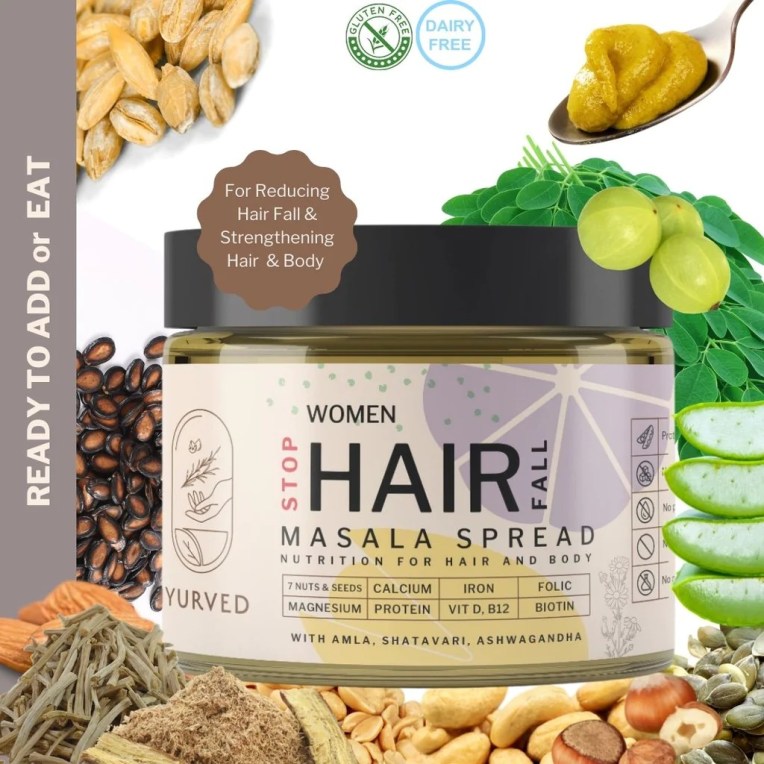
To stop Hair Fall & Strengthen Hair & Body, give Women Stop Hair Fall Masala Spread | 0% Preservatives | 0% Refined Sugar | 0% Palm oil | With SHATAVARI, ASHWAGANDHA, AMLA, MORINGA, ALOE VERA | ORDER |


CHECK MORE PRODUCTS FOR:

Immunity, Gut health, Digestion, Weight, Brain development, Speech delay, Epilepsy, Eye health, Hormones, Sleep, Hyperactivity, Bones and Overall growth

foods for breast milk

read more blogs

Thyroid in kids

thyroid gland

Thyroid is the most common endocrine disorder among school-age kids. On average, 37 out of every 1,000 kids are thought to have thyroid problems. It is quite prevalent among girls, with roughly 1 in 300 girls being affected. Even though thyroid disease is mostly seen in adults, it can also occur in newborns, infants, children and teens as well affecting the thyroid gland. While some of the symptoms may be similar in adults, it can be challenging to detect thyroid disease in children. Read more to check causes, symptoms and foods that can help to manage thyroid in kids.

WHATSAPP for concerns like Speech Delay, Low Weight, Frequent Illness, Hyperactivity, Low Concentration, Weak Eyesight, Improper Sleep, Pigmentation, Pores, Face Marks, Fine Lines , Lactation etc.

What is thyroid?

Thyroid gland is a gland which is present at the front side of the neck. Adam’s apple is present just above the thyroid gland. Thyroid gland secretes hormones called T3 and T4 hormones. These are responsible for regulating the metabolic rate of the body, controlling digestion, heart and muscle function, brain development and also maintaining bone health. So, any irregularities in this gland may cause imbalance in the whole body function.

Thyroid gland disorder in children:

It’s all in the right amount of hormone secretion by the thyroid gland. If it secretes too much thyroid hormones, the condition is called hyperthyroidism and when it secretes too little hormones, it will result in a condition called hypothyroidism in kids. Both of these disorders can affect the child’s growth, mood, health, learning ability and concentration. Hashimoto’s thyroiditis (HT), is a disease which typically causes hypothyroidism, is the most occurred thyroid disease in children.

Also, check Bloating: Tips and foods that help

Symptoms of thyroid in kids: 

These most common symptoms listed here can help to relate if your child is having thyroid disorder.

  1. Hypothyroidism: 

In the case of kids with hypothyroidism, their thyroid gland is producing either too little hormones, a condition known as primary hypothyroidism, or the thyroid gland is not stimulated properly, a condition known as secondary hypothyroidism. Symptoms include constipation, rough dry skin, slow growth, fatigue, cold intolerance, bruising, too much sleeping, bone fracture, delayed puberty etc. Sometimes, the child with thyroid issue is overweight or obese and shorter in height.

  1. Hyperthyroidism: 

In case of hyperthyroidism, the thyroid gland produces high amounts of hormones which may be because of overactivity or overstimulation of gland. The symptoms include, shorter attention spans, tremors, weight loss, emotional breakdowns, increased appetite, goitre(enlarged thyroid), less blinking, upper eyelid lag, excessive sweating, muscle weakness,high blood pressure etc.

DISEASES ASSOCIATED WITH THYROID IN KIDS:

Thyroid gland disorder can also cause other endocrine disorders such as tumours in pituitary gland, diabetes mellitus, and tumours in adrenal gland. It may also include some of the symptoms such as increased or decreased blood sugar level, white discharge from breast, vision problem, early puberty, headache, high BP or low BP. 

Thyroid may also lead to some of the health complications in kids such as myxedema (hypothyroidism condition resulting in skin swelling), infertility during adulthood, puberty delay, heart complications and even thyroid cancer.

Also check, DIABETES IN KIDS: 6 FOODS TO MANAGE THEIR BLOOD SUGAR

Foods to avoid with hypothyroidism

  1. Soybean and soybean products: 

Soybean contains isoflavones, compounds that negatively affect the thyroid affected child. It may increase the risk of hypothyroidism. It interferes with the absorption of thyroid medication.

  1. Cruciferous vegetables:

Cruciferous vegetables include brussel sprouts, cabbage, cauliflower, broccoli, kale, turnip etc. These are definitely full of nutrients and fibre rich but they may affect the thyroid’s ability to produce the hormones, especially if your child is iodine deficient.

  1. Gluten:

Gluten found in some of the cereals such as wheat and rye, and their products may hamper the absorption of medication given for thyroid in the small intestine. The condition may get worse if the child is suffering from gluten intolerance along with hypothyroidism. (Also check, WHAT IS GLUTEN FREE MEANS: A GUIDE TO A GLUTEN FREE DIET FOR KIDS)

  1. Sugar and fatty foods:

Usually thyroid disorders are associated with overweight and obesity. So, it’s very important to take care about how much sugar or fatty foods your child is gulping down. These junk foods may also hamper the production of thyroid hormones.

  1. Fibre rich food in excess:

Consuming fibre rich foods is good. However, too much fibre consumption in terms of whole grains, vegetables, fruits, beans and legumes may affect the absorption of medication in the intestine.

Foods to avoid with hyperthyroidism

Too much iodine consumption can worsen hyperthyroidism. Hence, children with hyperthyroidism should avoid or limit eating iodized salt, fish and shellfish, dairy products, egg yolk, seaweed, baked goods and products with soy, gluten and caffeine.

Foods that help To manage thyroid in kids

Ashwagandha:

Ashwagandha is a medicinal herb that has magical healing properties. It can boost the thyroid hormone production from the thyroid gland. Hence this herb can be used to treat hypothyroidism. But, because of this thyroid stimulating property, it is not advisable for children with hyperthyroidism. 

(Also check HEALTH BENEFITS OF ASHWAGANDHA FOR KIDS AND TEENAGERS)

Brahmi:

Brahmi is a powerful medicinal herb. It can stimulate the activity of the thyroid gland by raising the level of production of T4 hormone. Hence it is useful for hypothyroidism.

Shankhpushpi:

Shankhpushpi is a herb that finds use in many Ayurvedic medicines. It has the ability to suppress the thyroid gland function and reduce hormone production. Therefore, it is very useful for treating hyperthyroidism.

Nuts and seeds:

Nuts and seeds such as cashew nuts, almonds and pumpkin seeds, Brazil nuts, macadamia nuts and hazelnuts are rich in iron and selenium. These nutrients can help in proper functioning of the thyroid gland.

Vitamin E: 

Vitamin E is essential for optimal thyroid function. If the child is deficient in vitamin E, it may negatively affect the thyroid gland and increase the risk of developing thyroid disease.    

Also, check TOP 10 BENEFITS OF VITAMIN E FOR SKIN AND HAIR

Rosemary extract: 

Rosemary is a woody herb belonging to the mint family. Many thyroid treating tablets include rosemary as a part of it. This might be because the rosemary stimulates thyroid hormone receptors. It has powerful antioxidants that help in reducing joint pain, hair loss and other symptoms of thyroid.

Himalayan pink salt: 

Since Himalayan pink salt is rich in iodine and lower sodium level, it helps to boost the thyroid gland function and can be effective in curing hypothyroidism.


READ MORE BLOGS:

Motor Tics in Kids

muscle spasm

Eye blinking or eye jerking quickly, tongue sticking out, head jerk or twitches, muscle spasm, hopping and squating, shoulder shrugs…… Do you find any of these symptoms in your child?? This may be motor tics. Tics are muscle movements that are usually fast and repetitive. Tics are a bit common in childhood and affect about 10% of kids during their early school years (5 years). This may cause sudden and uncontrollable body sounds. Sometimes, kids with ADHD (Attention Deficit Hyperactivity Disorder) may also have these symptoms. Read more to know foods that can help with Motor tics.

WHATSAPP for concerns like Speech Delay, Low Weight, Frequent Illness, Hyperactivity, Low Concentration, Weak Eyesight, Improper Sleep, Pigmentation, Pores, Face Marks, Fine Lines , Lactation etc.

What are motor tics or muscle spasms?

Motor tics are unintentional muscle movements caused by spasm like contraction which usually involves muscles of the face, eyes, mouth, neck, head and even shoulders.

Tics may look like intentionally done, but they are not. Although a person or a child suppresses the tics for a short time, tics and sound repeat and the urge will become stronger.

How to know whether your child has muscle spasm?

Motor tics may be a normal or complex. If it’s normal, only one muscle or body part is involved which causes no harm. But, it may be painful or embarrassing at that moment.

The common symptoms of normal or simple motor tics include:

  • Eye blinking or eye jerking quickly
  • Tongue sticking out
  • Head jerk or twitches
  • Muscle spasm
  • Hopping and squatting
  • Shoulder shrugs

Whereas, a combination of different types of simple motor tics affects different muscle groups at a time, and is called complex motor tics. These are usually slower and it seems the person is doing movements intentionally.

The common symptoms of complex motor tics or muscle spasms include:

  • Pouting of face
  • Repeatedly touching people or things
  • Revolving movement of hands

Similar to motor tics, vocal tics also may occur either simple or complex. 

Simple vocal tics include,

  • Noisy breathing
  • Hissing and barking
  • Snorting
  • Smelling
  • Clearing the throat.

Complex vocal tics include,

  • Words
  • Phrases
  • Sentences
ADHD and muscle spasms:

ADHD is a disorder which is very complex and it involves different effects and symptoms. It does not directly cause the motor tics but children with ADHD can sometimes get co-occurrence of motor tics.

ADHD: Multiple disorders

Children who have ADHD can have multiple disorders at the same time. Researchers found that  about 50-70% of the children with ADHD have motor tics.

There are some disorders involving muscle spasm or muscle cramps which occur in association with ADHD:

  1. Tourette syndrome (TS): People with TS sometimes experience ADHD symptoms. This could be near 90%. Some of the studies also show that, for children with TS, the tics tend to reduce in their teenage years.
  2. Obsessive-compulsive disorder (OCD):  Researchers have found that people whose OCD symptoms include aggressive compulsions and symmetry behaviours most commonly have tics.
  3. Autism spectrum conditions. Some of the symptoms associated with autism are body, face, and voice tics. Most of the children with ADHD have autism.

What can you do about motor tics (also with ADHD)?

  1. Improving sleep life: When in fatigue, tics may get worse. Getting proper sleep may improve the condition. This may be difficult for ADHD kids as sleep issues are very common with them.
  2. Reduce stress and anxiety: Anxiety and stress may worsen the condition of tics. In this case, tics may act as a result of stress and anxiety. Regularly doing meditation, yoga and physical activity may improve the situation.
  3. Educate the circle: It’s always good to inform the teachers, caretakers, peers and coaches about the condition your kid is suffering through. This will create a supportive environment for the kid.
Foods to avoid: 
Refined sugar:

Excessive sugar impairs cognitive skills as well as self control. Moreover, sugar damages the protein in our body, resulting in ageing of organs, which further compromises immunity, growth and functioning. Greatest source of sugar in the average kid’s diet are sugary snacks and beverages like cookies, cakes, candies, fruit juice, soda, and sports drinks. Everything that the child picks up to eat today has strains of added sugar in some form or the other.

Preservatives:

Most of packaged food companies are adding artificial preservatives to delay spoilage and contamination in foods.  Artificial preservatives such as nitrates, benzoates, sulfites, sorbates, parabens, formaldehyde, BHT, BHA and several others can cause serious health hazards such as hypersensitivity, allergy, asthma, hyperactivity, neurological damage and muscle spasms.

Refined oil:

The high temperature involved in the refining process removes all the natural and beneficial substances from the oil, which is not good for the digestive as well as respiratory health and ultimately affects your immunity.

Foods to manage motor and vocal tics in children:
1. BRAHMI:

Brahmi is a brain superfood that is thought to sharpen the brain by protecting cells and increasing chemicals involved in learning and memory. It can improve mental performance by influencing neurotransmission through acetylcholine and gamma-aminobutyric acid (GABA). Brahmi improves memory, reduces anxiety, helps to improve motor tics, and promotes attention by restoring brain receptor function. (Drinks good for brain health)

2. ASHWAGANDHA:

This herb functions as an adaptogen. Ashwagandha has been shown to reduce anxiety and stress, which leads to better brain performance. Furthermore, it raises acetylcholine levels, which aid in memory, mental focus, and intelligence. Ashwagandha also improves nerve cell communication and stimulates the body’s ability to heal any nervous system damage. It is also helpful for the treatment of motor tics and headache without any adverse side effects.

3. SHANKHAPUSHPI:

In order to improve brain functioning, shankhapushpi is an old remedy. The powerful antioxidants and flavonoids present in it improve the memory capacity, focus, concentration, calmness, alertness of an individual. Since it is a brain tonic and stimulator, people taking shankhapushpi have improved memory, reasoning, problem-solving, and other cognitive abilities.

4. NUTS

All the nuts like almonds, walnuts, cashew, peanuts and hazelnuts are rich in vitamin E and help in boosting memory. They are also antioxidants which protect against cell damage. Walnuts are rich in omega-3 fatty acids and are a valuable substance for brain function, memory and thinking abilities. This fatty acid also encourages cognitive functions. (best nuts for protein)

5. SEEDS

Apart from nuts, seeds like flex, chia, melon, sesame and pumpkins also contain powerful antioxidants like vitamin E that protect the brain from free radical damage. Sunflower seeds impact overall mood and mental processing powers and therefore it is considered a brain boosting snack. Pumpkin seeds are high in magnesium, copper, and much higher in zinc than other seeds, which help in increasing concentration and memory. One of the easiest to feed brain boosting foods for kids.

6. OMEGA-3 FATTY ACIDS

Multiple studies have shown the link between low omega 3 fatty acids and speech delay, poor focus and concentration. These healthy fats are crucial for brain development and help to manage speech disorder and delay in kids. It can also improve speech quality. Include fish like salmon, flaxseeds, walnuts, soybeans and tofu for adequate supply of omega -3 fatty acids.  (10 reasons to give kids with omega 3 foods)

7. VITAMIN E

Vitamin E acts as antioxidants and kills free radicals which can damage our nerves resulting in speech problems. Including more fruits, vegetables, nuts, sunflower seeds and pumpkin seeds in the child’s diet will help.

8.MAGNESIUM, MANGANESE & ZINC:

Magnesium is abundant in nuts such as almonds, peanuts, cashews, and pumpkin seeds. They are also antioxidants which protect against cell damage. Manganese is an important nutrient for seizure patients because it plays an important role in cerebral functions. This mineral is abundant in nuts, whole grains, and legumes. Furthermore, a person with muscle spasm requires zinc for proper muscle repair. It is critical to include meat, eggs, nuts, and legumes in your child’s diet.

Products:

It’s no SECRET that following an Ayurvedic lifestyle has numerous advantages. This unique collection of Ayurvedic spreads is an easy solution to feed daily nutrition for Immunity, Eye, Brain development, Bone strength and overall growth to kids without any fuss. To know more about kid’s ayurvedic foods –SHOP HERE.

India’s First Tasty Kids Nutrition fortified with Ayurvedic herbs.

For kids with Motor Tics, give Kids & Teens Brain Booster Savoury Spread | 0% preservatives | 0% refined sugar | 0% palm oil | Fortified with SHANKHAPUSHPI, ASHWAGANDHA, BRAHMI | Contains OMEGA 3, PROTEIN | ORDER |


CHECK MORE PRODUCTS FOR:

Immunity, Gut health, Digestion, Weight, Brain development, Speech delay, Epilepsy, Eye health, Hormones, Sleep, Hyperactivity, Bones and Overall growth

what is the down's syndrome

READ MORE BLOGS:

11 Foods to Increase Breast Size

foods for increase breast size

What you consume can have a huge influence on your breast size. Yes, eating may help you achieve the ideal size and form of your bust. It’s unbelievable, but it’s true. Breast size is determined by genetics, food, and a variety of other factors. While many women desire lovely and supple breasts, few choose to undergo cosmetic breast enlargement treatments. Fortunately, consuming certain foods and doing a few exercises are two of the natural methods to enhance your breast size. This article delves deeper into some of the factors as well as a few foods to increase breast size. Continue reading to find out more.

WHATSAPP for concerns like Speech Delay, Low Weight, Frequent Illness, Hyperactivity, Low Concentration, Weak Eyesight, Improper Sleep, Pigmentation, Pores, Face Marks, Fine Lines , Lactation etc.

Factors that influence the breast size:

Breast size is influenced by various factors that differ from woman to woman. Here are the main factors that influence breast size:

1. Family history:

Your breasts’ particular size and shape might possibly be a result of the genes you got from your parents. Other factors, like as your nutrition and the environment you are exposed to, can, however, modify your inheritance pattern.

2. Weight

The fat tissues in the breasts make up the majority of them. As a result, whether a person gains or loses weight, their breast size may alter.

3. Workout routine

Keep in mind that these workouts will not enhance the size of your breasts; nevertheless, they may strengthen the muscle beneath them, giving them the appearance of being larger.

4. Period

Your menstrual cycle can bring pretty distinct changes to your breast size, texture, and shape. 

5. Birth control

Birth control can do more than simply prevent an unexpected pregnancy and manage your period: it can also help you lose weight. Hormonal birth control treatments such as the pill, injection, and hormonal IUD can all influence breast size.

6. Pregnancy and postpartum:

Breasts can develop several cup sizes during pregnancy owing to a variety of factors such as normal weight growth, water retention, and hormonal changes. During pregnancy, your progesterone levels rise to help your body develop more milk ducts and lobules, which are milk-producing glands. As a result, your breasts may get bigger.

7. Age:

As your body evolves, so does the size of your breasts. Hormonal changes have a significant influence on the size and form of your breasts.

12 Best foods to increase breast milk supply

Foods that help to increase Breast Size:

Are you wondering how to increase the breast size? Here are some foods that help to increase the breast size,

1. Fenugreek:

It is one among the foods that help to increase the breast size. Fenugreek, when included in your diet, can assist your body replicate all of the positive effects of estrogen, such as enhanced breast size due to the growth of fatty tissues. It will also aid in the production of prolactin, another crucial hormone for natural breast growth.  

Also check, Nuts and seeds that help with milk production

2. MILK:

It’s not just in milk; it’s also in other dairy products. They have reproductive hormones that are comparable to those present in humans. All hormones necessary for milk production are found in cow milk, including estrogen, progesterone, and prolactin. Soy milk is another high-protein food that might help you grow your bust. Soy milk is high in isoflavones, which mimic oestrogen and cause breast enlargement.

Also, check 20 Best foods for Healthy Body and Hair

3. Shatavari:

Phytoestrogens are abundant in shatavari. If taken as directed, phyto-estrogen content is an excellent food to naturally increase a woman’s breast size. It is regarded as one of the most effective ayurvedic treatments for breast enhancement. Shatavari helps to decrease water weight in the body while promoting healthy weight gain.Because the breast is made up of adipose (fat tissue) tissue, Shatavari aids women in naturally increasing breast size by growing fat tissue in their bodies.

4. Flax Seeds:

Does flax seed increase breast size? Yes, Flax seeds, often known as “Alsi,” are little seeds with a lot of nourishment. They provide a slew of health advantages to the body, one of which is breast augmentation. Lignans, which act as phytoestrogens, are abundant in flax seeds. Flax seeds, which are 800 times richer in Lignan than any other seeds or natural foods, may aid in the development of larger breasts.

Also, check How to gain weight for kids?

5. Nuts:

Include walnuts, cashews, peanuts, and peanuts in your diet if you want to increase your breast size. Nuts are high in both protein and healthy fats. Not only that, but nuts also aid in the wellness of your heart and brain. Yes, nuts have several health advantages. 

Also check, Best nuts and seeds

6. Seeds:

Sunflower, anise, pumpkin, and flax seeds are all beneficial to breast development. These seeds improve breast development by increasing oestrogen levels in the body. Sesame seeds, in addition to these, are a good choice. Enjoy the flavour and benefits of these seeds by sprinkling them over your meals.

Also, check Nutritional needs for Breastfeeding Moms

7. ALFALFA:

It is a natural solution some lactating mothers opt for to increase milk production. Alfalfa can also be helpful for women who want an increase in their bust size in a natural way.

Also, check Growth Spurts in Kids

8. Turmeric:

Turmeric powder helps to tone the muscle, drive muscle tissue, lose weight as well as improve the overall condition of the body. These properties are highly effective for breast enlargement.

Also check, Colic in babies

9. FRUITS:

Fresh fruits, such as strawberries, cranberries, and blackberries, are high in estrogen, which can help you gain a larger cup size. Foods including apples, plums, apricots, and peaches, in addition to these fruits, contain high levels of estrogens. Regularly eating these fruits will help you in increasing your breast size!!

Also, check Hearing aids and Speech development

11. Fennel:

Among the breast enlargement foods, it is second only to fenugreek. It’s an excellent option for ladies who are seeking for foods to increase breast size. Fennel, like the rest of the herbs on this list, is beneficial to nursing mothers. This herb’s phytochemical composition is also one of the reasons for its ability to increase breast size.

Also, check Role of Prebiotics and Probiotics in Digestion

Products:

It’s no SECRET that following an Ayurvedic lifestyle has numerous advantages. This unique collection of Ayurvedic spreads is an easy solution to feed daily nutrition for Immunity, Eye, Brain development, Bone strength and overall growth to kids without any fuss. To know more about kid’s ayurvedic foods –SHOP HERE.

foods for increase breast size

India’s First Easy Effective Nutrition fortified with Ayurvedic herbs.

For Breast Enlargement, give Milk Jaggery Spread | 0% preservatives | 0% refined sugar | 0% palm oil | Fortified with SHATAVARI, METHI, MORINGA, GINGER | Contains CALCIUM, FOLIC, IRON PROTEIN, BIOTIN, VIT D, B12 | ORDER |

Parent reviews:

Some parents have been kind enough to share their journey with us. Let’s hear them to closely understand the benefits of Ayurvedic spreads by Iyurved.


CHECK MORE PRODUCTS FOR:

Immunity, Gut health, Digestion, Weight, Brain development, Speech delay, Epilepsy, Eye health, Hormones, Sleep, Hyperactivity, Bones and Overall growth

foods for increase breast size

Read more blogs:

Lactation: How to Increase Weight in Babies?

how increase the weight

Healthy Weight gain is one of the signs of a breastfed baby’s good health. Nearly 75% of new mothers stop breastfeeding their babies due to insufficient milk supply. This directly affects a baby’s weight and overall growth. A perfectly healthy newborn might gain weight slowly due to his or her own unique growth pattern. If your infant isn’t gaining weight in predictable patterns, you should pay attention to your food because breast milk is a newborn’s primary source of nourishment. Continue reading to learn how to increase your breast milk supply so that it aids in a child’s healthy weight gain and growth.

WHATSAPP for concerns like Speech Delay, Low Weight, Frequent Illness, Hyperactivity, Low Concentration, Weak Eyesight, Improper Sleep, Pigmentation, Pores, Face Marks, Fine Lines , Lactation etc.

HOW INCREASE THE WEIGHT

Importance of lactation in babies:

The period from birth to 6 months is the most vulnerable period for both baby and the mother as it is the first time the baby begins to feed.  During this time, the infant goes through a lot of growth and requires time to adjust to his or her new surroundings. Solid food feeding is risky for babies under the age of 6 months since it might trigger allergies and other digestive issues. At this age, breast milk is the only nutritional diet that is safe and acceptable. Breast milk contains bioactive and anti-infective substances, as well as vitamins, minerals, and iodine. It also includes DHA, which is required for the proper development of the retina, brain, and nervous system.

Also check, Best milk for Babies

WEIGHT GAIN IN BABIES:

Can the mother’s diet affect the baby’s weight and health? Well, it seems so. WHO has released a booklet for mothers to promote healthy eating during pregnancy and breastfeeding. It says that the principles of healthy food habits for pregnant women also apply to lactating mothers.

According to the American Journal of Obstetrics and Gynaecology, the composition of breast milk is uniquely suited to meet the nutritional needs of breastfeeding babies. This composition of breast milk is influenced by the mother’s diet during lactation and the mother’s adipose nutrient stores. Thus, eating a nutrient-rich diet is a way for lactating mothers to support their own health as well as their baby’s health.
According to NIH,” The total amounts of nutrients that the lactating mother secretes in her milk are directly related to the extent and duration of lactation”. This makes it clear that the nutritional intake of the mother is passed on to her milk for the breastfeeding baby.

Breast milk is a baby’s only source of nutrition, as well as all of the components necessary for growth and development. As a result, the weight gain in babies is linked to the mother’s milk supply and quality.

Baby’s ageAverage weight gain in grams
5 days to 4 months170 grams per week
4 months to 6 months113–150 grams per week
6 months to 12 months57–113 grams per week

Also check, Weight gain foods for kids

HOW DOES Milk Jaggery Spread HELP IN WEIGHT GAIN IN BABIES?

2 tablespoons of Milk Jaggery Spread will help to boost milk quality, supply, and baby’s weight.

how increase the weight

India’s First Easy Effective Nutrition fortified with Ayurvedic herbs.

For Healthy Weight Gain in Babies, give Milk Jaggery Spread | 0% preservatives | 0% refined sugar | 0% palm oil | Fortified with SHATAVARI, METHI, MORINGA, GINGER | Contains CALCIUM, FOLIC, IRON PROTEIN, BIOTIN, VIT D, B12 | ORDER |

Foods that help to increase weight in babies:

1. Fenugreek:

Fenugreek is one of the most effective meals for increasing milk production. It is the finest galactagogue ( foods that increase breast milk).  It helps activate the mammary glands to boost the production of breast milk which help to increase weight in newborns.  

Also check, Nuts and seeds that help with milk production

2. Moringa:

Moringa is also a powerful galactagogue that enhances milk supply in mothers. It’s packed with nutrients such as Vitamin E and K, calcium and iron. These nutrients are essential for nursing moms and newborn babies as they boost milk production and support increasing the weight of babies.

Also, check 20 Best foods for Healthy Body and Hair

3. Shatavari:

This Ayurvedic herb has been used to help women with breastfeeding concerns. It possesses qualities that aid in the production of prolactin and corticoids, which aid in the increase of breast milk, and so enhance lactation and breast milk quality. It also stimulates the release of steroid hormones, which increase milk production and baby weight.

4. Ginger:

Ginger is utilised for its health advantages in addition to giving flavour to a variety of dishes and beverages. It is a well-known natural galactagogue among nursing mothers. There is, however, evidence to support ginger’s effectiveness in enhancing breast milk volume, indirectly aiding in the increase of weight of babies.

Also, check How to gain weight for kids?

5. Nuts:

Nuts like peanuts, Almonds, Cashew, and Hazelnut provide energy for a breastfeeding mother to stay active throughout the day. It is rich in micronutrients like zinc, iron, copper, and folic acid. It is the best snack to include in a breastfeeding mother’s diet. These nuts help to boost milk production. These are a reasonably good source of proteins and healthy fats, ensuring a healthy weight gain for the baby. 

Also check, Best nuts and seeds

6. Seeds:

Seeds like melon, sesame, and pumpkin help in milk production. Sesame is a rich source of calcium which is the most important nutrient for breastfeeding mothers. It is also rich in healthy fats that help to increase the weight of babies. Pumpkin seeds are a natural source of DHA and alpha-linolenic acid which helps in boosting milk volume.

Also, check Baby Poop Types and Colour: What does it mean?

7. Jaggery:

Iron and essential minerals like potassium, magnesium, and phosphorus are abundant in jaggery. It helps in the build-up of milk in the breast. Eating it with a piece of Garlic can help boost breast milk production.

Also, check Growth Spurts in Kids

8. Turmeric:

For hundreds of years, this golden spice has been utilised in Ayurvedic medicine as the best galactagogue (the food that boosts milk production).  Hence, Turmeric may help nursing mothers by increasing milk production, relieving pain, and lowering depression.

9. Vitamin E:

Vitamin E is only transferred to the foetus through the placenta during pregnancy, therefore breast milk is the only source of this nutrient for exclusively breastfed newborns. This is an important strategy to provide the infant with antioxidant protection while also stimulating immune system development. A strong immune system is also responsible for healthy weight gain.

10. Sunflower lecithin:

It is a natural fat emulsifier that can aid to lessen the “thickness and stickiness” of milk. It may also help release existing fatty blockages, boosting milk flow and quantity of milk supply.

Also, check Hearing aids and Speech development

11. Cocoa solids:

It’s chocolate, but it’s healthy!!! It can assist nursing mothers in increasing their milk production. It not only delivers excellent nutrition to enhance a nursing mother’s milk production, but it also gives a slew of additional health advantages to a new mother.

12. Cinnamon:

Cinnamon promotes the flow of mother’s milk. For milk stimulation, combine honey, milk, and cinnamon powder. Having honey and cinnamon is therefore not only healthful but is also a fantastic choice for increasing milk production.

Also, check Role of Prebiotics and Probiotics in Digestion

Parent reviews:

Some parents have been kind enough to share their journey with us. Let’s hear them to closely understand the benefits of Ayurvedic spreads by Iyurved.


CHECK MORE PRODUCTS FOR:

Immunity, Gut health, Digestion, Weight, Brain development, Speech delay, Epilepsy, Eye health, Hormones, Sleep, Hyperactivity, Bones and Overall growth

what is the down's syndrome

Read more blogs:

Speech Difficulties in Kids with Down’s Syndrome

what is the down's syndrome

1 out of 830 children are born with Down syndrome which means approximately 23,000 – 29,000 children are affected with Down syndrome every year in India. Isn’t it a lot!! Numbers show India has the highest number of children suffering from Down syndrome. The survival rate of those who are affected with Down syndrome is only 44%.  Even though it is common, many people don’t even know what is the Down’s syndrome. (Child with developmental delay: Signs and Remedies)

Research shows that development in children with Down syndrome is similar to normal children but slower. Children having Down syndrome also typically have delays in speech and language learning. Some speech sounds are difficult for people with Down syndrome to produce, and others are difficult to understand. Despite these challenges, children with Down syndrome are excellent communicators who just need some encouragement, proper nutrition and training to do so effectively. This Syndrome is not curable but we can improve their life by taking extra care of them. Check how!!

WHATSAPP for concerns like Speech Delay, Low Weight, Frequent Illness, Hyperactivity, Low Concentration, Weak Eyesight, Improper Sleep, Pigmentation, Pores, Face Marks, Fine Lines , Lactation etc.

What is the Down’s syndrome?

All human beings have 46 chromosomes ordered in 23 pairs. These 46 chromosomes are the combination of 23 chromosomes from parents respectively. And if a person has an extra chromosome then that condition is called Down syndrome.

Down’s syndrome is a genetic disorder generally associated with speech delay, physical growth delays, characteristic facial feature and mild to moderate level intellectual disability. Infants, toddlers and children with Down syndrome have structural and functional differences in their mouth and throat areas that makes it more difficult for them to make precise movement which leads to speech difficulty. They also have hearing loss which also affects Speech delay. (Baby’s milestones: 6 Foods that help)

Down’s syndrome and speech delay:

It is observed that speech delay is a common symptom in children with Down syndrome. They have a specific impairment in the phonological loop which holds verbal and auditory information, it temporarily stores verbal information for rehearsal, and this is now thought to be a major cause of their speech and language difficulties.

Some of these distinctions may have an influence on speech and language in children with Down syndrome.

  • Low facial muscle tone: The midface of children is small and the nose, mouth and jaw are also smaller. This impacts the airway and this means there is less room for speech in the face and mouth. 
  • Larger tongue size: It may be more difficult to generate sounds since they have a larger tongue than their mouth size.
  • Ear infections: Due to the presence of fluid in the ears, frequent ear infections can impair hearing. (Ear infections in kids)
  • Slower learning abilities: Slower learning abilities might cause developmental milestones, particularly speech milestones, to be delayed. (Difficulties in Learning, Reading and Writing: 7 Foods that help)

In general, children begin to speak between the ages of 10 and 18 months, while children with Down’s syndrome may not begin to speak until they are between the ages of 24 and 36 months.

Tips to improve speech disorder/ delay
  • Spend a lot of time communicating with your baby. Sing a song or rhyme and encourage imitation of sound and gesture.
  • Talk slowly and clearly. Use simple and short sentences.
  • Read stories to your child daily. Encourage them to talk to you about the plot and characters, ask them how they think a character could behave, let them ask questions whenever they feel like they’re simply learning how to express themselves.
  • Don’t miss any opportunity and use everyday situations to create communication. Keep on telling the name of different objects around the house.
  • Explain what you are doing as you are cooking, dish washing or cleaning or engage them by saying let’s do this or that.
  • If you are not watching the television, turn it off. The excess background noise can cause delays in the formation of words
  • Let the child lead the conversation.
  • Ask a lot of daily questions and give time to your child to answer questions.
  • Give lots of praise and positive reinforcement while also correcting, instead of criticizing the child for not saying the word properly.
  • Encourage you baby to use straw for drinking or just to blow air through it. This helps the child to develop the oral muscles used for speech.

Food helps to improve speech delay In down syndrome children

Without the brain, there would be no language. The human brain has a few areas that are specific to language processing and production. Adding foods that support brain development can help to improve language development in kids with Down’s syndrome.

1. NUTS

All the nuts like almonds, walnuts, cashew, peanuts and hazelnuts are rich in vitamin E and help in boosting memory. They are also antioxidants which protect against cell damage. Walnuts are rich in omega 3 fatty acids and are a valuable substance for brain function, memory and thinking abilities. This fatty acid also encourages cognitive functions. (best nuts for protein)

2. Seeds

Apart from nuts, seeds like flex, chia, melon, sesame and pumpkins also contain powerful antioxidants like vitamin E that protect the brain from free radical damage. Sunflower seeds impact overall mood and mental processing powers and therefore it is considered a brain boosting snack. Pumpkin seeds are high in magnesium, copper, and much higher in zinc than other seeds, which help in increasing concentration and memory. One of the easiest to feed brain boosting foods for kids.

3. Omega-3 fatty acids

Multiple studies have shown the link between low omega 3 fatty acids and speech delay, poor focus and concentration. These healthy fats are crucial for brain development and help to manage speech disorder and delay in kids. It can also improve speech quality. Include fish like salmon, flaxseeds, walnuts, soybeans and tofu for adequate supply of omega -3 fatty acids.  (10 reasons to give kids with omega 3 foods)

4. Vitamin E

Vitamin E acts as antioxidants and kills free radicals which can damage our nerves resulting in speech problems. Including more fruits, vegetables, nuts, sunflower seeds and pumpkin seeds in the child’s diet will help. 

5. Ashwagandha

This herb is an adaptogen. Ashwagandha is known to reduce anxiety and stress for better brain performance. Moreover, it increases acetylcholine levels which support better memory, mental focus and intelligence. Ashwagandha also improves communication between nerve cells and stimulates the body’s capacity to heal any nervous system damage.

6. Shankhpushpi

This herb works as a memory tonic. It is a traditional remedy for increasing the functioning of the brain. The powerful antioxidants and flavonoids present in it improve the memory capacity, focus, concentration, calmness, alertness of an individual. Since it is a brain tonic and stimulator, people taking shankhapushpi have improved memory, reasoning, problem-solving, and other cognitive abilities.

7. Brahmi

Brahmi is a superfood for the brain and is believed to sharpen the brain by protecting cells and increasing chemicals associated with learning and memory. It can boost mental performance by altering neurotransmission via acetyl choline and gamma-aminobutyric acid (GABA). Brahmi boosts memory span, lowers anxiety, aids in the correction of speech problems, and promotes attention by restoring the function of brain receptors.

Products:

It’s no SECRET that following an Ayurvedic lifestyle has numerous advantages. This unique collection of Ayurvedic spreads is an easy solution to feed daily nutrition for Immunity, Eye, Brain development, Bone strength and overall growth to kids without any fuss. To know more about kid’s ayurvedic foods –SHOP HERE.

what is the down's syndrome

India’s First Tasty Kids Nutrition fortified with Ayurvedic herbs.

For kids with Down syndrome having speech delay and weak muscle tone, give Kids & Teens Brain Booster Savoury Spread | 0% preservatives | 0% refined sugar | 0% palm oil | Fortified with SHANKHAPUSHPI, ASHWAGANDHA, BRAHMI | Contains OMEGA 3, CALCIUM, PROTEIN | ORDER |


CHECK MORE PRODUCTS FOR:

Immunity, Gut health, Digestion, Weight, Brain development, Speech delay, Epilepsy, Eye health, Hormones, Sleep, Hyperactivity, Bones and Overall growth

what is the down's syndrome

Read more blogs:

Growth Spurts in Kids: When do they happen?

growth spurt means

In the first several months, your newborn infant will grow quickly, and you might think he or she has grown overnight!!! Sometimes you will notice sudden changes in their appetite, sleep patterns, and even their mood. This can indicate a growth spurt. Growth spurt means short periods of time during which your child’s height and weight rapidly increase. They are a normal part of your child’s development and occur at different stages of their childhood until they reach physical maturity. Continue reading to learn what growth spurt means, their signs and how to deal with them.

WHATSAPP for concerns like Speech Delay, Low Weight, Frequent Illness, Hyperactivity, Low Concentration, Weak Eyesight, Improper Sleep, Pigmentation, Pores, Face Marks, Fine Lines , Lactation etc.

What does growth spurt means ?

Growth spurt means rapid physical changes that occur as your child grows up, such as increases in height and weight. Baby’s growth spurt normally lasts only a few days. In this duration, they will need to breastfeed more frequently and for longer periods of time to keep up with their physical development. The baby may be fussier than usual, and his or her sleep patterns may be disrupted. Every day, your baby grows and adds weight, but a baby growth spurt is usually fast and sudden.

When do babies have growth spurt? 

Every individual child may go through a growth spurt at a different age. When your baby is born, the paediatrician will give you a chart to keep track of his or her growth stages. This is based on a WHO chart that records the height, weight, and head circumference of babies according to their age.

According to the average data, your baby will go through a growth spurt throughout the following stages of their first year:

  • 1 – 3 weeks
  • 6 – 8 weeks
  • 3 months
  • 6 months
  • 9 months

Between the ages of 8 and 15 years, a child’s second growth spurt takes place. A growth spurt could last from two to three days to a week. Babies’ growth spurts are usually shorter, lasting up to three days, whereas teenage growth spurts can last up to a week. Some toddlers grow at a consistent rate throughout their toddler years, while others gain a few inches in a matter of months.

SIGNS AND SYMPTOMS OF GROWTH SPURTS:

The signs and symptoms described below may indicate that your child is going to go through growth spurts.

1. Outgrowing their clothes and shoes quickly:

Clothing that no longer fits your child is a classic sign that they are going through one of their growth stages. As their legs get longer, toddlers can quickly outgrow their pants. Some toddlers grow at a consistent rate throughout their toddler years, while others gain a few inches in a matter of months.

2. New ability:

Toddlers’ brain development is one of the numerous characteristics of their growth spurts. You will notice your child making rapid progress in areas like language and motor skills.

3. Appetite increase:

Your toddler’s calorie intake will increase as their body matures. Because toddlers are usually quite active, seeing your child’s hunger increase is common, but it could also indicate that your child is going through a growth spurt.

4. Cravings:

Toddlers frequently have a favourite food. Growth spurts, on the other hand, can lead your child to crave foods that contain the vitamins and minerals he or she requires.

5. Mood swings occur:

Your child may get fatigued and irritable as a result of bodily changes. Hormonal fluctuations can also affect their mood.

6. Growing pains are inevitable:

When children grow, they frequently experience mild pains and stiffness. Because their limbs are painful from growing pains, your child may be cranky, weary, or fussy.

7.Sleepiness:

Growing up can be exhausting!! Even if your child was formerly a champion sleeper, they may now be waking up at all hours of the night, restless, and hungry. Your kid may appear to be more exhausted than normal. As their bodies release growth hormone while they sleep, make sure they get the rest they require.

8. CRANKIness:

All toddlers can be clumsy, but limbs growing rapidly creates an additional coordination challenge.

CauseS of growth spurt: 

Growth spurts are caused by your child’s genetic profile or the genes they receive from their parents. The genes of your child will decide how tall they grow and how quickly they achieve their maximum height. Environmental conditions can influence your child’s growth, including:

  • Diet and nutrition. 
  • Exposure to negative substances in the water or atmosphere (pollution or lead).
  • Abnormal fetal health or pregnancy complications.

How to deal with growth spurt?

During your child’s growth spurt, you can help them by doing the following:

  • Providing them with more meals to satisfy their hunger.
  • Encourage good sleeping habits and regular bedtimes.
  • Pay attention to the baby’s overall health.
  • Patience with their fluctuating emotions.

Also check, Food for enough nutrition

Foods required during the growth spurts in kids:

The child’s body needs a sufficient amount of vitamins and minerals to grow properly in the duration of the growth spurt. A nutritious diet plan must provide all the essential nutrients like carbohydrates, fats, proteins, vitamins, minerals and water in the required amounts. Requirements of essential nutrients vary with age, gender, physiological status and physical activity.

These are some foods that you should add to their diet for the complete nutrition of kids

CARBOHYDRATES:

Carbohydrates are also known as energy giving foods. It provides glucose, which is converted to energy and further used in body functioning and physical activities which helps to reduce tiredness during the growth spurt. Foods rich in carbohydrates are an important part of a healthy diet.

PROTEIN:

Protein is the body’s building block and repair agent. It also helps them to build a healthy and strong body during the growth spurt. It’s also integral in forming enzymes and hormones in the body. (What are some easy sources of protein for kids?)

IRON:

It is an important dietary mineral that is essential for the growth and development of kids both physical and mental growth. Iron helps form haemoglobin that is found in the blood cells of the body. (Foods for Iron deficiency)

CALCIUM:

One of the most important minerals in our body is CALCIUM. Calcium consumption during a growth spurt has a good impact on bone. Bones are 70% calcium and it is only calcium that gives bones their hardness for protection and support. Bones also serve as the calcium bank of the body.

VITAMINS:

Vitamin plays an important role during the growth spurts as it helps the body grow and work the way it should. There are 13 essential Vitamins — Vitamins A, C, D, E, K, and Vitamin Bs. Some help in eyesight and energy production, while others support healthy nerves and cells and in fighting infection. (Importance of different vitamins for kids)

HEALTHY FATS:

During the period of growth spurts, physical and brain development is at its peak point. Healthy fats are crucial to brain and overall physical development and can help stabilise mood. Also help with healthy metabolism, blood clotting and letting the body absorb vitamins.

FIBRE:

Fibre is a non-digestible carbohydrate. It is responsible for keeping our digestion healthy and regular. Lack of fibre rich food in diet may cause constipation, which creates a nutrient-deficient disease. In growth spurt nutrient requirement is more from the body. (Fibre-rich foods for constipation)

Your adorable newborn will be a kid before you realise it, racing about and making you chase them. So take advantage of this newborn stage, and comfort and assist them during any unpleasant growth spurt days with a little extra love and care.


PRODUCTS

It’s no SECRET that following an Ayurvedic lifestyle has numerous advantages. This unique collection of Ayurvedic spreads is an easy solution to feed daily nutrition for Immunity, Eye, Brain development, Bone strength and overall growth to kids without any fuss. To know more about kid’s ayurvedic foods –SHOP HERE.

India’s First Tasty Kids Nutrition fortified with Ayurvedic herbs.

If your child is a picky eater or does not take enough nutrition for the day, you can give Daily Nutrition Chocolate Spread and Daily nutrition Veggies and Dal powder | Made with Ayurvedic herbs | 0% preservative | 0% Palm oil | ORDER |


CHECK MORE PRODUCTS FOR:

Immunity, Gut health, Digestion, Weight, Brain development, Speech delay, Epilepsy, Eye health, Hormones, Sleep, Hyperactivity, Bones and Overall growth

what is the down's syndrome

read more blogs: