FOODS HELPS LIVER TO FUNCTION WELL

Human body depends upon major internal body organs to survive and reproduce. These body parts are responsible for performing vital functions. The brain, heart, kidneys, liver and lungs are the main five organs essential for survival. Every organ has its own functions and they work together to make you feel fit and fine, so that you can perform your daily activities without any hassle. Liver is one of the most important body organs which performs hundreds of chemical actions that a body needs to survive. Liver’s main task is to process the nutrients broken down from food in the small intestine and pass them as necessary to the rest of the body where they are required.

Liver is instrumental (the only organ) in breaking down fat into energy and sending remaining to the body fat reserves to be stored for later use. Producing bile, a fluid essential for digestion of fats and nutrients that are part of the food is vital for liver to function properly. An unhealthy liver can directly impact digestion and absorption of nutrients in the body and restrict breakdown of fats.

WHATSAPP for concerns like Speech Delay, Low Weight, Frequent Illness, Hyperactivity, Low Concentration, Weak Eyesight, Improper Sleep, Pigmentation, Pores, Face Marks, Fine Lines , Lactation etc.

Also, check 12 Best foods to increase Breast milk Quality

Factors responsible for poor liver function in kids

There are many childhood liver conditions and problems. The most common cause of liver disease in children between 2- 19 years is fatty liver. 40% of obese children have fatty liver. According to American Liver Foundation, the number of children affected by fatty liver disease is on the rise, having more than doubled in the last 20 years. It is caused when too much fat builds up in a kid’s liver and can develop in children of 10 years and even younger.

Main factors

There are two main factors responsible for fatty liver in kids. First is an unhealthy food choice. Drinks full of sugary content with processed and packaged foods which are high in saturated and trans fat, badly affects a child’s liver. The second factor is the lack of physical activities in kids. Regular exercise is key to having a healthy liver. It decreases stress on the liver by storing excess food as fat in the fat reserves. 

A viral infection (causes hepatitis, an inflammatory condition of the liver), genetic disorders, cholestasis (a condition in which the flow of bile from the liver stops or slows) are some of the other reasons that can affect your child’s liver. Jaundice is the most common liver disease among kids. It often affects newborn babies and goes away on its own. Jaundice happens because babies’ liver aren’t fully developed enough to break down and excrete bilirubin (yellowish substance in blood which forms after red blood cells breakdown). It is extremely important to keep the liver healthy and free of fat. It helps the body organs to function and be active. Proper liver function can directly impact the growth and health of the child.

Sign or symptoms of Liver disease
  • Skin and eyes appear yellow
  • Abdominal pain and swelling
  • Itchy skin
  • Nausea or vomiting
  • Lack of appetite
  • Dark urine colour and pale stool
  • Swelling in legs and ankle
FOODS THAT HELP LIVER TO FUNCTION PROPERLY
Grapefruit

It contains antioxidants (naringenin and naringin) that protect the liver from injuries by reducing inflammation and protecting the liver cells. The compound also reduces fat build up in the liver by increasing enzymes that burn fat. It is a good food for liver to function properly. (What are some good fats to eat for the body?)

Beetroot

Beetroot is one of the liver healthy foods as it helps protect the liver from oxidative damage and inflammation. It Increases liver’s natural detoxification enzymes. It works effectively to prevent deposition of fat in the liver. Betaine in beetroot breaks down fatty acids in the liver and helps to treat fatty liver disease. (Easy beetroot recipe)

Avocados

Avocados help to protect liver as they are high in healthy fats. Research suggests that it is good food for the liver as it contains chemicals that helps to slow down liver damage. They are also rich in fiber which attaches to bile and helps in digestion and excretion of waste, leading to a healthy weight. (How does avocado help with dryness in skin?)

Sugarcane

Sugarcane juice is a perfect tonic for people with liver disease.  It is considered as one of the best liver healthy foods as it helps in strengthening the liver function. Sugarcane juice is good for fatty liver and as it is alkaline in nature, sugarcane juice helps in maintaining acid levels in the stomach. (What are some natural sugar to use during cooking?)

Radish

Radish is a rich source of antioxidants and minerals like calcium and potassium. Radishes act as real panacea for liver and stomach health. They are exceptionally useful for jaundice treatment because they remove the bilirubin and maintain its production. It is also a good source of natural nitrates that improves blood flow. If the blood flow is not proper, toxins and waste in the blood can keep floating in the body, causing harm. Liver helps to remove these toxins and cleanse the blood before sending off the nutrients to the body cells where required. These qualities made radish good food for liver health (What are some other foods rich in calcium and good for bones?)

Papaya

Papaya is rich in antioxidants, including carotenoids (Vitamin A).  It can balance free radicals (what are they?). Taking one teaspoon of papaya seeds regularly can protect your liver from disease. It can help to detox liver from unhealthy substances. It is one of the best choices for liver to function properly.

Yogurt

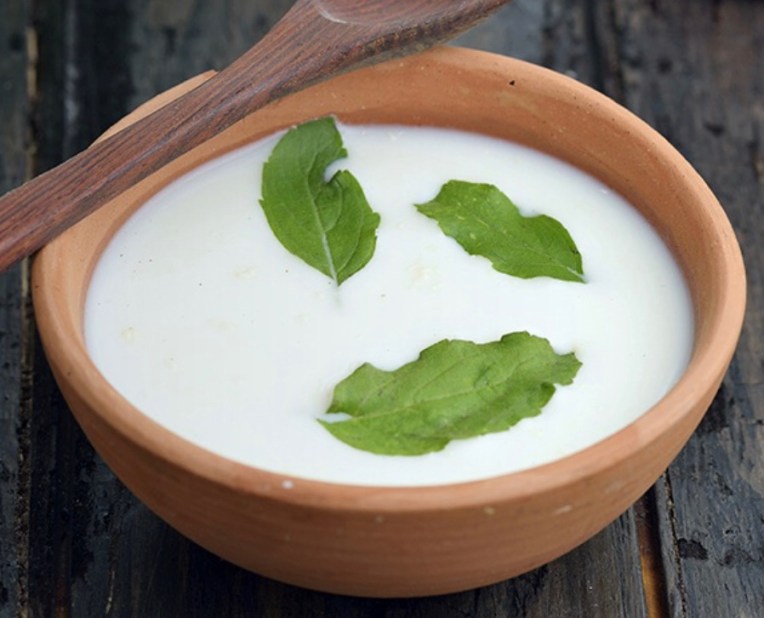
Yogurt is one of the best natural resources of probiotics (good bacterias) which helps in maintaining lower fat levels in the liver.  Micro organisms (good bacterias) in our intestinal tract are crucial for liver cells functioning. Yogurt helps to maintain a healthy gut and hence, contributes to liver health and becomes good food for liver. (How do probiotics help with sneezing and allergy?)

PRODUCTS:

Make it EASY to feed a daily dose of vegetables, greens, dal, and prebiotics. 1 serving of Veggies and  Dal powder equals 30-50g of fresh food. Helps to provide daily nutrition for Immunity, Brain, Digestion, Bones, Healthy Weight, Height, Eye health and Growth. Get yours now!

India’s First Tasty Kids Nutrition fortified with Ayurvedic herbs

For strong bones, height, healthy weight, Overall growth| Give Daily Nutrition Veggies and Dal powder | Rich in Calcium, Vitamin D, B12, Iron | Made with 100% veggies, greens, sprouted dal | 0% preservative | 0% Artificial Colour | 100% Natural | No refined sugar | ORDER |


CHECK MORE PRODUCTS FOR:

Immunity, Gut health, Digestion, Weight, Brain development, Speech delay, Epilepsy, Eye health, Hormones, Sleep, Hyperactivity, Bones and Overall growth

what is the down's syndrome

PARENT REVIEWS:

Some parents have been kind enough to share their journey with us. Let’s hear them to closely understand the benefits of Ayurvedic spreads by Iyurved.

Read more blogs:

Teething age in babies: 7 Facts Parents Should Know

Teething can be a cause of sleepless nights for babies and parents as well. At the same time, it brings a smile on a parent’s face to see your baby’s first tooth. It is one of the important milestones in the baby’s growth and development cycle. It is a natural process by which the baby’s first tooth erupts through the gums. Babies are born with all the primary teeth below their gum line which generally starts to come out gradually. the teething age in babies is different, but usually they erupts between 6 to 12 months of age. Some children erupt one tooth at a time, while others have tooth that come in pair.

Teething is a difficult period for your baby as your child will experience some discomforts. Some of the teething symptoms in babies are: Irritability, disrupted sleep, swelling or inflammation of gums, drooling, loss of appetite, rash around mouth, mild temperature, increased biting and gum rubbing are few signs the baby is teething. These symptoms were reported by 70-80 percent of parents according to an article from the British Dental Journal. There are certain facts about teething every parent should be aware of.

WHATSAPP for concerns like Speech Delay, Low Weight, Frequent Illness, Hyperactivity, Low Concentration, Weak Eyesight, Improper Sleep, Pigmentation, Pores, Face Marks, Fine Lines, Lactation etc.

7 Facts About Teething

Teething age in babies:

Every child has their own pace of growth. In some very rare cases babies are born with their first tooth, some experience teething early in around 4 months while few baby’s first tooth comes in around 14 months. Mostly teething age in babies is at around 6 months. In most of the cases lower front teeth are first to appear followed by upper front teeth. By the age of three most of the kids develop an entire set of primary teeth.

Teething Pain:

Teething pain can make your child irritated and fussy. You can minimise the pain by rubbing or massaging their gum gently with clean finger or with cool spoon or you can offer a teether.

Does teething cause Diarrhea?

Many parents connect teething with diarrhea and believes that diarrhea is one of the teething symptoms in babies. However, there is no such evidence that can justify that teething and diarrhea are connected. Teething usually starts around 6 months of age. This is the time when mothers begin solids to babies. Babies sensitive digestive system may cause diarrhea due to this change in diet. Also, the chances of bacteria entering the mouth are extremely high during this phase of putting everything in the mouth due to gum irritation, which may also lead to diarrhea. (Which foods to give in diarrhea during teething?)

Does teething cause fever?

Teething may raise the body temperature slightly, but high fever over 101 degree Celsius is not due to teething. Check for other causes of illness or consult your doctor for high fever.

Fluoride:

Fluoride is essential in protecting your kid’s new teeth from the formation of any cavities and helps in strengthening the enamel. Thankfully fluoride is present in drinking water. During teething, make your child drink some water after regular intervals.

Brushing:

As soon as your baby’s first tooth erupts, you need to start taking care of it. Gently brush their milk teeth using water with soft bristled children’s toothbrush. By age of 3 you can start using a small amount of fluoride toothpaste for your baby or as recommended by dentist. (Why is it important to brush in the night?)

Visit to Dentist:

The Indian dental association suggests that a child should visit the dentist within 6 months from the eruption of the baby’s first tooth or upon their first birthday, that means if the child does not have a tooth by the age of one, their parents should discuss tooth development with their pediatric dentist.

Key Vitamins and Minerals for Dental Health

Diet plays a significant role in teeth development in babies and toddlers. What your child eats affects their teeth. Too much carbohydrates, sugar and starch can cause tooth decay. As a parent it is your responsibility to encourage your child to make healthy food choices.

Calcium:

Calcium is the key building block for teeth and bones. It helps to harden your enamel and help teeth fight off erosion and cavities. Dairy products including milk, yogurt and cheese are good source of calcium, but always try less sugar or no sugar varieties as sugar can promote tooth decay. So give more calcium rich foods as soon as the teething age in babies starts. (What are some calcium rich foods?)

Vitamin D:

Vitamin D is very important for your dental heath as it allows your body to absorb calcium. It plays a key promoting dental health and helping prevent tooth decay and gum disease. Deficiency of vitamin D can make kids teeth prone to decay. By spending about 15 to 20 minutes in sunlight each day can meet your daily requirement of vitamin D. You can also consume foods such as fortified milk, egg, fish that are rich in vitamin D. (How to absorb more calcium and Vitamin D in the body?)

Phosphorus:

Like calcium and vitamin D, Phosphorus is also a key mineral for strong teeth. 85% of your body’s phosphorus content lies in your teeth and bones. Phosphorus also helps your body to absorb calcium, which aids in building strong bones, teeth and rebuilding tooth enamel. Daily need of phosphorus can be achieved by consuming foods such as pumpkin seeds, whole grains, soybean, fish and egg.

Vitamin A:

Not only for eye sight, vitamin A is equally important for your dental health. Vitamin A helps your salivary glands to keep active which aids to prevent tooth decay. It also promotes saliva production in your mouth which is crucial for cleaning away bacteria and food particles between teeth and gums. Food rich in vitamin A are sweet potato, carrot, yellow fruits like mango, papaya, apricot, eggs, and cheese. (How to cook a vitamin A food to extract more vitamin?)

Vitamin C:

It is required for both teeth and gum health. Vitamin C helps keep the connective tissues in your gums healthy and strong, which hold your teeth in place. By consuming any of the citrus fruits like oranges, grapes, guava, kiwi, and lemon you can meet daily requirement of vitamin C. (What is the easiest way to meet Vitamin C requirement for the day?)

Let’s try to make every food a child wants to eat more tasty and nutritious with (hidden) veggies, herbs and nuts.


PRODUCTS:

Make it EASY to feed a daily dose of vegetables, greens, dal, and prebiotics and probiotics. 1 serving of Veggies and  Dal powder equals 30-50g of fresh food. Helps to provide daily nutrition for Immunity, Brain, Digestion, Bones, Healthy Weight, Height, Eye health and Growth. Get yours now!

India’s First Tasty Kids Nutrition fortified with Ayurvedic herbs

For Dental Health and Kids with Nutritional Deficiencies| Give Daily Nutrition Veggies and Dal powder | Rich in Calcium, Vitamin D, B12, Iron | Made with 100% veggies, greens, sprouted dal | 0% preservative | 0% Artificial Colour | 100% Natural | No refined sugar | ORDER |


CHECK MORE PRODUCTS FOR:

Immunity, Gut health, Digestion, Weight, Brain development, Speech delay, Epilepsy, Eye health, Hormones, Sleep, Hyperactivity, Bones and Overall growth

foods for breast milk

Read more blogs:

What is Detoxification meaning and How Fasting Helps?

Detoxification meaning

Detox is a popular buzzword these days. Detoxification meaning is cleansing up your body while removing the impurities from blood. Toxins are the pollutants, synthetic chemicals, heavy metals which enter our body along with our regular food and affect our health negatively. Detoxification is the process of removing these toxins from our body. Our body is naturally equipped to remove toxins and doesn’t necessarily need any fancy diet or products to do so.

The digestive system removes undigested food, the lungs give out carbon dioxide and the skin gets rid of waste in the form of sweat. Due to the changes in our food habits and lifestyle over a period of years, there is a pressing need to occasionally enhance this natural detoxification by following simple methods to detox. In simple terms, detoxification meaning is following a particular diet or using special products to help the body get rid of toxins, thereby promoting health and general well being. A good detox or cleansing method helps the body in getting rid of old deposits in tissues and gives a good rest to the overworked organs of the body. It helps to recharge, rejuvenate and RENEW YOU.

How to detox your body?

Sound sleep cycle, consuming more water and fluids, fasting, reducing salt, sugar and generally all the processed foods, thereby increasing foods rich in antioxidants and probiotics are few of the methods to cleanse the body. Fasting is one of the most common and effective ways of detoxification. Fasting means willfully refraining yourself from eating or drinking for a specific period of time. Physiologically, numerous metabolic adjustments occur during fasting inside our body. It includes complete abstinence from food for twenty four hours or just having one meal a day. Fasting is a popular topic of research nowadays and it has been found to manage weight and prevent numerous diseases.

Fasting- Good Way to Detox

How can you use fasting to detox your body? What is the science behind fasting? Studies support the benefits of fasting as it has been found to cleanse the body at cellular level. When you fast, the body’s access to glucose (to make energy) is reduced, forcing the liver and muscles to start using the stored glucose in the body. After about 8 hours of fasting, once this stock of stored glucose is over, the body begins a natural process of gluconeogenesis in which the body produces its own glucose (for energy). The liver and kidney helps in this process by converting non-carbohydrate materials like lactate, amino acids and fats into glucose energy.

How fasting helps

Since our body conserves energy during fasting, our basal metabolic rate (the amount of energy the body burns while at rest) improves, resulting in lowering our heart rate and blood pressure. Digestion is the most important system in our body. It takes a lot of work. When you are fasting, you allow your digestive system to take rest as well. Your body works on breaking down fat cells. It is the most efficient way to cleanse the body and this is how you can use fasting to detox your body.

Later in the fast cycle, the body burns the stored fat as its primary power source and this process is called ketosis. This stage aids in weight loss and balancing blood sugar levels. Much later in the cycle of fasting comes the starvation mode (not preferred!), where the body begins to break down muscle tissues for energy.

The changes that the body goes through during fasting makes the cells stronger and enhances their capability to cope. This process puts the cells under mild stress which results in their improved performance and adaptability, resulting in younger, active body cells. Fasting has the same effects on the cells as exercise has on muscles and cardiovascular systems and hence helps to make cells stronger.

Recently, intermittent fasting has gained popularity in the health and fitness world. Intermittent fasting is an eating pattern which defines a strict fasting period and eating period. While there is no scientific study supporting the direct claims made by IF however dozens of clinical trials and animal studies do state the series of benefits fasting has shown on health. There is scope to perform long term studies.

What is the Religious significance of fasting?

Almost every religion has some type of fasting ritual. Muslims refrain from eating and drinking during day time for the entire month of Ramadan. Hindus observe fasting during festivals like navratri, shivratri and also specific days of the week or month. Buddhism, Jainism and Christianity also have some or the other form of fasting. In Chinese tradition, fasting is a part of preventive health care.

The foods that should be avoided to cleanse your body and the ones that you are not allowed to eat during religious fasting are almost the same and hence, fasting may work perfectly to detox the body.

What foods are best avoided (also during fasting) for cleansing the system?
Eggs and meats:

Eggs and meats though are high in protein and other nutrients but can be a lot of task for the digestive system to breakdown. Avoiding these foods occasionally can give a good rest to your digestive system and make you feel lighter.

Salt:

During fasting, the regular consumption of food goes down and hence it is necessary to cut down on the salt intake too. Too much salt in the body can cause hypertension and hence a break from salt reduces bloating and water retention. Sendha namak (rock salt) is usually preferred during fasting due to its added health benefits. It is low in sodium and high in potassium, therefore helps in keeping a balance of electrolytes in the body.(What are the benefits of Epsom salt?)

Wheat & Grains:

Though wheat and grains are an important part of a balanced meal, but sometimes overconsumption may affect your digestive system and hence cause constipation or diarrhea. For this reason, gluten free flours like Kuttu (buckwheat flour) and Singhada (water chestnut flour) are preferred during fasting. They are easy to digest since they are not a grain, but seeds of a fruit. wheat and grains are also low in calories, and good source of fiber. They contain high amount of antioxidants and are excellent source of vitamin B6 which helps in haemoglobin formation to supply energy to the body, and improves the mood during menstruation and depression. (Do kids need vitamin supplements?)

Sugar:

Staying away from sugar helps to keep the blood sugar levels low and continue with the fasting period. It also enables reduced calorie intake and lesser inflammation. Cutting sugar from the diet also directly benefits calcium levels in the body. (How does sugar impact bones?)

Alcohol:

Consuming alcohol frequently affects the liver by forming a fatty layer around it. It is also combines with enzymes in the liver, producing a substance called acetaldehyde, which can become harmful in the long run. Alcohol is a diuretic, which makes the body produce more urine and release more water. This can result in dehydration. It is a good idea to avoid alcohol during fasting to remain hydrated. (How to prevent fatty liver disease?)

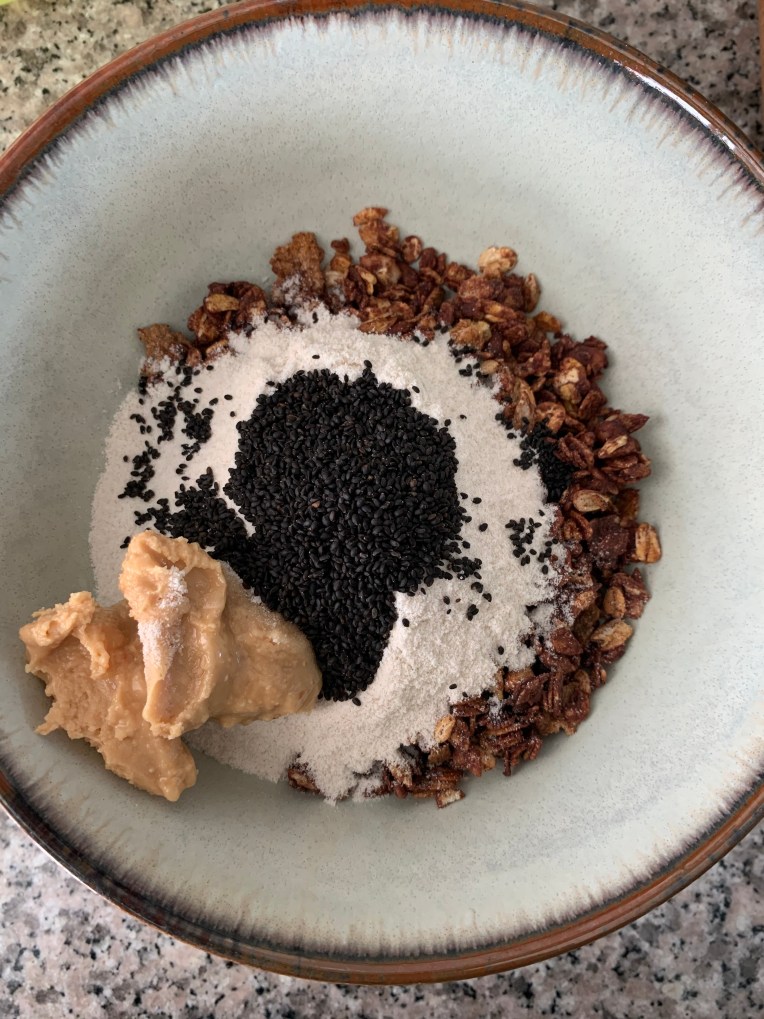
Mix handful of any nuts & seeds, 2 tbsp basil seeds, 4 tbsp mix of whole grains flakes (oats, buckwheat, quinoa, barley, amaranth) 2 tbsp any nut spread or Iyurved’s 7 nuts and 5 herbs spread (order here), honey as per choice, 1 tbsp cocoa, 4 tbsp rice flour, ½ tsp cinnamon powder, little milk/ nut milk to combine the mixture
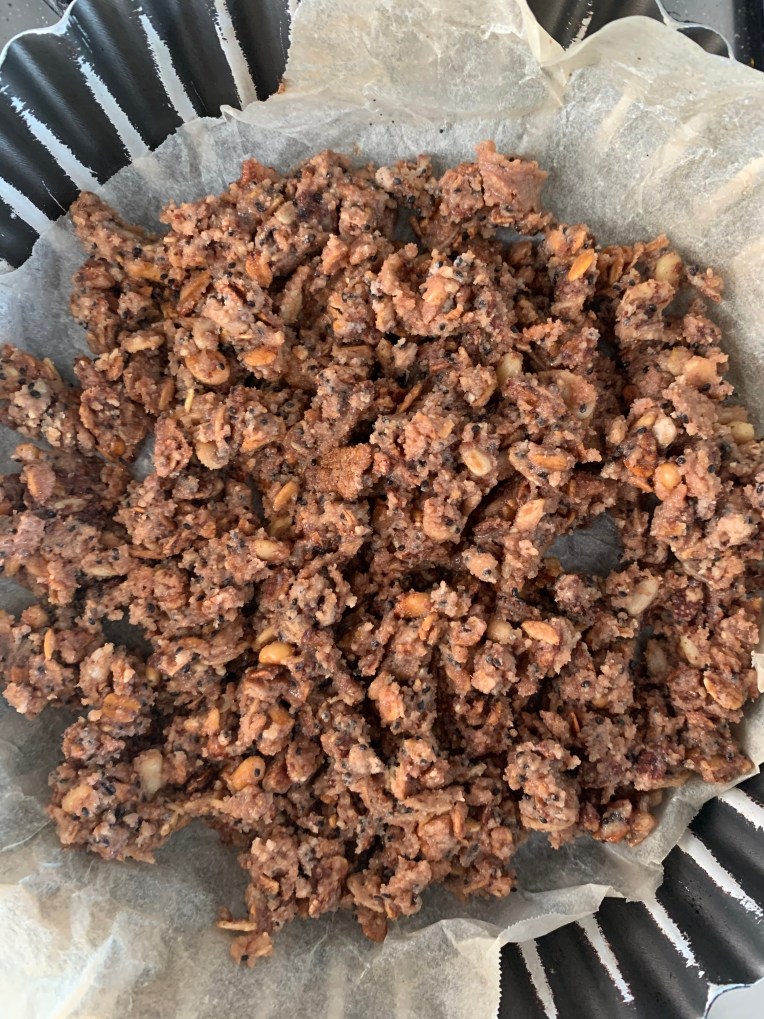
Mix all and spread on baking sheet.
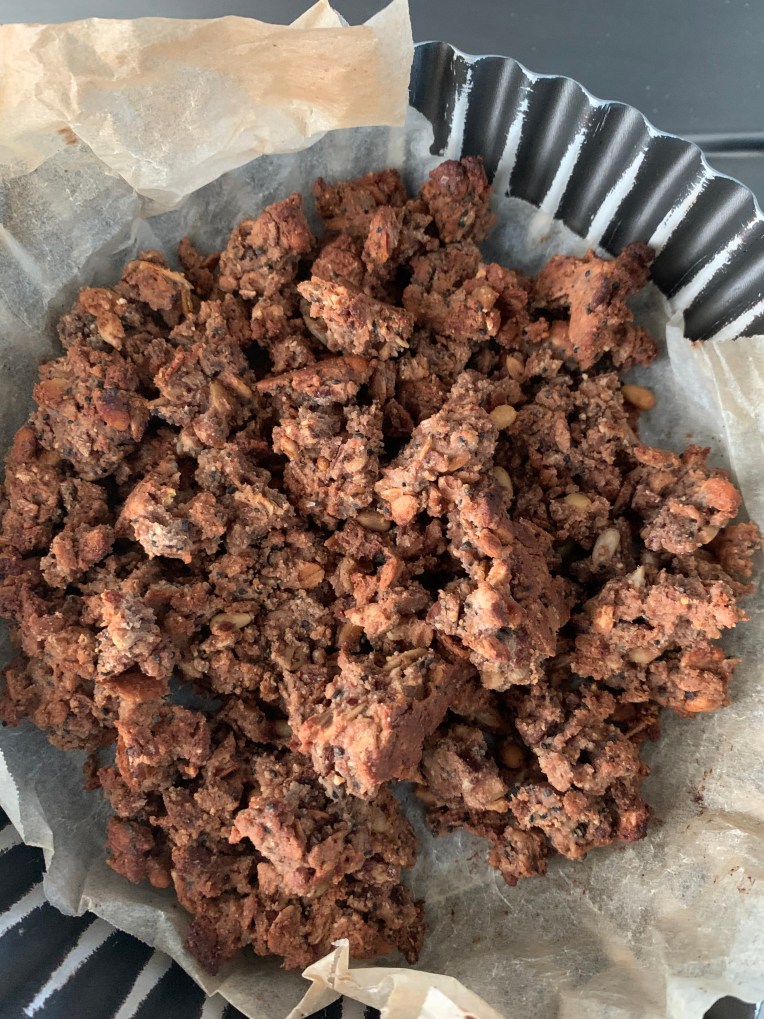
Preheat 5 min at 170 celsius and bake for 25-30min. Let is cool outside. Break with hand and serve as cookie crumbs.
PRODUCTS:

We are happy to introduce our range of nutritious & tasty kids Ayurvedic food!!
We know that preparing and feeding healthy foods everyday is a huge task. Even more tough when kids are picky eaters. Kids prefer certain foods and formats. It is not easy to feed kids bitter Ayurvedic herbs, variety of vegetables, fruits, nuts and seeds everyday.
Mixed with Ayurvedic herbs, this unique Ayurvedic spread is an easy solution to feed daily nutrition for Immunity, Brain development, Bone strength and overall-growth to kids without any fuss.


Teens acne treat chocolate spread by Iyurved

India’s First Tasty Kids Nutrition fortified with Ayurvedic herbs.

For Acne free clear skin, give Teens Acne Treat Chocolate Spread | Irregular period | Hair fall | 0% Preservatives | 0% Refined Sugar | 0% Palm oil With MANJISTHA, TURMERIC, NEEM | ORDER |

Check more products for: Immunity, Brain development, Sleep (for hyperactive kids), Weight gain, Eyesight, Digestion, Eczema, Dyslexia, Speech Delay and Overall growth.

(shipping in India and Singapore only)


Join Iyurved group for FREE CONSULTATION

Foods and Remedies by a Nutrition Expert
read more blogs

HEAT RASH PRICKLY HEAT: CAUSES AND REMEDIES

Our skin comes in direct contact with the outer world. It protects our body from inside by facing every weather condition. It plays a role of a preventive barrier against chemicals, infections, ultraviolet rays and helps in controlling body temperature through sweating.  Usually, kids spend more time outside. So, they are at more risk of having heat rashes. Summer is the season of skin rashes. As the name itself implies, heat rashes prickly heat are caused by excessive heat. It looks like small bumps surrounded by red skin and they have prickly sensation and itching too. Heat rashes appear when some of the sweat gets trapped under the skin and because of this, sweat can’t escape from the body.

The sweat producing gland is located in the middle layer of epidermis, which is the outer layer of skin. When these glands become clogged, they are not able to perform their functions and due to this rash appear on the affected area. Generally small babies are at higher risk of heat rash because they have smaller sweat glands which are not mature enough to maintain body temperature. When it’s hot and humid, kids engaged in excessive sports activities can also have heat rashes, because while playing kids sweat and the more you sweat the more chance of dust and dead skin could block your skin pores and cause rashes. It usually develops on the neck, armpit, elbow creases, buttocks and areas where skin rubs against clothing like chest and back.

CAUSES OF HEAT RASH:
  • Hot and humid weather
  • Tight and uncomfortable clothes that does not allow skin to breath
  • Excessive physical activity
  • Excessive sweating
  • Sometimes creams and lotions further clogs the pores
  • Overdress according to weather or use of blanket

Although heat rash usually heals by themselves or by using some home remedies for rashes in a few days, if your child has symptoms that last longer than a week or you notice symptoms of infection, increased pain and redness around the affected area, it is always advisable to consult a doctor.

PREVENTION AND TREATMENT FOR HEAT RASH:
  • Maintain personal hygiene
  • Drink plenty of water
  • When it is hot and humid outside stay in shade or air conditioned location
  • Wear loose and comfortable cotton clothes that allow your skin to breath. Say no to synthetic clothes
  • Change sweaty clothes frequently
  • Bathe with cold water
  • Cold compress. Wet a washcloth in cool water and keep it on affected area
  • Avoid powder and lotion as they can further block the pores
  • Keep yourself hydrated with summer drinks like butter milk and coconut water.
  • Include fruits in your diet, which can help to keep you hydrated like watermelon and cucumber

HOME REMEDIES FOR RASHES:

Yogurt

Yogurt is known for its cooling and soothing effects.  It has natural antibacterial and anti-fungal properties that help to prevent infection and give you radiant skin. Apply cold yogurt on the affected area, leave it for 15 minutes, and wash with cold water and pat dry.  Never rub the area of heat rash. Doing this a couple of times a day, gives you relief from heat rash. (What are probiotics?)

Fuller’s Earth (Multani mitti) 

Fuller’s earth is the most common ingredient in almost every face mask because of its cooling effects. It is one of the best home remedies for rashes to clear clogged pores and makes your skin glow. Make a paste of multani mitti with rose water and apply on the affected area, let it dry, wash it with cold water. Repeat this daily for better results. Rose water in it, acts as an astringent

Neem

Neem is the solution to many skin problems like acne, blackheads etc, and when it comes to heat rash, nothing works better than neem. It has strong antibacterial properties which soothe the itching of heat rash. Either apply paste of neem leaves on affected area or put some neem leaves to the bathing water, every day for quick results.

Aloe Vera

The dominant anti-bacterial, antiseptic and anti-inflammatory properties of aloe vera cools down the skin and prevents infection, it helps to keep the skin hydrated. Apply aloe Vera gel on the affected area and leave it for 15 minutes, wash with cold water. Repeat it 3 to 4 times a day to get an instant relief from the heat rash prickly heat. (Amazing home remedies for dry skin)

Oatmeals

Oatmeal can help you to exfoliate the skin and cleans the blocked pores.  Because of its anti-inflammatory and soothing properties, it gives instant relief from inflammation and itching of heat rashes. Take an oatmeal bath and scrub it gently over the affected area. Repeat it twice in a week for better results.

Gram flour

Gram flour gives relief from itchy and prickly sensation of heat rash. It eliminates the impurities that are clogged in the pores and exfoliate the dead skin cells. Make a thick paste of gram flour with some rose water, apply this on the affected area, let it dry and rinse with water. (Recipe of traditional whey kadhi)

Potato

Potato works as an excellent emollient. A slice of potato is a great remedy for heat rash. Potato has calming and soothing effects on skin, which calm down the itchy sensation of heat rash. Grind the potato with some water to make a thick paste, apply it on heat rash, else apply a slice of potato on the affected area, this will help to get rid of heat rash prickly heat. (Recipe of sweet potato millet pizza)

Recipe for whole grain cornflakes

Honey + Ingredients
Mix
Keep for baking (Plain version)
Baked!
Keep for baking (Dark choco version)
  • Ingredients:
  • 1) whole grain flakes (oats, buckwheat, quinoa, barley, amaranth)
  • 2) handful pine nuts, melon seeds, sunflower seeds, pumpkin seeds
  • 3) 3 tbsp honey
  • 4) ½ tsp cinnamon powder
  • 5) ½ tsp salt
  • 6) 3 tbsp coconut oil or ghee
Product

We are happy to introduce our range of nutritious & tasty products for kids!!
We know that preparing and feeding healthy foods everyday is a huge task. Even more tough when kids are picky eaters. Kids prefer certain foods and formats. It is not easy to feed kids bitter Ayurvedic herbs, variety of vegetables, fruits, nuts and seeds everyday.
Mixed with Ayurvedic herbs, this unique product is an easy solution to feed daily nutrition for Immunity, Brain development, Bone strength and overall-growth to kids without any fuss.


India’s First Tasty Kids Nutrition fortified with Ayurvedic herbs.

If your child is a picky eater or does not take enough nutrition for the day, you can give ‘5 Ayurvedic herbs and 7 Nuts’ chocolate or savoury spreads to meet daily Nutrition ORDER | 0% preservative

Daily Nutrition for: Immunity, Brain development, Bones and Overall growth

(shipping in India only)


Check what our Satisfied Parents have to say!


Join Fast-Growing KIDS NUTRITION & SKINCARE Community for Parents of small Kids & Teens.

Foods and Remedies recommended by a Nutritionist expert.


Read more blogs:

Health Benefits Of Panchamrit

panchamrit benefits

Let food be thy medicine and medicine thy food- Hippocrates

 Panchamrit

Panchamrit is a Sanskrit term made by combining two words- Panch (means five) and Amrit (means divine nectar of Gods, immortality). Moreover, Panchamrit benefits are many and it contains mainly these five ingredients -milk, curd, honey, mishri and ghee. In some regions, it is also known as Charanamrit (nectar from the feet of Gods).

Religious Significance:

In Hindu religion, it is considered very sacred and is used as an offering to God during pooja. And also used for Abhishek (religious bath of the divine). Finally, after the pooja, it is distributed as Prasad to the devotees. The usage of “Panchamrit” in Hindu rituals is considered as the oldest synbiotic food (a combination of both pre-biotic and pro-biotic) in the history of mankind. It is a concoction of five ingredients – Raw Cow’s Milk, Curd, Honey, Mishri (rock Sugar), and Ghee. And you can also add cardamom and basil to it.

According to Mahabharata, it was one of the valuable ingredients that emerged during the Samudra Manthan or Ksheera Sagar Manthan (churning the ocean of milk). Therefore, each one of the ingredients has a symbolic meaning to it. For example, milk symbolizes purity and piousness, honey stands for sweet speech and unity (as producing honey requires absolute dedication and cooperation), sugar represents sweetness and bliss, curd indicates prosperity and ghee represents strength and victory. To sum up, Panchamrit benefits our health in many ways.

Panchamrit BENEFITS FOR HEALTH:

  • Natural skin cleanser and helps to nourish skin cells and promotes natural glow
  • Enhances memory, grasping power, creative ability and brain development
  • Boosts health of mother and foetus during pregnancy
  • Keeps hairs healthy
  • Improves digestion
  • Strengthens bones
  • Builds immunity

Significance of each Ingredient:

Milk:

Raw cow’s milk carries super efficient antioxidants-Vitamin K and Beta Carotene which counter the free radicals (What are they?) in the body. Hence, it is the next best thing after mother’s milk. Moreover, Cow’s milk is also a rich source of calcium, proteins, vitamin B12.

Curd:

Curd is a provider of both bacteria (pro-biotic) as well as the food for the bacteria (pre-biotic). It has a cooling effect on body. Amino acids and enzymes in it help in digestion. It also provides protein and calcium.

Ghee:

Ghee carries antioxidants – vitamin K and beta-carotene which counter the free radicals in the body. It is the most treasured food which has healing properties.

Honey:

Honey carries the enzymes required to break down the food and aid absorption of minerals and vitamins in the body. It contains anti-oxidants, anti- bacterial and anti- microbial properties which helps in digestion, aids infections, clear complexion and makes skin smooth

Mishri (rock sugar):

It provides energy, helps in keeping the immunity high and aids digestion.  It also enhances other ingredients.

Basil and cardamom:

Basil is an anti-inflammatory food which aids in digestion by balancing the acid in the body. It is an elixir that helps detoxify the liver and a super source of iron too. Cardamom is quite an all rounder with powerful antioxidants.

However, there may be certain regional variations in ingredients. For example, most South Indians add raw bananas to the Panchamrit. Raw banana is a great source of good bacteria for the gut (pre-biotic).

In a nutshell, this simple sweet concoction is not just super tasty but also prepares our body to consume all sorts of fried food and sweets in large quantities. The free radical damage and disturbed digestion from eating and overeating heavy, oily and sweet food is countered by the intake of pre-biotic, pro-biotic, antioxidants and enzymes. It is a perfect example of how our traditional foods are backed by science to provide us maximum health benefits.

Happy Festivals and Cheers to Panchamrit!

Recipe of panchamrit by Iyurved

Recipe for Panchamrit

  • Raw Cow’s Milk (why?)
  • Curd
  • Manuka Honey
  • Mishri (rock sugar)
  • Ghee made with bilona method (why?)
  • Cardamom
  • Basil

Ingredients don’t have to be warm. Room temp or cooler. Mix all these together completely. Serve!

To read this article in Hindi, click here:

Product

We are happy to introduce our range of nutritious & tasty kids Ayurvedic food!!
We know that preparing and feeding healthy foods everyday is a huge task. Even more tough when kids are picky eaters. Kids prefer certain foods and formats. It is not easy to feed kids bitter Ayurvedic herbs, variety of vegetables, fruits, nuts and seeds everyday.
Mixed with Ayurvedic herbs, this unique Ayurvedic spread is an easy solution to feed daily nutrition for Immunity, Brain development, Bone strength and overall-growth to kids without any fuss.


Ayurvedic chocolate spread by Iyurved

India’s First Tasty Kids Nutrition fortified with Ayurvedic herbs.

For developing strong immune system and to protect kids from cough, cold and infections, give Kids & Teens Immunity Boost Chocolate Spread | 0% preservatives | 0% refined sugar | 0% Palm oil | Fortified with AMLA, GILOY, TULSI | ORDER |

Check more products for: Immunity, Gut health, Digestion, Brain development, Healthy weight, Eye health, Sleep, Hyperactivity, Bones and Overall growth

(shipping in India and Singapore only)

Join Iyurved group for FREE CONSULTATION

Foods and Remedies by a Nutrition Expert

IRON DEFICIENCY IN CHILDREN

Iron is an important dietary mineral which is essential for the growth and development of kids- both physical and mental growth. Iron helps form hemoglobin that is found in the blood cells of the body. It has a red color pigment which gives the blood cells its color, commonly known as red blood cells. These red blood cells have hemoglobin which is responsible for carrying oxygen from lungs to different parts of the body. Hemoglobin is formed of iron containing part known as heme and protein part as globin. Without hemoglobin, the body stops producing healthy red blood cells and often shows weaker coloured cells. For iron deficiency, including some foods in your diet can really help.

Iron

The first step towards raising hemoglobin level in your kid’s body is to start including iron rich food in his/her diet. Lack of iron in children’s bodies can affect them badly as without enough iron, the child’s muscles, tissues and cell won’t get the oxygen they need. This condition of iron deficiency is most commonly known as anemia.

Newborns on breast feed can easily get required iron intake from mother’s milk for the first 6 months. But, after you switch infants to solid food, they might not be able to get enough iron, which can lead to iron deficiency in children. Our body doesn’t produce iron, so the only way to get iron is through food sources.  There are many causes responsible for iron deficiency in children. Premature born babies with low birth weight, children with chronic infections, overweight or obese kids are at high risk of iron deficiency. Teenage girls also suffer from this deficiency as their body loses iron during menstruation.

Symptoms of Iron Deficiency or Anemia in Children

  • Pale skin
  • Fatigue
  • Weakness and tiredness
  • Poor appetite
  • Craving for strange things like ice, dirt and paint
  • Slower growth and development
  • Behavioral issues
  • Frequent infection

If you notice these symptoms in your kid, you must consult a doctor. Iron supplements can only be taken under doctor’s supervision, as excess iron accumulation can cause other complications. The best way to consume any nutrient is to take it through food. That results in lesser chances of over consumption also. There are many iron containing foods in India which can help to overcome iron deficiency.

The recommended amount of iron intake depends upon the age of the kid. When a baby is born, he/ she has iron stored in their bodies after that they get iron from mother’s milk or milk supplements. Once they start eating solids, they require more iron. As per studies the recommended amount of iron in kids is:

AgeDosage
Birth to 6 months0.27 mg (adequate)
7- 12 m11mg/ day
1-3 years7 mg/ day
4-8 years10mg/ day
9-13 years8 mg/ day
14-18 years11mg/ day (boy) 15mg/ day(girl)

Source: https://ods.od.nih.gov/factsheets/Iron-HealthProfessional/

What are iron foods?

Encouraging your child for a nutritious iron rich diet is the first step to prevent the problem of iron deficiency or anemia in children. Vitamin C rich food can also help, as it helps your body to absorb more iron. Cooking your food in iron cookware is a smart hack to increase iron content in the food preparations (How much iron does iron cookware add to food?)

Green vegetable

Green leafy vegetables are the best source of iron. Spinach, Kale, Fenugreek, collard greens provide approximately 2.5-5 mg of iron per cooked cup. Apart from iron, they also contain sodium and potassium in high quantities which are equally essential for the body. Some other iron rich veggies include cabbage, broccoli, Brussels sprouts, which contain 1-2 mg per cooked cup. (How to cook green veggies to not loose their nutrition?)

Dried fruits

Dried fruits are a delicious source of minerals, protein, fiber and vitamins. Raisin, prunes and apricot are good sources of iron. 100 gm of prune contains 0.93 mg of iron, while raisin contains 2.6 gm and apricot 6.3 mg. Raisins are also rich in potassium and magnesium, which helps in bone health, improves blood circulation and digestion. Apricots being high in antioxidants and vitamin A aids in visual health. Consuming these dry fruits daily is panacea for iron deficiency. (What are other foods for healthy eyesight?)

Fruits

Fruits like apple, pear and pomegranate are rich sources of iron, vitamins, protein, carbs and fiber which help regulate blood count in the body. Apart from this, fruits rich in vitamin C such as orange, lime, blueberries and grapefruit also help the body to enhance iron absorption. By including these fruits in a kid’s diet you can also help them to build up a strong immune system. (What are the best fruits teenagers?)

Legumes

Legumes are a powerhouse of nutrients. Most common types of legumes are beans, lentils, chickpeas, peas, and soybeans. They are a great source of iron which helps your child to meet their daily need of iron intake and save them from iron deficiency. Chickpeas and black eyed peas are the highest source of iron and can provide up to 6 mg per cooked cup. Legumes also contain B vitamins, folate, magnesium, potassium, fiber and zinc which means they keep you energetic throughout the day. (Why should lentils or legumes be soaked?)

Seeds

Pumpkin, sesame, hemp and flax seeds are seeds richest in iron and help your child to fight for iron deficiency. They contain iron around 1.2mg to 4.2 mg per two tablespoons. These seeds also contain a good amount of protein, fiber, calcium, magnesium, zinc, selenium, antioxidants and are great sources of fatty acids too, which helps in overall kid’s growth. (What is the easiest source of selenium that is good for brain?)

PRODUCTS:

We are happy to introduce our range of nutritious & tasty kids Ayurvedic foods!!
We know that preparing and feeding healthy foods everyday is a huge task. Even more tough when kids are picky eaters. Kids prefer certain foods and formats. It is not easy to feed kids bitter Ayurvedic herbs, variety of vegetables, fruits, nuts and seeds everyday.
Mixed with Ayurvedic herbs, this unique Ayurvedic spread is an easy solution to feed daily nutrition for Immunity, Brain development, Bone strength and overall-growth to kids without any fuss.

India’s First Tasty Kids Nutrition fortified with Ayurvedic herbs.

If your child is a picky eater or does not take enough nutrition for the day, you can give Daily Nutrition Chocolate Spread | Made with clinically proven ‘5 Ayurvedic Herbs and 7 Nuts’ | ORDER | 0% preservative | 0% Palm oil |

Check more products for: Immunity, Gut health, Eye health, Digestion, Healthy weight, Brain development, Autism, Hyperactivity, Sleep, Bones and Overall growth

(shipping in India and Singapore only)

Read more blogs:

A GUIDELINE TO CHILDREN’S EYE HEALTH

Year 2020 (corona pandemic) has shown us many ups and downs. More or less we adjusted ourselves according to the situation and learned to survive. The worst hit emotionally and physically from this situation are the kids. From not being able to attend school to sitting at home without friends, screen came to their complete rescue. With a sharp drop in physical movement (outdoor activities), and increased screen time due to online classes and pleasure viewing, it has led to many health related concerns. One organ being way more stressed than others is the Eye. Just like any other part of the body, eyes also need ample rest and care. Rather than giving supplements to kids, it is better to look for eye health food and include it in their diet from very beginning to prevent eye diseases in the future.

Eyes continue to grow and develop as a child ages and the eye muscles become stronger. For most of the children, as they grow, they have good eyesight and do not need to wear glasses. However, if a child develops any eye diseases or eye disorders and it is not diagnosed at an early age, it may lead to reduced vision in one or both eyes. First of all we need to understand the common eye disorders.

WHATSAPP for concerns like Speech Delay, Low Weight, Frequent Illness, Hyperactivity, Low Concentration, Weak Eyesight, Improper Sleep, Pigmentation, Pores, Face Marks, Fine Lines , Lactation etc.

Common Eye Disorders in Children:

Amblyopia (lazy eyes): 

It is a kind of poor vision that happens in one eye. It develops when there is a breakdown in how the brain and eye work together. Common cause of this condition is an imbalance in the muscles. It prevents both eyes from working together. Over a period of time the brain relies on the stronger eye and vision in the weaker eye gets worse.

Strabismus (crossed eyes): 

It is a condition in which both eyes do not line up in the same direction. The eyes are unable to look at the same place at the same time. It causes when the brain receives different visual messages from each eye and ignores signals coming from weaker one. It is one of the most common eye disorders in children, affecting 4% of kids under the age of six year.

Chalazion (sty): 

Stye is a small, red lump that occurs at the base of the eyelash of your kid, usually on the lower lid. It can cause swelling around the eyelid and can be quite painful. Children can have many styes on their eyelid at one time and can happen in both eyes. This is one of the eye diseases in children caused by an infection of oil glands in the eyelid.

Conjunctivitis: 

It is commonly known as “pink eyes”. Conjunctivitis is an infection in the outer membrane of your eyeball. It can be caused by allergies or a bacterial or viral infection. It is extremely contagious and can spread by coming in contact with an infected person.

Dry eyes: 

Some factors that can cause dry eyes in kids are dry weather, smoke, or pollution. Allergies or contact lenses are also responsible for irritation and dryness in eyes. It can affect kids to perform well in school. Burning, itching, constantly blinking are some of the symptoms.

Symptoms of eye diseases in CHILDREN

  • Child is constantly rubbing his/her eyes
  • Poor focusing
  • Abnormal movement of eyes (after 6 months of age)
  • Redness of the eyes
  • Tearing of eyes
  • Tilting head and covering one eye
  • Sitting too close to television or keeping book too close while reading
  • Complaining of headaches or eye pain

Essential nutrients & vitamins for children’s eye:

Vitamins play a very important role in developing and promoting children’s eye health. Though a large number of kids eyesight products are available in the market, the best way to provide the essential vitamins for children’s eyes is by giving them nutritious food which will support their eye health in the years to come. However, if your child suffers from any of the eye concerns mentioned above, check with your doctor if any additional supplements or kids eyesight products like eye drops or capsules are required. Let’s understand which vitamin is good for the eyes.

FOODS FOR EYE HEALTH:

Vitamin A: 

Vitamin A plays a crucial role in vision by maintaining a clear cornea, which is the outer covering of your eye. Rhodopsin, a protein present in eyes that helps to see in low light is component of vitamin A. Orange- coloured fruits and vegetables like carrots, mangoes, apricot, sweet potatoes are high in bête-carotene, a form of vitamin A that helps your eyes to adjust them in darkness and improves night vision. It is key to protect your kid from any children’s eye diseases and a good choice for eye health food.

Also check, How to cook vitamin A food to retain nutrition?

B vitamins:

A 2009 study suggests that daily supplementation of vitamins B6, B9, B12 may help to reduce risk of AMD (degenerative eye disease that affects the vision). Vitamin B6 comes in protein rich foods like beans, potatoes, spinach, and enriched cereal grains. Dark green leafy vegetables, sprouts, broccoli, fresh fruits, peanuts are some sources of vitamin B9. Milk, yogurt, cheese, eggs, fish are high in vitamin B12 and also considered good for eye health food.

Also check, More B vitamin foods

Vitamin C:

It is a powerful antioxidant that protects eyes against damaging free radicals. It produces collagen which is important for eyes. Connective tissues in eyes are maintained by collagen. It holds them together and protects them, which helps in preventing any kind of eye disorders in children. Citrus fruits like oranges, guava, lemon and vegetables like tomatoes are the major contributors of vitamin C. Broccoli, sprouts, and capsicum are some other rich natural sources of vitamin C.

Also check,Easiest food source of meeting 100% Vitamin C requirement

Vitamin E:

Vitamin E is an antioxidant which protects certain parts of the eye. It has been known to lower the risk of developing macular degeneration and cataract, two age-related conditions. Including almonds, pistachio and walnuts in the child’s diet can preserve his/her eyesight. Studies also show that eating nuts daily is an effective home remedy to control myopia (a condition in which far objects don’t appear clear) and thus one of the best choice for eye health food.

Also check,Some easy food sources of vitamin E

Zinc:

Eye contains high level of zinc. It is also involved in the formation of visual pigments in the retina. Zinc deficiency can result in night blindness. Chick peas, beans, nuts are some food sources of zinc.

Also check,How does zinc help in treating mouth ulcers?

Antioxidants Lutein and Zeaxanthin:

It helps to protect eyes from harmful bright light waves like ultraviolet rays in sunlight by absorbing excess light. Studies suggest that high levels of both in eye tissue can give better vision in dim light. These work to protect eyes from free radicals (What are they?). Natural food sources of these two are green or yellow vegetables like spinach, carrot. Non vegetarian sources include egg yolks.

Also check, Which nut has these antioxidants?

Herbs

Herbs like triphala and ginkgo biloba promote better eyesight. Triphala is an ayurvedic formulation made from amla, haritaki and bibhitaki. It is very efficient in treating many eye disorders and improving eyesight. Ginkgo biloba is a strong antioxidant with many benefits, it improves the blood circulation around the eyes and is used in improving conditions for live glaucoma and macular degeneration.

Also check, Importance of herbs


Product:

It’s no SECRET that following an Ayurvedic lifestyle has numerous advantages. This unique collection of Ayurvedic spreads is an easy solution to feed daily nutrition for Immunity, Eye, Brain development, Bone strength and overall growth to kids without any fuss. To know more about kid’s ayurvedic foods –SHOP HERE.

India’s First Tasty Kids Nutrition fortified with Ayurvedic herbs

For Better vision and to strengthen eye muscles, give Kids and Teens Eye health Chocolate Spread| Made with 100% veggies, greens, sprouted dal, Gingko Biloba, Lutein, Zeaxanthin | 0% preservative | 0% Artificial Colour | 100% Natural | No refined sugar | ORDER |


CHECK MORE PRODUCTS FOR:

Immunity, Gut health, Digestion, Weight, Brain development, Speech delay, Epilepsy, Eye health, Hormones, Sleep, Hyperactivity, Bones and Overall growth

what is the down's syndrome

Read more blogs:

Foods for skin and hair for your child

Your personality is a mirror of your diet. Kids having a healthy and nutritious diet not only feel energetic throughout the day but also look great in terms of their skin, hair and overall appearance. foods for skin and hair health can help your child to have glowing skin and strong hairs.

You are what you eat!

Taking care of your kid’s skin and hair is as important as their health. Kids are more prone to skin and hair problems as they are exposed to the sun and dirt more as compared to adults, primarily because of school activities and other sports and social activities. Dry skin, itchy and red skin, frizzy hair, grey hair, hair loss and dandruff can be possible because of sun and dirt. By giving a balanced and nutritious (food for glowing and healthy skin) you can help your child have the best skin and hair that lasts a lifetime. (Some food and tips to tackle dryness?)

WHATSAPP for concerns like Speech Delay, Low Weight, Frequent Illness, Hyperactivity, Low Concentration, Weak Eyesight, Improper Sleep, Pigmentation, Pores, Face Marks, Fine Lines , Lactation etc.

Nutrients for glowing skin and hair growth:

Maintaining a healthy diet is very important for healthy skin and hair growth in kids. The healthy diet for kids’ glowing skin and hair include-

Healthy fat

This includes both omega 3 and omega 6 fatty acids which are kinds of unsaturated fats. In a (food for glowing and healthy skin) and hairs we need a balance of both types of fats. They can help to get glowing skin and shiny hair, lack of these healthy fats in your diet may result in dry skin and itchy scalp. (Is fat good or bad for the body?)

Protein

Protein like Keratin, collagen and elastin is important for the structure of the skin and hair. Collagen and elastin provide smoothness and elasticity to your skin while keratin is a structural substance for healthy hair. It forms rigidity of your skin and hairs and helps with the barrier protection that your skin offers to fight against dust and pollution. (List of some easy protein sources)

Vitamin A

All cells need vitamin A for growth and protection against damage. It prevents skin and hair from sun damage. Vitamin A helps skin glands to make oily substance sebum which moisturizes the scalp and keeps hairs healthy. (How does this help with acne?)

B- vitamins

All the 8 B- vitamins(B1, B2, B3, B5, B6, B7, B9, B12) are essential for proper functioning of the body, for cells growth and development and offer numerous benefits to skin and hair. Inadequate amounts of these vitamins can lead to dry and flaky skin and scalp. (What are some food options for this?)

Vitamin C, E

Vitamin C is essential to make collagen which is key to healthy skin. Both these vitamins act as antioxidants to reduce free radicals (what are these?) and protect skin from UV rays. Vitamin C and E work together to strengthen cell walls.

Zinc

Zinc plays an important role in hair tissue growth and repair. It helps to keep oil glands around follicles work properly. Zinc helps your skin to heal after an injury. It forms a protection layer on the cells and safeguards from UV damage and any invading infection. Lack of zinc may result in eczema too.

Selenium

This mineral has powerful antioxidants properties to protect your skin from UV rays. It promotes skin healing and reduces acne. Selenium has many benefits for hair too. It helps in preventing dandruff-causing fungus and regulates hair growth. (What is an easy food source for this?)

Foods for glowing skin and hair health:

Along with these following diet for skin and hair health, water plays a lead role in keeping your skin and hair healthy. When you drink enough water, not only your skin gets hydrated, it also flushes out the impurities and toxins from the body. Foods for skin and hair health include:

Chia Seeds

Loaded with omega 3, copper, phosphorus and zinc, it soothes inflammation, reduces acne and helps to keep skin radiant and healthy. Consumption of chia seeds also results in strong hairs. It is a high source of phosphorus, which is popular to encourage hair growth. Chia seeds contain all the 9 essential amino acids related to stronger hairs, skin and nails. All these qualities make chia seeds one of the best food for glowing and healthy skin.

Tomato

This zesty vegetable is proved to have tremendous effects on your overall health. Tomatoes contain high amount of lycopene that makes skin less sensitive to UV rays. High in vitamin C, tomato treats oily skin and helps in achieving even skin tones. Packed with vitamin A, B, C and E, it also prevents hair loss, gives shine and treats scalp odor and dandruff. Eat it or apply it, it works both ways! (How to protect the vitamin in tomatoes from reducing?)

Quinoa

Quinoa seeds are gluten free and are high in protein, fiber, magnesium, B vitamins, iron, phosphorus, vitamin E and various beneficial antioxidants make it a best food for glowing and healthy skin. 9 amino acids in it act as natural strengthener and protect the hair shaft and also help in repairing damaged hairs. It is rich in vitamin E which helps to fight free radicals, provides collagen and repairs deeper pores in the skin damaged from sun and pollution. (A super tasty quinoa recipe)

Beans

Beans are excellent source of protein, fiber, potassium, copper, phosphorus, magnesium, and are sodium free, fat free. It helps in collagen production and gives your skin a healthy glow and elasticity. It contains amino acids which are building blocks of protein, which the body uses to make new tissues for bones, hairs, skin and blood. They also provide many other hair-healthy nutrients, including iron, B7 and B9. (Some B9 foods that help with the brain of a child?)

Almond

Almond is one of the best foods for skin and hair health. it is rich in protein, magnesium, fiber, omega 3 and omega 6 fatty acid, vitamin E, copper, zinc and calcium. It helps to reduce rashes, burns or any inflammation caused due to various reasons. Copper in it plays an important role in skin and hair pigmentation. Fatty acids in it promote healthy and required blood flow that promotes hair growth and makes hair shiny, strong and soft. (What are 6 other benefits of almonds for kids?)

Citrus fruits

Citrus fruits are the best food for glowing and healthy skin, like orange, lime, grapefruit are commonly known for their high vitamin C contents. A medium orange gives you 130% of your daily vitamin C requirement. Other nutrients in citrus fruits include B9, lycopene, potassium, vitamin B6, magnesium, and B1. These nutrients provide a wide range of health, skin and hair benefits. The citrus acid present in these foods kills bacteria and makes your skin feel fresh, strengthen hair and fight dandruff.

Bell pepper

Bell pepper is an excellent source of beta-carotene which the body converts into vitamin A. It helps in preventing hair and skin from sun damage. Being high in vitamin C, dietary fiber and vitamin B6, it aids in flawless skin.

Dark Chocolate

Kid’s favorite dark chocolate is rich in antioxidants, fatty acids and flavanols that results in glowing and healthy skin. The antioxidants in dark chocolate can help reduce roughness in your skin and protect it against sun damage. Dark chocolate is rich in cocoa loaded with zinc, iron, copper, and vitamins like A, B12 and K, which also relaxes arteries and increases blood circulation that leads to healthier skin. (Recipe of a quick sugar free dark chocolate treat)

Let’s try to make every food tasty and nutritious with herbs and nuts.

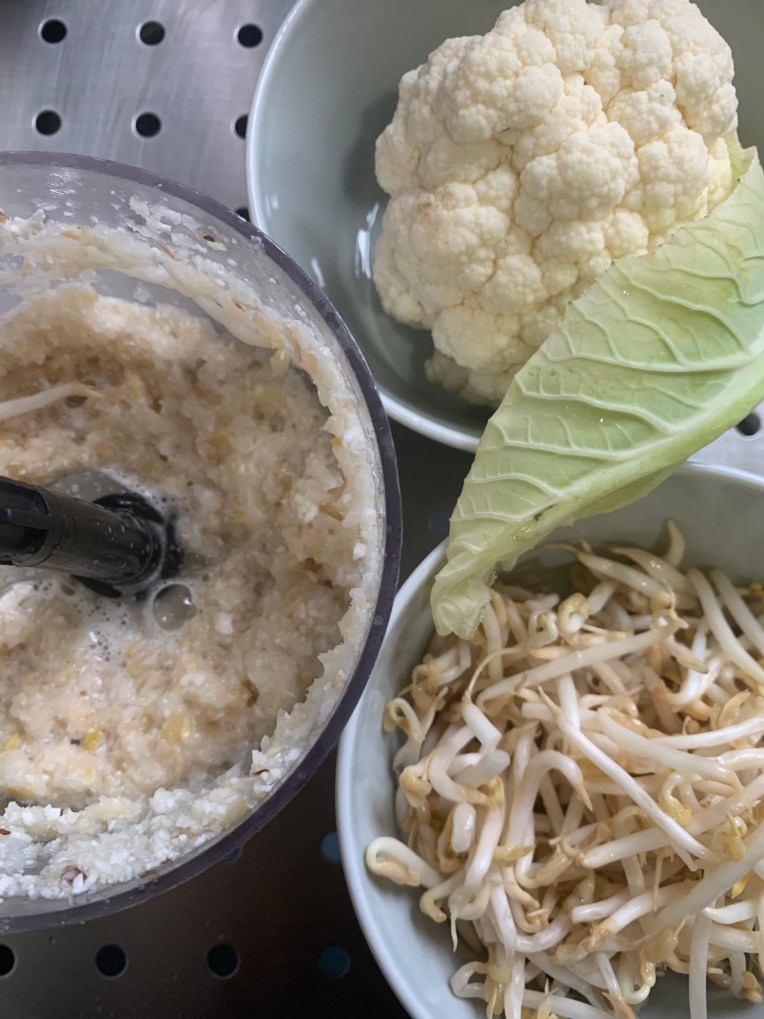
Recipe for Cauliflower and Bean Paratha/ Flatbread:
Make Puree of cauliflower, sprouted mung bean/ moong dal
Add to wheat flour or sorghum/ jowar. Add salt and ajwain/ carom seeds.
Put nuts and seeds powder or Iyurved’s 5 herbs and 7 nuts savoury spread (order here)

Mix everything together into a firm dough. Take a ball size dough and roll it into a flat bread. Cook from both sides by applying some oil or without. Enjoy with any curry or as a wrap or any dip (see some recipes here)

PRODUCTS:

It’s no SECRET that following an Ayurvedic lifestyle has numerous advantages. This unique collection of Ayurvedic spreads is an easy solution to feed daily nutrition for Immunity, Eye, Brain development, Bone strength and overall growth to kids without any fuss. To know more about kid’s ayurvedic foods –SHOP HERE.

India’s First Tasty Kids Nutrition fortified with Ayurvedic herbs.

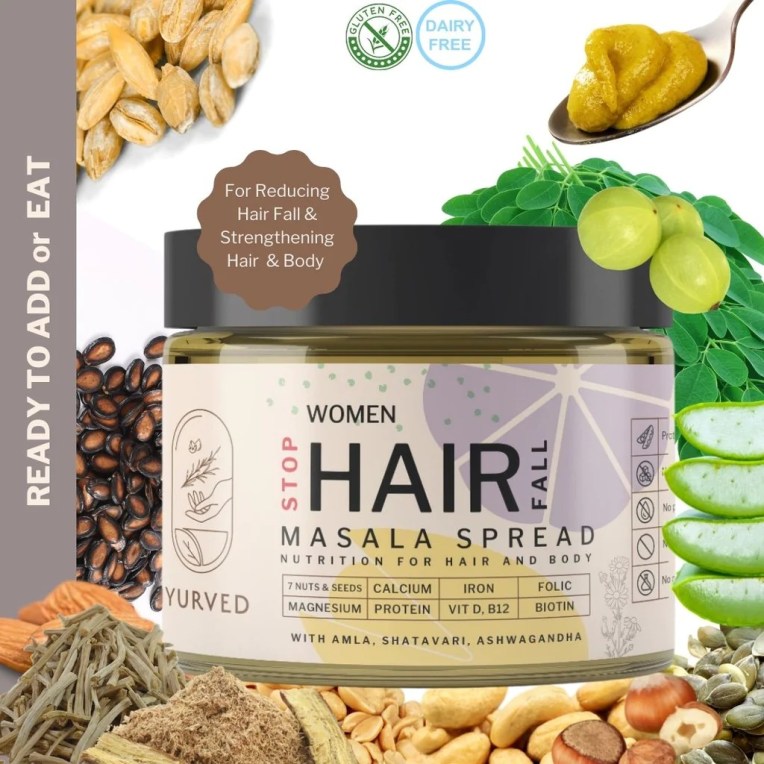
To stop Hair Fall & Strengthen Hair & Body, give Women Stop Hair Fall Masala Spread | 0% Preservatives | 0% Refined Sugar | 0% Palm oil | With SHATAVARI, ASHWAGANDHA, AMLA, MORINGA, ALOE VERA | ORDER |


CHECK MORE PRODUCTS FOR:

Immunity, Gut health, Digestion, Weight, Brain development, Speech delay, Epilepsy, Eye health, Hormones, Sleep, Hyperactivity, Bones and Overall growth

foods for breast milk

read more blogs

REASONS OF HAIR FALL AND REMEDIES TO TREAT IT

“Invest in your hair. It’s the crown you never take off” This applies to kids as much as it applies to adults and that is why taking care of your kid’s hair should be of equal importance as well. Developing a healthy hair care routine at an early age will prevent your child from developing hair problems later on in life. Hair is not just one of the aspects of beauty in person, but also related with your personal hygiene. So, it is important to implant habit of keeping hair clean among kids from a very young age so that their will be no reasons of hair fall in them at early age.

As a parent we spend hours to think about child’s clothes and grooming products, but sometimes never pay attention to their hair and its needs. You can always get an idea by looking at your child’s hair, of whether his/her body is receiving a required amount of nutrients or not. (How to prepare easy nutritious snacks for kids?). How you take care of your child’s hair will depend on the type of hair he or she has (thick or thin, dry or greasy), length of the hair and the activity level of the child. Parents can help kids to choose the correct Hair wash as per their age and hair type, oil their hair regularly and provide them with the right nutrients in their diet.

WHATSAPP for concerns like Speech Delay, Low Weight, Frequent Illness, Hyperactivity, Low Concentration, Weak Eyesight, Improper Sleep, Pigmentation, Pores, Face Marks, Fine Lines , Lactation etc.

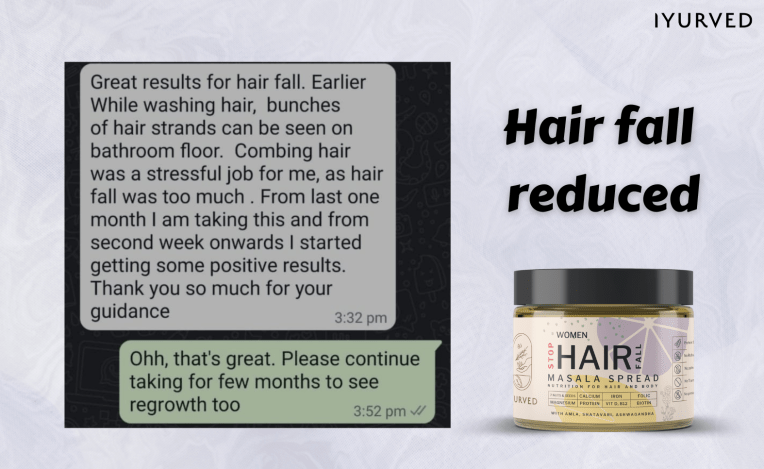
Feedbacks on Hair Fall masala spread

Some common hair problems and their causes:

Grey hair: 

Though greying of hair is inevitable with age, nowadays even young adults and teens are facing this problem and to cover their grey hair, they start using chemical based colours and dyes which further damage the hair in the long run. Your hair follicles have pigment cells that make melanin; this chemical gives your hair its color. As you age, the cells start to die and without melanin, the new hair that grows in has no pigment, which makes it appear grey, white or silver. (Which food can give hair pigment?)

Hair loss:

Losing hair with age is expected, but hair loss in children can be alarming as it will affect them psychologically as well. Some common reasons of hair fall in kids are infections, autoimmune disease, physical cause (stress) and nutritional deficiencies. However, the most common cause of hair loss in children is scalp ringworm, which is treatable fungal infection. (How to treat skin dryness in kids?)

Dry Hair: 

Straightening, blow-drying, highlighting and perming regularly can have a negative effects on your hair & causes dryness & split ends. Split ends occur when the protective outermost layer of hair (cuticle) is damaged and peels back and further becomes one of the common reasons of hair fall. Hair styling products should be avoided for kids or should be used sparingly if really required.

Greasy Hair: 

Greasy or oily hair looks dull, limp and lifeless and are difficult to manage. Glands produce natural oil called sebum which helps to keep the skin lubricated. Sometimes these glands work excessively and produce more oil, leading to a greasy scalp. If your kid faces this problem, using a mild and gentle shampoo might help.

How to prevent/cure hair problems:

You must have heard a lot of healthy hair tips for dry hair & other hair problems from your friends and family. What works for one might not work for another. Diet and nutrition plays a significant role in developing the look, feel and the strength of your kid’s hair. Iron deficiency is the most common nutritional deficiency known in the world as one of the major reasons of hair fall. There are various foods, nutrients, herbs and essential oils for hair fall control and for hair growth that can help to prevent/cure hair related issues in kids and adults as well.

Food and Nutrients important for Hair:

Amla or Indian gooseberry:

Amla is a miracle fruit for hair as it is rich in calcium, vitamin C and other antioxidants that helps to strengthen hair follicles, reduces oxidative stress and prevents premature greying, dandruff and other fungal infections. It promotes scalp circulation and stimulates healthy hair growth, both in terms of length and volume. It is a great remedy for hair fall control. (What are some best fruits for teenagers?)

Collagen: 

Collagen, as studies suggest, is one of the main reasons of hair fall and hair thinning. It is a protein which helps to build your connective tissues like bones, ligaments, cartilage and also improves skin, hair, nails, joints and digestion. It can be commonly found in fish, chicken, egg whites, citrus fruits, berries and garlic. (Which foods can help with acne?)

Protein: 

Your hair strands are mainly made of protein called keratin and so protein acts as the life for your hair cells, thereby helping in construction of new tissues and repairing of the damaged tissues. Some of the protein-rich foods are eggs, chicken, lentils, legumes, quinoa, green peas, spinach, guava, milk & milk products, nuts like almonds, cashews and pumpkin seeds. (Some easy protein for kids)

Iron: 

Iron deficiency is considered as the primary reason for hair fall in kids and adults. Scientists believe that some genes in the hair follicle are regulated by iron. It also helps to circulate oxygen to our body & our tissues. Hence, the lack of it may compromise hair health and also causes other problems like fatigue, shortness of breath and dry & damaged skin. High protein rich foods include tofu, beans, legumes, dark leafy greens, poultry, fish, nuts and seeds. (Does cooking in iron pan help in nutrition?)

B vitamins 

B vitamins provides thickness & shines to the hair and also encourages hair growth. Vitamin B6, B3, B5 and biotin in particular are very helpful in strengthening hair, reducing hair loss and supporting our adrenal glands. Dark leafy vegetables, gluten-free whole grains, sweet potatoes, legumes, fish, liver and eggs are the most common sources of B vitamins.

Antioxidants (Vitamin A, E, C, and Selenium)

Vitamin E helps in stimulating hair growth and promotes circulation in the scalp and hair follicles, while vitamin A is good for hair follicle stem cells. Selenium and Vitamin C prevent hair damage and ageing of hair. Sweet potatoes, carrots, squash, almonds, sunflower seeds, berries, bell peppers, citrus fruits, cauliflower and mushrooms are rich sources of these antioxidants. (An easy source of daily selenium)

Herbs & Essential Oils for Hair Growth:

Green tea

It is a rich source of catechins, an antioxidant which helps to reduce DTH (an androgen which makes your hair fall). As a result, it stops hair fall and helps to fight against other hair problems like, dryness of the scalp and dandruff.

Aloe Vera:

Regular use of aloe vera helps in maintaining the pH balance of the hair, in opening the blocked pores of the scalp and also boosts the growth of hair follicles. A special protein (called proteolytic) in it helps to break down dead skin cells on the scalp and promotes hair growth. One of the healthy hair tips for hair fall situation and dry hair is to regularly massage your scalp with aloe vera gel.

Hibiscus:

This flower is rich in vitamin C, flavonoids, amino acids, mucilage fiber, moisture content and antioxidants. It helps prevent hair loss and stimulates regrowth from dormant follicles and also reduces the greying of hair. Another healthy hair tips for hair fall situation and dry hair is to add hibiscus petals to your hair oil & then massage your scalp using this oil.

Moringa:

Moringa is loaded with nutrients such as Zinc, vitamin A, B, C and E and essential amino acids. It is rich in chlorophyll and antioxidants which helps to nourish your hair. It helps restore strength, promotes hair growth and also repairs damaged hair. (Is this really a superfood to prevent most of the ailments?)

Coconut oil: 

Coconut oil is one of the most essential oils for hair growth which is used commonly to massage the scalp. It acts as a great moisturizer for your scalp. It penetrates your skin and hair shaft, promotes hair growth and even keeps the scalp lice free. Coconut oil also works as a conditioner preventing hair damage and reducing protein loss in hair.

Neem oil

Neem oil is also one of the essential oils for hair growth. It is the nature’s cure to all your hair concerns as it has regenerative properties which promotes healthy cell division and stimulates hair follicle growth. Also for lice, a study confirms that leaving this oil for 10 minutes in the hair reduces/kills the lice.

Recipe for 7 veggies rice
  • ½ onion
  • ⅓ broccoli
  • Half bowl corn
  • ½ bowl peas
  • medium size potato
  • 2 small carrots
  • 1 bowl soy chunks
  • 1.5 bowl raw rice
  • 3 bowls water
  • salt and pepper
Procedure

Sauté all the veggies. Add raw rice. Salt as per taste and water. Sprinkle pepper and mix. Keep on low flame and cover the pan with a lid. Let cook till done. Serve with yogurt or plain.


PRODUCTS:

It’s no SECRET that following an Ayurvedic lifestyle has numerous advantages. This unique collection of Ayurvedic spreads is an easy solution to feed daily nutrition for Immunity, Eye, Brain development, Bone strength and overall growth to kids without any fuss. To know more about kid’s ayurvedic foods –SHOP HERE.

India’s First Tasty Kids Nutrition fortified with Ayurvedic herbs.

To stop Hair Fall & Strengthen Hair & Body, give Women Stop Hair Fall Masala Spread | 0% Preservatives | 0% Refined Sugar | 0% Palm oil | With SHATAVARI, ASHWAGANDHA, AMLA, MORINGA, ALOE VERA | ORDER |


CHECK MORE PRODUCTS FOR:

Immunity, Gut health, Digestion, Weight, Brain development, Speech delay, Epilepsy, Eye health, Hormones, Sleep, Hyperactivity, Bones and Overall growth

foods for breast milk

read more blogs