6 Nutritious and Healthy Recipes with Millets

recipes with millets

Every parent is worried about feeding their children nutritional foods that are essential for their development and growth. What you feed your baby will have an influence on their physical health and help them develop good eating habits. This is why it’s critical to start feeding nutritious foods to newborns from the very beginning. Millets are one of the healthiest ingredients for babies to eat, as well as one of the most diverse cooking ingredients. This article will highlight the benefits of millets and introduce a few healthy and wholesome recipes with millets for kids. (6 Kids friendly recipes for lunchbox)

What are millets?

Millets are nutrient-dense grains. They are gluten-free, has non-acid forming properties, easy to digest, and are non-allergic. They are also considered superfoods as they are rich in many functional compounds like dietary fibre, slowly digestible carbohydrates, high protein content, B-complex vitamins, calcium, iron, magnesium, manganese, copper, and phytochemicals.

Types of millets available in India:

In India, there are 8 types of millet that are often used:

  • Jowar (sorghum)
  • Ragi (finger millet)
  • Kakum (foxtail millet)
  • Varagu (kodo millet)
  • Sama (little millet)
  • Bajra (pearl millet)
  • Chena (proso millet)
  • Jhangora (barnyard millet)

When to introduce millets to babies?

Give millet to your baby when he/she is six to eight months old. On the first day, start with a tablespoon and progressively increase the amount. They may be introduced to newborns through milk and then gradually introduced to recipes millets rice and dal in a 2:1 ratio with ghee/oil. Recipes with millets can be gradually supplemented with vegetables.

Benefits of Millets:

Millet has a variety of health benefits, such as:

1. Easily digestible:

Fibre, which is abundant in most millets, is one of the most essential elements that aid digestion. Millets are also high in antioxidants and have antimicrobial properties, which assist to fight and prevent stomach infections.

2. Supports bone development:

Millets are abundant in calcium and aid in the maintenance of strong and healthy bones. (Vitamin D, calcium and kids: Are they building strong bones in kids?)

3. Aids muscle recovery:

Muscle weariness can occur as your child’s muscles are utilised in different ways as they grow. Millets are a fantastic source of protein and the healthiest form of protein for newborns.

4. Prevents iron deficiency:

Iron helps in the proper function of haemoglobin. The deficiency of iron in the body leads to anemia. They are rich in iron and thus prevent your babies from becoming anemic.

5. Relieves constipation:

Millets are rich in dietary fibre – soluble and insoluble fibre. The insoluble fibre present in the millets helps in the easy movement of foods in the stomach and adds water into the stool, hence aiding easy digestion and relieving constipation.

6 Nutritious and wholesome recipes with millets:

Millets are quite easy to cook. This is why recipes with millets are so simple to prepare for your kid; here are a few recipes with millets that are healthy and nutritious:

1. QUINOA-MILLET PEAS MEAL
recipes with millets
Quinoa millet peas meal

Ingredients

  • 1/2 cup Quinoa or Little Millet ( Quinoa and little millet boiled in equal water)
  • ½ cup Peas
  • 2 tbsp Oil
  • 1 Chopped small onion
  • 3 tbsp Iyurved’s Daily Nutrition Veggies and Dal powder (order here)
  • 2 tsp Chopped garlic and ginger
  • 1 tsp Cumin seeds
  • 1 tsp Lemon juice fresh
  • 2 tsp Chopped green chili (optional)
  • Chopped handful coriander
  • Salt to tatse

Preparation

  • Heat oil in pan. Add cumin,ginger, garlic and onion. Saute for a minute.
  • Add peas, chillies, salt. Cook for 3 minutes.
  • Add boiled quinoa/ millet (without water), Iyurved’s Daily Nutrition Veggies and Dal powder (order here). Cook for 5 minutes.
  • Add lemon juice to taste.
  • Garnish with coriander. Serve!!

1 cup –  210 calories
Additional nutrition benefits 
(1 serving of Iyurved’s Daily Nutrition Veggies and Dal powder gives 35.24 calories with 2.06g of protein).

Check 6 Yummy Calcium-Rich Recipes for kids

2. Beetroot idli
recipes with millets
Beetroot Idli

Ingredients

  • 1 cup Samai millet/ rice
  • ½ cup Urad dal (Split black gram)
  • 1 cup Beetroot puree
  • 1 tbsp Ghee/oil
  • 3 tbsp Iyurved’s Daily Nutrition Veggies and Dal powder (order here)

Preparation

  • Soak rice and dal for 3-4 hours.
  • Grind it to make a thick paste. Keep it for rest overnight for fermentation.
  • Add beetroot paste, salt and Iyurved’s Daily Nutrition Veggies and Dal powder (order here).
  • Mix it well and pour the batter into greased molds.
  • Put the idli maker into steamer, cover it and cook for 15-20 minutes.
  • Let it cool and serve with coconut chutney.

1 beetroot idli – 80 calories
Additional nutrition benefits 
(1 serving of Iyurved’s Daily Nutrition Veggies and Dal powder gives 35.24 calories with 2.06g of protein).

Check 6 Best immunity boosting drinks in winter for kids

3. OATS Pancake
recipes with millets
Oats pancake

Ingredients

  • 2 cups Oats
  • 1/2 cup Milk
  • 1/4 tbsp Butter
  • 1 tbsp Ghee
  • 1/2 tsp Baking powder
  • 2 tsp Cinnamon powder
  • 1 egg or 2 tbsp chia or flaxseeds powder soaked in 6 tbsp warm water till it becomes lumpy
  • 2 tbsp Iyurved’s Daily Nutrition Veggies and Dal powder (order here)
  • Salt to taste

Preparation

  • Blend the oats to a fine powder.
  • To this, add cinnamon powder, baking powder, salt, Iyurved’s Daily Nutrition Veggies and Dal powder (order here) and mix well.
  • In another bowl, add egg or chia or flaxseeds powder soaked in warm water, butter, milk and whisk well.
  • Now add the oat mixture to this and mix well to form a batter of pouring consistency without lumps.
  • Heat the pan and add ghee followed by a ladle of batter and cook on the medium flame.
  • Allow it to cook on the both sides for 30 seconds and serve hot!!

1 Oats pancake – 200 calories
Additional nutrition benefits 
(1 serving of Iyurved’s Daily Nutrition Veggies and Dal powder gives 35.24 calories with 2.06g of protein).

Check 5 Foods and Remedies to treat Grey Hair in Kids

4. Ragi Millet and VEGGIES APPAM
recipes with millet
Ragi millet and veggies appam

Ingredients

  • 1 cup Ragi / Finger millet
  • 1 Chopped Medium size beetroot
  • 1/2 cup Chopped Carrot, Broccoli
  • 2 tbsp Iyurved’s Daily Nutrition Veggies and Dal powder (order here)
  • Salt to taste
  • 1 tsp Oil
  • Water as required

Preparation

  • Finely chop the beetroot, carrot and broccoli.
  • Grind them in a coarsely in a mixer.
  • Mix the coarse mixture of veggies and Iyurved’s Daily Nutrition Veggies and Dal powder (order here) with finger millet.
  • Make a batter with pouring consistency by adding little water in it.
  • Grease the appam pan with oil.
  • Once heated pour spoonful of batter in each mold. Cover and cook on medium flame. After 3 minutes flip over each appam and cook from other side for 2 minutes.
  • Take out on a plate and serve with coriander chutney or green chili sauce.

1 appam –  35 calories
Additional nutrition benefits 
(1 serving of Iyurved’s Daily Nutrition Veggies and Dal powder gives 35.24 calories with 2.06g of protein).

Also, check 8 Healthy and creamy recipe of smoothies and milkshakes

5. Ragi vermicelli
recipes with millet
Ragi vermicelli

Ingredients

  • 1 cup Ragi vermicelli
  • 2 tsp freshly grated coconut chunks (optional)
  • 1 tsp chana dal
  • 1/2 tsp Mustard seeds
  • 1 chopped onion
  • 5-6 Curry leaves
  • 1 tbsp oil or ghee
  • Green chillies (optional)
  • 2 tbsp Iyurved’s Daily Nutrition Veggies and Dal powder (order here)
  • Handful of coriander leaves
  • Salt to taste
  • Water as required

Preparation

  • Soak the vermicelli for about 3-5 minutes in lukewarm water. Drain the water and set the vermicelli aside.
  • In a pan, add oil, mustard seeds, chana dal, curry leaves, and onion, saute until they turn pinkish brown.
  • Then add Iyurved’s Daily Nutrition Veggies and Dal powder (order here), ragi vermicelli, salt and cook on a medium flame.
  • Stir well for 2-3 minutes and garnish with grated coconut and coriander leaves.
  • Serve!!

1 cup –  356 calories
Additional nutrition benefits 
(1 serving of Iyurved’s Daily Nutrition Veggies and Dal powder gives 35.24 calories with 2.06g of protein).

Check 10 Superfoods for Healthiest Postpartum Diet

6. Ragi litti/savoury balls
recipes with millet
Ragi litti/ savoury balls

Ingredients

  • 2 cups Ragi flour (Finger Millet Flour)
  • ½ cup Sattu (Roasted black gram flour)
  • 1 tsp Chopped ginger and garlic
  • 1 tbsp mustard oil
  • 1/2 tsp black cumin
  • 2 tsp lemon juice          
  • Handful of coriander leaves
  • 3 tbsp Iyurved’s Daily Nutrition Veggies and Dal powder (order here)
  • Salt to taste

Procedure

  • Take sattu and add chopped ginger, garlic, mustard oil, kalonji (black cumin), lemon juice, coriander leaves in it.
  • Add 2 tbsp of Iyurved’s Daily Nutrition Veggies and Dal powder (order here) and mix well to make filling.
  • Take ragi flour, add 1 tbsp of Iyurved’s Daily Nutrition Veggies and Dal powder (order here), add water and knead a soft dough.
  • Divide the dough, flatten to desired size and place a spoonful of filling. Close the dough by the edges and roll it into ball.
  • Preheat the oven at 180 degrees and bake till balls are cooked properly.
  • Serve hot!!

1 Ragi litti/savoury ball – 130 calories
Additional nutrition benefits 
(1 serving of Iyurved’s Daily Nutrition Veggies and Dal powder gives 35.24 calories with 2.06g of protein).

Also, check 5 top ayurvedic herbs that are safe for kids

Millets are superfoods, but they can’t replace your child’s whole diet. Please visit your dietician or nutritionist to better understand your child’s nutritional needs and how to add recipes with millets into their diet.

PRODUCTS:

Make it EASY to feed a daily dose of vegetables, greens, dal, and prebiotics. 1 serving of Veggies and  Dal powder equals 30-50g of fresh food. Helps to provide daily nutrition for Immunity, Brain, Digestion, Bones, Healthy Weight, Height, Eye health and Growth. Get yours now!

India’s First Tasty Kids Nutrition fortified with Ayurvedic herbs

For strong bones, height, healthy weight, Overall growth| Give Daily Nutrition Veggies and Dal powder | Rich in Calcium, Vitamin D, B12, Iron | Made with 100% veggies, greens, sprouted dal | 0% preservative | 0% Artificial Colour | 100% Natural | No refined sugar | ORDER |

(shipping in India and Singapore only)


CHECK MORE PRODUCTS FOR:

Immunity, Gut health, Digestion, Weight, Brain development, Speech delay, Epilepsy, Eye health, Hormones, Sleep, Hyperactivity, Bones and Overall growth

PARENT REVIEWS:

Some parents have been kind enough to share their journey with us. Let’s hear them to closely understand the benefits of Ayurvedic spreads by Iyurved.


Read more blogs:

10 Effective Home Remedies and Foods for Throat Pain in Kids

for throat pain home remedies

Sore throats are a frequent illness, especially in the winter. While the most frequent kid complaint is a sore throat, it may be extremely stressful for newborns, toddlers, and their parents. Crying, irritability, exhaustion, difficulty to eat or speak correctly, and even breathing difficulties might accompany it. A sore throat is an unwelcome guest, and while it is generally not a serious problem, it is vital to understand what causes it and how to care for your kid if they are suffering from one. Here are some foods for throat pain along with the best home remedies. (7 Foods to boost immunity in kids)

What is a sore throat?

Sore throat is a common ailment that affects individuals of all ages, including newborns, all over the world. It has a variety of reasons, but the most frequent is a typical cold or flu virus infection. Other more dangerous viral infections, including measles, chickenpox, and croup, can also produce a sore throat. The mucous lining of the throat and upper respiratory tract is irritated primarily or secondary to a bacterial or viral throat infection in the majority of these disorders. Teething can also cause sore throat in some babies. 

Allergies to pollen from plants and flowers, smoke in the home (including cooking odours and tobacco), dust mites, and cat or dog hair can potentially cause a throat infection in newborns. Allergy rhinitis is the medical term for this illness.

Causes of sore throat:

Your baby’s sore throat might be caused by a variety of factors. The following are the most prevalent reasons:

Sore throat symptoms in babies:

In general, a baby or toddler’s throat infection is a sign of an underlying infection or body response that is causing it. Depending on what caused the sore throat, the symptoms might differ.

  • Throat redness: The mucous lining of the throat may be swollen. In newborns and infants, this is difficult to notice. Toddlers can be taken to a light area and asked to open their mouth to examine the state of the throat and see whether there are any other symptoms such as ulcers, yellowish layer on the tongue, or enlarged tonsils, all of which can suggest particular conditions underlying the sore throat.
  • Irritable and restless child: The infant is irritable and agitated as a result of the infection and inability to feed. Frequently, irritation and restlessness are exacerbated by a lack of sleep and hunger.
  • Difficulty swallowing food: In newborns, a sore throat causes swelling of the mucosal membranes, making swallowing food and even saliva painful. Due to the discomfort, the infant may scream and refuse to eat even though they are hungry.
  • Enlarged lymph glands: An infected sore throat may be accompanied by inflamed lymph glands, indicating that the body is combating the infection.
  • Foul or Bad breath: Because the infant has been unable to feed, he or she will have a dry mouth and, as a result, bad breath. This is particularly noticeable in situations of gingivitis, thrush, or hand, foot, and mouth illness.
  • Strep throat symptoms: Strep throat symptoms include red and white spots in the throat as well as swollen tonsils in toddlers. As a result, swallowing becomes more difficult. Fever, painful or enlarged glands and lymph, headache, and stomach discomfort are all possible symptoms.

Best sore throat/ Throat pain Home remedies:

Medicines and medical visits may be required in rare cases for throat pain, although it may be treated with home remedies. Here are some natural ways to help you get rid of it.

1. Saltwater

Saltwater is a good remedy for bacteria removal, mucus release, and pain relief. Though it may not provide immediate relief, gargling with a half teaspoon of salt in 8 ounces of warm water will benefit. 

2. Soups

A warm soup might be an easy natural remedy for throat pain along with home remedies in newborns. This will help them stay hydrated while also soothing their sore throat. Make sure the soup is warm but not hot enough to scorch his mouth. (6 quick and healthy recipe of soups)

3. Honey

This is one of the finest age-old treatments for a sore throat because of its natural antibacterial characteristics, which allow it to serve as a wound healer, providing instant pain relief while also acting to reduce inflammation. It can also destroy germs and aid in the battle against viral diseases. If your child has a nasty cough, nasal congestion in addition to your sore throat, honey may be an excellent cough suppressor. 

Stir together two teaspoons of honey and a warm glass of water or tea. Consume this two times a day. Honey, on the other hand, should not be given to newborns under the age of one. 

4. Lemon

Lemons, like saltwater and honey, are beneficial for sore throats as they help clear up mucous and provide pain relief. Furthermore, lemons are high in Vitamin C, which can aid to strengthen the immune system and give it more capacity to battle your infection. 

For quick treatment, mix one teaspoon of lemon juice into a glass of warm water and consume.

5. Garlic

Garlic has antiseptic characteristics that can aid with bacterial or viral infections, and it may also help reduce sore throat symptoms. When raw garlic is crushed, it produces allicin, a chemical with antibacterial, antifungal, and antiviral activities.

Bring a few garlic cloves, coarsely smashed, to a boil in water. Once it has cooled, use a dropper to provide a few drops of the liquid to the baby.

6. Ghee

You may give your kid ghee with a pinch of crushed black pepper once he/she is 6 months old. This will help to relieve his/her throat pain along with other home remedies. Ghee contains anti-inflammatory qualities that aid in the reduction of throat irritation.

7. Mustard oil

Massages are most effective for children under the age of two. Massage your baby’s chest, back, and throat with a mixture of mustard oil and some crushed garlic. For fast relief, apply the oil on the baby’s palms and feet as well.

8.Soft diet

Taking foods that are easy on your tummy will be beneficial. Along with this, foods that will not irritate your throat will be helpful. For the greatest effects, consume mashed bananas, steamed apple or mashed khichdi or dal with crushed veggies.

9. Steaming

If your little one suffers from a sore throat, give him/her steam inhalation. Heat water in a wide bowl and make the kid inhale the hot fumes for at least 10 to 15 minutes or use a steamer. This will open up the nasal and throat areas helping in pain relief. Adding eucalyptus oil or ajwain or tulsi leaves can also help soothe your child’s system.

10. Breast milk

For babies, breast milk functions as an immune booster. Antibodies found in milk aid in the fight against germs, bacteria, and viruses of all kinds. As a result, babies under the age of six months do not require any further medicine. A sore throat in a newborn is best treated with mother’s milk. (How to increase breast milk: 7 Foods to eat)

Foods and herbs that can help to cure sore throat

1. Ashwagandha

As an anti-oxidant, boosting immunity is one of the most popular benefits of Ashwagandha for kids. The root activates and increases the levels of enzymes and macrophages, a type of white blood cell that kills bad viruses and bacteria. It also promotes the development of antibodies, which is a major factor in improving the body’s response to a health-threatening infection.

2. Mulethi

It is commonly known as “Sweet Wood,” is an Ayurvedic herb that can help with a sore throat. Mulethi powder can help with mouth ulcers, coughs, and mucus production in the lungs. Mulethi is an expectorant. The mucus in the airways is thinned and loosened by it. A sore throat will be relieved, and congestion will be reduced.

3. Tulsi

Tulsi leaves have been scientifically proven to have medicinal properties. It also has antibacterial, antiviral and antifungal effects, rich in vitamin c and zinc and thus keeps the infection at a bay and naturally boosts immunity.

Tulsi is a herb that might help you get rid of a sore throat, cough and cold. According to a study, boiling water containing tulsi leaves soothed sore throat symptoms.

4. Giloy

It is a shrub and an essential herb in ayurvedic medicines. Giloy is used to treat a wide range of health conditions. It contains important plant compounds like terpenoids, alkaloids, lignans, and steroids. Research shows that these compounds have antimicrobial, anti-inflammatory and antioxidant properties, among other benefits which help to boost immunity.  It reduces the inflammation in the glands and cures sore throat.

5.Turmeric

A compound found in turmeric, Curcumin, offers therapeutic relief and is a perfect immunity booster for kids. It has a very high antioxidant value to protect the body from invading infections. Turmeric fights sore throats by reducing inflammation and relieving symptoms such as burning, itching (or that scratchy feeling), discomfort, and swelling in the throat. 

6.Cinnamon

One of the numerous health advantages of this woody fragrant spice is relief from colds, coughs and throat infections. It not only relieves a common cold but also soothes a sore throat. Cinnamon has been shown to be antiviral. This aids in the battle against the virus that causes the common cold. It also has anti-inflammatory qualities, which can aid with sore throat treatment.

Despite the fact that your child will be suffering for days, a sore throat is nothing to be concerned about. Make sure it doesn’t get any worse. During this time, make every effort to keep the child as relaxed as possible. You can prevent throat pain with these home remedies in the future and take care of their immune systems.

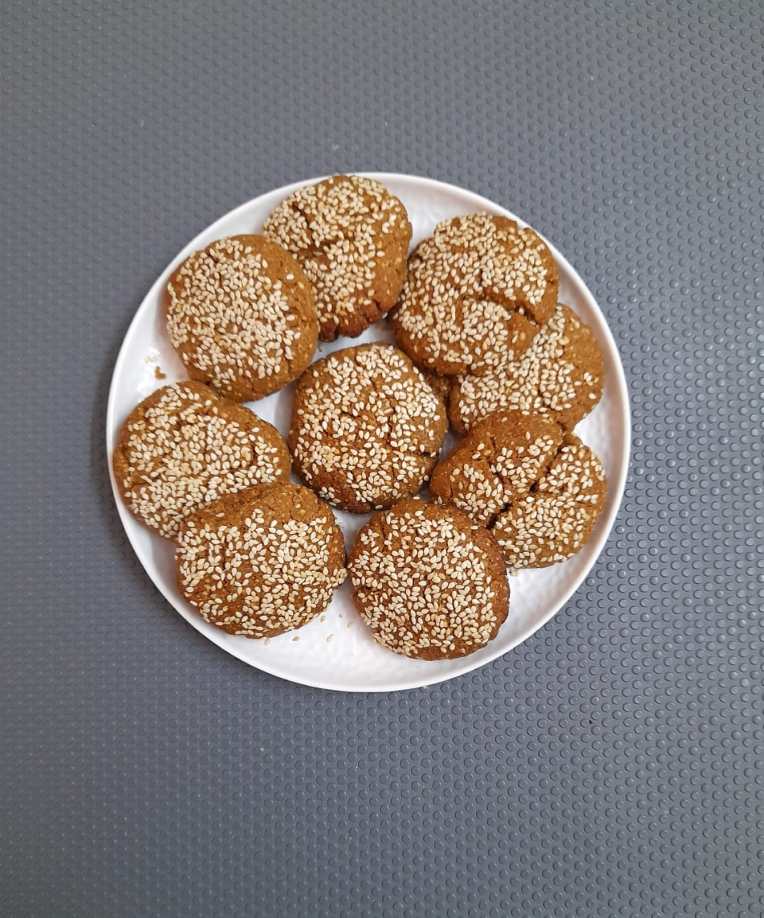
RECIPE: SESAME COOKIES WITH HIDDEN HERBS AND NUTS

Let’s make every dish tasty and nutritious by ‘hidden’ nutrition of veggies, herbs and nuts.

Sesame cookies recipe

Check the Recipe made with Ayurvedic spread by Iyurved- DAILY NUTRITION spread.

CHECK MORE HEALTHY RECIPES LOVED BY KIDS.

PRODUCTS:

We are happy to introduce our range of nutritious & tasty products for kids!!

We know that preparing and feeding healthy foods everyday is a huge task. Even more tough when kids are picky eaters. Kids prefer certain foods and formats. It is not easy to feed kids bitter Ayurvedic herbs, variety of vegetables, fruits, nuts and seeds everyday.
Mixed with Ayurvedic herbs, this unique Ayurvedic chocolate spread is an easy solution to feed daily nutrition for Immunity, Brain development, Bone strength and overall-growth to kids without any fuss.

Let’s try to make every food a child wants to eat more tasty and nutritious with (hidden) veggies, herbs and nuts.

India’s First Tasty Kids Nutrition fortified with Ayurvedic herbs.

For Sore Throat, Cough and Cold, give Kids and Teens Immunity Boost Chocolate spread | Made with clinically proven ‘5 Ayurvedic Herbs and 7 Nuts’ | ORDER | 0% preservative | 0% Palm oil | Fortified with Amla, Giloy and Tulsi|

Check more products for: Immunity, Brain development, Sleep (for hyperactive kids), Weight gain, Eyesight, Digestion, Eczema, Dyslexia, Speech Delay and Overall growth.

(shipping in India and Singapore only)

Join Iyurved group for FREE CONSULTATION

Foods and Remedies by a Nutrition Expert
Read more blogs:

8 Effective Home Remedies and Foods for Facial Hair

FACIAL HAIR FOR WOMEN

‘Facial hair in women’, a concept we dismiss as too unpleasant to even speak openly, is actually a natural phenomenon. All women have body and facial hair, although the majority of the time, the facial hair is light in colour and thin in nature. For some women, though, hair growth is vast and coarse. As a result, we have come up with an article to get rid of facial hair for women with the use of simple home remedies that don’t cost a fortune. (5 Tips and foods to manage PCOS in teens)

WHATSAPP for concerns like Speech Delay, Low Weight, Frequent Illness, Hyperactivity, Low Concentration, Weak Eyesight, Improper Sleep, Pigmentation, Pores, Face Marks, Fine Lines , Lactation etc.

Causes of facial hair in women

All women have very fine, unnoticeable facial hair. However, only a few people have dense facial hair. The fuzz of hair on a woman’s face can be caused by a variety of factors. Let us go through them in detail. (Hormone happy fruits for kids and teens)

1. Hormones

One of the most common reasons for facial hair for women is hormonal imbalance. The most prevalent cause of excessive female growth is abnormal or above-normal amounts of androgens (the male hormone testosterone). Androgens are hormones that control male traits in the human body. Men and women both create masculine and feminine hormones. However, certain girls may have an overabundance of androgens, resulting in male pattern hair growth, a deep voice like a man, weight fluctuations, and so on.

Excess androgen production might be caused by health issues such as polycystic ovarian syndrome, Cushing syndrome, and thyroid imbalance. (5 foods to manage hormonal imbalances in kids and teens)

2. GENETICS

If a female has regular periods and no other illnesses, the cause of extra hair is most likely hereditary. If your grandmother, mother, or other women in your family have excessive facial hair, you are likely to have it as well.

3. Stress

Certain phases in the girl’s life may be pretty stressful like the changes in school, work,  family, and relationships. To help the body keep up, the adrenal glands release stress hormones in certain situations. Because the adrenal glands produce androgen hormones, increasing stress may result in an increase in the amount of androgens in circulation causing the growth of unwanted facial hair.

4. Polycystic ovarian syndrome (PCOS)

Just like hormonal changes, PCOS in teens and adults ( a type of hormonal imbalance) are part of normal puberty and is quite common these days.PCOS affects 6-10% of women and can manifest in females as young as eleven years old. Overproduction of androgens, a family of hormones responsible for masculine traits, causes this abnormal condition. Although hirsutism—unwanted or abundant facial hair—is one of the signs of PCOS, facial hair growth by itself does not indicate the condition. (6 foods for period pain in teens)

Home remedies for facial hair for women

Women employed natural home treatments for facial hair for women decades ago when there were no other options. These solutions are inexpensive because they simply call for a few common ingredients that you may already have on hand. These natural remedies are simple to produce, safe to use and provide long-term benefits. So, why not try one of the home remedies for facial hair for women listed below?

1. Lemon juice and sugar

This is an age-old beauty technique for getting rid of unwanted hair.

Combine the sugar, lemon juice, and a small amount of water in a small mixing bowl. To dissolve the sugar, whisk it vigorously until it forms a sticky granular paste. Scrub well after 30 minutes. The hair sticks to the pack and when it’s removed, the hair comes off with it.

2. Banana and oatmeal

The oatmeal removes hair as well as dead skin, while the banana moisturises the skin.

Mash the banana and then combine it with the oatmeal powder. Apply the paste and massage it in a circular motion against the growth of your hair. Allow it to dry completely before rubbing it off with your fingertips to remove facial hair.

3.Gram flour and rose water

Gram flour has excellent exfoliating properties, and when paired with the benefits of rose water, it slows hair growth.

Combine 2 tbsp gram flour, 2 tbsp rose water, 1 tbsp lemon juice in a bowl. Combine all of the ingredients to make a paste and apply it to your face. Allow it to dry fully before rubbing it off with your fingertips. Repeat this three to four times a week for best results. It is one of the best home remedy for removing facial hair.

4. Papaya and turmeric

Papaya includes an enzyme called papain, which is known to help eliminate facial hair, and turmeric gives the face a healthy and beautiful shine, hence, this home remedy for hair removal is also a glow-boosting one.

Cut a papaya slice into little pieces and mash it to make a paste, then add half a teaspoon of turmeric to it. Mix well and only apply to places where undesired hair growth occurs. Massage for a few minutes, then leave it on for another 15-20 minutes. Wash with lukewarm water. For optimal results, repeat this home treatment to eliminate facial hair twice a week.

5.Honey and sugar

Sugar gently exfoliates the skin’s surface, removing dead skin cells and facial hair, whilst honey heals and nourishes the skin, making it one of the greatest home remedies for facial hair removal.

In a bowl, combine one tablespoon of honey, two tablespoons of sugar, and one tablespoon of water. Microwave the mixture in a bowl for 30 seconds, or until the sugar melts. Apply the paste to the parts of your face where you have unsightly facial hair. Apply the paste and massage it in a circular motion on your hair’s growth. Allow it to dry completely before removing facial hair with your hands.

6. Turmeric, Rice flour and milk

Turmeric has been shown to inhibit hair growth while also adding a healthy and attractive sheen to the face, while milk works as a light exfoliating and moisturising agent.

Combine rice flour, turmeric and milk in a bowl and apply the mask over the area of unwanted hair and let it dry. Wash it off with warm water.

7. Aloe vera and papaya

Hair removal is aided by the papain enzyme, while skin moisturization is aided by aloe vera.

Combine aloe vera pulp, papaya paste, gram flour, and mustard oil to form a thick paste. Apply the paste to the surface and allow it to dry. Rub the dry mask in the opposite direction of hair growth with a cotton cloth. Wash it off and massage a few drops of coconut oil into the skin.

Check Coconut oil Benefits: Skin, Hair, Body and Oral hygiene

8. Potato and lemon juice

Potato juice, honey, and lemon juice are bleaching agents that brighten skin and hair colour, while green gram flour aids in hair removal.

Grate the potato and squeeze the juice out of it. To make a fine paste, combine green gram flour, lemon juice, honey, and potato juice. Apply the pack to your face. Rub it in a circular manner and remove it, once it has dried completely. Use it twice a week for optimal results.

Foods to consume to get rid of facial hair in women

To get rid of facial hair, you should consume a lot more of the following foods.

1. Magnesium, zinc and copper rich foods:

These essential minerals can help to prevent facial hair by reducing testosterone’s action. Magnesium may be obtained from foods such as soybeans, whole grains, seeds, and nuts. Zinc may be found in pumpkin seeds, peanuts, and dark chocolate. Copper is abundant in spirulina, leafy green vegetables, sunflower seeds, chickpeas, lentils, cashews, almonds, chia seeds, raisins, and sesame seeds.

2. Vitamin b6 rich foods:

Vitamin B6 reduces the female body’s synthesis of prolactin, a hormone that is responsible for the release of testosterone, which causes facial hair. Avocados, salmon, organ meats, soybeans, walnuts, peanuts, whole grains, spinach, bananas, and other fruits contain this vitamin.

3. Vitamin A RICH FOODS:

Vitamin A suppresses facial hair by regulating testosterone levels in the body. It serves the same purpose as Vitamin B6. Papaya, carrots, sweet potato, green leafy vegetables, pumpkin, milk, fish, and other natural sources of Vitamin A include papaya, carrots, sweet potato, green leafy vegetables, pumpkin, milk, and fish.

4. NUTS AND SEEDS

They are high in vitamin E, which can lower testosterone levels in the body by reducing the effects of androgens.  Nuts and seeds might help you get rid of unwanted facial hair by adding them to your diet. Nuts like almonds and peanuts, as well as seeds like pumpkin seeds and sunflower seeds, reduce facial hair growth.

5. Manjistha

Manjistha is extremely useful to balance hormones and reduce unwanted facial hair caused due to PCOS. It is a herb known for its blood purifying properties and ability to restore uterine health. It is also well known for treating pimples, excessive facial growth, hair fall, improving moods, controlling heavy bleeding and aiding in the regulation of periods as well as treating PCOS in teens and adults.

6. TURMERIC

Turmeric (Haldi) has medicinal properties that aid in the treatment of a variety of medical conditions. It aids in hormone balance and menstrual cycle regulation in females. Although it is commonly used in home treatments to inhibit facial hair growth, it may also be consumed for the same purpose. (Immunity powder for kids) 

Precautions to consider while trying Home remedies for facial hair for women

For removing facial hair for women, there are a variety of natural Ayurvedic home remedies. However, it is critical that we take precautions when trying them.

  1. When you’re trying to get rid of facial hair permanently at home, patience is key.
  2. Allergy-causing components like orange peel and lemon juice should be avoided for sensitive skin in home remedies for facial hair removal.
  3. Before using the packs, take a warm bath to help open up your pores.
  4. It’s crucial to seal the pores following the remedy by pressing ice on the region or washing it with cold water.

RECIPE: SWEET POTATO CRISPY PURI WITH HIDDEN HERBS AND NUTS

Let’s make every dish tasty and nutritious by ‘hidden’ nutrition of veggies, herbs and nuts.

Check the Recipe made with Ayurvedic spread by Iyurved- DAILY NUTRITION spread.

CHECK MORE HEALTHY RECIPES LOVED BY KIDS.


PRODUCTS:

It’s no SECRET that following an Ayurvedic lifestyle has numerous advantages. This unique collection of Ayurvedic spreads is an easy solution to feed daily nutrition for Immunity, Eye, Brain development, Bone strength and overall growth to kids without any fuss. To know more about kid’s ayurvedic foods – SHOP HERE.

India’s First Tasty Kids Nutrition fortified with Ayurvedic herbs.

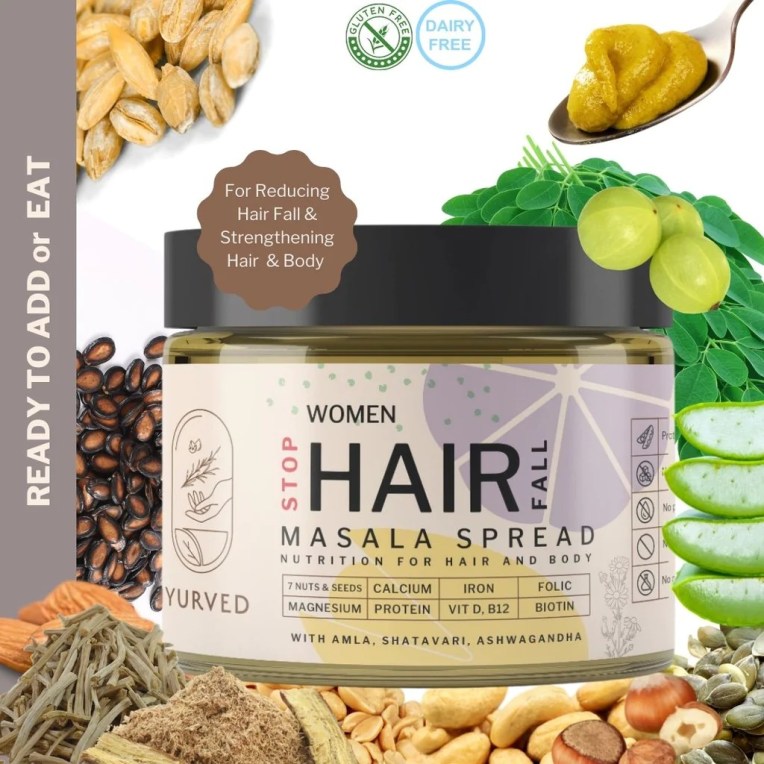
For Facial hair and healthy body, give Women Stop Hair Fall Masala Spread | 0% Preservatives | 0% Refined Sugar | 0% Palm oil | With SHATAVARI, ASHWAGANDHA, AMLA, MORINGA, ALOE VERA | ORDER |


CHECK MORE PRODUCTS FOR:

Immunity, Gut health, Digestion, Weight, Brain development, Speech delay, Epilepsy, Eye health, Hormones, Sleep, Hyperactivity, Bones and Overall growth

foods for breast milk

Read more blogs:

6 Kids Friendly Recipes for Lunchbox

Recipes for lunchbox

As a parent, it feels happy to see your child’s progress from kindergarten to higher grades. Parents are more enthusiastic than the children, and often conduct extensive research to make their children’s school days more fun, particularly around lunchtime. You get up early, prepare healthy recipes for lunchbox, and wrap them with affection. But, at the back of every mother’s mind, there’s the question of whether or not her child will be able to finish his lunch box. If you follow these ideas and tactics, the answer might be “Yes”!! This article will also cover some recipes for lunchbox that are both healthful and kid-friendly. (8 Healthy Recipes for picky eaters with fruits and veggies)

 7 Tricks for ensuring your kids finish their lunchbox

1. Invest in a quality lunchbox

Get a nice lunchbox first!! It should be simple to open for your child, and you may choose one that keeps the heat of packed food warm. Even if you can’t stand the sight of Dora the explorer, let your child select one depicting his favourite character. This may sound silly, but a lack of physical ability in younger children might be one of the reasons they bring home an unopened food box. Before sending food to school, practise opening baggies and containers at home.

2. Include all the food groups

You may need to be creative to ensure that your fussy eater’s recipes for lunchbox include all five key dietary groups: fruits, vegetables, protein, grains, and dairy. ( 7 Health foods for Kids Daily Nutrition)

Parents may encourage their children into eating nutritious meals by sneaking fruits and veggies like adding spinach to parathas or beetroot to dosa. You might inquire as to why your youngster dislikes specific meals. If they just don’t like the texture or appearance, they may sometimes fix it by exploring other cooking methods.

3. Get your child involved in lunch planning, preparation, and packaging

Kids like engaging in meal planning and preparation when given the opportunity. Children have a sense of control when they have a voice in what they consume. As a result, the likelihood that they will consume it increases. Give your kids two or three choices for recipes for lunchbox. “Would you want rice or paratha?” or “Would you prefer a sandwich or a tortilla wrap?” are some examples of questions to ask. When you and your kid have determined what will go into his lunch, lay everything out on the counter or table and ask your child to assist you in putting it together and/or packing it into his lunch bag. 

4. Create a meal chart based on your children’s favourite foods

Begin planning your school lunch menu based on the things that your child will consume, making a list of all the things your picky eater tolerates is helpful.  But it’s also crucial to come up with new ways to serve them. If cucumber is the only vegetable your fussy eater will eat, serve it with a variety of dips or wrap it up with lunch and cheese. Changing things up is the key to keeping your youngster interested in the few nutritious items they enjoy. (5 Foods being the reason of weight gain and growth in kids)

5. Make it entertaining

Toddlers, particularly younger children, might be influenced by the appearance of food. Fun shapes and vibrant colours may catch their attention and entice them to take a mouthful. It’s not necessary to spend a lot of time carving cartoon creatures out of veggies or fruits. Simply arrange the lunch neatly, add a personal remark, or shape a sandwich or slice of cheese using a cookie cutter to give aesthetic flair to the meal. If the meal seems interesting and appealing to you, chances are your picky eater will enjoy it as well.

6. Include snacks like recipes for lunchbox 

Kids adore finger foods, particularly if they’re on a snack board like one of these. Buy a cold container with numerous compartments and fill it with snack-like items (that together create a healthy balanced meal) in a variety of colours, textures, and shapes for a  lunch. Include colourful fruits and vegetables with yummy dips, protein options such as chickpeas, yoghurt, cheese and whole-grain items such as bread, baked muffins, crackers, and so on. Again, involve your child to choose their favourite food items as snacks. ( Roasted Makhana – Healthy snacks for kids)

7. Don’t be too ambitious

Five-course meals, several boxes, and large quantities should be strictly avoided. You are the most aware of your child’s abilities. If he can only eat one roti at home, don’t expect him to mysteriously consume three rotis, dal, salad, and fruit at school. Even if he shares, he will not be able to finish a large amount. You’re simply setting him up for failure if he doesn’t finish his box every day.

Best kids friendly recipes for lunchbox

Finding good recipes for lunchbox for kids is one of the most difficult chores for many mothers, especially if their children are picky eaters. As mothers, we are more concerned to pack children’s lunch boxes with nutrition and making it exciting for them. Here is a collection of recipes for lunchbox that is healthy and nutritious.

1. CHEESE paratha WITH MILLET
Recipes for lunchbox - Cheese paratha with millet
Cheese paratha with millet

Ingredients

  • 1.5 cups Wheat flour
  • 1 cup Jowar/ Sorghum flour
  • 1 small size Beetroot
  • 2 medium size Carrot
  • 1 small size Capsicum
  • 1.5 cup Diced/ Grated Mozzarella Cheese
  • 2 tbsp Iyurved’s Daily Nutrition Weight Healthy Savoury Spread (order here)
  • 1/2 tbsp Oregano
  • 4 tbsp Oil
  • 1 tbsp ghee
  • Salt to taste

Procedure

  • Take wheat, jowar flour, salt and oil in a bowl. Add water slowly and knead to make a soft dough.
  • Divide the dough into equal portions.
  • Take chopped veggies, cheese in a bowl.
  • Add salt, oregano and Iyurved’s Daily Nutrition Weight Healthy Savoury Spread (order here). Mix well to make a filling.
  • Take the small dough ball, flatten it out and roll gently. Place the filling and seal it on top and roll the paratha evenly.
  • Heat the tawa , spread oil, cook on a medium flame for few seconds.
  • Once one side is done, flip it over. Apply oil till it turns golden brown.
  • Drizzle some ghee on both sides and serve hot.

1 Cheese paratha with millet – 166 calories
Additional nutrition benefits 
( 1 tbsp of Iyurved’s Daily Nutrition Weight Healthy Savoury Spread gives 126 calories with 5.36g of protein)

Check 8 Best Protein-Rich Recipes for Kids

2. VEG WRAP
RECIPES FOR LUNCHBOX - Veg wrap
Veg Wrap

Ingredients

  • 1/2 cup wheat flour
  • 1/2 cup sorghum flour
  • 1 Onion, Capsicum
  • 1/2 carrot
  • 1 cup grated cabbage
  • 2 tsp grated ginger garlic
  • 1/2 cup paneer
  • 1/4 cup mozzarella cheese
  • 1 tsp chilly sauce
  • 1 tsp soy sauce
  • 2 tbsp oil
  • 1 tsp pizza sauce
  • 1 tbsp Iyurved’s Daily Nutrition Weight Healthy Savoury Spread (order here)
  • Salt to taste

Procedure

  • Take wheat and sorghum flour to make a soft dough. Make a big roti and keep aside.
  • Heat oil in pan and add grated ginger garlic. Add sliced onion, capsicum, grated cabbage, carrot and saute.
  • Add chilly sauce, soy sauce, sprinkle salt over veggies and mix well. Cook them for 5 minutes on high flame. Continuously stir the veggies.
  • Take roti on a plate and spread Iyurved’s Daily Nutrition Weight Healthy Savoury Spread (order here).
  • Cut it on one side. Spread pizza sauce, put veggies, place paneer slices and cheese on each quarter. Fold it and place it over grill pan. Drop little oil on edges and cook on both sides for 3-5 minutes on low flame.
  • Veg-wrap is ready to serve. 

1 Veg wrap – 145 calories
Additional nutrition benefits 
( 1 tbsp of Iyurved’s Daily Nutrition Weight Healthy Savoury Spread gives 126 calories with 5.36g of protein)

Check 12 Ideas for Healthy Snacks that Kids can make with you

3. MOONG DAL FRIED IDLI
Moong dal fried Idli - RECIPES FOR LUNCHBOX
Moong Dal Fried Idli

Ingredients

  • 2 cup moong dal/mung bean
  • 1 tsp – Ginger
  • 7-8 cloves garlic
  • 2 green chilies
  • 1/2 tsp mustard seeds
  • 1 tsp turmeric
  • 1/2 cup curd
  • 1 tbsp lemon
  • Hand full of coriander leaves
  • Curry leaves
  • 4 tbsp Iyurved’s Daily Nutrition Weight Healthy Savoury Spread (order here)
  • Salt to taste

Procedure

  • Soak moong dal overnight.
  • Grind it with chilies, ginger, garlic and 1/2 tbsp salt. Keep aside for 20 minutes.
  • Add curd and whisk for 5-7 minutes. The moong dal batter is ready.
  • Grease the idli stand and pour the batter in each mould. Let it cook in steam for 15 minutes. Fluffy moong dal idli is ready.
  • Cut the idli into 4 equal pieces. Heat oil in a pan. Put mustard seeds, curry leaves, grated ginger, turmeric and idli pieces. Add Iyurved’s Daily Nutrition Weight Healthy Savoury Spread (order here) over it.
  • Fry on low flame for 3-5 minutes. Squeeze lemon over it and garnish with coriander leaves. 

1 cup – 130 calories
Additional nutrition benefits 
( 1 tbsp of Iyurved’s Daily Nutrition Weight Healthy Savoury Spread gives 126 calories with 5.36g of protein)

Check Child’s development: 7 foods that help babies in sitting

4. SWEET POTATO PURI
RECIPES FOR LUNCHBOX - SWEET POTATO PURI
Sweet potato puri

Ingredients

  • 1 cup mashed sweet potato
  • 2 cup wheat flour
  • 1 tbsp kasoori methi
  • 1 tsp ajwain (carom seed)
  • 1-2 cup oil
  • 3 tbsp Iyurved’s Daily Nutrition Weight Healthy Savoury Spread (order here)
  • Salt to taste

Procedure

  • Take mashed sweet potato in a bowl.
  • Add wheat flour. Put kasoori methi, ajwain, salt and Iyurved’s Daily Nutrition Weight Healthy Savoury Spread (order here). Mix them well.
  • Add water slowly to make a dough.
  • Take small balls and and roll over to make puri. Fry it.
  • Crispy and healthy puri is ready to serve.

1 puri – 76 calories
Additional nutrition benefits 
( 1 tbsp of Iyurved’s Daily Nutrition Weight Healthy Savoury Spread gives 126 calories with 5.36g of protein)

Check 5 Foods and Home Remedies to treat grey hair in kids

5. MOONG DAL CHEELA/PANCAKE
Recipes for lunchbox - Moong dal cheela/pancake
Moong dal Cheela/Pancake

Ingredients

  • 2 cups Moong dal/mung bean
  • 1 Capsicum, Onion, Tomato
  • 2 tsp Grated ginger
  • 1 tsp Chilies (Optional)
  • 1/2 cup curd
  • 4 tbsp oil
  • 2 tbsp Iyurved’s Daily Nutrition Weight Healthy Savoury Spread (order here)
  • Salt to taste

Procedure

  • Soak moong dal overnight and grind it to make paste.
  • In a bowl, add curd, chopped onion, capsicum, tomato, ginger and chilies(optional), salt, Iyurved’s Daily Nutrition Weight Healthy Savoury Spread (order here) and mix well.
  • Pour the batter on hot pan and cook it for 2 minutes on low flame. Drop oil on edges and flip it to cook on other side till it turns golden.
  • Serve!!

1 cheela – 128 calories
Additional nutrition benefits 
( 1 tbsp of Iyurved’s Daily Nutrition Weight Healthy Savoury Spread gives 126 calories with 5.36g of protein)

Check 10 Superfoods for Healthiest Postpartum Diet

6. BEETROOT BREAD PAKORA
Beetroot Bread Pakora

Ingredients

  • 4 Multigrain bread/ Brown bread
  • 1 Cup gram flour
  • 2 tsp carrom seeds
  • 1 Cup beetroot puree
  • 4 tbsp oil
  • 2 tbsp Iyurved’s Daily Nutrition Weight Healthy Savoury Spread (order here)
  • Salt to taste

Procedure

  • Take gram flour in bowl. Add carrom seeds, salt and beetroot puree.
  • Add Iyurved’s Daily Nutrition Weight Healthy Savoury Spread (order here) . Mix all the ingredients well. Add water to make paste.
  • Dip multigrain bread in the batter and place on heated skillet.
  • Drop oil on the edges and cook on low flame for 3-4 minute. Flip over the bread and cook from other side.
  • Cut into tringles and serve!!

1 pakora – 125 calories
Additional nutrition benefits 
( 1 tbsp of Iyurved’s Daily Nutrition Weight Healthy Savoury Spread gives 126 calories with 5.36g of protein)

Make sure they have a decent breakfast and that their other meals are well-balanced. Examine their pre-lunch snack to ensure it isn’t so filling that it impairs their appetite for lunch. Don’t be concerned if your youngster still has some lunch leftover. Always come up with new recipes for lunchbox and make their mealtime enjoyable.

PRODUCTS:

We are happy to introduce our range of nutritious & tasty kid’s Ayurvedic foods!!
We know that preparing and feeding healthy foods everyday is a huge task. Even more tough when kids are picky eaters. Kids prefer certain foods and formats. It is not easy to feed kids bitter Ayurvedic herbs, variety of vegetables, fruits, nuts and seeds everyday.
Mixed with Ayurvedic herbs, this unique Ayurvedic spread is an easy solution to feed daily nutrition for Immunity, Brain development, Bone strength and overall-growth to kids without any fuss.

India’s First Tasty Kids Nutrition fortified with Ayurvedic herbs.

If your child is a picky eater or does not take enough nutrition for the day, you can give Weight Healthy Savoury Spread | Made with clinically proven ‘5 Ayurvedic Herbs and 7 Nuts’ | ORDER | 0% preservative | 0% Palm oil |

Check more products for: Immunity, Gut health, Digestion, Weight, Brain development, Speech delay, Epilepsy, Eye health, Hormones, Sleep, Hyperactivity, Bones and Overall growth

(shipping in India and Singapore only)

Join Iyurved group for FREE CONSULTATION

Foods and Remedies by a Nutrition Expert
Read more blogs:

8 Best Protein-Rich Recipes for Kids

protein rich foods for vegetarians

Are you including protein-rich foods in your child’s diet? Making sure your children consume a well-balanced diet is a vital aspect of their growth and development. Protein is a critical macronutrient and is required for developing children since it is required for bone and muscle development as well as skin health. Protein is considered the body’s building block and repair agent. It is also integral in forming enzymes and hormones in the body. From digestion to immunity, from hair to nails, everything requires protein. Let’s take a look into the protein requirements for kids and protein-rich foods for vegetarians.

WHATSAPP for concerns like Speech Delay, Low Weight, Frequent Illness, Hyperactivity, Low Concentration, Weak Eyesight, Improper Sleep, Pigmentation, Pores, Face Marks, Fine Lines , Lactation etc.

Protein requirements for kids:

Proteins are made up of building blocks known as amino acids. The human body requires 20 distinct amino acids, 9 of which are essential. Because our bodies cannot produce certain amino acids, we must obtain them from the diet. Even children require these amino acids in age-appropriate amounts on a daily basis:

  • 0 to 12 months: 9 g/day
  • 1 – 3 years: 12 to 13 g/day
  • 4 – 8 years: 19-20 g/day
  • 9 – 14 years: 34 g each day

Adding a high-quality source of protein for kids can be challenging especially when the child does not eat meat. Kids aside, adults also face the deficiency of protein in their daily diets. According to the Protein Consumption in the Diet of Adult Indians Survey, 9 out of 10 Indians consumed less than adequate proteins daily. 91% of the vegetarians and 85% of the non-vegetarians were protein-deficient. Because animal products contain more protein than plant foods, vegetarians and vegans may need to plan their meals to ensure they satisfy their protein requirements. Choosing the right protein rich foods for vegetarians is very important.

Also check, How to add 9G protein to your diet easily to rebuild your body cells?

Protein rich foods/Recipes for vegetarians:

There are various protein-rich foods for vegetarians. Here are some of the best collections of protein rich Indian recipes ranging from breakfast to dinner for your kids.

Also check, Easy source of protein for kids

1. Broccoli and chickpea rice
Broccoli and chickpea rice

Ingredients

  • 2 cups Rice
  • 1 cup chickpea
  • 1/2 cup broccoli florets
  • 1 chopped onion
  • 1/2 tsp cumin seeds
  • 1 tsp chopped garlic, ginger
  • 2 tsp garam masala
  • 1 tsp pepper and coriander powder
  • 4 tbsp Iyurved’s Weight Healthy Savoury Spread (order here)
  • 1 tsp ghee or olive oil
  • 4 cups Water
  • Salt to taste

Procedure

  • In a pressure cooker, heat ghee or olive oil, add cumin seeds, onion, ginger, garlic, broccoli florets and saute until it turns brown.
  • Add pepper powder, coriander powder, garam masala, Iyurved’s Weight Healthy Savoury Spread (order here), chickpea, salt and mix well for 3 minutes.
  • Add water, bring it to a boil and add rice.
  • Cook on a medium flame for 3-4 whistles.
  • Serve!!

1 cup – 240 calories
Additional nutrition benefits 
( 1 tbsp of Iyurved’s Weight Healthy Savoury Spread gives 126 calories with 5.36g of protein)

Also check Best Nuts and Seeds for protein

2. MOONG DAL CHEELA/PANCAKE
Moong dal cheela/pancake
Moong dal Cheela/Pancake

Ingredients

  • 2 cups Moong dal/mung bean
  • 1 Capsicum, Onion, Tomato
  • 2 tsp Grated ginger
  • 1 tsp Chilies (Optional)
  • 1/2 cup curd
  • 4 tbsp oil
  • 2 tbsp Iyurved’s Weight Healthy Savoury Spread (order here)
  • Salt to taste

Procedure

  • Soak moong dal overnight and grind it to make paste.
  • In a bowl, add curd, chopped onion, capsicum, tomato, ginger and chilies(optional), salt, Iyurved’s Weight Healthy Savoury Spread (order here) and mix well.
  • Pour the batter on hot pan and cook it for 2 minutes on low flame. Drop oil on edges and flip it to cook on other side till it turns golden.
  • Serve!!

1 cheela – 128 calories
Additional nutrition benefits 
( 1 tbsp of Iyurved’s Weight Healthy Savoury Spread gives 126 calories with 5.36g of protein)

Check 10 Superfoods for Healthiest Postpartum Diet

3. QUINOA-MILLET PEAS MEAL
 Quinoa millet peas meal recipe
Quinoa millet peas meal

Ingredients

  • 1/2 cup Quinoa or Little Millet ( Quinoa and little millet boiled in equal water)
  • ½ cup Peas
  • 2 tbsp Oil
  • 1 Chopped small onion
  • 3 tbsp Iyurved’s Weight Healthy Savoury Spread (order here)
  • 2 tsp Chopped garlic and ginger
  • 1 tsp Cumin seeds
  • 1 tsp Lemon juice fresh
  • 2 tsp Chopped green chili (optional)
  • Chopped handful coriander
  • Salt to tatse

Preparation

  • Heat oil in pan. Add cumin,ginger, garlic and onion. Saute for a minute.
  • Add peas, chillies, salt. Cook for 3 minutes.
  • Add boiled quinoa/ millet (without water), Iyurved’s Weight Healthy Savoury Spread (order here). Cook for 5 minutes.
  • Add lemon juice to taste.
  • Garnish with coriander. Serve!!

1 cup –  210 calories
Additional nutrition benefits 
(1 tbsp of Iyurved’s Weight Healthy Savoury Spread gives 126 calories with 5.36g of protein).

Also check, 6 Yummy Calcium-Rich Recipes for kids

4. OATS Pancake
Protein rich foods for vegetarians - Oats pancake
Oats pancake

Ingredients

  • 2 cups Oats
  • 1/2 cup Milk
  • 1/4 tbsp Butter
  • 1 tbsp Ghee
  • 1/2 tsp Baking powder
  • 2 tsp Cinnamon powder
  • 1 egg or 2 tbsp chia or flaxseeds powder soaked in 6 tbsp warm water till it becomes lumpy
  • 2 tbsp Iyurved’s Weight Healthy Savoury Spread (order here)
  • Salt to taste

Preparation

  • Blend the oats to a fine powder.
  • To this, add cinnamon powder, baking powder, salt,Iyurved’s Weight Healthy Savoury Spread (order here) and mix well.
  • In another bowl, add egg or chia or flaxseeds powder soaked in warm water, butter, milk and whisk well.
  • Now add the oat mixture to this and mix well to form a batter of pouring consistency without lumps.
  • Heat the pan and add ghee followed by a ladle of batter and cook on the medium flame.
  • Allow it to cook on the both sides for 30 seconds and serve hot!!

1 Oats pancake – 200 calories
Additional nutrition benefits 
( 1 tbsp of Iyurved’s Weight Healthy Savoury Spread gives 126 calories with 5.36g of protein).

Also check, 5 Foods and Remedies to treat Grey Hair in Kids

5. PALAK TOFU CURRY
Protein rich foods for vegetarians - Palak tofu curry recipe
Palak tofu curry

Ingredients

  • 1 cup Spinach (steamed)
  • 1.5 cups Firm tofu (cut small)
  • 2 tbsp Ghee or olive oil
  • 1 Chopped onion
  • 3 tbsp Iyurved’s Weight Healthy Savoury Spread (order here)
  • Small piece of Ginger
  • 2 tsp Chopped garlic
  • 2 tsp Lemon juice
  • 1 tsp Pepper
  • Salt to taste
  • 4-5 cups Water

Preparation

  • Puree spinach and ginger.
  • Heat oil. Add chopped onion and garlic. Now add 3 tbsp Iyurved’s Weight Healthy Savoury Spread (order here) Saute well.
  • Once the onion turns light brownish, add tofu pieces. saute well and add spinach puree.
  • Add salt, pepper seasoning (or curry masala). Cook for 2-3 minutes and turn off the flame.
  • Add cumin powder (optional) and lemon juice. Stir and serve.
  • Fill inside a wrap or tortilla or serve with rice or paratha.

1 cup –  45 calories
Additional nutrition benefits 
( 1 tbsp of Iyurved’s Weight Healthy Savoury Spread gives 126 calories with 5.36g of protein).

6. Ragi Millet and VEGGIES APPAM
Protein rich foods for vegetarians - Ragi millet and veggies appam
Ragi millet and veggies appam

Ingredients

  • 1 cup Ragi / Finger millet
  • 1 Chopped Medium size beetroot
  • 1/2 cup Chopped Carrot, Broccoli
  • 2 tbsp Iyurved’s Weight Healthy Savoury Spread (order here)
  • Salt to taste
  • 1 tsp Oil
  • Water as required

Preparation

  • Finely chop the beetroot, carrot and broccoli.
  • Grind them in a coarsely in a mixer.
  • Mix the coarse mixture of veggies and Iyurved’s Weight Healthy Savoury Spread (order here) with finger millet.
  • Make a batter with pouring consistency by adding little water in it.
  • Grease the appam pan with oil.
  • Once heated pour spoonful of batter in each mold. Cover and cook on medium flame. After 3 minutes flip over each appam and cook from other side for 2 minutes.
  • Take out on a plate and serve with coriander chutney or green chili sauce.

1 appam –  35 calories
Additional nutrition benefits 
(1 tbsp of Iyurved’s Weight Healthy Savoury Spread gives 126 calories with 5.36g of protein).

Also, check 8 Healthy and creamy recipe of smoothies and milkshakes

7. ROASTED MAKHANA
Protein rich foods for vegetarians - Roasted makhana
Roasted Makhana

Ingredients

  • 1 cup makhana/foxtail
  • 1/2 tbsp desi ghee
  • 1 tsp mint powder
  • 2 tsp Black pepper powder
  • 1 tsp chaat masala
  • 4 tbsp Iyurved’s Weight Healthy Savoury Spread (order here)
  • Salt to taste

Procedure

  • Warm desi ghee in skillet/Kadhai.
  • Put makhana and roast them for 7-10 minutes on low flame. Sprinkle salt, mint powder, chaat masala and black pepper powder over makhanas.
  • Add Iyurved’s Weight Healthy Savoury Spread (order here) and mix well.
  • Easy, crispy and healthy snack is ready for kids.

1 cup – 216 calories
Additional nutrition benefits 
( 1 tbsp of Iyurved’s Weight Healthy Savoury Spread gives 126 calories with 5.36g of protein).

Check 6 Best foods for digestion and constipation in kids

8. SOYA CHUNKS PATTIES
Protein rich foods for vegetarians - soya chunks patties
Soya chunks patties

Ingredients

  • 1 cup soya chunks
  • 1/4 cup cup puffed rice
  • 1 Small onion
  • Handful coriander leaves
  • 1 tsp dry mango powder
  • 4 tbsp oil
  • 1 tsp green chilies (optional)
  • 2 tbsp Iyurved’s Weight Healthy Savoury Spread (order here)
  • Salt to taste

Procedure

  • Soak soya chunks for an hour. Squeeze them and grind in mixer.
  • Grind puffed rice to make powder.
  • Take a bowl and add ground soya chunks and puffed rice in bowl.
  • Add chopped onion, coriander leaves, dry mango power, salt and Iyurved’s Weight Healthy Savoury Spread (order here).
  • Make small ball and flatten them. Grease the grill pan and place the patties into it. Shallow fry on low flame for 5-7 minutes.
  • Flip to fry on both sides until the base turn firm, golden and crispy. 
  • Patties are ready to serve as snacks or as burger patties.

1 soya chunk patty – 52 calories
Additional nutrition benefits 
( 1 tbsp of Iyurved’s Weight Healthy Savoury Spread gives 126 calories with 5.36g of protein).

Try to include varieties of protein rich foods in the recipes and make your kids meals healthy and nutritious. Hope these protein rich foods for vegetarians will help you in planning your children’s meals better.


PRODUCTS:

It’s no SECRET that following an Ayurvedic lifestyle has numerous advantages. This unique collection of Ayurvedic spreads is an easy solution to feed daily nutrition for Immunity, Eye, Brain development, Bone strength and overall growth to kids without any fuss. To know more about kid’s ayurvedic foods –SHOP HERE.

India’s First Tasty Kids Nutrition fortified with Ayurvedic herbs.

If your child is Underweight according to his/her age or has less appetite, you can give Kids and Teens WEIGHT Savoury Spread | 0% preservative | 0% Palm oil | 0% Refined sugar | Made with Ashwagandha, Mulethi, Turmeric, Shalaki, Brahmi | ORDER |


CHECK MORE PRODUCTS FOR:

Immunity, Gut health, Digestion, Weight, Brain development, Speech delay, Epilepsy, Eye health, Hormones, Sleep, Hyperactivity, Bones and Overall growth

what is the down's syndrome

Read more blogs:

6 Easy and Healthy Gluten-Free Recipes for Kids

“Gluten-free” is at the top of the food trend list. Parents are becoming more conscious of their children’s dietary sensitivities and allergies, which had previously gone undetected. There’s no evidence that a gluten-free meal plan is better than the healthful, balanced foods that all kids require unless your child has a special medical reason to avoid gluten. Before you begin preparing gluten-free meals, it is essential to know what gluten-free means!! (Growth and development of a child at one year)

WHAT GLUTEN-FREE MEANS?

If your child has celiac disease or non-celiac gluten sensitivity, they will need to maintain a gluten-free diet. Gluten is a protein present in wheat, barley, rye, and grain derivatives such as malt and brewer’s yeast. (Different types of Food allergies in kids)

A gluten-free diet eliminates any foods that contain these components. People who are sensitive to gluten may still consume a balanced diet rich in fruits, vegetables, meats, fish, beans, lentils, and most dairy products. These ingredients are naturally gluten-free and safe to consume.

Gluten-free foods:

Here is a list of naturally gluten-free foods that are healthful and can be excellent alternatives for your kids :

  • Vegetables and fruits
  • Natural, unprocessed forms of beans, seeds, legumes, and nuts
  • Eggs
  • Meats, fish, and poultry that are lean and unprocessed
  • Low fat dairy products

A gluten-free diet can contain the following grains like Amaranth, buckwheat, corn, rice, millets, quinoa, sorghum, oats and flours like corn flour, chickpea flour, soy flour, almond meal/flour, coconut flour and tapioca flour.

These ingredients may be used to make gluten-free dishes for kids that are both nutritious and delightful.

6 TASTY GLUTEN-FREE RECIPES FOR KIDS

Who says gluten-free kid’s recipes have to be boring? With the recipes below, we are about to change your kid’s life. Make it fun-filled, healthy and delicious. (5 Best Recipes for Finger foods)

1. Beetroot idli
Beetroot idli recipe
Beetroot Idli

Ingredients

  • 1 cup Samai millet/ rice
  • ½ cup Urad dal (Split black gram)
  • 1 cup Beetroot puree
  • 1 tbsp Ghee/oil
  • 3 tbsp Iyurved’s Daily Nutrition Weight Healthy Savoury Spread (order here)

Preparation

  • Soak rice and dal for 3-4 hours.
  • Grind it to make a thick paste. Keep it for rest overnight for fermentation.
  • Add beetroot paste, salt and Iyurved’s Daily Nutrition Weight Healthy Savoury Spread (order here).
  • Mix it well and pour the batter into greased molds.
  • Put the idli maker into steamer, cover it and cook for 15-20 minutes.
  • Let it cool and serve with coconut chutney.

1 beetroot idli – 80 calories
Additional nutrition benefits 
( 1 tbsp of Iyurved’s Daily Nutrition Weight Healthy Savoury Spread gives 126 calories with 5.36g of protein).

Check 6 Best immunity boosting drinks in winter for kids

2. QUINOA-MILLET PEAS MEAL
 Quinoa millet peas meal recipe
Quinoa millet peas meal

Ingredients

  • 1/2 cup Quinoa or Little Millet ( Quinoa and little millet boiled in equal water)
  • ½ cup Peas
  • 2 tbsp Oil
  • 1 Chopped small onion
  • 3 tbsp Iyurved’s Daily Nutrition Weight Healthy Savoury Spread (order here)
  • 2 tsp Chopped garlic and ginger
  • 1 tsp Cumin seeds
  • 1 tsp Lemon juice fresh
  • Chopped green chili (optional)
  • Chopped handful coriander
  • Salt to tatse

Preparation

  • Heat oil in pan. Add cumin,ginger, garlic and onion. Saute for a minute.
  • Add peas, chillies, salt. Cook for 3 minutes.
  • Add boiled quinoa/ millet (without water), Iyurved’s Daily Nutrition Weight Healthy Savoury Spread (order here). Cook for 5 minutes.
  • Add lemon juice to taste.
  • Garnish with coriander. Serve!!

1 cup –  210 calories
Additional nutrition benefits 
( 1 tbsp of Iyurved’s Daily Nutrition Weight Healthy Savoury Spread gives 126 calories with 5.36g of protein).

Check 6 Yummy Calcium Rich Recipes for kids

3. Multigrain dosa:

gluten free recipe - Multigrain dosa
Multigrain Dosa

Ingredients

  • 1/2 cup Ragi, Rice, Jowar, wheat flour 
  • 3-4 cups Water
  • 1 tsp Jeera
  • 1/4 cup Curd
  • Handful of Curry and Coriander leaves
  • 1 tbsp Iyurved’s Daily Nutrition Weight Healthy Savoury Spread (order here)
  • 1 tsp Oil
  • Salt to taste

Procedure

  • Mix ragi, rice, jowar, wheat, jeera, chopped curry leaves, chopped coriander leaves, Iyurved’s Daily Nutrition Weight Healthy Savoury Spread (order here), salt and water in a bowl.
  • Slowly add curd to this mixture and mix without lumps forming. it for 30 minutes.
  • Heat the dosa pan and spread the batter.
  • Cook it on both sides until it’s crisp and serve.

1 dosa – 170 calories
Additional nutrition benefits 
( 1 tbsp of Iyurved’s Daily Nutrition Weight Healthy Savoury Spread gives 126 calories with 5.36g of protein).

4. Ragi vermicelli
Gluten free recipe- Ragi vermicelli
Ragi vermicelli

Ingredients

  • 1 cup Ragi vermicelli
  • 2 tsp freshly grated coconut chunks (optional)
  • 1 tsp chana dal
  • 1/2 tsp Mustard seeds
  • 1 chopped onion
  • 5-6 Curry leaves
  • 1 tbsp oil or ghee
  • Green chillies (optional)
  • 2 tbsp Iyurved’s Daily Nutrition Weight Healthy Savoury Spread (order here)
  • Handful of coriander leaves
  • Salt to taste
  • Water as required

Preparation

  • Soak the vermicelli for about 3-5 minutes in lukewarm water. Drain the water and set the vermicelli aside.
  • In a pan, add oil, mustard seeds, chana dal, curry leaves, and onion, saute until they turn pinkish brown.
  • Then add Iyurved’s Daily Nutrition Weight Healthy Savoury Spread (order here), ragi vermicelli, salt and cook on a medium flame.
  • Stir well for 2-3 minutes and garnish with grated coconut and coriander leaves.
  • Serve!!

1 cup –  356 calories
Additional nutrition benefits 
( 1 tbsp of Iyurved’s Daily Nutrition Weight Healthy Savoury Spread gives 126 calories with 5.36g of protein).

Check 10 Superfoods for Healthiest Postpartum Diet

5. Millet pizza
gluten free recipe  - Millet pizza
Millet Pizza

Ingredients

  • ½ cup Jowar (sorghum)
  • ⅓ cup tapioca flour
  • ½ cup cooked oat
  • 2 tsp oregano
  • Nutritional yeast (optional)
  • 2 tbsp Iyurved’s Daily Nutrition Weight Healthy Savoury Spread (order here)
  • 2 tbsp Vegetable sauce of your choice
  • 1/3 cup grated cheese
  • Salt to taste
  • Water as required

Preparation

  • Take a bowl and add jowar flour, tapioca flour, cooked oats, yeast (optional), salt and water to make a soft dough for millet pizza base.
  • Leave it to rise for an hour.
  • Preheat oven for 5 min. Roll millet pizza base and apply Iyurved’s Daily Nutrition Weight Healthy Savoury Spread (order here) and pizza sauce. Sprinkle cheese, bake for 10 min at 220 degree celsius.
  • Nutritious pizza is ready to serve!!

1 Pizza –  246 calories
Additional nutrition benefits 
( 1 tbsp of Iyurved’s Daily Nutrition Weight Healthy Savoury Spread gives 126 calories with 5.36g of protein).

6. Paneer vegetable fried rice
gluten free recipe -Paneer vegetable fried rice
Paneer vegetable fried rice

Ingredients

  • 1 cup cooked rice
  • 1/4 cup grated panner
  • 1 chopped onion
  • 2 tbsp grated carrot
  • 1 tbsp chopped beans
  • 2 tsp ghee
  • 1 tsp fresh coriander leaves
  • 1 tbsp Iyurved’s Daily Nutrition Weight Healthy Savoury Spread (order here)
  • 1.5 tsp pepper powder
  • 1 tsp cumin seeds
  • 2 tsp Spring onion (optional)
  • Cinnamon powder – a pinch
  • Salt to taste

Procedure

  • In a pan, add ghee, cumin seeds and allow it to splatter.
  • Add chopped onion and saute well. Then add grated carrot, chopped beans and fry until they turn soft.
  • Now add grated panner,Iyurved’s Daily Nutrition Weight Healthy Savoury Spread (order here),pepper powder, salt and mix well.
  • Next, add the rice, mix well and fry for 2- 3 minutes until everything is properly combined.
  • Finally season with cinnamon powder and turn off the flame.
  • Sprinkle some coriander leaves and spring onion and serve!!

1 cup – 385 calories
Additional nutrition benefits 
( 1 tbsp of Iyurved’s Daily Nutrition Weight Healthy Savoury Spread gives 126 calories with 5.36g of protein)

Check Child’s Development: 7 Foods that help Babies in Sitting

While we now understand what gluten-free means, it is equally important to understand gluten tolerance in children. Gluten sensitivity in children can vary in severity, and although some children can handle a little quantity of gluten, others cannot tolerate any gluten at all. While a gluten-free diet is restrictive, there are plenty healthful and delicious alternatives. Simply consume a variety of whole, single-ingredient meals such as fruits, vegetables, and lean protein sources. They will keep your tummy happy while also promoting good health. Consult your doctor about which items are safe to consume and which should be avoided, and plan your child’s meal appropriately.

PRODUCTS:

We are happy to introduce our range of nutritious & tasty kid’s Ayurvedic foods!!
We know that preparing and feeding healthy foods everyday is a huge task. Even more tough when kids are picky eaters. Kids prefer certain foods and formats. It is not easy to feed kids bitter Ayurvedic herbs, variety of vegetables, fruits, nuts and seeds everyday.
Mixed with Ayurvedic herbs, this unique Ayurvedic spread is an easy solution to feed daily nutrition for Immunity, Brain development, Bone strength and overall-growth to kids without any fuss.

India’s First Tasty Kids Nutrition fortified with Ayurvedic herbs.

If your child is a picky eater or does not take enough nutrition for the day, you can give Weight Healthy Savoury Spread | Made with clinically proven ‘5 Ayurvedic Herbs and 7 Nuts’ | ORDER | 0% preservative | 0% Palm oil |

Check more products for: Immunity, Gut health, Digestion, Weight, Brain development, Speech delay, Epilepsy, Eye health, Hormones, Sleep, Hyperactivity, Bones and Overall growth

(shipping in India and Singapore only)

Join Iyurved group for FREE CONSULTATION

Foods and Remedies by a Nutrition Expert
Read more blogs:

5 Foods and Home Remedies to Treat Grey Hair in Kids

greying of hair reasons

Salt and pepper hair adds a style element to your look as you get older, but it’s a problem when children’s hair has white and grey strands. Hair greying is a normal occurrence as people grow older. Premature hair greying may be a distressing and unpleasant experience for both the kid and the parent, and it can even affect the child’s self-esteem. Premature greying has no negative consequences on a child’s health, although greying hair might signify other health issues. Therefore, the best method to deal with this issue is to figure out greying of hair reasons and take preventative actions as soon as feasible. (Foods for hair and skin for your child)

WHATSAPP for concerns like Speech Delay, Low Weight, Frequent Illness, Hyperactivity, Low Concentration, Weak Eyesight, Improper Sleep, Pigmentation, Pores, Face Marks, Fine Lines , Lactation etc.

Greying of hair reasons / causes:

If you observe your child’s hair becoming grey or white frequently, it’s most likely due to a deficiency in his body. While there are a variety of causes for white hair in children, most of them may be treated and cured. The following are some of the most prevalent greying of hair reasons for white hair in kids.

1. Genetics

Genetics is the most prevalent cause of premature greying of hair in children. Simply said, if the parents or grandparents had premature greying of hair as a kid, the offspring are at a higher risk of developing the disorder as well. The early beginning of greying hair may be handed down the generations, and it is a primary premature greying of hair reason in children.

2. Vitamin B12 deficiency

A lack of Vitamin B12 in the body can be another greying of hair reasons in kids. Because a vegetarian diet lacks sufficient amounts of vitamin B12, children who follow a vegetarian diet are in danger of developing this condition.

3. Other medical conditions

Premature greying of children’s hair might be a sign of something more serious. Hair loss is a sign of a variety of diseases, including vitiligo and piebaldism. Melanin is the pigment that gives our skin and hair their colour. Vitiligo is a condition in which the melanocytes in the skin are unable to synthesise melanin, resulting in white patches. Similarly, if the thyroid gland isn’t functioning properly, it might cause overactivity or underactivity. This disorder occurs in a variety of conditions, including Grave’s disease and Hashimoto’s disease, and is found to be the premature greying of hair reasons.

4. Stress

Premature greying of hair in kids can happen due to stress, but this is uncommon. Stress is not the same as psychological stress in this context. It is called genotoxic stress, and it is brought on by environmental factors.

5. AnAemia

Anaemia, which causes fatigue and hair whitening in children, can be caused by an iron deficiency. Pernicious anaemia can also cause children’s hair to grey.

6. Unhealthy eating habits

It’s no surprise that premature greying is becoming more widespread in the current world, due to the fast-food lifestyle. The other two conditions like Menkes hair syndrome and Kwashiorkor (protein deficiency) are also premature greying of hair reasons in children. 

7. Over use of synthetic soaps and shampoos

Hair product quality has deteriorated over time, as we all know. Children’s hair might become harsh and even grey as a result of the synthetic soaps and shampoos they use nowadays. Adult shampoo can make a child’s hair harsh and frizzy, so as a parent, you must be cautious from the beginning. Baby shampoo must be used on your child since it includes vitamin and mineral extracts. You may also wash your child’s hair with homemade or herbal shampoos. ( Dry and Frizzy Hair Home remedies)

Treatment for grey hair in children

There is no therapy or medicine available to help youngsters with premature greying of their hair. The only way to prevent hair greying is to consume nutritious food. In most situations, the condition is caused by poor nutrition. A lack of Vitamin B12 and minerals such as copper and zinc in the body can also cause greying of the hair, although this can be managed with vitamin supplements or by feeding youngsters healthy food. If premature greying of hair is caused by other disorders or syndromes, address those problems and premature greying of hair will be greatly reduced. Apart from these, a few premature hair greying home remedies can help in the prevention of greying of hair.

Home remedies to prevent greying of hair

Natural remedies can be used to treat children’s grey hair. If you’re wondering how to prevent premature greying of children’s hair, here are a few home remedies you may try.

1. Coconut oil and amla

Amla contains Vitamin C and antioxidants, which can help with grey hair. Applying coconut oil to the scalp protects the pigment cells in hair follicles, which give the hair its original colour. Coconut oil also moisturises the scalp and strengthens hair.

For this remedy, add a few pieces of amla into the coconut oil, boil it for 5-10 minutes, cool and massage it into your child’s scalp.

Check Coconut oil Benefits: Skin, Hair, Body and Oral hygiene

2. Almond oil and amla extract

Almond oil also includes Vitamin E, which is another component that is important for hair health. It also prevents premature greying of the hair. 

For best results, use equal parts almond oil and amla juice or extract and massage this combination into your child’s scalp.

3. Coconut oil and curry leaves

Curry leaves have also been shown to slow the greying of hair. Curry leaves can aid in the formation of melanin, the pigment that gives hair its natural colour.

Boil the curry leaves in coconut oil until they turn black. Then, apply the oil to your child’s hair to prevent the greying of hair.

4. Sesame seeds with almond oil

In a blender, combine almond oil and sesame seeds. Apply this combination to your child’s scalp and massage for around 20 minutes. Allow it to rest for another 20 minutes before washing it off with a herbal shampoo and warm water.

5. Amla and fenugreek seeds hair mask

Amla is an excellent ingredient for nourishing and maintaining hair health. It can prevent greying since it is high in vitamin C, antioxidants, and other nutrients. Fenugreek and Amla both heal hair problems while strengthening it. Fenugreek seeds contain amino acids that aid hair follicles prevent premature greying. It is high in amino acids that are beneficial to dark hair colour. 

Add a few pieces of amla into coconut oil or almond oil and boil for 5-10 minutes. Then add one tablespoon of fenugreek powder into the oil mixture. Cool and apply this oil on the scalp with a gentle massage.  Leave it for an hour and rinse well. 

6. Ghee HAIR MASK

Ghee is high in enzymes, which help to maintain the gloss of the hair while also strengthening the roots. 

Apply ghee twice a week and let it on for an hour and wash the hair for best results.

7. Onion juice

For centuries, this has been used as a traditional cure to combat grey hair. It can boost catalase, an enzyme that naturally aids in hair darkening. Additionally, it reduces dandruff and nourishes the scalp, stimulating hair growth.

Combine onion juice with a few drops of almond oil or coconut oil and apply the mixture to the hair and scalp as evenly as possible. Leave it for 30 minutes and rinse well. 

Ayurvedic Home remedies to prevent grey hair in kids

Herbs have been used for centuries for treating a lot of health concerns. It has incredible medical benefits when it comes to hair and skin too. Ayurvedic formulations are full of nutrients, which helps in reverse ageing and strengthen the hair from the roots to the tip. Here are a few simple but amazing ayurvedic home remedies for preventing greying of hair in children:

1. ASHWAGANDHA

Ashwagandha is also known as Indian ginseng. The amino acid ‘Tyrosine’ found in Ashwagandha stimulates melanin production in hair follicles. This aids in the restoration of lost melanin and the reversal of premature hair greying. ( Health Benefits of Ashwagandha )

Apply warm ashwagandha oil to the scalp and hair. Keep it overnight. Rinse well with shampoo.

Mix ashwagandha powder (required as per the hair length) and add water to it to make a fine paste. Apply this to your scalp and hair and massage gently. Wrap it up with a towel or sheet. Rinse well after 30 minutes.

2. BRAHMI

Brahmi is one of the most effective herbs for stress relief. It is a very good nervine tonic and is used as a tranquillizer in Ayurveda. One of the key causes of premature greying of hair is stress. Brahmi is the greatest herb for preventing premature greying of hair and restoring natural colour that has been lost due to stress.

Massage Brahmi oil and amla oil into your hair and scalp. Warm the oil before using it. Allow it to sit for 1 hour before rinsing thoroughly.

To form a fine paste, combine Brahmi powder and water. Gently massage this into your scalp and hair. After 30 minutes, rinse it thoroughly.

3. MULETHI:

It is sometimes called a “wonder herb” since it provides several substantial advantages to the human body. Mulethi has the potential to significantly improve hair health. It improves blood circulation in the scalp, supplying critical nutrients to the hair follicles. This promotes quicker hair development, reduces hair loss, and prevents premature greying.

Mix mulethi powder with curd and a few drops of olive oil. Combine the ingredients well and apply all over your hair and scalp, massage for a few minutes then let it stay for another 15-20 minutes. Wash off with lukewarm water.

4. HOMEMADE SHAMPOO:

Boil Reetha, Shikakai and Amla separately and strain the juice. To it mix Brahmi, hibiscus and fenugreek powder. Mix well. Use this as a shampoo. It will reduce greying of hair naturally.

Foods/ Nutrients that can help prevent grey hair in kids

You may prevent your child’s hair from greying by including nutritious foods in his diet. Make sure that whatever you plan to feed your infant is high in important nutrients. The following are some of the most significant vitamins and minerals for preventing and reversing premature greying.

1. Vitamin A

Green vegetables and yellow fruits are good sources of vitamin A. This vitamin promotes scalp and hair health in general. It also keeps the hair shiny. High vitamin A foods include sweet potatoes, carrots, dark leafy greens like spinach, papaya, apricots, lettuce, bell peppers and broccoli.

2. Vitamin B

This vitamin is essential for maintaining healthy hair. Vitamin B regulates oil secretion and maintains hair healthy and silky for a long time. Yoghurt, green leafy vegetables, tomatoes, cauliflowers, and bananas are all high in vitamin B. As a result, make sure that these foods are included in your child’s diet. (Foods with B Vitamins and why you need them?)

3. Minerals

The most vital elements for healthy hair are iron, zinc, and copper. These minerals will assist your child’s hair to preserve its quality and prevents premature greying. Green vegetables, poultry, and red meat have zinc, whereas eggs, dried apricots, wheat, parsley, and sunflower seeds contain iron. Include whole-grain meals or seafood in his diet to satisfy his copper needs. All of these minerals, when consumed in sufficient amounts, can help to prevent hair from premature greying

4. Protein

It keeps hair glossy and enhances its texture. Foods like whole grains, soy, cereals, vegetables, milk, nuts ( almond, cashew, pistachio), seeds (flax seeds, sunflower seeds, chia seeds) and meat are rich in protein. As a result, include these protein-dense meals in your child’s diet.

Check Easy source of protein for kids

5. Herbs

Herbs such as Ashwagandha, Mulethi, Tulsi, Brahmi can be taken as supplements with food to prevent greying of hair. ( 5 Top Ayurvedic herbs that are safe for kids)

Precautionary tips to follow for grey hair:

The following are some preventative measures you should take if your kid has grey hair.

  • Do not use hot water to wash your child’s hair. Hot water destroys the melanocytes, which aid in the synthesis of melanin.
  • Overexposure to UV rays is another cause of premature greying. As a result, make sure your toddler does not spend too much time in the sun.
  • Do not remove any grey or white strands of hair off your child’s head.
  • Make sure your youngster is getting enough iodine. He should consume it in moderation since too much or too little of it might harm the thyroid gland and can be the premature greying of hair reasons.

Many children suffer from premature greying. However, following these home remedies and focusing on a healthy diet can prevent greying of hair. If disorders or syndromes are the premature greying of hair reasons, address those problems to prevent them.


PRODUCTS:

It’s no SECRET that following an Ayurvedic lifestyle has numerous advantages. This unique collection of Ayurvedic spreads is an easy solution to feed daily nutrition for Immunity, Eye, Brain development, Bone strength and overall growth to kids without any fuss. To know more about kid’s ayurvedic foods –SHOP HERE.

India’s First Tasty Kids Nutrition fortified with Ayurvedic herbs.

If your child is a picky eater or does not take enough nutrition for the day, you can give Daily Nutrition Chocolate Spread and Daily nutrition Veggies and Dal powder | Made with Ayurvedic herbs | 0% preservative | 0% Palm oil | ORDER |


CHECK MORE PRODUCTS FOR:

Immunity, Gut health, Digestion, Weight, Brain development, Speech delay, Epilepsy, Eye health, Hormones, Sleep, Hyperactivity, Bones and Overall growth

what is the down's syndrome

Read more blogs:

5 Best Recipes for Finger Foods

Recipes for finger foods

Starting your baby on finger foods can be thrilling but it can also be an overwhelming and stressful experience. Babies imitate what they observe others do. When they observe how their family eats, they want to do the same. Weaning often begins with smooth purees, textured mashes, and eventually finger foods as the baby transitions into the realm of real food. The first step toward your baby utilising their small little hands to eat is for them to eat little pieces of food. Fine motor skills and eye-hand coordination are also improved with finger foods. As a result, you must offer finger foods when your baby is ready. Many parents are afraid of choking, are unsure when to begin, and are at a loss for what to do. Here are great finger foods ideas and recipes for finger foods for your baby to start with. 

What are finger foods?

Finger foods, often known as titbits or munchies, are little bite-sized foods that newborns can pick up and consume on their own. Finger foods are an excellent way for kids to fill their small tummies and acquire energy. Many mothers look for these foods to make their kids happy. (Baby’s first foods: How to introduce solids?)

When to introduce finger foods to your baby?

This will be different for all babies, but it’s usually between 8-9 months of age.  On the other hand, observing your baby will tell you when he or she is ready. 

  • Reaching for the food while you feed them, taking the bowl or spoon, placing the spoon in their mouth, and fussing when they see you eat (because they want in!) are all signals they are ready. 
  • Another sign that a baby is physically ready to attempt finger foods is his or her ability to sit independently. (Child development: 7 foods that help babies in sitting)

It will be difficult at first since toddlers’ weak hand-eye coordination and easy distraction make for a lot of mess when they eat finger foods. Your baby will pick up food in his/her hands and chuck it about, with just a small amount of it making its way into his/her mouth. They will eventually learn to grip the food using their thumbs and forefingers. This is known as a pincer grasp and is a fine motor ability.

How to introduce or prepare finger foods to your baby?

Recipes for finger foods for babies may be given in a variety of forms. ( Check 6-month baby food chart)

  • Offer finger foods that are easy and safe for babies: You want to give your infant food that is both safe and simple to pick up and eat. Depending on your child’s age, this will differ.
  • Provide soft foods: Finger foods should be soft enough to squish between two fingers. Your baby’s first foods should be soft so that they can gnaw, suck, chew, and move the food about their mouths effortlessly.
  • Try different cooking methods: Some items, such as mangos, bananas, and avocados, are already soft enough for a baby to eat on their own. Other hard fruits and vegetables must be cooked in one of four ways: roasting, steaming, sautéing, or boiling. All of these can alter the texture and flavour of a dish.
  • Try different serving sizes and shapes: Cut meals into 2-3 inch strips for babies 6-9 months, about the size of two adult fingers, to make it easier for them to utilise their palmar hold on (involves all four fingers curling around food, and the thumb tucked within the palm). You may slice meals into little “pea” size pieces for babies 9-12 months to practise on using their pincer grasp (using the tip of the thumb and the index finger to pick up pea-sized foods).
Finger foods for babies

Check Baby’s milestone: 6 foods that help in walking

How much should I offer?

Many parents are concerned about whether or not their children are eating enough. When it comes to purees, it’s simple to see what’s been eaten, but when it comes to finger foods, it’s a bit more hazy, and you’ll discover pieces of food on the floor or down the chair. Allow your child to choose how much they want to eat. They will gradually regulate their intake and stop eating when they are full. Allow them to self-feed at their pace. A well-balanced recipes for finger foods can ensure that your baby is getting the proper amount of the essential nutrients. (Weaning for babies from breastfeeding: How to do it?)

What are the best finger foods ideas for babies?

Mothers must constantly strive to provide nutritious finger foods to their children. It’s also a good idea to offer them food that can be broken into little pieces and cooked till soft so that they can chew and digest it easily. If you have any concerns regarding food allergies, talk to your doctor before beginning with finger foods. Let’s take a look at a few of the best finger foods ideas for babies:

  • Fruits are great finger meals since they are so healthful. Banana, mango, papaya, muskmelons, watermelons, sliced grapes, kiwi slices, and apple slices can all be used. You can give all of these fruits together in tiny amounts or one at a time.
  • Green peas, cauliflower florets, beans, carrots, and pumpkins, steamed or cooked with a touch of salt
  • Vegetables like potatoes and sweet potatoes can also be baked and then sautéed in ghee to increase the flavour.
  • A flavour for raw veggies may be provided by thin tomato wedges and extremely thin cucumber slices.
  • Corn that has been boiled and baby corn that has been steamed can also be served.
  • The little tot will be able to manage well-cooked spaghetti spirals sliced into small pieces.
  • Cut hard-boiled eggs or scrambled eggs into small pieces and serve. Please keep in mind that allergies should be discussed with your doctor. At eight months, egg yolks can be offered, while egg whites should be presented after a year.
  • Beans, which are high in protein and other nutrients, can also be boiled, well-cooked and served.
  • You may also try making your own nutritious nuggets and vegetable-based fries at home.

5 Best Recipes for finger foods :

These are some amazing recipes for finger food to try with your kids. Cut them up into little pieces that your baby can handle.

1. ROASTED SWEET POTATO WEDGES/ FRIES
Recipes for finger foods - Sweet potato wedges/ fries
Roasted Sweet potato wedges/ fries

Ingredients

  • 1 – Sweet potato (small)
  • 2 tsp – Oil/ Ghee

Preparation

  • Peel the sweet potato and cut them into wedges or fries shape.
  • Pre heat oven for 5 min at 200 celsius.
  • Toss the wedges in drops of ghee or oil.
  • Place the wedges on a baking dish, bake for 25-30 minutes. 
  • Healthy sweet potato wedges or fries is one of the best recipes for finger foods to babies.  

Check Tasty and healthy food recipes for 1-year-old baby

2. Apple and banana muffin
Recipes for finger foods - Apple and banana muffin
Apple and banana Muffin

Ingredients

  • 1 – Egg or 2 tbsp chia or flax seeds powder soaked in 6 tbsp warm water till it becomes lumpy
  • 2 – Mashed Banana
  • 1.5 cup – whole wheat flour or almond flour
  • ¾ tsp – Baking soda
  • 1 – Small apple cut in small chunks or puree

Preparation

  • Preheat the oven at 175 Celsius for 5 min.
  • Mix eggs/ chia or flax paste, banana in a bowl.
  • Add flour, baking soda, apple chunks or puree to the bowl and Mix well.
  • Divide batter into muffin pan or moulds. Bake for 16 to 18 minutes or until golden brown. Cool and serve as finger foods.

Check 1 Simple food that helps with Digestion, Appetite and Weight gain

3. Pumpkin pancake
Recipes for finger foods - Pumpkin pancake
Pumpkin pancake

Ingredients

  • 1/2 cup – Jowar flour, Bajra flour
  • 1/4 cup – Pumpkin puree
  • 1 tbsp – Ghee
  • 2 tsp – Cinnamon powder
  • 1/4 cup – Milk/ Nut milk

Preparation

  • Mix the jowar, bajra, pumpkin puree, cinnamon powder and ghee in a bowl.
  • Add milk and mix well to form slightly thick batter.
  • Heat the pan and add a ladle of batter and cook on the medium flame.
  • Allow it to cook on the both sides for 30 seconds and serve as finger foods cut in different shapes.
4. Oats cookies
 Oats cookies
Oats Cookies

Ingredients

  • 1/3 cup – Semolina
  • 1/2 cup – Jowar/ wheat flour,
  • 1/4 cup – Oats and melon seeds
  • ¼ tsp – Cinnamon powder
  • 1/3 cup – Milk/ Nut milk

Preparation

  • Take a bowl and add all the dry ingredients into it. Gradually, add milk and make a firm dough.
  • Take a big ball of dough.
  • Roll in between two baking/parchment papers.Preheat oven for 5 min.
  • Place rolled cookie with baking sheet on the middle rack. Bake as a single piece at 200 degree celsius for 15 min. Once edges begin to brown, take it out.
  • Cool on rack. Once completely cool, break the cookie into different shapes and serve as finger foods.

Check Tips and foods to increase the height of your child

5. MILLET APPAM WITH BOTTLE GOURD
Millet appam with bottle gourd
Millet Appam with Bottle gourd

Ingredients

  • 1 cup – Gram flour (Besan)
  • 1 cup – Sorghum flour (Jowar ka atta)
  • 1/2 Cup – Carrot (Grated)
  • 1 cup – Bottle gourd (Grated)
  • 1/2 cup – Corn (Boiled)
  • Water (if required)

Preparation

  • Put gram flour and sorghum flour in bowl.
  • Add Grated bottle gourd, carrot and boiled corn. Mix all the ingredients well and keep it aside for 15-20 minutes (Add water if needed to make a thick paste).
  • Grease the appam pan with some drops of oil. Once heated pour spoonful of batter in each mold.
  • Cover and cook on medium flame. After 3-4 minutes flip over each appam and cook from other side for 2 minutes.
  • Take out on a plate and serve as fingerfoods for babies.
Finger foods to avoid:

Some meals, depending on how they’re cooked, can put your infant in danger of choking, so it’s best to wait until your kid is developmentally mature, which may not be until 2-4 years of age for some foods. Here are some of the finger foods ideas that you should avoid:

  • Fruits and vegetables that are hard and uncooked
  • Large chunks of fruits and vegetables
  • Remove the seeds from plums, peaches, and watermelons. Seeds such as pumpkin seeds and sunflower seeds should not be fed to children since they might become lodged in the windpipe and create major difficulties.
  • Giving whole nuts should be avoided.
  • Popcorn and pretzels are two foods to stay away from.
  • Chewing gum and other foods that are similar to jelly should be avoided.
  • Don’t feed candy or marshmallows.
  • Raisins should not be eaten.
  • Unroasted bread
  • Avoid sweets, salty foods and junk foods like potato chips and other fatty foods.

Check 5 harmful side-effects of Food preservatives for children

What precautions should you take when feeding finger foods?

Make sure your child is seated appropriately in a high chair. It’s beneficial to take a seat and pay attention to the infant as he or she eats. It is also beneficial to sit and eat with the infant. Here are some helpful hints:

  • Self-feeding is likely to be a mess at first, with food spilled everywhere. Your youngster, on the other hand, will gradually learn to place food in his mouth. So be patient, and serve him less food to reduce waste. Depending on how hungry he is, the amount can be increased.
  • Remove all seeds and peel the fruits.
  • Choking-causing foods should be avoided.
  • Prepare foods that are low in salt and sugar.

Coming up with fascinating recipes for finger foods for your child may appear to be a difficult task. You may, however, get creative and play around with the meals your youngster has previously been exposed to. This will also provide your baby with the opportunity to try a range of foods. Simply follow some of the following guidelines to ensure that the recipes for finger foods you pick or prepare for your tiny tot are soft and easy for him/her to chew and digest.

PRODUCTS:

We are happy to introduce our range of nutritious & tasty kid’s Ayurvedic foods!!
We know that preparing and feeding healthy foods everyday is a huge task. Even more tough when kids are picky eaters. Kids prefer certain foods and formats. It is not easy to feed kids bitter Ayurvedic herbs, variety of vegetables, fruits, nuts and seeds everyday.
Mixed with Ayurvedic herbs, this unique Ayurvedic spread is an easy solution to feed daily nutrition for Immunity, Brain development, Bone strength and overall-growth to kids without any fuss.

India’s First Tasty Kids Nutrition fortified with Ayurvedic herbs.

If your child is a picky eater or does not take enough nutrition for the day, you can give Weight Healthy Savoury Spread | Made with clinically proven ‘5 Ayurvedic Herbs and 7 Nuts’ | ORDER | 0% preservative | 0% Palm oil |

Check more products for: Immunity, Gut health, Digestion, Weight, Brain development, Speech delay, Epilepsy, Eye health, Hormones, Sleep, Hyperactivity, Bones and Overall growth

(shipping in India and Singapore only)

Join Iyurved group for FREE CONSULTATION

Foods and Remedies by a Nutrition Expert
Read more blogs:

6 Yummy Calcium Rich Recipes for Kids

calcium rich recipes

From being in the womb to enjoying your retirement, this one mineral is incredibly vital to our overall health. Especially important for adolescents who are building bones rapidly. Teens are growing fast and gaining height so their Calcium needs are also high.  While this is true, especially for youngsters, calcium has other functions too. It also promotes healthy nerve and muscle function, including that of the heart. It is essential to get calcium in the early years of life because it lays the scene for healthy bones, muscles, and other organs and systems later in life. Hence, they badly need calcium-rich foods in their diet to meet the required amount of this mineral.

Not getting enough calcium through the diet can lead to a deficiency in calcium known as hypocalcemia. This illness is all the more serious because it may not have any symptoms in its early stages. However, it can cause dental problems, osteoporosis, and even impaired brain function in the long run.

Here’s a simple way to add calcium to your child’s food. You may include Iyurved’s Kids & Teens Daily Nutrition Savoury spread and Kids & Teens Daily Nutrition Chocolate spread into these 6 simple and easy recipes to make it calcium-rich.

How much calcium do children require?

Here’s a brief rundown of calcium requirements per age group:

  • 6 – 11 months: 260 mg
  • 1 – 3 years: 700 mg
  • 4 – 8 years: 1,000 mg
  • 9 – 18 years: 1,300 mg

Breast milk or formula provides all of the calcium that babies under the age of six months require, and they do not require a supplement. However, after infants reach the age of six months, we must ensure that they get an adequate calcium-rich diet. Cow’s milk or dairy products are the most evident calcium-rich foods.

However, some youngsters may be unable to consume dairy owing to lactose sensitivity/intolerance. But don’t worry, there are lots of calcium sources that aren’t dairy! Here are some calcium-rich foods to help your child grow strong and healthy. (Calcium containing foods for strong bones)

1 simple food available in 2 variAnts to add calcium, vitamin D AND VITAMIN b12 to your child’s diet

This unique product is fortified with 5 Ayurvedic herbs, 7 Nuts and seeds, High in Calcium, Vitamin D and Vitamin B12, Zero preservatives and No palm oil. It provides Daily Nutrition for kids & teens to help support Immunity, Bone strength, Brain development and Overall growth.

You can add this preservative-free health food to your child’s food to make sure your child attains their daily nutrition. All you need to do is – take a spoon of this spread and mix or spread them on your kid’s foods. It’s so simple. 

It can be added to roti / pizza dough, dosa / idli / cheela / cake batter, curries / veggies / daal / pasta, omelette, oats, soup, cerelac or eat directly

6 Yummy calcium rich recipes for kids

Making recipes for children requires a lot of creativity. Make kid-friendly dishes that are also nutritionally balanced. Here are 6 yummy calcium-rich recipes that may be served in a tasty format that kids love!! (1 simple food that helps with Weight gain, lack of appetite and Digestion)

1. Ragi cake
Calcium rich recipes - Ragi cake
Ragi cake

Ingredients

  • 1.5 cups – Ragi flour
  • 1 cup – Wheat flour
  • 1.5 cups – Jaggery powder
  • 1 tsp – Baking soda
  • 1/2 tsp – Baking powder
  • 2 tbsp – Cocoa powder
  • 1 tsp – Vanilla essence
  • 1.5 tbsp – Oil/ butter
  • 1 cup – Milk/Nut milk
  • 2 tbsp – Iyurved’s Daily nutrition Chocolate spread (order here)
  • Pinch of salt

Procedure

  • Mix ragi flour and wheat flour in a bowl.
  • Add jaggery powder, cocoa powder, vanilla essence, baking powder, baking soda, Iyurved’s Daily nutrition chocolate spread (order here), salt and mix well.
  • Add milk/nut milk to adjust the consistency and beat well to make a thick and fluffy batter.
  • Fix butter paper in the cake mould, grease and dust it. Pour the batter into the mould.
  • Preheat the oven at 175 degree Celsius and place the loaf pan inside. Bake for 35-40 minutes.
  • Cake must be cooled at room temperature before slicing it.

1 Ragi cake – 105 calories
Additional nutrition benefits 
( 1 tbsp of Iyurved’s Daily nutrition Chocolate spread gives 122 calories with 3.17g of protein and is high in Calcium, Vitamin D and Vitamin B12).

Check 6 Nutritious Recipes with Oats for Breakfast or Snacks

2. Spinach pasta
Spinach Pasta

Ingredients

  • 1 cup – Pasta
  • ½ cup – Spinach puree
  • 1 – Chopped onion
  • 3-4 cloves – Chopped Garlic
  • 1 tsp – Grated ginger
  • 3 tbsp – Sorghum millet  
  • 2 tbsp – Iyurved’s daily nutrition savoury spread (order here)
  • 1 tbsp – Schezwan sauce
  • 1/2 tsp – Chilli flakes
  • ¼ cup – Milk
  • 1 tbsp – Oregano
  • 2 cups – Water
  • 1 tbsp – Oil
  • Salt to taste

Preparation

  • Initially, add some water, pasta to a pan and cook the pasta and keep it aside.
  • In another pan, add oil, grated ginger, garlic, chopped onion and saute well. 
  • Now add schezwan sauce, oregano, chilli flakes and Iyurved’s daily nutrition savoury spread (order here).
  • To this, add sorghum millet and cook on low flame for few seconds.
  • Now, add spinach puree, salt and mix well. 
  • Pour milk and add the cooked pasta, stir well, cook for a minute.
  • Spinach pasta is ready to serve!!

You may add 1 tbsp of Iyurved’s daily nutrition savoury spread to the pasta while it is being cooked or to the cooked pasta when serving your child.

1 cup –  160 calories
Additional nutrition benefits 
( 1 tbsp of Iyurved’s daily nutrition savoury spread gives 126 calories with 5.36g of protein and is high in Calcium, Vitamin D and Vitamin B12).

3. MORINGA paratha
Calcium rich recipes - Moringa paratha
Moringa Paratha

Ingredients

  • 5 tbsp Moringa powder or spinach puree (for green)
  • 4 tbsp Iyurved’s daily nutrition savoury spread (order here)
  • 2 cups whole wheat flour or jowar (sorghum flour)
  • 3 tbsp Psyllium husk
  • Carom seeds (optional)
  • 1 tsp Nutritional yeast (optional)
  • 1/2 cup water
  • 2 tbsp Oil
  • 1 tsp ghee
  • Salt to taste

Procedure

  • For Green dough: Take moringa powder or spinach puree and add wheat flour, salt to make dough.
  • To the dough, add rest of the ingredients and Iyurved’s Daily Nutrition Savoury Spread (order here), yeast, husk, caromseeds. Make firm doughs.
  • Divide the dough into equal portions.Take a small ball and roll the paratha evenly.
  • Heat the tawa , spread oil, cook on a medium flame for few seconds.
  • Once one side is done, flip it over. Apply oil till it turns golden brown.
  • Drizzle some ghee on both sides and serve hot.

You may add Iyurved’s daily nutrition savoury spread to the paratha dough or spread 1 tbsp over the paratha while serving.

1 Moringa paratha – 85 calories
Additional nutrition benefits 
( 1 tbsp of Iyurved’s daily nutrition savoury spread gives 126 calories with 5.36g of protein and is high in Calcium, Vitamin D and Vitamin B12).

Check Weight gain diet plan: 8 recipes for gaining healthy weight

4. MOONG DAL FRIED IDLI
Moong dal fried Idli - CALCIUM RICH RECIPES
Moong Dal Fried Idli

Ingredients

  • 2 cup moong dal/mung bean
  • 1 tsp – Ginger
  • 7-8 cloves garlic
  • 2 green chilies
  • 1/2 tsp mustard seeds
  • 1 tsp turmeric
  • 1/2 cup curd
  • 1 tbsp lemon
  • Hand full of coriander leaves
  • Curry leaves
  • 4 tbsp Iyurved’s daily nutrition savoury spread (order here)
  • Salt to taste

Procedure

  • Soak moong dal overnight.
  • Grind it with chilies, ginger, garlic and 1/2 tbsp salt. Keep aside for 20 minutes.
  • Add curd and whisk for 5-7 minutes. The moong dal batter is ready.
  • Grease the idli stand and pour the batter in each mould. Let it cook in steam for 15 minutes. Fluffy moong dal idli is ready.
  • Cut the idli into 4 equal pieces. Heat oil in a pan. Put mustard seeds, curry leaves, grated ginger, turmeric and idli pieces. Add Iyurved Daily Nutrition Savoury Spread (order here) over it.
  • Fry on low flame for 3-5 minutes. Squeeze lemon over it and garnish with coriander leaves. 

You may add Iyurved’s daily nutrition savoury spread to the idli batter or add 1 tbsp while frying.

1 cup – 130 calories
Additional nutrition benefits 
( 1 tbsp of Iyurved’s daily nutrition savoury spread gives 126 calories with 5.36g of protein and is high in Calcium, Vitamin D and Vitamin B12).

Check Child’s development: 7 foods that help babies in sitting

5. ROASTED MAKHANA
Calcium rich recipes - Roasted makhana
Roasted Makhana

Ingredients

  • 1 bowl makhana/foxtail
  • 1/2 tbsp desi ghee
  • 1 tsp mint powder
  • 2 tsp Black pepper powder
  • 1 tsp chaat masala
  • 4 tbsp Iyurved’s daily nutrition savoury spread (order here)
  • Salt to taste

Procedure

  • Warm desi ghee in skillet/Kadhai.
  • Put makhana and roast them for 7-10 minutes on low flame. Sprinkle salt, mint powder, chaat masala and black pepper powder over makhanas.
  • Add Iyurved Daily Nutrition Savoury Spread (order here) and mix well.
  • Easy, crispy and healthy snack is ready for kids.

1 cup – 216 calories
Additional nutrition benefits 
( 1 tbsp of Iyurved’s daily nutrition savoury spread gives 126 calories with 5.36g of protein and is high in Calcium, Vitamin D and Vitamin B12).

Check 6 Best foods for digestion and constipation in kids

6. PEANUTS MAKHANA LADDU
Peanuts makhana laddu - calcium rich recipes
Peanuts – Makhana Laddu

Ingredients

  • 1 cup peanuts (Roasted)
  • 1/2 cup almond
  • 1 cup makhana (Roasted)
  • 1/2 cup coconut powder
  • 1.5 cup jaggery powder
  • 1 tsp cardamom powder
  • 2 tbsp desi ghee
  • 4 tbsp Iyurved’s daily nutrition savoury spread (order here)

Procedure

  • Grind roasted peanuts, makhana and almond separately to make powder.
  • Add all three of them in a bowl.
  • Add Iyurved Daily Nutrition Savoury Spread (order here), jaggery powder, cardamom, and desi ghee.
  • Mix all the ingredients well.
  • Apply ghee on palm, take small portion of mixture and make laddus.

1 cup – 72 calories
Additional nutrition benefits 
( 1 tbsp of Iyurved’s daily nutrition savoury spread gives 126 calories with 5.36g of protein and is high in Calcium, Vitamin D and Vitamin B12).

Check 10 superfoods for the healthiest postpartum diet

If you include calcium-rich foods in your child’s diet, be sure they’re also getting adequate vitamin D. Vitamin D is required for the absorption of calcium by the body, and youngsters require at least 400 IU every day. Exposure to the sun produces vitamin D, so allow your children to spend time outside every day.

PRODUCTS:

We are happy to introduce our range of nutritious & tasty kids Ayurvedic foods!!
We know that preparing and feeding healthy foods everyday is a huge task. Even more tough when kids are picky eaters. Kids prefer certain foods and formats. It is not easy to feed kids bitter Ayurvedic herbs, variety of vegetables, fruits, nuts and seeds everyday.
Mixed with Ayurvedic herbs, this unique Ayurvedic spread is an easy solution to feed daily nutrition for Immunity, Brain development, Bone strength and overall-growth to kids without any fuss.


Ayurvedic chocolate spread by Iyurved

India’s First Tasty Kids Nutrition fortified with Ayurvedic herbs.

For different health concerns such as Immunity, Digestion, Gut health, Brain development, Healthy weight, Eye health, Sleep, Hyperactivity, Autism, Acne , Bones and overall growth, give Iyurved’s Kids and Teens Chocolate Spreads’ | ORDER | 0% preservative | 0% Palm oil | 0% refined sugar |

(shipping in India and Singapore only)

Join Iyurved group for FREE CONSULTATION

Foods and Remedies by a Nutrition Expert
Read more blogs: