Health Benefits of Pumpkin Seeds for Kids

Most of us know pumpkin as the fruit used for decorating Jack-o’- lanterns for Halloween, but other than just being a decorative fruit or vegetable, pumpkin offers numerous health benefits to your kids. This winter squash is not a vegetable, but rather a healthy fruit that also contains nutritious edible seeds. The origin of pumpkin is not known but there is evidence that pumpkins were grown in Mexico and North America about 5000 to 7000 BC. There pumpkin seeds health benefit for kids are many. These health benefits can range from improved brain development, help in getting sound sleep, improved liver health, possesses antimicrobial properties, improved urodynamics and supply of essential vitamins and minerals.

WHATSAPP for concerns like Speech Delay, Low Weight, Frequent Illness, Hyperactivity, Low Concentration, Weak Eyesight, Improper Sleep, Pigmentation, Pores, Face Marks, Fine Lines , Lactation etc.

When can I start giving pumpkin seeds to my kids?

You can start giving pumpkin seeds to your toddler once he/she has strong enough teeth to chew regular solid food, which can usually be between 1 ½ years of age to 2 years of age. If you are worried whether or not your child can chew the seeds, then you could simply grind the seeds and give it. You can prepare and store it in a jar. An important thing to keep in mind is that when you start collecting these seeds from pumpkin fruit, make sure that before you serve the seeds to your child or if you’re trying to make a paste out of it, you need to remove the outer husk or layer that surrounds the seed. Although this is a time-consuming process, considering the benefits your child can get, it is worth the effort.

 What are the benefits of pumpkin seeds?

Here are some benefits of pumpkin seeds,

Improves Brain Development:

Benefits of pumpkin seeds for brain are that it is a great source of omega 3 and omega 6 fatty acids. These fatty acids are highly recommended for kids because of brain development. Brain development in children is as essential as the development of the rest of the body and this is one of the most important pumpkin seeds benefits for brain.

Also check, Foods for your child’s brain development?

Promotes sound sleep:

Another pumpkin seed benefits for health is that they promote proper sleep in kids and adults. Tryptophan is an essential amino acid which helps in producing serotonin and this in turn gets converted into melatonin which is a hormone that helps in getting better sleep. If your kid has trouble sleeping, having a few pumpkin seeds before bed with small amounts of carbohydrates such as a piece of fruit, may be beneficial in providing the body with tryptophan needed for melatonin production, which can lead to better sleep. For younger kids, powdered pumpkin seeds can be an option.

Also check, Why is sleep so important for your child’s brain development?

Possesses Antimicrobial Properties:

Pumpkin seeds also possess antimicrobial properties. Studies suggest that pumpkin seeds are effective in controlling bacteria such as S. aureus, E. coli and P. aeruginosa.

Improves Urodynamics:

Traditionally, pumpkin seeds have been used for regulating passage of urine. Recent studies have confirmed that pumpkin seed oil can reduce bladder pressure, increase bladder compliance and reduce urethral pressure.

Rich in antioxidants:

Antioxidants are compounds produced in your body or naturally found in some foods that scavenge or neutralize the effects of cell damage by potentially harmful molecules known as free radicals. Pumpkin seeds benefits for brain are tremendous and including it in diet is a good choice. Pumpkin seeds are a rich source of antioxidants.

Also check, What are antioxidants?

High in magnesium:

Magnesium is one of the top four abundant minerals in the body. So, any deficiency of this mineral will easily reflect in daily life. Magnesium is key in formation of bones, maintaining blood flow and keeping stress low. It also brings relief to girls who suffer from menstrual cramps, leg cramps and irritable mood. For kids who deal with Asthma, which is on a rise due to hazardous air quality levels, magnesium can help. This marvelous mineral has calming effects and hence aids in reducing hyperactivity and lack of focus in kids. Daily intake of magnesium is necessary to maintain stock of the mineral in the body. Pumpkin seeds are a rich source of magnesium, with 150 mg in a 1-ounce (28-gram) serving. 

Also check, Puberty in girls

Strengthens the liver: 

The unsaturated fats present in pumpkin seeds are good for strengthening the liver. Studies suggest that a mixture of pumpkin and flax seeds can reduce liver damage.

Also check, How to prevent liver disease in kids?

Loaded with zinc:

Zinc is considered an essential nutrient which means that the body cannot produce or store it. For this reason, it is very important to add zinc in your daily diet. Zinc is required for numerous processes in the body like gene expression, growth and development, immune function, protein synthesis, wound healing to name a few. Pumpkin seeds are a good source of zinc.

Also check, How can zinc help with hair and skin health?

Rich in phosphorus:

The health benefits of Phosphorus include supporting bone growth, aiding healthy digestion, eliminating toxins from the body, combating fatigue and weakness, preventing arthritis and osteoporosis and ensuring a healthy brain function.Phosphorus is found in high amounts in pumpkin seeds. 

High in Potassium:

Potassium is one of the seven essential macro minerals. The human body needs potassium to support the heart, the muscles, and the transmission of messages through the nervous system. Pumpkin seeds are rich in potassium. Potassium basically acts as an electrolyte and it is less harmful than sodium which is also an electrolyte. In most of our diets and also in our children’s diets, the presence of potassium is becoming very less and the presence of sodium is increasing rapidly which needs to be corrected.

Also check, How can potassium rich food help the bones?

 Pumpkin Seed Nutrition Facts:

In addition to this, other pumpkin seeds health benefit for kids are that they contain various other nutrients required by the body. They are a great source of healthy fats, vitamin K, magnesium, manganese, zinc, copper, and phosphorus.

How much pumpkin seeds to eat in a day? 28 grams of dried, roasted pumpkin seed kernals

Here’s a better look at the overall nutrition provided by one ounce (28 grams) of dried, roasted seed kernels. According to The National Nutrient Database, the nutritional profile of Pumpkin Seeds includes:

NutritionValue per 100 gNutritionValue per 100 g
Protein30.23 gCarbohydrates10.71 g
Fat49.0 gDietary Fiber6.0 g
Calories559 kcalWater5.623 g
Calcium46 mgCopper1.3 mg
Iron8.82 mgMagnesium592 mg
Manganese4.54 mgPhosphorus1233 mg
Potassium809 mgSodium7 mg
Zinc7.81 mgNiacin4.98 mg
Vitamin B60.143 mgCholine63 mg
Folate58 mcgVitamin C1.9 mg
Vitamin A16 IUVitamin E2.18 mg
Vitamin K7.3 mcgThiamine0.273 mg
Riboflavin0.153 mgPantothenic Acid0.75 mg
Pumpkin seeds health benefit

PRODUCTS:

It’s no SECRET that following an Ayurvedic lifestyle has numerous advantages. This unique collection of Ayurvedic spreads is an easy solution to feed daily nutrition for Immunity, Eye, Brain development, Bone strength and overall growth to kids without any fuss. To know more about kid’s ayurvedic foods – SHOP HERE.

India’s First ever Tasty Kids Nutrition fortified with Ayurvedic herbs.

If your child is a picky eater or does not take enough nutrition for the day, | ASHWAGANDHA | MULETHI | SHALAKI | VITAMIN B12 | VITAMIN D  | ORDER | 0% Preservative | 0% Palm oil | 0% Refined Sugar


CHECK MORE PRODUCTS FOR:

Immunity, Gut health, Digestion, Weight, Brain development, Speech delay, Epilepsy, Eye health, Hormones, Sleep, Hyperactivity, Bones and Overall growth

what is the down's syndrome

Read more blogs:

Health Benefits of Ashwagandha for Kids and Teenagers

what are the benefits of ashwagandha

Withania somnifera or Indian ginseng, winter cherry or Ashwagandha is an Indian Ayurvedic herb that has been used for medicinal purposes over centuries. The Sanskrit word ashwa means horse and gandha means aroma which technically represents a fragrant root that is mainly used in various Ayurvedic products. The sense behind this name is that when consumed it can provide the strength and power of horses. The ashwagandha plant is a minor shrub that also bears fruits. Its root is not only used for medicinal purposes, but also used in dietary and natural Ayurvedic practices. It is commonly manufactured as ashwagandha powder or capsules and is available in general stores that sell Ayurvedic medicine. What are the benefits of Ashwagandha? Some important health benefits of ashwagandha include treatment of anxiety, stress-related issues, and skin (How to prevent skin dryness?) diseases such as leukoderma, memory functions, gastric ailments, arthritis, and insomnia. 

 HEALTH BENEFITS OF Ashwagandha FOR KIDS AND TEENAGERS:

Reduces Stress & Anxiety:

Ashwagandha is an adaptogen herb. Adaptogens are herbal supplements that work to counteract the effects of stress in the body. Stress causes very real physical changes in the body, including harming the neurological, endocrine, and immune systems. Adaptogens have stimulant properties that help counteract those harmful effects. Amongst many benefits of Ashwagandha, the most important is that, it can be a natural way to enable our kids’ bodies to handle and tolerate stress (which foods can help to manage stress?) way better. Studies have shown that Ashwagandha is an excellent stress reliever. This can be immensely helpful for our children and teenagers. 

Promotes Better Sleep and Relaxation:

This herb can help children to improve sleep (Some foods can help to get better sleep) and thus health benefits of Ashwagandha include not only reducing stress but also improving overall well-being. In today’s world, children live in a world of electronic devices. Their exposure to gadgets and their electro-magnetic frequencies (EMF) starts from birth or even earlier on. One of the many negative consequences is improper sleep. While reducing their screen time and exposure to EMF itself can significantly improve sleep, some children may need more support to achieve a good night’s sleep. Research suggests that ashwagandha root contains sleep-inducing compounds. If you have existing sleep or anxiety related medication in your prescriptions, it is best not to combine ashwagandha products with it. In case you want to try ashwagandha you should see your pharmacist or doctor and learn about the combinations first.

Improves Brain Power:

Health benefits of Ashwagandha also include raising the level of acetylcholine, the most important neurotransmitter associated with boosting brain power (How to boost your kids brain power?). Studies suggest that impaired cognitive function including inability to learn are associated with decreased levels of acetylcholine. Research on children with ADHD indicates Ashwagandha raises acetylcholine by inhibiting the activity of the enzyme that breaks down acetylcholine. Furthermore, Ashwagandha root also contains choline, a substance necessary for the formation of acetylcholine.

Boosts Immunity:

Improving our children’s immune system (How foods help in strengthening immunity?) is something all parents want to achieve especially during this pandemic. As an anti-oxidant and immunomodulator, boosting immunity is one of the most popular benefits of Ashwagandha for kids. The root activates and increases the levels of enzymes and macrophages, a type of white blood cell of the immune system that engulfs and digests substances that do not have the type of proteins specific to healthy body cells. It also promotes the development of antibodies, which is a major factor in improving the body’s response to a health-threatening infection.

Increases muscle mass & strength:

One of the other benefits of Ashwagandha is that it is a safe and natural way to support a kid’s muscle strength to avoid injuries (How to fix growing leg pain in kids?) . In an 8-week randomized human clinical trial involving 40 healthy adult college students, Ashwagandha improved muscular strength and increased endurance, speed, and coordination better than placebo. The dosage used in this trial was 500 mg/day of Ashwagandha root extract.

Reduces depression:

Although it hasn’t been thoroughly studied, a few studies suggest ashwagandha may help alleviate depression. In one controlled 60-day study in 64 stressed adults, those who took 600 mg of high-concentration ashwagandha extract per day reported a 79% reduction in severe depression, while the placebo group reported a 10% increase. However, only one of the participants in this study had a history of depression. For this reason, the relevance of the results is unclear.

Might reduce blood sugar levels:

Studies suggest that ashwagandha helps to lower blood sugar levels. One test-tube study found that it increased insulin secretion and improved insulin sensitivity in muscle cells. Also, several human studies have suggested that it can reduce blood sugar levels in both healthy people and those with diabetes. Additionally, in a 4-week study in people with schizophrenia, those treated with ashwagandha had an average reduction in fasting blood sugar levels of 13.5 mg/dL, compared with 4.5 mg/dL in those who received a placebo. 

May reduce Inflammation:

Benefits of Ashwagandha also include reducing inflammation. Several animal studies have shown that ashwagandha helps decrease inflammation. Studies in humans have found that it increases the activity of natural killer cells, which are immune cells that fight infection and help you stay healthy. It has also been shown to decrease markers of inflammation, such as C-reactive protein (CRP). This marker is linked to an increased risk of heart disease. In one controlled study, the group who took 250 mg of standardized ashwagandha extract daily had a 36% decrease in CRP, on average, compared with a 6% decrease in the placebo group.

Improves heart health:

In addition to its anti-inflammatory effects, benefits of ashwagandha also include improving heart health by reducing cholesterol and triglyceride levels. Animal studies have found that it significantly decreases levels of these blood fats. One study in rats found that it lowered total cholesterol and triglyceride levels by 53% and nearly 45%, respectively. While controlled human studies have reported less dramatic results, they have observed some impressive improvements in these markers. In a 60-day study in chronically stressed adults, the group taking the highest dosage of standardized ashwagandha extract experienced a 17% decrease in LDL (bad) cholesterol and an 11% decrease in triglycerides, on average.

Fights sickness:

Ashwagandha has shown to have strong anti-inflammatory, anti-fungal as well as antibacterial properties which help to fight off sickness. Ashwagandha might be a useful back-to-school supplement, which you could add into your child’s breakfast (Some healthy breakfast ideas) smoothie to support immune health. A study with Ashwagandha root extract showed lowered rates of infection. It is unclear whether this benefit is due to Ashwagandha’s antibacterial or immune-boosting qualities, or possibly even both.

How to take Ashwagandha?

Ashwagandha powder mixed with milk: Ashwagandha powder is the base for any other way of taking ashwagandha. Here, Ashwagandha roots, which have most of the medicinal benefits are dried, cut, and sifted for tea or powdered to be taken with milk.

Ashwagandha churna balls: These churna balls are made with herbs like Gokshura, Safed Musli, and Shilajit to maximize the benefits of Ashwagandha for ED.

Ashwagandha chocolate: A dark chocolate infused with ashwagandha. This combination helps in boosting libido and acts as a natural aphrodisiac.

Ashwagandha tea: This is the best caffeine-free drink to soothe you into a restful sleep every night. All you need to do is boil the herb’s roots in water so that the water is infused.

Ashwagandha Tablets: The most hassle-free and convenient way to take ashwagandha.

Ashwagandha with water: If you are a vegan, this is the easiest way to consume ashwagandha. The prep is similar to ashwagandha milk but without the milk obviously. Replace the milk with water and you can drink this mixture.

Ashwagandha Oil: From arthritis to even a sore day after working out, ashwagandha oil is your go-to since it relieves muscle tension.

Ashwagandha paste for your hair: Ashwagandha can reverse premature greying of hair (How to get strong hairs and healthy scalp?)by producing melanin, the pigment responsible for the colour of your hair.

Research source: ashwagandha immunity – PMC – NCBI (nih.gov)


Recipe of Dhokla with hidden herbs and nuts:

Let’s make every dish tasty and nutritious by ‘hidden’ nutrition of veggies, herbs and nuts.

Gram flour recipe by Iyurved

Check the Recipe made with Ayurvedic spread by Iyurved- DAILY NUTRITION spread.

CHECK MORE HEALTHY RECIPES LOVED BY KIDS.

PRODUCTS:

We are happy to introduce our range of nutritious & tasty kid’s Ayurvedic foods!!
We know that preparing and feeding healthy foods everyday is a huge task. Even more tough when kids are picky eaters. Kids prefer certain foods and formats. It is not easy to feed kids bitter Ayurvedic herbs, variety of vegetables, fruits, nuts and seeds everyday.
Mixed with Ayurvedic herbs, this unique Ayurvedic spread is an easy solution to feed daily nutrition for Immunity, Brain development, Bone strength and overall-growth to kids without any fuss.

Ayurvedic spread by Iyurved - weight healthy savoury spread

India’s First Tasty Kids Nutrition fortified with Ayurvedic herbs.

If your child is a picky eater or does not take enough nutrition for the day, you can give Weight Healthy Savoury Spread | Made with clinically proven ‘5 Ayurvedic Herbs and 7 Nuts’ | ORDER | 0% preservative | 0% Palm oil |

Check more products for: Immunity, Gut health, Digestion, Weight, Brain development, Speech delay, Epilepsy, Eye health, Hormones, Sleep, Hyperactivity, Bones and Overall growth

(shipping in India and Singapore only)

Join whatsapp group for FREE CONSULTATION

Foods and Remedies by a Nutrition Expert
Read more blogs:

How to Avoid Frequent Infection in Kids?
12 Foods to Avoid for Pregnant Ladies
Most Effective Home Remedies And Foods For Pneumonia
10 Effective Home Remedies and Foods for Throat Pain in Kids
5 Home Remedies and Foods to Cure Bedwetting


Popcorn or Makhana- the better snack for Kids

Giving healthy snacks to kids every time when they have cravings in between meals is the toughest job for every mother. By handing over a pack of chips, sugary cookies and cold drinks we miss the chance to feed them something healthy and nutritious. In this article we will discuss which is healthier of the two snacks: Popcorn or Makhana (lotus seeds) and will see who wins the race in being more nutritious.

Popcorn: What makes a movie perfect? The answer is popcorn. Whether it is in the theatre or at home, movies are incomplete without popcorn. They are considered as one of the healthy snacks for kids. It has ample dietary fiber and low calorie count. Popcorn is also a good source of polyphenols, an antioxidant that helps in better blood circulation and digestive health. And is considered to be a food that can aid in weight loss too. Although always remember that vending-machine popcorn is not just high in calories but also in sodium. Air-popped would be a good way to prepare popcorn.

Makhana (Lotus seeds): Makhana or lotus seeds are grown in Asian countries and considered as a power food. It is an excellent source of many important nutrients. Moreover, it is loaded with protein, fiber, calcium, magnesium, iron, phosphorus and carbohydrates. It also contains antioxidants like gallic acid, chlorogenic acid and epicatechin, which reduces inflammation, helps to neutralize harmful free radicals and prevent oxidative stress. To sum up, makahan and popcorn both are healthy snacks options. Its a kind of co win situation for you to offer these healthy snacks to your kids.

Makhana (Lotus Seeds) vs. Popcorn

Amongst many minerals and vitamins that contribute towards brain development and function, a few are Manganese, Vitamin B6 and B9. They are abundantly present in Makhana.

  • Just a cup of Makhana is enough to meet 50% of Manganese requirements for the day.
  • It is those rare snacks which are loaded with a good balance of B vitamins, 5 times that of popcorn.
  • Makhana has 1/4th of the calories of popcorn. This gap is huge in the limited amount of calories a child can be fed. Every calorie a child consumes should be loaded with nutrients and not be an empty calorie.
  • Not just Brain, Makhana also supports strong bone development of a growing child.

Hence we can say that if we have to choose between Popcorn or Makhana as a healthier snacks for kids, Makhana wins over many folds in nutrition. However, popcorn is not an unhealthy snack option, but Makhana is definitely more nutritious and healthier. So next time when you are watching a movie or otherwise, offer your kids roasted makhana. They will surely love this crunchy healthy snack.

Health benefits of Makhana:

Strengthen bones:

Calcium is crucial for bone development and strengthening, especially for kids in growing years to have strong bones for lifetime. In addition to this, Makhana being high in calcium helps kids in bone development and adults in bone strengthening.(Foods that help build strong bones?)

Gluten free:

This superfood is gluten free, which means if you are gluten intolerant or somebody who avoids gluten foods, can enjoy it without worrying about the reactions. (Foods that can help with allergies?)

Weight loss:

Loaded with sufficient amounts of protein, this healthy snack for kids helps to stay full for longer and prevents overeating. Also low in calories, makhana is an ideal food for weight loss. Moreover, the fiber in it moves slowly through your digestive tract to keep you feeling full for a long time. (Foods that can help with weight control?)

Helps in cognitive function:

Makhana have high thiamine content, which helps with sustaining the cognitive function of the nerves and contributes to the process of neurotransmission. (Brain developments foods for kids?)

Better digestion:

The high fiber contents of makhana aids in digestion and keeps the bowel movement regular. The antioxidant properties of makhana make them even better for digestion. It also helps in prevention of excessive and frequent urination. (How to fix gut health?)

Improve heart health:

Makhana is the great source of magnesium, which significantly improves the quality of blood and oxygen in the body and reduces the risk of heart diseases. Makhana is high in potassium and low in sodium, which keeps the blood pressure level in check. (How to keep the liver safe from fatty liver disease?)

Good for skin

Makhana contains several amino acids, which help promote skin elasticity and skin health. Also the antioxidant properties in it help fight free radicals, thus they act as an anti-ageing agent. Since Makhana is high in a natural flavonoid called kaempferol, it helps to keep away the signs of ageing such as hair loss, graying of hairs and formation of wrinkles. So it is not only good for kids but for adults too. (Remedies and foods to avoid rashes in skin?)

To conclude we can say that Makhana and popcorn both are healthy but Makhana has more nutritional benefits than popcorn.


Recipe for Makhana (Lotus seeds) Ice Cream with hidden herbs and nuts:

Let’s try to make every food a child wants to eat more tasty and nutritious with (hidden) veggies, herbs and nuts.

Makhana ice cream recipe by Iyurved

Check the Recipe made with Ayurvedic spread by Iyurved- DAILY NUTRITION spread.

Check more healthy recipes loved by kids.


Benefits OF ADDING DAILY NUTRITION Chocolate SPREAD:

PRODUCTS:

We are happy to introduce our range of nutritious & tasty kids Ayurvedic foods!!
We know that preparing and feeding healthy foods everyday is a huge task. Even more tough when kids are picky eaters. Kids prefer certain foods and formats. It is not easy to feed kids bitter Ayurvedic herbs, variety of vegetables, fruits, nuts and seeds everyday.
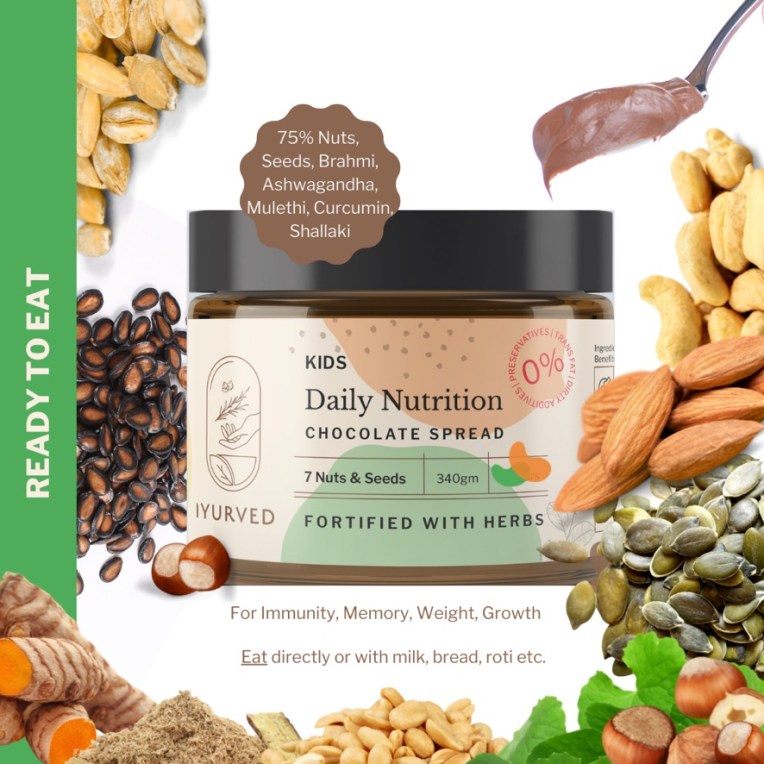
Mixed with Ayurvedic herbs, this unique Ayurvedic spread is an easy solution to feed daily nutrition for Immunity, Brain development, Bone strength and overall-growth to kids without any fuss.

Ayurvedic chocolate spread by Iyurved

India’s First Tasty Kids Nutrition fortified with Ayurvedic herbs.

If your child is a picky eater or does not take enough nutrition for the day, you can give Daily Nutrition Chocolate Spread | Made with clinically proven ingredients to meet daily Nutrition |ORDER | 0% preservative | 0% Palm oil |

Check more products for: Immunity, Gut health, Digestion, Eyesight, Weight, Brain development, Sleep, Bones and Overall growth

(shipping in India and Singapore only)

Join Iyurved group for FREE CONSULTATION

Foods and Remedies by a Nutrition Expert

Read more blogs:

10 Reasons to give your kids foods with Omega 3

Are you having a problem concentrating or do you experience brain fog? Do you have joint pain or your hair is losing its natural shine and becoming thin and brittle? These are some of the signs that you lack omega-3 fatty acids in your diet. Omega-3 fatty acids are vital nutrients needed for all regular bodily processes, including cell proliferation and muscle contractions. It is undoubtedly necessary to include omega-3 foods in your kid’s diet as they are important for their overall growth and development. Continue reading to learn more about the benefits and excellent sources of omega-3 foods which aid in brain development.

WHATSAPP for concerns like Speech Delay, Low Weight, Frequent Illness, Hyperactivity, Low Concentration, Weak Eyesight, Improper Sleep, Pigmentation, Pores, Face Marks, Fine Lines , Lactation etc.

What is Omega-3 fatty acid?

Omega-3 fatty acids are essential nutrients that are required for normal body functions, from muscle activity to cell growth. As our body does not produce them in sufficient amounts, it becomes vital to consume them as a part of our daily diet. As the initial years of kids are very crucial for their overall growth and development, including foods with omega 3 fatty acids in their diet is definitely required. Omega 3 for kids is important as it promotes brain health. Some research has also shown that omega 3 fatty acids help in managing behavioural and psychological conditions in kids because of their role in neurotransmitter function.

 Reasons to give foods with omega 3 to kids:

Helps in brain development:

Research has established a link between omega 3 fatty acids and brain development in early childhood. These healthy fats have amazing brain boosting power and play a vital role in enhancing memory and attention span. Omega-3 fatty acids are considered as critical brain foods that may counteract oxidative stress and inflammations, two drivers of cognitive decline. It also increases the concentration power in kids. Thus omega 3 for kids is more essential in early years of their life.

Eye benefits of omega 3:

There are many clinical studies, that omega 3 fatty acids are essential for infant vision development. DHA and other omega 3 fatty acids are found in mother’s milk and also present in some formula milks to support eye development in infants. These essential fatty acids also help to protect an adult’s eye from macular degeneration and dry eye syndrome.

Benefits for skin:

Omega 3 fatty acids are the structural component of your skin. They help in regulating the skin oil production, keep it hydrated, minimize the sign of ageing and also soften rough and dry skin. It neutralizes the effects of sun damage and improves sensitive skin conditions.

Fight depression:

Omega 3 can easily travel through the brain cell membrane and interact with mood related molecules inside the brain, which may help in relieving anxiety and depression. It also helps in various mood disorders, such as postpartum depression, mood swings and stress in children and adolescents.

Improves sleep:

Lower levels of DHA are also linked to lower levels of the hormone melatonin, which helps in sleep. According to a study child with lower blood levels of omega 3 fatty acids is at higher risk of sleep issues. So omega 3 fatty acids may improve the quality and quantity of sleep.

Helps in menstrual pain:

Omega 3 fatty acids can reduce menstrual pain which occurs in the lower abdomen, and may be even more effective than any anti-inflammatory drug. So it’s good to provide a daily dose of omega 3 fatty acid to your growing girls.

Reduces the symptom of ADHD:

Attention deficit hyperactivity disorder (ADHD) is most common disorders in kids, and is often treated with medication. However, omega 3 fatty acids are also proven effective in reducing symptoms of ADHD in kids by improving their attention, ability to focus and memory.

Reduce Asthma in children:

Asthma is a chronic lung disease with symptoms like shortness of breath and coughing. Severe asthma attacks are caused by inflammation and swelling in the airway of the lungs. Omega 3 fatty acids may reduce the inflammation in the airways which can benefit those with asthma.

Reduces liver fat:

Fatty liver is a condition where too much fat is deposited in the liver cell. Reducing the amount of fat in the liver by making changes in diet could help to restore liver function and improve the health of those with fatty liver. Several studies have shown that taking omega 3 may improve liver health.

Helps in inflammation:

Inflammation is the body’s immune system response to an irritant like germs and bacteria. According to the studies, omega 3 fatty acids can reduce the production of molecules and substances which results in inflammation which can contribute to many chronic diseases.

 Foods with omega 3 for kids:

Fish:

Fish is the main and the richest dietary source of foods with omega 3 fatty acids. It is mainly rich in DHA and EPA fatty acids. Some fishes that are high in omega 3 fatty acids are: salmon (2260mg in one ounce), mackerel (4107mg per piece) and sardines (2205mg per cup).This is one of the best source of omega 3 for kids. In supplements, cod liver oil is the best omega fish oil capsules available in the market, but it is always advisable to use dietary sources.

Also check,Most essential herbs to consume everyday?

Walnuts:

Walnut is a rich source of plant based Omega-3 fatty acids, which aids in brain development and maintaining good blood flow to the brain. One ounce of it contains around 2542 mg of ALA omega 3 fatty acid. The B vitamins present in the nut increase memory and cognition. They are also high in calcium, magnesium, manganese, and antioxidants. Vitamin B, Omega3 and magnesium in walnuts contribute towards a healthier nervous system, and keeping the stress levels and irritability low. So we can say walnuts are the best source of omega 3 for kids.

Also check,What is the Ayurvedic Diet for immunity?

Chia seeds:

Chia seeds are also a plant based source of ALA omega 3 fatty acid. It has around 4915mg of ALA in one ounce. Also loaded with copper, phosphorus and zinc, all together helps in soothing inflammation, helps in brain functions, reduces acne and helps to keep skin radiant and healthy. Chia seeds also contain 9 essential amino acids.

Also check,Easy to eat nuts and seeds for immunity and brain?

Flax seeds:

Flax seeds are packed with essential nutrients. Along with omega 3 fatty acids (6388mg of ALA omega 3 fatty acid in one ounce), it is rich in protein and fiber which aids in digestion and weight management.

Also check,Foods and remedies for tonsils?

Soybean oil:

Soybean oil is a vegetable oil extracted from the seeds of soybean. It contains 0.923grams of ALA per tbsp. loaded with riboflavin, magnesium, potassium, folate and vitamin K. it is being used in many households for frying, baking and roasting. Vitamin K in it helps to maintain bone strength and reduces the risk of fracture.

Also check,Fats that are good for the body?

Mustard oil:

Mustard oil is a rich source of omega 3 fatty acids (826mg per tbsp).according to a study one tbsp of mustard oil has an ability to boost your metabolism up to 25%. So next time when you cook your fish, remember to make it in mustard oil and get the double benefits of omega 3 fatty acids.

Also check,Easy to consume antioxidants everyday?


PRODUCTS:

It’s no SECRET that following an Ayurvedic lifestyle has numerous advantages. This unique collection of Ayurvedic spreads is an easy solution to feed daily nutrition for Immunity, Eye, Brain development, Bone strength and overall growth to kids without any fuss. To know more about kid’s ayurvedic foods – SHOP HERE.

India’s First Tasty Kids Nutrition fortified with Ayurvedic herbs.

For Speech, Focus, Attention,Memory, give Kids & Teens Brain PREMIUM Dates Chocol Spread | 0% preservatives | 0% refined sugar | 0% palm oil | Fortified with SHANKHAPUSHPI, ASHWAGANDHA, BRAHMI | Contains OMEGA 3, DHA, Dates PROTEIN | ORDER |

Brain Booster Powder

India’s First Tasty Kids Nutrition fortified with Ayurvedic herbs.

For Brain Development, Focus, Memory and Hyperactivity, give Kids & Teens Brain Booster Veggies and Dal Powder | Rich in Omega-3, Vitamin D, Vitamin K | Made with 100% veggies, greens, sprouted dal | 0% preservative | 0% Artificial Colour | 100% Natural| ORDER |


CHECK MORE PRODUCTS FOR:

Immunity, Gut health, Digestion, Weight, Brain development, Speech delay, Epilepsy, Eye health, Hormones, Sleep, Hyperactivity, Bones and Overall growth



Read more blogs:

How to increase breast milk: 7 foods to eat

Giving birth to a baby is altogether a new journey for a woman. A new chapter in life with a new character MOTHER. The bonding between a mother and a child is pure and pious. During early days of motherhood, the main concern of a mother is whether she is producing enough breast milk for the baby or not. Every cry of the baby makes her restless, thinking that maybe he/she is not getting enough milk. Here are some foods that increase breast milk in mothers.

The first five to six weeks are crucial for a first time mom to understand and find a proper routine. It is the same time when the body is regulating a healthy supply of breast milk. Though there are small numbers of mothers who are not able to produce enough breast milk, still it is a common fear. Some tips and foods that increase breast milk production in new moms and can help to get over this fear. Before that all we have to understand are the causes for low breast milk supply.

WHATSAPP for concerns like Speech Delay, Low Weight, Frequent Illness, Hyperactivity, Low Concentration, Weak Eyesight, Improper Sleep, Pigmentation, Pores, Face Marks, Fine Lines , Lactation etc.

Reasons of low breast milk supply

Delay:

Separation of mother and baby due to some medical conditions can affect milk production. If the mother is unwell after delivery or the baby needs admission to a special care nursery, it delays the breast feed and hence the body stops producing enough milk.

Poor attachment:

Some mothers have flat or inverted nipples which makes it difficult for the baby to suck milk properly. This may cause poor attachment to the breast. Sleepy babies due to having jaundice at birth time and lip or tongue tie are some other causes which detach babies to get required milk supply from breast feed.

Schedule:

Baby needs to get fed whenever he/she demands. Scheduling or making a time table to feed the baby can result in low breast milk production.

Skipping

Some mothers prefer breast feed and formula feed for their babies.  But skipping breastfeed and depending more on formula can lead to low supply of breast milk.

Contraceptive pills

To escape from fear of getting pregnant again, some women start taking contraceptive pills that contain estrogen. This affects breast milk production.

Smoking

Smoking can also obstruct the production of milk. It can also pass through the negative effects of nicotine to babies through feed. Further in life babies may face a range of health problems due to this bad practice.

Ways to increase breast milk production

Demand and supply

Breastfeed your baby often as the body makes milk on the law of demand and supply. The more you breastfeed, the more your body get signal to produce milk. By nursing your baby every two to three hours you can be able to naturally increase your breast milk supply.

Breast pump

Power pump is a great way to boost up your breast milk production. This empties your breast fully and Indicates body to make more milk.

Proper diet

A nursing mom should take proper care of her food intake. It is the most effective way to increase milk supply. Lactating mom must organize her drinking and eating of a proper balanced meal throughout the day as nothing can hold milk supply faster than being hungry and dehydrated. (Easy source of protein for mothers)

Breastfeed from both sides

During the early days it is advisable to feed your baby 8-12 times in a day. Always try to feed the baby from both sides. If it is not working, you can use a pump on the other side. It will stimulate more milk production.

Rest and sleep:

Proper rest and a good sleep time can help your body to boost milk supply. After you deliver the baby, your breast milk supply starts to build up.  Many factors such as proper nutritious diet, hydration and relaxation influence this process. Lactation cookies play an important role to increase milk production in lactating mothers. Some foods that promote milk production are used to make these cookies. These are the best things to include in a new mom’s diet to overcome low milk supply issues.

Also check,How does sleep help a child with brain development?

Foods to increase breast milk

Fenugreek:

Fenugreek is one of the most effective meals for increasing milk production. It is the finest galactagogue (foods that increase breast milk).  It helps in activating the mammary glands to boost the production of breast milk. 

Moringa:

Moringa is also a powerful galactagogue. It was reported to have a positive impact on breast milk production. It’s packed with nutrients essential for nursing moms and newborn babies. Though it is ideal to ingest fresh moringa leaves, soaking moringa powder in water and consuming it can also ensure the absorption of nutrients much more efficiently.

Also, check Weight gain diet plan for kids

Shatavari:

This ayurvedic herb has been used to help women with breastfeeding concerns. It possesses qualities that aid in the production of prolactin and corticoids, which aid in the increase of breast milk, and so enhance lactation and breast milk quality. 

Also, check 20 Best foods for Healthy Body and Hair

Ginger:

Ginger is utilised for its health advantages in addition to giving flavour to a variety of dishes and beverages. It is a well-known natural galactagogue among nursing mothers. There is, however, evidence to support ginger’s effectiveness in enhancing breast milk volume.

Also, check Foods to increase breast size

Nuts:

Nuts like peanuts, almonds, cashew, and hazelnut provide energy for a breastfeeding mother to stay active throughout the day. It is the best snack to include in a breastfeeding mother’s diet. These nuts help to boost milk production. Also, consuming nuts new study suggested that the consumption of nuts while breastfeeding can help to protect babies from developing allergies. Nuts are considered one of the best foods for increasing breast milk.

Also,check Benefits of nuts

Seeds:

Seeds like melon, sesame, and pumpkin help in milk production. Sesame is a rich source of calcium which is the most important nutrient for breastfeeding mothers. Pumpkin seeds are a natural source of DHA and alpha-linolenic acid which helps in boosting milk volume.

Jaggery:

Iron and essential minerals like potassium, magnesium, and phosphorus are abundant in jaggery. It helps in the build-up of milk in the breast. Eating it with a piece of garlic can help boost breast milk production.

Turmeric:

For hundreds of years, this golden spice has been utilised in ayurvedic medicine as the best galactagogue ( foods that increase breast milk supply).  Hence, turmeric may help nursing mothers by increasing milk production, relieving pain, and lowering depression.

Vitamin E:

Vitamin e is only transferred to the foetus through the placenta during pregnancy, therefore breast milk is the only source of this nutrient for exclusively breastfed newborns. This is an important strategy to provide the infant with antioxidant protection while also stimulating immune system development.

Sunflower lecithin:

It is a natural fat emulsifier that can aid to lessen the “thickness and stickiness” of milk. It may also help release existing fatty blockages, boosting milk flow and quantity of milk supply.

Cocoa solids:

It’s chocolate, but it’s healthy!!! It can assist nursing mothers in increasing their milk production. It not only delivers excellent nutrition to enhance a nursing mother’s milk production, but it also gives a slew of additional health advantages to a new mother.

Cinnamon:

Cinnamon promotes the flow of mother’s milk. For milk stimulation, combine honey, milk, and cinnamon powder. Having honey and cinnamon is therefore not only healthful but is also a fantastic choice for increasing milk production.

Also check, 12 Best foods to increase breast milk quality


HOW DOES Milk Jaggery Spread HELP to increase BREAST MILK SUPPLY?

2 tablespoons of Milk Jaggery Spread will help to boost milk supply, quality, supply & mothers’ and baby’s health.

foods for breast milk

India’s First Easy Effective Nutrition fortified with Ayurvedic herbs.

For Boosting Milk Supply & Quality in Nursing Moms, give Milk Jaggery Spread | 0% preservatives | 0% refined sugar | 0% palm oil | Fortified with SHATAVARI, METHI, MORINGA, GINGER | Contains CALCIUM, FOLIC, IRON PROTEIN, BIOTIN, VIT D, B12 | ORDER |


CHECK MORE PRODUCTS FOR:

Immunity, Gut health, Digestion, Weight, Brain development, Speech delay, Epilepsy, Eye health, Hormones, Sleep, Hyperactivity, Bones and Overall growth

what is the down's syndrome

Read more blogs:

What is with Saturated fat nuts ghee

Do you know that from the moment we are born, we begin to latch (pun intended) onto Saturated fat? Breast milk is a high source of saturated fat, formed naturally and is unprocessed. Now… if saturated fat is so bad, then why does the world go ga-ga over feeding only breast milk to a new born for as long as possible?

Olive! Another high source of saturated fat, key part of traditional diet of Middle Easterners, naturally occurring and unprocessed.

Coconut, high source of saturated fat, naturally occurring and unprocessed, loved by most of the Asians since forever.

The list is not long but it is intriguing. Nuts, Avocado and Ghee are few more examples.

  • On a very high level- there are two kinds of cholesterol- LDL (bad) and HDL (good). Saturated fat from the natural food sources actually increases both LDL and HDL. However, within LDL, there are two types as well- Type A and Type B. With the consumption of saturated fat from natural food sources, studies reveal that only type A LDL increases which doesn’t impact the heart. It is type B of LDL that impacts the heart, and that’s sourced primarily from refined carbohydrates (processed/comfort foods). Hence, it is advised to eat whole grains where the ratio of fibre to carbs is higher.

Our body needs saturated fat from natural sources. They help to fix hormones that can otherwise cause the body to go haywire impacting weight, mood, acne, bloating, PCOS, thyroid, sleep and the list goes on. Our brain, that is just 2% of our body mass but consumes 25% energy of the body, needs fat to perform efficiently for life. Saturated fat also stays inside the body cells to build a defence system and attack viruses and bacterias.

If you look around to find a food which has both high level of carbohydrates and saturated fat existing together, you might not be able to. Do you know that nature has not designed any food where saturated fat and carbs are combined? Generally speaking, fruits and veggies are mostly carbs or fibre. If you pick up any grain, then they are mostly protein or carbs. Can you think of any example with both saturated fat and carbs?

The most commonly loved and preferred food, nowadays, are fries, burger, chips, doughnuts etc. They are excellent examples of processed foods where both saturated fat and carbs are combined. They don’t occur naturally around us like a fruit or vegetable or whole grains. These are processed foods and hence can be harmful for the body. Interestingly, a study revealed that this kind of a processed food combination confuses and falsely tricks the brain into valuing this meal higher in nutrition (fat and carbs), releasing higher amount of dopamine (a feeling of reward) and ultimately resulting in more craving for the same.

So you can safely go back to those nuts, avocado, coconut and other naturally occurring saturated fats which haven’t been processed and combined with carbs. And keep a distance from saturated fats which are manufactured and combined with carbs in the form of fast-foods.

Recipe for Millet Pizza with hidden Veggies and herbs

We are happy to introduce our range of nutritious & tasty products for kids!!

We know that preparing and feeding healthy foods everyday is a huge task. Even more tough when kids are picky eaters. Kids prefer certain foods and formats. It is not easy to feed kids bitter Ayurvedic herbs, variety of vegetables, fruits, nuts and seeds everyday.
Mixed with Ayurvedic herbs, this unique product is an easy solution to feed daily nutrition for Immunity, Brain development, Bone strength and overall-growth to kids without any fuss.

Let’s try to make every food a child wants to eat more tasty and nutritious with (hidden) veggies, herbs and nuts.

  • ½ cup Jowar (sorghum)
  • ⅓ cup wheat or tapioca flour
  • ½ cup cooked oat
  • Salt and oregano
  • Nutritional yeast (optional)
  • Water to make a soft dough

Mix all this and make a soft sticky dough. Leave to rise for an hour.

Sauce:

  • Preheat oven for 5 min. Roll pizza and apply Iyurved’s herb and nut spread and pizza sauce. Sprinkle cheese, bake for 10 min at 220C.

Kids LOVE it and never notice the hidden veggies, herbs and nuts!

India’s First Tasty Kids Nutrition fortified with Ayurvedic herbs.

If your child is a picky eater or does not take enough nutrition for the day, you can give ‘5 Ayurvedic herbs and 7 Nuts’ chocolate or savoury spreads to meet daily Nutrition ORDER | 0% preservative

Daily Nutrition for: Immunity, Brain development, Bones and Overall growth

(shipping in India only)

Read more blogs:

18 Foods for Brain Development in Child

foods for brain

Brain develops rapidly from birth to age 5 in children. It affects overall growth of a child. There are four main areas of development in any child: motor (physical), language and communication, social & emotional and cognitive. Brain development is part of cognitive development. The first 8 years can build a foundation for future learning, health and life success. When it comes to child brain development food is just as important as play time. In addition, activities like listening to music, reading to your child, letting them explore their surroundings all encourage brain development. But, it’s not the only way you can help your child’s brain blossom. Feeding brain foods for kids is equally important.

There is no magic pill to prevent cognitive decline. However, consuming few foods for brain like nuts, fruits, vegetables, legumes and whole grains can protect the brain from early aging and (now common) dysfunctions.

Nutrients like omega3 food, B vitamins and antioxidants are good foods for brain for kids. That is why incorporating foods rich in these on a regular basis can improve the health of the brain, memory, cognition and attention.

Which Food is good for the brain?

foods for brain

Ashwagandha:

This herb is known to reduce anxiety and stress. It increases acetylcholine levels which support better memory, mental focus and intelligence. This herb also reduces mental fatigue and enhances sleep quality. And protects the brain nerve cells from damage. It is a brain booster for kids.

foods for brain development

Brahmi:

This Ayurvedic herb is believed to sharpen the brain by protecting cells and increasing chemicals associated with learning and memory. In addition, it has shown to improve spatial learning and retaining power.

foods for brain

Shallaki:

This herb improves brain function mainly due to its antioxidant property. The antioxidants present fight against the free radicals responsible for causing brain cell damage and supports stronger memory.

Curcumin:

A compound found in turmeric, offers therapeutic relief. It is a rich antioxidant which supports against brain cell damage. It also has been found to delay or reverse brain diseases or age related decreases in brain function. Hence, this is a great child brain development food.

omega3 food

Walnut:

A top brain food for kids with a significantly high concentration of Omega-3. Study has shown that omega3 food helps protect brain health in newborns, improve cognitive performance and prevent cognitive decline. Consume soaked walnuts.

Hazelnut & Almond:

Both are the most concentrated sources of vitamin E available which aids in cognitive development of the brain and delays brain decline. It is best to soak these overnight and then eat. A must eat brain food for kids.

Peanut:

Peanuts are high in Vitamin B3 (Niacin) and B1 (thiamine) which support healthy brain function in a child. The high concentration of Vitamin E antioxidant in peanut protects against brain nerve damage. it is an easy brain booster for kids. It is best to consume soaked peanuts as that increases the antioxidant content manifolds, while retaining the Vitamin Bs.

Pumpkin Seed:

Pumpkin seeds are high in magnesium, copper, and much higher in zinc than other seeds, which help in increasing concentration and memory. Magnesium in the seed helps with stress-busting and the presence of a unique compound supports the production of good mood chemical serotonin. One of the easiest to feed brain foods for kids.

Soy:

The nutrient content of soy foods is linked to improvements in cognitive and memory functions. This bean is rich in a particular group of antioxidants called polyphenols which save the brain from free radical damage. A daily brain booster for kids during meals.

Banana:

It improves the memory power. Vitamin B6 in banana promotes the production of serotonin, norepinephrine and dopamine which enhances concentration and ability to focus. A child brain development food loved by all.

Spinach:

It has a wide variety of brain-boosting nutrients- Vitamin A, B12, K and Iron. Researchers have found that even one serving of spinach per day may help your brain stay a decade younger (probably owing to Vitamin A) than those who do not consume the green leafy vegetable on a regular basis. Spinach is not just a brain booster for kids, but also a complete superfood.

foods for brain development

Dark Chocolate:

A study showed that eating cocoa for five days improved blood flow to the brain. Compounds in dark chocolate boost memory, attention span, reaction time and problem-solving skills. What better to give than this favourite child’s brain development food.

brain development foods

Flaxseeds:

They are rich source of certain compounds that stimulates omegs-3 fatty acid, which helps improve brain function in kids and eye tissues. It also contains protein and fibre, nutrients necessary for healthy digestion (Other foods than help with digestion?)

best foods for brain development

Avocado:

It contains high quantities of unsaturated fatty acids. A study conducted in 2012 found that unsaturated fatty acid helps protect cells in brain which provide support to the information carrying nerves in the brain. It is an easy-to-blend in food brain booster for kids. They are highly nutritious including 20 different vitamins and minerals. Avocado not only increases nutrient absorption from other foods, but they also are high in antioxidants. A study has shown that they are linked to reducing the risk of common eye-related ailments in individual. So, eating avocado can benefit kid’s long term eye health also (What other foods can help with eyesight?)

Broccoli:

Compounds in broccoli can help children’s brain grasp better. Intelligence can be categorised in two types: fluid and crystallised. Fluid intelligence is ability to solve new problems without help, any from prior knowledge. On the other hand, crystallised intelligence is problem solving ability stemming from experience. Study says that Lutein, a pigment found in green vegetables like broccoli, helps in preserving crystallised intelligence, by protecting the neuron in the brain (What other vegetable are good?). One of the brain foods for kids that can be hidden in dough or purees.

Eggs:

Eggs are good source of several nutrients tied to brain health, including vitamin B6, B9 and B12. Eating whole eggs (egg white and yolk) helps regulate memory because of Choline. Research said that regular consumtion of eggs has been associated with improved cognitive performance in kids and adults (What are some more options for brain foods for kids?)

best foods for brain development

Blueberries:

According to studies, the antioxidant in blueberries may affect areas of your brain that essential for intelligence. Blueberries are one of the best foods for brain development and help to maintain brain function and improve memory. A study says that antioxidants (What are they and why we need them?) in blueberries stimulate the flow of blood and oxygen to the brain to help keep the mind fresh. Kids love to eat this brain booster.


PRODUCTS:

It’s no SECRET that following an Ayurvedic lifestyle has numerous advantages. This unique collection of Ayurvedic spreads is an easy solution to feed daily nutrition for Immunity, Eye, Brain development, Bone strength and overall growth to kids without any fuss. To know more about kid’s ayurvedic foods – SHOP HERE.

India’s First Tasty Kids Nutrition fortified with Ayurvedic herbs.

For lack of focus, memory and concentration, give Kids & Teens Brain Booster Chocolate Spread | 0% preservatives | 0% refined sugar | 0% palm oil | Fortified with SHANKHAPUSHPI, ASHWAGANDHA, BRAHMI | Contains OMEGA 3, PROTEIN | ORDER |


CHECK MORE PRODUCTS FOR:

Immunity, Gut health, Digestion, Weight, Brain development, Speech delay, Epilepsy, Eye health, Hormones, Sleep, Hyperactivity, Bones and Overall growth


PARENT REVIEWS: LET’S HEAR FROM AYESHA, KOLKATA

Some parents have been kind enough to share their journey with us. Let’s hear them to closely understand the benefits of Ayurvedic spreads by Iyurved.

Check here to know how Ayesha helped her child improve Focus and Concentration.

CHECK MORE PARENT REVIEWS HERE.

To get your doubts or queries answered by Nutrition expert, whatsapp us.


Read more blogs:

Impact of Sleep Disorder on Kid’s Brain Development

Sleep is an essential part of everyone’s routine. Studies have shown that kids who regularly get adequate amounts of sleep have improved attention, behaviour, learning, memory and most importantly, mental and physical health. Sleep disorder leaves negative impact of brain development. Most of a baby’s brain development happens during night sleep. This is the time when the connections between the left and right hemispheres of their brains are being formed. Brain synapses (a junction between two nerve cells) are formed during night sleeping. Infant sleep development is a highly dynamic process occurring in parallel to and in interaction with cognitive and physical growth. In the womb babies spend about 95% of their time asleep. Your baby’s brain has been developing since they were in your womb.

WHATSAPP for concerns like Speech Delay, Low Weight, Frequent Illness, Hyperactivity, Low Concentration, Weak Eyesight, Improper Sleep, Pigmentation, Pores, Face Marks, Fine Lines , Lactation etc.

Feedback from parents on Sleep well chocolate spread

Brain development in babies

In the first trimester, nerve connections are built that enable your baby to move around in the womb, while in the second trimester, more nerve connections and brain tissues are formed. In the third trimester, the cerebral cortex (the largest part of the brain responsible for thought, memory, language and awareness) starts to take over from the brain stem to prepare your baby for future learning. The first five years of a baby’s life are exceptionally important for the development of the brain. This early brain development is essentially the building blocks for your baby’s future learning, health and behaviour. The child learns to crawl, eat, sleep, walk, and talk.

Just like you have to recharge your body and brain after a long day, it’s the same for the baby too. All that important stuff and learning going on into their tiny head. They need to recharge more frequently than adults. Baby’s brain stores everything they learn on that day during night sleeping.

Signs of Sleep disorder in Children:

You should watch for different symptoms and signs of sleep disorder to check if he/she is suffering from any sleep problem. Snoring, getting up often in the night, sleep walking, not able to sleep, pauses in breathing during sleep, having nightmares, difficulty staying awake during the day are some sleep disorder. They effect negatively on their performance in sports and academics are the signs of lack of sleep in children. Your kid might also complain of a headache from lack of sleep and if you observe any of these signs, you might want to see a pediatrician.

Kids who sleep less can suffer from:

  • Crankiness or irritation
  • Mood swings
  • Lack of interest, alertness and motivation
  • Academic struggles
  • Trouble in concentrating
  • Headache from lack of sleep (Yes! this happens in kids too)

There are four vitamins and minerals that are found in food that cure sleep disorder. Magnesium, Calcium, Vitamin B6 and Tryptophan. Tryptophan is an amino acid that is important for production of serotonin (happy hormone) in the body.

Foods to cure sleep disorder:

Eggs

Eggs are loaded with high quality protein. It also contain important nutrients like folate, Vitamin A, D, E, choline (excellent for brain development also), iron and calcium. Egg whites help the body prepare for bedtime by producing melatonin that bring on that sleepy feeling. Eggs are also a rich source in the amino acid tryptophan, which helps you sleep better or longer by telling your brain to shut down for the night.

Dairy products

Milk before bed time is certainly a good idea, but apart from milk other dairy products like cottage cheese/ paneer and cheese (especially cheddar cheese) are also packed with tryptophan. Cheddar cheese can have up to 60% more tryptophan than turkey.

Also check, What kind of cheese should you buy?

Chickpeas (chola)

Chickpea curry or hummus is high in the amino acid tryptophan, the chemical that can help you fall asleep easily. The versatile beans are also high in folate, which helps regulate sleeping, and vitamin B6 which helps regulate your internal clock of sleep and rise. 

Also check, Recipe for more nutritious spreads for bread, paratha

nuts

Nuts like almonds, walnuts, pistachios and cashews are often considered to be a good food source for sleep. They contain melatonin (sleep hormone) as well as magnesium, vitamin B6, protein and zinc. Magnesium is helpful in promoting sleep because of its ability to reduce inflammation (body heat). The level of stress hormone cortisol, which is known to interrupt sleep can be reduced by including nuts in diet.

Also check, What nuts are easy protein sources?

Coconut water

This might be surprising for you, but apart from iron, chloride, potassium, sodium, phosphorus and calcium, coconut water has ingredients that can help you sleep better. Magnesium and potassium also helps to relax muscles. This drink is also full of vitamin B, helping to reduce stress level, therefore results in sound sleep. A glass of coconut water as an evening beverage can help in quality sleep.

Also check, Recipe of a healthy coconut meal?

Dates

Dates are a superfood. They contain most of the vitamins and minerals. They are also high in fiber and antioxidants. (what are they?). Magnesium present in dates is a calming mineral and helps to improve stress, sleep, muscle soreness, pain and inflammation. Your kid’s sweet craving can be fulfilled by dates. It contains two key nutrients that play a role in sound sleep- vitaminB6 and potassium.

Also check, Recipe of chocolate using dates

Pumpkin seeds

A study published in 2005 in Nutritional neuroscience suggested that consuming tryptophan alongside a carbohydrates source is one of the best ways to treat sleep deprivation. Pumpkin seeds may be small but they are packed with valuable nutrients. They are rich in healthy fats, magnesium, fiber, antioxidants and zinc. If your kid has trouble sleeping, give few pumpkin seeds before bed with small amounts of carbohydrates such as a piece of fruit. It may be beneficial in providing the body with tryptophan needed for melatonin production, which can lead to better sleep. For younger kids, powdered pumpkin seeds can be an option.


Products:

It’s no SECRET that following an Ayurvedic lifestyle has numerous advantages. This unique collection of Ayurvedic spreads is an easy solution to feed daily nutrition for Immunity, Eye, Brain development, Bone strength and overall growth to kids without any fuss. To know more about kid’s ayurvedic foods –SHOP HERE.

food for brain

India’s First Tasty Kids Nutrition fortified with Ayurvedic herbs.

For Kids who has difficulty in falling asleep, and don’t have proper sleep cycle, give Kids & Teens Sleep Well Chocolate Spread | 0% preservatives | 0% refined sugar | 0% palm oil | Fortified with CHAMOMILE, LEMON BALM | ORDER |


CHECK MORE PRODUCTS FOR:

Immunity, Gut health, Digestion, Weight, Brain development, Speech delay, Epilepsy, Eye health, Hormones, Sleep, Hyperactivity, Bones and Overall growth

what is the down's syndrome

Read more blogs:

Top 10 brain development foods for Children

Just like the body, the brain too needs nutrients for development. Children’s brain develops rapidly from birth to age five and during these years, it’s necessary to provide the right nutrients required to boost their brain’s growth. Brain development foods for children can help to sharpen memory, improve focus and help with cognitive development. As a parent, you can help your child to make healthy food choices to develop a positive relationship with food. Once this is done, kids benefit for a lifetime.

WHATSAPP to talk an expert!!

Factors that Influence Brain Development:

The early years of a child’s life are very important for his/her future growth and development in terms of both physical as well as mental. Brain development in kids is influenced by many factors. In addition to genes, some important factors are nutrition is taken during pregnancy, an encounter with toxins or infections at an early age, experience with people and exposure to the world around them. Children are ready to learn from the moment their umbilical cord is cut. They depend upon parents, family members to help them develop skills to become more and more independent and learned. Lastly, in combination with others, food too is a key factor behind brain development.

Also check, How to improve concentration in kids?

Nutrients for Brain:

Before going further, to know in detail about brain development foods for child, it is important to understand the nutrients that work together to make them brain food. Key nutrients in brain foods are:

brain development foods for child

Foods rich in above nutrients which can support memory, cognition and overall brain health among kids:

GREEN VEGGiES

Green veggies are one of the best brain development foods for children. The health benefits attached with them are not only for brain but also eyes (vitamin A), immunity (vitamin C, E), energy (vitamin B) and bones (Vitamin K). Vegetables like spinach, cabbage, mint and kale contributes to brain health as they are rich in vitamin Bs, iron and antioxidants that helps in the growth of new cells and aids in sharp thinking.

Also check,Why kids need vitamins?

CITRUS FRUITS

The daily vitamin C requirements of a kid’s body can be fulfilled by the intake of citrus fruits in natural form. Vitamin C has powerful antioxidant that helps fight off free radicals (what are free radicals?) which can damage brain cells. This is the reason why vitamin C is one of the top 10 brain foods for kids. Vitamin C also supports brain health in your kids growing age by protecting it against cell damage. Other than oranges, kiwi, tomatoes, and strawberries are also some of the rich sources of vitamin C.

NUTS AND SEEDS

All the nuts like almonds, walnut, pista, cashew, brazil nut, hazel nuts, and Pine nuts are rich in vitamin E and helps in boosting memory. They are also antioxidants which protect against cell damage. Walnuts are rich in omega 3 fatty acid is a valuable substance for brain function, memory and thinking abilities. This fatty acid also encourages the cognitive functions. Apart from nuts seeds like flex, chia, melon, sesame and pumpkins also contain powerful antioxidants like vitamin E that protect the brain from free radical damage. Nuts and seeds are also very important brain development foods for children.

Also check,Why nuts and seeds are important?

KIDNEY BEANS (Rajma)

Beans are rich in vitamin B1, which act positively to improve memory and enhance cognitive function. Beans encourages the function of compound called acetylcholine which is a neuron transmitter that allows signal to be transmitted through the brain and nerves. Kidney beans contain higher amount of omega3 fatty acids as compare to other beans, which are important for brain’s growth and function and makes it top 10 brain foods for kids.

CHICKPEA (Chola)

The presence of folate (vitamin B9) in chickpeas is not only good for efficient brain development, but also good for smooth functioning of nervous system. Chickpeas are nutritionally high in good fats (like linoleic and oleic) which makes it one of the top 10 brain development foods for children.

APPLE AND PLUMS

Loaded with lots of nutrients, apple and plums helps in brain development in kids and fight cognitive declines. These fruits are packed with proteins, carbs, vitamins, choline, iron, selenium and antioxidants required for brain development and growth.

SWEET POTATO

Sweet potato contains component (choline and manganese) that helps a kid’s brain to function at its best. Choline is an essential nutrient for brain growth development. The anthocyanin present in purple sweet potato may also have memory enhancing properties.

Also check, 6 Foods to manage hyperactivity in kids

COCOA POWDER

Pure cocoa powder (unsweetened) contains brain boosting components as it is packed with large number of antioxidants molecule, the main is epicatechin helpful to improve cognition in studies. Hence cocoa powder is also an important brain development foods for children.

Also check, Food for kids to gain weight

LENTILS

Loaded with folate (vitamin B9) and other B vitamins, Lentil has a reputation for strengthening brain power. The high fiber contents of lentils is a key component in keeping your brain in optimal shape.

Also check, What are other health benefits of lentils?

HONEY

Honey is also one of the top 10 brain foods for kids. The secret to Honey’s brain booster potential is an antioxidant called pinocembrin which improves brain function and prevents cellular damage within brain. It also has anti-inflammatory properties. Honey helps absorb calcium, which is used by brain in thought and decision making process.

Also check, Why are antioxidants important?


PRODUCTS:

It’s no SECRET that following an Ayurvedic lifestyle has numerous advantages. This unique collection of Kids Ayurvedic Brain Booster is an easy solution to feed daily nutrition for Brain development to kids without any fuss. Made with Proven Ingredients. No Preservatives or Artificial Colour or Flavour. No Side Effects. Trusted by 20000+ Parents and Practitioners. To know more about kid’s ayurvedic foods – SHOP HERE.

India’s First Tasty Kids Nutrition fortified with Ayurvedic herbs.

For lack of focus, memory and concentration, give Kids & Teens Brain Booster Chocolate Spread | 0% preservatives | 0% refined sugar | 0% palm oil | Fortified with SHANKHAPUSHPI, ASHWAGANDHA, BRAHMI | Contains OMEGA 3, PROTEIN | ORDER |


CHECK MORE PRODUCTS FOR:

Immunity, Gut health, Digestion, Weight, Brain development, Speech delay, Epilepsy, Eye health, Hormones, Sleep, Hyperactivity, Bones and Overall growth
what is the down's syndrome

PARENT REVIEWS: LET’S HEAR FROM AYESHA, KOLKATA

Some parents have been kind enough to share their journey with us. Let’s hear them to closely understand the benefits of Ayurvedic spreads by Iyurved.

Check here to know how Ayesha helped her child improve Focus and Concentration.

CHECK MORE PARENT REVIEWS HERE.

To get your doubts or queries answered by Nutrition expert, whatsapp us.


Read more blogs: