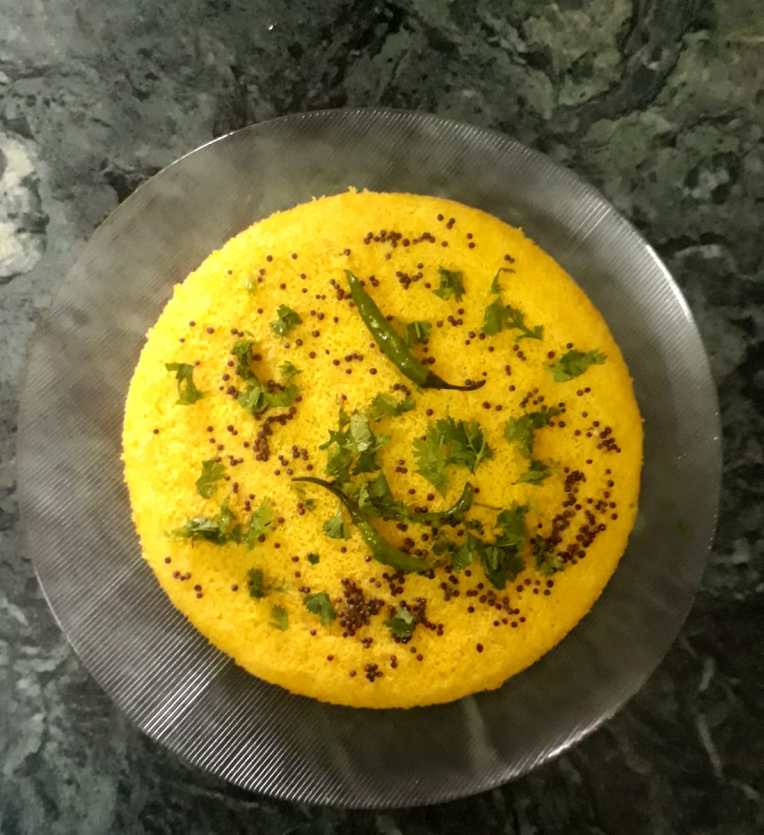
Recipe of khaman Dhokla with beetroot and hidden herbs and nuts
Kids love to eat snacks. This recipe of khaman dhokla with beetroot and hidden herbs and nuts helps to add nutrition to their favourite foods in a convenient way. Kid’s Nutrition is very important nowadays and preparing healthy food recipes for a child is not an easy task. Iyurved is happy to share lots of children’s food recipe ideas which are not only innovative but also very tasty. The recipes shared here are Kids approved!
Let’s try to make every healthy food recipe for a child more tasty and nutritious with (hidden) veggies, herbs and nuts. Check this recipe of khaman dhokla with beetroot for babies, toddlers and kids.
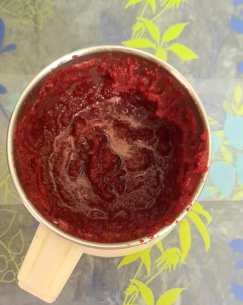
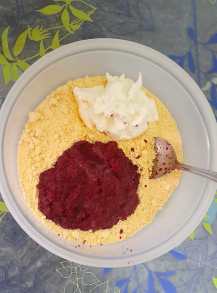
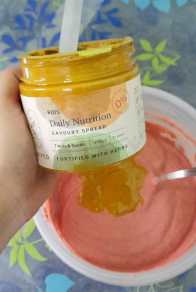
Procedure: Mix gram flour (freshly grind Bengal gram lentil into a fine powder), hung curd, beetroot paste, salt, lemon juice, Iyurved’s 5 herbs and 7 nuts savoury spread (order here). Ferment batter for 1-2 hours. Pour boiled water in steamer and grease the utensil with few drops of oil. Pour the batter in greased utensil and cook on low flame for 15-20 minutes. Allow the dish to cool down.
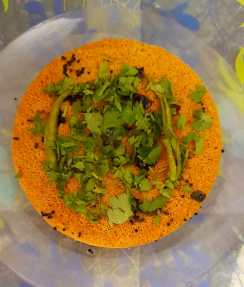
Tempering: Heat a pan with 1 teaspoon oil. add mustard seeds, curry leaves and sliced chilly and 1/2 cup of water. Allow it to boil for 3 minutes. Switch off the flame, squeeze half lemon and let it cool down. Pour it over dhokla and garnish with fresh coriander leaves.
PRODUCTS:
We are happy to introduce our range of nutritious & tasty products for kids!! We know that preparing and feeding healthy foods everyday is a huge task. Even more tough when kids are picky eaters. Kids prefer certain foods and formats. It is not easy to feed kids bitter Ayurvedic herbs, variety of vegetables, fruits, nuts and seeds everyday. Mixed with Ayurvedic herbs, this unique product is an easy solution to feed daily nutrition for Immunity, Brain development, Bone strength and overall-growth to kids without any fuss.
India’s First Tasty Kids Nutrition fortified with Ayurvedic herbs.
If your child is a picky eater or does not take enough nutrition for the day, you can give ‘5 Ayurvedic herbs and 7 Nuts’ chocolate or savoury spread to meet daily Nutrition ORDER | 0% preservative | 0% Palm oil |
Check more products for: Immunity, Gut health, Digestion, Weight, Brain development, Bones and Overall growth
Since the invention of smartphones, every parent’s main concern is their kids’ increased screen time and worried for eye health of their kids as today’s generation is growing up with a variety of electronic devices at their fingertips. Basically screen time is the time your kids spends watching TV and using computer, tablets, and smartphones. However these digital devices can provide endless educational contents and unlimited hours of entertainment, limitless screen time is adversely affecting the overall health of kids specially those under the age of 3 years, as their development is happening rapidly.
With the ongoing pandemic, this became more serious, both kids and adult are spending more and more time using screen for everything from office to school, from entertainment to socializing. There is no hard and fast guidelines for how much screen time kids can have, but according to the American Academy of pediatrics advice kids below 18 months should not be allowed for any screen time and after 18 months kids should be allowed only one hour and teens not more than 2 hours of screen time, that too for watching educational contents. In today’s scenario it becomes more important take precautionary measures for eye health as screen time has increased beyond limits.
WHATSAPPfor concerns like Speech Delay, Low Weight, Frequent Illness, Hyperactivity, Low Concentration, Weak Eyesight, Improper Sleep, Pigmentation, Pores, Face Marks, Fine Lines , Lactation etc.
Effects of increased screen time in kids:
Effects on brain:
According to the data from National Institute of Health (NIH) indicates that kids who spent more than 2 hours a day on screen scored lower on language and thinking tests, and some children with more than seven hours of screen time experienced thinning of the brain’s cortex (the area of brain related to critical thinking and reasoning). Excessive screen time may reduce the child’s ability to observe and concentrate. There are also some evidence that kids who watch a lot of TV or smartphone during early years perform less well in school on reading tests and may show a deficit in attention.
the first organ which is directly affected by the excessive screen time is your baby’s eyes. Too much screen time can lead to digital eye strain, which can include burning, itching and tired eyes along with headache, fatigue and double vision, loss of focus. Because of continued screen time, the muscles around the eye get tired and hamper their vision. In early years excessive use of screens can have potential harm to their visual development.
Many studies have found that increased screen time is directly related to obesity, children who spend more time watching and playing with screens are more prone to obesity than children who spend less time with screen media.
The widespread use of portable electronic devices and other screen media in the bedroom includes a high risk of insufficient sleep, affecting a majority of adolescents and 30% of toddlers, preschool and school age kids. The light emitted from the screen interferes the sleep cycle in the brain and may lead to insomnia. Limited screen time and avoiding mobile phones by kids at least an hour before bed time for a better sleep.
Increased screen time of kids and adults is hampering family life these days. The more time kids spend watching TV or computer, the more likely they find it difficult forming a relationship or emotional bond with their parents.
While screen time may keep your kids busy and provide a lot of educational content, excess use is creating many health issues in kids. Now it is high time to reduce their screen time to create a healthy lifestyle for children. Have a conversation with your kids explaining to them about the danger of unlimited screen time and online predators. Here are some tips for parents on how to reduce the use of screen by their kids:
Tips to reduce screen time:
Set an example
Before asking your child to reduce their screen time, first you should reduce yours. Keep track of your screen time. Apart from work or online meetings avoid scrolling your social media now and then. What you do your kids will follow, so set a good example. Instead for using smartphones and laptops in your free time, read some books and make your children realize that books are equally entertaining.
Step by step
First check the total screen time of your child in a day. Then start to cut that time, day by day like half an hour every second day, as it is impossible to ask children to completely cut down all the electronic devices at a time, but if they reduce gradually soon they will use only for their recommended time.
Set a schedule
Your success depends upon your plans. Always plan the screen time with the concern of your kids and set the schedule. Like allowing screen time only after doing their homework or other studies and works. Make screen time a privilege rather than a right.
Stick to the rules
Whatever rules you have made, just stick to the rules. Always remember that you are the boss and you make the rules. There can be some conflicts initially but make them understand the importance of limiting screen time.
Screen free bedroom
Make your bedroom screen free. Using electronic devices just before sleep affects your sleep cycle, making it hard for you to fall asleep at night. And if kids do not have proper sleep at night they will wake up tired and don’t have energy to do activities during the day. Rather place the TV, computer, laptop and phones in some central location, and ask your child to use any device in that location only, so that you can better monitor the screen time of kids.
Encourage other activities
Encourage kids for other activities like reading, craft work, indoor games and doing puzzles. You can also engage them in some household works like helping you in gardening, cooking and cleaning, this will also strengthen your bond with your kids.
Outdoor activities
Outdoor playing and exercise is essential for overall well being of kids and a best way to keep them away from screen. Engage them in some sports like summing, badminton or any game of their interest.
Screen free zone
Establish a zone in your house where any type of screens are not allowed. Make some time for your family when the screen stays off like at meals and before bed time.
Foods to reduce effects
Along with reducing screen time of kids with these tips, you can also reduce the effects of screen time on kids by changing their eating habits and taking care of their diet, including some foods that help to protect their brain and eye from the adverse effects of electronic devices. Here is the list of some foods that support your kid’s brain and eye health.
Nut and seeds
All the nuts like almonds, walnuts, pista, cashew, brazil nuts, hazel nuts, and Pine nuts are rich in vitamin E and help in boosting memory. They are also antioxidants which protect against cell damage. Walnuts are rich in omega 3 fatty acids and are a valuable substance for brain function, memory and thinking abilities. This fatty acid also encourages cognitive functions. Apart from nuts, seeds like flex, chia, melon, sesame and pumpkins also contain powerful antioxidants like vitamin E that protect the brain from free radical damage. If you are looking for eye health concerning food, Nuts and seeds are best.
Pure cocoa powder (unsweetened) contains brain boosting components as it is packed with a large number of antioxidants molecules, the main is epicatechin helpful to improve cognition in studies and also contributes for eye health.
Brahmi
This Ayurvedic herb is believed to sharpen the brain by protecting cells and increasing chemicals associated with learning and memory and hence it is a child brain development food. It has shown to improve spatial learning and retaining power. Brahmi is also very beneficial for eye health.
Vitamin A plays a crucial role in vision by maintaining a clear cornea, which is the outer covering of your eye. Rhodopsin, a protein present in eyes that helps to see in low light is component of vitamin A. Orange- coloured fruits and vegetables like carrots, mangoes, apricot, sweet potatoes are high in bête-carotene, a form of vitamin A that helps your eyes to adjust them in darkness and improves night vision. It is key to protect your kid from any children’s eye disease. So it is best to include vitamin A rich foods in kids diet for eye health.
It is one of the most important mineral for eye health. Eye contains high levels of zinc. It is also involved in the formation of visual pigments in the retina. Zinc deficiency can result in night blindness. Chickpeas, beans, nuts are some food sources of zinc.
It’s no SECRET that following an Ayurvedic lifestyle has numerous advantages. This unique collection of Ayurvedic spreads is an easy solution to feed daily nutrition for Immunity, Eye, Brain development, Bone strength and overall growth to kids without any fuss. To know more about kid’s ayurvedic foods –SHOP HERE.
India’s First Tasty Kids Nutritionfortified with Ayurvedic herbs
For Better vision and to strengthen eye muscles, give Kids and Teens Eye health Chocolate Spread| Made with 100% veggies, greens, sprouted dal, Gingko Biloba, Lutein, Zeaxanthin| 0% preservative | 0% Artificial Colour | 100% Natural | No refined sugar | ORDER |
As your baby completes 9 months of age, He/ she probably moved on from breast milk or formula milk to some different solids. At this tender age they are exploring their preferences and changing their mind from day to day in terms of foods and tastes. Babies really grow fast in the first year of their age and their nutritional needs also change accordingly. They themselves didn’t know their likes and dislikes, thus use to experiment with foods each day. Slowly as they get to know the taste of different food items they develop taste buds. This is the time when you need to make a proper schedule to feeding up baby.
Some babies show more interest in fruits, some may prefer veggies, some like to eat in pureed or mashed form, whether some enjoy chewing or like finger foods more. As it is a growing age baby goes through a lot of physical and mental developmental changes. Feeding up baby according to the planned schedule can help to provide a balanced nutritional diet that not only fills their little stomach but also meet all the required nutrients they need in a day.
How much milk is required?
Around 9 months of age, food schedule of a baby should consist of three proper meals a day with one or two healthy snacks (Some healthy snacks ideas) in between. These snacks can include fruits, finger foods, or any light preparations. In spite of this your baby still needs breast milk or formula milk as an important part of his/her meal plan. Milk is the most essential source of protein and at this age the baby needs ample protein as it is the building block of the body. Around this age the quantity of milk required can be anywhere from 15 to 25 oz a day. Its absolutely depends upon the consumption of solid foods by baby throughout the day.
Baby feeding schedule for 9 – 12 months old
It is important to include breast milk/ formula milk in your 9 months baby’s meal planner. Some mothers want to wean off milk completely whereas some continue up to 2 years of age. It’s absolutely a personal choice and the mother is the one who can make decisions. As your baby completes 6 months of age, feeding up solids to them becomes important for them, because at this time they need additional nutrients for their growth and development. Around 9- 12 months of age a baby may require approximately 700-900 calories per day. Breast milk (How to increase breast milk production?) or formula milk is sufficient to provide only 400-500 calories and the remaining you can balance through solids only. Sharing a simple meal planner you can follow for your baby. According to your baby’s preferences you can make your own chart including various combinations of foods.
Cheese is an excellent finger food for babies. It also has the ability to make any dish mouth watering. From 7 months onward, cheese can be included in the baby’s diet. It is a great source of calcium, protein, zinc, vitamin A, vitamin D and vitamin B12. Calcium helps to develop healthy bones; protein contributes to growing healthy muscles, skin and hair. It is high in vitamin B12 which prevents anemia, supports bone health, boosts energy and promotes skin and hairs. The presence of probiotics in cheese helps in maintaining healthy gut microbiota. Cottage cheese is the safest and healthiest and best 9th month baby food. Including it in babies food schedule can be a great choice.
Eggs
Eggs are a rich source of many essential nutrients like protein, iron, zinc, copper, selenium, calcium, vitamin A, vitamin D, vitamin E and vitamin B12. It is safe for babies to consume an egg in a day. It helps them in all over growth and development. Though both the egg yolk and egg white are rich in nutrients, half of the nutrients found in eggs are in egg white only. Mostly egg yolk is recommended to babies while weaning them on solid foods. It is considered as 9th month baby food. (Check some more brain foods for kids)
Pear
Pear is a nourishing food that can add more nutritional value to your baby’s diet. It is a good source of dietary fiber. Feeding up pear to babies can provide them with essential nutrients as it is a rich source of vitamin C, vitamin K, and potassium. It contains pectin, a water soluble fiber and sorbitol, a compound that retains water in the large intestine, which helps to prevent constipation and promotes bowel movements by loosening the hard stool. Pear with peel contains polyphenols, a bioactive compound that boosts immunity by combating free radicals. You can start with peeled and cooked puree or mashed ones as baby solid food.
Berries
Berries are a great source of micronutrients such as magnesium, zinc and vitamin A, vitamin E, vitamin K and vitamin B- complex. Vitamin K in this fruit with support of calcium and magnesium makes it the best fruit for bone development. It also promotes cognitive development in babies. It is one of the best 9th month baby food.
Watermelon
This fruit has amazing health benefits. It contains almost 95% water and thus helps babies to stay hydrated. Watermelon is high in vitamin C which can help in strengthening immunity and in absorption of iron in the baby’s body. It is also a good source of vitamin A which promotes eye health. It helps to prevent constipation and helps in digestion as it is the best source of dietary fiber . Watermelon has a good amount of calcium and magnesium which plays a huge role in the development of strong bones in babies. All these qualities make it the best 9th month baby food. (What are other foods good for skin?)
Dates and Apricots
Dates are a good source of minerals like iron, calcium, magnesium, potassium and zinc including vitamin A, Vitamin B6, and vitamin K. They are also excellent sources of natural sugar and fiber. All these nutrients help in growth and development. Apricots are a rich source of beta- carotene, fiber, vitamin C. magnesium, potassium and antioxidants. These nutrients help in brain development and boost immunity among babies. It is best to include them in 9 months old baby food. (What does sugar do to kids’ bones?)
Nuts
Nuts are an amazing source of fat, iron, protein, and micronutrients like copper, zinc, and vitamin E and B vitamins. full of nutritious values, nuts promote brain function and development, boost up immunity levels and build strong bones and muscle strength in infants. They are also rich in fiber and take care of any bouts of constipation and thus help in digestion too. (How to easily feed nuts and Ayurvedic herbs to kids everyday)
Cucumber
Though cucumber is slightly tasteless, it has a wide range of health benefits for babies. It is full of essential nutrients such as vitamin C, vitamin K, folate, potassium, magnesium and manganese. Cucumbers are rich in antioxidants and act as a great source of liquid to keep the baby hydrated. If you are not a fan of teething toys, chilled cucumber rings are the right option for teething solutions too. It also helps in digestion and promotes bone strength. It is the best 9th month baby food.
Apple
Apple is one of the safest and full of nutritious solid food for babies to start with. Babies love its sweet flavour. It is a rich source of both soluble and insoluble fiber thus easily gets digested by babies. As it is full of carbohydrates, it provides energy to the baby to stay active. Apple skin contains quercetin, a type of plant pigment flavonoid that helps to boost the immune system and reduce inflammation. It is considered as one of the baby’s first foods. You can easily introduce apples in baby feeding schedule 9 months. (Fruits to feed everyday)
Finger millet (Ragi)
Ragi is one of the super foods with numerous health benefits. It is the richest source of calcium and vitamin D. Both of these nutrients are vital for proper development of bones and teeth in babies. Calcium in it easily get absorbed by the body and is beneficial for babies during the teething phase. It also prevents malnutrition in babies as it has high protein content. Ragi is loaded with a high level of dietary fiber thus, preventing constipation. Insoluble fiber in it promotes easy digestion of foods in babies. While preparing ragi porridge for babies, dry roast it thoroughly for at least 10 minutes. Feeding up ragi at this age can help babies to develop strong bones and healthy digestive system. (Foods to keep the bones of a child strong?)
Tapioca/Sabudana
It is considered as one of the excellent foods for babies to start with. It has numerous health benefits. Tapioca is loaded with calcium, iron, potassium, and vitamin K which are key minerals for baby’s bone development. Tapioca also helps to cure digestive ailments including indigestion, bloating and constipation. Starch in it is packed with carbohydrates which provide energy to the baby throughout the day and helps to gain weight. It is also a good source of protein thus aids muscle development by strengthening them. It tops in one of the best baby’s first food categories. (How to make Sabudana kheer?)
Tips for feeding up your baby
Small portions: Always start with small portions otherwise the baby will vomit or swallow all which may cause digestive issues. Increase the portion slowly as your baby gets comfortable with the taste and texture of the preparation.
Never force: Let the baby choose the quantity of food he/she wants to eat. Never force a baby to eat anything. You can only decide what to feed, it’s entirely the baby’s choice how much to eat.
Self eating: It may be a little messier, but allow your baby to eat with his/her own hands. Just make sure that your baby’s hands are clean as they tend to touch everything at this age.
Attentive: Keep a close check on your baby while he/she is eating. Offer food in small pieces as big ones may choke.
Sitting position: Use an upright position while feeding your baby. Make the baby sit on a high chair or just make sure that he/ she is not in a lying position.
Milk bottle: Never put your baby to sleep with a milk bottle. This can cause dental issues in babies. (Which milk to give?)
Recipe forApple and BananaMuffins (with hidden herbs and nuts)
Let’s make every dish tasty and nutritious by ‘hidden’ nutrition of veggies, herbs and nuts.
Boosts brain due to high omega-3 and natural brain herbs
Builds immunity due to presence of antioxidants and proven immunity herbs
Increases breast milk supply for lactating moms also provides folic acid for baby development
PRODUCTS:
We are happy to introduce our range of nutritious & tasty kid’s Ayurvedic foods!! We know that preparing and feeding healthy foods everyday is a huge task. Even more tough when kids are picky eaters. Kids prefer certain foods and formats. It is not easy to feed kids bitter Ayurvedic herbs, variety of vegetables, fruits, nuts and seeds everyday. Mixed with Ayurvedic herbs, this unique Ayurvedic spread is an easy solution to feed daily nutrition for Immunity, Brain development, Bone strength and overall-growth to kids without any fuss.
India’s First Tasty Kids Nutrition fortified with Ayurvedic herbs.
If your child is a picky eater or does not take enough nutrition for the day, you can give Daily Nutrition Savoury Spread | Made with clinically proven ‘5 Ayurvedic Herbs and 7 Nuts’ | ORDER | 0% preservative | 0% Palm oil |
Check more products for: Immunity, Gut health, Digestion, Weight, Brain development, Bones and Overall growth
Every parent wishes to give their child a better environment and a healthy life. But Presence of worms in the stomach or intestine of your kid can shatter this wish of yours. Deworming in kids is necessary as these worms badly affect the growth and development of kids.(How to help your baby in growth and development?) The main cause behind this issue is unclean environment which takes a serious toll on the kids’ health. The World Health Organization stated that “soil transmitted helminth (STH) infections are among the most common infections in humans, caused by a group of parasites commonly referred to as worms, including three main types that are roundworms, whipworms and hookworms.
These intestinal worms can severely affect the child’s nutrition and growth. ”For food and survival, these worms reside in the human intestine where they produce thousands of eggs every day. Consumption of vegetables grown in contaminated soil and drinking or washing hands with polluted water or playing in ground where soil carries these worms and pets with infections are some of the potential sources from where your child can get these worms.
Awareness
There is an increased number of awareness worldwide about deworming for children. It is important to identify the symptoms in children so that you can prevent growth deficiency and infant mortality. Certainly from the age of two, you should deworm your child regularly. At least once every six months deworming in kids is important. Children with worm infestations need repeated deworming because this can help your child to increase his/her nutritional uptake. (Nutrition for kids) If it is ignored, these worms are able to form cysts in the liver and lungs which can lead to pneumonia and some neurological disorders. (How to take care of your kids liver health?) So, it is really important to keep a close check on your kids to figure out the symptoms as early as possible and start deworming kids accordingly.
Why deworming in kids is important?
It helps in boosting immune system
Helps control infections
Keep the child active and healthy
Boost growth and development
Symptoms that your child is affected by these worms
Feeling hungry every time
Complaining sore tummy
Diarrhea
Loss in weight and loss of appetite
Anemia
Itching in anal region
Constipation
Blood in stool
Frequent urination
Irritating itchiness, Rashes in buttocks
Fatigue and lethargy
Coughing
Effects of worms on kids overall well being
These intestinal worms affect kids in several ways. Anemia is the most common effect as these worms feed on host tissues, including blood which results in loss of iron and protein. (How to overcome iron deficiency?) Children often suffer from malnutrition because these worms interrupt the process of absorption of nutrients through the small intestine. (What is the required nutrition for kids?)
Some safety measures
Children who are exposed to an unclean environment and are in direct contact with soil are more likely to have these intestinal worms. In addition to that dirty hands, toys, and tools are easy instruments for transmission of these parasites through hands to mouth and at the end they enter the body and intestine. Some precautionary measures should be taken to prevent your kids from these worms such as:
Keep the surroundings clean
Develop cleaning habits among kids
Don’t allow kids to play barefoot in grass and mud
Ensure that kid is using clean swimming pool
Wash fruits and vegetables properly before consumption
Never use Fruit and vegetable that has infested part
Don’t allow your child to drink water from contaminated tank
Never serve semi cooked meat and vegetables.
10th February is celebrated as National Deworming Day in India. It aims at eradicating the intestinal parasites and to prevent malnutrition among children in the age group of 1- 19 years. There are some medications provided to deworm kids and all of them are safe to use. But it’s always better if one could find some natural ways to get rid of these worms. There are some foods and fruits that may help in deworming kids naturally.
Foods to get rid of intestinal worms
Pumpkin seeds:
Pumpkin seeds are used as a traditional remedy to treat intestinal parasites. They are rich in an amino acid called cucurbitacin. It is also anti parasitic in nature and helps to paralyze worms in the digestive tract. After that they easily get eliminated through stool. Recent study has also shown that pumpkin seeds can help in parasite removal- especially tapeworms. (Pumpkin seeds millet crackers recipe) So, pumpkin can help to deworm your kid.
Papaya seeds:
Papaya seeds contain a variety of essential micronutrients. It has strong anthelmintic and antiamoebic properties which mean they have the ability to kill intestinal parasites in your digestive tract. A study found that papaya seeds with honey have a positive impact on removal of intestinal parasites. You can mix papaya seeds powder with honey in warm water and can give the child empty stomach in the morning for better results. (Importance of liver health) Therefore, not only papaya but its seeds are also very useful.
Garlic:
Garlic has some very effective antiseptic and anti parasite properties that helps to destroy intestinal worms and their eggs. It not only kills the existing eggs but also prevents female pin worms from laying more eggs. Regular use of garlic can help to prevent oxidation caused by parasite toxins. (How to increase breast milk production?) Thus, Garlic plays an important in the process of deworming in kids.
Turmeric:
Turmeric is well known for having antiseptic and antimicrobial properties. These qualities help in eliminating any of the intestinal worms. Drinking buttermilk with a tsp of turmeric daily can help in deworming your children. (Foods to boost your kids immunity?)
Carrots:
Carrots are great source of vitamin A and beta-carotene. This orange vegetable can help to deworm your kid and in other stomach disorders too. Beta-carotene has ability to destroy the eggs of intestinal worms. Eating it raw after washing properly can is best home remedy for deworming kids. Carrot scrapes the mucus which is home for these parasites and helps to push away these worms out of the intestine. (Foods and recipes for 6 months old baby) Therefore, carrot is considered as one of the best foods for deworming kids.
Giloy:
Giloys also work as a good de-worming agent. It is a shrub and an essential herb in ayurvedic medicines. Giloy is used to treat a wide range of health conditions. It contains important plant compounds like terpenoids, alkaloids, lignans, and steroids. Research shows that these compounds have antimicrobial, anti-inflammatory, antioxidant, and antidiabetic properties which not only helps in boosting immunity, but Giloy stem can also help improve digestion, reduce constipation, acidity, gas and bloating. It works well for people with a weak digestive system.
Tulsi:
Tulsi has deworming Properties. It is useful in relieving digestion issues, stomach worms and also constipation. Tulsi leaves have been scientifically proven to have medicinal properties. It also has antibacterial, antiviral and antifungal effects, rich in vitamin c and zinc and thus keeps the infection at a bay and naturally boosts the immunity.
Recipe of Dhokla with hidden herbs and nuts
Let’s make every dish tasty and nutritious by ‘hidden’ nutrition of veggies, herbs and nuts.
We are happy to introduce our range of nutritious & tasty kids Ayurvedic foods!! We know that preparing and feeding healthy foods everyday is a huge task. Even more tough when kids are picky eaters. Kids prefer certain foods and formats. It is not easy to feed kids bitter Ayurvedic herbs, variety of vegetables, fruits, nuts and seeds everyday. Mixed with Ayurvedic herbs, this unique Ayurvedic spread is an easy solution to feed daily nutrition for Immunity, Brain development, Bone strength and overall-growth to kids without any fuss.
India’s First Tasty Kids Nutrition fortified with Ayurvedic herbs.
A natural way to deworm kids, give Kids & Teens Immunity Boost Chocolate Spread | 0% preservatives | 0% refined sugar | 0% Palm oil | Fortified with AMLA, GILOY, TULSI | ORDER |
Check more products for: Immunity, Brain development, Healthy weight, Eye health, Autism, Sleep, Hyperactivity, Acne and Overall growth
Recipe for Mung bean Sprout Millet Pizza cupswith hidden nuts and herbs
Kids love to eat pizza. Preparing a mungbean sprout pizza with a healthy millet pizza base helps to add nutrition to their favorite foods in a convenient way. This pizza is healthy and tasty too. Kid’s Nutrition is very important nowadays and preparing healthy food recipes for a child is not an easy task. Iyurved is happy to share lots of children’s food recipe ideas which are not only innovative but also very tasty. The recipes shared here are Kids approved!
Let’s try to make every healthy food recipe for a child more tasty and nutritious with (hidden) veggies, herbs and nuts. Check this recipe for mungbean sprout pizza for babies, toddlers and kids. It is a healthy pizza recipe.
Mix all this together into a sticky dough and leave to rise for 2 hours covered lightly with a cotton cloth and loose lid.
Preheat 5 minutes. Bake for 15 minutes at 200 Celsius.
Stuffing (follow video):
Sprouts of any kind (mung bean sprout, pea sprout or alfaalfa)
Cheddar cheese or vegan or any
chopped onions
chopped tomato
basil, pine nut, sesame spread (blend basil, garlic, pine nuts and sesame seeds, nut milk in a thick smooth paste form) or use Iyurved’s Weight Savoury spread (order)
Boosts brain due to high omega-3 and natural brain herbs
Builds immunity due to presence of antioxidants and proven immunity herbs
Increases breast milk supply for lactating moms also provides folic acid for baby development
PRODUCTS:
It’s no SECRET that following an Ayurvedic lifestyle has numerous advantages. This unique collection of Ayurvedic spreads is an easy solution to feed daily nutrition for Immunity, Eye, Brain development, Bone strength and overall growth to kids without any fuss. To know more about kid’s ayurvedic foods –SHOP HERE.
India’s First Tasty Kids Nutrition fortified with Ayurvedic herbs.
If your child is underweight according to his/her age or has less appetite, you can give Kids and Teens WEIGHT Savoury Spread | 0% preservative | 0% Palm oil | 0% Refined sugar | Made with Ashwagandha, Mulethi, Turmeric, Shalaki, Brahmi | ORDER |
Withania somnifera or Indian ginseng, winter cherry or Ashwagandha is an Indian Ayurvedic herb that has been used for medicinal purposes over centuries. The Sanskrit word ashwa means horse and gandhameans aroma which technically represents a fragrant root that is mainly used in various Ayurvedic products. The sense behind this name is that when consumed it can provide the strength and power of horses. The ashwagandha plant is a minor shrub that also bears fruits. Its root is not only used for medicinal purposes, but also used in dietary and natural Ayurvedic practices. It is commonly manufactured as ashwagandha powder or capsules and is available in general stores that sell Ayurvedic medicine. What are the benefits of Ashwagandha? Some important health benefits of ashwagandha include treatment of anxiety, stress-related issues, and skin (How to prevent skin dryness?) diseases such as leukoderma, memory functions, gastric ailments, arthritis, and insomnia.
HEALTH BENEFITS OF Ashwagandha FOR KIDS AND TEENAGERS:
Reduces Stress & Anxiety:
Ashwagandha is an adaptogen herb. Adaptogens are herbal supplements that work to counteract the effects of stress in the body. Stress causes very real physical changes in the body, including harming the neurological, endocrine, and immune systems. Adaptogens have stimulant properties that help counteract those harmful effects. Amongst many benefits of Ashwagandha, the most important is that, it can be a natural way to enable our kids’ bodies to handle and tolerate stress (which foods can help to manage stress?) way better. Studies have shown that Ashwagandha is an excellent stress reliever. This can be immensely helpful for our children and teenagers.
Promotes Better Sleep and Relaxation:
This herb can help children to improve sleep (Some foods can help to get better sleep) and thus health benefits of Ashwagandha include not only reducing stress but also improving overall well-being. In today’s world, children live in a world of electronic devices. Their exposure to gadgets and their electro-magnetic frequencies (EMF) starts from birth or even earlier on. One of the many negative consequences is improper sleep. While reducing their screen time and exposure to EMF itself can significantly improve sleep, some children may need more support to achieve a good night’s sleep. Research suggests that ashwagandha root contains sleep-inducing compounds. If you have existing sleep or anxiety related medication in your prescriptions, it is best not to combine ashwagandha products with it. In case you want to try ashwagandha you should see your pharmacist or doctor and learn about the combinations first.
Improves Brain Power:
Health benefits of Ashwagandha also include raising the level of acetylcholine, the most important neurotransmitter associated with boosting brain power (How to boost your kids brain power?). Studies suggest that impaired cognitive function including inability to learn are associated with decreased levels of acetylcholine. Research on children with ADHD indicates Ashwagandha raises acetylcholine by inhibiting the activity of the enzyme that breaks down acetylcholine. Furthermore, Ashwagandha root also contains choline, a substance necessary for the formation of acetylcholine.
Boosts Immunity:
Improving our children’s immune system (How foods help in strengthening immunity?) is something all parents want to achieve especially during this pandemic. As an anti-oxidant and immunomodulator, boosting immunity is one of the most popular benefits of Ashwagandha for kids. The root activates and increases the levels of enzymes and macrophages, a type of white blood cell of the immune system that engulfs and digests substances that do not have the type of proteins specific to healthy body cells. It also promotes the development of antibodies, which is a major factor in improving the body’s response to a health-threatening infection.
Increases muscle mass & strength:
One of the other benefits of Ashwagandha is that it is a safe and natural way to support a kid’s muscle strength to avoid injuries (How to fix growing leg pain in kids?) . In an 8-week randomized human clinical trial involving 40 healthy adult college students, Ashwagandha improved muscular strength and increased endurance, speed, and coordination better than placebo. The dosage used in this trial was 500 mg/day of Ashwagandha root extract.
Reduces depression:
Although it hasn’t been thoroughly studied, a few studies suggest ashwagandha may help alleviate depression. In one controlled 60-day study in 64 stressed adults, those who took 600 mg of high-concentration ashwagandha extract per day reported a 79% reduction in severe depression, while the placebo group reported a 10% increase. However, only one of the participants in this study had a history of depression. For this reason, the relevance of the results is unclear.
Might reduce blood sugar levels:
Studies suggest that ashwagandha helps to lower blood sugar levels. One test-tube study found that it increased insulin secretion and improved insulin sensitivity in muscle cells. Also, several human studies have suggested that it can reduce blood sugar levels in both healthy people and those with diabetes. Additionally, in a 4-week study in people with schizophrenia, those treated with ashwagandha had an average reduction in fasting blood sugar levels of 13.5 mg/dL, compared with 4.5 mg/dL in those who received a placebo.
May reduce Inflammation:
Benefits of Ashwagandha also include reducing inflammation. Several animal studies have shown that ashwagandha helps decrease inflammation. Studies in humans have found that it increases the activity of natural killer cells, which are immune cells that fight infection and help you stay healthy. It has also been shown to decrease markers of inflammation, such as C-reactive protein (CRP). This marker is linked to an increased risk of heart disease. In one controlled study, the group who took 250 mg of standardized ashwagandha extract daily had a 36% decrease in CRP, on average, compared with a 6% decrease in the placebo group.
Improves heart health:
In addition to its anti-inflammatory effects, benefits of ashwagandha also include improving heart health by reducing cholesterol and triglyceride levels. Animal studies have found that it significantly decreases levels of these blood fats. One study in rats found that it lowered total cholesterol and triglyceride levels by 53% and nearly 45%, respectively. While controlled human studies have reported less dramatic results, they have observed some impressive improvements in these markers. In a 60-day study in chronically stressed adults, the group taking the highest dosage of standardized ashwagandha extract experienced a 17% decrease in LDL (bad) cholesterol and an 11% decrease in triglycerides, on average.
Fights sickness:
Ashwagandha has shown to have strong anti-inflammatory, anti-fungal as well as antibacterial properties which help to fight off sickness. Ashwagandha might be a useful back-to-school supplement, which you could add into your child’s breakfast (Some healthy breakfast ideas) smoothie to support immune health. A study with Ashwagandha root extract showed lowered rates of infection. It is unclear whether this benefit is due to Ashwagandha’s antibacterial or immune-boosting qualities, or possibly even both.
How to take Ashwagandha?
Ashwagandha powder mixed with milk: Ashwagandha powder is the base for any other way of taking ashwagandha. Here, Ashwagandha roots, which have most of the medicinal benefits are dried, cut, and sifted for tea or powdered to be taken with milk.
Ashwagandha churna balls: These churna balls are made with herbs like Gokshura, Safed Musli, and Shilajit to maximize the benefits of Ashwagandha for ED.
Ashwagandha chocolate: A dark chocolate infused with ashwagandha. This combination helps in boosting libido and acts as a natural aphrodisiac.
Ashwagandha tea: This is the best caffeine-free drink to soothe you into a restful sleep every night. All you need to do is boil the herb’s roots in water so that the water is infused.
Ashwagandha Tablets: The most hassle-free and convenient way to take ashwagandha.
Ashwagandha with water: If you are a vegan, this is the easiest way to consume ashwagandha. The prep is similar to ashwagandha milk but without the milk obviously. Replace the milk with water and you can drink this mixture.
Ashwagandha Oil: From arthritis to even a sore day after working out, ashwagandha oil is your go-to since it relieves muscle tension.
Ashwagandha paste for your hair: Ashwagandha can reverse premature greying of hair (How to get strong hairs and healthy scalp?)by producing melanin, the pigment responsible for the colour of your hair.
We are happy to introduce our range of nutritious & tasty kid’s Ayurvedic foods!! We know that preparing and feeding healthy foods everyday is a huge task. Even more tough when kids are picky eaters. Kids prefer certain foods and formats. It is not easy to feed kids bitter Ayurvedic herbs, variety of vegetables, fruits, nuts and seeds everyday. Mixed with Ayurvedic herbs, this unique Ayurvedic spread is an easy solution to feed daily nutrition for Immunity, Brain development, Bone strength and overall-growth to kids without any fuss.
India’s First Tasty Kids Nutrition fortified with Ayurvedic herbs.
If your child is a picky eater or does not take enough nutrition for the day, you can give Weight Healthy Savoury Spread | Made with clinically proven ‘5 Ayurvedic Herbs and 7 Nuts’ | ORDER | 0% preservative | 0% Palm oil |
Check more products for: Immunity, Gut health, Digestion, Weight, Brain development, Speech delay, Epilepsy, Eye health, Hormones, Sleep, Hyperactivity, Bones and Overall growth
Prebiotics in foods are a type of dietary fiber that humans cannot digest but the gut bacteria can. Prebiotic is a source of food for your gut’s friendly bacteria. It is a food which does not get fully digested in the body and reaches the large intestine (commonly known as GUT). The good bacteria in the large intestine eat this food and flourishes. Good bacteria multiply and win over the bad bacteria (disease causing). This allows your gut bacteria to produce nutrients for your colon cells, which helps in healthy digestion.
Some of these nutrients include short-chain fatty acids like butyrate, acetate and propionate that are released into blood circulation, consequently affecting not only the gastrointestinal tract but also other distant organs. Prebiotics should not be confused with probiotics. Each have their separate role in the battle for better gut health, where probiotics are the friendly bacteria, prebiotics in foods are food for these bacteria.
It is an outstanding prebiotic. It has been used in Ayurveda for over 1000 years to make medicine for digestion. Other than being a food for the bacteria in the Gut, it is the most powerful antioxidant amongst all lentils, and is also loaded with many micro-nutrients. Mung bean is also extremely high in Protein, which digests slowly and keeps the kids energetic and Fit.
Due to these powerful results, billion dollar companies in the west are moving to Moong Daal (Mung bean) to prepare plant-based non-veg. protein which is more nutritious than original. (What are other easy protein sources for kids?) Soaked Mung beans can be cooked for a longer while with extra water into a soup or blended into a paste of Dal for small kids. It’s so rich in good bacteria and fiber that it helps in easy digestion and manages gas, colic, and bloating in kids. Without removing the cover of the mung bean, it can be prepared as Khichdi (porridge), Wrap, Cheela (pancake), Dosa or a paste to add in bread dough for all age-groups.
Garlic is a prebiotic that is naturally high in inulin, a type of non- digestible carbohydrate that feeds the good bacteria in your gut and restrict disease causing bacteria from growing at the same time. Pickled garlic is best for kids’ gut health.
It has prebiotic effects which strengthen gut flora, that help with fat breakdown and boost your immune system and improve digestion. Onion is also rich in antioxidants called flavonoids quercetin which help fight free radicals. Onion is also rich in vitamin C, B vitamins like folate (B9), pyridoxine (B6) and potassium, which aids in metabolism, red blood cell production and nerve function.
Apart from being rich in nutrients like potassium, magnesium, calcium and Vitamin B9, it also has prebiotic effects and a small amount of inulin. Banana is high in fiber and prebiotics, both of which support smooth digestion.
Barely is one of the most popular cereal grains. It contains beta-glucan which is a prebiotic fiber that promotes the growth of good bacteria in your digestive tract. Barley is also rich in selenium, this helps with thyroid function. It has antioxidant properties as well which boost the immune system of the body.
The concentration of fiber increases in sprouted grains. Fiber is one of the most important components for maintaining gut health. Fiber nourishes the good bacteria in the gut and promotes elimination and detoxification of the colon.
Apple has outstanding health benefits as it is rich in fiber, vitamin c, antioxidants and potassium. It has pectin, a type of soluble fiber, which has prebiotic effects and promotes healthy gut microbiota. Pectin increases butyrate, a short chain fatty acid that feeds beneficial gut bacteria and decreases the population of harmful bacteria.
Cocoa contains prebiotic fibers that activate good bacteria. Researchers found that cocoa can promote friendly bacteria and helps to reduce inflammation in the gut. Cocoa contains zinc, iron, copper, and vitamins like vitamin A, vitamin B12 and vitamin K which also relaxes arteries and increases blood circulation.
Fix your GUT with these Quick, Easy and Tasty PREBIOTIC Gut Drinks! This flavorful range of prebiotic gut friendly drinks helps with Digestion, Constipation, Brain development, Allergies, Immunity, Hormonal balance, Acidity and Bloating and even more! Grab yours. NOW!
India’s First Tasty Kids Nutritionfortified with Ayurvedic herbs.
For Improving the gut health| Family PREBIOTIC GUT DRINK | Made with Guar Beans | Prebiotic Fiber | Plant Sweetener| 0% preservative | 0% Artificial Colour | 100% Natural | No refined sugar | ORDER |
If you are a breast-feeding mother, you might have various questions about weaning for babies. How to wean off a baby?When is the right time? Will weaning upset my baby? How can I avoid engorgement? Learn the facts about weaning and how you can make this a smoother & positive transition for you and your baby.
What is weaning?
Weaning is the process by which babies who are fully feeding on milk are slowly introduced to solid foods. It starts with the first solid meal & ends with the last feed of breast milk or formula milk. Introducing solids at the right time and in the right manner is very important to develop healthy eating habits in the babies.
What is the right time to start weaning for babies?
The American Academy of Pediatrics (AAP) recommends breastfeeding exclusively until your baby is 6 months old, then serving a combination of solids and breast milk until he/she is 1 year old. Six months is often recommended because babies, at this age, begin to need extra nutrients which are not found in milk, such as iron and zinc. Small amounts of solid food can provide these nutrients. Remember that weaning is ultimately a personal decision and should be based on what is best for your family. For instance, if you are returning to work and need the flexibility of bottle-feeding earlier than 6 months, then you might have to introduce bottle feeding to your baby earlier. Most mothers choose to wean their baby off the breast when she/ he is 4-7 months old. (Home remedy for kids cough?)
Signs that your baby is ready for solids:
Sits up well
Good control over the head
Able to hold food in mouth
Willing to chew food
Able to pick up food & put in the mouth
Looks curious & interested at mealtimes
If you think your baby is showing these signs but is not six months old yet, please consult a paediatrician before starting the solids. (Foods and tips to manage colic in kids?)
How to wean off Baby?
There are two approaches to weaning from breastfeeding namely Traditional approach and Baby Led Weaning approach. In Traditional weaning for babies approach, you feed your baby and gradually introduce solid foods. You will begin with smooth purees before moving to mashed and chopped foods, then finger foods and finally small bites. Advantages of this approach are that it is easier on the baby as chances of choking or gagging are smaller, identifying food allergies becomes easier as only one food is introduced at a time and it gets less messier since you are feeding the baby. Disadvantages of this approach are that you have to prepare separate meals for the baby and if you don’t change from one texture to another at the right time, the baby might get used to one specific texture like purees.
In the Baby led weaning approach, babies are encouraged to self-feed from the start. You can introduce solid foods as finger foods and allow your child to explore solids at their own pace. This approach encourages independent eating and reduces the need of cooking separately for the baby. Disadvantages include the risk of choking & gagging, difficulty to identify food allergies as many foods are introduced at once and might create a lot of mess on your baby’s high chair while he/she is trying to feed herself. (How to increase breastmilk?)
How to introduce weaning from breastfeeding at different ages?
0-6 months: Generally, weaning under 6 months old means weaning from breastfeeding to bottle feeding. For every nursing session you drop, you will substitute a bottle feeding. Though it sounds so easy and simple, convincing your baby to accept that bottle may not be so easy, especially if they are more than 3 months old and are used to breastfeeding till now. Infants become quite aware between 3 to 4 months of age and it is not easy to trick them with the change.
So, you may encounter more resistance at this point. Lactation consultants recommend introducing a few bottles of breast milk into your feeding schedule early on, at about 6 weeks, so that your baby will be comfortable with both ways of feeding. But if your thirsty baby refuses to take the bottle anyway, the key to success is patience and experimentation. Try having someone else offer the bottle, feeding in a different location, or holding your baby in a new position. And, above all, keep calm and do not stress. (Home remedy for kids cold and flu?)
Tips for weaning from breastfeeding under 6 months of age
Avoid Engorgement: In the first few months, your breasts will be very full. If you are not careful, you can end up with engorgement which means that your breasts will be uncomfortably hard and heavy, maybe even red and hot to the touch. This can lead to plugged ducts, which can lead to mastitis (swelling of breast), so it’s important to treat symptoms early. If you do end up with uncomfortably full breasts, ice them for about five minutes whenever they feel painful. You can also pump for relief, but be sure to limit it to three minutes or so, just enough to feel some comfort. (Is diarrhea a symptom of teething?)
Go slow: When it comes to helping your little one with bottle feeding, the rule of thumb is to go slowly. This will protect your breasts from engorgement and also ease your baby’s anxiety. When introducing your child to a bottle, choose a time when he or she isn’t extremely hungry and might have more patience. Use a bottle nipple with a slow flow at first. If you use a bottle nipple with a fast flow, your child might become accustomed to that and get frustrated with the pacing and different flow rate of milk during breast-feeding. Try to drop only one feeding every three or four days so that it takes about two weeks for the entire process. Drop the least preferred feedings first, which likely means the morning and bedtime feedings will be the last to go. (Facts and tips to manage teething in kids?)
Tips for weaning for babies from breastfeeding after 6 months:
6-12 months:
Between 8 to 10 months of age, babies often start losing interest in nursing. It is the time when they are taking in a lot of sensory information and this often leads to babies constantly pulling off the breast to look around. So, this is the best window of time if you are thinking of weaning from breastfeeding. However, if you notice that your baby is really clingy, wait to wean until he/she has weathered this anxiety a little bit. In case the baby is facing teething issues or any other significant changes like learning to walk, starting day-care or moving homes, then it is advisable to postpone the weaning process until things settle down a bit. (Baby foods to be given at 6 months?)
Skip the bottle:
If your baby is already 9 months old, it is best to wean straight to a sippy cup and solid food instead of first giving him/ her bottle and letting the child go from one more transition of bottle to sippy cup. It is a good idea to introduce your child to the cup about one month before you start the weaning process, so they have time to get comfortable holding and drinking from it. (Growth and development for kids after 6 months?)
Give extra attention:
Weaning also affects moms and babies emotionally as both miss the intimacy that goes with breastfeeding when nursing ends, so be sure to give your little one lots of extra attention during the weaning process. Substitute nursing with something that feels emotionally equivalent, like snuggling together to read or even horseplay on the floor. Also take your partner’s help. Having Daddy put the baby to sleep and wake them up in the morning can give emotional comfort to the baby during these times. (Foods that help to relax and reduce stress?)
Use distractions:
For older babies and toddlers, distraction is the key. When your kid starts craving for the breast, lure them into a block-building bonanza, an engrossing game of make-believe, or any of his/her favourite activity. (Foods after kids turn 9 months old?)
Nutrition for babies:
Babies need the extra calories, protein, fibre, vitamins and minerals offered by a variety of foods, including whole grains, fruits, and vegetables. For a baby’s first solid food, most parents start with 1 teaspoon of single-grain, iron-fortified baby cereal (such as rice cereal) mixed with 4-5 teaspoons of breast milk. Once the baby gets the hang of cereal, you can introduce pureed veggies, fruits, and meats. The AAP recommends trying one new food at a time and waiting at least 2-3 days before starting another to monitor any allergic reactions. Once the baby reaches 9-12 months of age, your baby might enjoy small portions of finely chopped or mashed finger foods such as dry cereal or mashed graham crackers. (What are the nutrition tips for a toddler?)
How long does weaning take?
Weaning could take days, weeks or months. Even after you successfully wean your child from day feedings, you might continue to breast-feed in the morning and before your child’s bedtime to keep up that feeling of closeness. Breast-feeding is an intimate experience. You might have mixed emotions about letting go. But by taking a gradual approach to weaning and offering lots of affection, you can help your child make a smooth transition to a bottle/cup and solids. (Home remedies for allergies in kids?)
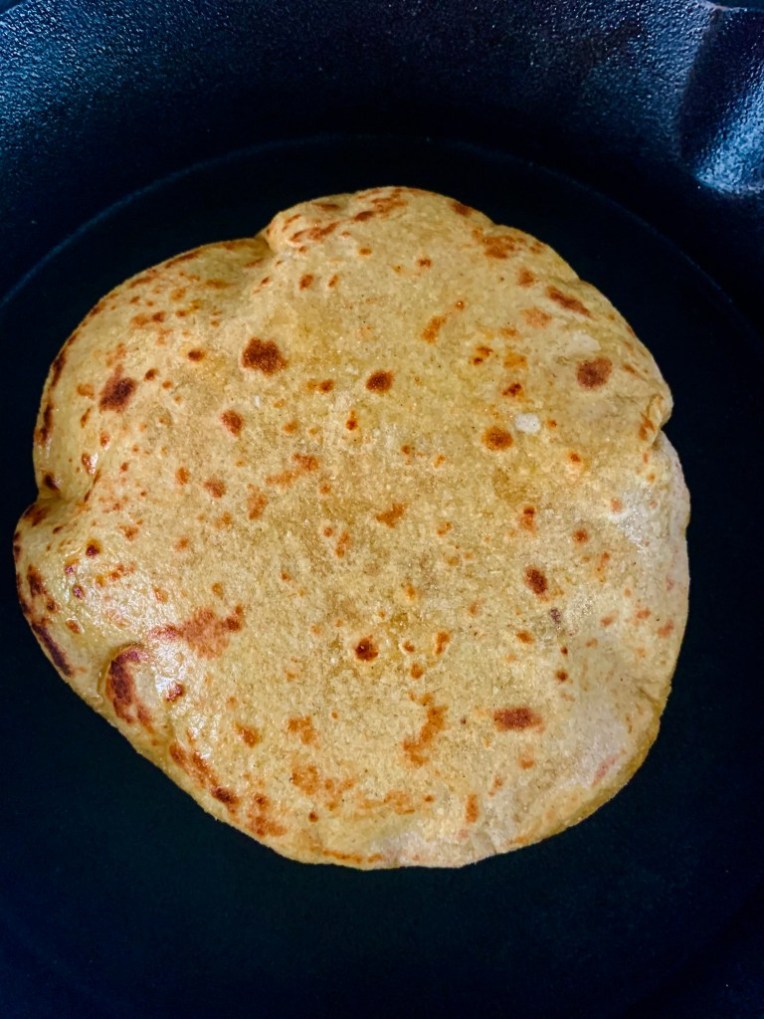
Recipe for Colourful Paratha (Tortillas)
Let’s try to make every food a child wants to eat more tasty and nutritious with (hidden) veggies, herbs and nuts.
For Pink: Puree beetroot with least or no water. Add 1 cup flour or as little required to make dough. For Green: Take moringa powder. Add flour as little required to make dough.
To each flour, divide rest of the ingredients and add- spread, yeast, husk, seeds, salt. Make firm doughs. Take small balls of dough, roll thin and make paratha/ tortillas.
If you don’t have moringa powder, take any leaf- spinach or kale, steam it lightly without water and puree well. Don’t add extra water. Add flour to this puree to make green dough, along with other ingredients.
Benefits OF ADDING DAILY NUTRITION SAVOURY SPREAD:
Improves muscle strength and body weight with high protein (6g protein in 1 serving)
Boosts brain due to high omega-3 and natural brain herbs
Builds immunity due to presence of antioxidants and proven immunity herbs
Increases breast milk supply for lactating moms also provides folic acid for baby development
PRODUCTS:
We are happy to introduce our range of nutritious & tasty kid’s Ayurvedic foods!! We know that preparing and feeding healthy foods everyday is a huge task. Even more tough when kids are picky eaters. Kids prefer certain foods and formats. It is not easy to feed kids bitter Ayurvedic herbs, variety of vegetables, fruits, nuts and seeds everyday. Mixed with Ayurvedic herbs, this unique Ayurvedic spread is an easy solution to feed daily nutrition for Immunity, Brain development, Bone strength and overall-growth to kids without any fuss.
India’s First Tasty Kids Nutrition fortified with Ayurvedic herbs.
If your child is a picky eater or does not take enough nutrition for the day, you can give Daily Nutrition Savoury Spread | Made with clinically proven ‘5 Ayurvedic Herbs and 7 Nuts’ | ORDER | 0% preservative | 0% Palm oil |
Check more products for: Immunity, Gut health, Digestion, Weight, Brain development, Bones and Overall growth
It feels like yesterday when your baby came into this world and now it’s half way to a year. There is so much going on in terms of growth and development for infant during 6 to 8 months of age . It’s fun and exciting seeing them do new things every day. This is the time when the left side of their brain starts talking to the right side of the brain. It helps them to coordinate with the movement of their body parts much better. The growth and development for infant at this age is very fast and you have to keep an eye on this. Following are the things that you can expect at 6 months (What foods can be given to 6 months old?) baby age:
Growth and development for infant
Physical development: By 6 months most of the babies start to roll over in both directions and push themselves up and down, it means now you have to take extra care while they are on bed or table. They begin to sit (How calcium and vitamin D helps in building strong bones in kids?) with or without support for some time and also are able to hold their head up strongly without any help. They also try to reach and grab toys and other things which they see and pass them from one hand to other.
Communication and language skills: Normally children start to babble consonant sounds like “ba”, “da”, “Ma”. They try to talk gibberish sometime like sssbi, ebeedu. They also begin to recognize their name and responses when someone calls their name. Beside their name they start to understand a few words like eat, bath, sleep (How sleep is related to brain development in babies?) etc. Some Kids at this age use their voice to get attention and to express their feelings.
Emotional development: The growth and development of newborn is very rapid. 6 months is the time when babies start differentiating between familiar faces and strangers, even their touch and voice. They respond to your smile and when you talk to them they express their feelings through their expressions. Seeing themselves in the mirror is fun for them at this age.
Cognitive skills: They start reaching for things and putting them in their mouth to explore the world, show curiosity (Some brain foods that can help to build cognition) about things and try to get objects that are out of their reach. They also try to move in all directions and decide whether to go, either for a toy or when they look at you.
Every child is different so their time to reach any particular developmental milestone varies too. Some kids grab skills early while some take a little more time. It’s not right to compare them with one another. But if anything is bothering you; it is always better to talk with your pediatrician. Some signs of development delays are:
When to consult a doctor:
Do not try to reach out for things and toys in sight.
Does not make any sounds.
Rarely responds to smiles and shows little interest in talking.
Not sitting even with support.
Not able to hold his/her head.
Trouble in eating, like pushing food out of the mouth instead of swallowing.
Does not respond to his/her name and to any other sounds around them.
Don’t make eye contact or every little eye contact.
Don’t roll over in any directions.
Seems very saggy or floppy.
Tips for growth and development for infant
Familiarize your baby with his/her name by using it frequently.
Get toys for your baby which is easy to pick with one hand, so that they can pass it from one hand to another.
Play interactive games. Like peekaboo, in which kids show their different expressions when you disappear and come back.
Reading by showing pictures and telling stories, develop your baby’s imagination, and help them to recognize things later.
Take your baby out to a park or garden, this will give your baby all together a different experience, as there is so much to see, smell, hear and touch.
6 months is also the time to start solid food for your baby, as only breast milk (How To increase breast milk production?) or formula milk is not anymore sufficient to meet their nutrients requirements. They also need solid food to build immunity and to support growth of brain, bones, eye-vision and overall body. Every food chosen has to have a nutritional purpose. Please keep this in mind that even a single junk food can prove to be a wasted opportunity, since the opportunity to feed is limited in babies. Feed these foods for better growth and development of infants.
Foods to start solids with:
Banana: Bananas are loaded with potassium, calcium, magnesium, iron, folate, niacin and vitamin B6. They are also a rich source of prebiotic fiber that helps build a healthy digestive system. Banana(Recipe of banana muffins) is good for bones, improves brain power and cures constipation issues too. It is one of the best baby’s first foods to introduce. As it is sweet and creamy, babies also enjoy eating it. Initially you can start with giving half a small mashed banana. Later, a small banana per day is ideal for a kid.
Mung bean/ Moong Dal: Mung bean is the safest and one of the best foods for growth and development for infant. It is a great source of protein, iron, fiber, vitamins and minerals as well as probiotics (What is the role of prebiotic in maintaining gut health?). All of these nutrients are essential in babies growing years. Always remember to soak and sprout the bean since it makes it easy for a baby to digest. You may use any- hulled mung bean or those with green covering.
Potato: It is considered good for growth and development of infants. It is a good source of carbohydrates (Which foods can help kids to gain weight?) and provides energy to your growing baby. Vitamin C, starch and various enzymes in it nourishes baby’s skin. It also helps babies to gain healthy weight. Phosphorus in it contributes to building strong bones.
Rice water: Rice water is considered to be a very rejuvenating and healthy drink for babies. Rice water is starchy water left after rice is cooked. It is a great source of energy, as it contains carbohydrates. It also maintains the fluid level of the body and is effective in removing gastritis conditions in babies.
Carom seeds: It has powerful anti-bacterial and anti-fungal properties. Carom seed extract helps to prevent and treat gas and indigestion. It is a common medication used to treat coughs in India. You can start giving your baby a little bit of carom seed water after starting solids to save them from indigestion and gas.
Recipe for Millet Halwa(sweet)
Let’s make every dish tasty and nutritious by ‘hidden’ nutrition of veggies, herbs and nuts.
We are happy to introduce our range of nutritious & tasty products for kids!!
We know that preparing and feeding healthy foods everyday is a huge task. Even more tough when kids are picky eaters. Kids prefer certain foods and formats. It is not easy to feed kids bitter Ayurvedic herbs, variety of vegetables, fruits, nuts and seeds everyday. Mixed with Ayurvedic herbs, this unique product is an easy solution to feed daily nutrition for Immunity, Brain development, Bone strength and overall-growth to kids without any fuss.
Let’s try to make every food a child wants to eat more tasty and nutritious with (hidden) veggies, herbs and nuts.
India’s First Tasty Kids Nutrition fortified with Ayurvedic herbs.
If your child is a picky eater or does not take enough nutrition for the day, you can give ‘5 Ayurvedic herbs and 7 Nuts’ Daily Nutrition Savoury Spread | Good for weight, height, skin, digestion | ORDER | 0% preservative |
Check more products for: Immunity, Brain development, Bones, Weight, Digestion and Overall growth