10 Reasons to give your kids foods with Omega 3

Are you having a problem concentrating or do you experience brain fog? Do you have joint pain or your hair is losing its natural shine and becoming thin and brittle? These are some of the signs that you lack omega-3 fatty acids in your diet. Omega-3 fatty acids are vital nutrients needed for all regular bodily processes, including cell proliferation and muscle contractions. It is undoubtedly necessary to include omega-3 foods in your kid’s diet as they are important for their overall growth and development. Continue reading to learn more about the benefits and excellent sources of omega-3 foods which aid in brain development.

WHATSAPP for concerns like Speech Delay, Low Weight, Frequent Illness, Hyperactivity, Low Concentration, Weak Eyesight, Improper Sleep, Pigmentation, Pores, Face Marks, Fine Lines , Lactation etc.

What is Omega-3 fatty acid?

Omega-3 fatty acids are essential nutrients that are required for normal body functions, from muscle activity to cell growth. As our body does not produce them in sufficient amounts, it becomes vital to consume them as a part of our daily diet. As the initial years of kids are very crucial for their overall growth and development, including foods with omega 3 fatty acids in their diet is definitely required. Omega 3 for kids is important as it promotes brain health. Some research has also shown that omega 3 fatty acids help in managing behavioural and psychological conditions in kids because of their role in neurotransmitter function.

 Reasons to give foods with omega 3 to kids:

Helps in brain development:

Research has established a link between omega 3 fatty acids and brain development in early childhood. These healthy fats have amazing brain boosting power and play a vital role in enhancing memory and attention span. Omega-3 fatty acids are considered as critical brain foods that may counteract oxidative stress and inflammations, two drivers of cognitive decline. It also increases the concentration power in kids. Thus omega 3 for kids is more essential in early years of their life.

Eye benefits of omega 3:

There are many clinical studies, that omega 3 fatty acids are essential for infant vision development. DHA and other omega 3 fatty acids are found in mother’s milk and also present in some formula milks to support eye development in infants. These essential fatty acids also help to protect an adult’s eye from macular degeneration and dry eye syndrome.

Benefits for skin:

Omega 3 fatty acids are the structural component of your skin. They help in regulating the skin oil production, keep it hydrated, minimize the sign of ageing and also soften rough and dry skin. It neutralizes the effects of sun damage and improves sensitive skin conditions.

Fight depression:

Omega 3 can easily travel through the brain cell membrane and interact with mood related molecules inside the brain, which may help in relieving anxiety and depression. It also helps in various mood disorders, such as postpartum depression, mood swings and stress in children and adolescents.

Improves sleep:

Lower levels of DHA are also linked to lower levels of the hormone melatonin, which helps in sleep. According to a study child with lower blood levels of omega 3 fatty acids is at higher risk of sleep issues. So omega 3 fatty acids may improve the quality and quantity of sleep.

Helps in menstrual pain:

Omega 3 fatty acids can reduce menstrual pain which occurs in the lower abdomen, and may be even more effective than any anti-inflammatory drug. So it’s good to provide a daily dose of omega 3 fatty acid to your growing girls.

Reduces the symptom of ADHD:

Attention deficit hyperactivity disorder (ADHD) is most common disorders in kids, and is often treated with medication. However, omega 3 fatty acids are also proven effective in reducing symptoms of ADHD in kids by improving their attention, ability to focus and memory.

Reduce Asthma in children:

Asthma is a chronic lung disease with symptoms like shortness of breath and coughing. Severe asthma attacks are caused by inflammation and swelling in the airway of the lungs. Omega 3 fatty acids may reduce the inflammation in the airways which can benefit those with asthma.

Reduces liver fat:

Fatty liver is a condition where too much fat is deposited in the liver cell. Reducing the amount of fat in the liver by making changes in diet could help to restore liver function and improve the health of those with fatty liver. Several studies have shown that taking omega 3 may improve liver health.

Helps in inflammation:

Inflammation is the body’s immune system response to an irritant like germs and bacteria. According to the studies, omega 3 fatty acids can reduce the production of molecules and substances which results in inflammation which can contribute to many chronic diseases.

 Foods with omega 3 for kids:

Fish:

Fish is the main and the richest dietary source of foods with omega 3 fatty acids. It is mainly rich in DHA and EPA fatty acids. Some fishes that are high in omega 3 fatty acids are: salmon (2260mg in one ounce), mackerel (4107mg per piece) and sardines (2205mg per cup).This is one of the best source of omega 3 for kids. In supplements, cod liver oil is the best omega fish oil capsules available in the market, but it is always advisable to use dietary sources.

Also check,Most essential herbs to consume everyday?

Walnuts:

Walnut is a rich source of plant based Omega-3 fatty acids, which aids in brain development and maintaining good blood flow to the brain. One ounce of it contains around 2542 mg of ALA omega 3 fatty acid. The B vitamins present in the nut increase memory and cognition. They are also high in calcium, magnesium, manganese, and antioxidants. Vitamin B, Omega3 and magnesium in walnuts contribute towards a healthier nervous system, and keeping the stress levels and irritability low. So we can say walnuts are the best source of omega 3 for kids.

Also check,What is the Ayurvedic Diet for immunity?

Chia seeds:

Chia seeds are also a plant based source of ALA omega 3 fatty acid. It has around 4915mg of ALA in one ounce. Also loaded with copper, phosphorus and zinc, all together helps in soothing inflammation, helps in brain functions, reduces acne and helps to keep skin radiant and healthy. Chia seeds also contain 9 essential amino acids.

Also check,Easy to eat nuts and seeds for immunity and brain?

Flax seeds:

Flax seeds are packed with essential nutrients. Along with omega 3 fatty acids (6388mg of ALA omega 3 fatty acid in one ounce), it is rich in protein and fiber which aids in digestion and weight management.

Also check,Foods and remedies for tonsils?

Soybean oil:

Soybean oil is a vegetable oil extracted from the seeds of soybean. It contains 0.923grams of ALA per tbsp. loaded with riboflavin, magnesium, potassium, folate and vitamin K. it is being used in many households for frying, baking and roasting. Vitamin K in it helps to maintain bone strength and reduces the risk of fracture.

Also check,Fats that are good for the body?

Mustard oil:

Mustard oil is a rich source of omega 3 fatty acids (826mg per tbsp).according to a study one tbsp of mustard oil has an ability to boost your metabolism up to 25%. So next time when you cook your fish, remember to make it in mustard oil and get the double benefits of omega 3 fatty acids.

Also check,Easy to consume antioxidants everyday?


PRODUCTS:

It’s no SECRET that following an Ayurvedic lifestyle has numerous advantages. This unique collection of Ayurvedic spreads is an easy solution to feed daily nutrition for Immunity, Eye, Brain development, Bone strength and overall growth to kids without any fuss. To know more about kid’s ayurvedic foods – SHOP HERE.

India’s First Tasty Kids Nutrition fortified with Ayurvedic herbs.

For Speech, Focus, Attention,Memory, give Kids & Teens Brain PREMIUM Dates Chocol Spread | 0% preservatives | 0% refined sugar | 0% palm oil | Fortified with SHANKHAPUSHPI, ASHWAGANDHA, BRAHMI | Contains OMEGA 3, DHA, Dates PROTEIN | ORDER |

Brain Booster Powder

India’s First Tasty Kids Nutrition fortified with Ayurvedic herbs.

For Brain Development, Focus, Memory and Hyperactivity, give Kids & Teens Brain Booster Veggies and Dal Powder | Rich in Omega-3, Vitamin D, Vitamin K | Made with 100% veggies, greens, sprouted dal | 0% preservative | 0% Artificial Colour | 100% Natural| ORDER |


CHECK MORE PRODUCTS FOR:

Immunity, Gut health, Digestion, Weight, Brain development, Speech delay, Epilepsy, Eye health, Hormones, Sleep, Hyperactivity, Bones and Overall growth


Read more blogs:

10 Foods with Antioxidants your kid must start eating today

In today’s era of pandemic, antioxidants have become a vital marketing tool, as most of the food companies claim for the presence of antioxidants in their products that boost up immunity and fight infections. Before going any further we should know, what are antioxidants, foods with antioxidants and how it works? (What are some Ayurvedic herbs for immunity?)

WHATSAPP for concerns like Speech Delay, Low Weight, Frequent Illness, Hyperactivity, Low Concentration, Weak Eyesight, Improper Sleep, Pigmentation, Pores, Face Marks, Fine Lines, Lactation etc.

What are Antioxidants?

Antioxidants are compounds produced in your body or naturally found in some foods that scavenge or neutralize the effects of cell damage by potentially harmful molecules known as free radicals. Free radicals are highly unstable molecules that are naturally formed when you breathe or when your body converts food into energy. There are also some environmental sources that cause free radicals like air pollution and sunlight. Free radicals can cause oxidative stress, which is a process that is responsible for cell damage. In simple words, when any object oxidizes; it becomes bad, over ripe, aging, and reduces nutrients.

Fortunately eating a diet rich in antioxidants or antioxidant rich foods help to fight oxidative stress and reduce the risk of many chronic diseases. Some examples of antioxidants are: Vitamin A, Vitamin C, Vitamin E, Selenium, Beta carotene, Lycopene, Lutein, Zeaxanthin, Manganese, Polyphenols. Evidence suggests that antioxidants supplements do not work as good as naturally occurring antioxidant rich foods such as fruits and vegetables. We need to consume almost 10,000 units of antioxidants in a day. It is smart to choose your meals in a way that your ‘nutrition and antioxidant’ content is met and you can be at your healthiest. Antioxidant is measured by using ORAC units (Oxygen Radicals Absorbance capacity). Below is a list of top most antioxidant rich foods available in India.

Also check, Kids favourite antioxidant recipe

foods with antioxidants

Some of the antioxidants rich fruits and vegetables, and other foods in India include:

Walnuts:

When it comes to antioxidants, walnuts are the leader among other nuts. They have an ORAC value of about 6000 per ½ cup. Walnuts are rich in antioxidants, polyphenols, compounds that communicate with free radicals and prevent them from doing cell damage and help the kid’s body to get rid of toxic substances. Walnuts are super foods for kids as they are also rich in omega 3 fatty acids, folate, magnesium, potassium, calcium, zinc and selenium, all of these promote the optimal growth of kids. So next time when your child is craving something between meals, offer a handful of walnuts.

Also check, Best foods for cognition in kids

Raisins:

Raisins are dried grapes and have a high antioxidant level and phenol contents as compared to other dried fruits. It has an ORAC value of about 2830 per100 grams. Raisins are a food source of antioxidants called flavonol glycosides and phenolic acids which are bioavailable (the body consumes them easily). Raisins are also a good source of vitamin C, selenium and zinc, all these nutrients and antioxidants result in a healthy body and glowing skin.

Also check, Best foods for weight gain in kids?

Apple:

Apple is one of the best antioxidant foods in India. It contains a variety of strong antioxidants like quercetin, catechin, phloridzin and chlorogenic acid, all of them help us to fight against many chronic diseases. The ORAC value is 3000 per piece of apple with skin. Apples are also rich in vitamin C, fiber and potassium and low in fat, which reduces the risk of obesity. (Best recipe to hide fruits and feed kids?)

Orange:

It not only contain a good amount of vitamin C but also a potent source of antioxidants including flavonoids and carotenoids in addition to other beneficial phytochemicals, such as folate. Oranges are low calorie and highly nutritious fruit, only a piece of orange has 2000 ORAC units. Oranges are best for your child, to meet the daily requirement of vitamin C and is among the best antioxidant rich foods. (Foods to build immunity in kids?)

Dark chocolate:

Dark chocolate is not only kids favorite but also one of the antioxidant rich foods. It is loaded with antioxidants called flavonoid and polyphenols which help to fight and repair cell damage. The antioxidants in dark chocolate can also help to reduce roughness of your skin and protect it against sun damage. Dark chocolate is rich in cocoa which is loaded with zinc, iron, copper, and vitamins like A, B12 and K. It relaxes arteries and increases blood circulation. (Easy nutritious chocolate cookie for kids with hidden herbs and nuts)

Kidney bean:

Kidney beans are rich in polyphenols which is a powerful antioxidant and can help to protect the body from diseases. These beans are an affordable source of protein, iron, fiber, folate and vitamins B1. Kidney beans contain higher amounts of omega3 fatty acids as compared to other beans, which are important for brain’s growth and function.

Also check, Best foods to increase appetite in kids?

Beetroot:

Beetroot are one of the natural antioxidant rich foods that helps in enhancing your kid’s immune system. They are rich in vitamin A, B vitamins, vitamin C and vitamin E and minerals like iron, magnesium, which help to prevent several diseases, especially diarrhea which is most common in kids.  It also has an anti-inflammatory compound called betalain, which helps to protect the liver from oxidative damage and inflammation.

Turmeric:

Curcumin is a compound found in turmeric that offers therapeutic relief. It is a very strong antioxidant which supports body against cell damage. It has been found to delay or reverse diseases or age related diseases in body functions. Half tsp of turmeric powder has 3000 ORAC units. Turmeric is also rich in vitamin A, Thiamine (B1), Riboflavin (B2) and vitamin C and works as a perfect immunity booster food for kids as well as adults and considered as one of the super foods for kids.

Also check, Ayurvedic herbs that kids can eat for brain and immunity

Oregano:

Oregano is the herb rich in antioxidants like tryptophan, lysine, valine, vitamin C, vitamin A and E. The antioxidants thymol, carvacrol, limonene, terpinene, ocimine and carryophyllene give this herb its flavor and smell. These antioxidants contribute to boosting overall health. ½ tsp of dried oregano has 4000 ORAC units. It is also rich in calcium, phosphorus, potassium, folate and fiber all of which contributes to a healthy body. So never forget to add some oregano on your kid’s pizza or pasta.

Ginger: 

Ginger is rich in antioxidants which helps the body to fight off chronic diseases and promotes healthy living. As per numerous studies, ginger is effective to fight infection and inflammation. Ginger root contains powerful compounds, including gingerols and shogaols that help to inhibit inflammation and protect against cellular damage. They also tend to protect the liver against toxins. Known for its amazing medicinal properties, ginger has been used as an active ingredient in many Ayurvedic medicines. Loaded with Vitamin B6 and magnesium, it also has anti-bacterial and anti-inflammatory property, which helps in fighting infections.

Recipe for Colourful Paratha (Tortillas)Beetroot and Moringa with Herbs and Nuts

Let’s try to make every food a child wants to eat more tasty and nutritious with (hidden) veggies, herbs and nuts.

For Pink: Puree beetroot with least or no water. Add 1 cup flour or as little required to make dough. For Green: Take moringa powder. Add flour as little required to make dough.
To each flour, divide rest of the ingredients and add- spread, yeast, husk, seeds, salt. Make firm doughs. Take small balls of dough, roll thin and make paratha/ tortillas.

Kids LOVE the colours!!

  • 1 small beetroot (for pink)
  • 4 tbsp Moringa powder (for green)
  • 4 tbsp Iyurved’s daily dal and veggies powder (order)
  • 2 cups whole wheat flour or jowar (sorghum flour)
  • 3 tbsp Psyllium husk
  • Salt
  • Carrom seeds (optional)
  • 1 tsp Nutritional yeast (optional)

If you don’t have moringa powder, take any leaf- spinach or kale, steam it lightly without water and puree well. Don’t add extra water. Add flour to this puree to make green dough, along with other ingredients.


PRODUCTS:

It’s no SECRET that following an Ayurvedic lifestyle has numerous advantages. This unique collection of Ayurvedic spreads is an easy solution to feed daily nutrition for Immunity, Eye, Brain development, Bone strength and overall growth to kids without any fuss. To know more about kid’s ayurvedic foods – SHOP HERE.

India’s First Tasty Kids Nutrition fortified with Ayurvedic herbs.

For Child height and overall growth and development, you can give Daily Nutrition Chocolate Spread and Daily nutrition Veggies and Dal powder | Made with clinically proven ‘5 Ayurvedic Herbs and 7 Nuts’| 0% preservative | 0% Palm oil  | ORDER


CHECK MORE PRODUCTS FOR:

Immunity, Gut health, Digestion, Weight, Brain development, Speech delay, Epilepsy, Eye health, Hormones, Sleep, Hyperactivity, Bones and Overall growth

what is the down's syndrome

Read more blogs:

Food ideas for 9 month old babies

How quickly time flies! It might seem like your baby was a newborn only yesterday when you were struggling with all the challenges of new motherhood, staying up all night, feeding continuously, changing diapers and dealing with all the demands of your developing baby. You have done great so far. So what to expect next? Time to introduce some new forms of food to your 9 months baby

What to expect in 9 months?

Your nine month old baby probably has developed her own temperament, attitude, likes and dislikes by now. She is no longer that cuddly baby who would be content to just lie, gaze at you and wait for your tricks to entertain her. She/he is now exploring, experiencing and learning new things every day. Most 9-month-old babies are probably partially weaned off breast milk. Your nine months old baby may not be able to eat everything you can eat, but this doesn’t mean he or she can’t join you for a family meal as is. You just have to keep an eye on the special needs of the child and give the food in the texture or format that the baby can easily swallow and digest.

While planning 9 month old baby food (especially finger food), size is very important. Pieces should be large enough to pick up, but small enough that your baby won’t choke. Try to aim for cubes about a third of an inch in size. This is just a little bit bigger than a standard pea. From 9 to 12 months old, your baby needs approximately 750–900 calories every day. Between 400 and 500 of those calories should come from breast milk or formula milk. The remaining calories will come from food.

Best food for 9 months baby
Cheese 

Cheese is an excellent finger food for babies. It also has the ability to make any dish mouth watering.  From 7 months onward, cheese can be included in the baby’s diet. It is a great source of calcium, protein, zinc, vitamin A, vitamin D and vitamin B12. Calcium helps to develop healthy bones; protein contributes to growing healthy muscles, skin and hair. It is high in vitamin B12 which prevents anemia, supports bone health, boosts energy and promotes skin and hairs.  The presence of probiotics in cheese helps in maintaining healthy gut microbiota. Cottage cheese is the safest and healthiest and best food for 9 month baby

Eggs

Eggs are a rich source of many essential nutrients like protein, iron, zinc, copper, selenium, calcium, vitamin A, vitamin D, vitamin E and vitamin B12. It is safe for babies to consume an egg in a day. It helps them in all over growth and development. Though both the egg yolk and egg white are rich in nutrients, half of the nutrients found in eggs are in egg white only. Mostly egg yolk is recommended to babies while weaning them on solid foods. It is considered as 9 month old baby food. (Check some more brain foods for kids)

Pear 

Pear is a nourishing food that can add more nutritional value to your baby’s dietIt is a good source of dietary fiber. It provides essential nutrients as it is a rich source of vitamin C, vitamin K, and potassium. Pear contains pectin, a water soluble fiber and sorbitol, a compound that retains water in the large intestine, which helps to prevent constipation and promotes bowel movements by loosening the hard stool. Pear with peel contains polyphenols, a bioactive compound that boosts immunity by combating free radicals. You can start with peeled and cooked puree or mashed ones as baby solid food.

Berries

Berries are great source of micronutrients such as magnesium, zinc and vitamin A, vitamin E, vitamin K and vitamin B- complex.  Vitamin K in this fruit with support of calcium and magnesium makes it the best fruit for bone development. It also promotes cognitive development in babies. It is the best food for 9 months old baby.

Watermelon

This fruit has amazing health benefits. It contains almost 95% water and thus helps babies to stay hydrated. Watermelon is high in vitamin C which can help in strengthening immunity and in absorption of iron in the baby’s body.  It is also a good source of vitamin A which promotes eye health.  It helps to prevent constipation and helps in digestion as it is the best source of dietary fiber . Watermelon has a good amount of calcium and magnesium which plays a huge role in the development of strong bones in babies. All these qualities makes it best food for 9 months baby. (What are other foods goods for skin?)

Dates and Apricots

Dates are good source of minerals like iron, calcium, magnesium, potassium and zinc including vitamin A, Vitamin B6, and vitamin K. They are also excellent sources of natural sugar and fiber. All these nutrients help in growth and development.  Apricots are a rich source of beta- carotene, fiber, vitamin C. magnesium, potassium and antioxidants. These nutrients help in brain development and boost immunity among babies. It in best to include them in 9 months old baby food. (What does sugar do to kids bones?)

Nuts

Nuts are amazing source of fat, iron, protein, and micronutrients like copper, zinc, and vitamin E and B vitamins. full of nutritious values nuts promote brain function and development, boost up immunity levels and build strong bones and muscle strength in infants. They are also rich in fiber and take care of any bouts of constipation and thus helps in digestion too. (How to easily feed nuts and Ayurvedic herbs to kids everyday)

Cucumber

Though cucumber is slightly tasteless, it has a wide range of health benefits for babies. It is full of essential nutrients such as vitamin C, vitamin K, folate, potassium, magnesium and manganese.  Cucumbers are rich in antioxidants and act as a great source of liquid to keep the baby hydrated. If you are not a fan of teething toys, chilled cucumber rings are the right option for teething solutions too. It also helps in digestion and promotes bone strength. It is best food for 9 months baby.

Apple

Apple is one of the safest and full of nutritious solid food for babies to start withBabies love its sweet flavour. It is a rich source of both soluble and insoluble fiber thus easily gets digested by babies. As it is full of carbohydrates, it provides energy to the baby to stay active. Apple skin contains quercetin, a type of plant pigment flavonoid that helps to boost the immune system and reduce inflammation. It is good food for 9 months baby.  You can introduce apples in puree form to your baby. (Fruits to feed everyday)

Finger millet (Ragi)

Ragi is one of the super foods with numerous health benefits. It is the richest source of calcium and vitamin D. Both of these nutrients are vital for proper development of bones and teeth in babies. Calcium in it easily get absorbed by the body and beneficial for babies during the teething phase. It also prevents malnutrition in babies as it has high protein content. Ragi is loaded with a high level of dietary fiber thus, preventing constipation. Insoluble fiber in it promotes easy digestion of foods in babies. While preparing ragi porridge for babies, dry roast it thoroughly for at least 10 minutes. (Foods to keep the bones of a child strong?)

Tapioca

Tapioca or sabudana is considered as one of the excellent foods for babies to start with. It has numerous health benefits. It is loaded with calcium, iron, potassium, and vitamin K which are key minerals for baby’s bone development. Tapioca also helps to cure digestive ailments including indigestion, bloating and constipation. Starch in it is packed with carbohydrates which provide energy to the baby throughout the day and helps to gain weight. It is also a good source of protein thus aids muscle development by strengthening them. It tops in one of the best baby’s  first food categories.

Adding herbs to baby food
Cinnamon

This herb has anti- bacterial and anti fungal properties. It has antioxidants which reduces inflammation. As it has prebiotics properties too, it relieves digestive disorders and may improve gut health. (How to make cinnamon candies for kids?)

Nutmeg

It is rich in many important B- complex vitamins. Vitamin A, Vitamin C, folic acid, riboflavin, niacin and antioxidants like beta-carotene. It is also a great source of minerals such as calcium, magnesium, iron, zinc which are essential for good health. Nutmeg has antibacterial properties that help in maintaining oral health. I

Cumin

Studies have shown that cumin promotes digestion by increasing pancreatic enzymes production. Cumin also has anti-diarrheal effects. Adding cumin powder in baby’s food can boost up the immature digestive system to break down food easily. It also helps in developing a strong immune system. Cumin has a compound cuminaldehyde which directly kills disease causing bacteria and fungi. It is the best thing to add in your baby’s meal.

Mint

Mint is the best herb to add to your baby’s meal. It not only has a good taste but much other nutritional and medicinal value too. It helps in aiding tummy trouble and stomach cramping. Mint is a calming herb that helps to soothe upset stomach or digestive issues. (Summer drinks for kids hydration)

Turmeric

You can introduce turmeric to baby as soon as he starts eating solids. It has some bio-active compounds such as curcumin and curcuminoids that can boost baby’s immune system. It is related with effective pain management . In Ayurveda it is mentioned that turmeric has anti- inflammatory properties and it provides relief in respiratory issues like cough. Consumption of turmeric support digestive health by stimulating bile acid production. Adding small amount of turmeric in purees, soups and dals can benefit over all health. (Easy to feed turmeric balls during cold and flu)

Carom seeds

It has powerful anti bacterial and anti fungal properties. Carom seed extract help to prevent and treat gas and indigestion. It is a common medication used to treat cough in India. You can start giving your baby little bit carom seed water after starting solids.

Ideas for 9 month old baby food:

Introduce cheese as snack.
Give soft cooked eggs as a meal or with rice or other grain.
Corn cooked soft but rice. Can cook corn or other vegetable soft with rice, oats, little millet (samai rice) or finger millet (ragi).
Ayurvedic spread
Introduce nuts in the form of spread. Order Iyurved Daily Nutrition Savoury Spread.
Serve nut spread with bread, or flatbread/ soft roti broken into tiny pieces.
Apply nut spread on fruits like apply, pear, banana, berries cut into tiny pieces.
Serve soft cooked oats with tiny pieces of banana, berries, kiwi, lychee, sapota or grated apple or pear.
Introduce small pieces of watermelon.
Serve soft cooked little millet (samai) or finger millet (ragi) with grated apple or pear or tiny pieces of banana, berries, kiwi, lychee, sapota.
9 months food for baby
Serve yogurt with tiny pieces of banana, berries, kiwi, lychee, sapota or grated apple or pear.
Spreads made of avocado, yogurt+cucumber+herbs, served with soft bread or flatbread/ roti.
Ragi cake recipe by Iyurved
Soft Tiny cake pieces sweetened with dates or fig but no sugar.
Sabudana kheer recipe by Iyurved
Tapioca/ Sabudana porridge/ Kheer boiled with Milk.
Red Sauce pasta recipe by Iyurved
Soft cooked paste served with red capsicum and tomato sauce.
Mung bean and rice porridge, cooked soft with veggies. Replace rice with finger millet or little millet.
Benefits OF ADDING DAILY NUTRITION SAVOURY SPREAD:
  • Improves muscle strength and body weight with high protein (6g protein in 1 serving)
  • Strengthens bones and improves height being rich in calcium
  • Boosts brain due to high omega-3 and natural brain herbs
  • Builds immunity due to presence of antioxidants and proven immunity herbs
  • Increases breast milk supply for lactating moms also provides folic acid for baby development

PRODUCTS:

We are happy to introduce our range of nutritious & tasty kid’s Ayurvedic foods!!
We know that preparing and feeding healthy foods everyday is a huge task. Even more tough when kids are picky eaters. Kids prefer certain foods and formats. It is not easy to feed kids bitter Ayurvedic herbs, variety of vegetables, fruits, nuts and seeds everyday.
Mixed with Ayurvedic herbs, this unique Ayurvedic spread is an easy solution to feed daily nutrition for Immunity, Brain development, Bone strength and overall-growth to kids without any fuss.

India’s First Tasty Kids Nutrition fortified with Ayurvedic herbs.

For healthy weight gain, boosting appetite and digestion, give Kids and Teens WEIGHT Savoury Spread | Made with clinically proven ‘5 Ayurvedic Herbs and 7 Nuts’ | ORDER | 0% preservative | 0% Palm oil |

Check more products for: Immunity, Gut health, Digestion, Healthy weight, Brain development, Eye health, Autism, Hyperactivity, Sleep, Bones and Overall growth

(shipping in India and Singapore only)

Join Facebook group for FREE CONSULTATION

Foods and Remedies by a Nutrition Expert

Read more blogs:

How to increase breast milk: 7 foods to eat

Giving birth to a baby is altogether a new journey for a woman. A new chapter in life with a new character MOTHER. The bonding between a mother and a child is pure and pious. During early days of motherhood, the main concern of a mother is whether she is producing enough breast milk for the baby or not. Every cry of the baby makes her restless, thinking that maybe he/she is not getting enough milk. Here are some foods that increase breast milk in mothers.

The first five to six weeks are crucial for a first time mom to understand and find a proper routine. It is the same time when the body is regulating a healthy supply of breast milk. Though there are small numbers of mothers who are not able to produce enough breast milk, still it is a common fear. Some tips and foods that increase breast milk production in new moms and can help to get over this fear. Before that all we have to understand are the causes for low breast milk supply.

WHATSAPP for concerns like Speech Delay, Low Weight, Frequent Illness, Hyperactivity, Low Concentration, Weak Eyesight, Improper Sleep, Pigmentation, Pores, Face Marks, Fine Lines , Lactation etc.

Reasons of low breast milk supply

Delay:

Separation of mother and baby due to some medical conditions can affect milk production. If the mother is unwell after delivery or the baby needs admission to a special care nursery, it delays the breast feed and hence the body stops producing enough milk.

Poor attachment:

Some mothers have flat or inverted nipples which makes it difficult for the baby to suck milk properly. This may cause poor attachment to the breast. Sleepy babies due to having jaundice at birth time and lip or tongue tie are some other causes which detach babies to get required milk supply from breast feed.

Schedule:

Baby needs to get fed whenever he/she demands. Scheduling or making a time table to feed the baby can result in low breast milk production.

Skipping

Some mothers prefer breast feed and formula feed for their babies.  But skipping breastfeed and depending more on formula can lead to low supply of breast milk.

Contraceptive pills

To escape from fear of getting pregnant again, some women start taking contraceptive pills that contain estrogen. This affects breast milk production.

Smoking

Smoking can also obstruct the production of milk. It can also pass through the negative effects of nicotine to babies through feed. Further in life babies may face a range of health problems due to this bad practice.

Ways to increase breast milk production

Demand and supply

Breastfeed your baby often as the body makes milk on the law of demand and supply. The more you breastfeed, the more your body get signal to produce milk. By nursing your baby every two to three hours you can be able to naturally increase your breast milk supply.

Breast pump

Power pump is a great way to boost up your breast milk production. This empties your breast fully and Indicates body to make more milk.

Proper diet

A nursing mom should take proper care of her food intake. It is the most effective way to increase milk supply. Lactating mom must organize her drinking and eating of a proper balanced meal throughout the day as nothing can hold milk supply faster than being hungry and dehydrated. (Easy source of protein for mothers)

Breastfeed from both sides

During the early days it is advisable to feed your baby 8-12 times in a day. Always try to feed the baby from both sides. If it is not working, you can use a pump on the other side. It will stimulate more milk production.

Rest and sleep:

Proper rest and a good sleep time can help your body to boost milk supply. After you deliver the baby, your breast milk supply starts to build up.  Many factors such as proper nutritious diet, hydration and relaxation influence this process. Lactation cookies play an important role to increase milk production in lactating mothers. Some foods that promote milk production are used to make these cookies. These are the best things to include in a new mom’s diet to overcome low milk supply issues.

Also check,How does sleep help a child with brain development?

Foods to increase breast milk

Fenugreek:

Fenugreek is one of the most effective meals for increasing milk production. It is the finest galactagogue (foods that increase breast milk).  It helps in activating the mammary glands to boost the production of breast milk. 

Moringa:

Moringa is also a powerful galactagogue. It was reported to have a positive impact on breast milk production. It’s packed with nutrients essential for nursing moms and newborn babies. Though it is ideal to ingest fresh moringa leaves, soaking moringa powder in water and consuming it can also ensure the absorption of nutrients much more efficiently.

Also, check Weight gain diet plan for kids

Shatavari:

This ayurvedic herb has been used to help women with breastfeeding concerns. It possesses qualities that aid in the production of prolactin and corticoids, which aid in the increase of breast milk, and so enhance lactation and breast milk quality. 

Also, check 20 Best foods for Healthy Body and Hair

Ginger:

Ginger is utilised for its health advantages in addition to giving flavour to a variety of dishes and beverages. It is a well-known natural galactagogue among nursing mothers. There is, however, evidence to support ginger’s effectiveness in enhancing breast milk volume.

Also, check Foods to increase breast size

Nuts:

Nuts like peanuts, almonds, cashew, and hazelnut provide energy for a breastfeeding mother to stay active throughout the day. It is the best snack to include in a breastfeeding mother’s diet. These nuts help to boost milk production. Also, consuming nuts new study suggested that the consumption of nuts while breastfeeding can help to protect babies from developing allergies. Nuts are considered one of the best foods for increasing breast milk.

Also,check Benefits of nuts

Seeds:

Seeds like melon, sesame, and pumpkin help in milk production. Sesame is a rich source of calcium which is the most important nutrient for breastfeeding mothers. Pumpkin seeds are a natural source of DHA and alpha-linolenic acid which helps in boosting milk volume.

Jaggery:

Iron and essential minerals like potassium, magnesium, and phosphorus are abundant in jaggery. It helps in the build-up of milk in the breast. Eating it with a piece of garlic can help boost breast milk production.

Turmeric:

For hundreds of years, this golden spice has been utilised in ayurvedic medicine as the best galactagogue ( foods that increase breast milk supply).  Hence, turmeric may help nursing mothers by increasing milk production, relieving pain, and lowering depression.

Vitamin E:

Vitamin e is only transferred to the foetus through the placenta during pregnancy, therefore breast milk is the only source of this nutrient for exclusively breastfed newborns. This is an important strategy to provide the infant with antioxidant protection while also stimulating immune system development.

Sunflower lecithin:

It is a natural fat emulsifier that can aid to lessen the “thickness and stickiness” of milk. It may also help release existing fatty blockages, boosting milk flow and quantity of milk supply.

Cocoa solids:

It’s chocolate, but it’s healthy!!! It can assist nursing mothers in increasing their milk production. It not only delivers excellent nutrition to enhance a nursing mother’s milk production, but it also gives a slew of additional health advantages to a new mother.

Cinnamon:

Cinnamon promotes the flow of mother’s milk. For milk stimulation, combine honey, milk, and cinnamon powder. Having honey and cinnamon is therefore not only healthful but is also a fantastic choice for increasing milk production.

Also check, 12 Best foods to increase breast milk quality


HOW DOES Milk Jaggery Spread HELP to increase BREAST MILK SUPPLY?

2 tablespoons of Milk Jaggery Spread will help to boost milk supply, quality, supply & mothers’ and baby’s health.

foods for breast milk

India’s First Easy Effective Nutrition fortified with Ayurvedic herbs.

For Boosting Milk Supply & Quality in Nursing Moms, give Milk Jaggery Spread | 0% preservatives | 0% refined sugar | 0% palm oil | Fortified with SHATAVARI, METHI, MORINGA, GINGER | Contains CALCIUM, FOLIC, IRON PROTEIN, BIOTIN, VIT D, B12 | ORDER |


CHECK MORE PRODUCTS FOR:

Immunity, Gut health, Digestion, Weight, Brain development, Speech delay, Epilepsy, Eye health, Hormones, Sleep, Hyperactivity, Bones and Overall growth

what is the down's syndrome

Read more blogs:

Reasons for loss of appetite and 5 foods to Increase your child’s appetite

Does your child have a very limited appetite or and is always making excuses to skip his/her meals? Are you always worried about how you can make your child eat nutritious food in adequate quantities? And you wanted to know the reasons for loss of appetite. If these questions have been bothering you, you will find all your answers here. 

WHATSAPP to talk an expert!!

What is appetite & Why do some kids have a poor appetite?

Appetite is the natural urge, wish or desire to satisfy some craving, mostly for food items or drink. Loss of appetite is a common problem in kids and there are many reasons for loss of appetite in kids. Usually kids are picky eaters and they only prefer to eat selective food items. But kids with less or poor appetite don’t feel hungry or don’t want to eat food at all. Whether it is breakfast, lunch or dinner, the kid doesn’t want to eat or barely eats anything. This behavior of selective eating not only affects a child’s health but is very upsetting for the parents too.

Also check, How to promote healthy weight gain in kids?

Reasons for loss of appetite

Sensitivity to textures:

In some cases, kids might be sensitive to the texture of food or have trouble chewing food making it painful for him/her to eat. This might result in reducing the appetite.

Snacking the whole day:

One of the most common reasons for loss of appetite might be that the child has access to snacks throughout the day and that is why at meal times, he/she does not feel hungry.

Also check, Easy and nutritious snacks for kids

Allergies or Digestive issues:

Acid reflux, food allergies and digestive problems might sometimes cause the children to not feel hungry. When you are not feeling well, your brain doesn’t send hunger signals, this is the body’s way of protecting itself.

Also check,Ways and foods to overcome allergies in kids

Not able to sense:

The stomach sends the signal to the brain when it wants food. Sometimes children might not sense this hunger and that’s why they don’t feel hungry. This sense is considered as 8th sense by the therapists and is called interoception. Interoception controls all our automatic responses like when we want to eat, when we are full, when we have to use the washroom etc. If a child is not able to sense these signals, it means somewhere that communication within the body is not happening properly.

Also check, Tips to help your child gain healthy weight.

Tricks and Tips to Increase Appetite: 

Stick to a schedule:

Make a schedule for all meal and snack times and feed your kid only at that time. Meals should be spaced at a gap of two and a half to three hours to stimulate their appetite. For example, if your child eats breakfast between 8-8:30 am, then the next meal should be at 10:30-11:00 am. This is how you should space the meals throughout the day to increase child appetite.

Also check, Tips to feed toddlers

Physical activity:

Engaging in some kind of physical activity like running, jumping, swimming can help to increase child’s appetite. Sedentary activities like sitting, watching TV or screen don’t burn much calories and will not make your child as hungry.

Mindfulness:

Sometimes kids don’t realise whether they are hungry or not. Keep asking them questions like is their tummy full or empty or half full? Tell them that since they have not eaten for a while, the tummy might be empty and hence they need to eat something. Mindful eating helps the child to pay attention to his/her hunger and also to stop eating when he/she feels full, thereby preventing overeating.

Also check, Foods for kids to gain weight

Don’t skip breakfast:

Encourage your kids to eat a healthy breakfast as eating breakfast sets the tone for the day, kick-starts their metabolism and is believed to increase child’s appetite.

Also check, Some easy breakfast ideas for kids?

Check iron levels:

It has been found that low iron levels might reduce appetite. Get your child’s iron levels checked to rule out this possibility. Studies suggest that at least one in eight toddlers tend to become anemic before the age of 2 years. Kids less than the age of 9 years need about 7 to 10 milligrams of iron a day and those above the age of 9 years need about 8 milligrams of iron daily. In case your child’s iron levels are low, include iron rich foods in his/her diet to increase child appetite.

Also check, Iron in foods for kids

Foods that can increase child appetite

Iron:

Iron in foods or iron rich foods like spinach, eggs and lentils should be included in your child’s diet to increase a child’s appetite. Always pair iron rich foods with vitamin C to increase its absorption and use by the body.

Zinc:

Zinc is a very important mineral and is required for many physiological functions such as boosting immunity, regulating the functions of antioxidants and growth and development. A mild deficiency of zinc can cause loss of appetite, weight loss, diarrhoea and increases vulnerability to infections. Add zinc rich foods such as pumpkin seeds, nuts, spinach, beans and mushrooms in your child’s diet to increase child’s appetite.

Peanuts:

Peanuts are one of the best foods that increase appetite in children. It holds protein building and appetite boosting properties. Ensure to give peanuts to your child either in the form of peanut butter or by simply frying them to make it a crispy snack. Roasted peanuts are a good option when your child demands a crispy snack.

Also check,Easy chocolate peanut snack for kids

Water to be taken 30 minutes before meals:

Give your child a glass of water first thing in the morning. In fact, they should drink water even before they drink milk. Also, make them have water at least 30 minutes before the meals rather than having meals as drinking water with meals might reduce their appetite. Water tends to activate the digestive juices and enzymes which helps to increase a child’s appetite and also boosts their digestion. 

Also check, Nutritious summer drinks for kids


Products:

It’s no SECRET that following an Ayurvedic lifestyle has numerous advantages. This unique collection of Ayurvedic spreads is an easy solution to feed daily nutrition for Immunity, Eye, Brain development, Bone strength and overall growth to kids without any fuss. To know more about kid’s ayurvedic foods – SHOP HERE.

India’s First Tasty Kids Nutrition fortified with Ayurvedic herbs.

To boost Appetite, you can give Daily Nutrition Chocolate Spread and Daily nutrition Veggies and Dal powder | Made with clinically proven ‘5 Ayurvedic Herbs and 7 Nuts’| 0% preservative | 0% Palm oil  | ORDER


CHECK MORE PRODUCTS FOR:

Immunity, Gut health, Digestion, Weight, Brain development, Speech delay, Epilepsy, Eye health, Hormones, Sleep, Hyperactivity, Bones and Overall growth

what is the down's syndrome

PARENT REVIEWS: LET’S HEAR FROM SPURTHI RAMESH, BENGALURU

Some parents have been kind enough to share their journey with us. Let’s hear them to closely understand the benefits of Ayurvedic spreads by Iyurved.

Check here to know how Spurthi helped her child gain healthy weight.

CHECK MORE PARENT REVIEWS HERE.

To get your doubts or queries answered by Nutrition expert, whatsapp us.


Read more blogs

Teething Symptoms in Babies: Teething and Diarrhea

It is a matter of joy to see your baby’s first tooth. But teething is a difficult and uncomfortable phase for kids as well as for parents. Kids become super fussy and refuse to eat or drink milk because of gum irritation. There are many teething symptoms in babies such as gum swelling and pain, drooling, biting, crying, gagging, pulling ears, facial rashes and refusing to eat. Lots of parents connect teething with diarrhea. However, there is no such evidence that can justify that teething and diarrhea are correlated. According to American academy of pediatrics, teething does not directly cause diarrhea. Babies can experience it due to many different factors other than teething. It is just a surrounding myth that teething and diarrhea are related or teething causes diarrhea.

WHATSAPP for concerns like Speech Delay, Low Weight, Frequent Illness, Hyperactivity, Low Concentration, Weak Eyesight, Improper Sleep, Pigmentation, Pores, Face Marks, Fine Lines, Lactation etc.

teething symptoms in babies

Biting and sucking: This is one of the most common teething symptoms in babies. You can notice that your baby is biting and sucking everything in hand. For them, it is a way to soothe gum irritation.

Gum pain: Eruption of teeth is a painful process. Sensitive and swollen gums can make your baby fussy.

Increased saliva: Babies chew, bite and drool more during teething phase. You may see a baby’s shirt wet all the time. This is one of the teething symptoms in babies

Facial rash: Constant moisture of drool may irritate baby’s skin and cause rash around the mouth.

Body temperature: Teething can raise body temperature slightly. But above 100.4 F is not one of the teething symptoms in babies, and you should consult a doctor.

Reasons for diarrhea during teething

Introduction of solid foods: Usually teething starts around 4-7 months of age. It is the time when babies get introduced to solid foods. This can cause a change in their bowel movement and leads to diarrhea. Infant’s digestive system is immature and it takes time for kids to adjust with new foods, which may cause a change in their stool and parents generally connect it with one of the baby teething symptoms. (What to feed when baby begins solids?)

Tend to put everything in mouth: The chances of bacteria entering the body are extremely high as during this phase kids tend to put everything in the mouth, which may also lead to diarrhea. Due to constant gum irritation, babies generally reach out for different objects, to put in the mouth. These objects could have germs or are not necessarily clean and this can be a cause of diarrhea during teething. It’s not one of the baby teething symptoms actually.

Immunity Fact: Babies immune system is much stronger immediately after birth than at the age of six months. Around this time the baby starts losing the antibodies he/she got at the time of birth and may experience unrelated ailments or infections which can cause diarrhea. This is the time when a baby’s underdeveloped immune system needs a boost up to fight against disease causing bacteria. (Immunity foods for babies during 6 months)

Tips to be followed during Diarrhea

Maintain hygiene: The most important thing is to maintain a hygienic surrounding when you notice some of the teething symptoms in babies. The process of teething causes gum irritation and in an attempt to soothe sore gums babies put things or a teething toy in their mouth. If these objects are not cleaned regularly, it can be an invitation for germs and microbes to enter their body which leads to many infections including diarrhea.

Rehydration: Rehydration is the process of restoring lost water or fluid to the body. The World Health Organization (WHO) and UNICEF recommended Oral Rehydration Salt (ORS) as essential for clinical treatment of acute diarrhea. ORS treats dehydration caused by severe diarrhea through the replacement of lost fluid, salt, sugar, potassium and other nutrients. Ask your doctor about what type and quantity of ORS to be used.

Diet: Your kid’s diet is the main concern you should take care of during teething and diarrhea. If your baby is on breastfeeding or formula, increase its frequency is necessary. At least half of the dietary energy comes from foods other than milk. If your baby is above 6 months, you can give mashed banana, yogurt, potato, carrots, moong dal/mung bean soup and rice water.  All these foods can help to aid diarrhea. (How to make mung bean soup?)

Developing immunity: To boost up your baby’s immunity to fight infections just stick to breastfeeding, nutrient rich foods, probiotics and follow their vaccination schedule.

When to consult a doctor?

Mild symptoms of diarrhea can be treated at home with these precautions. However, if your child develops any of the below mentioned symptoms, consult your paediatrician.

  • If diarrhea persists for more than a week.
  • Vomiting along with diarrhea.
  • Severe stomach pain.
  • Increase in baby’s body temperature more than 101 degree Fahrenheit.
  • Blood in stool.
  • If the baby is losing weight.
  • If there are symptoms of dehydration in a baby.

Foods to overcome Diarrhea

Besides keeping your baby hydrated, it is also important to take care of their diet. Offer small meals to your baby at regular intervals. Foods rich in carbohydrates help to maintain the energy level of the body during diarrhea. Potassium rich foods are also important, which may be lost in large quantities through diarrhea. Here is the list of foods that you can offer to your baby during diarrhea:

Breast milk (0+ month):

Breast milk passes antibodies from mother to the baby to fight against infections such as diarrhea. It is also a great source of probiotics (gut friendly bacteria) for babies, which contributes to the establishment of the infant’s gut microbiota. (How to heal the gut of the child?)

Banana (6 months+):

It is best to give during diarrhea as it helps to harden the stool. Banana is the rich source of potassium, which helps to balance electrolytes lost due to frequent loose motions. It is a rich source of iron and fiber which contributes to a healthy digestive tract. It is a superfood which can be used as a complete plant to treat digestion. (How to use banana stem in food everyday?)

Carrots (6 months+):

Carrots are rich in iron, calcium, vitamin A and fiber. It helps in adding bulk and binds the stool which helps in diarrhea. Go for steamed mashed or pureed carrots for your little one. (Prebiotics for kids to help with digestion?)

Nutmeg (6 months+):

Nutmeg or Jaiphal has antimicrobial and anti-inflammatory properties, which helps to reduce microbial infection and reduces the intestinal inflammation. It also has anti-secretory components which helps to reduce the loss of fluid from the body during diarrhea. You can make the powder by rubbing nutmeg on the stone grinder. Give your baby a pinch of this powder with some water. This is also great to treat cold and cough. (Foods and remedies to help with cold and flu)

Rice water (6 months+):

Rice water is starchy water left after rice is cooked. It is a great source of energy, as it contains carbohydrates. It also maintains the fluid level of the body and decreases the frequency of stool.

Moong dal (mung bean) (6 months+): 

Mung bean (Moong dal) is an outstanding prebiotic,which helps to maintain gut health. Rich in both soluble and insoluble fiber, It helps in digestion and adds more bulk to stool. It is extremely high in Protein, which digests slowly and keeps the kids energetic.(Why to sprout beans for kids?)

Sabudana (sago) (7 months+):

Sabudana is a rich source of carbohydrates, protein, vitamin K, calcium and potassium. It helps to retain fluid in the intestine and to thicken loose motions, hence control the frequency of bowel movements.

Buttermilk (7 months+):

Buttermilk is rich in calcium, vitamin D, vitamin B12, protein, carbohydrates and low in fat. It has great probiotics properties that help to increase the production of good bacteria in the digestive tract, which improves kids gut health, boosts immunity and prevents acidity. It helps to ease the discomfort in the digestive tract. (Nutritious summer drinks for kids keep hydrated)

Boiled potato (8 months+):

Potatoes are easy to digest and best to give your baby during diarrhea as it is high in carbohydrate and provides adequate energy that is lost during loose motion.

Coconut water (8 months+):

It is a good source of vitamin C, magnesium, calcium, potassium, fiber and natural enzymes, which promotes proper digestion. It is rich in nutrients and electrolytes, which makes it an excellent choice to control dehydration. (Coconut remedy for cough for kids)


PRODUCTS:

Make it EASY to feed a daily dose of vegetables, greens, dal, and prebiotics and probiotics. 1 serving of Veggies and  Dal powder equals 30-50g of fresh food. Helps to provide daily nutrition for Immunity, Brain, Digestion, Bones, Healthy Weight, Height, Eye health and Growth. Get yours now!

India’s First Tasty Kids Nutrition fortified with Ayurvedic herbs

For Dental Health and Kids with Nutritional Deficiencies| Give Daily Nutrition Veggies and Dal powder | Rich in Calcium, Vitamin D, B12, Iron | Made with 100% veggies, greens, sprouted dal | 0% preservative | 0% Artificial Colour | 100% Natural | No refined sugar | ORDER |


CHECK MORE PRODUCTS FOR:

Immunity, Gut health, Digestion, Weight, Brain development, Speech delay, Epilepsy, Eye health, Hormones, Sleep, Hyperactivity, Bones and Overall growth

foods for breast milk

Read more blogs:

Food to Manage Hormone Imbalance

Food choices can directly impact hormone in the body. Consuming refined or processed carbs like white flour, bread, pasta, pizza, white rice can directly increase the blood sugar in the body and ultimately results hormone imbalance. On the contrary, foods which are whole grains like amaranth, buckwheat, barley or other high fibre foods can control the spike in blood sugar and manage stress by making hormones happy. Fiber rich foods are suitable to beat stress as they release a brain calming chemical called serotonin in the body.

In addition to fibre, research has found that intake of Magnesium can help manage stress, anxiety and hormone imbalance in kids. Magnesium is responsible for nerve transmission and nerve-muscle coordination. It protects against the excessive excitement in a child (which can be traumatic). There is enough research going on how Magnesium can help in fixing or preventing neurological disorders and hormone imbalance.

WHATSAPP for concerns like Speech Delay, Low Weight, Frequent Illness, Hyperactivity, Low Concentration, Weak Eyesight, Improper Sleep, Pigmentation, Pores, Face Marks, Fine Lines , Lactation etc.

MAKE Hormone HAPPY

Traditionally, if we look back centuries ago, Sendha namak or Epsom salt has been used to heal, relax and calm the body nerves. Epsom salt is actually not a salt but a mineral called Magnesium sulfate. Soaking body or feet in this mineral enables absorption of decent quantity through skin which results in relaxing nerves and muscles.

Studies indicate that roughly 50% kids don’t meet the daily Magnesium requirement. Magnesium is one of the top four abundant minerals in the body. So, any deficiency of this mineral will easily reflect in daily life as it results in hormone imbalance. Magnesium is key in formation of bones, maintaining blood flow, keeping stress low and to make hormones happy. It also brings relief to girls who suffer from menstrual cramps, leg cramps and irritable mood. (Puberty in girls)

For kids who deal with Asthma, which is on a rise due to hazardous air quality levels, magnesium can help. This Marvelous mineral has calming effects and hence aids in reducing hyper activity and lack of focus in kids. Daily intake of magnesium is necessary to maintain stock of the mineral in the body. Including magnesium rich foods in diet is best way to balance hormones with supplements based on foods.

Also check, Fruits to fix hormone imbalance

Food to Manage Hormone Imbalance

Spinach, beans, chia seed, sunflower seed, cumin, whole wheat flour, milk, yogurt, almond, peanut, cashew, quinoa are great sources of this mineral. Just 1 wholewheat roti/ paratha can meet 15% daily requirement of this mineral. In addition, 10 almonds or cashews will give 10% and 1 cup spinach will give 20%. However, a diet high in processed food can cause excretion of Magnesium through urine.

  • Magnesium also helps to absorb Vitamin-D in our body, which in turn helps to absorb Calcium in our bones. Hence, lack of this powerful mineral will directly result in weaker bones, teeth, hair and nails. Weaker bones (lethargy) further adds to irritation and stress in kids.
  • Migraine is one of the most common neuro disorders which too has shown improvement with the consumption of Magnesium.
  • Anxiety and Depression have impacted hundreds of millions of people across the world. Dietary intake of magnesium has been offered as a possible treatment, in addition to therapy.

So Yes! Magnesium is vital for every kid. Next time when your child has some tired muscles or cramp, use the magnesium salt with water to dip their feet in and let that table salt be on the table only!


Products:

It’s no SECRET that following an Ayurvedic lifestyle has numerous advantages. This unique collection of Ayurvedic spreads is an easy solution to feed daily nutrition for Immunity, Eye, Brain development, Bone strength and overall growth to kids without any fuss. To know more about kid’s ayurvedic foods –SHOP HERE.

India’s First Tasty Kids Nutrition fortified with Ayurvedic herbs.

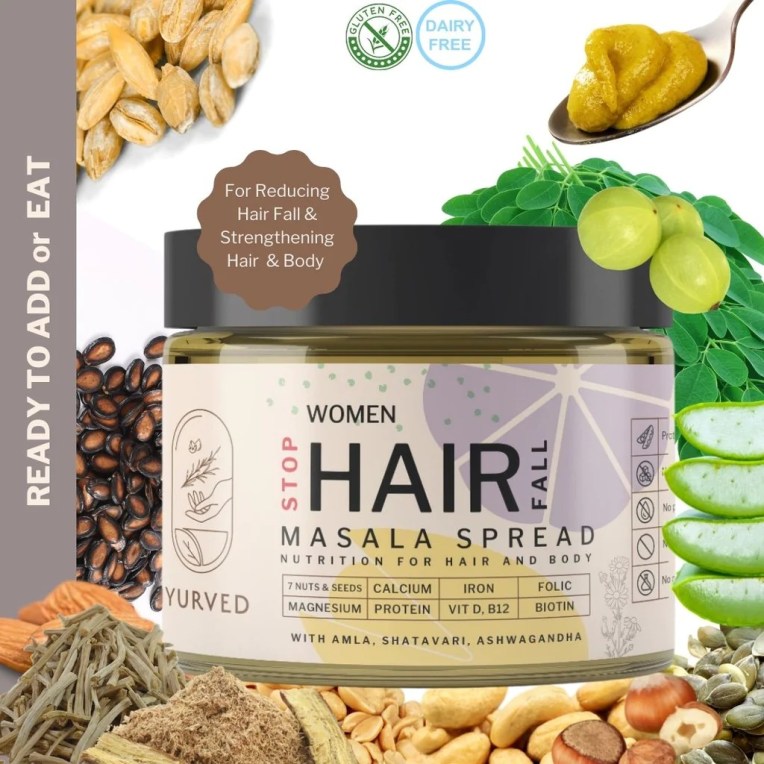
Forperson with Hormonal Imbalance, give Women Stop Hair Fall Masala Spread | 0% Preservatives | 0% Refined Sugar | 0% Palm oil | With SHATAVARI, ASHWAGANDHA, AMLA, MORINGA, ALOE VERA | ORDER |


CHECK MORE PRODUCTS FOR:

Immunity, Gut health, Digestion, Weight, Brain development, Speech delay, Epilepsy, Eye health, Hormones, Sleep, Hyperactivity, Bones and Overall growth

foods for breast milk

Read more blogs:

Baby’s first foods: How to introduce solids?

Till 6 months of age it is advised to keep the baby on breast feed only. Mother’s milk has all required nutrients which help the baby grow healthy and strong and also protects from infections. It has antibodies which help babies to fight off viruses and bacteria. It also makes the baby’s immune system strong. Mothers always have a question in mind when to introduce solid foods to baby? After completing 6 months your infant’s body needs more nutrition for proper growth and development. So this is the best time when baby starts solid food to eat. It is a slow and careful transition to solids. As a baby’s digestive system is still not mature enough, you have to keep a close check on food items you are preparing for him/her. The best way to start solids is with pureed and mashed foods. Each food that you are introducing as solid food to baby has to have some nutritional purpose as you are building the foundation for a healthy body.

WHATSAPP for concerns like Speech Delay, Low Weight, Frequent Illness, Hyperactivity, Low Concentration, Weak Eyesight, Improper Sleep, Pigmentation, Pores, Face Marks, Fine Lines , Lactation etc.

Also, check 12 Best foods to increase Breast milk Quality

When to introduce solid food to baby?

As baby completes 6 months of age, it is the right time to introduce solid food to baby. Parents would notice baby showing more interest in what others are eating than his/her own milk bottle. This signals their desire and readiness to start trying more flavours. For babies just beginning to eat, it’s important to introduce all sorts of veggies and fruits. This is the time when they are slowly going off breast feed and need solid food to build immunity and support growth of brain, bones, eye-vision and overall body. Every food chosen has to have a nutritional purpose. Please keep this in mind that even a single junk food can prove to be a wasted opportunity, since the opportunity to feed is limited in babies.

Also check, How does sugar impact kids bones?

Baby’s first foods:

Banana

Bananas are loaded with potassium, calcium, magnesium, iron, folate, niacin and vitamin B6. They are also a rich source of prebiotic fiber that helps build a healthy digestive system. Banana is good for bones, improves brain power and cures constipation issues too. It is best to include banana when baby starts solid food to eat. As banana is sweet and creamy, babies also enjoy eating it. Initially you can start with giving half a small mashed banana. Later, a small banana per day is ideal for a kid.

Also check,Two fruits that must be given to small kids

Mung bean/ Moong Dal
  • Mung bean is the safest and one of the best choices to add as meal when baby starts solid food to eat. It is a great source of protein, iron, fiber, vitamins and minerals as well as probiotics. All of these nutrients are essential in babies growing years. It is an outstanding prebiotic and has been used in Ayurveda for over 1000 years to make medicines for digestion. Mung bean has resistant starch which helps in digestion. Begin with cooked mung bean soup and slowly transition to soft cooked mung bean porridge. Always remember to soak and sprout the bean since it makes it easy for a baby to digest. You may use any- hulled mung bean or those with green covering.
  • Also check, Easy recipe to make wraps with hidden veggies
Sweet Potato
  • Sweet potatoes have nutrients that make it the preferred choice for baby solid food to start with. Being rich in fiber, it can help prevent constipation and maintain a healthy digestive tract. It is loaded with beta-carotene which is converted into vitamin A. Sweet potato should be included in every baby’s diet plan as vitamin A can be beneficial for your baby’s eye health. It also has a good amount of vitamin C and vitamin E which helps in strengthening the immune system. You can feed it in the form of puree as it is easier for them to digest.
  • Also check, Easy recipe of healthy fries that kids love
Carrot
  • Carrots are good baby solid food to start due to its smooth texture, sweet taste and nutritional values. It is a good source of vitamin A which is important for eye health, vitamin B6 which can provide the best skin, hairs and helps in better liver functioning. Carrot is also rich in fiber thus, helps to prevent constipation in babies. Finely chop or grate carrot and boil it. Retain the water to make puree or to mash it.
  • Also check, How to retain Vitamin A in food?
Apple
  • Apple is one of the safest and full of nutritious solid food for babies to start with. Babies love its sweet flavour. It is a rich source of both soluble and insoluble fiber thus easily gets digested by babies. As apple is full of carbohydrates, it provides energy to the baby to stay active. Its skin contains quercetin, a type of plant pigment flavonoid that helps to boost the immune system and reduce inflammation. It is considered as one of the baby’s first foods. You can introduce apples in puree form to your baby.
  • Also check, How does apple cider vinegar help with hair?
Broccoli
  • Broccoli has numerous health benefits. It is a powerhouse of nutrients like vitamin A, vitamin C, vitamin K, vitamin B6 and folate. It also has minerals including zinc and iron. Broccoli provides a strong boost to strengthen the baby’s immune system. Vitamin A helps to promote eye health. As a rich source of iron it prevents anemia by increasing hemoglobin level in blood. Broccoli contains fiber which helps to fix any kind of digestive disorder and constipation.
  • Also check,How to keep the eyes of a child healthy?
Potato
  • Potato is considered as one of the safest foods to introduce as a baby’s first food. It is a good source of carbohydrates and provides energy to your growing baby. Vitamin C, starch and various enzymes in it nourishes baby’s skin. It also helps babies to gain healthy weight. Phosphorus in it contributes to building strong bones. It contains resistant starch which boosts healthy gut bacteria growth and promotes digestive health. Steam the potato or boil it and retain the water. The skin of potato has nutritious fiber which is great for digestion and gut health.
  • Also check, 6 Month baby food chart
Pear

Pear is a nourishing food that can add more nutritional value to your baby’s diet. It is a good source of dietary fiber. It provides essential nutrients as it is a rich source of vitamin C, vitamin K, and potassium. Pear contains pectin, a water soluble fiber and sorbitol, a compound that retains water in the large intestine, which helps to prevent constipation and promotes bowel movements by loosening the hard stool. Pear with peel contains polyphenols, a bioactive compound that boosts immunity by combating free radicals. You can start with peeled and cooked puree or mashed ones as baby solid food.

Also check, Colic in babies

Pumpkin seeds
  • You can safely introduce pumpkin seeds to your baby after crossing 6 months of age. It has all essential vitamins and minerals needed for proper development in babies. Pumpkin seeds are rich in calcium and magnesium which helps in building strong bones and teeth. Phosphorus in it promotes brain functioning, helps in metabolism and improves in functioning of muscles too. As an excellent source of fiber, it supports digestive health and regulates baby’s bowel movement. Decent amount of vitamin C in it boosts immunity and protects the baby against cold and flu. Tryptophan in it produces amino acid serotonin that helps induce calmness and makes your baby relax and sleep better.
  • Also check, Easy spreads made of seeds and nuts for kids
Finger millet (Ragi)

Ragi is one of the super foods with numerous health benefits. It is the richest source of calcium and vitamin D. Both of these nutrients are vital for proper development of bones and teeth in babies. Calcium in it easily get absorbed by the body and beneficial for babies during the teething phase. It also prevents malnutrition in babies as it has high protein content. Ragi is loaded with a high level of dietary fiber thus, prevents constipation. Insoluble fiber in it promotes easy digestion of foods in babies. While preparing ragi porridge for babies, dry roast it thoroughly for at least 10 minutes.

Also check, Foods to keep the bones of a child strong?

Sorgam (Jowar)

Sorghum can provide nutrition to fulfil baby’s growing development requirements. It is a gluten free grain and a super healthy baby solid food to start with. Sorghum is rich in variety of nutrients including magnesium that helps in bone formation, b vitamins that play essential role in metabolism and skin and hair health. This grain is great source of protein and contributes to good health in all manners.

Also check, Weight gain diet plan for kids

Barnyard millets (Sanwa rice)

Millet is the most nutritious food to start after the baby completes 6 months. It is a rich source of dietary fiber including both soluble and insoluble fiber. It prevents constipation, cramps, bloating and excess gas issues in babies. Millet is also a great source of digestible protein which makes it light food to digest.

Oats

Oats are rich in many essential nutrients. It has a large amount of proteins, carbohydrates, dietary fibers, vitamins and minerals. Minerals like calcium and phosphorus in it helps in building strong bones, magnesium generates energy and promotes bone and dental health. Potassium and sodium in it maintain the balance of electrolyte in the baby’s body and zinc boosts brain development. It is an excellent source of fiber which enhances gut health.

Also check, Best immunity building foods for kids

Tapioca

Tapioca is considered as best baby solid food to start with. It has numerous health benefits. It is loaded with calcium, iron, potassium, and vitamin K which are key minerals for baby’s bone development. Tapioca also helps to cure digestive ailments including indigestion, bloating and constipation. Starch in it is packed with carbohydrates which provide energy to the baby throughout the day and helps to gain weight. It is also a good source of protein thus aids muscle development by strengthening them. Tapioca tops in one of the best baby’s  first food categories.

  Adding herbs to baby food:

Depending on the mother’s feed, babies often get introduced to basic properties and a little bit of a taste of variety of herbs before starting solids. Mother’s diet influences the flavour of breast milk too. Like this before starting a solid baby has ideas of some flavours. As it is not advisable to add salt and sugar in baby’s food, a pinch of cinnamon powder in porridge, a small chopped clove of garlic in veggies puree or pinch of cumin powder in mashed sweet potatoes can work well to let the baby explore the tastes. It will also encourage baby to try different foods with different flavours and set the foundation of healthy eating habits. Packed with vitamins and minerals, these herbs also have some nutritional purpose.

Cinnamon:

This herb has anti- bacterial and antifungal properties. It has antioxidants which reduces inflammation. As cinnamon has prebiotics properties too, it relieves digestive disorders and may improve gut health.

Also check, How to make cinnamon candies for kids?

Nutmeg:

Nutmeg is rich in many important B- complex vitamins. Vitamin A, Vitamin C, folic acid, riboflavin, niacin and antioxidants like beta-carotene. It is also a great source of minerals such as calcium, magnesium, iron, zinc which are essential for good health. Nutmeg has antibacterial properties that help in maintaining oral health.

Cumin:

Studies have shown that cumin promotes digestion by increasing pancreatic enzymes production. It also has anti-diarrheal effects. Adding cumin powder in baby’s food can boost up the immature digestive system to break down food easily. Cumin also helps in developing a strong immune system. It has a compound cuminaldehyde which directly kills disease causing bacteria and fungi. It is the best thing to add in your baby’s meal.

Mint:

Mint is the best herb to add to your baby’s meal. It not only has a good taste but much other nutritional and medicinal value too. It helps in aiding tummy trouble and stomach cramping. Mint is a calming herb that helps to soothe upset stomach or digestive issues.

Also check, Summer drinks for kids hydration

Turmeric:

You can introduce turmeric to baby as soon as he starts eating solids. It has some bio-active compounds such as curcumin and curcuminoids that can boost baby’s immune system. Turmeric is related with effective pain management . In Ayurveda it is mentioned that turmeric has anti- inflammatory properties and it provides relief in respiratory issues like cough. Consumption of turmeric support digestive health by stimulating bile acid production. Adding small amount of turmeric in purees, soups and dals can benefit over all health.

Also check, Easy to feed turmeric balls during cold and flu

Carom seeds:

It has powerful anti bacterial and anti fungal properties. Carom seed extract help to prevent and treat gas and indigestion. It is a common medication used to treat cough in India. You can start giving your baby little bit carom seed water when baby starts solid food to eat.

Mixed meals for baby:

When baby starts solid food to eat and you are sure about, he/she doesn’t faced any kind of allergy from individual foods , it’s time to offer a mix of two foods. It is the stage when you know that the foods you have started are safe for the baby and he/ she is not allergic to any of them. Colour, texture and taste are the most important thing to be taking care of while preparing meals for your babies. Aim for variety as it will help babies to develop eating habits. Always try to prepare fresh meals for babies. Some basic recipes are easy to make and best to introduce as meals when baby starts solid food to eat.

Also check, Foods and remedies that will help in teething

Rice-Mung bean/ Moong Dal porridge
  • It is the best meal you can make when baby starts solid food to eat. Full of nutrition and easy to digest, this rice and mung bean combination is liked by babies too. To increase its nutritional value you can gradually add boiled mashed veggies to it like carrots, finely chopped spinach or any from below. It will help babies to develop taste and get other nutrients from vegetables. Always sprout the beans or any lentil to make it easy for the baby to digest.
Oats porridge (Daliya)
  • An easy meal for you to prepare with lots of health benefits. It can be cooked like porridge. You can add any legume like Mung bean or soy bean or puree of veggies from below along with a little bit of cumin powder to it to add flavour. It can be cooked with little milk too and served with a puree of fruits mentioned above. Adding a pinch of nutmeg powder will add fragrance and flavour to it and enhance nutritional value. It is best to feed this meal when baby starts solid food to eat.
Tapioca pearls porridge (Sabudana kheer)
  • It is an easy recipe that you can give to your baby. Wash tapioca and soak them overnight. Take a pan and add a little water, milk and tapioca. Cook till it becomes soft. You can add a pinch of cinnamon powder to enhance flavour. Adding fruit puree from below to this mixture when its cooled down is a way of making the meal sweet and complete with nutrition. Including dates or fig puree is also a way to sweeten the meal and making it rich in Iron.
  • Also check, How does eating fast-food harm kids calcium?
Indian Baby's first solid food. Solid food for baby
Boiled and mashed butternut squash/ pumpkin with red skin potato. Add milk to make smooth paste. Sprinkle any seasoning of herbs or spices like cumin powder, cinnamon or nutmeg powder.
Steamed pear (not boiled) with skin and mashed or pureed together with Banana.
Steamed carrot and pureed with boiled rice. Add seasoning or cumin powder or herbs.
Baby's first food. Solid food for baby
Mashed banana
Boiled pumpkin and pureed. Add cinnamon powder as seasoning.
Steamed (not boiled) apple with skin, pureed with grapes and banana.
Baby's first foods. Baby Solid Food
Clean potato extremely well. Steam or boil with skin and use the water and skin to make puree. Save potato water to use later, if extra.
Boil broccoli, beans and peas. Puree and add cumin powder seasoning or herbs.
Steam cauliflower. Add cooked mung bean/ moong dal and puree. Add herbs or seasoning.
Steam small portion of beetroot and puree with cooked rice. Add herbs or seasoning.
First food for 6 month old baby. Solid food food babies
Boil corn and pumpkin. Puree with cooked mung bean/ moong dal.
Clean extremely well. Steam sweet potato with skin. Puree with milk.
Indian baby's first food. Solid food for baby in India
Tapioca/ Sabudana porridge/ Kheer boiled with Milk.
Oats cooked with water or milk and served with mashed fruits
Solid food for baby, baby first food.
Mung bean and rice porridge, cooked soft with veggie puree.

Benefits OF ADDING WEIGHT GAIN SAVOURY SPREAD:


PRODUCTS:

It’s no SECRET that following an Ayurvedic lifestyle has numerous advantages. This unique collection of Ayurvedic spreads is an easy solution to feed daily nutrition for Immunity, Eye, Brain development, Bone strength and overall-growth to kids without any fuss. To know more about kids ayurvedic foods –SHOP HERE.

India’s First Tasty Kids Nutrition fortified with Ayurvedic herbs.

If your child is a picky eater or does not take enough nutrition for the day, you can give Weight Healthy Savoury Spread | Made with clinically proven ‘5 Ayurvedic Herbs and 7 Nuts’ | ORDER | 0% preservative | 0% Palm oil |


CHECK MORE PRODUCTS FOR:

Immunity, Gut health, Digestion, Weight, Brain development, Speech delay, Epilepsy, Eye health, Hormones, Sleep, Hyperactivity, Bones and Overall growth

Ayurvedic spread by Iyurved

PARENT REVIEWS: LET’S HEAR FROM SPURTHI RAMESH, BENGALURU

Some parents have been kind enough to share their journey with us. Let’s hear them to closely understand the benefits of Ayurvedic spreads by Iyurved.

Check here to know how Spurthi helped her child gain healthy weight.

CHECK MORE PARENT REVIEWS HERE.

To get your doubts or queries answered by Nutrition expert, whatsapp us.


Read more blogs:

5 Ways and food for healthy gut of your child

Almost all of the nutrients that we get from foods are absorbed by our gut. It plays an important role in keeping kids healthy, both physically and mentally. Kids gut health is vital for their overall well being as it influences many aspects of health including metabolism, immune system, nervous system and digestive tract. so feeding food for healthy gut of kids is very important. Child gets his/ her gut microbiome (living bacteria in gut) at the time of birth and it is set up in early childhood. Children’s microbiome (living bacteria in gut) remains flexible before the age of four or five. This is a good time to build a strong and healthy gut among them.

The key nutrients absorbed in the gut are iron, protein, carbohydrates and fat. All these nutrients are essential for kid’s overall growth and development. Most of the bacterias in our body are good for us. A healthy gut contains healthy bacteria that not only helps in proper digestion, but also fight with infectious disease causing bacteria, virus and fungi (bad bacteria). Kids gut health says a lot about their internal health.  If you want to set your child up for a lifetime of good health, it is essential to flourish kids gut health with healthy bacteria. According to a study, having good bacteria in the gut can improve immune system, hormones, depression and provide several other health benefits like healing, weight gain for kids.

WHATSAPP for concerns like Speech Delay, Low Weight, Frequent Illness, Hyperactivity, Low Concentration, Weak Eyesight, Improper Sleep, Pigmentation, Pores, Face Marks, Fine Lines , Lactation etc.

Feedback from parent

 Signs of an unhealthy Gut

There are many factors that affect kids gut health such as eating too much processed and high sugar food, stress, too little sleep and taking excessive antibiotics. All of these lead to damage to kids gut health which results in many health issues. Here are some common problems that may occur due to unhealthy gut:

Stomach discomfort:

If your child has symptoms such as gas bloating, diarrhea, constipation, heartburn and stomach ache, these can be a sign of an unhealthy gut and it is due to the bacteria living inside gut, intestines, stomach, and colon. These bacteria are called microbiome and symptoms of stomach discomfort occur when the balance of bacteria is not right.

Also check, How to know if the digestive system needs help?

Craving for sugar:

It has been studied that gut bacteria releases special proteins that are similar to hunger regulating hormones (leptin and ghrelin) which affect both your kids food craving and mood. When you take a high sugar diet, the amount of good bacteria in your gut decreases and this imbalance can cause more craving for sugary food, which results in further damage to your kids gut health.

Also check, How does sugar and sugary foods can harm the bones of the child?

Skin irritation:

Gut health plays a vital role in keeping your skin clear and healthy. The bacteria in the gut influence the balance of skin bacteria. Imbalance of gut bacteria can cause skin issues in both kids and adults. Skin condition like eczema and dryness may occur due to unhealthy gut.

Also check, Home remedies to solve allergy in kids

Sleep:

An unhealthy gut can also affect your sleep and leave you feeling tired during the entire day. Almost all of the body’s serotonin (a happy hormone that affects sleep) is produced in the gut. So if the gut is imbalanced, it may lead to sleep deprivation.

Also check, Foods that can help with sleep

Immunity

70-80% of immune cells are located in the gut (large intestine). This is also home to 100 trillion bacteria (gut microorganisms). There is enough research linking gut bacteria to immunity. The shift in lifestyle, rising pollution, use of antibiotics, and processed food consumption has all together impacted the quality of bacteria in our gut. This has contributed to compromised immunity in kids and adults.

Also check, Foods to increase immunity in kids

5 ways to boost kids Gut Health

Eat fermented foods (probiotics):

Probiotics are live bacteria (naturally occurring in food) that are good for you, your digestion and for your GUT!. Fermented foods are the most natural source of live bacteria that is Probiotics. There is no recommended daily intake for probiotics, so there is no way to know exactly what quantity is best. Therefore, add as many fermented foods to your daily diet as possible like yogurt, kefir. They can also be found in other fermented foods such as sauerkraut or kimchi. Probiotics the best food for healthy gut.

Also check, Easy probiotics for kids

Feed bacteria (prebiotics):

Prebiotics is a source of food for your gut’s healthy bacteria or food for healthy gut. It is a food which does not get fully digested in the body and reaches the large intestine (commonly known as GUT). The good bacteria in the large intestine eat this food and flourishes. Good bacteria multiply and win over the bad bacteria.

Also check,Recipe of probiotic food

Hydration:

If you keep yourself hydrated, it has positive effects on the mucosal lining of the intestine, as well as on the balance of good bacteria in the gut. Water intake is as important for the gut as food intake. You can also offer your kids coconut water, buttermilk and other healthy summer drinks to keep them hydrated.

Limit processed food and eat fiber rich food:

High consumption of ultra-processed food and low consumption of fiber and vegetables results in an unhealthy gut. Most of the processed food contains a lot of sugar, artificial colors, flavours and unhealthy fats which have diverse and less healthy gut flora. On the other hand fiber is fuel for colon cells and helps to keep the digestive tract flowing. Always encourage your child to make healthy food choices.

Also check,What does junk food do to kids organs?

Outdoor activity and exercise:

Outdoor playing and exercise is essential for overall well being and stomach health. Regular exercise and physical activities encourages the intestine to speed up a lethargic digestive system and help to get waste moving through the body. Always encourage your kids for daily outdoor activity to maintain a healthy gut.

 Best food for healthy gut

Yogurt:

Yogurt is one of the best sources of probiotics, which helps in strengthening digestive tract and promotes gut health. It is high in protein, calcium, vitamins and probiotics which can enhance the good bacteria in the gut. Yogurt is the best food for kids gut health.

Also check, Panchamrit benefits for gut health

Kefir:

Kefir is a combination of bacteria and yeast fermentation. The process of making is similar to yogurt, but the fermentation process in Kefir is for 24 hours. It has a tangy flavour and a consistency similar to a drinkable yogurt. It is a rich source of probiotics that can help maintain gut health, proper digestion and support the immune system. Kefir is one of the best foods for digestion problems.

Sprouted grains:

The concentration of fiber increases in sprouted grains. Fiber is one of the most important components for maintaining gut health. Fiber nourishes the good bacteria in the gut and promotes elimination and detoxification of the colon. Sprouted grains is fiber rich food 

Also check, What benefit does sprouting give?

Garlic:

Garlic is a prebiotic, naturally high in inulin, a type of non- digestible carbohydrate that feeds the good bacteria in your gut and prevents disease promoting bacteria from growing at the same time. Pickled garlic is best food for healthy gut.

Also check, How to fix tonsils in kids?

Moong Dal/ Mung bean:

Mung bean (Moong dal) is an outstanding prebiotic. It has been used in Ayurveda for over 1000 years to make medicine for digestion. Other than being a food for the bacteria in the Gut, it is the most powerful antioxidant amongst all lentils, and also loaded with many micro-nutrients. Mung beans are extremely high in Protein, which digests slowly and keeps the kids energetic and Fit.

Also check, Mung Bean sweet balls/ Laddoo that great for digestion and immunity

Apple Cider Vinegar:

ACV has protein, enzymes and bacteria themselves that make it best for gut health, this could prevent gas and bloating. It also has an antimicrobial substance which may help in killing bad bacteria in the gut. ACV enables growth of ‘beneficial bacteria in the body which help in digesting food and absorbing essential nutrients. Please check the label before giving it to kids.

Also check, How to make ACV jellies?

Isabgol (psyllium husk): 

Isabgol is driven from the seeds of plantago ovate. It is considered to have probiotic potential, which supports the growth of beneficial bacteria and increases the production of short chain fatty acids, which has positive effects on colonic health. Psyllium is also rich in fiber contents and has the ability to absorb water that means it soaks up water in your gut and makes bowel movement easier.

Also check, Recipe of psyllium husk pizza

Fermented food: 

People are using fermentation techniques from ages to boost food’s shelf life and to increase its nutritive values. It’s a process through which microorganisms like yeast and bacteria convert the carbohydrates in the food to acids, which act as a natural preservative and promotes the growth of good bacteria (probiotics). Some fermented foods are kimchi, made from fermented vegetables such as radish and cabbage, it’s a popular Korean dish. Miso is a Japanese seasoning, made from fermented soybeans. Sauerkraut is a traditional food of Europe and made from fermenting finely chopped cabbage. Traditional buttermilk, it is the leftover liquid from making butter and contains lots of probiotics. all these are food for healthy gut.

Also check, Recipe of fermented sweet for kids

Banana stem: 

Banana stem is great for the digestive system, as it is 60% fiber or it is a fiber rich food which helps in bowel movement and contributes to the growth of beneficial bacteria in the gut. It also helps in flushing out toxins from the body and helps to maintain proper gut health. Banana stem is extremely high in Vitamin B6, which keeps hemoglobin high, gives ample energy and helps kids fight weakness, fatigue and crankiness.

Also check, Recipe of banana stem Paratha or flat bread

Kanji: 

Kanji is a popular Indian fermented drink, which contains lots of gut friendly bacteria (probiotics) which aids in digestion and reduces bloating, gas and promotes a healthy gut. It has a tangy, spice and tart flavor. In India, it is used as a detox drink after festival binge eating, which helps in digestive issues. However there are many ways of making kanji, the most popular is carrot kanji. It is made by fermenting carrot along with salt, mustard seeds and asafetida (heeng).

Also check, Summer drinks for kids that are nutritious


PRODUCTS:

Fix your GUT with these Quick, Easy and Tasty PREBIOTIC Gut Drinks! This flavourful range of prebiotic gut friendly drinks helps with  Digestion, Constipation, Brain development, Allergies, Immunity, Hormonal balance, Acidity and Bloating and even more! Grab yours NOW!

India’s First Tasty Kids Nutrition fortified with Ayurvedic herbs.

For improving Gut health , Immunity, Constipation, Vomit, Brain Development, Allergies | Family PREBIOTIC GUT DRINK | Made with Guar Beans | Prebiotic Fiber | Plant Sweetener | 0% preservative | 0% Artificial Colour | 100% Natural | No refined sugar | ORDER |


CHECK MORE PRODUCTS FOR:

Immunity, Gut health, Digestion, Weight, Brain development, Speech delay, Epilepsy, Eye health, Hormones, Sleep, Hyperactivity, Bones and Overall growth

what is the down's syndrome

Read more blogs