Probiotics in foods are live bacteria (naturally occurring in food) that are good for you…your Digestion…your GUT! . Whenever you get an infection, it is a sign that bad bacteria are affecting your system out of balance. At this point of time good bacteria helps in eliminating those bad ones and maintaining the balance of good bacteria again. Probiotics are the best way to flourish good bacteria in your body
WHATSAPPfor concerns like Speech Delay, Low Weight, Frequent Illness, Hyperactivity, Low Concentration, Weak Eyesight, Improper Sleep, Pigmentation, Pores, Face Marks, Fine Lines, Lactation etc.
Food habits, Lifestyle, Antibiotics, all together impact the Gut health of your body. When you lose “good”bacteria in your body, for example after you take antibiotics, probiotics can help replace them.
All these food products have bacterias in them that helps our digestion, immunity, and also increase the presence of more good bacterias in the Gut. It is advisable to go pro-biotic heavy especially after falling sick or taking medicines. Good bacterias lost during infection or otherwise can be recovered by eating food rich in prebiotic and probiotics.
Fermented foods are the most natural source of live bacterias- Probiotics. There is no recommended daily intake for probiotics, so there is no way to know exactly what quantity is best. Therefore, add as many fermented foods to your daily diet as possible.
What is a Pro-biotic?
Kefir is a fermented milk drink similar to a thin yogurt that is made from kefir grains, which are high in bacterias. The process of making is similar to yogurt, but the fermentation process in Kefir is for 24 hours. The result is not a sour curd rather a tasty one. You can also load it up with nuts, seeds and berries to make a shake high in antioxidant, probiotics and prebiotics.
Yogurt has much lower bacterias (less than 5) as compared to Kefir (over 50).
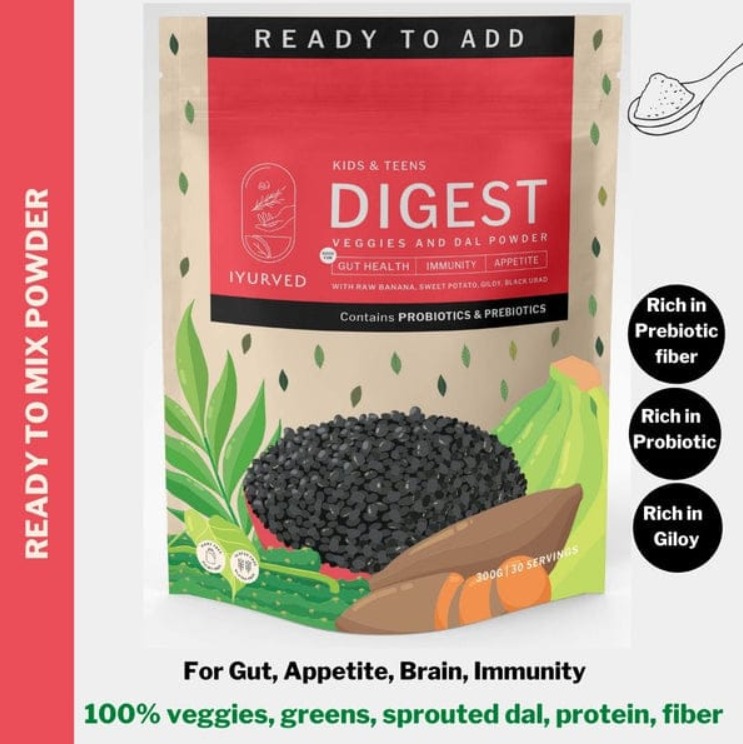
Make it EASY to feed a daily dose of high fiber veggies and dal, prebiotic fibre and probiotic to the child. 1 serving of Veggies and Dal powder equals 30-50g of fresh food. Excellent for child’s good Gut health, Immunity, Brain Health, Appetite, Healthy Weight. Get yours now!
2 spoons = 40-50% Fiber required for the day. Guaranteed 5 Lakh units of Bacillus coagulans probiotic in every serve.100% veggies + greens + sprouted dal.
India’s First Tasty Kids Nutritionfortified with Ayurvedic herbs
For Improving Gut Health and Digestion| Give Digest Veggies and Dal powder | Rich in Prebiotic fiber and Probiotic | Made with 100% veggies, greens, sprouted dal| 0% preservative | 0% Artificial Colour | 100% Natural | No refined sugar | ORDER |
Almost all of the nutrients that we get from foods are absorbed by our gut. It plays an important role in keeping kids healthy, both physically and mentally. Kids gut health is vital for their overall well being as it influences many aspects of health including metabolism, immune system, nervous system and digestive tract. so feeding food for healthy gut of kids is very important. Child gets his/ her gut microbiome (living bacteria in gut) at the time of birth and it is set up in early childhood. Children’s microbiome (living bacteria in gut) remains flexible before the age of four or five. This is a good time to build a strong and healthy gut among them.
The key nutrients absorbed in the gut are iron, protein, carbohydrates and fat. All these nutrients are essential for kid’s overall growth and development. Most of the bacterias in our body are good for us. A healthy gut contains healthy bacteria that not only helps in proper digestion, but also fight with infectious disease causing bacteria, virus and fungi (bad bacteria). Kids gut health says a lot about their internal health. If you want to set your child up for a lifetime of good health, it is essential to flourish kids gut health with healthy bacteria. According to a study, having good bacteria in the gut can improve immune system, hormones, depression and provide several other health benefits like healing, weight gain for kids.
WHATSAPPfor concerns like Speech Delay, Low Weight, Frequent Illness, Hyperactivity, Low Concentration, Weak Eyesight, Improper Sleep, Pigmentation, Pores, Face Marks, Fine Lines , Lactation etc.
Feedback from parent
Signs of an unhealthy Gut
There are many factors that affect kids gut health such as eating too much processed and high sugar food, stress, too little sleep and taking excessive antibiotics. All of these lead to damage to kids gut health which results in many health issues. Here are some common problems that may occur due to unhealthy gut:
Stomach discomfort:
If your child has symptoms such as gas bloating, diarrhea, constipation, heartburn and stomach ache, these can be a sign of an unhealthy gut and it is due to the bacteria living inside gut, intestines, stomach, and colon. These bacteria are called microbiome and symptoms of stomach discomfort occur when the balance of bacteria is not right.
It has been studied that gut bacteria releases special proteins that are similar to hunger regulating hormones (leptin and ghrelin) which affect both your kids food craving and mood. When you take a high sugar diet, the amount of good bacteria in your gut decreases and this imbalance can cause more craving for sugary food, which results in further damage to your kids gut health.
Gut health plays a vital role in keeping your skin clear and healthy. The bacteria in the gut influence the balance of skin bacteria. Imbalance of gut bacteria can cause skin issues in both kids and adults. Skin condition like eczema and dryness may occur due to unhealthy gut.
An unhealthy gut can also affect your sleep and leave you feeling tired during the entire day. Almost all of the body’s serotonin (a happy hormone that affects sleep) is produced in the gut. So if the gut is imbalanced, it may lead to sleep deprivation.
70-80% of immune cells are located in the gut (large intestine). This is also home to 100 trillion bacteria (gut microorganisms). There is enough research linking gut bacteria to immunity. The shift in lifestyle, rising pollution, use of antibiotics, and processed food consumption has all together impacted the quality of bacteria in our gut. This has contributed to compromised immunity in kids and adults.
Probiotics are live bacteria (naturally occurring in food) that are good for you, your digestion and for your GUT!. Fermented foods are the most natural source of live bacteria that is Probiotics. There is no recommended daily intake for probiotics, so there is no way to know exactly what quantity is best. Therefore, add as many fermented foods to your daily diet as possible like yogurt, kefir. They can also be found in other fermented foods such as sauerkraut or kimchi. Probiotics the best food for healthy gut.
Prebiotics is a source of food for your gut’s healthy bacteria or food for healthy gut. It is a food which does not get fully digested in the body and reaches the large intestine (commonly known as GUT). The good bacteria in the large intestine eat this food and flourishes. Good bacteria multiply and win over the bad bacteria.
If you keep yourself hydrated, it has positive effects on the mucosal lining of the intestine, as well as on the balance of good bacteria in the gut. Water intake is as important for the gut as food intake. You can also offer your kids coconut water, buttermilk and other healthy summer drinks to keep them hydrated.
Limit processed food and eat fiber rich food:
High consumption of ultra-processed food and low consumption of fiber and vegetables results in an unhealthy gut. Most of the processed food contains a lot of sugar, artificial colors, flavours and unhealthy fats which have diverse and less healthy gut flora. On the other hand fiber is fuel for colon cells and helps to keep the digestive tract flowing. Always encourage your child to make healthy food choices.
Outdoor playing and exercise is essential for overall well being and stomach health. Regular exercise and physical activities encourages the intestine to speed up a lethargic digestive system and help to get waste moving through the body. Always encourage your kids for daily outdoor activity to maintain a healthy gut.
Best food forhealthy gut
Yogurt:
Yogurt is one of the best sources of probiotics, which helps in strengthening digestive tract and promotes gut health. It is high in protein, calcium, vitamins and probiotics which can enhance the good bacteria in the gut. Yogurt is the best food for kids gut health.
Kefir is a combination of bacteria and yeast fermentation. The process of making is similar to yogurt, but the fermentation process in Kefir is for 24 hours. It has a tangy flavour and a consistency similar to a drinkable yogurt. It is a rich source of probiotics that can help maintain gut health, proper digestion and support the immune system. Kefir is one of the best foods for digestion problems.
Sprouted grains:
The concentration of fiber increases in sprouted grains. Fiber is one of the most important components for maintaining gut health. Fiber nourishes the good bacteria in the gut and promotes elimination and detoxification of the colon. Sprouted grains is fiber rich food
Garlic is a prebiotic, naturally high in inulin, a type of non- digestible carbohydrate that feeds the good bacteria in your gut and prevents disease promoting bacteria from growing at the same time. Pickled garlic is best food for healthy gut.
Mung bean (Moong dal) is an outstanding prebiotic. It has been used in Ayurveda for over 1000 years to make medicine for digestion. Other than being a food for the bacteria in the Gut, it is the most powerful antioxidant amongst all lentils, and also loaded with many micro-nutrients. Mung beans are extremely high in Protein, which digests slowly and keeps the kids energetic and Fit.
ACV has protein, enzymes and bacteria themselves that make it best for gut health, this could prevent gas and bloating. It also has an antimicrobial substance which may help in killing bad bacteria in the gut. ACV enables growth of ‘beneficial bacteria in the body which help in digesting food and absorbing essential nutrients. Please check the label before giving it to kids.
Isabgol is driven from the seeds of plantago ovate. It is considered to have probiotic potential, which supports the growth of beneficial bacteria and increases the production of short chain fatty acids, which has positive effects on colonic health. Psyllium is also rich in fiber contents and has the ability to absorb water that means it soaks up water in your gut and makes bowel movement easier.
People are using fermentation techniques from ages to boost food’s shelf life and to increase its nutritive values. It’s a process through which microorganisms like yeast and bacteria convert the carbohydrates in the food to acids, which act as a natural preservative and promotes the growth of good bacteria (probiotics). Some fermented foods are kimchi, made from fermented vegetables such as radish and cabbage, it’s a popular Korean dish. Miso is a Japanese seasoning, made from fermented soybeans. Sauerkraut is a traditional food of Europe and made from fermenting finely chopped cabbage. Traditional buttermilk, it is the leftover liquid from making butter and contains lots of probiotics. all these are food for healthy gut.
Banana stem is great for the digestive system, as it is 60% fiber or it is a fiber rich food which helps in bowel movement and contributes to the growth of beneficial bacteria in the gut. It also helps in flushing out toxins from the body and helps to maintain proper gut health. Banana stem is extremely high in Vitamin B6, which keeps hemoglobin high, gives ample energy and helps kids fight weakness, fatigue and crankiness.
Kanji is a popular Indian fermented drink, which contains lots of gut friendly bacteria (probiotics) which aids in digestion and reduces bloating, gas and promotes a healthy gut. It has a tangy, spice and tart flavor. In India, it is used as a detox drink after festival binge eating, which helps in digestive issues. However there are many ways of making kanji, the most popular is carrot kanji. It is made by fermenting carrot along with salt, mustard seeds and asafetida (heeng).
Fix your GUT with these Quick, Easy and Tasty PREBIOTIC Gut Drinks! This flavourful range of prebiotic gut friendly drinks helps with Digestion, Constipation, Brain development, Allergies, Immunity, Hormonal balance, Acidity and Bloating and even more! Grab yours NOW!
India’s First Tasty Kids Nutritionfortified with Ayurvedic herbs.
For improving Gut health , Immunity, Constipation, Vomit, Brain Development, Allergies | Family PREBIOTIC GUT DRINK | Made with Guar Beans | Prebiotic Fiber | Plant Sweetener| 0% preservative | 0% Artificial Colour | 100% Natural | No refined sugar | ORDER |
Does your baby keep crying for hours and all your efforts of pacifying him/her goes in vain? No matter what all you try, you are not able to soothe or calm down your baby? And every night around the same time, these heartbreaking episodes keep repeating? If this is the case, then your baby is suffering from COLIC. Every newborn gets fussy and cries sometimes as it is the best way for them to communicate their needs at this tender age. But, It is very difficult for a new mother to understand it in initial stage. They usually contact pediatrician for medicine which can provide relief to their babies. But, there is no such medicine for colic babies.
During the first three months of life, it is normal for infants. However, a baby’s normal fussiness sometimes turns into extended periods of crying that keeps on going on and on and can’t be soothed. These unstoppable episodes could indicate the baby has colic. When a baby frequently goes through periods of screaming and crying and can’t feel comfort in any situation it indicates that he/ she may be suffering from colic. In this article we are trying understand better about colic and some tips and remedies for colic babies.
WHATSAPPfor concerns like Speech Delay, Low Weight, Frequent Illness, Hyperactivity, Low Concentration, Weak Eyesight, Improper Sleep, Pigmentation, Pores, Face Marks, Fine Lines , Lactation etc.
What is Colic?
There is no particular medication for colic babies as it is not a disease or disorder. It is a combination of confused behaviors happening in almost 1 out of 5 infants. It is frequent, prolonged and intense crying or fussiness in an otherwise healthy infant. Colic can be very disturbing for parents because the baby’s suffering occurs for no apparent reason and no amount of consoling seems to bring any relief. These episodes often occur in the evening, when parents themselves are already exhausted.
According to Ayurveda, colic is the pain in and around the navel. It is generally associated with constipation. In infants, the dhatu (body tissue) is still new and developing, also the Agni (digestive fire) is low or mand. This means that the babies cannot digest everything that is eaten by the mother or the formula food that is given to them. Hence, the mother has to be very careful about what she eats while she is breastfeeding. As per Ayurveda, aggravation of vayu (air) causes the colic pain.
How to diagnose Colic?
Usually a Doctor would diagnose your baby with colic based on the “Rules of three”. When an infant who isn’t sick or hungry cries for more than 3 hours a day, more than 3 days a week, for more than 3 weeks, he/she will be diagnosed with Colic. There is no specific test to diagnose colic in babies but the doctor may rule out any other potential causes of excessive crying.
Colic in babies is likely to start around 2 weeks of age, if your infant is full-term, or later if they were born prematurely. Mostly it begins to taper off on its own by 3 or 4 months of age. The colic may stop all of a sudden or go away slowly, with some good days and some bad days until most of them are good and it’s clear the stage has passed. Colic in babies can happen regardless of your baby’s sex, their birth order, and whether you breast-feed or bottle-feed. Kids who had colic grow up no differently from those who didn’t.
How do you know for sure if your baby is suffering from Colic? Here are some signs and symptoms of colic in babies to look out for:
The crying lasts a total of at least three hours a day, at least three days a week and for at least three consecutive weeks.
Crying often occurs at around the same time every day, usually in the late afternoon or early evening, but it can vary.
Intense crying that seems more like screaming or an expression of pain.
Your baby seems to be crying for no apparent reason, unlike crying to indicate if he/she is hungry, tired or to express need for a diaper change.
Baby may pull up his legs, clench his fists and generally move his legs and arms more.
Your baby will often close his eyes or open them very wide, furrow his brow and even hold his breath briefly.
Your baby’s face will turn red or you can see pale skin around his/her mouth.
Bowel activity may increase, and he may pass gas or spit up.
Eating and sleeping are disturbed by the intense crying. Baby agitatedly seeks a nipple only to reject it once sucking has begun, or dozes for a few moments only to wake up screaming.
Your child might swallow a lot of air while they’re crying and this can cause gas and make their belly tight or swollen.
While the exact cause of colic in babies is not known, experts believe that it’s neither the result of genetics nor anything that happened during pregnancy or childbirth, nor is it any reflection on parenting skills. It may result from numerous contributing factors. It is difficult for researchers to pinpoint colic features, such as why it usually begins late in the first month of life, how it varies among infants, why it happens at certain times of the day and why it resolves on its own in time. Here are some theories on possible causes of colic in babies:
The quality of a mother’s diet has a little influence on her milk. Since the baby’s digestive system is too young, digesting hard food is a big task for it. As a result, food may pass through too quickly and not break down completely, resulting in pain from gas in the intestines.
Infant acid reflux:
Research has found that infant GERD (gastro esophageal reflux disease) can trigger episodes in colicky babies, though it doesn’t cause colic. Symptoms include frequent spitting up, poor eating and irritability during and after feedings. The good news is, most babies outgrow GERD by age 1 (and colic usually goes away long before then).
Food allergies or sensitivity:
Some experts believe that colic is the result of an allergy to cow’s milk proteins (or lactose intolerance) in formula-fed babies or it may be a reaction to specific foods in Mom’s diet in breastfed babies.
Tobacco exposure
Several studies show that moms who smoke during or after pregnancy are more likely to have babies with colic, and secondhand smoke may also be a culprit. Though the link exists, it’s unclear how cigarette smoke might be related to colic.
Over stimulated Senses
Newborns are still trying to get used to the sights and sounds of being out in the world. During the initial days, newborns are tuned to adjust to the lights and sound around them, which allows them to sleep anywhere without being disturbed. But by the end of the first month, babies become more sensitive to the stimuli in their surroundings. These new sensations make them overwhelmed at the end of the day and to release this stress, they keep crying & crying.
Colic Diagnosis:
There is no test for colic. When you visit a doctor, he/she will ask about the baby’s symptoms and medical history. Doctor will examine the baby focusing on energy level, breathing, weight, body temperature, skin tone. They might order some tests to rule out other problems.
What is the Treatment for Colic or Remedies for Babies?
As there is no clear cause of colic, there is no specific treatment. Colic will get better with time and you may just have to wait for the fussiness to improve. Your baby’s pediatrician might recommend some medicines like colic drops that will help with colic problems. Other than that, try these remedies or tips one at a time, so that you will know if it is working or not:
Make sure your baby isn’t hungry. As babies urinate frequently, they can feel hunger very quickly. You have to breastfeed them in short durations
Make sure your baby’s diaper is changed from time to time. That untidy or wet feeling can make babies uncomfortable and can be a reason to cry. The other reason could be the diaper is too tight. It may be time to move on to the next size.
Always burp your baby after every feed as while having breastfeed, baby can’t help but swallow up some air. This air trapped in the stomach and intestines can cause gas and stomach pain which can make the baby uncomfortable later. You may need to try different burping positions other than that traditional shoulder one.
If you are bottle feeding, try changing to another bottle which helps your baby to swallow less air.
Check with your doctor if different formula milk will be better for your baby. If the baby is on formula milk, it may cause digestive issues. Though it has no proof that colic appears due to formula as it has been seen in babies on breast feed too.
Tummy time is very important for colicky babies. Laying your baby on their tummy, across your stomach or lap is very calming for them. You can also rub your baby’s back, which is both soothing and may help gas pass through. Tummy time also helps your baby build stronger neck and shoulder muscles. Remember to only put your baby on their tummy while they’re awake and under supervision.
Get close to your baby. Cuddling, wearing or carrying your baby not only gives him/her the pleasure of security and physical closeness to you, but it may help you tune in better to his/her needs. Holding the baby bare skin against your own is very soothing for the baby. Do not worry that holding your baby too much will make him/her spoiled or clingy. The baby needs all your cuddling and attention, so leave all your worries behind and just cuddle away.
Massage your baby once or twice a day and also give a warm bath, as it helps to ease the discomfort caused by colic. While massaging gently press the abdominal so that if the baby had swollen air while feeding, it may pass through easily.
Use white noise like that of a vacuum cleaner, dryer, fan, dishwasher or recording of a heartbeat to comfort your baby. White noise machines create a comfortable, womb-like environment that calm anxious babies. It also helps babies to stay asleep longer.
Swaddle your baby in a warm blanket to soothe him/her. It recreates the snug packaging inside the womb which can make baby feel safe and can help to calm him/her down.
In some cases, colicky babies want to eat all the time and that might be because they find sucking very soothing, not because they are hungry. Pacifiers can be useful in such cases and can be helpful to calm down babies.
Swing or rock your baby as newborns find gentle movements very comforting. Many parents report that movement can help control severe crying spells.
Moving objects can be equally soothing for babies to see. Like a slow moving ceiling fan, baby gym and or any moving toy can help to produce a silencing effect on the baby.
Take your baby out for a walk or a car ride. These are some attempts which may sooth fussy, crying, colicky babies. Infant’s crib to stimulate can be satisfied by these motions.
Respond promptly to your baby’s cries as it has been found to reduce the crying in the long run. Pick him/her up and cuddle as it makes the baby feel safe and secured. The cozy feeling and your heartbeat recreate the surrounding of the womb.
Limit visitors and avoid exposing your baby to new experiences in stimulating environments, particularly in the late afternoon and early evening. Watch how your baby responds to certain stimuli and steer clear of any that seem to offend.
Sing and talk to your baby. It will make the baby feel sleepy fast, as it slowly calms down his/her nerves and helps to soothe the baby.
Is Gripe water good for Colic?
Some parents swear by gripe water as a way to calm a colicky baby, but no reliable studies have shown its effectiveness in relieving colic symptoms. Gripe water is not regulated by health authority and we can’t say what’s actually in gripe water and in what quantities. Therefore, always check with your pediatrician before giving your baby gripe water or any other treatment marketed as baby colic drops.
When should you see a Doctor:
After trying all the above mentioned remedies to soothe colic in your baby, if still crying persists and nothing seems to help, It may be the time for you to visit the doctor. Some signs to seek medical advice are:
While crying baby’s lips or skin turns blue
Baby is vomiting repeatedly during cry
Baby has diarrhea, or has blood in stool
What Questions should you ask your paediatrician?
When the baby will get over with colic
The best way to feed the baby to avoid colic
Any particular position to hold the baby to make him/her feel comfortable
Any medicines which can provide relief
How can I help myself from getting frustrated
What are the Foods to avoid in case of Breastfeeding?
A study published in Pediatrics suggests that excluding highly allergenic foods from a nursing mother’s diet could reduce crying and fussiness in her newborn’s first six weeks of life. If you are breastfeeding your baby, watch your diet to see if any of the food items consumed by you might be causing discomfort or gas in your baby. If you suspect that your baby starts crying badly after feeding him/her breast milk, keep a check on your diet or on things you are eating. Once you figure out what food may cause gas or may be hard to digest, you can modify your diet to avoid the culprit. It is possible that some foods may affect breast milk and contribute to intestinal gas and other digestive issues in babies. Though more investigation is needed, still there are some foods associated with affecting a mother’s breast milk.
Milk products, caffeine, garlic, onions, cabbage, turnip, broccoli, beans, apricots and other acidic fruits are found to be gas causing. Avoid foods high in carbohydrates and starch. Also check for food allergens in your diet like eggs, soy, dairy, wheat, peanuts and fish which might be causing the discomfort in your baby. Fried foods, spices and condiments should also be avoided as they can cause indigestion. Avoiding all these things for a few weeks can help to figure out whether they relieve the colic baby symptoms.
What are the Foods that can help Breastfeeding Moms with Digestion and Gas problems?
Asafoetida (Heeng)
The secret of this ingredient is being shared for ages. Heeng is added to food preparations which are generally tough to digest like beans and whole pulses. It helps to boost digestion by increasing the activity of digestive enzymes. As per a study, it’s antibacterial, antifungal and antimicrobial properties are used to treat stomach disorders and cure gas, bloating, acidity, constipation and improve stomach health. Take a pinch of hing and mix it with a few drops of warm mustard oil and massage it on the navel of your baby. It is said to provide relief instantly.
Probiotics can aid digestive issues and help to maintain gut health. They are live bacteria (naturally occurring in foods) that are good for digestion and GUT. Fermented foods are the most natural source of live bacteria (probiotic). The most common fermented foods that naturally contain probiotics include kefir, pickles, kimchi, Ghee (clarified butter), dark chocolate and cheese. They are rich in probiotics.
Consumption of prebiotics could help to regulate intestinal gas metabolism. They provide smoother digestion, better immune system and lower inflammation. It is also shown to improve stool frequency and consistency, and when combined with probiotics may provide even more benefits in the digestive system and strengthen it. Prebiotics may help to soothe colic in babies by keeping their gut healthy.
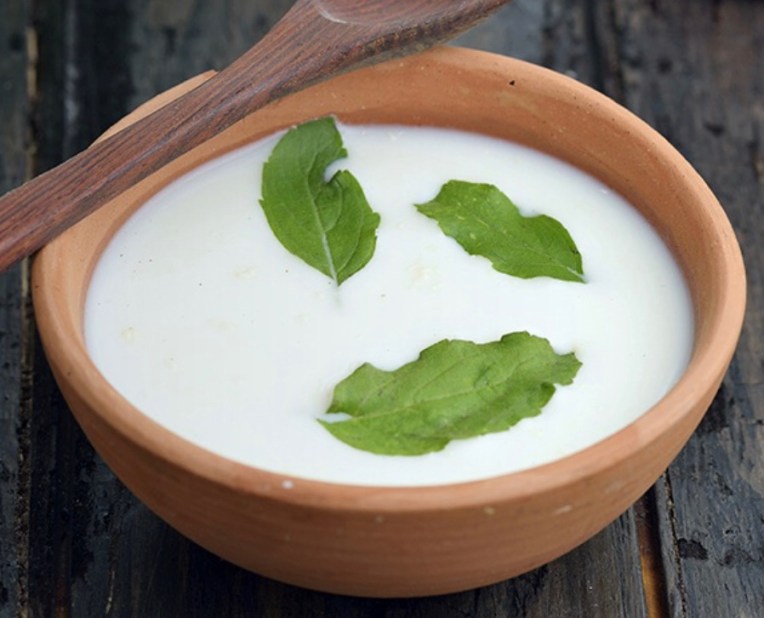
Yogurt is rich in probiotics (good bacterias) that helps to improve your digestive system. Having a little yogurt during an upset stomach may help relieve diarrhea too. Having more good bacterias in the system can conquer the number of bad bacterias, thereby maintaining good health. Presence of protein, calcium, Vitamin B2, vitamin B12, potassium and magnesium in yogurt helps to boost up the immune system and promote a healthy digestive tract.
According to Ayurveda, carom has several medicinal properties. Carom contains a compound called thymol, which helps in secreting gastric juices and aiding digestion. People who experience the problem of gas regularly can also try consuming carom water. All you need to do is boil water with carom seeds and drink it once it cools down a bit. In Indian culture, nursing mothers use this carom water soon after the delivery which helps both the mother and the baby with any gas or digestion related problems.
Mung Bean/ Moong Dal
Mung Bean/ Moong dal is an outstanding prebiotic. It has been used in Ayurveda for over 1000 years to make medicine for digestion. Sprouting Mung bean helps in activating enzymes that makes it easy to digest and also produces good bacterias (probiotic) in it. The high fiber content and probiotics makes this an ideal food for a breastfeeding mother and also a child beginning to start solids.
Fennel seed is an effective aid to digestion. It relaxes muscles in the intestine, which can help relieve constipation. The main component that gives fennel seeds these beneficial effects is Anethole. It can help to smooth and relax muscles of the gastrointestinal system, thereby reducing gas, bloating and stomach cramps.
Colic is stressful for parents too. Some of the problems can occur in mothers are higher risk of postpartum depression, early cessation of breastfeeding, feeling of guilt, exhaustion, helplessness or anger. Babies with colic can cry non-stop. It can be difficult to handle and irritating at the same time. You may feel physically and emotionally drained out as you hold, rock, walk and try to comfort your child for hours and still fail to see any improvement. You may also start crying with the baby. Just keep this in mind, no matter how stressed you are, never shake your baby too hard. You need extra energy to take care of a colicky baby.
Mostly babies start crying at night. In that case you have to sacrifice your sleep. Take rest whenever you get time. Take a nap with your baby during the day time when he/she is sleeping. Ask your husband, family, friends to take care of the baby for some time. A quick walk in fresh air as me-time can refresh you. Babies cry as it is the only way for them to communicate. Colic is not any of your fault or your baby’s fault either. Many other parents are also sailing in the same boat. It is a small phase that shall pass soon. Just keep control on your diet, rest well, eat well. Colic stage will pass away as quickly as it arrived. It just needs your time, love and patience.
Recipe of Sprouted Mung Bean (Moong Dal) Cheela/ Pancake
Let’s try to make every food a child want to eat more tasty and nutritious with herbs and nuts.
Child’s gut is responsible for their overall health and is connected to their immune system, mood, mental health and body functioning. Most of the diseases emerge in the gut, which is a component of a child’s digestive system. Digestive track plays a vital role in our body, as it is responsible for absorbing nutrients and eliminating waste. Digestion is important for breaking down food into nutrients, which is further used by the body for energy, growth and cell repair. A kid’s gut health says a lot about their internal health. If you want to set your child up for a lifetime of good health, it is essential to flourish their gut with best probiotics for kids. Digestive disorders can affect your child’s growth and development. By recognising symptoms early, you can help your child lead a healthy life.
Symptoms of Digestive Disorders in kids:
Stomach pain: Stomach pain is common in children. It can be caused by a variety of reasons such as eating too much, needing to go to the washroom or stress about an upcoming event. However, if your child complains of stomach pain frequently, it can be a matter of concern. The most common causes of stomach pain in children include indigestion, infection, appendicitis (causes acute or sudden pain) (How to correctly identify stomach pain?)
Vomiting: There can be different reasons why a kid throws up. Some of them are viral infections, motion sickness, food poisoning, fever, or coughing. They can also vomit because of concerns such as meningitis, appendicitis and intestinal blockages. If your child vomited more than once and there is blood or bile (green or yellow coloured liquid) in vomit, call your doctor. (Some easy home remedies to fix coughing)
Diarrhea: Diarrhea could be a result of the body’s inability to absorb foods. It may last 1 or 2 days and go away on its own. However, if it lasts for more than 2 days, it’s a matter of worry. Diarrhea may be caused by a bacterial infection, viral infection, parasites that enter through food or water, and reaction to medicines. Probiotics for kids help in diarrhea.
Problem with appetite: Digestive issues may lead to children losing their appetite. A loss of appetite is often temporary and the appetite will come back once the child has recovered.
Bloating in the belly: Gas is the most common cause of bloating. When kids eat or drink too fast or chew gum, they might swallow extra air that causes gas. It can trigger stomach pain. Bloating could also be a sign of several GI (gastrointestinal) disorders, like food intolerance or any celiac disease (an immune reaction to eating gluten). GI diseases mainly occur in the oesophagus, stomach, small intestine, large intestine and rectum.
Eating processed and packaged food is a common phenomenon nowadays. Children who consume a lot of refined and processed foods in their regular lifestyle, have a higher chance of developing obesity. Such foods are high in sodium and added sugar and lack fiber resulting in poor digestion among children. Fiber is essential to bind with bile and support daily digestion. Lack of fiber and probiotics for kids directly hampers the digestive system of kids. This often results in abdominal cramps, bloating, irritable mood, reduced immunity and weight gain. It can also have serious consequences on the intestine health in the long run. You can easily prevent digestive disorders in your child by making little changes in their diet. (How does sugar impact the body?)
Preventive measures to improve digestion in kids:
Introducing small meals
Chewing food slowly and carefully
Fibre rich seasonal fruits and vegetables
Intake of plenty of water to cleanse child’s digestive system
Enough sleep helps to rejuvenate the child’s digestive system
Reduced processed foods
Probiotics for kids
Include digestive powder
Best food for Digestion problems:
Yogurt: Yogurt contains the best probiotics for kids. It naturally contains lots of probiotics that strengthen the digestive tract. Probiotics are often called good bacteria which help to improve gut health. It helps to regulate the child’s digestive system and decrease bloating, diarrhea, constipation. Some research suggests that it can boost the immune system by enhancing absorption of vitamins and minerals. Having more good bacterias in the system can conquer the number of bad bacterias, thereby maintaining good health. (Some easy probiotics for kids)
Saunf (Fennel) seeds: Fennel seed is an effective aid to digestion. It relaxes muscles in the intestine, which can help relieve constipation. The main component that gives fennel seeds these beneficial effects is Anethole. It can help to smooth and relax muscles of the gastrointestinal system, thereby reducing gas, bloating and stomach cramps. Fennel seed powder is the best digestion powder for kids (Other seeds that can help with Protein)
Papaya: Papaya contains an enzyme papain that aids digestion. It is also high in fiber and water content. This quality helps to prevent constipation and promote regularity and healthy digestive system in kids. (Fruits that are great for kids and teens)
Banana: Banana is considered one of the best probiotics for kids, that helps with digestion. The whole plant is beneficial for the body since it has both probiotic (bacteria) and prebiotic (food for bacteria) fibers. The fruit is gentle enough to be eaten if you are suffering from stomach issues, like vomiting, loose motion and it restores lost electrolytes back into the body. (How to use banana stems in food?)
Moong Dal (Mung bean): It is best to consume this bean everyday since it’s loaded with necessary prebiotic fiber. This fiber reaches the gut without getting digested and becomes the food of the bacteria living there. Once the bean sprouts, it has the essential probiotics for kids also which further enhance the health of the gut. The fatty acid present in the bean known as butyrate, is also beneficial for intestinal walls. These have anti-inflammatory properties that help in preventing accumulation of gas. (How to prepare mung bean meals?). These beans can also be dried up to make a digestion powder for kids. Many other veggies can be dried and mixed to this digestive powder for additional benefits.
Constipation is a common problem in kids of all ages. Almost 1 out of 20 children is fighting with this. It is a condition when bowel movement becomes less frequent and stool becomes difficult to pass, which can cause pain and discomfort. food rich in fiber can help in constipation. Every child has different bowel patterns; some children have bowel movement 1 to 2 times a day, while other children go once in two to three days. Constipation is not just about how often your baby poops, but it’s also about how difficult it is for your baby to poop. As long as your child is healthy and passes normal stool without any pain or discomfort, having a bowel movement every third day is normal.
Breast milk is easy for babies to digest, so it’s rare for babies on breastfeed to have constipation. While formula milk is thicker than breast milk, it takes a long time to pass through the digestive tract and may cause constipation. Generally the problem of constipation starts when the baby starts eating solid food. Especially in the present scenario, where kids are becoming more prone to processed and refined foods, constipation is becoming a common occurrence. Most of the packaged foods have additives that are difficult to digest by a small baby, which has just started on solids.
WHATSAPPfor concerns like Speech Delay, Low Weight, Frequent Illness, Hyperactivity, Low Concentration, Weak Eyesight, Improper Sleep, Pigmentation, Pores, Face Marks, Fine Lines , Lactation etc.
Feedback from parent
Symptoms of constipation in babies:
Less than three bowel movement per week
Stool that is dry, hard and difficult to pass
Crying during bowel movement
Abdominal pain
Loss of appetite
Feeling of bloating or uncomfortable
Holding behavior such as crossing legs, clenching teeth, refusing to sit on the toilet, turning red in the face
Trace of liquid stool in your child’s underwear
Blood on the surface of hard stool
There are things that may contribute to different causes of constipation in children, like change in their routine, eating and drinking habits. Some kids avoid having a bowel movement during their school time which is one of the biggest causes of constipation in children. Some other common causes of constipation in children are as mentioned below:
Causes of constipation in children:
Diet:
Diet is one of the main causes of constipation in children. Eating foods that are high in fat and low in fiber may cause constipation in kids. Fiber absorbs water and causes stool to be large, softer and easier to pass. Increasing fiber intake helps cure constipation. Also the change in diet of small babies from breast milk to formula or when they start having solid food may lead to constipation. so add more food rich in fiber to their diet.
Less fluids:
Dehydration leads to constipation in many cases. The food you eat goes from your stomach to colon (large intestine), if you don’t have enough water in your body, the colon soaks up water from food waste, which dries out the stool making it hard in consistency and makes it difficult to push out of the body.
Withholding:
Sometimes children refuse to have bowel movement because of pain in passing stool or they do not want to interrupt their play time. Some kids are not comfortable in using public toilets or school toilets hence, ignore their urge to bowel movement when they are out. All these reasons of withholding lead to constipation in kids. It is also observed, when parents begin toilet training too early; kids may become rebellious and hold in stool.
Change in routine:
Change in kid’s routine like travelling, first time going to school or change in weather may result in constipation in kids.
Medication:
There are certain medicines and dietary supplements that may contribute to one of the main causes of constipation in children.
Genetics:
This may also be one of the causes of constipation in children. If any member of the family has constipation history, kids of that family are more likely to develop constipation, this comes under genetic factors.
However, constipation is easy to control and does not result in long term health problems if treated on time. However, if not taken seriously, over the period of months or years, it may become chronic. So, if your baby is suffering from this issue, try these easy home remedies for constipation to help them out.
Home remedies for constipation:
Exercise:
Exercise and physical activity is equally important for both kids and adults. Lack of physical activity may leads to constipation. Physical activity helps with digestion by helping the intestinal muscles push stool through the digestive system. Always encourage your kids to play outdoors for at least an hour every day, this will stimulate their bowel movement.
Drink plenty of water:
keep your child hydrated as mild dehydration can also cause constipation. Water is required to digest food and remove waste through the digestive tract. Increasing water content inside the gut can help soften stool and stimulate bowel movements. Give lots of water at regular intervals to your child for proper digestion. Other healthy drinks like coconut water, buttermilk, lemonade also contribute to a healthy digestive system.
Warm bath:
Giving your child a warm bath can relax their abdominal muscles which may provide them relief from constipation. Soaking in warm water can also relax the anus and help release the stool.
Have enough dietary Fiber:
Including fiber rich food to your kids diet helps in constipation. Food rich in dietary fiber is easier to pass through your digestive system and is considered one of the most effective home remedies for constipation. Fiber are of two types: soluble and insoluble. Soluble fibers are soluble in water whereas insoluble are not. Lack of soluble fiber in the diet makes stool hard and difficult to pass.
Follow the routine:
Encourage your child to follow the morning routine of sitting on the toilet seat first, even if they don’t pass stool. This helps them to establish a healthy habit of going to the toilet before going to school and eventually they will start pooping also.
Abdominal massage:
Try to gently massage your kid’s lower abdomen in a clockwise direction, do this a few times throughout the day this will help in digestion and activate baby’s bowel movement. Wait for 45 minutes after feeding before massaging your baby.
Apart from using the above home remedies for constipation, for long term relief you should make some dietary changes in your kids diet by adding fiber rich food in their daily diet chart. According to National Institute of Health (NIH) the fiber requirement of children depend upon age and sex. Generally they require 14 to 30.8 grams of fiber per day (kids above one year of age).
Food rich in fiber:
Apple:
Apples are an easy way to boost the fiber content of your diet and cure constipation. One medium size apple with skin contains 4.4 gram of fiber. It has both soluble and insoluble fibers. Soluble fiber absorbs water and helps to soften stools; while insoluble fiber also helps the movement of stool through the digestive tract by adding extra bulk. According to a study, pectin in apple can accelerate the movement of the stool through the intestine and aid in constipation.
It is not only rich in fiber but also contains a natural digestive enzyme actinidin which has positive effects on gut motility and bowel habits. With around 2.3 grams of fiber per kiwi fruit it helps in softening and increasing bulk of stool and also increases frequency of bowel movement. Kiwifruit have been shown to relieve constipation and improve bowel movement frequency in a number of clinical studies. This is because they are high in both soluble and insoluble fibers, which work together simultaneously.
Prunes also known as dried plums and are commonly used food for constipation relief. They are rich in fiber, with around 2 grams of fiber per 1 ounce. Prunes also have soluble and insoluble fibers. The soluble fiber in prune called cellulose, increases the amount of water in the stool and makes it easy to pass. Prunes also contain sorbitol and phenolic compounds that maintain gut health and may provide gastrointestinal benefits.
It contains living microorganisms known as probiotics which are also called good bacteria and helps to improve gut health and soften stool. The good bacteria produce short chain fatty acids and lactic acid that may improve bowel movement. It helps to regulate a child’s digestive system and decreases bloating, diarrhea, constipation.
Just ½ cup of cooked broccoli contains 2.8 grams of fiber which aids in constipation. Rich in insoluble fiber making it an excellent food for smooth digestion. Sulforaphane, a compound present in broccoli may prevent the development of harmful microorganisms in your gut and digestive system. Broccoli is also loaded with vitamin C which plays a significant role in building immunity and promoting overall health.
According to a study by the US national library of medicine, chia seeds are of the most fiber dense food and about 40% of its weight is just fiber. It has insoluble fiber which helps to bulk up stool and thus prevent constipation. Chia seeds are also high in healthy fat, protein and cell protecting antioxidants.
This delivers a variety of important nutrients that includes fiber, manganese, phosphorus, magnesium, copper, zinc and iron. Whole grain includes oats, brown rice, whole wheat, quinoa, barley and rye. All of these are high in fiber and a great choice to prevent constipation. Just one ounce of wheat bran cereal gives you 10 grams of fiber.
These are another fiber powerhouse, which help ease constipation. Almonds, pecans and walnuts have more fiber than other nuts. Just one ounce of almond contains 3.5 grams of fiber. One ounce of pecan contains 2.7 g fiber and one ounce of walnut has 1.9 gram fiber. Choose nuts that are dry roasted, rather than roasted in oil. Also high in healthy fats, potassium, sodium, calcium, protein and antioxidants these nuts contribute towards, getting a healthy body.
The high fiber content of this food help in preventing constipation and promotes a well-functioning digestive tract. According to a study, dietary fiber found in sweet potatoes such as cellulose, lignin and pectin helps in maintaining gut health and improves digestion. It also contains vitamin A, vitamin C and vitamin E, potassium, magnesium, calcium that helps in overall health of your baby.
It contains citric acid, a natural laxative that helps stimulate your digestive system and fights the toxins in your digestive tract. Lemon is also loaded with vitamin C that is helpful in treating indigestion. Vitamin C softens the stool and ensures an easy passage for food. Offer your child a glass of warm water with lemon juice in it to prevent constipation.
Fix your GUT with these Quick, Easy and Tasty PREBIOTIC Gut Drinks! This flavorful range of prebiotic gut friendly drinks helps with Digestion, Constipation, Brain development, Allergies, Immunity, Hormonal balance, Acidity and Bloating and even more! Grab yours. NOW!
India’s First Tasty Kids Nutritionfortified with Ayurvedic herbs.
For Constipation, improving Gut health , Immunity, Brain Development, Allergies | Family PREBIOTIC GUT DRINK | Made with Guar Beans | Prebiotic Fiber | Plant Sweetener| 0% preservative | 0% Artificial Colour | 100% Natural | No refined sugar | ORDER |
What is detoxification meaning and whY is DETOX AFTER FESTIVE SEASON IMPORTANT?
Festivals go hand-in-hand with sweets, fried and spicy foods in every culture. Round the year we often get excuses to indulge in delicacies in the celebration of festivals. The most exciting part of any festival is the scrumptious food, which varies across different festivals. Food is what makes every festival so memorable. During festive season, days often begins and ends with a sweet, delicately prepared at home with loads of patience and love. In addition, Food is what connects people of different regions and backgrounds. Even families unite after a long separation and build moments with taste-laden food and drinks. And it is a common culture across the world to invite and visit friends and family. Eventually, in the end, it all sums up to eating, laughing and more eating.
Soon, once the festival is over, we begin our search for detoxing our bodies of food-guilt, not love and laughter. People generally tend to (over) consume foods with high sugar content, spices and fat. More often than not, this leads to gastritis, indigestion, acidity and raised cholesterol levels, thereby creating a need to detox post festival. That is why detox after festive season is required.
Detoxification Meaning:
Detoxification means cleansing up your body while removing the impurities from blood. Toxins are the pollutants, synthetic chemicals, heavy metals which enter our body along with our regular food and affect our health negatively.
After-effects of Festival Binge Eating:
Gas and constipation:
This is the common problem people complain off after every festival. And the reason behind this is the consumption of oily, deep fried spicy food. The excess use of oil, sugar, and refine flour that is used to make verity of dishes during festivals leads to acid reflux, constipation and heartburn.
Weight gain:
Even health conscious people can’t stop themselves from having those tasty festival dishes, which are full of calories. Further, it results in weight gain and can cause health issues. As a result, it become important to detox post festival delicacies. (What food can help increase healthy weight in kids?)
Harmful for gut health:
When there is excess of oil, starch or sugar in the diet, your digestive system can’t process it properly (Why?). So the sugar starts to ferment and begins feeding pathogenic bacteria like yeast. Later it harms the healthy bacteria that live in your gut. And this can lead to conditions like small intestine bacterial overgrowth. Moreover, a high fat and sugar combined diet may damage the gut micro biome by increasing unhealthy bacteria and decreasing number of healthy one. That is why a detox post festival becomes necessary in such scenarios.
Acne:
High saturated fat food may result in acne by increasing inflammation and altering hormone levels. (How to fix acne in kids?)
Increase risk of diabetes:
Consuming festive food, which not only includes high fat food but, also high sugar levels (sweets and drinks), leads to high-calorie intake and sudden rise in blood sugar levels. This can be a trigger point for people with pre-diabetes developing diabetes.
Increase in cholesterol level:
Excess use of saturated or trans fat (hydrogenated vegetable oil) for making different dishes during festival season may lead to high cholesterol levels in your blood, which is harmful for your heart health and liver function. Liver is the main organ that breakdown fat in the bod. Excess of fat intake can put pressure on liver. (How to keep Liver safe?)
To detox post festival binge eating becomes essential for a healthy body. Drinking enough water and having high-fiber diet helps to get rid of waste and toxins from the body. Some of the best way to detox your body after binge are exercising, consuming probiotics (what are some easy probiotics?), adding some antioxidants in your diet (what are antioxidants?) and consuming foods that are easy to digest. Some food sources can really help to detox post festival.
WAYS TO DETOX:
Aloe Vera and turmeric:
Aloe Vera plant is water- dense. It is the best way to detox your body. This plant keeps the body hydrated and provides a way to flush out impurities. It is a rich source of antioxidants, which helps fight free-radicals (what are they?) and lowers oxidative stress on your body. The aloe Vera is proven to clean toxins from the liver. It also decreases irritation in the stomach and intestine. Turmeric is an extraordinary spice in terms of health benefit. It has anti-inflammation and anti-oxidant properties that fight inflammation and can contribute to healthy digestion. Mix a spoon of Aloe Vera gel (freshly obtained from leaf is preferred) with quarter spoon of turmeric in warm water. Enjoy this drink to detox post festival binge eating.
Apple cider vinegar:
Apple cider vinegar is fermented food which adds good bacteria to the gut. It is high in potassium, magnesium, calcium and other vitamins and minerals. It gives good dose of enzymes, supports healthy immune system, promotes pH (acidity) balance in the body, aids healthy digestion, helps in removing toxins from body. Add one table spoon of ACV to the warm water, for best results drink this in the morning empty stomach. (Easy way to make ACV jellies)
Chia seeds:
Chia seeds are high in fiber and essential fats (omega-3), which help to reduce inflammation and flush out toxins. It has high amount of fiber which reaches the large intestine and becomes food for the bacterias staying there, thereby promoting healthy intestinal flow, treating constipation, heartburn and other digestive disorders. Soak some chia seeds in a glass of water, drink this after an hour of soaking. (Some easy seeds rich in protein)
Lemon:
Lemon is the key ingredient in many detox drinks and one of the best ways to detox your body. It is packed with antioxidants and vitamin C, which is beneficial for skin and fight free-radicals. It has an alkaline effect on the body which helps restore the body’s pH balance and flush out toxins to cleanse the system. Start your day with a glass of warm water with a slice of lemon in it. It also aids in maintaining a healthy weight.
Garlic:
Garlic contains organo- sulfur compounds (OSCs), which make it the perfect detoxification supplement. It is not only anti-viral, anti-bacterial and antibiotic but it also contains a chemical called allicin which promotes the production of white blood cells and helps fight against toxins. Selenium, a mineral present in garlic can cleanse the liver of toxins too. (How does this help with boils on the body?)
Ginger:
Ginger water mixed with lemon juice is also used to detox the body. As per numerous studies, ginger has been credited to fight infection and inflammation. Ginger root contains powerful compounds, including gingerols and shogoals, that help to inhibit inflammation and protect against cellular damage. They also tend to liver against toxins. Taking a little bit of ginger in tea or meals everyday can support overall health including a good flow of blood in the body. (How does ginger solve cough in kids?)
Recipe: Aloe Vera Turmeric Detox Drink
Mix a spoon of Aloe Vera gel (freshly obtained from leaf is preferred) with quarter spoon of turmeric in warm water. Enjoy this drink to detox post festival binge eating.
Add honey for kids to make it a tasty drink.
PRODUCTS:
Fix your GUT with these Quick, Easy and Tasty PREBIOTIC Gut Drinks! This flavourful range of prebiotic gut friendly drinks helps with Digestion, Constipation, Brain development, Allergies, Immunity, Hormonal balance, Acidity and Bloating and even more! Grab yours. NOW!
India’s First Tasty Kids Nutritionfortified with Ayurvedic herbs.
For Body Detox | Family PREBIOTIC GUT DRINK | Made with Guar Beans | Prebiotic Fiber | Plant Sweetener| 0% preservative | 0% Artificial Colour | 100% Natural | No refined sugar | ORDER |
Digestion is amongst the most common concerns in kids today. This is primarily due to the food choices and not taking fiber rich food. Most of the meals nowadays comprises easy-to-consumeoptions. Mostly include plain roti, yellow dal, potato, bread, white rice, pasta, cake, soup, noodles, cookies. While these food choices don’t lack nutrition entirely (if made at home). But they do miss out on an essential macro-nutrient- Fiber.
Fiber is the non-digestible carbohydrate. It is responsible in keeping our digestion healthy and regular. Lack of fiber rich food in diet may cause constipation, which is a nutrient deficient disease. The usual cycle of digestion is between 1 to 1.5 days. However, with the current food choices, this time has become 4 days. So even though your child may be regular, he might still be 4 days late (constipated).
Fiber travels to the large intestine without being digested. it also helps to flush out toxins like excess cholesterol, lead, mercury etc. that get released from food. In the absence of this, these waste products get reabsorbed by the body. fiber is also the food for the good bacteria living in the large intestine (gut). (What are some foods for health gut?)
In older times, humans had the capacity to consume 100g fiber since plants were more accessible than hunting animals for survival. This has reduced to 1/10th now. Just with the addition of Banana Stem, a child can meet the daily fiber requirement considerably. it is a fiber rich food with around 60% fiber, which is a god-sent solution to improper digestion. (Some more fiber rich foods)
WHATSAPPfor concerns like Speech Delay, Low Weight, Frequent Illness, Hyperactivity, Low Concentration, Weak Eyesight, Improper Sleep, Pigmentation, Pores, Face Marks, Fine Lines , Lactation etc.
Banana stem
it is extremely high in Vitamin B6, which keeps haemoglobin high, gives ample energy and helps kids fight weakness, fatigue and crankiness. Lower haemoglobin results in lower cognition in kids and this can carry on till later in life.
Make it EASY to feed a daily dose of vegetables, greens, dal, and prebiotics and probiotics. 1 serving of Veggies and Dal powder equals 30-50g of fresh food. Helps to provide daily nutrition for Immunity, Brain, Digestion, Bones, Healthy Weight, Height, Eye health and Growth. Get yours now!
India’s First Tasty Kids Nutritionfortified with Ayurvedic herbs
For Healthy Gut and Digestion| Give Digest Veggies and Dal powder | Rich in Prebiotic fiber, Probiotic and Giloy | Made with 100% veggies, greens, sprouted dal| 0% preservative | 0% Artificial Colour | 100% Natural | No refined sugar | ORDER |
Child’s gut is responsible for the child’s overall health and is connected to the child’s immune system, mood, mental health and body functioning. Most of the diseases emerge in the gut, which is a component of a child’s digestive system. Digestive track plays a vital role in our body, as it is responsible for absorbing nutrients and eliminating waste. Digestion is important for breaking down food into nutrients, which is further used by the body for energy, growth and cell repair. The digestive system of kids says a lot about their internal health.
If you want to set your child up for a lifetime of good health, it is essential to flourish the child’s digestive system with healthy bacteria. Digestive disorders can affect your child’s growth and development. While having stomach disorder or infection you want a quick relief for your child so, you visit doctor and he/she may prescribe antibiotics like venflox which can hamper their appetite for some time. By recognizing symptoms early, you can help your child lead a healthy life.
WHATSAPPfor concerns like Speech Delay, Low Weight, Frequent Illness, Hyperactivity, Low Concentration, Weak Eyesight, Improper Sleep, Pigmentation, Pores, Face Marks, Fine Lines , Lactation etc.
Symptoms of Digestive Disorders in kids:
Stomach pain
Stomach pain is common in children. It can be caused by a variety of reasons such as eating too much, needing to go to the washroom or stress about an upcoming event. However, if your child complains of stomach pain frequently, it can be a matter of concern. The most common causes of stomach pain in children include indigestion, infection, appendicitis (causes acute or sudden pain)
There can be different reasons why a kid throws up. Some of them are viral infections, motion sickness, food poisoning, fever, or coughing. They can also vomit because of concerns such as meningitis, appendicitis and intestinal blockages. If your child vomited more than once and there is blood or bile (green or yellow coloured liquid) in vomit, call your doctor. Also check, Some easy home remedies to fix coughing
Diarrhea
Diarrhea could be a result of the body’s inability to absorb foods. It may last 1 or 2 days and go away on its own. However, if it lasts for more than 2 days, it’s a matter of worry. Diarrhea may be caused by a bacterial infection, viral infection, parasites that enter through food or water, and reaction to medicines.
Problem with appetite
Digestive issues may lead to children losing their appetite. A loss of appetite is often temporary, and the appetite will come back once the child has recovered.
Bloating in the belly
Gas is the most common cause of bloating. When kids eat or drink too fast or chew gum, they might swallow extra air that causes gas. It can trigger stomach pain. Bloating could also be a sign of several GI (gastrointestinal) disorders, like food intolerance or any celiac disease (an immune reaction to eating gluten). GI diseases mainly occur in the oesophagus, stomach, small intestine, large intestine and rectum.
Eating processed and packaged food is a common phenomenon nowadays. Children who consume a lot of refined and processed foods in their regular lifestyle, have a higher chance of developing obesity. Such foods are high in sodium and added sugar and lack fiber resulting in poor digestion among children. Fiber is essential to bind with bile and support daily digestion. Lack of fiber directly hampers the digestive system of process kids. This often results in abdominal cramps, bloating, irritable mood, reduced immunity and weight gain. It can also have serious consequences on the intestine health in the long run. You can easily prevent digestive disorders and improve the digestive system of kids by making little changes in their diet. Some common home remedies for digestion can help them to get a healthy digestive system.
Preventive measures to improve the digestive system of kids:
Introducing small meals
Chewing food slowly and carefully
Fibre rich seasonal fruits and vegetables
Intake of plenty of water to cleanse child’s digestive system
Enough sleep helps to rejuvenate the child’s digestive system
Reduced processed foods
Best food for Digestion problems:
Yogurt
Yogurt naturally contains lots of probiotics that strengthen the digestive tract. Probiotics are often called good bacteria which help to improve gut health. It helps to regulate the child’s digestive system and decrease bloating, diarrhea, constipation. Some research suggests that it can boost the immune system by enhancing absorption of vitamins and minerals. Having better bacteria in the system can conquer the number of bad bacteria, thereby maintaining good health. Including yogurt in your diet is good for digestion of food.
Fennel seed is a very effective aid for a healthy digestive system of kids as well as adults. It relaxes muscles in the intestine, which can help relieve constipation. The main component that gives fennel seeds these beneficial effects is Anethole. It can help to smooth and relax muscles of the gastrointestinal system, thereby reducing gas, bloating and stomach cramps. It is the best remedy for digestion of food.
Papaya contains an enzyme papain that aids digestion. It is also high in fiber and water content. This quality helps to prevent constipation and promote regularity and a healthy digestive system of kids. Altogether, it helps for digestion of food.
Banana is one of the best foods that can help to improve the child’s digestive system. The whole plant is beneficial for the body since it has both probiotic (bacteria) and prebiotic (food for bacteria) fibers. The fruit is gentle enough to be eaten if you are suffering from stomach issues, like vomiting, loose motion and it restores lost electrolytes back into the body.
It is best to consume this bean every day since it’s loaded with necessary prebiotic fiber. This fiber reaches the gut without getting digested and becomes the food of the bacteria living there. Once the bean sprouts, it has the essential probiotics (bacteria) also which further enhance the health of the gut. The fatty acid present in the bean known as butyrate, is also beneficial for intestinal walls. These have anti-inflammatory properties that help in preventing accumulation of gas and improving a child’s digestive system.
Let’s try to make every food tasty and nutritious with herbs and nuts.
Recipe for Spinach Mung Bean wrap:
1 cup whole mung bean (soak overnight) and blend/purée with spinach leaves (boiled or not) and enough water to make pancake like (not too runny) batter (Benefit of soaking?)
Or can use sprouted mung bean and follow the same procedure.
Add salt, pepper and carrom seeds (optional) and Iyurved’s 5 herbs and 7 nuts savoury spread (order here)
Spread on hot iron/ non-stick pan (add drops of oil to cook). Covering the wrap helps to cook faster and better. Flip to cook on other side.
Stuff and roll with cheese, lettuce or salad leaves, grated carrot, mashed avocado, sliced tomato, cabbage and/ or other veggies
PRODUCTS:
Make it EASY to feed a daily dose of high fiber veggies and dal, prebiotic fibre and probiotic to the child. 1 serving of Veggies and Dal powder equals 30-50g of fresh food. Excellent for child’s good Gut health, Immunity, Brain Health, Appetite, Healthy Weight. Get yours now!
2 spoons = 40-50% Fiber required for the day. Guaranteed 5 Lakh units of Bacillus coagulans probiotic in every serve.100% veggies + greens + sprouted dal.
India’s First Tasty Kids Nutritionfortified with Ayurvedic herbs
For Improving Gut Health and Digestion| Give Digest Veggies and Dal powder | Rich in Prebiotic fiber and Probiotic | Made with 100% veggies, greens, sprouted dal| 0% preservative | 0% Artificial Colour | 100% Natural | No refined sugar | ORDER |
Let food be thy medicine and medicine thy food- Hippocrates
Panchamrit
Panchamrit is a Sanskrit term made by combining two words- Panch (means five) and Amrit (means divine nectar of Gods, immortality). Moreover, Panchamrit benefits are many and it contains mainly these five ingredients -milk, curd, honey, mishri and ghee. In some regions, it is also known as Charanamrit (nectar from the feet of Gods).
Religious Significance:
In Hindu religion, it is considered very sacred and is used as an offering to God during pooja. And also used for Abhishek (religious bath of the divine). Finally, after the pooja, it is distributed as Prasad to the devotees. The usage of “Panchamrit” in Hindu rituals is considered as the oldest synbiotic food (a combination of both pre-biotic and pro-biotic) in the history of mankind. It is a concoction of five ingredients – Raw Cow’s Milk, Curd, Honey, Mishri (rock Sugar), and Ghee. And you can also add cardamom and basil to it.
According to Mahabharata, it was one of the valuable ingredients that emerged during the Samudra Manthan or Ksheera Sagar Manthan (churning the ocean of milk). Therefore, each one of the ingredients has a symbolic meaning to it. For example, milk symbolizes purity and piousness, honey stands for sweet speech and unity (as producing honey requires absolute dedication and cooperation), sugar represents sweetness and bliss, curd indicates prosperity and ghee represents strength and victory. To sum up, Panchamrit benefits our health in many ways.
Panchamrit BENEFITS FOR HEALTH:
Natural skin cleanser and helps to nourish skin cells and promotes natural glow
Enhances memory, grasping power, creative ability and brain development
Boosts health of mother and foetus during pregnancy
Keeps hairs healthy
Improves digestion
Strengthens bones
Builds immunity
Significance of each Ingredient:
Milk:
Raw cow’s milk carries super efficient antioxidants-Vitamin K and Beta Carotene which counter the free radicals (What are they?) in the body. Hence, it is the next best thing after mother’s milk. Moreover, Cow’s milk is also a rich source of calcium, proteins, vitamin B12.
Curd:
Curd is a provider of both bacteria (pro-biotic) as well as the food for the bacteria (pre-biotic). It has a cooling effect on body. Amino acids and enzymes in it help in digestion. It also provides protein and calcium.
Ghee:
Ghee carries antioxidants – vitamin K and beta-carotene which counter the free radicals in the body. It is the most treasured food which has healing properties.
Honey:
Honey carries the enzymes required to break down the food and aid absorption of minerals and vitamins in the body. It contains anti-oxidants, anti- bacterial and anti- microbial properties which helps in digestion, aids infections, clear complexion and makes skin smooth
Mishri (rock sugar):
It provides energy, helps in keeping the immunity high and aids digestion. It also enhances other ingredients.
Basil and cardamom:
Basil is an anti-inflammatory food which aids in digestion by balancing the acid in the body. It is an elixir that helps detoxify the liver and a super source of iron too. Cardamom is quite an all rounder with powerful antioxidants.
However, there may be certain regional variations in ingredients. For example, most South Indians add raw bananas to the Panchamrit. Raw banana is a great source of good bacteria for the gut (pre-biotic).
In a nutshell, this simple sweet concoction is not just super tasty but also prepares our body to consume all sorts of fried food and sweets in large quantities. The free radical damage and disturbed digestion from eating and overeating heavy, oily and sweet food is countered by the intake of pre-biotic, pro-biotic, antioxidants and enzymes. It is a perfect example of how our traditional foods are backed by science to provide us maximum health benefits.
We are happy to introduce our range of nutritious & tasty kids Ayurvedic food!! We know that preparing and feeding healthy foods everyday is a huge task. Even more tough when kids are picky eaters. Kids prefer certain foods and formats. It is not easy to feed kids bitter Ayurvedic herbs, variety of vegetables, fruits, nuts and seeds everyday. Mixed with Ayurvedic herbs, this unique Ayurvedic spread is an easy solution to feed daily nutrition for Immunity, Brain development, Bone strength and overall-growth to kids without any fuss.
India’s First Tasty Kids Nutrition fortified with Ayurvedic herbs.
For developing strong immune system and to protect kids from cough, cold and infections, give Kids & Teens Immunity Boost Chocolate Spread | 0% preservatives | 0% refined sugar | 0% Palm oil | Fortified with AMLA, GILOY, TULSI | ORDER |
Check more products for: Immunity, Gut health, Digestion, Brain development, Healthy weight, Eye health, Sleep, Hyperactivity, Bones and Overall growth