All about coconut oil benefits: Skin, Hair, Body and Oral hygiene

about coconut oil benefits

Coconut oil is widely considered as a “True Superfood”. This is because there aren’t a lot of things that coconut oil can’t do. While talking about coconut oil benefits, it can be considered as “Do it all miracle oil”.

Coconut oil is derived from the lifeline of the health tree i.e., coconut tree. It is well known for its taste, health and other versatile benefits that you may not be even aware of. Over decades, coconut oil has gained its fame as a healthiest food for skin, hair and body and the benefits are beyond your expectations.

Let’s get aware of what all this hype is about with the science-backed health benefits of coconut oil for skin, hair, body, oral health and others.

Composition of coconut oil:

Coconut oil is rich in Medium Chain Fatty acids (MCT). These MCTs are easier to burn and harder for the body to convert into fats. It is a rich source of Vitamin E and almost 100% fat.

Fatty acids found in coconut oil include –

Saturated fatty acids: Lauric acid, Myristic acid, Palmitic acids, Caprylic acid, Stearic acid, Capric acid.

Unsaturated fatty acids: Oleic acid, Linoleic acid

Types of coconut oil:

Broadly speaking, Coconut oil is classified into two: refined coconut oil and virgin coconut oil.

Refined coconut oil is produced through heat exposure. It is refined, bleached, deodorized and made from dried coconut. Moreover, it is less expensive, has a neutral scent and higher smoke point. Usually recommended for cooking and have fewer nutritional properties.

Virgin coconut oil is a pure form of oil and is produced without heat exposure. It is made from cold pressing and is unbleached. Moreover, it retains all the natural aroma and has a lower smoke point. It tastes great and has numerous health and nutritional benefits. It is recommended to consume this raw like a dressing.

Cold pressed coconut oil is extremely pure and raw. It has a higher smoke point and is considered better for high temperature cooking. This is usually priced higher since the extraction process retains all the nutrients.

Benefits of coconut oil for skin:

Apart from cooking, coconut oil has some outstanding benefits for skin too. It shines in the beauty product sector too. Read below to explore more about coconut oil benefits for skin.

Treating dry skin:

Skin hydration is an issue faced by most of us. Coconut oil helps in protecting and retaining skin hydration with the help of fatty acids present in them. If you have oily face skin, then try to avoid its use. (Home remedies for dry skin)

Protection against UV radiation: Natural sunscreen

Coconut oil protects your skin from the harmful UV radiations by acting as a barrier between your skin and the radiations. This acts as a natural sunscreen as few studies have stated that it can block about 15-20% of the sun’s UV radiation. Although this may be true but it won’t work as a complete protection. (How to apply sunscreen)

Reduces Inflammation:

The major reasons for skin inflammation include eczema, dermatitis and psoriasis. Since, coconut oil possess anti-inflammatory properties, it is a quick fix that penetrates the skin easily.

Treating Pimples:

Coconut oil contains MCTs that help in reducing pimples or acne by killing the bacterias responsible for this. Therefore, application of a thin layer of coconut oil to the affected areas works. (Home remedies to reduce pimples)

Keeps you safe from infections:

As coconut oil contains lauric acid and other essential fatty acids too, it possesses antimicrobial, antifungal and antiviral properties. This helps in prevention of infection in the body. Consumption and application both work well. (Immunity boosting foods)

Heals wounds:

Coconut oil helps in wound healing by increasing the production of collagen. It is considered as an important wound healing protein.

Anti-ageing:

Apart from soothing, smoothing and nourishing the skin, coconut oil acts as an anti-ageing serum. It is rich in vitamins, vitamin A and fatty acids that reduce wrinkles, fine lines, damaged skin and hyperpigmentation. Moreover, it improves the skin elasticity to a greater extent. (How sugar affects your skin)

Stretch marks:

Coconut oil can be an effective remedy to reduce stretch marks. Application of a mixture of warm coconut oil with pure kapoor (camphor) works best.

Treats baby rashes:

Baby’s skin is quite sensitive. Rashes caused by diapers and heat can be treated with the help of coconut oil. Since coconut oil has soothing and hydrating properties, it reduces the inflammation thus giving relief from itching and irritation. (Home remedies to treat heat rash)

Benefits of coconut oil for hair:

Coconut oil is not only beneficial for the skin but also plays an important role in hair nourishment. Mentioned below are few benefits of coconut oil for hair:

Prevents damage:

Your hair is more vulnerable when wet. When the hair is wet it undergoes structural changes by absorbing water. This results in hair damage and hair fall. Applying coconut oil before and after hair wash prevents damage by reducing protein loss. If applied before, it reduces the amount of damage during washing whereas application of the same after bath prevents damage caused by friction and styling. Moreover, it keeps your hair soft and smooth. (Hair fall home remedies)

Makes your hair shine:

Coconut oil helps in hair shine as it penetrates the scalp much better than other mineral oils. It protects the hair and locks the moisture thus, providing shine to the hair strands. This is the secret of long and shiny hairs.

Protects your hair:

Coconut oil contains essential properties that are important for revamping damaged hair. The nutrient in the oil nourishes the scalp thus protecting it from damage. Its chemical structure is so superior that it helps in protecting the hair from the environmental and cosmetic damages.

Aids hair growth:

Longer, thicker and shinier hair can be obtained from coconut oil. In addition, coconut oil helps in aiding hair growth by reducing breakage, moisturizing the hair, reducing protein loss and protection against environmental damage. It also promotes hair growth by removing excess sebum from the hair follicles. For this to work best, you need to make it a regular beauty regimen. (Reasons of hair fall in kids and remedies)

Prevents lice:

The initial step of lice prevention can be usage of coconut oil. Massaging coconut oil along with tea tree oil kills the lice. Alternatively, you can use apple cider vinegar to wash off the lice eggs after the coconut oil treatment.

Protects hair from sun UV radiations:

Studies state that application of coconut oil protects the hair from the sun’s harmful radiations. It may work as a weak sunscreen.

Treats dandruff:

Coconut oil has antibacterial and antifungal properties. That is why frequent massage of warm coconut oil reduces dandruff. (Home remedies for dry and itchy scalp)

Benefits of coconut oil for oral hygiene:

Coconut oil for oral hygiene has been used since decades. Oil pulling is the natural way of preventing any oral health issues. It helps in maintaining the oral hygiene by

  • Killing the harmful bacterias
  • Reduce bad breaths
  • Prevents dental plaque
  • Prevents tooth decay (Importance of teeth brushing in kids)
  • Preventing gum disease
  • Reduce build-up of food debris
  • Prevents formation of film on tongue
How to oil pull?

It’s simple! Oil pulling is more like an oil mouthwash. Swish coconut oil in your mouth for 15-20 minutes and spit out followed by brushing. The reason behind doing this is, every time you oil pull, the fatty acids present in the oil traps the bacteria and removes them from the mouth. Isn’t it an interesting fact about coconut oil benefits?

Coconut oil drinking benefits: Body care
Boost heart health:

Coconut oil may help in boosting heart health. It contains saturated fatty acids but these work differently as compared to the other saturated fats. It increases the healthy cholesterol (HDL, good fat) in the body while lowering the harmful effects of LDL. Additionally, the MCTs present in this oil are not involved in the cholesterol transport. On the whole, it may help boost heart health.

Quick source of energy:

MCTs present in the coconut oil are easily digested and go directly from your gut to the liver. The body uses them as a quick energy source without increasing the blood sugar levels. (Power foods all kids need)

Helps in fat burning:

Coconut oil helps in the proper functioning of the thyroid and endocrine system. It boosts the body’s metabolic rates which aids weight loss. The major fats from coconut oil are converted into energy rather than being stored as a fat. (Natural ways for weight loss)

Reduce hunger:

Studies shows that coconut oil is responsible for satiety. It reduces hunger by producing ketones in the body. This aids to weight loss also as the intake of the calories reduces. (Tips to increase appetite in kids)

Improve Cognitive (Brain) Functions:

One of the lesser-known facts about coconut oil benefits is its role in improving brain function. The MCTs present in this oil break down into super rich ketones which act as an alternative energy source (fuel) for the brain. This helps in boosting memory. Moreover, it has been studied that it enhances the abilities of language and orientation in Alzheimer patients. (Foods for brain development in kids)

Controls blood sugar:

Recent work on the impact of coconut oil on the blood sugar level states that it helps in promoting insulin secretion. In addition to that, it helps in stabilizing the blood sugar levels and  encourages effective use of blood glucose.

Boost Bone Health:

Coconut oil helps boost bone health in two ways. Firstly, being a rich source of antioxidants, it neutralizes the free radicals and reduces oxidative stress. Secondly, it helps in the absorption of calcium, magnesium and other fat-soluble vitamins and minerals. In addition, it is useful in reducing the symptoms of osteoporosis and arthritis. (Bone development in kids)

Reduce stress:

The combination of two properties of the virgin coconut oil helps in relaxing the body. This oil can be used in aromatherapy which helps in body and mind relaxation. Gentle massage of coconut oil eases the stress.

Balance hormones:

Hormonal imbalance is quite a matter of concern these days. Coconut oil is rich in lauric acid. It helps in balancing the hormones and may have a good effect on the estrogen levels. It is good to consume this during menopause. (Foods to manage hormone imbalance)

Everything is okay, but how much coconut oil per day?

Even though coconut oil serves abundant health benefits, moderate use of it is required.  It should be treated like any other fat that you come across. You can enjoy all the benefits of coconut when consumed in adequate amounts.

Usually, it is best to limit yourself to about 2 tablespoons of coconut oil in a day.

Health benefits of coconut water:

Not only coconut oil but also coconut water plays an important role in the body.

  • Good source of hydration
  • Great source of calcium, magnesium, phosphorus, potassium (Calcium rich foods)
  • Help in preventing kidney stones
  • Instant energy source
  • Reduce blood pressure
  • Aids in digestion (Probiotic foods)
  • Healthy skin
  • Hangover cure
  • Treats flatulence, stomach ulcer and gastrointestinal issues
  • Prevention against infections
  • Eliminates worms (Deworming in kids)
Other benefits of coconut oil:

Apart from having health benefits coconut oil helps in some non-health related issues too. This makes coconut oil a whole.

  • Stain removal
  • Natural deodorant
  • Wood shine
  • Makeup removal
  • Massage
  • Base for exfoliants
  • Natural highlighter
  • Nasal drops
  • Hygiene wash

Recipe: Whole grain cake cum bar with hidden nuts and herbs

Let’s make every dish tasty and nutritious by ‘hidden’ nutrition of veggies, herbs and nuts.

Check the Recipe made with Iyurved’s secret health ingredient- DAILY NUTRITION spread.

CHECK MORE HEALTHY RECIPES LOVED BY KIDS.


Products:

We are happy to introduce our range of nutritious & tasty products for kids!!
We know that preparing and feeding healthy foods everyday is a huge task. Even more tough when kids are picky eaters. Kids prefer certain foods and formats. It is not easy to feed kids bitter Ayurvedic herbs, variety of vegetables, fruits, nuts and seeds everyday.
Mixed with Ayurvedic herbs, this unique product is an easy solution to feed daily nutrition for Immunity, Brain development, Bone strength and overall-growth to kids without any fuss.

India’s First Tasty Kids Nutrition fortified with Ayurvedic herbs.

Kids & Teens Immunity Booster Chocolate Spread| 0% preservatives | 0% refined sugar | 0% Palm oil | Fortified with AMLA, GILOY, TULSI | ORDER

Daily Nutrition for: Immunity, Brain development, Bones and Overall growth

(shipping in India and Singapore only)


Join Fast-Growing KIDS NUTRITION & SKINCARE Community for Parents of small Kids & Teens.

FREE CONSULTATION (Join)

Foods and Remedies recommended by a Nutrition expert.


Read more blogs:

Soaking and Sprouting of seeds: 8 Proven Benefits

WHATSAPP for concerns like Speech Delay, Low Weight, Frequent Illness, Hyperactivity, Low Concentration, Weak Eyesight, Improper Sleep, Pigmentation, Pores, Face Marks, Fine Lines , Lactation etc.

Soaking

In traditional diets of our ancestors, soaking and sprouting of seeds was key to preparing food. Dal, rice, beans, nuts, seeds and other whole grains contain phytic acid. Soaking for a few hours before you cook helps to break down the phytic acid which makes it easy for the body to absorb all the nutrients and also digest the food better. Study shows that our grains contain arsenic, a compound found in earth‘s crust. By soaking the grain prior to cooking, the arsenic level can come down by 25-30%. Soaking grains also release compounds called lower order inositols – specifically myo- and d-chiro-inositol. And these compounds help support blood sugar regulation, metabolic and hormonal health (PCOS).Soaking of rice and dal can be done up till 4 hours. ( why eating lentils is important?) For oats and most nuts, soaking overnight is good.

Soaking in different culture

Traditionally In India, rice and lentils are fermented for at least two days before they are prepared as idli and dosas, or flour is fermented to make Bhatura; Africans soak corn overnight before adding it to soups and ferment corn for days to prepare a traditional dish; Welsh prepared similar dish by soaking oats overnight. Latin Americans ferment rice for long before cooking; Ethiopians make their distinctive bread by fermenting a grain called teff for several days; (Recipe of teff bread) Mexican corn cakes are fermented for two weeks in banana leaves; Americans and Europeans used fermented starter to Bake bread, cookies and cake. The Chinese were the first people to carry moong dal (mung bean) and sprout for consumption as they sailed on voyages overseas.

Sprouting of seeds

Sprouting involves soaking seeds, draining water and leaving them until they germinate. This germination process usually begins with the seeds being soaked for several hours. The soaked seeds are then exposed to the right combination of temperature and moisture, and allowed to grow for two to seven days. The end product is sprout. During sprouting, the seed releases enzymes that lays the nutritional foundation for it to become a plant. So, just when the seed sprouts and is sufficiently loaded with nutrients and enzymes, we consume it. These enzymes also help in our digestion process.

Soaking and sprouting of seeds are gaining popularity because of their highly concentrated nutritional benefits. Sprouts are low in calories and rich in fiber, enzymes, protein and other micronutrients. Following are some health benefits, after knowing them you wouldn’t stop yourself from adding sprouts to your daily diet.

Health benefits of Soaking and Sprouting:

Here are some benefits of soaking and sprouting:

Improves nutrient contents:

Almost all the whole grains, nuts and legumes are high in fiber, B vitamins, iron, zinc and magnesium and protein. Studies show that sprouting may increase these nutrient contents even more.

Helps in digestion

The concentration of fiber increases in sprouted grains. Fiber is one of the most important components for maintaining gut health. Fiber nourishes the good bacteria in the gut and promotes elimination and detoxification of the colon. (How to improve gut health?)

Break down anti nutrient contents:

Anti nutrients are compounds that reduce the absorption of certain nutrients within your body. Enzymes created during sprouting also break down the phytic acid present in some seeds. Phytic acid is also called ‘anti-nutrient’ because it makes it difficult for humans to absorb certain vitamins and minerals from food sources. By sprouting, the phytic acid of the seed breaks down and it becomes easier for humans to absorb more vitamins and minerals from the sprouted seed.

Aids in weight loss:

Sprouts are one of the best foods if you are looking for some weight loss. They are high in nutrients with very low calories. Sprouts contain a high amount of fiber that keeps you full for a long period of time. It also reduces the release of ghrelin, a hunger hormone, that tells our brain to eat more. (How to tackle obesity?)

Boost your immunity:

Consuming sprouts allow the body to absorb all the vital nutrients and antioxidants that protect and boost the immunity system. Sprouting process promotes the level of vitamin C and other antioxidants that make it easy for white blood cells to fight off infections and free radicals and hence builds strong immunity. (What are some more foods that boost immunity?)

Improves heart health:

Some sprouts contain omega 3 fatty acids which helps to control the cholesterol level in the body. The presence of potassium in sprouted grains helps reduce blood pressure level, which also reduces the risk of any cardiac problem.

Improves Eyesight:

Because of the presence of Vitamin A in sprouts, they help in improving eye health. Also the high antioxidants properties of sprouts protects the eye cells from free radicals. (What are common Eye concerns and foods to improve eye health?)

Good for skin and hairs:

Sprouts prevent premature ageing. The antioxidants present in the sprouts help combat cell damage due to free radicals that can cause premature ageing. Sprouts contains many components that helps hairs to grow healthy like: selenium in sprouts fights dandruff , zinc promotes production of sebum in the scalp, vitamin A stimulates hair follicles and help them to grow thicker and longer and presence of biotin helps in overall hair health. (Some foods for skin and hair)


ProductS:

Make it EASY to feed a daily dose of vegetables, greens, dal, and prebiotics and probiotics. 1 serving of Veggies and  Dal powder equals 30-50g of fresh food. Helps to provide daily nutrition for Immunity, Brain, Digestion, Bones, Healthy Weight, Height, Eye health and Growth. Get yours now!

India’s First Tasty Kids Nutrition fortified with Ayurvedic herbs

For Kids with Unhealthy eating habits| Give Daily Nutrition Veggies and Dal powder | Rich in Calcium, Vitamin D, B12, Iron | Made with 100% veggies, greens, sprouted dal | 0% preservative | 0% Artificial Colour | 100% Natural | No refined sugar | ORDER |


CHECK MORE PRODUCTS FOR:

Immunity, Gut health, Digestion, Weight, Brain development, Speech delay, Epilepsy, Eye health, Hormones, Sleep, Hyperactivity, Bones and Overall growth

foods for breast milk

Read more blogs

How to potty train and what is the right age for potty training?

Seeing your baby doing their things independently is such an overwhelming experience, but it takes a lot of effort to make them independent. Out of many developmental milestones, baby potty training is one of the thing which might require lots of attention and time.Many parent are finding the answer or how to potty train their baby ad what is the right age for potty training So get ready and don’t get frustrated, if things are not working as per your expectations, don’t put pressure on the baby by turning it into a battle.

WHATSAPP for concerns like Speech Delay, Low Weight, Frequent Illness, Hyperactivity, Low Concentration, Weak Eyesight, Improper Sleep, Pigmentation, Pores, Face Marks, Fine Lines , Lactation etc.

When your baby is ready

Every child has his/her own pace to reach milestones like sitting, walking, teething and talking. Some do things early, while some take a little more time. There is no perfect age for potty training, it all depends upon many physical, emotional and environmental factors. Generally the age for potty training is between 18 months to 24 months. But before starting baby potty training ask yourself the following questions.

  • Is my baby able to sit on a potty seat without support and get back up?
  • Do they tell, when it’s time to go?
  • Is my baby ready to follow my instructions?
  • Does he/she seem interested in using the toilet seat?
  • Is my baby ready to pull down diapers, pants or underwear without any help?
  • Do they keep the diaper dry for at least two hours?
  • Do dirty diapers bother them?

Also check, What are expected Growth and development in babies

Tips for potty training

If most of the answers are yes then you can potty train your baby or its the right age for potty training your baby. Usually girls learn this quickly than boys. Try baby potty training when there is no big disruption or change to your child’s or your family routine such as travelling or shifting, as it is important to stay consistent. It may be possible that some of your initial attempts go on vein, but don’t lose the hope, what all you need is patience, patience and patience and keep on trying to potty train your baby with these tips:

Introduce the concept:

The first step towards baby potty training is to start mentioning the concept occasionally. Show some videos and keep some children’s books about potty training to read with your child. Also bring up the subject of potty in the conversation by saying things like: “I have to go pee or poo ”or“ need to go to the toilet to pee”. The idea is to make them aware of the potty training concept.

Choosing a potty seat:

Choose a seat which is apt according to your baby’s age and have built in footrest to push against during bowel movement. Go for a durable seat, as a shaky seat can put a child back into the diaper for weeks. If possible take your child with you while shopping for a potty seat, this will make him/her more connected and excited to use it.

Placing of potty seat:

The most appropriate location for a potty seat is your bathroom. This will make your baby understand that the bathroom is the right place to do potty. But as you start using a potty seat for the baby, place it according to the convenience of the baby so that they can use it as and when required.

Get a routine:

Following a schedule is always a good idea. Make your baby sit on the potty first thing in the morning, whether they need to go or not. Also encourage your kid to use the toilet after every meal, before nap time and after getting up from sleep . This will help your baby to understand that going potty is a routine work, just like eating and sleeping.

Make potty time fun:

If your child is nervous about using a potty seat, make it fun with help of some music or rhyme. Sing a song or rhyme along with your baby during this process to divert his/her mind. This will make them comfortable.

Always praise your child:

Never punish your child for wetting or soiling their pants, as they are still learning and can’t sometimes control it. Instead every time when your baby attempts to use a toilet even if nothing happens, praise them by giving a high five, a hug or by telling them that they are doing a great job that will keep them motivated.

Comfortable clothes:

Avoid clothes that are hard to pull off, kids who are under potty training are required to wear comfortable clothes, so that they can easily undress themselves.

Teach hygienic habits:

Teach your child every time to wash their hands when they go to the toilet even if nothing happened, also gradually teach them to flush and clean after doing potty.

For boys:

Start with teaching your son to sit down for both pee and poo. Once your baby is comfortable doing sitting position, he can try standing position. Any male member in the family can teach better.

Foods for regular bowel movement

As soon as the age for potty training starts, also take care of their diet by offering foods that are easy to digest and make their bowel movement easy and regular, as constipation can lead to pain and interrupt in potty training. Following are some foods that help in regular bowel movement.

Apple:

Apples are an easy way to boost the fiber content of your diet and cure constipation. According to a study, pectin in apples can accelerate the movement of the stool through the intestine and aid in constipation.

Also check, Apple and banana muffins recipe

Prunes

Prunes also known as dried plums are commonly used for treating constipation because of its high fiber contents. It also contain sorbitol and phenolic compounds that maintain gut health and may provide gastrointestinal benefits.

Also check, what to do if kids have constipation?

Yogurt:

Yogurt contains living microorganisms known as probiotics which are also called good bacteria and helps to improve gut health and soften stool. The good bacteria produce short chain fatty acids and lactic acid that may improve bowel movement. It helps to regulate a child’s digestive system and decreases bloating, diarrhea, and constipation.

Also check, What is probiotics?

Nuts:

Nuts are another fiber powerhouse, which help ease constipation.  Choose nuts that are dry roasted, rather than roasted in oil. Also high in healthy fats, potassium, sodium, calcium, protein and antioxidants these nuts contribute towards, getting a healthy body.

Also check, Excellent source of protein

Sweet potatoes:

The high fiber content of the sweet potatoes help in preventing constipation and promotes a well-functioning digestive tract. According to a study, dietary fiber found in sweet potatoes such as cellulose, lignin and pectin helps in maintaining gut health and improves digestion. It also contains vitamin A, vitamin C and vitamin E, potassium, magnesium, and calcium that helps in the overall health of your baby.

Also check, Sweet potato fries in baked format

Whole grains:

Whole grain delivers a variety of important nutrients that includes fiber, manganese, phosphorus, magnesium, copper, zinc and iron. This includes oats, brown rice, whole wheat, quinoa, barley and rye. All of these are high in fiber and a great choice to prevent constipation.

Also check, Importance of balanced diet for kids


PRODUCTS:

Fix your GUT with these Quick, Easy and Tasty PREBIOTIC Gut Drinks! This flavorful range of prebiotic gut friendly drinks helps with  Digestion, Constipation, Brain development, Allergies, Immunity, Hormonal balance, Acidity and Bloating and even more! Grab yours. NOW!

India’s First Tasty Kids Nutrition fortified with Ayurvedic herbs.

For Improving the gut health , Constipation, Vomit, Brain Development, Allergies | Family PREBIOTIC GUT DRINK | Made with Guar Beans | Prebiotic Fiber | Plant Sweetener | 0% preservative | 0% Artificial Colour | 100% Natural | No refined sugar | ORDER |

Available in 2 Flavours: LEMON and ORANGE


CHECK MORE PRODUCTS FOR:

Immunity, Gut health, Digestion, Weight, Brain development, Speech delay, Epilepsy, Eye health, Hormones, Sleep, Hyperactivity, Bones and Overall growth

what is the down's syndrome

Read more blogs

7 proven Health benefits of Beetroot for kids & Adults:

Beetroot belongs to the same family as spinach which means that both the leaves and root of beetroot may be eaten. The leaves have a bitter taste whereas the root is sweet. The health benefits of beetroot for children as well as adults are many and that is why kids should eat beets. It should be among your children’s favorite vegetables and for good ‎reasons! Beetroots are highly nutritious and extremely delicious. 

WHATSAPP for concerns like Speech Delay, Low Weight, Frequent Illness, Hyperactivity, Low Concentration, Weak Eyesight, Improper Sleep, Pigmentation, Pores, Face Marks, Fine Lines , Lactation etc.

What are the 7 Proven HEALTH benefits of beetroot?

The following is the nutritional profile for one cup of cooked, sliced beetroot:

NutrientAmount% Daily Value
Protein2.8 grams (g)6%
Carbohydrate17 g8%
Fat0.3 g0
Fiber3.4 g12%
Calories744%
Folate136 micrograms (mcg)34%
Manganese0.55 milligrams (mg)24%
Copper0.13 mg14%
Potassium518 mg11%
Magnesium39 mg9%
Phosphorus64 mg9%
Vitamin C6 mg8%
Iron1.34 mg7%
Vitamin B60.11 mg6%
The health benefits of Beetroot for children

These are just some of the vitamins and minerals you will find in beetroot. There are many more health benefits of beetroot for children including valuable phytonutrients (substances found in plants which are good for health & helps prevent diseases).

1.Beetroots are superfoods:

A superfood is a food which is rich in nutrients and very beneficial for the overall wellbeing and health of an individual. Superfood contains essential vitamins, antioxidants, micro & macro nutrients and fiber and for this reason, beetroots can definitely be called a superfood as it contains all these nutrients. Beetroots are rich in B vitamins, iron, manganese, copper, magnesium, potassium and also contain betalains (a class of antioxidants), that helps in reducing free radicals and inflammation in the body. 

Also check, What are free radicals?

2.Improves digestion:

One of the important health benefits of beetroot is that it is high in fiber and thus helps to improve digestion. If your child suffers from constipation, you should include beets in his/ her diet. One cup of beets contains 4 grams of fiber, most of which is insoluble fiber which aids in regular bowel movements.

Also check, Check home remedies for constipation here

3.Loaded with iron:

Iron is required in the body to make new blood cells which help to carry oxygen to different parts of the body. There are two types of iron: heme-iron which is found in animal products and non-heme iron which is found in beets, grains & legumes. Thus, another reason why your kids should eat beets is that it can prevent anemia in children by increasing their iron levels. Anemia is a condition in which one lacks enough healthy red blood cells to carry adequate oxygen to the body’s tissues. Having anemia can make your child feel tired and weak. There are various health benefits of beetroot juice. Studies suggest that drinking 500ml of beetroot juice a day can reduce the risk of anemia in kids. Therefore, any time of the day is the best time to drink beetroot juice.

Also check, Which other foods can help to increase iron levels?

4.Boosts Immunity:

Beetroots are a natural antioxidant storehouse and they are essential to enhance ‎your kids’ immune system. Moreobers, beets can help to enhance the immunity of babies & young kids whose immune system is still developing and this is another reason why your kids should eat beets.

Also check, Foods to boost immunity?

5.Helps in cleansing the body:

Combining cucumber, carrot juice & beetroot juice can help to cleanse the body, especially the gallbladder and the kidneys. If your child enjoys lots of junk food like chips, pizza, burger etc., including this juice in his/her diet will help to cleanse the system.

Also check, Why is cleansing or detox important?

6.Increases stamina and energy levels:

There are many health benefits of beetroot juice for children who are engaged in any types of sports or athletic games. Studies suggest that when athletes add beetroot juice to their regime, it may support exercise endurance and improve performance. It also aids recovery because when muscles are in a resting state, the nitrates present in beetroot helps to bring more oxygen to the muscle cells helping muscles to recover more efficiently. In general, including beetroot in your child’s diet can give the energy boost his/her body needs. 

7.Improves blood circulation:

Betanin is responsible for the red color of beetroots. When you think beetroot, you think red, Blood red! This is the reason why this vegetable can do wonders for your blood circulation. The presence of iron and magnesium helps in blood production, thus helping to prevent anemia. Research suggests that drinking 500ml of beetroot juice a day significantly lowers blood pressure and it was found that blood pressure was reduced in healthy volunteers within an hour of drinking the juice.

Is beetroot safe for babies? 

You can give beetroot for infants just like any other vegetable. Beetroot is safe for infants and can be introduced when he/she has turned 6 months old and started consuming solid foods. Moreover, they are loaded with nutrients which support development in infants and can be easy on their palette as well. Start with small quantities and give the beets in a form that your baby will easily be able to digest. (food ideas for 6 months old babies)

For older kids, you can either give them beets in juice form or raw as slices or puree them and mix in their food. There are many beetroot recipes for kids to choose from. (Beetroot wrap recipe)


PRODUCTS:

Make it EASY to feed a daily dose of vegetables, greens, dal, and prebiotics and probiotics. 1 serving of Veggies and  Dal powder equals 30-50g of fresh food. Helps to provide daily nutrition for Immunity, Brain, Digestion, Bones, Healthy Weight, Height, Eye health and Growth. Get yours now!

India’s First Tasty Kids Nutrition fortified with Ayurvedic herbs

For Kids with Unhealthy eating habits| Give Daily Nutrition Veggies and Dal powder | Rich in Calcium, Vitamin D, B12, Iron | Made with 100% veggies, greens, sprouted dal | 0% preservative | 0% Artificial Colour | 100% Natural | No refined sugar | ORDER |


CHECK MORE PRODUCTS FOR:

Immunity, Gut health, Digestion, Weight, Brain development, Speech delay, Epilepsy, Eye health, Hormones, Sleep, Hyperactivity, Bones and Overall growth

foods for breast milk

Read more blogs:

Why Deworming in kids is necessary? 7 foods that help

Every parent wishes to give their child a better environment and a healthy life. But Presence of worms in the stomach or intestine of your kid can shatter this wish of yours. Deworming in kids is necessary as these worms badly affect the growth and development of kids.(How to help your baby in growth and development?) The main cause behind this issue is unclean environment which takes a serious toll on the kids’ health. The World Health Organization stated that “soil transmitted helminth (STH)  infections are among the most common infections in humans, caused by a group of parasites commonly referred to as worms, including three main types that are roundworms, whipworms and hookworms.

These intestinal worms can severely affect the child’s nutrition and growth. ”For food and survival, these worms reside in the human intestine where they produce thousands of eggs every day. Consumption of vegetables grown in contaminated soil and drinking or washing hands with polluted water or playing in ground where soil carries these worms and pets with infections are some of the potential sources from where your child can get these worms.

Awareness

There is an increased number of awareness worldwide about deworming for children. It is important to identify the symptoms in children so that you can prevent growth deficiency and infant mortality. Certainly from the age of two, you should deworm your child regularly. At least once every six months deworming in kids is important. Children with worm infestations need repeated deworming because this can help your child to increase his/her nutritional uptake. (Nutrition for kids) If it is ignored, these worms are able to form cysts in the liver and lungs which can lead to pneumonia and some neurological disorders. (How to take care of your kids liver health?) So, it is really important to keep a close check on your kids to figure out the symptoms as early as possible and start deworming kids accordingly.   

Why deworming in kids is important?
  • It helps in boosting immune system
  • Helps control infections
  • Keep the child active and healthy
  • Boost growth and development
Symptoms that your child is affected by these worms
  • Feeling hungry every time
  • Complaining sore tummy
  • Diarrhea
  • Loss in weight and loss of appetite
  • Anemia
  • Itching in anal region
  • Constipation
  • Blood in stool
  • Frequent urination
  • Irritating itchiness, Rashes in buttocks
  • Fatigue and lethargy
  • Coughing
Effects of worms on kids overall well being

These intestinal worms affect kids in several ways. Anemia is the most common effect as these worms feed on host tissues, including blood which results in loss of iron and protein. (How to overcome iron deficiency?) Children often suffer from malnutrition because these worms interrupt the process of absorption of nutrients through the small intestine. (What is the required nutrition for kids?)

Some safety measures

Children who are exposed to an unclean environment and are in direct contact with soil are more likely to have these intestinal worms. In addition to that dirty hands, toys, and tools are easy instruments for transmission of these parasites through hands to mouth and at the end they enter the body and intestine. Some precautionary measures should be taken to prevent your kids from these worms such as:

  • Keep the surroundings clean
  • Develop cleaning habits among kids
  • Don’t allow kids to play barefoot in grass and mud
  • Ensure that kid is using clean swimming pool
  • Wash fruits and vegetables properly before consumption
  • Never use Fruit and vegetable that has infested part
  • Don’t allow your child to drink water from contaminated tank
  • Never serve semi cooked meat and vegetables.

10th February is celebrated as National Deworming Day in India. It aims at eradicating the intestinal parasites and to prevent malnutrition among children in the age group of 1- 19 years. There are some medications provided to deworm kids and all of them are safe to use. But it’s always better if one could find some natural ways to get rid of these worms. There are some foods and fruits that may help in deworming kids naturally.

Foods to get rid of intestinal worms
Pumpkin seeds:

Pumpkin seeds are used as a traditional remedy to treat intestinal parasites. They are rich in an amino acid called cucurbitacin. It is also anti parasitic in nature and  helps to paralyze worms in the digestive tract. After that they easily get eliminated through stool. Recent study has also shown that pumpkin seeds can help in parasite removal- especially tapeworms. (Pumpkin seeds millet crackers recipe) So, pumpkin can help to deworm your kid.

Papaya seeds:

Papaya seeds contain a variety of essential micronutrients. It has strong anthelmintic and antiamoebic properties which mean they have the ability to kill intestinal parasites in your digestive tract. A study found that papaya seeds with honey have a positive impact on removal of intestinal parasites. You can mix papaya seeds powder with honey in warm water and can give the child empty stomach in the morning for better results. (Importance of liver health) Therefore, not only papaya but its seeds are also very useful.

Garlic:

Garlic has some very effective antiseptic and anti parasite properties that helps to destroy intestinal worms and their eggs. It not only kills the existing eggs but also prevents female pin worms from laying more eggs. Regular use of garlic can help to prevent oxidation caused by parasite toxins. (How to increase breast milk production?) Thus, Garlic plays an important in the process of deworming in kids.

Turmeric: 

Turmeric is well known for having antiseptic and antimicrobial properties. These qualities help in eliminating any of the intestinal worms. Drinking buttermilk with a tsp of turmeric daily can help in deworming your children. (Foods to boost your kids immunity?)

Carrots:

Carrots are great source of vitamin A and beta-carotene. This orange vegetable can help to deworm your kid and in other stomach disorders too. Beta-carotene has ability to destroy the eggs of intestinal worms. Eating it raw after washing properly can is best home remedy for deworming kids. Carrot scrapes the mucus which is home for these parasites and helps to push away these worms out of the intestine. (Foods and recipes for 6 months old baby) Therefore, carrot is considered as one of the best foods for deworming kids.

Giloy:

Giloys also work as a good de-worming agent. It is a shrub and an essential herb in ayurvedic medicines. Giloy is used to treat a wide range of health conditions. It contains important plant compounds like terpenoids, alkaloids, lignans, and steroids. Research shows that these compounds have antimicrobial, anti-inflammatory, antioxidant, and antidiabetic properties which not only helps in boosting immunity, but Giloy stem can also help improve digestion, reduce constipation, acidity, gas and bloating. It works well for people with a weak digestive system.

Tulsi:

Tulsi has deworming Properties. It is useful in relieving digestion issues, stomach worms and also constipation. Tulsi leaves have been scientifically proven to have medicinal properties. It also has antibacterial, antiviral and antifungal effects, rich in vitamin c and zinc and thus keeps the infection at a bay and naturally boosts the immunity.


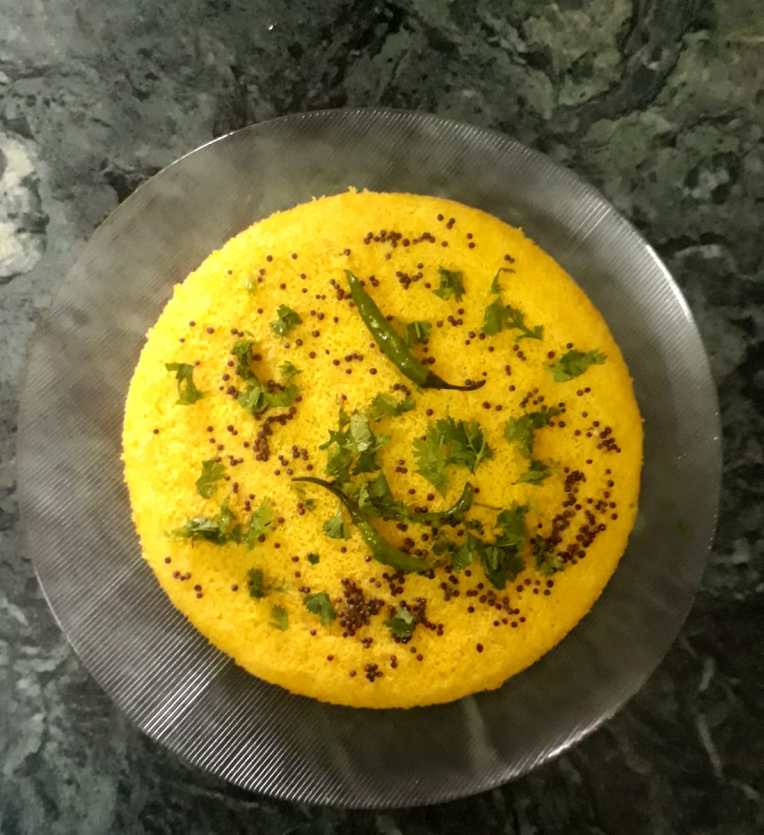
Recipe of Dhokla with hidden herbs and nuts

Let’s make every dish tasty and nutritious by ‘hidden’ nutrition of veggies, herbs and nuts.

Check the Recipe made with Iyurved’s secret health ingredient- DAILY NUTRITION spread.

Check more healthy recipes loved by kids.


PRODUCTS:

We are happy to introduce our range of nutritious & tasty kids Ayurvedic foods!!
We know that preparing and feeding healthy foods everyday is a huge task. Even more tough when kids are picky eaters. Kids prefer certain foods and formats. It is not easy to feed kids bitter Ayurvedic herbs, variety of vegetables, fruits, nuts and seeds everyday.
Mixed with Ayurvedic herbs, this unique Ayurvedic spread is an easy solution to feed daily nutrition for Immunity, Brain development, Bone strength and overall-growth to kids without any fuss.

Ayurvedic kids and teen immunity boost chocolate spread by iyurved

India’s First Tasty Kids Nutrition fortified with Ayurvedic herbs.

A natural way to deworm kids, give Kids & Teens Immunity Boost Chocolate Spread | 0% preservatives | 0% refined sugar | 0% Palm oil | Fortified with AMLA, GILOY, TULSI | ORDER |

Check more products for: Immunity, Brain development, Healthy weight, Eye health, Autism, Sleep, Hyperactivity, Acne and Overall growth

(shipping in India and Singapore only)

Join Iyurved group for FREE CONSULTATION

Foods and Remedies by a Nutrition Expert
Read more blogs

Understanding the role of Prebiotics in foods for Health

Prebiotics in foods are a type of dietary fiber that humans cannot digest but the gut bacteria can. Prebiotic is a source of food for your gut’s friendly bacteria. It is a food which does not get fully digested in the body and reaches the large intestine (commonly known as GUT). The good bacteria in the large intestine eat this food and flourishes. Good bacteria multiply and win over the bad bacteria (disease causing). This allows your gut bacteria to produce nutrients for your colon cells, which helps in healthy digestion.

Some of these nutrients include short-chain fatty acids like butyrate, acetate and propionate that are released into blood circulation, consequently affecting not only the gastrointestinal tract but also other distant organs. Prebiotics should not be confused with probiotics. Each have their separate role in the battle for better gut health, where probiotics are the friendly bacteria, prebiotics in foods are food for these bacteria.

WHATSAPP for concerns like Speech Delay, Low Weight, Frequent Illness, Hyperactivity, Low Concentration, Weak Eyesight, Improper Sleep, Pigmentation, Pores, Face Marks, Fine Lines , Lactation etc.

Health benefits of prebiotics in foods

  • Consumption of prebiotics increases the useful gut flora, which synthesize the B complex vitamins.
  • Positive effect on calcium and other mineral absorption, by increasing their solubility.
  • Prebiotic may help reduce inflammation, especially in your intestines, and thereby strengthen the immune system.
  • Prebiotics in foods reduces constipation by maintaining the regularity of bowel movement.
  • It also may help with allergy prevention and symptoms of eczema.
  • Helps in maintaining healthy hormone levels. Prebiotics help your body absorb essential nutrients that help in building hormones.
  • Prebiotic are fiber and eating lots of fibrous food keeps you full for a long time, thus prebiotics in foods are great for weight loss.

Also check, What are some foods for healthy gut?

Food sources of prebiotics:

Moong Daal (Mung Bean):

It is an outstanding prebiotic. It has been used in Ayurveda for over 1000 years to make medicine for digestion. Other than being a food for the bacteria in the Gut, it is the most powerful antioxidant amongst all lentils, and is also loaded with many micro-nutrients. Mung bean is also extremely high in Protein, which digests slowly and keeps the kids energetic and Fit.

Due to these powerful results, billion dollar companies in the west are moving to Moong Daal (Mung bean) to prepare plant-based non-veg. protein which is more nutritious than original. (What are other easy protein sources for kids?) Soaked Mung beans can be cooked for a longer while with extra water into a soup or blended into a paste of Dal for small kids. It’s so rich in good bacteria and fiber that it helps in easy digestion and manages gas, colic, and bloating in kids. Without removing the cover of the mung bean, it can be prepared as Khichdi (porridge), Wrap, Cheela (pancake), Dosa or a paste to add in bread dough for all age-groups.

Also check, Easy mung bean recipe

Garlic:

Garlic is a prebiotic that is naturally high in inulin, a type of non- digestible carbohydrate that feeds the good bacteria in your gut and restrict disease causing bacteria from growing at the same time. Pickled garlic is best for kids’ gut health.

Also check,Easy to feed Omega-3 for kids brain development

Onion:

It has prebiotic effects which strengthen gut flora, that help with fat breakdown and boost your immune system and improve digestion. Onion is also rich in antioxidants called flavonoids quercetin which help fight free radicals. Onion is also rich in vitamin C, B vitamins like folate (B9), pyridoxine (B6) and potassium, which aids in metabolism, red blood cell production and nerve function.

Also check,Home remedy to cure cough using onion?

Banana:

Apart from being rich in nutrients like potassium, magnesium, calcium and Vitamin B9, it also has prebiotic effects and a small amount of inulin. Banana is high in fiber and prebiotics, both of which support smooth digestion.

Also check,7 super nutritious foods for weight gain

Barley:

Barely is one of the most popular cereal grains. It contains beta-glucan which is a prebiotic fiber that promotes the growth of good bacteria in your digestive tract. Barley is also rich in selenium, this helps with thyroid function. It has antioxidant properties as well which boost the immune system of the body.

Also check,Easy pizza recipe using millets

Sprouted grains:

The concentration of fiber increases in sprouted grains. Fiber is one of the most important components for maintaining gut health. Fiber nourishes the good bacteria in the gut and promotes elimination and detoxification of the colon.

Also check,What is the need to sprout grains?

Apple:

Apple has outstanding health benefits as it is rich in fiber, vitamin c, antioxidants and potassium. It has pectin, a type of soluble fiber, which has prebiotic effects and promotes healthy gut microbiota. Pectin increases butyrate, a short chain fatty acid that feeds beneficial gut bacteria and decreases the population of harmful bacteria.

Also check,Benefits of apple and banana for kids

Cocoa:

Cocoa contains prebiotic fibers that activate good bacteria. Researchers found that cocoa can promote friendly bacteria and helps to reduce inflammation in the gut. Cocoa contains zinc, iron, copper, and vitamins like vitamin A, vitamin B12 and vitamin K which also relaxes arteries and increases blood circulation.

Also check, More benefits of cocoa powder


PRODUCTS:

Fix your GUT with these Quick, Easy and Tasty PREBIOTIC Gut Drinks! This flavorful range of prebiotic gut friendly drinks helps with  Digestion, Constipation, Brain development, Allergies, Immunity, Hormonal balance, Acidity and Bloating and even more! Grab yours. NOW!

India’s First Tasty Kids Nutrition fortified with Ayurvedic herbs.

For Improving the gut health| Family PREBIOTIC GUT DRINK | Made with Guar Beans | Prebiotic Fiber | Plant Sweetener | 0% preservative | 0% Artificial Colour | 100% Natural | No refined sugar | ORDER |

Available in 2 Flavours: LEMON and ORANGE

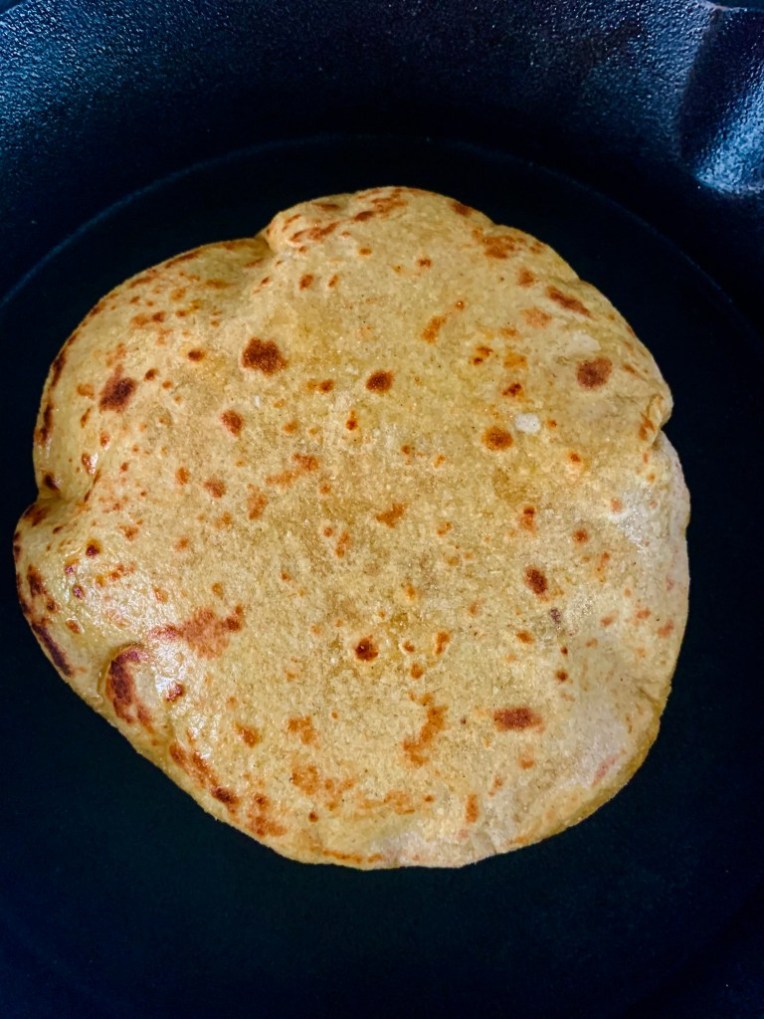
Recipe for Paneer Paratha with hidden radish, herbs and nuts

Let’s make every dish tasty and nutritious by ‘hidden’ nutrition of veggies, herbs and nuts.

Radish paratha recipe by Iyurved

Check the Recipe made with Iyurved’s secret health ingredient- DAILY NUTRITION spread.

Check more healthy recipes loved by kids.


CHECK MORE PRODUCTS FOR:

Immunity, Gut health, Digestion, Weight, Brain development, Speech delay, Epilepsy, Eye health, Hormones, Sleep, Hyperactivity, Bones and Overall growth

what is the down's syndrome

Read more blogs

What are Probiotics foods for Gut Health?

What are probiotics foods? Probiotics are live bacteria naturally occurring in food that are good for you, your digestion and your GUT. According to a study, there are approximately 300 trillion bacteria living inside your body. Most of them reside in your gut and majority of them are quite harmless, some are helpful and a small number of them cause diseases. Whenever you get an infection, it is a sign that bad bacteria are affecting your system out of balance. At this point of time good bacteria helps in eliminating those bad ones and maintaining the balance of good bacteria again. Probiotics are the best way to flourish good bacteria in your body.

Most people consider bacteria to be a negative word. They thought that bacteria only made you sick. But Probiotics are those good bacteria that help you fight off diseases causing bad bacteria and restore the balance of both. Food habits, lifestyle and antibiotics, all of them impact the gut health of your body. Your body loses good bacteria when you fall sick and take antibiotics. At this time probiotics can help to maintain the amount of good bacteria in the gut again. The two specific types of bacteria found in probiotics are Lactobacillus and bifidobacterium. Probiotics also promote the production of natural antibodies in the body. There is no recommended daily intake for probiotics, so there is no way to know exactly what quantity is best. Therefore, add as many probiotic rich foods to your daily diet as you can.

Also check, Antioxidant rich foods that kids must eat everyday

WHATSAPP for concerns like Speech Delay, Low Weight, Frequent Illness, Hyperactivity, Low Concentration, Weak Eyesight, Improper Sleep, Pigmentation, Pores, Face Marks, Fine Lines, Lactation etc.

What are probiotics foods benefits:

  • Balance the friendly good bacteria in the gut and improve digestion.
  • Helps in stomach discomforts such as gas, bloating, diarrhea, constipation, heartburn and stomach ache. It reduces the risk of severity of diarrhea from a number of different causes.
  • Research shows that taking probiotics on a regular basis improves the symptoms of mental health disorsssders like depression, anxiety, stress etc.
  • Probiotics may reduce the symptoms of eczema, by restarting the disrupted immune system.
  • Probiotics build your immunity by boosting immune cells and reduces the risk of respiratory infection.

Also check, More foods that build immunity?

What are probiotics Foods

Yogurt:

Yogurt is one of the best sources of probiotics, which helps in strengthening the digestive tract and promotes gut health. It is high in protein, calcium, vitamins and probiotics which can enhance the good bacteria in the gut. Yogurt is the best food for kids’ gut health.

Also check, Foods and remedies to manage skin rashes?

Kefir:

Kefir i a fermented milk drink similar to a thin yogurt that is made from kefir grains, which are high in good bacteria. The process of making is similar to yogurt, but the fermentation process in Kefir is for 24 hours. The result is not a sour curd, but rather a tasty one. You can also load it up with nuts, seeds and berries to make a shake high in antioxidants, probiotics and prebiotics.

Also check, Recipe of kefir with hidden fruits, nuts and seeds

Fermented food:

People have been using fermentation techniques from ages to boost food’s shelf life and to increase its nutritive values. It’s a process through which microorganisms like yeast and bacteria convert the carbohydrates in the food to acids, which act as a natural preservative and promotes the growth of good bacteria. They are the best food to treat digestive disorders. Some fermented foods are kimchi, made from fermented vegetables such as radish and cabbage; it’s a popular Korean dish. Miso is a Japanese seasoning, made from fermented soybeans. Sauerkraut is a traditional food of Europe and made from fermenting finely chopped cabbage. Traditional buttermilk is the leftover liquid you can get during the making of butter and contains lots of probiotics. Buttermilk is one of the famous probiotics foods in India.

Also check, Recipe of cauliflower pizza

Cheese:

Cheese is good for kids’ gut health. There are many kinds of cheese which are prepared by fermentation, but all do not contain probiotics. Only soft cheeses made up of unpasteurized milk, such as cheddar, mozzarella and Swiss are rich in probiotics. The longer the cheese ages the more beneficial bacteria develops in it for your gut health.

Also check,Which cheese is better to consume?

South Indian cuisine:

It’s good news for you, if you love south Indian foods like idli and dosa, as most of the south Indian dishes are rich in probiotics. Idli, dosa and other such foods are prepared by fermenting rice and lentils, which increases the bio-availability of its minerals and helps the body to easily absorb the nutrients. They are the best food to take while having digestive issues.

Also check,Recipe of millet Upma/ meal

Dark chocolate:

It contains both probiotics and prebiotics (food for good bacteria). Dark chocolate is rich in cocoa which is loaded with zinc, iron, copper, vitamins A, vitamin B12 and vitamin K which also relaxes arteries and increases blood circulation.

Kanji:

Kanji is a popular Indian fermented drink. It is one of the probiotics foods in India, which contains lots of gut friendly bacteria (probiotics) which aids in digestion and reduces bloating, gas and promotes a healthy gut. It has a tangy, spice and tart flavor. In India, it is used as a detox drink after festival binge eating, which helps in digestive issues. However, there are many ways of making kanji, the most popular is carrot kanji. It is made by fermenting carrots along with salt, mustard seeds and asafoetida (heeng).

Also check, Summer drinks for kids that are nutritious


PRODUCTS:

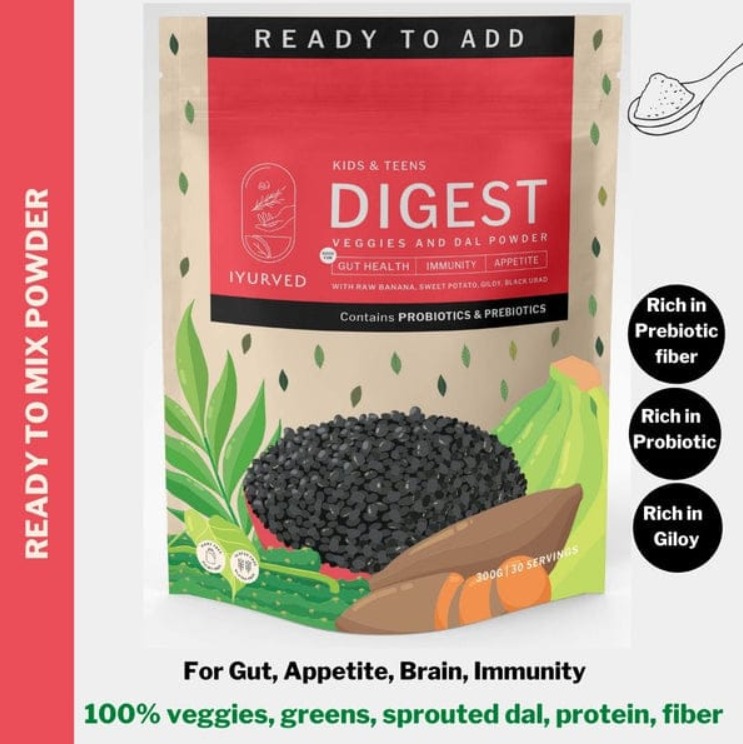
Make it EASY to feed a daily dose of high fiber veggies and dal, prebiotic fibre and probiotic to the child. 1 serving of Veggies and  Dal powder equals 30-50g of fresh food.  Excellent for child’s good Gut health, Immunity, Brain Health, Appetite, Healthy Weight. Get yours now!

2 spoons = 40-50% Fiber required for the day. Guaranteed 5 Lakh units of Bacillus coagulans probiotic in every serve. 100% veggies + greens + sprouted dal.

India’s First Tasty Kids Nutrition fortified with Ayurvedic herbs

For Improving Gut Health and Digestion| Give Digest Veggies and Dal powder | Rich in Prebiotic fiber and Probiotic | Made with 100% veggies, greens, sprouted dal | 0% preservative | 0% Artificial Colour | 100% Natural | No refined sugar | ORDER |


CHECK MORE PRODUCTS FOR:

Immunity, Gut health, Digestion, Weight, Brain development, Speech delay, Epilepsy, Eye health, Hormones, Sleep, Hyperactivity, Bones and Overall growth

foods for breast milk

Read more blogs

Teething Symptoms in Babies: Teething and Diarrhea

It is a matter of joy to see your baby’s first tooth. But teething is a difficult and uncomfortable phase for kids as well as for parents. Kids become super fussy and refuse to eat or drink milk because of gum irritation. There are many teething symptoms in babies such as gum swelling and pain, drooling, biting, crying, gagging, pulling ears, facial rashes and refusing to eat. Lots of parents connect teething with diarrhea. However, there is no such evidence that can justify that teething and diarrhea are correlated. According to American academy of pediatrics, teething does not directly cause diarrhea. Babies can experience it due to many different factors other than teething. It is just a surrounding myth that teething and diarrhea are related or teething causes diarrhea.

WHATSAPP for concerns like Speech Delay, Low Weight, Frequent Illness, Hyperactivity, Low Concentration, Weak Eyesight, Improper Sleep, Pigmentation, Pores, Face Marks, Fine Lines, Lactation etc.

teething symptoms in babies

Biting and sucking: This is one of the most common teething symptoms in babies. You can notice that your baby is biting and sucking everything in hand. For them, it is a way to soothe gum irritation.

Gum pain: Eruption of teeth is a painful process. Sensitive and swollen gums can make your baby fussy.

Increased saliva: Babies chew, bite and drool more during teething phase. You may see a baby’s shirt wet all the time. This is one of the teething symptoms in babies

Facial rash: Constant moisture of drool may irritate baby’s skin and cause rash around the mouth.

Body temperature: Teething can raise body temperature slightly. But above 100.4 F is not one of the teething symptoms in babies, and you should consult a doctor.

Reasons for diarrhea during teething

Introduction of solid foods: Usually teething starts around 4-7 months of age. It is the time when babies get introduced to solid foods. This can cause a change in their bowel movement and leads to diarrhea. Infant’s digestive system is immature and it takes time for kids to adjust with new foods, which may cause a change in their stool and parents generally connect it with one of the baby teething symptoms. (What to feed when baby begins solids?)

Tend to put everything in mouth: The chances of bacteria entering the body are extremely high as during this phase kids tend to put everything in the mouth, which may also lead to diarrhea. Due to constant gum irritation, babies generally reach out for different objects, to put in the mouth. These objects could have germs or are not necessarily clean and this can be a cause of diarrhea during teething. It’s not one of the baby teething symptoms actually.

Immunity Fact: Babies immune system is much stronger immediately after birth than at the age of six months. Around this time the baby starts losing the antibodies he/she got at the time of birth and may experience unrelated ailments or infections which can cause diarrhea. This is the time when a baby’s underdeveloped immune system needs a boost up to fight against disease causing bacteria. (Immunity foods for babies during 6 months)

Tips to be followed during Diarrhea

Maintain hygiene: The most important thing is to maintain a hygienic surrounding when you notice some of the teething symptoms in babies. The process of teething causes gum irritation and in an attempt to soothe sore gums babies put things or a teething toy in their mouth. If these objects are not cleaned regularly, it can be an invitation for germs and microbes to enter their body which leads to many infections including diarrhea.

Rehydration: Rehydration is the process of restoring lost water or fluid to the body. The World Health Organization (WHO) and UNICEF recommended Oral Rehydration Salt (ORS) as essential for clinical treatment of acute diarrhea. ORS treats dehydration caused by severe diarrhea through the replacement of lost fluid, salt, sugar, potassium and other nutrients. Ask your doctor about what type and quantity of ORS to be used.

Diet: Your kid’s diet is the main concern you should take care of during teething and diarrhea. If your baby is on breastfeeding or formula, increase its frequency is necessary. At least half of the dietary energy comes from foods other than milk. If your baby is above 6 months, you can give mashed banana, yogurt, potato, carrots, moong dal/mung bean soup and rice water.  All these foods can help to aid diarrhea. (How to make mung bean soup?)

Developing immunity: To boost up your baby’s immunity to fight infections just stick to breastfeeding, nutrient rich foods, probiotics and follow their vaccination schedule.

When to consult a doctor?

Mild symptoms of diarrhea can be treated at home with these precautions. However, if your child develops any of the below mentioned symptoms, consult your paediatrician.

  • If diarrhea persists for more than a week.
  • Vomiting along with diarrhea.
  • Severe stomach pain.
  • Increase in baby’s body temperature more than 101 degree Fahrenheit.
  • Blood in stool.
  • If the baby is losing weight.
  • If there are symptoms of dehydration in a baby.

Foods to overcome Diarrhea

Besides keeping your baby hydrated, it is also important to take care of their diet. Offer small meals to your baby at regular intervals. Foods rich in carbohydrates help to maintain the energy level of the body during diarrhea. Potassium rich foods are also important, which may be lost in large quantities through diarrhea. Here is the list of foods that you can offer to your baby during diarrhea:

Breast milk (0+ month):

Breast milk passes antibodies from mother to the baby to fight against infections such as diarrhea. It is also a great source of probiotics (gut friendly bacteria) for babies, which contributes to the establishment of the infant’s gut microbiota. (How to heal the gut of the child?)

Banana (6 months+):

It is best to give during diarrhea as it helps to harden the stool. Banana is the rich source of potassium, which helps to balance electrolytes lost due to frequent loose motions. It is a rich source of iron and fiber which contributes to a healthy digestive tract. It is a superfood which can be used as a complete plant to treat digestion. (How to use banana stem in food everyday?)

Carrots (6 months+):

Carrots are rich in iron, calcium, vitamin A and fiber. It helps in adding bulk and binds the stool which helps in diarrhea. Go for steamed mashed or pureed carrots for your little one. (Prebiotics for kids to help with digestion?)

Nutmeg (6 months+):

Nutmeg or Jaiphal has antimicrobial and anti-inflammatory properties, which helps to reduce microbial infection and reduces the intestinal inflammation. It also has anti-secretory components which helps to reduce the loss of fluid from the body during diarrhea. You can make the powder by rubbing nutmeg on the stone grinder. Give your baby a pinch of this powder with some water. This is also great to treat cold and cough. (Foods and remedies to help with cold and flu)

Rice water (6 months+):

Rice water is starchy water left after rice is cooked. It is a great source of energy, as it contains carbohydrates. It also maintains the fluid level of the body and decreases the frequency of stool.

Moong dal (mung bean) (6 months+): 

Mung bean (Moong dal) is an outstanding prebiotic,which helps to maintain gut health. Rich in both soluble and insoluble fiber, It helps in digestion and adds more bulk to stool. It is extremely high in Protein, which digests slowly and keeps the kids energetic.(Why to sprout beans for kids?)

Sabudana (sago) (7 months+):

Sabudana is a rich source of carbohydrates, protein, vitamin K, calcium and potassium. It helps to retain fluid in the intestine and to thicken loose motions, hence control the frequency of bowel movements.

Buttermilk (7 months+):

Buttermilk is rich in calcium, vitamin D, vitamin B12, protein, carbohydrates and low in fat. It has great probiotics properties that help to increase the production of good bacteria in the digestive tract, which improves kids gut health, boosts immunity and prevents acidity. It helps to ease the discomfort in the digestive tract. (Nutritious summer drinks for kids keep hydrated)

Boiled potato (8 months+):

Potatoes are easy to digest and best to give your baby during diarrhea as it is high in carbohydrate and provides adequate energy that is lost during loose motion.

Coconut water (8 months+):

It is a good source of vitamin C, magnesium, calcium, potassium, fiber and natural enzymes, which promotes proper digestion. It is rich in nutrients and electrolytes, which makes it an excellent choice to control dehydration. (Coconut remedy for cough for kids)


PRODUCTS:

Make it EASY to feed a daily dose of vegetables, greens, dal, and prebiotics and probiotics. 1 serving of Veggies and  Dal powder equals 30-50g of fresh food. Helps to provide daily nutrition for Immunity, Brain, Digestion, Bones, Healthy Weight, Height, Eye health and Growth. Get yours now!

India’s First Tasty Kids Nutrition fortified with Ayurvedic herbs

For Dental Health and Kids with Nutritional Deficiencies| Give Daily Nutrition Veggies and Dal powder | Rich in Calcium, Vitamin D, B12, Iron | Made with 100% veggies, greens, sprouted dal | 0% preservative | 0% Artificial Colour | 100% Natural | No refined sugar | ORDER |


CHECK MORE PRODUCTS FOR:

Immunity, Gut health, Digestion, Weight, Brain development, Speech delay, Epilepsy, Eye health, Hormones, Sleep, Hyperactivity, Bones and Overall growth

foods for breast milk

Read more blogs:

Apple and Banana benefits for Kids

apple and banana benefits

There is a famous children’s rhyme- I like to eat eat eat Apple and Bananas…which too agrees to the power of these fruits. Eating an apple and banana benefits child’s health in many ways. Just one each of these fruits can meet over 50% Fibre and Vitamin C requirement for the day, solving for Digestion and Immunity.

Our body neither produces nor stores vitamin C. Hence it becomes imperative to consume it everyday. It is a powerful antioxidant which protects the body against free radical damage that can lead to serval diseases in the long run. Vitamin C is also important for the formation of collagen protein which is found in skin, bones and teeth. Deficiency in Vitamin C can lead to susceptibility to infections, aging, bleeding gums and slow healing.

WHATSAPP for concerns like Speech Delay, Low Weight, Frequent Illness, Hyperactivity, Low Concentration, Weak Eyesight, Improper Sleep, Pigmentation, Pores, Face Marks, Fine Lines , Lactation etc.

Benefits of eating apple daily:

Apples should be mashed or steamed or blended for consumption but never juiced. All the fibre of the fruit is strained out when it is juiced. The polyphenols present in the skin of the apple are also separated out while juicing. Polyphenol is an antioxidant which helps to fight diseases. In simple words, it will balance the negative impact of consuming other fast-foods. Several studies reveal the benefits of consuming 400mg of this compound to work its magic on making body healthy and disease free. Hence, always consume an apple with the skin. 1 Apple provides roughly 400mg of Polyphenol, which is enough for the day.

Finally, another important benefits of eating apple daily is that in addition to fibre and vitamin C, apple also has a compound Quercetin which favors Brain health and impacts better memory and cognitive ability in kids.

What are benefits of eating banana?

Banana is high in fiber and prebiotics, both of which support smooth digestion. It contains potassium which is an essential mineral required for heart health and is rich in pectin( a type of fiber) that helps in regulating blood sugar levels.

APPLE AND BANANA BENEFITS:

Both fruits are a rich source of natural fiber. The moment you remove the skin of the apple, you reduce the fiber by 50%. Kids needs 15-20g of fiber based on their age/ weight. One apple with skin can give roughly 5g of fiber. One banana has 3g of fiber. Kids nowadays consume 1/10th fiber of what was consumed centuries ago. Processed, easy-to-gulp food has taken priority. This has resulted in extreme digestion issues.

apple and banana benefits for kids

Mostly kids enjoy eating apple and banana for their snack. They are the easiest source of added fiber and Vitamin C along with varied nutrients in daily diet. In addition to fighting infection, Vitamin C also helps in absorbing Iron in the body. Iron is important for high energy levels as it helps in blood production in the body (haemoglobin).

These fruits also help in keeping kids full for a longer duration due to high fibre content. This way apple vs banana benefits with weight loss for kids who are over weight or obese by controlling the prevalent binge eating trend in kids nowadays.


Recipe for Apple and Banana Muffins (with hidden herbs and nuts)

Let’s try to make every food a child wants to eat more tasty and nutritious with (hidden) fruits, veggies, herbs and nuts.

apple and banana benefits

Check the Recipe made with Iyurved’s secret health ingredient- DAILY NUTRITION spread.

Check more healthy recipes loved by kids.


Products

It’s no SECRET that following an Ayurvedic lifestyle has numerous advantages. This unique collection of Ayurvedic spreads is an easy solution to feed daily nutrition for Immunity, Eye, Brain development, Bone strength and overall growth to kids without any fuss. To know more about kid’s ayurvedic foods –SHOP HERE.

India’s First Tasty Kids Nutrition fortified with Ayurvedic herbs.

If your child is underweight according to his/her age or has less appetite, you can give Kids and Teens WEIGHT Savoury Spread | 0% preservative | 0% Palm oil | 0% Refined sugar | Made with Ashwagandha, Mulethi, Turmeric, Shalaki, Brahmi | ORDER |


CHECK MORE PRODUCTS FOR:

Immunity, Gut health, Digestion, Weight, Brain development, Speech delay, Epilepsy, Eye health, Hormones, Sleep, Hyperactivity, Bones and Overall growth

what is the down's syndrome

Read more blogs: