How to lighten dark lips: 8 DIY ways for lip care!

how lighten dark lips

Dark lips? Well, don’t worry, you’re not alone. But if you are worried about how to lighten dark lips, this read is for you. Your lips are much more sensitive as compared to your body’s skin. They require extra care.

Generally speaking, the color of the lips varies from person to person. But if your natural lip tone turns out to be darker then some lifestyle changes are required. Your lips speak a lot about your habits, health and lifestyle.

There are various factors that affect the change in lip color. In this article, we have mentioned various potential causes of lip darkening. Moreover, now you will be able to treat these dark lips with the help of kitchen superstars. (Kitchen superstars to reduce dark circles)

Causes of dark lips:

Having dark lips is typically a harmless condition. It is nothing but excess production of melanin in that area which causes darkening also known as Hyperpigmentation. Following are the underlying causes-

How to lighten dark lips:

There are multiple ways of treating or reducing the pigmented lips. Everyone wishes for red lips. Apart from the cosmetic procedure, here are a few effective home remedies that will answer your question of how to lighten dark lips. Remember, consistency is the key!

1. Lemon and Sugar:

Lemon has skin lightening properties. It exfoliates and bleaches the skin. Sugar acts as a scrubbing agent. Honey moisturizes the skin.  Take a slice of freshly cut lemon. On it add some sugar and honey. Gently massage your lips for a few minutes. Rest it for a minute or two. Rinse with cold water. If you feel it drying out, apply honey and rinse.

2. Potato:

Potatoes have a naturally occurring compound called catecholase which is responsible for reducing darkness. Rub a slice of potato on your lips. Rest it overnight. Wash with lukewarm water.

3. Milk and turmeric:

Raw milk and turmeric are indeed a great combination to reduce dark lips. It exfoliates the skin and acts as a melanin inhibitor. Mix 1 tablespoon of milk with ½ tablespoon of turmeric. Make a paste and massage the lips. Rest for 5 minutes. Wash clean.

4. Massage with oil:

Coconut, Olive or almond oil are best for lip massaging. It helps in increasing the blood circulation. Also, it has emollient properties and helps in rejuvenating skin. Take a few drops of any of these oils and massage on the lip twice a day. You can also leave the oil overnight and wash with lukewarm water in the morning.

5. Pomegranate:

Pomegranate is a great answer to how to lighten dark lips. It helps reduce hyperpigmentation and restore the natural colour of your lips. Crush or grind pomegranate seeds. Mix raw milk. Make a paste and gently massage your lips. Leave for 5 mins rinse off with cold water. You can also mix carrot or beetroot juice for extra benefits.

6. Cucumber juice:

Cucumber soothes and rejuvenates skin. It has a good amount of vitamin C and antioxidants. Juice half of a cucumber. Refrigerate it. Once cooled, apply it on the lips and gently massage. Leave it for 30 minutes. Rinse well.

7. Rose water:

Apart from soothing and moisturizing the lips, rose water helps in healing the lip. Mix well honey and rose water. Apply this to your lips at least twice a day. Leave it for 15-20 minutes. Wash with cold water. Alternatively, you can mix rose petal paste with honey and milk.

8. Beetroot:

This remedy will give you red lips that you wished for. Apply beetroot paste to your lips. Leave for 15 mins. Rinse with cold water. Apply your choice of lip balm. Repeat twice a day. (5 reasons why you should eat Beet)

How to prevent dark lips formation:
  • Apply sunscreen
  • Quit smoking and tobacco
  • Use good quality cosmetics
  • Stay hydrated
  • Maintain your lips
  • Maintain a good balanced diet
  • Limit caffeine intake
  • Limit Alcohol intake too
  • Avoid allergens
  • Avoid lip sucking
Make your own Lip balm!

If you’re putting a lot of effort in maintaining and achieving red lips, why not try making your own lip balm? Avoid the chemical-based lip balms that do more harm than good. Here’s an easy natural way –

Things that you’ll need:

  • 3-4 tablespoon Beeswax pellets
  • 2-3 tablespoon Shea butter
  • 4 tablespoon Coconut oil (Alternatives can be almond oil, olive oil, grapeseed oil)
  • 10-15 drops Essential oil (Recommended are citrus, lemon. Lavender, peppermint)
  • ½ gram Flavor oil (Optional or alternative)

How to proceed?  

1. Melt beeswax, shea butter and oil in 30 seconds increments in a microwave. Stir well after each one.

2. Add the essential oil or the flavor oil. Microwave for 15 seconds. Mix well.

3. Pour the mixture in a tube or pots of the container of your choice. Make sure to choose a container that makes it easy to apply.

4. Leave it to set. Store in a cool place.

5. Ready to use!

Recipe: Beetroot Cheela

Let’s make every dish tasty and nutritious by ‘hidden’ nutrition of veggies, herbs and nuts.

Check the Recipe made with Iyurved’s secret health ingredient- DAILY NUTRITION spread.

CHECK MORE HEALTHY RECIPES LOVED BY KIDS.

PRODUCTS:

We are happy to introduce our range of nutritious & tasty products for kids!!
We know that preparing and feeding healthy foods everyday is a huge task. Even more tough when kids are picky eaters. Kids prefer certain foods and formats. It is not easy to feed kids bitter Ayurvedic herbs, variety of vegetables, fruits, nuts and seeds everyday.
Mixed with Ayurvedic herbs, this unique product is an easy solution to feed daily nutrition for Immunity, Brain development, Bone strength and overall-growth to kids without any fuss.


how lighten dark lips

India’s First Tasty Kids Nutrition fortified with Ayurvedic herbs.

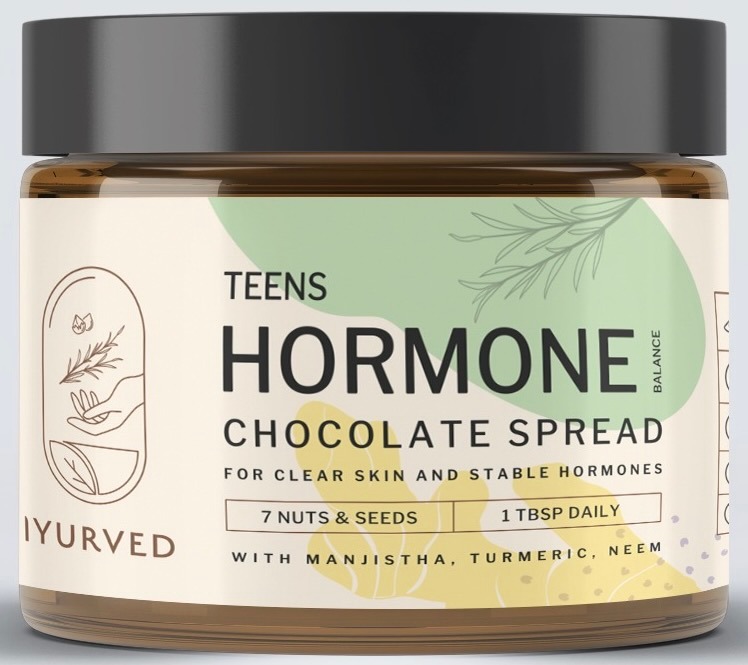
Teens Hormone Balance Chocolate Spread | 0% Preservatives | 0% Refined Sugar | 0% Palm oil | With MANJISTHA, TURMERIC, NEEM | ORDER |

Check more products for: Immunity, Brain development, Sleep (for hyperactive kids), Weight gain, Eyesight, Digestion, Eczema, Dyslexia, Speech Delay and Overall growth.

(shipping in India and Singapore only)


Join Iyurved group for FREE CONSULTATION

Foods and Remedies by a Nutrition Expert

Read more blogs:

Recipe of Oat Chocolate Bar

बच्चों का वजन बढ़ाने के लिए भोजन: 7 अति पौष्टिक आहार

Lactose Intolerance in Kids: Causes, Symptoms & Treatment

Home remedies to remove tan: Types and concerns

पंचामृत के स्वास्थ्य लाभ -Benefits of Panchamrit in Hindi

Home remedies to remove tan: Types and concerns

home remedies to remove tan

Summer and vacations are fun but no one likes to return back having their skin striped like a zebra. Hanging out at the beach or an open pool feels amazing until you realize that you have got two tons of skin! Yes, skin tan it is! But, don’t you worry, there are effective home remedies to remove tan.

Tanned skin is a beauty problem faced by almost every individual including kids too. Scorching heat and the blazing sun rays make your skin appear dull and tanned. Mild exposure to sun is important in the synthesis of vitamin D but excess is harmful. It not only tans the skin but also results in dark spots, premature ageing, loses luster and hyperpigmentation.

Effects of tanning vary according to the skin types. It’s a simple science behind why tanning occurs. Let’s learn more!

WHATSAPP for concerns like Speech Delay, Low Weight, Frequent Illness, Hyperactivity, Low Concentration, Weak Eyesight, Improper Sleep, Pigmentation, Pores, Face Marks, Fine Lines , Lactation etc.

What is tanning and how does it happen?

Tanning is a natural process of the body where it protects the skin from sun damage. Sun exposure increases the production of melanin which leads to tanning or darker skin appearance. (Food for glowing skin)

The sun rays comprise 2 types of the rays i.e., UVA and UVB. UVA is responsible for the sun tan whereas UVB causes skin burn by affecting the upper layer of the skin.

UVA goes deep into the lower layers where it triggers melanocytes cells to produce melanin. The more is the exposure to the UV radiations; more melanin is produced and darker the skins appear. Even though sun tan protects the skin from UV rays, it is a sign of skin damage.

The areas that are most prone to sun tan are: Face, arms, neck, back, hands, legs and feet.

Types of skin tan:

There are different types of tans based on the skin type and reaction to the sun. According to the Fitzpatrick skin prototypes, the tans are classified as below:

Skin Color Sun Exposure reactionsTanning Levels
Pale WhiteEasily burnsDoes not tan
WhiteUsually burnsTans with difficulty
BeigeBurns moderatelyTans uniformly
Light brownBurns hardlyTans to moderate brown
BrownRare burnsTans very easily
Dark brown or blackNever burnsTans profusely
Fitzpatrick skin prototypes

TAN REMOVAL REMEDIES AT Home:

Wouldn’t it be amazing to find a de-tan in your kitchen itself? Tan removal remedies at home by using natural ingredients that do wonders to your skin. Mentioned below are few handy home remedies for tan removal.

Tomato:

Tomato is a rich source of lycopene, antioxidants and vitamin C. The former acts as a natural sunscreen and the latter two accelerates the collagen growth and prevents the skin from sunburn and pollution. Moreover, it helps in regeneration of cells. It’s also considered as of the easiest home remedies of sunburn.

Take a slice of tomato. Add some sugar to it. Rub on the skin gently.  Leave for 10-25 mins. Rinse.

Also check, Antioxidant rich foods

Gram Flour and turmeric:

This is considered as one of grandma’s best home remedies to remove tan. Gram flour is responsible for skin exfoliation, lightening and anti-ageing. It is also used to remove tan from neck, arms, hands and legs. Turmeric is believed to have skin lightening properties and also have antiseptic and antibacterial properties.

Mix 2 spoons of gram flour, 1 spoon of turmeric, 1 spoon of raw milk, ½ spoon of honey and 1-2 spoons of lemon juice. Apply this paste on the affected areas. Scrub well. And then rinse off. Pat dry and apply Aloe Vera gel.

Also check, Honey turmeric balls

Papaya:

It is one of the ideal de-tan remedies. It contains an enzyme papain, which helps in skin lightening. Mash a slice of papaya and mix well with 1 tablespoon of honey. Apply on the skin and leave for 20 mins. Wash well.

Potato and Lemon Juice:

Both lemon and potato juice have bleaching properties. It helps effectively in removing tan. Care must be taken that lemon juice must always be used in the diluted form. If you are using any citrus product on the skin, don’t forget to apply sunscreen while stepping out.

Mix potato and lemon juice. With a cotton swab apply it to affected areas and massage well. Leave it for 30 mins. Wash well. You can also add sugar for mild scrubbing action.

Also check, Oily skin home remedies

Honey and curd:

Honey has anti-inflammatory and anti-bacterial properties. Besides, the antioxidants present helps to heal the sun damage. Similarly, the natural acids present in the curd act as a bleaching agent. It exfoliates the skin. Together, they make the skin light, soft and supple.

Mix 2-3 tablespoons of curd with 1 tablespoon of honey. Mix and apply as a thick layer. Rest it for 10-15 mins. Wash with lukewarm water.

Also check, Home remedies for dry skin

Oatmeal and buttermilk:

Oatmeal exfoliates and cleanses the skin while buttermilk helps in removing the tan. It improves the skin tone and softens the skin too.

Soak 3 spoons of oatmeal for 15 minutes. Add 2-3 spoons of freshly made buttermilk. Add 1 tablespoon of honey. Mix well. Apply on the face. Rub in circular motion. Leave it for 15-20 minutes. Rinse well with lukewarm water.

Aloe Vera:

Aloe Vera is almost used to treat every skin complexion. On the whole, it has anti-inflammatory properties that helps sooth skin that is tanned. It lightens the skin and protects it from damage caused by UV radiations.

Apply the aloe vera gel overnight. Rinse well in the morning.

Cucumber And Milk:

Cucumber is a rich source of vitamin C and antioxidants. It aids in skin rejuvenation, eliminating tan, soothes skin and keeps the skin clean. Whereas milk helps in skin brightening and lightening. Moreover, together they act as an effective de-tanning remedy.

Blend cucumber juice and raw milk. Apply on the skin and leave for 20 mins. Wash well.

Also check, Dark circle home remedies

Fuller’s earth:

This has been an ancient home remedy to remove tanning. It soothes the burn and makes the skin radiant.

Mix Multani Mitti (Fuller’s earth) and rose water. Make a smooth paste. Apply a layer on the affected skin. Let it dry. Wash with warm water.

How long do tans last?

Usually, the lifespan of the tan is decided based on the skin type. The frequency of skin regeneration also affects tan’s lasting time. Generally speaking, it lasts for around 8-10 days. After that the outer layer of the skin begins to shed off naturally, thus removing the tan.

How to protect sun tan:

  • Apply and reapply sunscreen after certain intervals
  • Use sunglasses and hats
  • Wear protective clothing
  • Stay hydrated
  • Seek shades if possible
  • Exfoliate your skin at regular intervals if you’re exposed to sun for a longer time

Both UVA and UVB rays may cause severe skin issues if the skin is exposed to this radiation to a greater extent. UVA goes deeper inside the skin and may damage a person’s immune system. It leads to a type of skin cancer called Melanoma. Correspondingly, UVB exposure increases the danger of causing other 2 types of skin cancer namely, basal and squamous cell carcinoma.

Exposure to UVB rays also increases your danger of getting two other types of skin cancer: basal and squamous cell carcinoma.

It is always recommended to protect your skin from these radiations. 


PRODUCTS:

It’s no SECRET that following an Ayurvedic lifestyle has numerous advantages. This unique collection of skin care product for adults is an easy solution to various skin related problems. Made with Proven Ingredients. No Silicone, No paraben, No sulfate. To know more about this product SHOP HERE

For Reducing Tan, Pigmentation, Pores, Acne and Spots on Face | Use Ready Steady Glow Guava Botanical Face Drops | Made with GUAVA, ALOE VERA, PAPAYA, SAXIFRAGA PLANT, RICE PROTEIN | 100% Natural | Sulfate-Free | Paraben & Silicon-Free | ORDER


CHECK MORE PRODUCTS FOR:

Immunity, Gut health, Digestion, Weight, Brain development, Speech delay, Epilepsy, Eye health, Hormones, Sleep, Hyperactivity, Bones and Overall growth

what is the down's syndrome

Read more blogs:

Top 6 dry and itchy scalp remedies at home!

itchy scalp remedies home

Do you ever notice yourself scratching your head continuously irrespective of the time of the year? Or did you ever notice something falling like a snow fall on your favorite sweatshirt?  I would be lying if I said that is not frustrating. This pesky situation is something that we all would rather avoid. Itchy scalp remedies at home work best if you are consistent with them.

Itchy and dry scalps have a wide range of causes. There is a small difference between dandruff and dry scalp. Even though they might have the same symptoms of flaky skin, one is due to excess oil production and the latter is because of dryness.

Shedding of the top layer of the skin is often unnoticed. Usually, cells shed one at a time but inflammation thus, shed clumps of cells which are visible to us in the form of flakes. Seborrheic Dermatitis is a skin condition which causes dandruff, redness, scaly, scratching and inflammatory scalp. In infants, this condition is called Cradle crap.

WHATSAPP for concerns like Speech Delay, Low Weight, Frequent Illness, Hyperactivity, Low Concentration, Weak Eyesight, Improper Sleep, Pigmentation, Pores, Face Marks, Fine Lines, Lactation etc.

Symptoms of itchy and dry scalp:

Itchy and dry scalp may be a little scratchy at times. Few symptoms mentioned below can accompany itchy and dry scalp-

  • Dry skin
  • Redness
  • Patches
  • Irritated scalp
  • Sores scalps
  • Greasy skin
  • Dandruff
  • Itching
  • Yellow or white scales

Causes of itchy and dry scalp:

The potential causes of itchy and dry scalps are mentioned below. It can be either the cause or a combination. Few medical conditions can also be one of the reasons. 

  • Malassezia – Dandruff causing Yeast overgrowth
  • Allergies
  • Stress and anxiety
  • Dry air
  • Age
  • Genetics or hormone
  • Too much washing and use of extreme hot waters
  • Hair care Products
  • Weather Changes
  • Contact dermatitis
  • Head lice
  • Scalp psoriasis

Dry and itchy scalp remedies at home:

Sometimes even the simplest habit of drinking enough water or washing your hair on time works as a remedy. Here are a few simple and non-messy remedies that you can definitely try at home.

Apple cider vinegar (ACV):

Antimicrobial properties of ACV help in eliminating the bacteria and fungus, the main cause of this scalp condition. Moreover, it also exfoliates and treats the scalp. Reduction in inflammation is an added benefit.

Mix 1:2 parts of ACV: water. Apply directly to the scalp. Rest it for 5 mins. Wash normally.

Coconut Oil:

Coconut oil is one of the safest itchy scalp remedies at home. It is antifungal, antibacterial and an effective moisturizer too.

Heat coconut oil. Cool it a bit and apply directly to the scalp. Massage well. Leave overnight and wash normally.

Mashed bananas:

Bananas improve hair health and reduce the dry scalp symptoms by moisturizing and clearing up the bacterias.

Mash the bananas and mix well with coconut oil (You can use other oils also). Apply to the roots of the hair and scalp. Leave it for around 15 mins and wash well.

Essential oils:

Essential oils have a great potential in treating a lot of hair and skin problems. It is one of the greatest tips for hair care. They have antifungal, antibacterial, antiseptic and antibiotic properties too. Tea tree oil, peppermint oil, avocado, jojoba and lemongrass oil are a few to mention.

You can mix a few drops of any of these oils with a carrier oil such as coconut or olive oil. Massage it on your scalp. Leave it for 10-15 minutes and wash thoroughly. DO NOT USE CONCENTRATED ESSENTIAL OILS.

Egg and yoghurt:

Yoghurt exfoliates and soothes the scalp while eggs nourish and protects it. People with allergies need to be aware before application.

Beat the egg properly. To it add plain yoghurt and mix well. Apply to hair and scalp. Massage well. Leave for 10-25 minutes. Rinse with cold water.

Aloe Vera:

Aloe vera is an all-rounder. It reduces skin inflammation, scaliness, itching, irritation and moisturizes the skin too.

Apply fresh Aloe Vera gel to the scalp. Rub a little. Rest for a good 20 minutes and wash off normally as you would.

Foods to reduce itchy and dry scalp:

Internal health reflects in your skin and hair. A lot of foods may affect your scalp health. Talking about the tips for hair care, It is always better to avoid high sugar foods, alcohol and smoking. Sharing a few foods, if consumed along with proper cleaning of hair, may help in reducing itchy and dry scalp.

Foods rich Omega-3 fatty acids:

Fatty fish such as salmon, flaxseeds, soybean, canola, sunflower seeds, pumpkin seeds and walnuts are rich sources of Omega-3 fatty acids. They help in keeping the skin healthy, glossy and hydrated. Along with this, they also reduce the inflammation of the skin.

Gut healthy foods:

Probiotic foods play an important role not only in maintaining the scalp health but overall health too. Consumption of Greek yoghurt helps in increasing the blood flow as it contains pantothenic acid.

Citrus Fruits:

Itchy scalp remedies at home must include vitamin C. Fruits such as amla, lemon, orange, mandarin are rich in vitamin C and other antioxidants that help to strengthen hair follicles, reduce oxidative stress, dandruff and other fungal infections. It promotes scalp circulation and stimulates healthy hair growth, both in terms of length and volume.

Iron rich foods:

Iron helps to circulate oxygen to our body & our tissues. Hence, the lack of it may compromise hair health and also causes other problems like fatigue, shortness of breath and dry & damaged skin. High protein rich foods include tofu, beans, legumes, dark leafy greens, poultry, fish, nuts and seeds.

Antioxidants:

Antioxidants such as green tea or vitamin E helps in reducing the oxidative stress on the scalp. It is anti-inflammatory, traps moistures and repairs the scalp.

Vitamin A rich foods:

Vitamin A rich foods include carrot, sweet potato, eggs and dairy products. Apart from being good for eye food it helps alleviate dull, itchy and dry scalp. Moreover, it also helps in sebum oil production of the scalp which helps in treating dry and itchy scalp. 


Product:

It’s no SECRET that following an Ayurvedic lifestyle has numerous advantages. This unique collection of Ayurvedic spreads is an easy solution to feed daily nutrition for Immunity, Eye, Brain development, Bone strength and overall growth to kids without any fuss. To know more about kid’s ayurvedic foods –SHOP HERE.

India’s First Tasty Kids Nutrition fortified with Ayurvedic herbs.

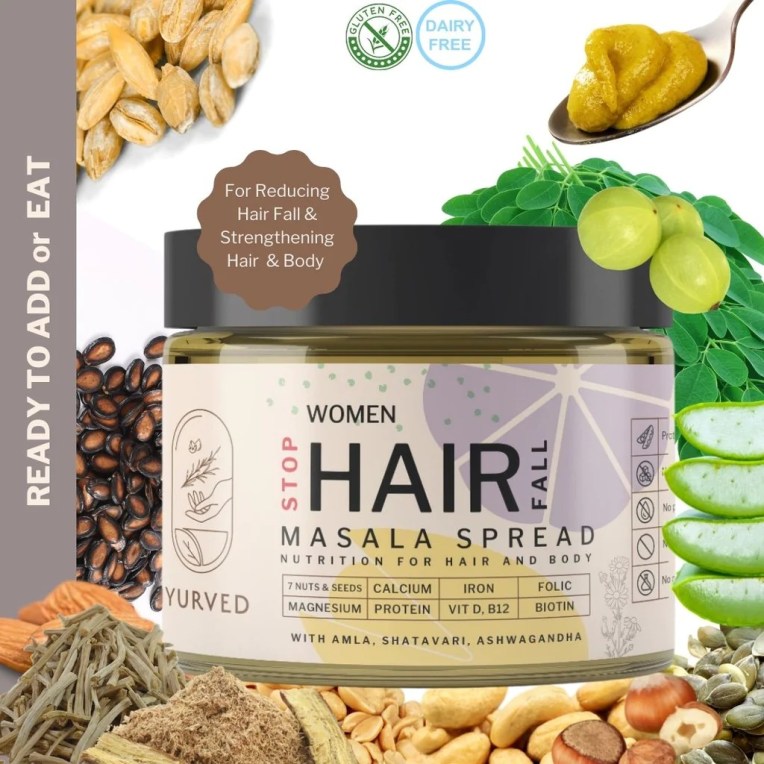
For Dry and Itchy scalp, Hair fall & Strengthen Hair & Body, give Women Stop Hair Fall Masala Spread | 0% Preservatives | 0% Refined Sugar | 0% Palm oil | With SHATAVARI, ASHWAGANDHA, AMLA, MORINGA, ALOE VERA | ORDER |


CHECK MORE PRODUCTS FOR:

Immunity, Gut health, Digestion, Weight, Brain development, Speech delay, Epilepsy, Eye health, Hormones, Sleep, Hyperactivity, Bones and Overall growth

foods for breast milk

read more blogs

Remedy for dark circles at home: Must try!

remedy for dark circles at home

Dark circles under the eye are very prominent in men and women. And nowadays, due to this current pandemic situation dark circles in kids are also quite visible. (How to reduce children’s screen time) These dark circles which everyone wants to get rid off can make you look older, tired and unhealthy. It indicates the lifestyle changes. It takes time to lessen the appearance of dark circles or to get rid of them. Remedy for dark circles at home need consistency, discipline, regular skin care, healthy diet and a commitment. This might sound too much just to reduce the dark circle but, the results will leave you astonished sooner or later.

Depending on the skin colour and condition, the dark circle may look purple to dark brown or black. The purplish dark rings occur mostly in the people who have transparent and thin skin. As we age, the collagen in the skin decreases and hence the bluish tint (blood pools) under the eye skin reveals. Purplish circles usually appear in the morning and account for almost 35% of all dark ring cases. The most common, dark or black circles are nothing but the pigmented skin which accounts for almost 54% of the total dark circle cases.

WHATSAPP for concerns like Speech Delay, Low Weight, Frequent Illness, Hyperactivity, Low Concentration, Weak Eyesight, Improper Sleep, Pigmentation, Pores, Face Marks, Fine Lines , Lactation etc.

Why do we get dark circles?

Studies show that the skin under our eye is the thinnest and delicate when compared to the rest of the body. Under eye skin has no oil glands and subcutaneous tissue and thus is more prone to darkening. As we age, the collagen in the skin starts decreasing and the skin becomes thin. This can be considered as one of the main reasons for dark circles. Also, frequent sun exposure breaks the collagen present in the skin. When this happens the veins under the eye start to be visible and pass through much of a stretch and strain, thus promoting the dark circles. Fair skin people are more prone to these under eye dark circles.

Causes of dark circle:

The cause of dark circles varies from person to person. It can either be one single reason or the combination that causes a dark circle under the eye. Here are a few of them.

Remedy for dark circles at home:

Although you might have tried numerous home remedies for dark circles, only a few may or may not have worked for you. It depends on your skin type. Nothing happens overnight, consistency is the key and you won’t regret it. Here are few worth trying and easy remedy for dark circles at home.

Sleep:

Sleep deprivation or even poor-quality sleep makes you look pale and tired, promoting dark circles. A good sound seven to eight hours of sleep helps reduce the dark circle and also it will benefit the overall body. (How to get a sound sleep)

Hydration:

The skin around the eye is thinner and is more prone to dehydration. When you do not consume adequate amounts of water, your skin feels dull and dehydrated. This also boosts the visibility of the dark circles. Drink a sufficient amount of water during the day and more in the summer.

Exercise:

Exercise is the key when it comes to appearance. Regular workouts enhance blood circulations throughout the body. This makes you glow, reduces the darkness and gets you younger looking skin. Moreover, it releases the endorphins which elevates your mood. Workout at least 5 times a week.

Apply moisturizer and sunscreen daily:

This is a skin care routine that must not be skipped at any cost. It helps in hydration and protects you from UV sun rays. Using this on a regular basis can help reduce the dark circle.

Cold compress:

Cold compress is a method in which the blood vessels under the eye are dilated. This helps in reducing the dark circle by constricting the vessels. Just take an ice cube and wrap it with a clean cloth. Apply or massage it under the eyes for 10 minutes. Repeat this process twice a day.

Cucumber:

Cucumber are known to have high water content. It nourishes and moisturizes the skin. Also, it has skin-lightening and astringent properties which helps reduce dark circles. Take thin slices of cucumber and refrigerate it for 20 mins. Place it on the eye and leave for 10-15mins. Remove and wipe the areas with lemon juice. Make sure it does not enter your eyes. Rinse well.

Tea and coffee bags:

Tea (green, black) and coffee contain antioxidants and caffeine. These have anti-inflammatory properties. Also, it stimulates the blood circulation, shrinks blood vessels and reduces the liquid retention. And thus, helps in reducing the dark circle by soothing the capillaries under the eye area.  Soak tea bags in hot water for 5 minutes. Remover and refrigerate it for 20 mins. Place it under the eyes for 15 minutes. Rinse with water.

Rose water and cold milk:

This is a good combination when it comes to reducing dark circles. The former one rejuvenates skin and is an astringent whereas the later one contains vitamin A, vitamin B, selenium which helps in making skin bright. Mix equal portions of rose water and milk. Dip the cotton pad and place it on the eye for 15-20 mins. Rinse well.

Potato, tomato and lemon:

These are kitchen kings of remedy for dark circles at home. All these have one or more properties of making the skin softer, lighter and supple. It also promotes the synthesis of collagen thus, making you look younger.  Mix potato, tomato and lemon juice. Dip a cotton pad and place it on the eye for 20 minutes. Remove and massage for 5 minutes. Rinse well.

Vitamin E:

Vitamin E, greatly known for its antioxidant properties, repairs the damaged skin cells, dryness and tightens the skin too. It also lightens the dark areas and prevents fine lines and wrinkles. Take vitamin E and apply to the dark circle directly. Massage in clockwise and anti-clockwise direction for 10 mins. Leave it overnight. Rinse well in the morning.

Foods to reduce dark circles:

Tomato:

Lycopene, the active component in tomatoes along with various others, is responsible for reducing pigmentation, boosting blood circulation, keeping skin healthy and protecting the vessels around the eyes.

Water rich foods:

Cucumber and watermelon are made of around more than 90% water. This helps in skin rehydration. Both consist of collagen boosting silica and fights uneven skin tone. Along with this they also contain vitamin A, K, E, C, B1, B6, potassium, magnesium, riboflavin, lycopene, phosphorus that increases elasticity of blood vessels and removes dark circles. Also check, Micronutrients in food

Iron rich foods:

Diet for dark circles remedy at home must include iron rich foods. Iron deficiency makes the dark circle around the eyes look more prominent. The production of new skin and tissues are hampered if you are low on iron and that’s what leads to dark circles. For this include dark green vegetables, lentils, dried fruits, beetroot, egg yolk, beans, nuts, whole grains.

Also check, Foods for iron deficiency

Vegetables:

Green vegetables are rich in fibers, iron, vitamin K, magnesium, potassium that plays a vital role in refining skin texture, repairing damaged skin and promoting blood circulation. This reduces discoloration and puffiness around the eyes. Spinach, kale, broccoli, celery, turnip greens, cauliflower, lettuce, brussels sprouts may help.

Blueberries:

Blueberries work marvelously for the skin. It is rich in vitamins and minerals such as vitamin C and K, magnesium, lutein and anthocyanin that are good for skin. It helps in promoting the microcirculation of the blood around the eyes and acts as a protective shield thus, reducing the dark circles.

Also check, Antioxidant rich foods

Vitamin E rich foods:

Vitamin E rich foods are considered as magic foods for treatment of dark circles. They assist in fighting the enzymes that break the skin elasticity. Also, fights free radicals, decreases skin pigmentation, locks the skin moisture and slows down ageing process. Moreover, it helps in production of collagen and provides complete eye nourishment. Foods to include are sesame, almond, sunflower seeds, peanuts, corn, spinach and broccoli.

Citrus fruits:

Lemon, orange, grapefruit, strawberries, guava and mandarin are a must. These are rich in vitamin C and A. It boosts the collagen production, minimizes skin damage, eliminates free radicals, increases blood circulation and makes the skin firm. 

Also check, Immunity boosting foods

Papaya and carrot:

Both are rich in vitamin A which is also known as retinol. Having anti-ageing, skin tightening and bleaching properties these work best for dark circle cure.


PRODUCT:

It’s no SECRET that following an Ayurvedic lifestyle has numerous advantages. This unique collection of skin care product for adults is an easy solution to various skin related problems. Made with Proven Ingredients. No Silicone, No paraben, No sulfate. To know more about this product SHOP HERE

For Reducing Dark circles, Pigmentation, Pores, Acne and Spots on Face | Use Ready Steady Glow Guava Botanical Face Drops | Made with GUAVA, ALOE VERA, PAPAYA, SAXIFRAGA PLANT, RICE PROTEIN | 100% Natural | Sulfate-Free | Paraben & Silicon-Free | ORDER


CHECK MORE PRODUCTS FOR:

Immunity, Gut health, Digestion, Weight, Brain development, Speech delay, Epilepsy, Eye health, Hormones, Sleep, Hyperactivity, Bones and Overall growth

what is the down's syndrome

Read more blogs:

Foods and Tips for Oily Skin Home Remedies

What takes away that freshness that you want to flaunt all day long? Oily skin! Ah, where do we start talking about the much-talked skin issue? Let’s start from the fact that everyone has oil in their skin. When the sebaceous glands under your pores produce excess sebum (waxy, oily substance that hydrates and protects the skin), the skin looks oily. People who claim to have oily skin have overactive sebaceous glands which produce this excessive sebum. There are some foods that can be used for oily skin home remedies. But first we have to understand the root cause.

Few signs of oily skin
  • Shiny skin
  • Persistent or occasional pimples
  • Greasy skin
  • Uneven texture
  • Large pores, clogged pores

Skin conditions caused by oily skin usually includes – acne, acne marks, pits or scars. Having oiling skin doesn’t mean you can’t do anything about it. There are few things you need to follow at priority. Stop what everyone is following and do what suits your skin the best. Avoid using random and untested skin care products. A simple oily skin care routine is all you need to follow.

Causes of oily skin:

It is possible to have more than one cause of oily skin. Below mentioned are few causes:

Stress: When you feel stressed, the body releases the hormone cortisol, which stimulates the oil release from the sebaceous glands. Thus, making your skin look oily.

Genetics: Genes play an important role in having an oily skin. It tends to run in families. If the genes of the overactive sebaceous glands transfer to you, it is quite difficult to prevent this.

Skin care products:  Though oily, everyone’s skin is different, and the same skin care product doesn’t work for everyone. Using the wrong skin care product can stimulate the excess sebum production. The product may be drying or too moisturizing. Always use the skin product that works best. Products targeted at a specific skin condition are made with ingredients that help with it.

Hormonal changes: Hormonal changes are difficult to control. Hormones trigger the sebaceous glands that make the skin secret more oils. This is seen majorly in the puberty stage and nowadays it can be seen in adults too. It affects everyone’s health irrespective of gender. (How to make hormones happy?)

Weather conditions: Weather conditions also have an effect on the skin. The place and the time of the year also matters. In hot and humid climates, people incline toward oily skin. Oilier when in summer and little dry when in winter. Slight change in daily routine might help in such a case.

Skin care routine overdo: This seems to be an oxymoron that cleaning and exfoliating your face more than needed can make you skin oily. If someone overdo his or her skincare routine, too much of oil will be stripped off from the skin which in turns activates the emergency mode of the sebaceous glands. It makes the skin oilier.

Skin care routine for oily skin:

Controlling the cause of oily skin becomes quite difficult at times and this is where the skin care routine comes into picture. This is the basic skin care routine that reduces the effect of oily skin.

Step 1 – Cleansing: This is the essential step of the skin care routine. If this is not done right the other steps won’t be that effective. This helps in removing the excess sebum, dirt and grime. The cleanser used must be exfoliating, oil free, gentle and suitable for your skin. Cleansing your face twice a day helps a lot.

Step 2 – Toning: Toner makes sure that all the dirt is cleaned and it normalizes the skin pH levels too. This hydrates the skin after exfoliating. Using a proper toner is essential as it should not leave any oily trail behind.

Step 3 – Moisturize: It is of great importance to choose an oil free moisturizer. This keeps your skin hydrated. A moisturizer that easily blends with your skin must be chosen.

Step 4 – Treat: This is a skin specific step. It includes different ways to combat acne. Always use any doctor recommended skin care products for this step.

Step 5 – Protect: This includes application of the sunscreen lotions during the day time. Sunscreen helps to protect from the sun’s harmful UV rays. This also helps in preventing skin pigmentation and uneven skin tone. Oil free sun screens must be oils.

Make sure during the whole time when you feel that your skin is too oily, use blotting paper to remove the excess oils. Make sure you don’t use heavy makeup. Use water based makeup instead of oil based. And don’t forget to wash your face after any heavy workouts.

Home remedies for oily skin:

The effect of these home remedies might be different for different skin. Some ingredients may or may not suit your skin. First, make sure it suits you and then go for it!

Oatmeal: Oatmeal absorbs excess skin, reduces inflammation, exfoliates dead skin and makes your skin smooth. Combine grounded oatmeal with hot water and make a paste. Add 1-1/2 tablespoon of honey, 1-1/2 tablespoon of yoghurt. Mix well and apply for 10-15 minutes. Rinse with warm water. (How to increase breast milk production?)

Honey: Honey is the most ancient and most valued remedy. It keeps the skin moist as honey draws moisture from the skin without replacing. Moreover, it has anti-inflammatory and antibacterial properties. Take some raw honey, apply it on the face in a thin layer. Leave it for 15 mins and rinse with warm water. Honey is best for oily skin home remedies.

Tomatoes: Tomato is one of the fabulous for oily skin home remedies that’s easily available in your kitchen. It contain an acid (salicylic acid) which may help captivate the excess oil from the skin. Cut the tomatoes into slices. Add some sugar to it and gently exfoliate in the circular motion. Wash with normal water.

Lemons and egg white: This is consideredto be the widespread remedy for oily skin.  Both help in tightening of the pores and absorption of the oil. Make sure you don’t have any allergies to eggs before using this. Mix 1 egg and 1 tablespoon of freshly squeezed lemon juice. Apply on the skin and leave it until dry. Wash off with warm water.

Aloe vera: Aloe vera is a life saver when it comes to skin care. It has been known to have soothing properties and heals flaky skin caused by oily skin. Take the fresh aloe vera gel and apply directly on the skin. Massage in upward direction. Clean with warm water. You can add vitamin E also to make it more effective for making oily skin home made face pack. (How to treat heat rash?)

Foods for oily skin:

Maintaining an oil free skin is quite challenging. But, eating right might help. Here are a few foods that help to control the oil secretions from the sebaceous glands.

Cucumber:

Cucumber is a water vegetable. It contains 95% of the water and acts as a detox for the body. The toxins are flushed out of the body which in turns enables the proper secretion of the glands. On top of that, it hydrates the skin and possesses anti-inflammatory properties. It can also be used to make oily skin home made face pack.

Bananas:

Bananas are considered to be a detoxifying fruit. It has magnesium, potassium, phosphorus and vitamin E. Lack of these minerals and vitamins in the body can cause the excess sebum secretion.

Coconut water:

Regular intakes of coconut water do a remarkable job on the skin. It keeps the skin hydrated and maintains the oil balance too. Thus, preventing acne, pimples and blemishes. It’s a good source of magnesium, phosphorus, potassium, riboflavin, vitamin c.

Vegetables:

It’s no surprise! Spinach, kale, broccoli and other vegetables too play an important role here. Vitamin A, vitamin C, fibers, water, magnesium, vitamin E are skin’s best friend and vegetables contain it all. (5 power foods all kids need)

Citrus fruits:

Citrus fruits are rich in vitamin C and vitamin C goes hand in hand when talking about skin. Include fruits such as lemon, grapefruit, orange in your diet. It helps in skin hydration, prevent acne, eliminate toxins from the body, rejuvenate skin, reduce oil secretion by oil absorption thus one of the best for oily skin home remedies. It’s the ultimate solution.

Dark chocolate:

Who doesn’t love chocolates? Yes, dark chocolates do a great job when it comes to skin. Obviously, portion control is necessary. It controls the oil production as it contains flavonoids.  

Nuts:

Nuts never fail to amaze us. They are rich in omega 3 fatty acids which are essential for clear and healthy skin. It regulates systemic inflammation and prevents the hyperkeratinization of sebaceous follicles. Walnuts, almonds, and pistachios may help. (How nuts and seeds help kids?)

Avocados:

Avocados work well both ways. Whether eaten or applied. It contains antioxidant carotenoids and fatty acids which are quite healthy for the skin. It helps to control the oil formation. Adequate amounts of these in the diet improves the skin density, tone and texture. (Recipe of avocado banana pista chocolate mousse)

oily skin home made face pack: Top of Form

Multani mitti (Fuller’s earth) face mask: Fuller’s earth face pack works great when it comes to oily skin. It’s a beauty ingredient that is rich in vitamins and minerals. It exfoliates and removes oils and dead skin. Moreover, it’s much simpler to use.

Ingredients: 2-3 tablespoon Multani mitti, 1 tablespoon rose water, ½ -1 tablespoon lemon juice, ½ – 1tablespoon honey.

How to use: Mix Multani mitti, honey, rose water and lemon juice and form a thick paste. Apply on the skin, Let it dry and wash with lukewarm water. If the skin feels dry after the wash apply oil free moisturizer or aloe vera gel. 

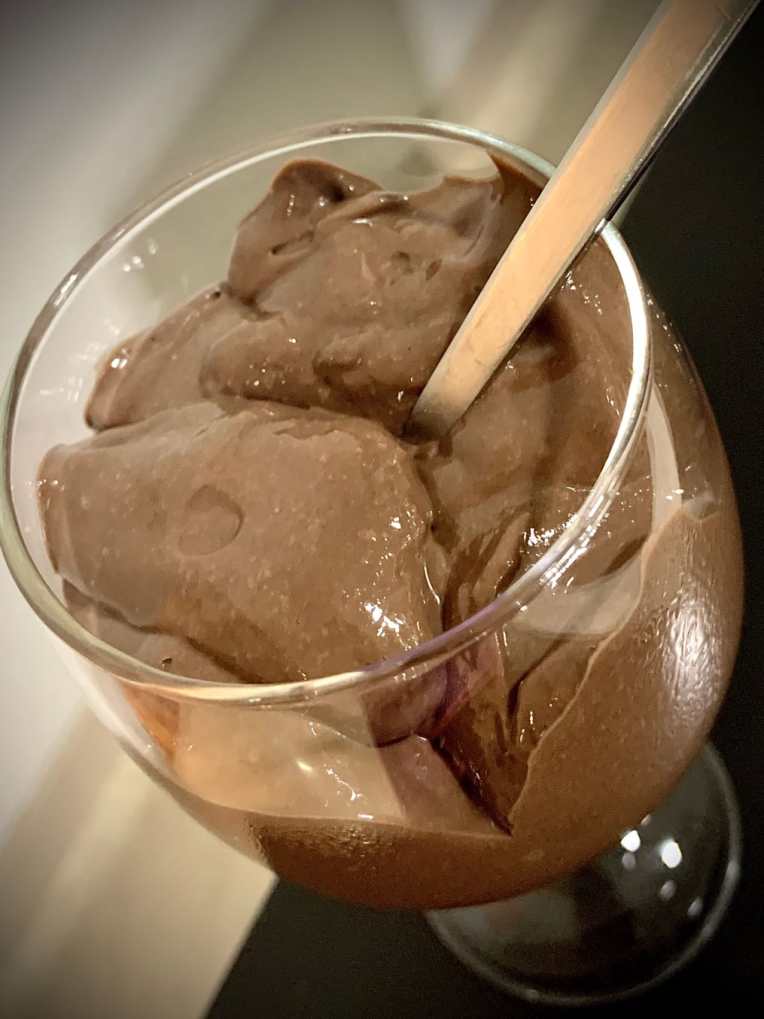
Recipe of Avocado Banana Pista Chocolate Mousse with hidden herbs and nuts

We are happy to introduce our range of Healthy, nutritious & tasty products for kids!!
We know that preparing and feeding healthy foods everyday is a huge task. Even more tough when kids are picky eaters. Kids prefer certain foods and formats. It is not easy to feed kids bitter Ayurvedic herbs, variety of vegetables, fruits, nuts and seeds everyday.
Mixed with Ayurvedic herbs, this unique product is an easy solution to feed daily nutrition for Immunity, Brain development, Bone strength and overall-growth to kids without any fuss.

Let’s make every dish tasty and nutritious by ‘hidden’ nutrition of veggies, herbs and nuts.

  • 1 ripe banana pieces (frozen for a few hours)
  • medium size avocado
  • ½ cup soft tofu or less than ½ cup nut milk (almond or coconut)
  • 3 tbsp cup cocoa powder
  • 3 tbsp roasted pistachio powder
  • Iyurved’s 5 herbs and 7 nuts choco spread (order here)
  • Honey/ jaggery as per sweetness or other sweetener
  • vanilla essence (optional)
  • ½ tsp cinnamon powder

Mix all in a blender. Keep refrigerated in a bowl for some time. Serve.

My younger one LOVES this!

Products:

We are happy to introduce our range of nutritious & tasty products for kids!!
We know that preparing and feeding healthy foods everyday is a huge task. Even more tough when kids are picky eaters. Kids prefer certain foods and formats. It is not easy to feed kids bitter Ayurvedic herbs, variety of vegetables, fruits, nuts and seeds everyday.
Mixed with Ayurvedic herbs, this unique product is an easy solution to feed daily nutrition for Immunity, Brain development, Bone strength and overall-growth to kids without any fuss.


India’s First Tasty Kids Nutrition fortified with Ayurvedic herbs.

Kids & Teens Hormone Balance Chocolate Spread| 0% preservatives | 0% refined sugar | 0% Palm oil | Fortified with AMLA, GILOY, TULSI | ORDER

Daily Nutrition for: Immunity, Brain development, Bones and Overall growth

(shipping in India only)


Join 9000+ KIDS NUTRITION Community for Parents of small Kids & Teens.

Foods and Remedies recommended by a Nutritionist expert.


Read more blogs:

What causes pimples: Types, triggers, remedies & foods.

causes pimples

We have all been in a position where along with something important, be it a date, an occasion or an important meeting, a breakout pops up too! Acne has always been an uninvited guest and the most asked question is how to get rid of acne? Acne is the most common skin condition around the globe. Your skin has tiny pores or hair follicles and when these pores become clogged with sebum (skin’s natural oil), dead skin, bacteria and dirt the formation of pimples takes place. Apart from this, there are many reasons that causes pimples.

And if your skin is frequently affected by this condition then it results in the formation of acne. It appears especially on the face, forehead, neck, upper arms, shoulders, back and chest because those areas have the most sebaceous glands.

Acne normally occurs at the puberty age as the sebaceous glands activate but nowadays adult acne also seems to be prominent. (How to treat your kids acne?) There can be many reasons behind this sudden change including unhealthy diet- junk foods, deep fried eatables, heavy make-up (which clogs the pores of the skin), hormonal imbalance (which enables production of excess sebum), release of stress hormones, bacterial infection and inflammation. (Foods to manage hormone imbalance)

Types of acne:

Acne pimples differ in size, colour, area and level of pain. These are few possible types of acne that are seen –

Whiteheads: These are small, stay under the skin and produce white bumps.

Blackheads: These reach the surface of the skin and open up and are clearly visible. These turn black when exposed to air.

Papules: Very Small, usually pink bumps, tender and appear on the skin.

Pustules: Clearly noticeable on the surface of the skin. They are red at their base and are topped with white or yellow pus.

Nodules: Prominently noticeable. They are large, solid, painful pimples that are embedded deep in the skin.

Cysts: Very large, visible, painful and filled with pus. Cysts can cause scars.

Factors that causes pimples:

Factors responsible for the cause of acne are –

  • Excess oil (sebum) production
  • Hair follicles clogged by oil and dead skin cells
  • Bacteria
  • Inflammation.
What triggers acne?

There are certain things that are said to trigger or worsen acne. It maybe your lifestyle or the genetics that causes pimples to grow.

Diet: Your skin reflects what you eat. Certain foods including refined carbohydrates, high calorie food, fats and junk food affects the skin. Uneven eating habits can also trigger acne.

Hormonal changes. Androgens, a hormone which rises in the puberty stage, cause the sebaceous gland to enlarge and produce more sebum. Also, the hormonal changes during pregnancy and menstruation cause the breakouts. The midlife hormonal changes due to the living pattern also causes pimples in the adults. (How can foods help in menstruation issues?)

Genetics: The genetics also trigger the acne. If the parents or ancestors had an issue of acne, the proceeding will face that.

Medications: Certain medications can trigger acne. Usually, the drugs contain steroids effects. Other than this, any reaction to the drug also induces this.

Stress: Stress can be a cause of pimple but if you already have acne, stress may make it worse.

Cosmetic products: Cosmetic products can cause pimple. Some greasy or oily cosmetic products trigger acne.

Friction: Friction or pressure on the skin where the pimple is already there can make it worse or even inflammation can occur.

Remedies for acne:

Here are a few remedies mentioned below. Make sure you try a patch test to check the suitability of the ingredients.

Diet:

Improper diet causes pimples. It’s the simplest remedy. Just take care of what you eat! Consuming healthy food which is rich in vitamin A, vitamin E and minerals like zinc, iron can help to prevent acne. Also, make sure your eating pattern is not uneven, Moreover, try to cut off high glycemic index foods. Go for dark green leafy vegetables and fresh fruits. Drink plenty of water. (How to absorb vitamin A from food?)

Spot with Essential Oil:

Spotting with Tea tree oil is an effective remedy against acne. Tea tree oil has the ability to fight bacteria and reduce inflammation. Any essential oil MUST be diluted with carrier oil before use. Combine 1-2 drops of tea tree oil with the carrier oil. Dip the swab of cotton and apply on the affected area. Repeat this 1-2 times a day for better results. If needed, apply moisturizer. Other essential oils like lavender, rose, clove, cinnamon can also be used.

Green Tea:

Green tea contains polyphenols, flavonoids and tannins that fights against inflammation. It also has antioxidant properties. Steep green tea leaves in Boiling water for a few minutes. Once cooled, apply it on the face with a cotton swab or spray it through a bottle. Leave it overnight and later rinse it with water. (Why do we need antioxidants?)

Aloe Vera:

Aloe Vera fights bacteria and promotes wound healing too. It helps soothe the acne too. Scrap the gel and apply it to your face. Massage gently. Keep it for 30 mins and rinse normally. (How can Aloe Vera help to treat pigmentation?)

Apple cider vinegar:

It contains organic acid that has effects on inhibiting the bacteria on the skin. Mix 1 part apple cider vinegar and 3 parts waters (use more water for sensitive skin). Apply with a cotton swab on the affected area. Rest it for 30 secs and rinse it. Repeat once or twice a day.

Honey and cinnamon mask:

Honey and cinnamon have antibacterial and anti-inflammatory properties. Mix honey and cinnamon (2:1) and form a paste. After cleansing the face, apply for 5-10 minutes and rinse off. Pat dry.

Prevention and management tips can help to get rid of acne

Here are few prevention and management tips for acne prone skin:

  • Wash your face no more than twice each day
  • Avoid popping pimples
  • Refrain from touching the face
  • Clean spectacles regularly as they collect sebum and skin residue.
  • Choose makeup for sensitive skin and avoid oil-based products.
  • Remove makeup before sleeping
  • Keep hair clean
  • Avoid excessive sun exposure
  • Avoid anxiety and stress
  • Apply topical treatments
  • Cut back on foods linked to acne
  • Wear sunscreen when going outdoors
  • Avoid skincare products that contain oil
  • Keep facial care products clean
Foods to get rid of acne

Studies suggest that following a healthy diet can help to cure acne in children as well as in adults. Foods rich in complex carbohydrates, zinc, vitamin A and E, omega-3 fatty acids, and antioxidants are effective in reducing pimples on children’s face.

Complex Carbohydrates:

Having whole grains and less of processed food and flours reduces risk of developing acne in children. A quick look at the food label GI index can reduce chances of getting pimples on children’s faces. High GI index indicates the food is processed and causes pimples. Rich sources of complex carbs are whole grains, legumes and whole fruits and vegetables. (Importance of nutritional diet)

Zinc:

Studies support the fact that eating foods rich in zinc may be useful in preventing and treating acne by decreasing the production of oil in the skin. Researchers believe that zinc shields the body cells from any external bacterial or viral attack on them. It is easy to include zinc as a part of a varied diet. Dairy products, nuts, pumpkin seeds, lentils are good sources of zinc. (Health benefits of pumpkin seeds)

Vitamin A:

Vitamin A acts as antioxidant and fights free radicals. This helps to slow down cell ageing and keeps skin looking younger. Vitamin A plays an important role in helping new cells grow and stay healthy by healing acne and scars. Foods rich in vitamin A which can help in preventing acne in children are yellow/ orange pigment plants such as carrots, sweet potatoes and green pigment plant food like spinach, broccoli. (Foods that can help to overcome vitamin A deficiency)

Vitamin E:

This is also used as an anti-inflammatory and antioxidant. As vitamin E oil is a fat soluble vitamin, it allows for quick absorption into skin sebum to heal pimples on children’s faces and also reduce scars. It also helps the skin to lock moisture and promotes the production of collagen which strengthens the skin and may help with skin elasticity and hydration. All nuts and seeds, especially walnuts and sunflower seeds, corn, olives, avocado, soybean, fortified cereals are considered as foods high in vitamin E. (How to get smooth glowing skin?)

Omega-3 fatty acids:

They can regulate the skin oil production and improve balanced hydration. A diet rich in omega-3 may help to prevent or reduce the causes of pimples. It reduces inflammation on the skin too, which research states, may positively result in reduction of acne in children. Flax seed, chia seeds, walnuts, soybeans and fish like salmon, tuna, sardines are rich sources of this fat. (Benefits of omega 3 fatty acids)

Face Mask for acne:

Here’s a simple natural ingredient mask that helps.

Ingredients:

  • Aloe Vera
  • Tea tree oil
  • Turmeric
  • Honey

How to use: Mix all the ingredients in a bowl properly. Apply on the affected area for 10-15 minutes. Rinse with water. Pat dry.

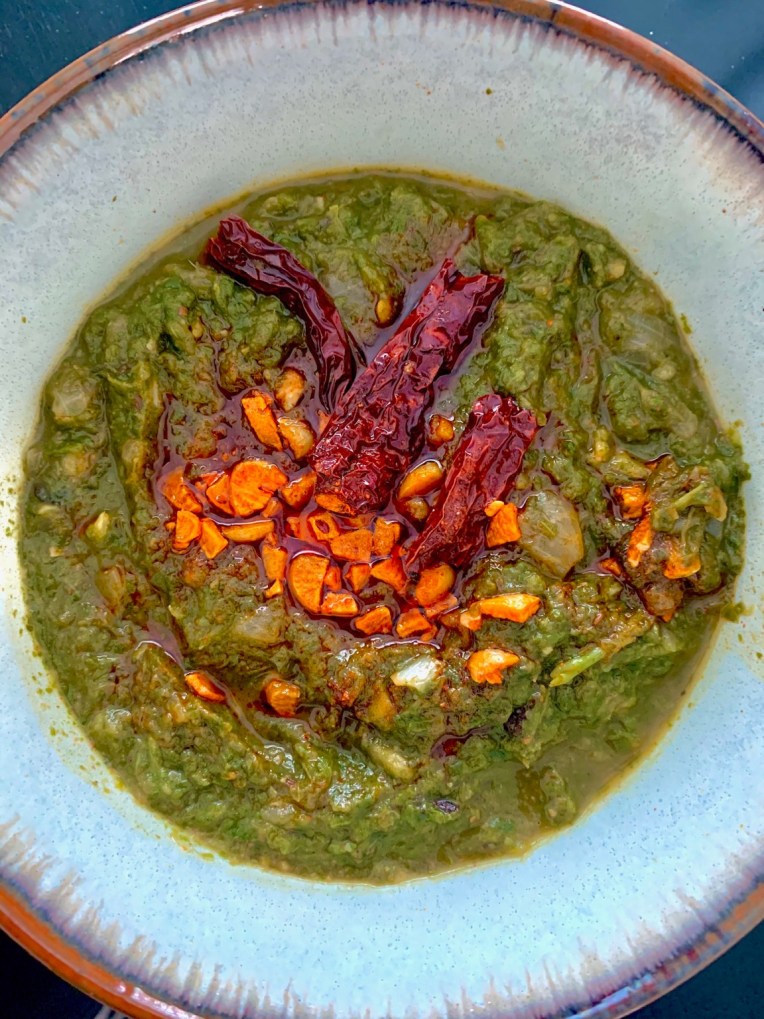
Recipe: Spinach tofu curry with hidden herbs and nuts

Let’s make every dish tasty and nutritious by ‘hidden’ nutrition of veggies, herbs and nuts.

Palak tofu curry by Iyurved

Check the Recipe made with Iyurved’s secret health ingredient- DAILY NUTRITION spread.

CHECK MORE HEALTHY RECIPES LOVED BY KIDS.

Products:

We are happy to introduce our range of nutritious & tasty products for kids!!
We know that preparing and feeding healthy foods everyday is a huge task. Even more tough when kids are picky eaters. Kids prefer certain foods and formats. It is not easy to feed kids bitter Ayurvedic herbs, variety of vegetables, fruits, nuts and seeds everyday.
Mixed with Ayurvedic herbs, this unique product is an easy solution to feed daily nutrition for Immunity, Brain development, Bone strength and overall-growth to kids without any fuss.


India’s First Tasty Kids Nutrition fortified with Ayurvedic herbs.

For Acne free clear skin, give Teens Acne Treat Chocolate Spread | 0% Preservatives | 0% Refined Sugar | 0% Palm oil | With Manjistha, Turmeric, Neem ORDER |

Check more products for: Immunity, Brain development, Sleep (for hyperactive kids), Weight gain, Eyesight, Digestion, Eczema, Dyslexia, Speech Delay and Overall growth.

(shipping in India and Singapore only)


Join Iyurved group for FREE CONSULTATION

Foods and Remedies by a Nutrition Expert

Read more blogs:

Hyper pigmentation: Here’s all you need to know

Who doesn’t love their skin? We all love our skin and do care for that. It’s a universal desire to have flawless skin. Yet, sometimes we find ourselves at a stage where we struggle to meet our skin expectations. Hyper pigmentation, undoubtedly is the most common skin issue that is faced across the world especially, in most of the women in their 30s. Hyper pigmentation isn’t necessarily a condition but the change in the colour of the skin which is usually harmless.

The colour differences of the skin in humans are mainly due to the natural pigment granules present and the amount of the melanin produced. Melanin is pigment which is made by the cells in the skin which provides coloration to the skin and is responsible for the hyper pigmentation too. The light and the dark skin complexion depend on the amount of the melanin produced in your body. Moreover, it protects the human skin from the UV light radiation.

WHATSAPP for concerns like Speech Delay, Low Weight, Frequent Illness, Hyperactivity, Low Concentration, Weak Eyesight, Improper Sleep, Pigmentation, Pores, Face Marks, Fine Lines , Lactation etc.

Feedback

What is hyper Pigmentation?                            

Pigmentations means the patches of skin that gets darker as compared to the surrounding area. This happens when the skin generates more melanin. All types of the skin are affected with this. There are a lot of factors that could cause skin pigmentation which include Genes, Skin damage, Injuries, Acnes or disorders.

You will be surprised to know that the secret remedies for hyper pigmentation are right in your kitchen. Although, this might sound quite skeptical but your skin health depends a lot on what you consume. Scroll down to understand the scientific lens of pigmentation and know more about the foods and remedies for pigmentation.

Also check, Which foods can help to get best skin for lifetime?

Types of Pigmentation:

The common skin pigmentation types are mainly divided into 4 depending on the cause.

Melasma:

This is ubiquitous among women. It is also called the “Mask of Pregnancy”. This type of pigmentation occurs deeper in the skin dermis. The probable causes include hormonal changes which may develop during pregnancy. This can become worse when there is a high amount of sun exposure, stress or medication. These pigments are large brown patches (darker skin) and tend to appear mostly on the stomach, forehead and face. These patches have indistinct borders which can be a way of identification of this type.

Post Inflammatory Hyperpigmentation (PIH):

PIH is a type of pigmentation that occurs as a response to any skin injury, inflammation, acne, eczema, burns, frictions or some clinical treatments. Darkened skin or patches or maybe even spots show out as a result of this. This remedy is usually treated with tropical products. PIH can be improved with time although it can recur. They appear most of the time on the face and neck.

Sunspots:

Sunspots are also known as Solar Lentigines or Age spots. This occurs when the skin is exposed to sun in excess over the period. Sunspots are more of an age defined pigmentation which appears on hands, face or the areas overexposed UV. The spots, here, vary from light brown to black as the degree of the colour depends on how much these melanin pigments are exposed to UV light. If seen on a larger scale, these pigmentations must be monitored as there are probable chances for that to develop into melanoma or skin cancer.

Freckles:

The most prevalent type of pigmentation is Freckles. This occurs commonly with people having fair complexions. These are the tiny little dots that appear on your face due to the repeated exposure to sunlight. Freckles, to some extent, are influenced by heredity. They are more prominent in the summer and become light during the colder weather.

Causes of hyper Pigmentation:

As discussed earlier, the basic and the most common cause of skin pigmentation is the excess production of Melanin pigment. In addition, certain medications, pregnancy, hormonal changes can also result in pigmentation. The areas affected by skin pigmentation majorly include face, neck, hands, knees and elbows. There can be the various causes for the occurrence of skin pigmentation of which few are listed below –

  • Excess sun exposure
  • Medication
  • High production of melanin
  • Allergies
  • Heredity of skin pigmentation
  • Inflammatory Diseases
  • Aging
  • Pregnancy or hormonal causes
  • Chemical or physical injury
  • Frequent exposure to some cosmetic product

Remedies for Pigmentation:

Pigmentation on skin causes loss of confidence in many of them. So, apart from the cosmetic procedures and creams for the treatment of hyper pigmentation, there are numerous ways in which you can lighten the skin pigmentation at home using natural remedies. Few of the remedies are anecdotal, but research suggests that the actives present in the ingredients work on hyper pigmentation. If a person wishes to try any home remedy, first they should always try it on a small patch of the skin to know the suitability. Mentioning, some of the remedies for pigmentation below-

Apple cider vinegar:

Apple Cider Vinegar (ACV) is one of the admirable skin lightening agents for unwanted pigmentation. ACV consists of acetic acid and polyphenols. The former part acts as a mild chemical peel in some cases and the latter one acts as an antioxidant that helps protect skin cells. The remedy can be used as – Mix equal parts of apple cider vinegar and water and apply it to the pigmented area. Keep it for 3-5 mins and rinse with lukewarm water. Avoid contact with the eyes and use higher concentrations.

Aloe Vera:

Aloe Vera is the king when it comes to skin. Aloin or Aloesin is the active ingredient that is present in Aloe Vera. This active could work effectively in reducing pigmentation over time. Moreover, it is also responsible for soothing and moisturizing the skin. The Fresh Aloe Vera or the Aloe Vera gel must be applied on the pigmented areas twice a day. The skin absorbs the actives and makes the skin soft.

Also check, How to treat heat rash?

Yogurt or milk:

Another natural product that you may find in your kitchen is dairy products. Milk, Yogurt and even buttermilk contains lactic acid which tends to be effective in lightening the skin colour. As it is a dairy product, it also helps to rectify the Ph imbalances. The usage of any of these to reduce pigmentation is quite easy – Soak a cotton ball in the dairy product you wish to. Rub it over the pigmented skin twice a day. Let it rest for 10 min and rinse. You can also add honey or turmeric to it for better results.

Papaya:

Papaya is considered as a natural exfoliant as it contains fruit acid and enzyme, papain being the major one. It helps in breaking down the skin cells in and improves the skin by breaking the topmost layer of the skin. Papaya is rich in vitamins, minerals and antioxidants which helps reduce the age spots on the skin. Grate the papaya or blend it and apply the juice on the skin, rest it for 15 mins and rinse. Apply daily for a month to notice the changes.

Also check, Which foods can help to keep liver healthy?

Lemon cucumber:

Together, lemon and cucumber are great ingredients for skin pigmentation. Vitamin C plays the major role here. These exfoliate, lighten and moisturize the skin. This combination is also suitable for oily skin. First, blend the slices of cucumber and add a few drops of lemon into it. Apply it to the skin and leave for around 20 mins. Usage of this remedy, twice a day for a month can leave your skin amazing.

Turmeric:

Turmeric has been used to treat skin disorders since ancient times. The major active ingredient in turmeric is curcumin. It has antibacterial properties and acts as a bleaching agent. Besides, to some extent it’s been shown to reduce the melanin production in the skin thus reducing the skin pigmentation. Daily apply turmeric mixed with lemon juice or raw milk on the skin for 20 mins and rinse with cold water.

Also check, How to use immunity powder?

Nutrition, Diet and Hydration:

Nutrition, diet and hydration plays an important role in skin nourishment. Proper diet including fruits, vegetables, nuts, seeds and adequate hydration results in improving skin tone, skin cell turnover and texture.

Dark Green Vegetables:

Time to add dark green veggies in your cart. Dark green veggies such as kale, spinach, broccoli, peas, zucchini and other leafy vegetables contain a good number of vitamins and minerals. They also contain carotenoids that help in reducing the oxidative stress and act as a filter to UV radiation which helps in reducing the pigmentation.

Also check, How to overcome from iron deficiency?

Citrus Fruits:

Citrus fruits are the savior! Fruits such as lemons, orange, mandarin grapefruits are all packed with high amounts of vitamin C and vitamin A. They act as antioxidants and help reduce the free oxygen radicals in the body. Furthermore, they assist melanin production that can help fight discoloration.

Also check, Which food is powerhouse of vitamin C?

Green tea:

Green tea is rich in antioxidants and flavonoids, which help reduce skin inflammation and melanin production in the skin. You can either add green tea to your regular diet or make a paste out of a spoonful of green tea and water to be used as a face mask.

Also check, Why do we need antioxidants?

Nuts and Seeds:

Nuts and seeds are a good source of Omega 3 fatty acids, Magnesium, zinc and Vitamin E. They also have anti-inflammatory properties and also act as a preventive measure for acne. They regulate the hormones thus helping in reducing the skin pigmentation of its kind.

Also check, Why it is Importance to include protein in kids diet?

Sweet potatoes and carrots:

Carrots and sweet potatoes, both contain a good amount of beta carotene or provitamin A. These compounds when consumed, gets combined into your skin and acts as a natural sunblock.

Water:

Heard about water being the secret for healthy skin? Yes! It’s true. Drinking adequate water helps to flush out the toxins from your body, including your skin cells. This in turn helps in keeping the skin cells hydrated so that they can resist the sun exposure.

Also check, Summer drinks for kids

Face mask for Skin Pigmentation:

A lot can work as a remedy for hyper pigmentation. Face packs are one of those. But Simplicity works at its best. In simple terms, the number of the ingredients in the mask doesn’t matter but the ingredient. Sharing a simple and day-to-day face mask. Make sure you try it first on a small patch of the skin to make sure it’s suitable for your skin.

All you need:

  • 1 tablespoon raw honey
  • 1-2 tablespoon raw milk
  • 1 tablespoon rose water
  • 3-5 tablespoons of red lentil flour (You can use chickpea flour as well)

How to make: Mix all the ingredients in a bowl and make it into a paste. Add water if required. Apply it on the affected areas. Let it rest on the skin for 15 mins. Once dried, dampen your skin and start scrubbing off the pack gently. This exfoliates the skin and reduces the pigmentation. Rinse your face with cold water. Apply suitable moisturizer or Aloe Vera gel.


Products:

It’s no SECRET that following an Ayurvedic lifestyle has numerous advantages. This unique collection of skin care product for adults is an easy solution to various skin related problems. Made with Proven Ingredients. No Silicone, No paraben, No sulfate. To know more about this product SHOP HERE

For Reducing Pigmentation, Pores, Acne and Spots on Face | Use Ready Steady Glow Guava Botanical Face Drops | Made with GUAVA, ALOE VERA, PAPAYA, SAXIFRAGA PLANT, RICE PROTEIN | 100% Natural | Sulfate-Free | Paraben & Silicon-Free | ORDER


CHECK MORE PRODUCTS FOR:

Immunity, Gut health, Digestion, Weight, Brain development, Speech delay, Epilepsy, Eye health, Hormones, Sleep, Hyperactivity, Bones and Overall growth

what is the down's syndrome

Read more blogs:

Puberty in girls

During parenting you experience many things while watching your kids grow. Infant (0 to 1 years old), toddler (1 to 3 years old), early childhood (4 to 8 years old), middle childhood (9 to 11 years old) and adolescence (12 to 18 years old), as each stage passes you observe some mental and physical development in your child. During the first three stages (Infant, toddler and early childhood) kids generally go through many natural physical changes of growth. These first 8 years of kids are extremely important for their healthy development and lifelong learnings. Cognitive, social, emotional, language and physical development during this time plays an important role in their life. At every stage a child needs you to understand the learnings and changes that they are experiencing around them. As they enter the puberty phase it becomes more important to be with them. This is the time for some major physical and hormonal changes, which may pop up some questions, which have to be answered properly, But the main question is what puberty is and at what age puberty starts?

What is Puberty? At what age puberty starts?

Puberty is the time when a boy or girl goes through a series of biological and physical transformations. Everyone has experienced this phase in life. It is a transition from childhood to adolescence. Teens go through some changes in their body and hormone levels during this phase. Puberty often begins early in girls as it falls between the ages of 8 to 13 in them. Although every girl has her own unique journey and puberty timing differs in each girl, it definitely brings some hormonal, physical and emotional changes in girls which are absolutely normal. 8 years of age sounds really young for seeing any physical changes. So, it is a little bit awkward to discuss puberty stages and the female reproductive system with your young girls, but it is important to start educating them on these topics before changes happen to best prepare them. It will make them much more comfortable to understand and accept the changes.

Sings of puberty among girls

Breast development: It is the first visible sign of puberty among most of the girls. One can notice “breast buds”, little bumps under the nipples. It is normal for the left and right breast to grow at different speeds. Its also normal for breast buds to be tender or sore, usually it improves with time. A sports bra can be a good choice to wear at this stage.

Body hair: In about 15-20% girls public hairs may be the first sign of puberty. These hairs begin to grow under the arms, around genital areas and on the legs. It is another sign of puberty among girls.

Vaginal discharge: This is a sign of growing numbers of estrogen hormones in the body. Girls experience a small amount of clear or white vaginal discharge that starts about 6-12 months before their first periods. It is considered as a sign of puberty among girls.

Periods: Girls usually get their first periods within 1-2 years after the development of breast buds. It is important to be aware that periods are a normal natural process of growing up. It can be irregular during the first few months as the body is adapting to some fast physical changes. Normal menstrual cycle can be from 21 days to 35 day. (Which foods can help during menstruation?)) Cramps and pains are normal with periods. There is nothing to worry about. But if menstrual cramps are severe and affecting school and normal day to day activities, talk to gynecologists. 

Some other changes during puberty phase
Brain

Girls obviously face fast changes during puberty phase and thus their brain needs time to adjust. (Top 10 foods to boost kids brain power) It affects their behavior and social skills. You may observe some sort of clumsiness in their activities.

Bones

If girls hit puberty at an older age they may have lower bone density and can face bone issues further in life. so, it is the ideal time to invest in bone health. Including calcium and vitamin D rich foods in their diet can help them to get strong bones for lifetime. (How vitamin D can help to absorb calcium?)

Weight

There might be an increase in weight. (How to manage weight issues?) During puberty the brain instructs the ovaries to make female hormones estrogen. This hormone is responsible for the change in size and shape of a girl’s body. Fat can be seen around the upper arms, thighs and backs. Hips tend to become wider and curvy. Their organs like stomach, intestine also increase in size during this phase. More healthy and nutritious foods with protein, minerals calcium and iron should be included in their diet at this point of time.

Height

Girls may grow taller during puberty. While entering into puberty girls can see an increase in height by 7-8 cm per year. Peak growth in girls’ height can be seen 6-12 months before the onset of their periods.

Sleep patterns

During puberty or you can say teenage there is a pattern developed in kids of staying up late at night and sleeping longer in morning. (Which foods can help to get better sleep naturally?) This happens because their body takes time to produce melatonin, a sleep promoting hormone. Sleep research suggests that a teenager should get at least 8 to 9 hours of sleep. But most of them get only 6-7 hours.   

Skin and hairs

During puberty phase oil glands become more active. Due to this girls face acne issues. (How to treat my kids acne?) Sometimes it’s just an occasional pimple that occurs right before each menstrual cycle. But for some teens it can be a chronic condition which is known as acne. Mostly oily skin and acne issues go hand in hand. Many teen girls also face excessive sweat on the palm, soles of feet, under the arms, and in the scalp. Some teenage girls experience hair fall as they enter puberty. (What is the root cause of hair fall in kids?) Though it is curable and can be managed by following a healthy diet.

PCOS IN TEENS

PCOS stands for polycystic ovary syndrome. It has become a common condition in teenage girls nowadays. Women make a female hormone that is entrogen. But she also makes male hormone testosterone in small amounts. The girls with PCOS make little extra of these male hormones. Though it is not clear what exactly causes PCOS, it is said that the genes you inherit from your family is the main cause for this hormone imbalance. If a mother has PCOS, daughters are at high risk of having it. The signs and symptoms include:-  Irregular menstrual periods, very heavy and pain full periods, facial hair growth, acne and weight problems. If your girl has any of these issues, consult your gynecologist. PCOS is treatable and can be cured by making some changes in lifestyle in terms of diet and exercise.

Nutrients that can help during puberty   
Protein

Girls need a balanced meal with adequate amounts of protein during puberty. It helps in growth and repair of muscles and tissues. It also generates enzymes and hormones. Protein rich diets help them to feel energetic throughout the day. (How can I provide needed protein to my kids?)

Iron

Many girls lead to iron deficiency and anemia. (How to overcome from iron deficiency?) This happens due to lack of iron because of an unbalanced diet. As per RDA (Recommended dietary allowances) guidelines 2020, the iron need for a girl ranges from 28-30mg/d. A girl needs more iron during puberty to restore their menstrual loss. It helps in muscle growth and increases blood volume too.

Calcium

Girls need at least 800-1000mg of calcium per day. (How calcium helps in building strong bones?) They need it to build strong bones which can help them later in life. Deficiency of calcium can increase the risk of developing osteoporosis (Condition in which bones become weak and can easily break). Consumption of vitamin D is equally important as it helps in absorption of calcium.

Zinc

The RDA for zinc is highest for teen girls ranging from 9- 12mg/day. Deficiency of zinc can lead to growth retardation in girls. It also promotes bone mineralization during puberty and helps to increase bone density.

Vitamin A

This is the most essential nutrient to include in a girl’s diet. It helps in strengthening the uterus during puberty phase. Besides this it promotes healthy skin and optimum growth. It repairs tissue and helps in vision too.(How can we absorb vitamin A from foods?)

Useful herbs

Manjishtha

Ayurvedic herbs are well known for their healing and treating properties since ages. Manjishtha is one of the herb known for its blood purifying properties. Apart from that it is well known for treating pimples, enhancing moods, develops smooth blood flow during thus reduces the menstrual pain and helps in regulating periods and treating PCOS.

Neem

Neem is incredibly effective in treating acne issues. As girls enter into teenage their oil glands become more active and causes acne. The anti-bacterial and anti-inflammatory properties of neem have a positive impact on any kind of pimples, black or white heads. It control the harmful effects of acne causing bacteria. It also has antioxidants and medicinal properties which helps to purifies blood and promotes regular periods. Consuming neem leaves can help to fix period pain as it is an excellent pain reliever. (Why do we need antioxidants?)

Turmeric

Turmeric (Haldi) has medicinal benefits which helps to treat many medical conditions. It helps in balancing hormones and regulating menstrual cycle in girls. Turmeric is also rich in vitamin A, Thiamine (B1), Riboflavin (B2) and vitamin C and works as a perfect immunity booster food for teenage girls. Curcumin stimulates the production of bile in gallbladder it is used by liver to eliminate toxins and purify blood which helps to cure PCOS. (Immunity powder for kids) 

Nuts and seeds

Nuts and seeds are packed with protein, antioxidants, fiber and vitamins and minerals. They also include healthy fats which have anti-inflammatory effects and provide healthy structure to body cells. All of these nutrients are essential and beneficial for balancing hormones. Eating flax seeds, Pumpkin seeds, Sunflower seeds, Almonds and Hazelnuts on regular basis can help to reduce the symptoms of PCOS.

Ashwagandha

Ashwagandha is an adaptogen herb. It is an excellent stress reliever and can be immensely helpful for teenage girls. Researchers suggest that its root has sleep inducing compounds which can help to get better sleep naturally. It also induce raising the level of acetylcholine, the most important neurotransmitter associated with boosting brain power. (Health benefits of ashwagandha for kids)

Recipe: Wheat Berry cookies with hidden herbs and nuts

Let’s make every dish tasty and nutritious by ‘hidden’ nutrition of veggies, herbs and nuts.

Check the Recipe made with Ayurvedic spread by Iyurved- DAILY NUTRITION spread.

CHECK MORE HEALTHY RECIPES LOVED BY KIDS.

Products:

We are happy to introduce our range of nutritious & tasty kids Ayurvedic foods!!
We know that preparing and feeding healthy foods everyday is a huge task. Even more tough when kids are picky eaters. Kids prefer certain foods and formats. It is not easy to feed kids bitter Ayurvedic herbs, variety of vegetables, fruits, nuts and seeds everyday.
Mixed with Ayurvedic herbs, this unique Ayurvedic spread is an easy solution to feed daily nutrition for Immunity, Brain development, Bone strength and overall-growth to kids without any fuss.


Ayurvedic teens hormone chocolate spread by Iyurved

India’s First Tasty Kids Nutrition fortified with Ayurvedic herbs.

For teens facing acne on cheeks, forehead or nose, experiencing early greying of hair or hair fall and for girls going through period pain or irregular periods, give Kids & Teens Hormone Balance Chocolate Spread| 0% preservatives | 0% refined sugar | 0% Palm oil | Fortified with MANJISTHA, TURMERIC and NEEM | ORDER |

Check more products for: Immunity, Brain development, Digestion, Healthy weight, Eye health Bones, Autism, Hyperactivity, Sleep and Overall growth

(shipping in India and Singapore only)


Join Facebook group for FREE CONSULTATION

Foods and Remedies by a Nutrition Expert

Read more blogs:

Health Benefits of Pumpkin Seeds for Kids

Most of us know pumpkin as the fruit used for decorating Jack-o’- lanterns for Halloween, but other than just being a decorative fruit or vegetable, pumpkin offers numerous health benefits to your kids. This winter squash is not a vegetable, but rather a healthy fruit that also contains nutritious edible seeds. The origin of pumpkin is not known but there is evidence that pumpkins were grown in Mexico and North America about 5000 to 7000 BC. There pumpkin seeds health benefit for kids are many. These health benefits can range from improved brain development, help in getting sound sleep, improved liver health, possesses antimicrobial properties, improved urodynamics and supply of essential vitamins and minerals.

WHATSAPP for concerns like Speech Delay, Low Weight, Frequent Illness, Hyperactivity, Low Concentration, Weak Eyesight, Improper Sleep, Pigmentation, Pores, Face Marks, Fine Lines , Lactation etc.

When can I start giving pumpkin seeds to my kids?

You can start giving pumpkin seeds to your toddler once he/she has strong enough teeth to chew regular solid food, which can usually be between 1 ½ years of age to 2 years of age. If you are worried whether or not your child can chew the seeds, then you could simply grind the seeds and give it. You can prepare and store it in a jar. An important thing to keep in mind is that when you start collecting these seeds from pumpkin fruit, make sure that before you serve the seeds to your child or if you’re trying to make a paste out of it, you need to remove the outer husk or layer that surrounds the seed. Although this is a time-consuming process, considering the benefits your child can get, it is worth the effort.

 What are the benefits of pumpkin seeds?

Here are some benefits of pumpkin seeds,

Improves Brain Development:

Benefits of pumpkin seeds for brain are that it is a great source of omega 3 and omega 6 fatty acids. These fatty acids are highly recommended for kids because of brain development. Brain development in children is as essential as the development of the rest of the body and this is one of the most important pumpkin seeds benefits for brain.

Also check, Foods for your child’s brain development?

Promotes sound sleep:

Another pumpkin seed benefits for health is that they promote proper sleep in kids and adults. Tryptophan is an essential amino acid which helps in producing serotonin and this in turn gets converted into melatonin which is a hormone that helps in getting better sleep. If your kid has trouble sleeping, having a few pumpkin seeds before bed with small amounts of carbohydrates such as a piece of fruit, may be beneficial in providing the body with tryptophan needed for melatonin production, which can lead to better sleep. For younger kids, powdered pumpkin seeds can be an option.

Also check, Why is sleep so important for your child’s brain development?

Possesses Antimicrobial Properties:

Pumpkin seeds also possess antimicrobial properties. Studies suggest that pumpkin seeds are effective in controlling bacteria such as S. aureus, E. coli and P. aeruginosa.

Improves Urodynamics:

Traditionally, pumpkin seeds have been used for regulating passage of urine. Recent studies have confirmed that pumpkin seed oil can reduce bladder pressure, increase bladder compliance and reduce urethral pressure.

Rich in antioxidants:

Antioxidants are compounds produced in your body or naturally found in some foods that scavenge or neutralize the effects of cell damage by potentially harmful molecules known as free radicals. Pumpkin seeds benefits for brain are tremendous and including it in diet is a good choice. Pumpkin seeds are a rich source of antioxidants.

Also check, What are antioxidants?

High in magnesium:

Magnesium is one of the top four abundant minerals in the body. So, any deficiency of this mineral will easily reflect in daily life. Magnesium is key in formation of bones, maintaining blood flow and keeping stress low. It also brings relief to girls who suffer from menstrual cramps, leg cramps and irritable mood. For kids who deal with Asthma, which is on a rise due to hazardous air quality levels, magnesium can help. This marvelous mineral has calming effects and hence aids in reducing hyperactivity and lack of focus in kids. Daily intake of magnesium is necessary to maintain stock of the mineral in the body. Pumpkin seeds are a rich source of magnesium, with 150 mg in a 1-ounce (28-gram) serving. 

Also check, Puberty in girls

Strengthens the liver: 

The unsaturated fats present in pumpkin seeds are good for strengthening the liver. Studies suggest that a mixture of pumpkin and flax seeds can reduce liver damage.

Also check, How to prevent liver disease in kids?

Loaded with zinc:

Zinc is considered an essential nutrient which means that the body cannot produce or store it. For this reason, it is very important to add zinc in your daily diet. Zinc is required for numerous processes in the body like gene expression, growth and development, immune function, protein synthesis, wound healing to name a few. Pumpkin seeds are a good source of zinc.

Also check, How can zinc help with hair and skin health?

Rich in phosphorus:

The health benefits of Phosphorus include supporting bone growth, aiding healthy digestion, eliminating toxins from the body, combating fatigue and weakness, preventing arthritis and osteoporosis and ensuring a healthy brain function.Phosphorus is found in high amounts in pumpkin seeds. 

High in Potassium:

Potassium is one of the seven essential macro minerals. The human body needs potassium to support the heart, the muscles, and the transmission of messages through the nervous system. Pumpkin seeds are rich in potassium. Potassium basically acts as an electrolyte and it is less harmful than sodium which is also an electrolyte. In most of our diets and also in our children’s diets, the presence of potassium is becoming very less and the presence of sodium is increasing rapidly which needs to be corrected.

Also check, How can potassium rich food help the bones?

 Pumpkin Seed Nutrition Facts:

In addition to this, other pumpkin seeds health benefit for kids are that they contain various other nutrients required by the body. They are a great source of healthy fats, vitamin K, magnesium, manganese, zinc, copper, and phosphorus.

How much pumpkin seeds to eat in a day? 28 grams of dried, roasted pumpkin seed kernals

Here’s a better look at the overall nutrition provided by one ounce (28 grams) of dried, roasted seed kernels. According to The National Nutrient Database, the nutritional profile of Pumpkin Seeds includes:

NutritionValue per 100 gNutritionValue per 100 g
Protein30.23 gCarbohydrates10.71 g
Fat49.0 gDietary Fiber6.0 g
Calories559 kcalWater5.623 g
Calcium46 mgCopper1.3 mg
Iron8.82 mgMagnesium592 mg
Manganese4.54 mgPhosphorus1233 mg
Potassium809 mgSodium7 mg
Zinc7.81 mgNiacin4.98 mg
Vitamin B60.143 mgCholine63 mg
Folate58 mcgVitamin C1.9 mg
Vitamin A16 IUVitamin E2.18 mg
Vitamin K7.3 mcgThiamine0.273 mg
Riboflavin0.153 mgPantothenic Acid0.75 mg
Pumpkin seeds health benefit

PRODUCTS:

It’s no SECRET that following an Ayurvedic lifestyle has numerous advantages. This unique collection of Ayurvedic spreads is an easy solution to feed daily nutrition for Immunity, Eye, Brain development, Bone strength and overall growth to kids without any fuss. To know more about kid’s ayurvedic foods – SHOP HERE.

India’s First ever Tasty Kids Nutrition fortified with Ayurvedic herbs.

If your child is a picky eater or does not take enough nutrition for the day, | ASHWAGANDHA | MULETHI | SHALAKI | VITAMIN B12 | VITAMIN D  | ORDER | 0% Preservative | 0% Palm oil | 0% Refined Sugar


CHECK MORE PRODUCTS FOR:

Immunity, Gut health, Digestion, Weight, Brain development, Speech delay, Epilepsy, Eye health, Hormones, Sleep, Hyperactivity, Bones and Overall growth

what is the down's syndrome

Read more blogs: