5 foods to manage hormone imbalances in kids and teens

hormone imbalances

Food choices have a direct effect on hormone levels in the body. Consuming refined or processed carbohydrates such as white flour, bread, pasta, pizza, and white rice raises blood sugar levels in the body, resulting in hormone imbalances.

Whole grains like amaranth, buckwheat, barley, and other high-fiber diets, on the other hand, can regulate blood sugar spikes and manage stress by making hormones happy. They do so by releasing serotonin, a relaxing neurotransmitter in the brain.

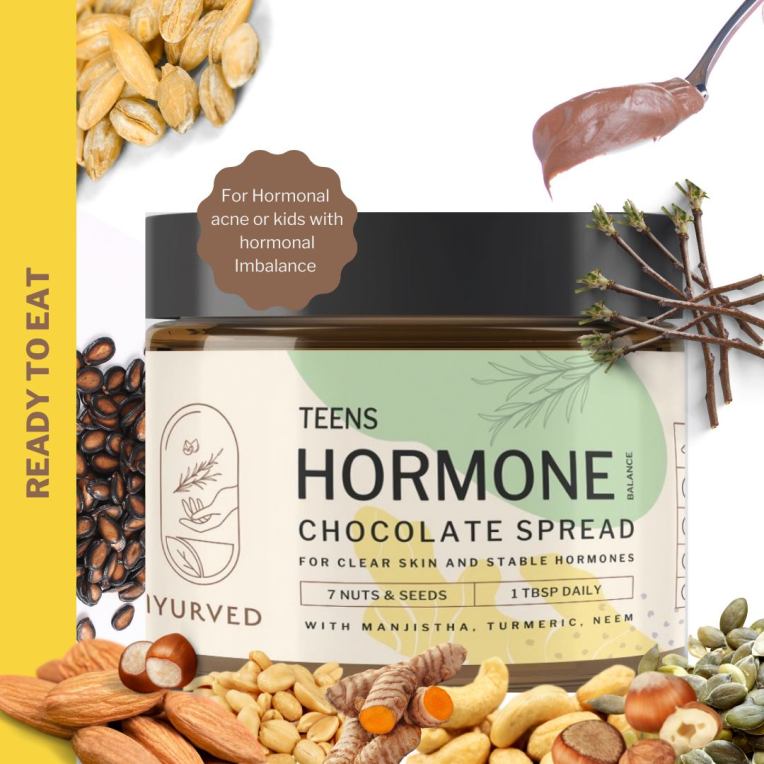
Ayurvedic herbs including Manjishtha, Turmeric, and Neem, in addition to nuts and seeds, have been shown in studies to aid children manage stress, anxiety, and hormone imbalances.

WHATSAPP for concerns like Speech Delay, Low Weight, Frequent Illness, Hyperactivity, Low Concentration, Weak Eyesight, Improper Sleep, Pigmentation, Pores, Face Marks, Fine Lines , Lactation etc.

Hormone imbalances:

These hormones are abundant in a newborn baby and gradually decrease over time. They flare up again during puberty, causing dramatic physical changes in teenagers’ bodies. In the process of puberty, teenagers go through a lot of physical changes as well as hormonal changes.

Some physical changes are regulated by changes in the levels of hormones. These are produced by the pituitary gland—luteinizing hormone (responsible for menstrual cycle in girls) and follicle-stimulating hormone (responsible for reproductive system in both girls and boys). Weight increase, acne flare-ups, height gain, hair loss, and behavioral changes such as anxiety, hyperactivity, and short-temperedness are all symptoms of hormone imbalances.

Few ayurvedic herbs are beneficial to children and can assist to alleviate their problems while also balancing their hormones.

Hormone balancing foods:

Nuts:

For your hormones to function properly, the right amount of good fat is essential as your hormones thrive on fat production. Nuts such as peanut, cashew, and almonds are good sources of the same. Almonds have great estrogenic activity. Therefore, it impacts our endocrine system and regulates our major body glands. Whereas, cashews and peanuts have healthy phytoestrogens.

Seeds:

Sunflower, pumpkin, and melon seeds are excellent sources of healthy fats. Vitamin E, antioxidants, magnesium, zinc, potassium, and vitamin K are all abundant in them. These aid in the body’s estrogen and progesterone levels being balanced. Not only that, but they’re beneficial to your overall health because they aid digestion, cell growth, and keep your nervous system in good shape.

Turmeric:

Turmeric’s anti-inflammatory qualities are well-known. Furthermore, it aids in the management of hormone imbalances by regulating estrogen metabolism. It provides excellent liver support. Curcumin, the main ingredient in turmeric, has been found in studies to help the liver detoxify. This improves the liver’s ability to flush out harmful poisons that cause hormone imbalances. It is quite important. Curcumin has also been shown to help with puberty initiation in the event of delayed puberty in a few trials.

ASHWAGANDHA

Ashwagandha is a plant that acts as an adaptogen. It is an excellent stress reliever and can be extremely beneficial for adolescent girls. Researchers believe that its root contains sleep-inducing compounds that can help people sleep better naturally. It also causes an increase in the level of acetylcholine, the most important neurotransmitter linked to increased brain power.

Also check, Health benefits of ashwagandha for kids

Shatavari

Shatavari is an Ayurvedic herb containing multifold health benefits for women. It contains vitamins A, B1, B2, C, E, calcium, magnesium, and folic acid. Flavonoids in it help regulate cellular activity and fight off free radicals that are the primary cause of oxidative stress. Shatavari also helps in balancing the hormones. It can assist to regulate the menstrual cycle and relieve the symptoms of premenstrual syndrome (PMS) and menstrual cramps. It is also useful in cases of unusual or severe bleeding.

Aloe vera

Aloe vera juice is proven to provide immediate pain relief during monthly cycles. The Aloe Vera plant is water-dense. It is the best way to detox your body. This plant keeps the body hydrated and provides a way to flush out impurities. It is a rich source of antioxidants, which helps fight free radicals and lowers oxidative stress on your body. Aloe Vera is proven to clean toxins from the liver. It also decreases irritation in the stomach and intestine.

Moringa

Moringa leaves are one of the healthiest diet foods as it is an excellent source of protein, vitamin B, vitamin C, iron, vitamin A, magnesium and fibre. It helps in boosting moods, reducing the period cramps, helps skin and hair, reduces constipation, and improves bone health and eye health. Though it’s better to eat fresh moringa leaves, soaking moringa powder in water and drinking it can help ensure that nutrients are absorbed more effectively.

Also check, Foods for increase breast size

Foods to avoid:

Refined sugar:

Refined sugar and carbs can cause substantial hormonal imbalance. Sugar causes the body’s most critical hormone, Insulin, to malfunction. Insulin interacts with a number of other hormones in the body, including estrogen and testosterone. Furthermore, it depletes vitamin B levels in the body, leading to anxiety and sadness over time.

Greatest source of sugar in the average kid’s diet are sugary snacks and beverages like cookies, cakes, candies, fruit juice, soda, and sports drinks. Everything that the child picks up to eat today has strains of added sugar in some form or the other.

Preservatives: 

Most of the packaged food companies are adding artificial preservatives to delay spoilage and contamination in foods.  To clearly define, artificial preservatives such as nitrates, benzoates, sulphites, sorbates, parabens, formaldehyde, BHT, BHA and several others can cause serious health hazards. Hormone imbalances, hypersensitivity, allergy, asthma, hyperactivity, neurological damage are some hazards.

REfined oil: 

Broadly speaking, all natural and useful elements are removed from oil during the refining process. This is bad for your hormones, digestive system, and respiratory system, and ultimately has a negative impact on your general health.


How to feed all these foods to Teens?

Now the question arises how to include all these bitter Ayurvedic herbs, nuts, seeds and antioxidants in your child’s diet?


product:

It’s no SECRET that following an Ayurvedic lifestyle has numerous advantages. This unique collection of Ayurvedic spreads is an easy solution to feed daily nutrition for Immunity, Eye, Brain development, Bone strength and overall growth to kids without any fuss. To know more about kid’s ayurvedic foods –SHOP HERE.
India’s First Tasty Kids Nutrition fortified with Ayurvedic herbs.

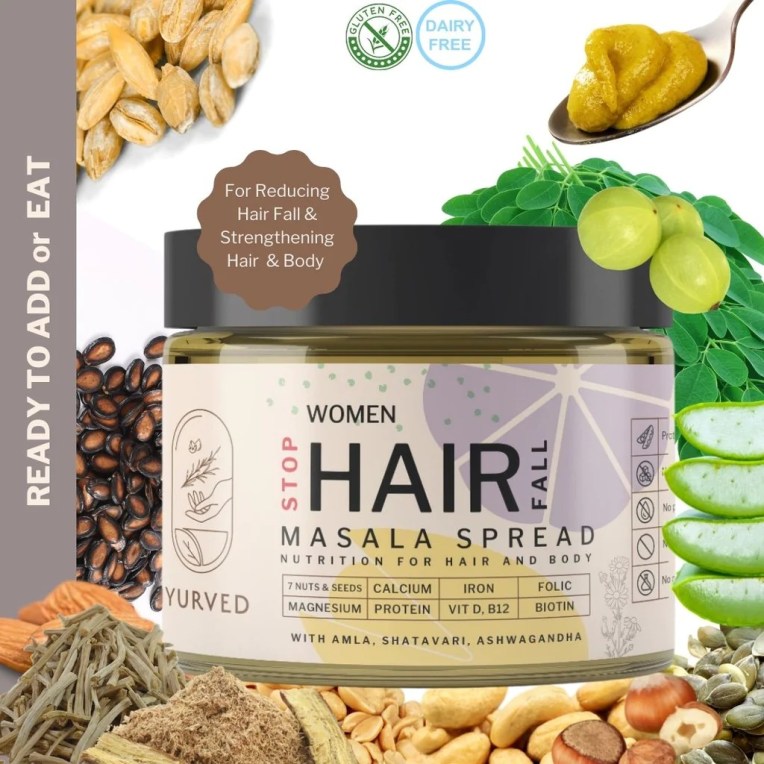
For Hormonal Imbalance or Acne or Hair fall give Women Stop Hair Fall Masala Spread | 0% Preservatives | 0% Refined Sugar | 0% Palm oil | With SHATAVARI, ASHWAGANDHA, AMLA, MORINGA, ALOE VERA | ORDER |


CHECK MORE PRODUCTS FOR:

Immunity, Gut health, Digestion, Weight, Brain development, Speech delay, Epilepsy, Eye health, Hormones, Sleep, Hyperactivity, Bones and Overall growth

foods for breast milk

READ MORE BLOGS:

5 proven natural remedies for diaper rash in babies?

Everything that gives you comfort has its own demerits and one of these is diapers which come with diaper rash.  Diaper rash in babies is quite common among infants and toddlers and can cause great discomfort.

Diaper dermatitis is an inflammatory reaction of the skin around the diaper area. It is the most common skin disorder seen in young infants.  It results due to a combination of multiple factors such as increased moisture, prolonged contact with urine or feces, and other irritants like detergents. Major signs of diaper rash are as below.

WHATSAPP for concerns like Speech Delay, Low Weight, Frequent Illness, Hyperactivity, Low Concentration, Weak Eyesight, Improper Sleep, Pigmentation, Pores, Face Marks, Fine Lines , Lactation etc.

Signs of diaper rash
  • Patchwork of bright red skin on your baby’s buttock.
  • Peeling and scaly skin.
  • Soreness.
  • Blisters or open sores.
  • Pus- filled sores.
  • Fussiness and uncomfortable.
Causes of diaper rash in babies

Dirty diaper:  Dirty diaper is the main culprit of diaper rash in babies. The enzymes in poop can cause irritation in our baby’s sensitive skin and urine releases ammonia which makes these enzymes more active and causes skin damage. There are many nights when parents don’t realize that the baby is in need of diaper change and that prolonged exposure of urine and stool causes diaper rash in kids.

Irritation and friction: Sometimes tight fitting of diapers causes irritation and constant rubbing results in rashes. Friction between the diaper and skin breaks the protective barrier of the skin, even worse when the skin being wet under the diaper.

Yeast infection:  Warm and moist area is the perfect surrounding for bacteria and yeast to grow. A group of fungi called candida normally lives in the skin and can make the normal diaper rash even worse.

Irritants: Baby’s skin is super sensitive and isn’t used to scents, soaps and other products. Diapers and wipes you are using can be the reason for diaper rash in babies. Also the harsh detergent used to wash cloth diapers may cause rashes.

In case of any specific skin condition: Some infants are particularly prone to diaper rash and may get it very frequently, especially if they have an underlying skin condition, such as eczema. ( How to treat eczema?)

Introduction of new foods: Babies take time to adjust with any new food. When the baby starts eating solid foods the content of their stool changes. The frequency of the blow movement may increase, which can lead to diaper rash. Frequent cleaning of the baby’s bottom with water or wipes make it dry out and skin loses its natural moisture which results in diaper rash. (How to introduce solids?)

How to prevent diaper rash

Babies have very delicate skin and even after parent’s best efforts, diaper rash occurs. These basic tips can help hold off diaper rash.

Change the dirty diapers as soon as possible:

The first and the most important step to prevent diaper rash in babies is to change their dirty diapers. Keep checking the diaper often and if required change it immediately. This may reduce the chances of rash to a great extent.

Cleaning:

Properly cleaning the diaper area using warm water or baby wipes that are alcohol and fragrance free, is the second step to avoid diaper rash.  Don’t rub the area as scrubbing or rubbing can further irritate the skin by damaging it. After cleaning, pet the area dry and be sure that the diaper area is completely dry before putting on a fresh diaper.

Give your baby diaper free time:

between every diaper change give your baby some diaper free time. Exposing skin to air is the best natural way to let it heal.

Change the diaper brand or detergent:

If your baby develops a diaper rash frequently, it can be because of the diaper you are using, in that case change your diaper brand immediately. In the case of cloth diapers, harsh detergents used to clean the diapers could also result in diaper rash. Choose the diaper brand and the detergent to wash baby’s clothes carefully.

Take care of the size:

Always make sure that the diaper is not too tight, as it can irritate the sensitive skin of your baby.  Tight diapers can also cause chafing at the waist or thighs. Opt a larger size of diaper with the baby’s growing age.

Using ointment:

Applying ointment during every diaper change prevents your baby from irritation. There are many barrier creams and skin soothing ointments containing zinc oxide and petroleum jelly available in the market, which may help in preventing and healing diaper rash in babies.

When to see a doctor:

Although diaper rash is painful and irritates your baby, it usually clears up with simple prevention tips discussed above at home. However if your baby’s rashes don’t improve after a few days of home treatment you must consult your doctor. These are the cases when you should seek medical help.

  • Rash doesn’t get better even after 5 to 7 days of home treatment.
  • Causes burning sensation or pain with urination and bowel movement.
  • Swelling in the diaper area.
  • If rashes spread beyond the diaper area.
  • Skin around rash bleeds, itches or oozes
  • When you are not sure what is causing rashes
  • Pus or discharge from the rash
  • If your baby develops a fever
  • Rash is accompanied by a bacterial infection.
Home remedies for diaper rash in babies

Diaper rash is annoying and very painful for babies , so it is very important to take some immediate action at home to give them some relief. Here are some home remedies for diaper rash in babies, let’s know why it works and how you are going to apply.

Coconut oil:

Coconut oil helps in protecting and retaining skin hydration with the help of fatty acids present in them. Baby’s skin is quite sensitive. Rashes caused by diapers can be treated with the help of coconut oil. Since coconut oil has soothing and hydrating properties, it reduces the inflammation thus giving relief from itching and irritation. (Home remedies to treat heat rash). Coconut oil also contains lauric acid and other essential fatty acids, it possesses antimicrobial, anti fungal and antiviral properties and thus helps in prevention of further infection. (what are some other benefits of coconut oil?)

Baking soda:

We all know the importance of baking soda for baking, but apart from this it works wonders on diaper rash in babies. It has anti-pruritus effects, which will eliminate the itching and restore the pH balance of the skin, which reduces the inflammation caused by the rash.  Baking soda is both antibacterial and antifungal, making it a great natural solution for any infection. Add Two tablespoons of baking soda in a warm bath, don’t rub the area, just let the baby soak for about 10 minutes, and wipe with a soft washcloth.

Apple cider vinegar:

Apple cider vinegar can be used for many health issues as a home remedy. It cleanses the rash and disinfects it. It has anti- inflammatory properties which help in reducing the redness and pain of the rash. You can dilute a tablespoon of apple cider vinegar in a cup of water and wash your baby’s bottom with it each time you do a diaper change. ( Other benefits of apple cider vinegar)

Olive oil:

Olive oil contains Vitamin E and Vitamin K. It is also loaded with antioxidants which can help to prevent skin inflammation.  Olive oil acts as a great moisturizer and also improves skin dryness as it is loaded with healthy fats, oleic acids and squalene, it has a regenerative effect on skin tissues. Olive oil effectively treats diaper rash. Take two tbsp. of olive oil and 1 tbsp. of water, mix well and give a gentle massage to the baby’s bum. ( Best oil for baby massage)

Homemade rash cream:

A wide variety of diaper rash creams are available in the market. But if you are sure not to use them, then you can make one for yourself at home by using simple ingredients.

How to make it: Take 1 cup coconut oil, 1 cup olive oil, 8 drops lavender essential oil, 6 drops lemon essential oil and 4 drops of tea tree essential oil. Mix them all together and store it in your refrigerator. Apply every time you change your baby’s diaper.


PRODUCT:

It’s no SECRET that following an Ayurvedic lifestyle has numerous advantages. This unique collection of Ayurvedic spreads is an easy solution to feed daily nutrition for Immunity, Eye, Brain development, Bone strength and overall growth to kids without any fuss. To know more about kid’s ayurvedic foods –SHOP HERE.

India’s First Tasty Kids Nutrition fortified with Ayurvedic herbs.

For Boosting immunity in kids, give Immunity Boost Chocolate Spread | 0% preservatives | 0% Refined sugar | 0% Palm oil | With Amla, Giloy, Tulsi, Turmeric, Ashwagandha | ORDER |


CHECK MORE PRODUCTS FOR:

Immunity, Gut health, Digestion, Weight, Brain development, Speech delay, Epilepsy, Eye health, Hormones, Sleep, Hyperactivity, Bones and Overall growth

what is the down's syndrome

Read more blogs


12 best open skin pores remedies at home

Open skin pores

Demi Moore once said “I’m a big believer in that if you focus on good skin care, you really won’t need a lot of makeup”. Many concerned queries have recently surfaced regarding open skin pores. It’s not a medical problem, but it’s clearly a cosmetic anxiety for people who are preoccupied with their skin’s appearance.

Our skin has millions of pores, and our skin would not be able to operate effectively without them. They are responsible for keeping our skin hydrated, smooth and moist. These pores are separated into two groups. One which produces sebum (natural oil) whereas the other releases sweat. A lot of factors stimulate these pores by making them look larger than others.

Open skin pores can affect any skin type, however how noticeable they are depends on the kind of skin. With the use of simple home remedies, this article will assist you in making the huge open pores less obvious.

WHATSAPP for concerns like Speech Delay, Low Weight, Frequent Illness, Hyperactivity, Low Concentration, Weak Eyesight, Improper Sleep, Pigmentation, Pores, Face Marks, Fine Lines , Lactation etc.

What are Open skin Pores?

Small pit-like pores that appear to be widespread in oily and mixed skin types are known as open skin pores. Your skin will appear healthy and youthful if your pores are closed, however your face will appear old and dull if your pores are open. The clogging of open pores might result in additional skin problems such as blackheads (Home remedies) or pimples (Home remedies).

Dead skin, oil, and debris are shed on a regular basis by our skin. These materials become caught inside the pores, causing the skin to expand to accommodate them all. This process slows around the age of 30, and the skin absorbs extra material before cleansing spontaneously. As a result, the pores become significantly larger.

Furthermore, the elastin and collagen (Natural collagen sources) that helps to keep the pores tight declines over time, causing the pores to stretch and droop.

Open skin pores cause:

Pores are usually of 3 types. O, U and Y shaped pores. There are several causes to it. They include –

Home remedies:

You won’t be able to entirely eliminate open skin pores. However, you can naturally diminish their appearance and improve the texture of your skin.

Steam:

Steaming is regarded as a universal treatment. It can help your skin glow by removing dirt from the pores and making them appear smaller. To make it more appealing, you might add herbs or diluted essential oils.

Exfoliation:

When skin exfoliation is done correctly, it can help open skin pores. It not only helps to remove extra materials from the pores, but it also helps to tighten or shrink them. It increases skin elasticity and smoothness. It’s important not to over-exfoliate because it might dry up the skin and make pores appear larger.

Mix coarsely grounded oats and tomato pulp. Make a paste. Apply this on your face and gently massage them. Rest it for 10 minutes. Rinse well.

Aloe vera:

Zinc can be found in abundance in aloe vera. Zinc is thought to constrict pores and make them appear smaller. It also aids in the improvement of skin texture. It unclogs pores and cleanses, moisturizes, and nourishes the skin.

Massage for 5 minutes with aloe vera gel. Let it rest on the skin for about 10 minutes. Rinse well. This works best when performed daily.

Clay mask:

Clay mask dries up on the skin. It works by deeply cleansing dead skin, sebum, and grime to reduce the appearance of open pores. When these components are removed, pores become tighter and less noticeable. Exfoliators and clay masks should not be used on the same day to avoid drying out the skin.

Make a paste by mixing Fuller’s earth (Multani Mitti) and rose water. Apply it on the face. Let it dry. Rinse with water by gently scrubbing. Moisturize well.

Egg white mask:

The tightening and shrinking of the open skin pore are aided by egg whites. This helps to make it appear less noticeable. It also improves the suppleness of the skin.  Mix one egg white with a few spoons of lemon juice. Apply this on affected areas. Rest it for 30 minutes. Wash well with water.

Apple cider vinegar (ACV):

Apple cider vinegar, when applied correctly, constricts the pores. It’s one of the most effective skin toners. It helps to reduce inflammation and pore size. Mix 1:1 ratio of ACV with water. With the help of a cotton ball apply it on the face. Let it dry out completely. Rinse well and moisturize.

Cucumber:

Cucumber is excellent for oily skin with open pores. It has a high-water content, which aids in skin hydration. It also tightens pores and slows down the ageing process thanks to its antioxidant effects. Blend frozen cucumber slices with lemon juice. Apply on the face and leave it for 15-20 minutes. Rinse with normal water.

Also check, Foods rich in antioxidants

Banana:

Banana skin contains potassium as well as lutein, an antioxidant that helps to tighten pores and rejuvenate the skin. Rub banana peel on the face for 5 minutes. Rest it for 15-20 minutes. Wash well.

Papaya Mash:

The antioxidant and cleaning effects of papaya are well-known. It also contains the enzyme papain, which helps to minimise the size of pores on the skin. Mash papaya pieces well. Gently massage and rest it for 15 minutes. Wash well. You can also make the choice of your fruit or combination of fruits and apply.

Honey:

Honey is the most basic home medicine and has been used for centuries. It works as a natural astringent, cleaning, toning, tightening pores, and improving overall skin texture. Massage with honey on the open skin pores in the circular motion. Wait for 15-20 minutes. Wash with lukewarm water followed by cold water.

Also check, Panchamrit benefits for skin

Essential oil:

The viscosity of jojoba oil is thought to be similar to that of natural skin oil. It helps to minimise the size of pores. It is regarded as one of the most effective home treatments for clogged pores. For a few minutes, massage with jojoba oil in a circular manner. Allow it to sit for 24 hours.

Moisturize:

An oil-free moisturizer helps minimize pore expansion, which may seem paradoxical. Cleanse your face thoroughly. Allow to air dry. Moisturize your skin.

Tips to prevent open skin pores:

Here are a few pointers to help you avoid clogged pores. Try them out to see if you notice a difference in your skin.

  • Stay hydrated
  • Healthy diet
  • Apply sunscreen on a daily basis
  • Exfoliate but make sure not to over-exfoliate
  • Do not prick or squeeze the pores of pimples
  • Try to avoid acne
  • Remove make up before sleep
  • Clean your at least twice a day
  • Evaluate your skin care products
  • Deep-pore cleansing once a month

Recipe: HUMMUS RECIPE WITH PUMPKIN, HERBS AND NUTS

Let’s make every dish tasty and nutritious by ‘hidden’ nutrition of veggies, herbs and nuts.

Check the Recipe made with Iyurved’s secret health ingredient- DAILY NUTRITION spread.

CHECK MORE HEALTHY RECIPES LOVED BY KIDS.

PRODUCTS:

It’s no SECRET that following an Ayurvedic lifestyle has numerous advantages. This unique collection of skin care product for adults is an easy solution to various skin related problems. Made with Proven Ingredients. No Silicone, No paraben, No sulfate. To know more about this product SHOP HERE

For Open Pores, Reducing Pigmentation, Acne and on Face | Use Ready Steady Glow Guava Botanical Face Drops | Made with GUAVA, ALOE VERA, PAPAYA, SAXIFRAGA PLANT, RICE PROTEIN | 100% Natural | Sulfate-Free | Paraben & Silicon-Free | ORDER


CHECK MORE PRODUCTS FOR:

Immunity, Gut health, Digestion, Weight, Brain development, Speech delay, Epilepsy, Eye health, Hormones, Sleep, Hyperactivity, Bones and Overall growth

what is the down's syndrome

Read more blogs:

What triggers eczema? 8 Tips for treating eczema

treating eczema

Treating eczema at times is hard to deal with. In addition to infants and babies, eczema can also affects teens and adults. It is possible that some people will be able to overcome this condition. In most cases, this is the long term skin condition that flares up periodically. Eczema is a skin condition in which the body develops patches on the skin that can be itchy, dry, red, inflamed, cracked and rough.

In spite of the fact that a lot of research has been done, a cure has not yet been found. Few medications or creams can help reduce inflammation. Some home remedies can soothe the skin and make it better. It must be noted that eczema can be triggered by some foods too. Avoiding them will help a lot.

By the end of this read, you will find a few tips and tips that will help in preventing and reducing eczema to some extent.

WHATSAPP for concerns like Speech Delay, Low Weight, Frequent Illness, Hyperactivity, Low Concentration, Weak Eyesight, Improper Sleep, Pigmentation, Pores, Face Marks, Fine Lines, Lactation etc.

Feedback from parents:

Types of eczema:

There are 7 most common types of eczema. Each of which has a different trigger and diverse symptoms.

Atopic dermatitis:

This is the most prevailing type of eczema. Usually outgrows by adulthood. Many people often suffer from hay fever and asthma along with atopic dermatitis (usually referred as a triad).

Common symptoms include: Rash (Elbow, knees, scalp, cheeks), dryness, inflammation, lighter or darker skin. thicker skin at times, small bumps

Causes: Skin’s weakened protection against irritants, allergens. Genetics. Immune system issues 

Contact dermatitis:

This happens when your skin comes into contact with irritants, as the name implies. It can be either allergic contact or irritant contact dermatitis.

Common symptoms include: Burning, itching, redness, sting, inflammation, bumps, blisters, leathery skin

Causes: Latex, metals, bleach, chemicals in personal care products, paints, poisonous plants, solvents

Stasis dermatitis:

In this type, fluid flows out of weaker veins into your skin.

Common symptoms include: Heavy legs, redness, varicose veins, leg swelling, itching, pain

Causes: Blood flow complication in the lower legs

Dyshidrotic eczema:

Usually affects fingers, palms, hands, toes and feet. Seen more in women as compared.

Common symptoms include: Fluid blisters, irritation, itching, redness, pain, scaly patches

Causes: Stress, allergies, constant wetness, metal exposure

Neurodermatitis:

More or less similar to atopic dermatitis. It affects arms, forearms, wrist, legs, head, feet’s sole, neck, scalp, genitals.

Common symptoms include: Hard skin, redness, itchy, scaly patches, inflammation

Causes: Stress, localized itch maybe due to insects

Hand eczema:

As the name suggests, this type of eczema affects only hands.

Common symptoms include: Dry, Red hands, itching, cracks, at times blisters, irritation

Causes: Frequent exposure to chemicals in any form

Nummular eczema:

Nummular eczema can be easily differentiable from the other types because of its formation. The coin shaped patches occur in different parts of the body, especially legs, and seem to be prone in men.

Common symptoms include: Coin shape formation, itchy, dry and scaly

Causes: Allergic reaction, insect bite, dry skin

Some common symptoms of eczema:

The symptoms of eczema may vary according to age. These symptoms helps in treating eczema. Though there are not many differences but can be noticeable.

General: Mild severity. Itching. Dryness. Redness. Scaly skin. Weeping sores. Infections if scratched frequently.

Skin colour: People whose skin tone is not white usually have eczema rash in brown colour. Light or dark patches. Hyperpigmentation.

Infants (below 2 years): Itchiness, dryness, boils, rash on cheeks, scalp and chest, redness, sensitive skin

Childhood (above 2 years): Usually overcome as the child gets older. Small bumps, itching, thick skin, rash on necks, legs, wrists, creases of buttocks, elbow and knees, light or dark rash, redness

Adults: Dry skin, infections, redness, extremely itchy, rash cover the whole body, scaly skin, irritated skin, eczema on eyelids and hands, patches, cracked skin, inflammation, bumps, blisters, thick skin, skin more prone to infections

Causes of eczema:

The absolute cause of eczema is quite unidentified. But it is alleged to be triggered by some environmental, genetic, atopic conditions.

  • Some specific foods
  • Stress
  • Hormones
  • Genetics
  • Extreme temperature conditions
  • Overactive immune system
  • Allergens
  • Irritant chemicals (personal care and others)
  • Sweating
  • Scratchy material

Home remedies:

Home remedies will help in alleviating the inflammation and are not complete treatment. Treating eczema completely is quite not possible. Please make sure to do a patch test before applying anything.

Bathing:

Clean and moist skin is an important routine to follow while treating eczema. This is important to avoid infections. But if not taken proper care while bathing, eczema can be worse.

Do’s: Use lukewarm water, follow 10-15 minutes of bath time, apply moisturizer within 3 minutes after patting dry, use mild body care products

Don’ts: Avoid harsh scrubbing, usage of to much of soap, usage of extreme water temperatures, Harsh cleansing or cleaning products

Aloe vera:

Aloe vera helps in soothing the skin. This is considered as one of the effective remedy in treating eczema as it’s natural. It also helps as it has antimicrobial, antibacterial and wound healing properties. It also prevents infections. Take some amount of pure aloe vera gel. Apply it to the affected areas. Gently massage until it blends in the skin.

Coconut oil:

Coconut oil helps in protecting and retaining skin hydration with the help of fatty acids present in them. It works well for inflammations as it has anti-inflammatory properties. Apply virgin coconut oil to the affected areas after bathing and before bed too. You can also apply and massage it slightly whenever your skin feels dry.

Apple cider vinegar:

The National Eczema Association states that apple cider vinegar helps with treating eczema skin condition when used with caution. It helps by fighting bacteria and balancing skin’s acidity levels. It is most important to DILUTE apple cider vinegar before using it. Mix 1:1 ratio of water and ACV. Lightly dip the cotton swab into it. Apply it on the affected areas. Cover it for an hour or two. Rinse well. Pat dry and moisturize.  Avoid contact with cuts, bruises, eyes and intimate areas.

Honey:

Honey has natural moisturizing properties. It works as a natural emollient. Moreover, it has antibacterial and anti-inflammatory properties too. Also, it helps in healing the wound faster. Few studies have shown that it also boosts immune system function. Take a suitable amount of raw unprocessed honey. Apply to the affected area. Rest it for 20-30 minutes. Rinse well.

Bleach bath:

Bleach is effective in killing the harmful bacteria. In fact, few studies have shown that although it may feel dangerous it actually helps in improving eczema symptoms. Use lukewarm water in the process. In a bathtub, add half a cup of regular strength bleach (6%). Mix it well. Soak in for 5-10 minutes. Rinse with warm water. Pat dry and moisturize well. If discomfort or irritation occurs immediately terminate the process. Avoid contact with eyes. Also, it must be noted that people suffering from breathing problems must avoid this remedy.

Oatmeal:

Oatmeal has anti-inflammatory properties. It helps in improving skin dryness by maintaining the skin moisture. Also, it helps in making the skin soft and reduces the intensity of itching. For eczema colloidal oatmeal is used. It’s the form of oats which are ground and boiled. This process extracts the skin healing properties of oatmeal. It’s easy to use. Just add 2-3 spoons of colloidal oatmeal in the warm bath. Soak for 10-15 minutes. Rinse well.

Essential oil:

Tea tree oil is used for most of the skin treatments. It has good antibacterial and anti-inflammatory properties. It also heals the wounds faster. Moreover, it reduces the eczema symptoms by moisturizing the skin and reducing the risk of infections. Make sure to DILUTE any essential oil before use. Mix tea tree oil in coconut, almond or olive oil. Apply to the affected parts. Rest it for about 15 minutes.

Few tips for eczema babies and children:

Extra care must be taken while treating eczema in babies and children as their skin is quite sensitive and may react quicker.

  • Use mild, chemical free moisturizers
  • Oat’s bath is generally safe for babies. Care must be taken for sensitive areas.
  • Avoid bathing the babies frequently
  • Make sure baby gets enough air flow when covered
  • Avoid tight clothing
  • Use mittens whenever required
  • Use chemical free baby care products
  • Fragrance free and alcohol-free wipes must be proffered
  • Extra care must be taken in extreme weather conditions

How to prevent eczema?

Eczema sufferers can do a number of things to improve their skin’s health and lessen symptoms.

  • Moisturize daily (twice or thrice or whenever dryness occurs)
  • Avoid going near strong heat sources
  • Use lukewarm water for bathing
  • Limit the bathing time
  • Dry yourself well
  • Reducing stress
  • Avoid scrubbing and scratching
  • Identify your triggers and avoid them
  • Cut fingernails often
  • Use gentle skin care products
  • Avoid chemical products
  • Avoid tight fitting clothing
  • Wear soft cotton clothes
  • Take extra care in winters
  • Clean yourself thoroughly when sweating a lot
  • Avoid dust and mites too

What to eat and what to avoid:

Eczema in some people can be triggered by certain foods. Some foods provoke the body to release certain immune system compounds that cause inflammation thus, inducing eczema.

Foods to eat:

Anti-inflammatory foods must be included in the diet.

Berries: Contains antioxidants. Blueberries, strawberries, blackberries, raspberries. Cherries too can help.

Fish: Rich source of omega 3 fatty acids. Salmon, sardines, mackerel, tuna

Vegetables: Great source of vitamins, minerals and antioxidants. Broccoli, spinach, kale, peppers

Probiotic rich foods: They promote good bacteria in the gut.  Kefir, kombucha, yogurt, fermented foods, cheese, buttermilk, kanji, sauerkraut. Moderation is important.

Foods to avoid:

Well, you might love some foods that are mentioned below but that can be the cause of eczema triggers. Make sure to eliminate the foods that trigger you. Try one food at a time for 6-8 weeks to understand what triggers your eczema. Above all, this is an important step to be followed while treating eczema. Either one or a combination of foods can activate or worsen eczema.

Some common food triggers:

  • Gluten
  • Soy
  • Nuts
  • Dairy
  • Eggs
  • Citrus fruits
  • Tomatoes
  • Vanilla
  • Cloves
  • Cinnamon

It is often seen that people suffering from dyshidrotic eczema get triggered by foods that contain nickel. Some of these are –

Eczema in some people can also be evoked by some birch pollen. This means they might have allergy to-

  • Pears
  • Hazelnut
  • Carrots
  • Green apples

Extra: Why does eczema get worse at night for some people?

There can be multiple reasons for the same. Fading of the remedies or medication done during the day time, scratching more in sleep, stress, environmental disturbances, few reactions or decrease in body’s temperature can be some of the reasons.

  • To avoid eczema to get worse at night try these tips –
  • Avoid triggers before bed (Best ways)
  • Keep yourself well hydrated and moisturized before bed
  • Meditate or release stress
  • Bathing or medicated baths before bed (Followed by moisturizing immediately)
  • Use clean sheets and do not use harsh fabrics
  • If you feel a bit scratchy before bed, wear gloves and sleep
  • Keep the surrounding clean and cool
  • Try wet wrapping

Eczema has no complete cure as of now. Prevention and proper care will help you reduce the eczema symptoms and make your life easier.


PRODUCTS:

It’s no SECRET that following an Ayurvedic lifestyle has numerous advantages. This unique collection of Ayurvedic spreads is an easy solution to feed daily nutrition for Immunity, Eye, Brain development, Bone strength and overall growth to kids without any fuss. To know more about kid’s ayurvedic foods – SHOP HERE.

India’s First Tasty Kids Nutrition fortified with Ayurvedic herbs.

For Boosting immunity and Fight against Allergies, Cough and Cold in kids, give Immunity Boost Chocolate Spread | 0% preservatives | 0% Refined sugar | 0% Palm oil | With Amla, Giloy, Tulsi, Turmeric, Ashwagandha | ORDER |


CHECK MORE PRODUCTS FOR:

Immunity, Gut health, Digestion, Weight, Brain development, Speech delay, Epilepsy, Eye health, Hormones, Sleep, Hyperactivity, Bones and Overall growth

what is the down's syndrome

read more blogs:

7 Best and Natural collagen sources

Natural collagen sources

Collagen is the recent buzzword in the cosmetic and health industry. There is more to it when we talk about collagens apart from its benefits for the skin. The most prevalent protein in the human body is collagen. You would be surprised to know that collagen covers about one third of protein in the body and 75% of your skin. Isn’t it a lot? The good news here is that you can get your collagen through some natural collagen sources.

Collagen is responsible for holding the body together. It plays a major role in providing strength and structure. It is mostly present in bones, connective tissues, tendons, skin, muscles and ligaments. Collagen found in the body has multiple functions. Hence, its depletion leads to a number of health issues. This is the point where we need natural collagen sources to consume and provide the body.

This article will give you an overall science backed idea about the versatile benefits, depletion and sources of collagen. But let’s start with the basics.

Collagen:

To put it in simple terms, collagen is the glue that holds the body together. Collagen is protein and is made up of the building block of protein i.e., amino acids (majorly proline, glycine, hydroxyproline and arginine). It is a hard, strong, quite flexible and fibrous form of protein that the body needs.

Collagen has different types depending upon its role in the body. Out of which 4 are main types.

Type 1: Covers 90% of the body’s collagen. Compactly packed. Provides structure to connective tissues, bones, skin, tendons, teeth and fibrous cartilage.

Type 2: Lightly packed fibres. Present in cushion joints (elastic cartilage)

Type 3: Ropes the structure of organs, muscles and arteries.

Type 4: Present in skin layers. Assist with filtration.

Why do we need collagen?

By now you might have got a little idea about what collagen is. Let’s get a bit deeper.

Every year our body loses about 1% of collagen. Initially there would be negligible difference but it makes a huge difference when you reach your 40s. The rate of breaking down is more than the rate of replacing the collagen in the body. It means, the depletion in the collagen will lead to weakened organ protection, wrinkles, weaker cartilages, weaker bones, weaker muscle tissue. Overall, it affects the strength and structure of the body. Therefore, collagen is of utmost importance.

Benefits of collagen:

Let’s talk about a few most spoken benefits of collagen.

Skin hydration and elasticity:

Collagen is known to give skin tissues its texture, durability, rigidity and structure. When collages combine with elastics fibers it gives the skin resilience. Moreover, it helps in keeping the skin hydrated and reduces the wrinkles. One of the studies in the journal Antioxidants, stated that collagen can also protect the skin from UV damage.

Reduce Joint pains:

As mentioned earlier, Collagen starts decreasing with age increasing. And as you get older you are more prone to joint disorders. Collagen is said to maintain the integrity of a rubber-like tissue that helps in protecting your joint (cartilage). It has also been hypothesized that collagen supplements stimulate the collagen production in the cartilage.  One of the studies mentioned in the Applied physiology, nutrition and metabolism journal states that collagen reduces inflammation, reduces pain and acts as a better support system for your joints.

Heals wounds:

Collagen promotes wound healing by regenerating skin cells. Also, it attracts new skin cells to the wound site to heal it faster. (First aids tips for cuts and wounds)

Prevent bone loss:

Our bones are mostly made up of collagen. This is what gives bone structure and strength. Consumption of collagen is shown to increase the bone mineral density. Thus, making it less brittle. (Foods for stronger bones)

Improve hair and nails:

Collagen is an important part of hair and nails too. They are responsible for increasing hair thickness, quality and scalp coverage. Moreover, they help in strengthening nails thus preventing brittleness. Furthermore, collagen stimulates the hair and nails to grow. (Healthy hair and skin foods)

Boost muscle mass:

Collagen is a structural protein in the muscles. It is required in order to maintain strong muscles and proper functioning. Researches indicate that collagen consumption improved the muscle mass that reduces with age. Also, it assists in synthesis of creatine (a muscle protein).

Promote heart health:

Surprising, right? Yes, researches mention that collagen may reduce the risk of heart related issues. Although this may be true as collagen is accountable to maintain artery stiffness and provide them structure. In addition to it, collagen also helps in improving the good cholesterol levels in the body.

Easily digestible protein:

The collagen that you get in the form of supplements are a bit different than that in the body. Supplements are usually made up of shorter chain amino acids and are hydrolyzed forms of collagen. This is the easily digestible form of collagen. This process also makes them easy to use in everyday foods.

Collagen damage:

There are several factors that damage or depletes the level of collagen in the body. If you wish to have healthy skin then avoid these factors.

Smoking: Reduces the collagen production. Damages skin elastin too.

Eating too much refined carbohydrates and sugar: Reduces collagens self-repair ability. Glycation (in which sugar attaches to protein to make a new molecule) damages protein. Brittle and dry collagen. (How sugar affects your skin)

UV rays: Excess of sun rays breaks the collagen. Decreases production. Irregular elastin build up. (Sunscreen tips)

Autoimmune disorders: Damages collagen.

Genetic changes and Ageing process: Cannot be avoided

Natural collagen sources:

There are some good natural collagen sources that you can consume if you do not wish to take supplements. One of the great things about collagens is that it is resorbable. It can be absorbed back into the body.

Procollagen is the initial step collagen formation. It uses up two amino acids viz., proline and glycine. The fact is that this can also be found in some foods.

Proline: Mushrooms, cabbage, egg whites, dairy products, asparagus, wheat germ, meat, soy

Glycine: Chicken skin, beans, nuts, seeds, salmon, legumes, watercress, spinach,

Vitamin C: Citrus fruits, bell peppers, strawberries, broccoli

Vitamin A: Carrots, squash, broccoli, fish, dairy products, salmon, spinach, sweet potato, egg

Copper: Cocoa powder, sesame seeds, lentils, cashew nuts, shellfish, nuts, green leafy vegetables

Zinc: Beans, lentil, nuts, seeds, fish, chickpeas, dairy products, whole grains, legumes

Anthocyanins: All bright Berries, cherries, Aubergine, red cabbage, dark chocolate, grapes, all red, purple and blue foods


RECIPE: HEALTHY SIMPLE TOFU WITH SPINACH, HIDDEN NUTS AND HERBS

Let’s make every dish tasty and nutritious by ‘hidden’ nutrition of veggies, herbs and nuts.

Check the Recipe made with Iyurved’s secret health ingredient- DAILY NUTRITION spread.

CHECK MORE HEALTHY RECIPES LOVED BY KIDS.


PRODUCTS:

We are happy to introduce our range of nutritious & tasty products for kids!!
We know that preparing and feeding healthy foods everyday is a huge task. Even more tough when kids are picky eaters. Kids prefer certain foods and formats. It is not easy to feed kids bitter Ayurvedic herbs, variety of vegetables, fruits, nuts and seeds everyday.
Mixed with Ayurvedic herbs, this unique product is an easy solution to feed daily nutrition for Immunity, Brain development, Bone strength and overall-growth to kids without any fuss.

Iyurved Teens Hormone Balance Chocolate Spread

India’s First Tasty Kids Nutrition fortified with Ayurvedic herbs.

Kids & Teens Hormone Balance Chocolate Spread | 0% preservatives | 0% refined sugar | 0% Palm oil | with MANJISTHA, TURMERIC, NEEM | ORDER |

Check more products for: Immunity, Brain development, Sleep (for hyperactive kids), Weight, Eyesight, Hormones and Overall growth

(shipping in India and Singapore only)


Join Fast-Growing KIDS NUTRITION & SKINCARE Community for Parents of small Kids & Teens.

FREE CONSULTATION (Join)

Foods and Remedies recommended by a Nutrition expert.


READ MORE BLOGS:

How to cure a cracked heel? Remedies at home!

how to cure a cracked heel

Do you find yourself in a situation where you put on makeup, do hair at its best, dress well, smell good and then you realize your footwear doesn’t fit the outfit just because of Cracked Heels! Annoying, isn’t it? This read will help to find how to cure a cracked heel by using simple kitchen ingredients.

In medical terms, cracked heels are known as Fissures. It’s a pervasive foot condition.  Cracked heels usually do not cause a serious issue as the main cause is skin dryness. The only problem is appearance.

Heels withstand our body’s complete weight (Natural ways to reduce weight) and pressure. When the skin down there becomes dry (Home remedies for dry skin) and flaky it expands causing fissures or crack. But the good news is that treating cracked heels isn’t complicated.

Below are some best home remedies and the prevention tips of cracked heels that will amaze you.

What causes cracked heels?

The first sign of a cracked heel is dryness and thickened skin. It is mostly accompanied by flaky skin, itching, pain and inflammation. If you wish to know the answer to how to cure a cracked heel you must know the causes too. There are many other factors that affect cracked heels.

  • Dry or cold weather
  • Dry skin
  • Age
  • Prolonged hot showers
  • Walking barefoot
  • Obesity
  • Standing for a longer period of time
  • Harsh cosmetic soaps or abrasives
  • Wearing open back footwears
  • Friction
  • Using footwears that don’t fit well

Apart from these, there are some medical causes that lead to cracked heels. They are –

How to get rid of cracked heels? Home remedies.

Exfoliation and moisturization will take you from the of how to cure a cracked heel to cured a cracked heel. These simple yet effective remedy work well.

Exfoliation:

The dead skin accumulation near the cracks must be removed for the heels to heal. This will also help the moisture to penetrate well in the skin.

Lime and sugar scrub:

Lime is a rich source of vitamin C (Immunity boosting foods) . It helps in collagen synthesis which keeps skin firm. Sugar acts as an exfoliator. Wash your feet with warm water. Take a slice of lemon. Dip it in sugar. Gently scrub it on the heels until the sugar melts on your skin or for about 3-5 minutes. Wash the skin. Pat dry. Apply honey and rest for 15 minutes. Wash clean.

Salt and water:

Soak your feet in warm salty water for 15 minutes. Later, scrub the feet with a scrubber or pumice stone.  Wash clean and dry. Apply petroleum jelly and wear socks. You can also add some apple cider vinegar (Benefits of apple cider vinegar) to the water for better results.

Oatmeal scrub:

Soak your feet in warm water for 10 minutes. Mix oatmeal, honey, apple cider vinegar in a bowl.  Rub this on your feet for a few minutes. Let it rest for 10 minutes. Wash with normal water. Apply aloe vera.

Neem:

If you are facing some infection with a cracked heel this remedy is for you. Neem and turmeric have great antimicrobial, anti-bacterial, anti-fungal and anti-inflammatory properties. Make a paste of neem powder and turmeric powder by adding some honey or coconut oil. Apply to the affected areas. Leave for 15-30 minutes. Wash well.

Moisturize:

As mentioned earlier, skin dryness is the major cause of cracked heels. Keeping your heel moisturized is of utmost importance. This helps by penetrating the skin and reducing the water losses. Thus, keeping the skin soft and supple.

Honey:

Honey has good antibacterial properties. Moreover, it heals the skin and acts as an emollient. Clean the heel. Pat dry. Apply honey. Massage well for 5 minutes. Rest it for 10-15 minutes. Wash with normal water.

Fats:

Coconut oil (Benefits of coconut oil), shea butter or olive oil are known to work best for dry skin. They work by providing and trapping moisture inside the skin. Plus, they have anti-inflammatory properties which keeps infections away from the skin.

Massage with any of the oil of your choice for about 5 minutes. Keep it overnight. Wear socks to lock in the moisture. Wash in the morning.

Paraffin wax:

This is a great remedy for cracked heels. It seals the moisture. Heat paraffin wax until it melts completely. Once warm, dip your foot into it. Coat 2 layers. Let it dry completely. Remove the layer and wipe off.

Banana mask:

Mash ripe banana. Add lemon juice to it. Apply it to your heels. Rest for 20 minutes. Wash clean. Apply aloe vera for hydration.

Tips to prevent cracked heels:

If your skin is dry and prone to cracked heels then you must follow these tips for foot care to avoid heel fissures in future.

  • Wash your feet twice a day
  • Avoid extreme hot or cold water
  • Sidestep from harsh soap and cleansers
  • Drink plenty of water
  • Moisturize your heels immediately after washing
  • Avoid harsh scrubbing
  • Wear proper size footwear
  • If possible, the use of flip flops should be minimized
  • Do not wear skinny heel that will allow the skin to spread more
  • Try not standing in one position for longer hours
Foods to add in your diet:

Vitamin deficiency can also be a reason for cracked heels. Include these foods in your diet to keep your feet soft and healed.

Vitamin C: Important in collagen synthesis. Citrus fruits, berries, lychees, papaya, watermelon, cherries, peppers, guava, kiwi, broccoli

Vitamin E: This vitamin protects skin from damage. Vegetables oils, cereals, wheat germ, Nuts, seeds

Zinc: Protects skin from UV damage. Shellfish, brown rice, legumes, seeds, nuts, yoghurt, eggs, potatoes, dark chocolate

Iron: Keeps skin healthy. Spinach, kale, broccoli, beans, beetroot, chickpeas, meat, pumpkin seed, quinoa

Calcium: Restore, heals wounds and preserve skin. cheese, milk, yoghurt, broccoli, figs, soybeans, salmon (How calcium helps the body)

Omega 3 fatty acids: Guards against dry skin. Fish, nuts, seeds, soybean oil, corn oil, avocado, olive (What is omega 3 fatty acid)

Vitamin B3: Helps in healing and moisture retention. Eggs, cereals, dark green vegetables, beans, fish, milk


Recipe: MILLET BREAD EASY RECIPE WITH HIDDEN HERBS AND NUTS

Let’s make every dish tasty and nutritious by ‘hidden’ nutrition of veggies, herbs and nuts.

Check the Recipe made with Iyurved’s secret health ingredient- DAILY NUTRITION spread.

CHECK MORE HEALTHY RECIPES LOVED BY KIDS.


PRODUCTS:

We are happy to introduce our range of nutritious & tasty products for kids!!
We know that preparing and feeding healthy foods everyday is a huge task. Even more tough when kids are picky eaters. Kids prefer certain foods and formats. It is not easy to feed kids bitter Ayurvedic herbs, variety of vegetables, fruits, nuts and seeds everyday.
Mixed with Ayurvedic herbs, this unique product is an easy solution to feed daily nutrition for Immunity, Brain development, Bone strength and overall-growth to kids without any fuss.

India’s First Tasty Kids Nutrition fortified with Ayurvedic herbs.

If your Child is a Picky Eater or does not take enough Nutrition for the day, you can give ‘5 Ayurvedic Herbs and 7 Nuts’ Savoury Spreads to meet Daily Nutrition ORDER | 0% Preservative

Check more products for: Immunity, Brain development, Sleep (for hyperactive kids), Weight, Eyesight, Hormones and Overall growth

(shipping in India and Singapore only)


Join Fast-Growing KIDS NUTRITION & SKINCARE Community for Parents of small Kids & Teens.

FREE CONSULTATION (Join)

Foods and Remedies recommended by a Nutrition expert.


Read more blogs:

How to treat face with blackheads- 7 Home remedies and foods

face with blackheads

Life isn’t perfect, but your skin can be! Blackheads are no fun. They come in abundance and are hard to hide. This read will help you to stay away from the horrors of having those black spots (blackheads, of course). Also, will help you treat your face with blackheads with the easy kitchen superstars. (Home remedies for hyperpigmentation)

Our skin has oil glands all over the body and face too. They tend to accumulate all kinds of dirt, sebum and dead cells. If not cleaned on a timely basis they can cause blackheads and whiteheads. Blackheads are most commonly seen on and around the nose, cheeks and forehead. But they can also appear on the other part of the body.

People having oily skin (Home remedies for oily skin) are prone to black heads but unfortunately, the beauty is that it can affect everyone, lol. One thing that I would like to highlight here is STOP SQUEEZING YOUR BLACKHEADS! It will make them worse.

Wait, what exactly are blackheads?

In simple terms, tiny bumps appear on the skin when the pores are clogged with dead skin cells, sebum and debris. These, when exposed to the surface of the skin, get oxidized (with the oxygen in the air) followed by the formation of black or grey colour. These black bumps are known as blackheads. Scientifically called as comedo or comedones.

Blackhead causes:

A lot of people have a misconception that poor body hygiene causes blackheads. Well, there are many underlying causes that lead to blackhead formation. Here are some.

  • Excess oil production
  • Hormonal changes (Foods to manage hormone imbalance)
  • Pregnancy
  • Age
  • Genetics
  • Heavy sweating
  • Dead cell or bacteria build up
  • Oil based products
  • Certain medication (such as steroids)
  • High humidity
  • Avoid actions and tools that open up pores
How to get rid of blackheads? Home remedies:

Don’t wish to have expensive treatments for blackheads? NO worries. We are here with 7 effective ways to treat face with blackheads! Home remedies are safe to use and are natural solutions.

Steaming:

Face steaming is an effective way to clean blackheads. In fact, it is considered as a first step to treat face with blackheads. It helps by opening up the pores and softens the stubborn blackheads. Moreover, it helps to clear toxins from the face.

Baking Soda:

Apart from its use in baking, baking soda acts as an excellent home remedy for blackheads. It has antibacterial properties. In addition, it is a great exfoliator and balances skin pH too.

Mix 1 tablespoon of baking soda and 2 tablespoons of water. To it add a few drops of lemon. Make a paste. Apply to the affected areas. Scrub and rest for 15-20 minutes and wash with lukewarm water. If this suits you, use it every day for better results.

Green tea:

Antioxidant properties of green tea are well known. Besides, it helps in removing excel oil, impurities from the skin and unclog the pores.

Mix 1 tablespoon of dry green tea leaves with 2 tablespoons of water to make a not too smooth paste. Gently scrub on the blackheads. Leave for 15-20 minutes. Rinse with lukewarm water. Use this once or twice a week.

Egg and honey mask:

face with blackheads need a good mask. Great ingredients give great output. Eggs are known for its properties of tightening pores, eliminating excess dirt, dead skin and facial hair. While honey keeps the skin hydrated.

Mix egg white with 1 tablespoon of honey. Apply on the blackheads. Let it dry. Peel off or wash with lukewarm water. Repeat this once or twice a week for better results.

Coconut oil scrub:

Coconut oil, turmeric and sugar works well to eliminate blackheads. Oil soothes and hydrates the skin whereas turmeric has anti-inflammatory and antioxidant properties. Sugar acts as an exfoliator.

Mix 2 tablespoons of coconut oil along with 1 tablespoon of turmeric and sugar. Scrub gently and rest it for 10-15 minutes. Using this on alternative days shows good results.

Cinnamon and lemon:

Great remedy for blackheads out there. Cinnamon improves the blood circulation and helps in tightening the pores. Lemon on the other hand, is rich in vitamin C and is responsible for fighting blackheads by reducing the oil content.

Mix 2 tablespoons of cinnamon powder and 2 tablespoons of lemon juice. Make a smooth paste. Rest it for 15-20 minutes. Wash with lukewarm water. Use honey to moisturize after. Use this on alternative days for better results.

Tomato:

If you have oily skin then this remedy will suit you best. Tomato absorbs oil and shrinks the pores. Moreover, it brightens the skin.

Take a slice of tomato. On it add some sugar. Scrub gently and let it rest for 10-15 minutes. Rinse with lukewarm water.

Tips to prevent blackheads:

It’s always better to prevent than cure. Few tips to prevent the blackhead formation that doesn’t cost you a penny.

  • Wash your face twice a day (and even after heavy workout)
  • Avoid over scrubbing or over exfoliation
  • Use oil free sunscreen
  • Use good quality cosmetic product or oil free one and alcohol free (prefer non-comedogenic products)
  • Get enough rest
  • Drink good amount of water
  • Maintain a healthy diet
  • Avoid squeezing, popping, pricking and touching
  • Avoid tight clothes
  • Try to avoid excess hot or cold water on the skin
  • Keep your skin well hydrated
  • Remove makeup before sleeping
Pro tip: How to make your own pore strip at home

Pore strips are used to peel off the blackheads. Here’s how you can make it at home.

What you need: Milk, honey and cotton strip

How to make: Mix 1 tablespoon of whole milk with 1 tablespoon of honey. Microwave for 10-12 seconds. When warm apply on the affected areas and place a cotton strip on it. Let it dry or rest for 15-20 minutes. Gently peel off and rinse.

Foods to reduce blackheads:

Certain foods when consumed affect our skin in a positive manner. Few of them are-


Recipe: honey turmeric balls

Let’s make every dish tasty and nutritious by ‘hidden’ nutrition of veggies, herbs and nuts.

Check the Recipe made with Iyurved’s secret health ingredient- DAILY NUTRITION spread.

CHECK MORE HEALTHY RECIPES LOVED BY KIDS.


Products:

We are happy to introduce our range of nutritious & tasty products for kids!!
We know that preparing and feeding healthy foods everyday is a huge task. Even more tough when kids are picky eaters. Kids prefer certain foods and formats. It is not easy to feed kids bitter Ayurvedic herbs, variety of vegetables, fruits, nuts and seeds everyday.
Mixed with Ayurvedic herbs, this unique product is an easy solution to feed daily nutrition for Immunity, Brain development, Bone strength and overall-growth to kids without any fuss.

India’s First Tasty Kids Nutrition fortified with Ayurvedic herbs.

Kids & Teens Hormone Balance Chocolate Spread | 0% preservatives | 0% refined sugar | 0% Palm oil | with MANJISTHA, TURMERIC, NEEM | ORDER |

Check more products for: Immunity, Brain development, Sleep (for hyperactive kids), Weight, Eyesight, Hormones and Overall growth

(shipping in India and Singapore only)


Join Fast-Growing KIDS NUTRITION & SKINCARE Community for Parents of small Kids & Teens.

FREE CONSULTATION (Join)

Foods and Remedies recommended by a Nutrition expert.


Read more blogs:

All about coconut oil benefits: Skin, Hair, Body and Oral hygiene

about coconut oil benefits

Coconut oil is widely considered as a “True Superfood”. This is because there aren’t a lot of things that coconut oil can’t do. While talking about coconut oil benefits, it can be considered as “Do it all miracle oil”.

Coconut oil is derived from the lifeline of the health tree i.e., coconut tree. It is well known for its taste, health and other versatile benefits that you may not be even aware of. Over decades, coconut oil has gained its fame as a healthiest food for skin, hair and body and the benefits are beyond your expectations.

Let’s get aware of what all this hype is about with the science-backed health benefits of coconut oil for skin, hair, body, oral health and others.

Composition of coconut oil:

Coconut oil is rich in Medium Chain Fatty acids (MCT). These MCTs are easier to burn and harder for the body to convert into fats. It is a rich source of Vitamin E and almost 100% fat.

Fatty acids found in coconut oil include –

Saturated fatty acids: Lauric acid, Myristic acid, Palmitic acids, Caprylic acid, Stearic acid, Capric acid.

Unsaturated fatty acids: Oleic acid, Linoleic acid

Types of coconut oil:

Broadly speaking, Coconut oil is classified into two: refined coconut oil and virgin coconut oil.

Refined coconut oil is produced through heat exposure. It is refined, bleached, deodorized and made from dried coconut. Moreover, it is less expensive, has a neutral scent and higher smoke point. Usually recommended for cooking and have fewer nutritional properties.

Virgin coconut oil is a pure form of oil and is produced without heat exposure. It is made from cold pressing and is unbleached. Moreover, it retains all the natural aroma and has a lower smoke point. It tastes great and has numerous health and nutritional benefits. It is recommended to consume this raw like a dressing.

Cold pressed coconut oil is extremely pure and raw. It has a higher smoke point and is considered better for high temperature cooking. This is usually priced higher since the extraction process retains all the nutrients.

Benefits of coconut oil for skin:

Apart from cooking, coconut oil has some outstanding benefits for skin too. It shines in the beauty product sector too. Read below to explore more about coconut oil benefits for skin.

Treating dry skin:

Skin hydration is an issue faced by most of us. Coconut oil helps in protecting and retaining skin hydration with the help of fatty acids present in them. If you have oily face skin, then try to avoid its use. (Home remedies for dry skin)

Protection against UV radiation: Natural sunscreen

Coconut oil protects your skin from the harmful UV radiations by acting as a barrier between your skin and the radiations. This acts as a natural sunscreen as few studies have stated that it can block about 15-20% of the sun’s UV radiation. Although this may be true but it won’t work as a complete protection. (How to apply sunscreen)

Reduces Inflammation:

The major reasons for skin inflammation include eczema, dermatitis and psoriasis. Since, coconut oil possess anti-inflammatory properties, it is a quick fix that penetrates the skin easily.

Treating Pimples:

Coconut oil contains MCTs that help in reducing pimples or acne by killing the bacterias responsible for this. Therefore, application of a thin layer of coconut oil to the affected areas works. (Home remedies to reduce pimples)

Keeps you safe from infections:

As coconut oil contains lauric acid and other essential fatty acids too, it possesses antimicrobial, antifungal and antiviral properties. This helps in prevention of infection in the body. Consumption and application both work well. (Immunity boosting foods)

Heals wounds:

Coconut oil helps in wound healing by increasing the production of collagen. It is considered as an important wound healing protein.

Anti-ageing:

Apart from soothing, smoothing and nourishing the skin, coconut oil acts as an anti-ageing serum. It is rich in vitamins, vitamin A and fatty acids that reduce wrinkles, fine lines, damaged skin and hyperpigmentation. Moreover, it improves the skin elasticity to a greater extent. (How sugar affects your skin)

Stretch marks:

Coconut oil can be an effective remedy to reduce stretch marks. Application of a mixture of warm coconut oil with pure kapoor (camphor) works best.

Treats baby rashes:

Baby’s skin is quite sensitive. Rashes caused by diapers and heat can be treated with the help of coconut oil. Since coconut oil has soothing and hydrating properties, it reduces the inflammation thus giving relief from itching and irritation. (Home remedies to treat heat rash)

Benefits of coconut oil for hair:

Coconut oil is not only beneficial for the skin but also plays an important role in hair nourishment. Mentioned below are few benefits of coconut oil for hair:

Prevents damage:

Your hair is more vulnerable when wet. When the hair is wet it undergoes structural changes by absorbing water. This results in hair damage and hair fall. Applying coconut oil before and after hair wash prevents damage by reducing protein loss. If applied before, it reduces the amount of damage during washing whereas application of the same after bath prevents damage caused by friction and styling. Moreover, it keeps your hair soft and smooth. (Hair fall home remedies)

Makes your hair shine:

Coconut oil helps in hair shine as it penetrates the scalp much better than other mineral oils. It protects the hair and locks the moisture thus, providing shine to the hair strands. This is the secret of long and shiny hairs.

Protects your hair:

Coconut oil contains essential properties that are important for revamping damaged hair. The nutrient in the oil nourishes the scalp thus protecting it from damage. Its chemical structure is so superior that it helps in protecting the hair from the environmental and cosmetic damages.

Aids hair growth:

Longer, thicker and shinier hair can be obtained from coconut oil. In addition, coconut oil helps in aiding hair growth by reducing breakage, moisturizing the hair, reducing protein loss and protection against environmental damage. It also promotes hair growth by removing excess sebum from the hair follicles. For this to work best, you need to make it a regular beauty regimen. (Reasons of hair fall in kids and remedies)

Prevents lice:

The initial step of lice prevention can be usage of coconut oil. Massaging coconut oil along with tea tree oil kills the lice. Alternatively, you can use apple cider vinegar to wash off the lice eggs after the coconut oil treatment.

Protects hair from sun UV radiations:

Studies state that application of coconut oil protects the hair from the sun’s harmful radiations. It may work as a weak sunscreen.

Treats dandruff:

Coconut oil has antibacterial and antifungal properties. That is why frequent massage of warm coconut oil reduces dandruff. (Home remedies for dry and itchy scalp)

Benefits of coconut oil for oral hygiene:

Coconut oil for oral hygiene has been used since decades. Oil pulling is the natural way of preventing any oral health issues. It helps in maintaining the oral hygiene by

  • Killing the harmful bacterias
  • Reduce bad breaths
  • Prevents dental plaque
  • Prevents tooth decay (Importance of teeth brushing in kids)
  • Preventing gum disease
  • Reduce build-up of food debris
  • Prevents formation of film on tongue
How to oil pull?

It’s simple! Oil pulling is more like an oil mouthwash. Swish coconut oil in your mouth for 15-20 minutes and spit out followed by brushing. The reason behind doing this is, every time you oil pull, the fatty acids present in the oil traps the bacteria and removes them from the mouth. Isn’t it an interesting fact about coconut oil benefits?

Coconut oil drinking benefits: Body care
Boost heart health:

Coconut oil may help in boosting heart health. It contains saturated fatty acids but these work differently as compared to the other saturated fats. It increases the healthy cholesterol (HDL, good fat) in the body while lowering the harmful effects of LDL. Additionally, the MCTs present in this oil are not involved in the cholesterol transport. On the whole, it may help boost heart health.

Quick source of energy:

MCTs present in the coconut oil are easily digested and go directly from your gut to the liver. The body uses them as a quick energy source without increasing the blood sugar levels. (Power foods all kids need)

Helps in fat burning:

Coconut oil helps in the proper functioning of the thyroid and endocrine system. It boosts the body’s metabolic rates which aids weight loss. The major fats from coconut oil are converted into energy rather than being stored as a fat. (Natural ways for weight loss)

Reduce hunger:

Studies shows that coconut oil is responsible for satiety. It reduces hunger by producing ketones in the body. This aids to weight loss also as the intake of the calories reduces. (Tips to increase appetite in kids)

Improve Cognitive (Brain) Functions:

One of the lesser-known facts about coconut oil benefits is its role in improving brain function. The MCTs present in this oil break down into super rich ketones which act as an alternative energy source (fuel) for the brain. This helps in boosting memory. Moreover, it has been studied that it enhances the abilities of language and orientation in Alzheimer patients. (Foods for brain development in kids)

Controls blood sugar:

Recent work on the impact of coconut oil on the blood sugar level states that it helps in promoting insulin secretion. In addition to that, it helps in stabilizing the blood sugar levels and  encourages effective use of blood glucose.

Boost Bone Health:

Coconut oil helps boost bone health in two ways. Firstly, being a rich source of antioxidants, it neutralizes the free radicals and reduces oxidative stress. Secondly, it helps in the absorption of calcium, magnesium and other fat-soluble vitamins and minerals. In addition, it is useful in reducing the symptoms of osteoporosis and arthritis. (Bone development in kids)

Reduce stress:

The combination of two properties of the virgin coconut oil helps in relaxing the body. This oil can be used in aromatherapy which helps in body and mind relaxation. Gentle massage of coconut oil eases the stress.

Balance hormones:

Hormonal imbalance is quite a matter of concern these days. Coconut oil is rich in lauric acid. It helps in balancing the hormones and may have a good effect on the estrogen levels. It is good to consume this during menopause. (Foods to manage hormone imbalance)

Everything is okay, but how much coconut oil per day?

Even though coconut oil serves abundant health benefits, moderate use of it is required.  It should be treated like any other fat that you come across. You can enjoy all the benefits of coconut when consumed in adequate amounts.

Usually, it is best to limit yourself to about 2 tablespoons of coconut oil in a day.

Health benefits of coconut water:

Not only coconut oil but also coconut water plays an important role in the body.

  • Good source of hydration
  • Great source of calcium, magnesium, phosphorus, potassium (Calcium rich foods)
  • Help in preventing kidney stones
  • Instant energy source
  • Reduce blood pressure
  • Aids in digestion (Probiotic foods)
  • Healthy skin
  • Hangover cure
  • Treats flatulence, stomach ulcer and gastrointestinal issues
  • Prevention against infections
  • Eliminates worms (Deworming in kids)
Other benefits of coconut oil:

Apart from having health benefits coconut oil helps in some non-health related issues too. This makes coconut oil a whole.

  • Stain removal
  • Natural deodorant
  • Wood shine
  • Makeup removal
  • Massage
  • Base for exfoliants
  • Natural highlighter
  • Nasal drops
  • Hygiene wash

Recipe: Whole grain cake cum bar with hidden nuts and herbs

Let’s make every dish tasty and nutritious by ‘hidden’ nutrition of veggies, herbs and nuts.

Check the Recipe made with Iyurved’s secret health ingredient- DAILY NUTRITION spread.

CHECK MORE HEALTHY RECIPES LOVED BY KIDS.


Products:

We are happy to introduce our range of nutritious & tasty products for kids!!
We know that preparing and feeding healthy foods everyday is a huge task. Even more tough when kids are picky eaters. Kids prefer certain foods and formats. It is not easy to feed kids bitter Ayurvedic herbs, variety of vegetables, fruits, nuts and seeds everyday.
Mixed with Ayurvedic herbs, this unique product is an easy solution to feed daily nutrition for Immunity, Brain development, Bone strength and overall-growth to kids without any fuss.

India’s First Tasty Kids Nutrition fortified with Ayurvedic herbs.

Kids & Teens Immunity Booster Chocolate Spread| 0% preservatives | 0% refined sugar | 0% Palm oil | Fortified with AMLA, GILOY, TULSI | ORDER

Daily Nutrition for: Immunity, Brain development, Bones and Overall growth

(shipping in India and Singapore only)


Join Fast-Growing KIDS NUTRITION & SKINCARE Community for Parents of small Kids & Teens.

FREE CONSULTATION (Join)

Foods and Remedies recommended by a Nutrition expert.


Read more blogs:

Tips for skin care: How to apply sunscreen?

how apply sunscreen

You scream, I scream, Sunscreen! There is a lot of misinformation and misunderstanding about how to apply sunscreen. Usually, only the bright sunshine reminds us of the importance of sunscreen but NO! Your skin needs to be protected even when there’s no sun! Check what science really has to say about sunscreen.

Sunscreens are made to protect our skin from the harmful UV rays of the sun. Moreover, they help in preventing tans, sunburn, wrinkles, leathery skin and reduce the risk of skin cancer too when used properly and in adequate amounts. But, if you’re wearing sunscreen, that doesn’t mean you can stay longer in the heated sun as much as you can.

Here’s a lot more for you to decide whether sunscreen is a friend or foe to your skin.

Types of sunscreen:

There are basically two types of sunscreens. Each of them protects the skin in a different way.

Chemical sunscreen:

This type of sunscreen usually contains active ingredients such as octinoxate, oxybenzone, octisalate, avobenzone, octocrylene or homosalate. It works like a sponge. They help in protecting the skin by absorbing the sun’s UV rays before it penetrates the skin. This sunscreen is easier to rub and blends well.

Physical sunscreen:

This is also called Mineral sunscreen. It typically contains zinc oxide, titanium oxides or both as an active which works like a shield. It helps by reflecting the UV rays away from the skin. This sunscreen works best for sensitive skin.

Both sunscreen works well for the skin. Normally, a combination is used. While buying a sunscreen 2 things must be kept in the mind – SPF and broad-spectrum protection (protects against UVA and UVB). Water resistance is another factor to be considered.

What is SPF?

The full form of SPF is a Sun Protection Factor. It is used to measure how much or how well the sunscreen protects the skin against UVB rays. In simple terms, it measures how long it takes for the sun to burn (redden) the skin with and without sunscreen application.

What SPF should I use?

The SPF and its protection are directly proportional i.e., higher the SPF number, higher the protection. 15 SPF (block around 93% UVB rays) is the least that you should use whereas SPF 30 (blocks 97%) works best of all.

Why is daily application of sunscreen recommended?

Application of sunscreen should be a daily and a year-round habit that everyone should build. Here are few reasons to do so –

  • Protects the skin from UV rays
  • Lowers risk of skin cancer
  • Prevents premature Aging
  • Maintains even skin tone
  • Protect against sunburn
  • Avoid blotchy skin
  • Avoids hyperpigmentation
  • Stop DNA damage
When should I apply sunscreen and how much?

Always remember, apart from sun damaging your skin, sand, water, stone and snow also reflect the sunrays and harms your skin. Make sure to apply sunscreen when around these surroundings. The sun’s radiations are strongest between 10am – 4pm. Avoid excessive or prolonged exposure.

The answer to how much to and how to apply sunscreen is- sunscreen must be applies 30 minutes prior to sun exposure so that it can be absorbed by the body completely and less likely to wash off when you perspire. Generally speaking, 30 grams of sunscreen is required to cover your entire body! REAPPLICATION OF SUNSCREEN AFTER EVERY 2 HOURS IS A MUST.

Every part of the body which is not covered is eligible for sunscreen application. Face, neck, arms, ears, lips, legs and areas hard to reach like the back should be focused.

Indoor:

Even if you are staying indoors and don’t feel the need to apply sunscreen, you still have to apply sunscreen. This is because UV light can penetrate your skin through the openings and windows. It’s like you’re receiving the similar UV rays as you would if you were outside.

On cloudy days:

Sun is hidden on cloudy days. But, studies state that even though it’s hidden, around 80% of the UV radiation reaches earth. Unfortunately, it results in skin damage. So next time don’t forget to apply sunscreen on cloudy days too.

High altitudes:

Higher altitudes increase the risk of sun damage. Applying sunscreen reduces this impact and protects the skin. Snow reflects 80% of the rays. So next time you go skiing, don’t forget to apply your sun gear!

Winters:

Application of sunscreen during summers is a must and explainable, but why winters? This is because during winters, the ozone layers thin out. This means we have less defence against UV rays.  Therefore, it is important to apply sunscreen even to the easy to forget areas.

Light clothing:

Clothing definitely acts as a protective gear from the sunrays. But, not all. Light weight and coloured fabrics and garments are more likely to be hit by sun and allow light. Alternatively, dark or dense coloured clothes provide good defence. Application of sunscreen while wearing light clothing is important.

Swimming and other high perspiration activities:

Swimming and activities like heavy exercise, running, jogging washes out the sunscreen. It is advisable to reapply the sunscreen after such activities for better protection.

Some tips:

Reapply sunscreen after every 2 hours

  • Choose broad spectrum sunscreen
  • Be careful around sensitive areas (eyes, nose, bruises, irritated skin)
  • Apply thoroughly
  • Shake well before use (Spray and sticks are available now)
  • Choose water resistant sunscreen
  • SPF 30 works best
  • Wear protective gears
  • Do not use sunscreen on infants or below 6 months
  • Make sure you are not allergic to the ingredients mentioned
  • If you are already using some medicated products, make sure that no interactions occur
  • Works best when applied bare skin or after serum as it protects the skin not only from UV rays but also from the makeup from going deep into skin.
Foods with UV protecting properties:

Apart from sunscreen application and wearing protective gears, here’s an extra dose of sun protection! Yes, there are few foods that help with extra UV protection. Include this in your diet for good results.

  • Berries: Blueberry, strawberry, cherries
  • Red wine (Moderate amounts)
  • Omega-3 rich and Vitamin E foods: Sunflower seeds, salmon, sardines, hemp seeds, nuts, avocado
  • Antioxidants and vitamin C rich: Green tea, pomegranate, dark chocolate, tomatoes, olive oil, watermelon
  • Beta-carotene rich: Carrots, sweet peppers, sweet potato
  • Dark green vegetables: Spinach, kale, broccoli
  • Coffee

Recipe: Red capsicum pasta sauce with hidden nuts and herbs

Let’s make every dish tasty and nutritious by ‘hidden’ nutrition of veggies, herbs and nuts.

Check the Recipe made with Iyurved’s secret health ingredient- DAILY NUTRITION spread.

CHECK MORE HEALTHY RECIPES LOVED BY KIDS.


Products:

We are happy to introduce our range of nutritious & tasty products for kids!!
We know that preparing and feeding healthy foods everyday is a huge task. Even more tough when kids are picky eaters. Kids prefer certain foods and formats. It is not easy to feed kids bitter Ayurvedic herbs, variety of vegetables, fruits, nuts and seeds everyday.
Mixed with Ayurvedic herbs, this unique product is an easy solution to feed daily nutrition for Immunity, Brain development, Bone strength and overall-growth to kids without any fuss.

hyperpigmentation

India’s First Tasty Kids Nutrition fortified with Ayurvedic herbs.

Teens Hormone Balance Chocolate Spread | 0% Preservatives | 0% Refined Sugar | 0% Palm oil | With Manjistha, Turmeric, Neem ORDER |

Check more products for: Immunity, Brain development, Sleep (for hyperactive kids), Weight gain, Eyesight, Digestion, Eczema, Dyslexia, Speech Delay and Overall growth.

(shipping in India and Singapore only)


Join Iyurved group for FREE CONSULTATION

Foods and Remedies by a Nutrition Expert

Read more blog: