Common Behavioural Disorders in Kids

behaviour disorders

Is your kid always adamant and throws tantrums? Is he/she being very rude or aggressive to you or other family members? It is very common for most kids to throw temper tantrums or act impulsively or defiantly. These are frequently typical phases of childhood development. But when the behaviour is consistent, prolonged, or out of place for the child’s age and stage of development, it could be a symptom of behavioural disorders. Continue reading to know more about behaviour disorders, their signs & symptoms, causes and types.

WHATSAPP for concerns like Speech Delay, Low Weight, Frequent Illness, Hyperactivity, Low Concentration, Weak Eyesight, Improper Sleep, Pigmentation, Pores, Face Marks, Fine Lines , Lactation etc.

WHAT IS Behaviour disorderS?

Children with behaviour disorders typically exhibit a pattern of persistently disruptive behaviour that causes issues at home, school, and in social settings. Behavioural disorders range from persistent impulsivity, inattention, and hyperactivity. Children under the age of five are not frequently diagnosed with major behavioural disorders, but they can display indicators. Children’s behavioural issues might occasionally be an indicator of neurological conditions like autism. The wide spectrum of autism poses cognitive, behavioural, and social difficulties for kids.

Also, Check: Tantrums and ADHD

Causes:

The following are some possible causes of behaviour disorders in kids:

  • Gender: Behavioural disorders are far more common in boys than in girls.
  • Gestation and birth: Difficult pregnancies, early birth, and low birth contribute to behaviour issues in kids. Parents who smoke or have a habit of substance abuse or any other addictions can lead to kids being exposed to these toxins which will manifest as behaviour disorders when they grow up.
  • Temperament: Early-on temperamental, aggressive, or difficult-to-control children are more prone to behavioural disorders. (Parents guide for the anger management in kids)
  • Family life: Kids in dysfunctional homes and in families facing domestic violence, poverty, poor parenting skills or substance abuse are at higher risk of behavioural disorders.
  • Learning difficulties: Reading and writing difficulties are frequently linked to behavioural disorders. (Learning disability in kids)
  • Intellectual disabilities: Children with intellectual disabilities are twice as likely to have behavioural disorders.
  • Trauma: Stress that is severe or ongoing can cause psychological trauma, a complicated emotional and physical reaction. Early trauma exposure can affect a child’s development.
  • Brain development: There is evidence that suggests alterations in neurotransmitter levels, brain development, and brain anatomy may affect behavioural disorders. For instance, in children with ADHD, the brain’s attention-controlling regions are less active. Aggression may also be influenced by low serotonin and excessive sensitivity to the stress hormone cortisol.

 Also, Check: Autism and behaviour issues

Types of Behavioural disorders:

1. ADHD (Attention Deficit Hyperactivity Disorder):

ADHD is the most prevalent neurodevelopmental disorder. Children with this condition have trouble paying attention, controlling impulsive actions, and regulating their restless feelings. ADHD (attention deficit hyperactivity disorder) symptoms typically appear between the ages of 3 and 6. This is the most prevalent type of behavioural disorder and is thought to affect two to five percent of children. Because ADHD affects the sexes differently, it is less frequently diagnosed in girls.

Also, Check: Developmental benefits of sensory bin

Types OF ADHD:
  1. Predominantly hyperactive-impulsive
  2. Predominantly inattentive
  3. Combined hyperactive-impulsive and inattentive 

Also, Check: Proven foods for ADHD

Symptoms:
  • Trouble in staying focused on a task
  • Often makes careless mistakes
  • Easily distracted
  • Difficulty in following instructions
  • Frequently avoid tasks that require a long time
  • Can’t remain still
  • Disorganized
  • Inability to control oneself or be impulsive
  • Excessive and uncontrolled movements
  • Difficulty sleeping
  • Short attention spans and a lack of focus

Also, Check: 8 effective ways to manage hyperactive kids

2. ODD (Oppositional Defiant Disorder):

Defiance and disobedience towards authority people are characteristics of oppositional defiant disorder (ODD). Disruptive behaviour disorder, or ODD, can result in serious issues at home and in the classroom. When a child is a toddler or adolescent, oppositional conduct is a common developmental stage. However, when compared to other people of the same age, that conduct becomes hostile, frequent, and excessive, it may signify ODD. It can typically begin as early as 8 years or even up to 12 years in some kids. 

Symptoms:
  • Frequently irritated
  • Arguing back with the adult or refusing to do what they ask
  • Intentionally causing annoyance to others
  • Being bitter and resentful
  • Accusing others of wrongdoing
3. Conduct Disorder (CD):

Conduct disorder is diagnosed in older adolescents or teenagers who repeatedly violate rules or exhibit irresponsible behaviour. Frequent violations of social norms or other people’s rights are a defining characteristic of CD. It is estimated that 5% of 10-year-olds have CD, with boys outnumbering girls four to one. Children with CD and ADHD together make up one-third of the population. In the general population, 6- 16% of boys and 2- 9% of girls are at risk for CD. Many people with CD find it challenging to understand other people’s behaviour. In addition to having trouble empathising, people with CD may also struggle with other mental health issues like anxiety or post-traumatic stress disorder, which have an impact on their way of thinking and acting.  

Symptoms
  • Persistent disobedience toward parents or other people of authority
  • Running away from home
  • Lack of empathy for others
  • Damaging other’s property
  • Being hostile to people and animals
  • Engaging in cruel behaviour, such as bullying and physical or sexual abuse
  • Willingness to initiate violent conflict
  • Physical aggression towards animals and people 

Also, Check:15 healthy brain foods

If you think your child may have a behaviour disorder, it’s necessary to have them examined by a licenced mental health expert because many disorders can get worse over time without treatment.


Products:

It’s no SECRET that following an Ayurvedic lifestyle has numerous advantages. This unique collection of Kids Ayurvedic Brain Booster is also an easy solution to feed daily nutrition for Brain development to kids without any fuss. Made with Proven Ingredients. No Preservatives or Artificial Colour or Flavour. No Side Effects. Trusted by 20000+ Parents and Practitioners. To know more about kid’s ayurvedic foods – SHOP HERE

India’s First Tasty Kids Nutrition fortified with Ayurvedic herbs.

For Kids with Behavioural issues, Hyperactivity or ADHD, give Kids & Teens Brain Booster Chocolate and Sleep Well chocolate spread | 0% preservatives | 0% refined sugar | 0% palm oil | Fortified with SHANKHAPUSHPI, ASHWAGANDHA, BRAHMI | Contains OMEGA 3, PROTEIN | ORDER |


CHECK MORE PRODUCTS FOR:

Immunity, Gut health, Digestion, Weight, Brain development, Speech delay, Epilepsy, Eye health, Hormones, Sleep, Hyperactivity, Bones and Overall growth

what is the down's syndrome

READ MORE BLOGS:

8 Tips to Improve Academic Performance

how to improve studies

Managing children can be difficult in and of itself and it takes a lot of patience to even try to get them to learn anything. In the current era with advancing technology, the bars of academic expectations from the students are experiencing an incremental rise. Every parent holds a very strong concern of “How to improve studies?” and making students remain fit in the academically enhancing world. So also, the rise in competition in every academic sector compels a student to improvise their ways of grasping and learning things proficiently in order to make the best use of it. Check this article to know a few tips and ways to improve your kids academic performance.

WHATSAPP for concerns like Speech Delay, Low Weight, Frequent Illness, Hyperactivity, Low Concentration, Weak Eyesight, Improper Sleep, Pigmentation, Pores, Face Marks, Fine Lines , Lactation etc.

Wanna know some secret tips regarding “How to improve studies”?

Come on, let’s have a look at some!

1. Take care of Basics:

Any activity starts with the basics, and progresses gradually and firmly to reach the levels of excellence at its advanced stage. In order for your child’s mind to be stretched to master difficult subjects and be able to adapt to new concepts and themes, academic basics are required for a solid foundation. In other words, students simply need to be prepared for real-life situations and the difficulties that come with them. Apart from this, make certain that your child gets adequate sleep, eats well, practices excellent hygiene, and receives regular medical treatment.

Also, check How to increase memory power in kids?

2. Cultivate creative thinking:

Creative ideas are indeed prolific! Creativity automatically brings in an ability to look at a problem through different perspectives and so also puts healthy stress upon the mind to dig out multiple ideas to arrive at a solution to those problems. Thus though there’s one answer, there can be numerous different ways to arrive at the same. All students need creative thinking skills so that they can participate and interact effectively in life.

3. Teach children to embrace failures:

There’s a famous quote written by Thomas Edison that says, “I have not failed. I have found 10,000 ways that don’t work”. Children must be taught that failures are not bad experiences but mistakes that are not meant to be put to use again. Failure enhances critical thinking as well as information recall. But often students don’t realise how much they may learn from their blunders. It’s simple for them to feel ashamed or think achievement is too far away when faced with failure and put in more effort to accomplish their goals.

4. Praise and encourage for good work:

Indeed we all are better than we know, if only we are brought to realise it then we may never again be prepared to settle for anything less! It’s very important for a parent/mentor to acknowledge a child’s efforts behind any particular task. This helps the child understand how to choose a wise approach for the ultimate fulfilment of goals. It strengthens constructive conduct and increases self-worth, motivation and zeal. Positive reinforcement upon completing a set of tasks also helps the child to upgrade and enhance his/her performance levels ahead.

Also, check Speech delay: Food that help

5. Teaching to make the best use of technology:

Technology-based education appears to be a step in the right direction for transforming education. If used in conjunction with the proper motivation and vision, technology and education make an excellent pairing. Nowadays, everything is just available on one click! Thus making the best use of one click to improve studies and achieve academic excellence needs to be deeply impregnated in the minds of children. Installation of computer setup must be done at home in such a way that you can also keep a watchful eye on your children and be aware of what sort of work they are performing upon the computer system. 

6. Habit of making retention cards:

After learning any particular subject, it is equally important to make ready-reckoner retention cards or short notes as it makes their understanding much easier. Provide freedom to the children to retain information upon the cards in whichever way it gets easier for them, either in terms of flowcharts and figures or in terms of short writings. During exam times, it gets easier to just glance through the critical points written down on the cards.

7. Practising discipline:

Practising discipline at things is always must to be consistent with efforts and it indeed helps the children to better understand how to improve studies. When performing any assignment, discipline means being sincere, diligent, inspired, and motivated. Quality of the person’s character aids in finishing the assignment by the deadline. With discipline, an individual gets deeply rooted with the accomplishment of his aims. 

Also, check 10 Tips for Personality Development in kids

8. Taking proper rest:

There are two ways that enough sleep benefits kids. A child who has had a good night’s sleep is awake and aware and therefore is better able to focus. Second, when one is sleeping, the brain is forming long-term memories and consolidating short-term ones. So also short healthy breaks in between successive learning sessions is must to allow the brain to pause for a while, ingest the things and firmly fix deep within for the long term. 

Never do this with your children:

Let’s look at some points that negatively affect a child’s mindset and will not help them to improve studies.

1. Comparisons :

By constantly comparing our child with other children, we increase his/her anxiety and stress levels. Because they desire to impress their parents, kids can become nervous when they can’t. When they begin to think that everyone else is better than they are, it can affect their self-esteem.

For example, Comparison based on the type of grades scored in schools can create a sense of inferiority in the minds of children which can affect their performances further.

Also, check Healthy Diet plan for Autism

2. Discouragement :

Each child learns differently and expresses his emotions differently too. Discouraging a child for the type of method/approach which he/she follows for accomplishing any task can result in the creeping of self-doubt in their minds. Any type of learning can be learnt by either taking in visually, through reading or by listening to the audio.

For example, Discouraging a child to not jotting down his personal notes and also focusing on listening to the lectures, hampers the way of thinking of the student and not allow him to work upon how to improve his studies.

3. Forcing:

Putting your expectations and interests upon the child and asking him to do things which he does not like to, can develop a strong feeling of animosity towards understanding and performing things. Forcing can be bad, but at times it’s a must too! It all depends on the way you force things!

For example, A child who does not hold a liking for math is forced to sit continuously for a span of 2 hours to work on solving the arithmetic sums and may not be able to make it up efficiently as it can get troublesome for him to sit for entire 2 hours with taking some healthy mind refreshing breaks in between.

Also check, Impact of Sleep on Brain Development

How to replenish the brain?

A healthy diet rich in nutrients is very essential for the brain’s functioning and to improve studies in kids. Let’s take a look at some nutritional tips for consumption:

1. NUTS

Almonds, pistachios, walnuts and cashews nuts all have something unique to offer. Walnuts support healthy brain function, while pistachio nut oils store fatty acids and fight inflammation. Almonds aid with memory improvement.

2. SEEDS

Seeds are regarded as a superfood that is jam-packed with the vitamins and minerals your brain needs for vigour, focus, mood, sleep, and to prevent memory loss. Your general mental health will benefit from using seeds in your meal plan. Seeds include, Sunflower seeds, pumpkin seeds, Melon seeds, etc.

3. Shankhapushpi

According to Ayurveda, Shankhpushpi relieves tension and anxiety while calming the brain. Its Medhya (improves intelligence) characteristic also helps memory by functioning as a brain tonic. Take Shankhpushpi powder with warm milk or water as it assists in improving focus and memory.

4. Brahmi

It has been demonstrated that Brahmi enhances focus and memory. Some of the chemical constituents in Brahmi stimulate the neural pathways involved in cognition, which aids in the development of cognitive skills. Additionally, this plant is utilised to treat dementia and other mental diseases like Alzheimer’s.

Also, check Tantrums and ADHD: How to manage?

5. Ashwagandha

The ingredients in ashwagandha have anti-inflammatory, brain-protective, and stress-reducing properties that may shield your body from a number of ailments. It raises acetylcholine levels, supporting enhanced intelligence, mental clarity, and memory.

6. Green leafy vegetables

A diet rich in greens is very helpful to keep your brain sharp and youthful. They are rich in antioxidants and help in protecting the brain from oxidative stress.

7. Proteins

Any dietary plan must include protein because it is crucial for maintaining optimal brain health. There are numerous different foods that include protein, such as meat, fish, eggs, soy, milk, beans, legumes, and nuts.

8. Omega 3 fatty acids

Through all stages of life, normal brain function and development depend on the omega-3 fatty acids eicosapentaenoic acid (EPA) and (docosahexaenoic acid) DHA. These two fatty acids have potent anti-inflammatory effects on the body and are parts of cell membranes. They are also widely known for playing crucial roles in heart health and human growth.

Also, check Omega 3 foods for Brain Development


CHECKSuccess story of 15-year-old Raj who boosted his Confidence and Academic performance!!

Products:

It’s no SECRET that following an Ayurvedic lifestyle has numerous advantages. This unique collection of Ayurvedic spreads is an easy solution to feed daily nutrition for Immunity, Eye, Brain development, Bone strength and overall growth to kids without any fuss. To know more about kid’s ayurvedic foods –SHOP HERE.

India’s First Tasty Kids Nutrition fortified with Ayurvedic herbs.

To improve Focus, Concentration & Attention span, give Kids & Teens Brain Booster Chocolate/ Savoury Spread | 0% preservatives | 0% refined sugar | 0% palm oil | Fortified with SHANKHAPUSHPI, ASHWAGANDHA, BRAHMI | Contains OMEGA 3, PROTEIN | ORDER |


CHECK MORE PRODUCTS FOR:

Immunity, Gut health, Digestion, Weight, Brain development, Speech delay, Epilepsy, Eye health, Hormones, Sleep, Hyperactivity, Bones and Overall growth

what is the down's syndrome

READ MORE BLOGS:

Developmental Benefits of using Sensory Bins

activities with water

Do you struggle to keep your kids engaged in any activities? Or, Do they lapse into distraction when doing any task? Do you have difficulty managing your child’s excessive energy? Let me now introduce you to the sensory bin’s magic. In addition to being enjoyable to play with, it has several scientifically demonstrated advantages for helping autistic children’s symptoms. For kids with autism, different textures and feelings can be overwhelming. The sensory activities with water, sand, or other items that requires the use of several senses is more enjoyable and uses more of the brain’s neural pathways for development. 

Also, Check: Sensory Processing Disorder

WHATSAPP for concerns like Speech Delay, Low Weight, Frequent Illness, Hyperactivity, Low Concentration, Weak Eyesight, Improper Sleep, Pigmentation, Pores, Face Marks, Fine Lines , Lactation etc.

What are Sensory Bins?

A sensory bin is often a large container or plastic tub loaded with items and things that have been chosen specifically to stimulate the senses. Chopped paper, water beads, water, sand, and a number of other objects can all be used to fill a sensory bin. Sensory bins for toddlers come in a variety of styles, but they are all essentially bins packed with a variety of items that vary in shape, size, colour, texture, and so on, with which toddlers can play, explore, and learn. The fact that it is simple to alter the bins’ contents is a major benefit.

Also, Check: Autism and Sensory sensitivity

Children with autism can benefit greatly from sensory bins. These bins offer sensory stimulation as a soothing activity and several chances for learning and exploration. They are fantastic for improving fine motor abilities, learning about new materials, enhancing creative play, encouraging conversation, or even developing those imitation skills. 

Also, Check: A Healthy diet plan form autism

Importance of Sensory Activities:

Activities should constantly be customized to each child’s unique support strategies because children with autism exhibit a variety of different behaviours.

It is advantageous in a number of ways to involve children with autism in sensory activities because it can help in:

  • Stimulating the brain, forming neural connections, and enhancing sensory processing mechanisms
  • Developing interpersonal abilities like cooperation and communication
  • Enhancing coordination and fine/gross motor skills
  • Calming down agitated children
  • Promote independent play or personalized learning, both of which can help children’s academic performance
  • A simple and approachable sensory experience for autistic kids 

Also, Check: Causes of autism and 10 foods that may help

Benefits of Sensory Bin:

1. Fine Motor Development:

Fine motor development includes the growth of muscles like the toes, tongue, and eyes, as well as eye-hand and eye-finger coordination, finger strength, and finger control. Toddlers may find it challenging to hold, move, and handle little objects, but sensory bins allow them an enjoyable method to interact with it and comprehend it better.

Also, Check: Autism and Eye contact

2. Vocabulary and Communication skills:

As your kids work on their creations, new thoughts and ideas emerge, opening up the possibility for new words to describe what they are doing. This helps in improving their vocabulary and verbal communication. This also makes them to comprehend the task that they are doing.

3. Introducing Maths:

Adding objects or measuring spoons provides a great opportunity to talk about numbers and teach children about maths and measurement. When providing a sensory bin of pom poms or beans, you can count and sort them into different containers by numbers, colours, or both.

4. Concentration and attention span improvement:

Sensory bins are a relaxing and peaceful activity that encourages children to sit attentively for extended periods of time. This is excellent for gradually extending a child’s attention span. The kids will remain engaged for a longer period of time the more invested they are in what they are creating. 

Also, Check: 8 Fun and engaging activities for autistic kids

5. Introducing Science concepts:

Science subjects can be introduced in a fun way by using sensory bins. By experimenting with different ingredient combinations or adding water to make it tougher, softer, liquidy, etc., the texture can be altered. 

6. Sensory Exploration:

The main advantage of sensory bins is that the kids can explore and learn about several sensations by using sensory bins. It is a crucial quality to cultivate, and the earlier the child does so, the better. The bins allow children the chance to investigate and comprehend several senses, including touch, seeing various colours, shapes, and textures, hearing their own sounds and tasting, and smelling things.

7. Co-operation and socialization:

Sensory bins can enhance social skills including sharing, cooperating, and communicating when played with others, such as siblings and friends.

Also, Check: Autism and behavior issues

8. Cognitive Development:

Children may learn the alphabet, and their numbers, and get practise with counting and spelling by adding number and letter shapes to a sensory bin. Sensory bins can aid cognitive development by allowing kids to sort hidden things by size or colour. 

Also, Check: Gut and brain connection in autism

9. Calming Effect:

In order to calm down a child and help them transition from noisy play to some quiet time and relaxation, sensory bins can be a great stress reliever. It turns out that providing children with a few containers with various items inside of them helps them channel all of their internal surplus energy and calm down. 

Also, Check: Tantrums and ADHD

CHECK ACTIVITIES FOR FINE MOTOR SKILLS DEVELOPMENT


Products:

It’s no SECRET that following an Ayurvedic lifestyle has numerous advantages. This unique collection of Kids Ayurvedic Brain Booster is also an easy solution to feed daily nutrition for Brain development to kids without any fuss. Made with Proven Ingredients. No Preservatives or Artificial Colour or Flavour. No Side Effects. Trusted by 20000+ Parents and Practitioners. To know more about kid’s ayurvedic foods – SHOP HERE

India’s First Tasty Kids Nutrition fortified with Ayurvedic herbs.

For Kids with Sensory issues, Autism, give Kids & Teens Brain Booster Chocolate/ Savoury Spread | 0% preservatives | 0% refined sugar | 0% palm oil | Fortified with SHANKHAPUSHPI, ASHWAGANDHA, BRAHMI | Contains OMEGA 3, PROTEIN | ORDER |


CHECK MORE PRODUCTS FOR:

Immunity, Gut health, Digestion, Weight, Brain development, Speech delay, Epilepsy, Eye health, Hormones, Sleep, Hyperactivity, Bones and Overall growth

what is the down's syndrome

READ MORE BLOGS:

Omega-3 Foods for Brain development in kids

omega 3 foods

Are you having a problem concentrating or do you experience brain fog? Do you have joint pain or your hair is losing its natural shine and becoming thin and brittle? These are some of the signs that you lack omega-3 fatty acids in your diet. Omega-3 fatty acids are vital nutrients needed for all regular bodily processes, including cell proliferation and muscle contractions. It is undoubtedly necessary to include omega-3 foods in your kid’s diet as they are important for their overall growth and development. Continue reading to learn more about the benefits and excellent sources of omega-3 foods which aid in brain development.

Also, Check: Brain boosting foods

WHATSAPP for concerns like Speech Delay, Low Weight, Frequent Illness, Hyperactivity, Low Concentration, Weak Eyesight, Improper Sleep, Pigmentation, Pores, Face Marks, Fine Lines , Lactation etc.

Omega 3 Fatty acids:

Omega-3 fatty acids are a type of polyunsaturated fatty acids that provide a wide range of benefits for the brain, acting as a remedy for many brain disorders. Additionally, it has a significant positive impact on heart health. It helps in brain development, better eyesight, glowing skin, fighting depression and fight inflammation, improved sleep and cognition, the prevention of both neuropsychiatric and neurodegenerative illnesses, and many more. Some research has also shown that omega-3 fatty acids help in managing behavioural and psychological conditions in kids because of their role in neurotransmitter function. As our body cannot produce Omega-3 fatty acids, the only way to incorporate them into our body is through our diets.

Also, Check: Benefits of Omega- 3

Types of omega 3:

There are 3 types of omega-3 fatty acids:

  • Eicosapentaenoic acid (EPA)
  • Docosahexaenoic acid (DHA)
  • Alpha linolenic acid (ALA)

For optimum brain function, DHA and EPA are both essential. DHA is the most prevalent fatty acid in the brain and plays a crucial role in the formation and operation of nerve cells. EPA is crucial for controlling cellular inflammation. The brain’s ability to grow, operate and maintain itself is all influenced by DHA and EPA, and as we age, both DHA and EPA levels gradually decline. The DHA levels in our body vary depending on the kinds and quantities of fatty acids in our diet. EPA and DHA are found mainly in certain fish, whereas ALA is found in plant sources.

Also, check: Supplements that help in brain development

Adequate intake (AI) of omega-3 fatty acids as per NIH (National Institute of Health):

Daily needs of omega 3 fatty acids depend upon age and gender. ALA is the only omega-3 fatty acid with specific dosage guidelines.

AgeMaleFemale
0 to 12 months0.5 grams0.5 grams
1 to 3 years0.7 grams0.7 grams
4 to 8 years0.9 grams0.9 grams
9 to 13 years1.2 grams1.0 grams
14 to 18 years1.6 grams1.1 grams
19 to 50 years1.6 grams1.1 grams
51 + years1.6 grams1.1 grams
19 to 50 years (pregnant)1.4 grams
19 to 50 years (lactating)1.3 grams
Adequate intake of Omega 3 fatty acids

Also, Check : Vitamins and minerals to boost fertility

Foods that are rich in omega-3:

Following are some foods and herbs that are great source of omega-3 fatty acids which helps in enhancing brain function. 

1. Tapioca Starch

Tapioca starch is a great source of Vitamin K. This nutrient is very important for the proper functioning of the neurological system. The vitamin prevents free radicals from damaging brain tissue and keeps the neural networks active.  Additionally, it contains dietary fibres like cellulose and pectin that aid to maintain digestion and healthy gut health.

Also check, Health benefits of pumpkin seeds for kids

2. Sage:

Sage is a great source of vitamins, minerals, and antioxidants. It has been demonstrated to strengthen your brain’s defence mechanism and aid in memory, problem-solving, thinking, and other cognitive functions.

3. Flax seed:

Flaxseed, which is high in Omega 3 fatty acids, aids in regulating and promoting general brain function. It is particularly rich in alpha-linolenic acid (ALA), a form of omega-3 that has been closely associated with brain health. It contributes to better circulation and inflammation reduction in addition to enhancing cognitive function. 

4. Vitamin K2-7 (Menaquinone):

A reduction in cognitive impairment symptoms, depression, and anxiety, as well as improved learning and spatial memory, have all been associated with vitamin K supplementation. It also provides essential nutrients for the strong nervous system. 

5. Omega – 3 Fatty Acids:

Omega-3 fatty acids are considered as healthy brain food that may counteract oxidative stress and inflammations, two drivers of cognitive decline. It also increases the concentration power in kids. These healthy fats have amazing brain-boosting power and play a vital role in enhancing memory and attention span.

( What are some home benefits of omega 3?)

6. FOS (Prebiotic fiber):

FOS (Prebiotic fibres) are beneficial for many important functions, such as enhancing mood, working memory, learning memory, and reaction time. Prebiotics may support both cognitive enhancement and avoid behavioural changes. They also aid in a variety of digestive issues, encourage the growth of beneficial bacteria in the gut, and even strengthen your immune system.

Also, check Role of Prebiotics for health

7. Rice Protein

There are significant amounts of various vital amino acids in rice protein. It has been demonstrated to build muscle mass and increase strength. It is rich in non-heme Iron which plays a major role in transporting oxygen throughout the body and helps in improving brain health and metabolism. Moreover, compared to many other protein powders, rice protein is regarded to be much simpler to digest. 

8. Sprouted Moong Dal:

The nutrient-dense sprouted moong dal is an excellent source of essential vitamins and minerals like calcium, iron, potassium, magnesium, and B vitamins. Excellent for bone strength and helps maintain brain health. 

Also, check Benefits of Soaking and Sprouting of Seeds

9. Moringa:

Moringa includes 100% of the recommended daily allowance of Vitamin E and K, which is excellent for strengthening bones and improving skin and hair. It is also a fantastic source of vitamin B1, which has amazing effects on a child’s brain. The high iron content of moringa promotes brain sharpness. It aids in strengthening memory and learning while also enhancing neurotransmission in the brain. It lessens oxidative stress and the degeneration of brain nerve cells.

Also, check What are the Benefits of Moringa for kids?

10. Beetroot:

Beetroot nitrates may boost brain function by encouraging blood vessel dilatation and so improving blood flow to the brain. It contains Vitamin C, B9 (folate), calcium, potassium, copper, manganese, iron, nitrates, proteins, and phytonutrients (betalains).  It’s known to specifically increase blood flow to the frontal lobe of the brain, which is connected to higher-order cognitive functions including decision-making and working memory.

11. Spinach:

Spinach is packed with brain-boosting nutrients like vitamin  A, B12, K, and iron. According to research, just one serving of spinach per day may help your brain stay a decade younger (likely due to Vitamin A) than people who do not regularly consume green leafy vegetables. Spinach is a complete superfood in addition to being a brain booster.

12. Giloy:

This healthy brain food is found to increase dopamine levels, boost locomotor function, decrease oxidative stress and help in overall brain health. Giloy possesses anti-inflammatory qualities that aid in the recovery of brain cells that have been injured. Additionally, it can also help to boost immunity.

Also, check Foods to boost immunity

13. Alfa-alfa Grass:

Alfalfa has a diverse range of vitamins, minerals, and bioactive substances, which contribute to its many health advantages. The antioxidant properties of alfalfa may lessen the cellular harm brought on by free radicals. 

14. Barley Grass:

Gamma-Aminobutyric Acid (GABA), a chemical messenger that works in the brain to regulate emotions and alleviate stress and anxiety symptoms, is abundant in barley grass extract. It is gluten-free, unlike its counterpart barley and is a natural detox for the body.

15. Wheat Grass:

It has also been demonstrated that wheatgrass has a neuroprotective impact on the brain, which can enhance mental capacity and memory. Extracts of this healthy brain food provide a concentrated, rich and bioavailable source of all brain-boosting nutrients.

As you are now familiar with the healthy omega-3 rich brain foods that are required to boost your child’s brain development, memory and focus, adding them to their daily diet would be the best option.


PRODUCTS:

Make it EASY to feed a daily dose of vegetables, greens, dal, and prebiotics and probiotics. 1 serving of Veggies and  Dal powder equals 30-50g of fresh food. Helps to provide daily nutrition for Immunity, Brain, Digestion, Bones, Healthy Weight, Height, Eye health and Growth. Get yours now!

Brain Booster Powder

India’s First Tasty Kids Nutrition fortified with Ayurvedic herbs.

For Brain Development, Focus, Memory and Hyperactivity, give Kids & Teens Brain Booster Veggies and Dal Powder | Rich in Omega-3, Vitamin D, Vitamin K | Made with 100% veggies, greens, sprouted dal | 0% preservative | 0% Artificial Colour | 100% Natural| ORDER |


CHECK MORE PRODUCTS FOR:

Immunity, Gut health, Digestion, Weight, Brain development, Speech delay, Epilepsy, Eye health, Hormones, Sleep, Hyperactivity, Bones and Overall growth

what is the down's syndrome

READ MORE BLOGS:

How does PCOS affect Fertility?

pcos for pregnancy

Do you skip your periods often or Do you face absence of periods? Do you notice sudden weight gain or an increase in facial hair growth? Have you noticed a significant increase in hair loss and worsening acne? These are a few of the signs of Polycystic ovarian Syndrome (PCOS). A study found that 12–14% of women of reproductive age are most likely to have PCOD or PCOS. Continue reading to know more about what PCOS causes, its symptoms and how PCOS affects pregnancy and some tips to manage it in order to boost your chances of conception.

Also, Check: 7 Foods that help in female fertility

WHATSAPP for concerns like Speech Delay, Low Weight, Frequent Illness, Hyperactivity, Low Concentration, Weak Eyesight, Improper Sleep, Pigmentation, Pores, Face Marks, Fine Lines , Lactation etc.

What is PCOS?

The term “PCOS” refers to a prevalent hormonal condition in which there is an imbalance in female sex hormones. An abnormally high level of androgens is produced by a woman’s ovaries and adrenal glands in PCOS. Ovulation is impacted by the hormonal imbalance brought on by PCOS. High concentrations of these hormones prevent ovarian follicle growth and egg release during ovulation. Neither ovulation nor pregnancy can take place in the absence of a developed egg.  As a result, cysts—fluid-filled sacs—can form inside the ovaries. It’s linked to acne, abnormal hair growth on the face or body, and insulin resistance. This makes it very challenging to get pregnant. 

Also, Check: Foods to improve female egg quality

Causes of PCOS:
  • Genetic factors: You have a very high probability of getting PCOS if your mother, sister, or aunt had.
  • High level of testosterone: Women who have high testosterone levels may find it difficult to ovulate and acne, excessive hair growth are two side effects of high androgen levels
  • High Insulin: Excess insulin raises testosterone production, which contributes to some PCOS symptoms like hirsutism (excessive hair growth in the face, chest and back in a male-like pattern) and ultimately results in Insulin resistance
  • Obesity/ Overweight – High level of insulin leads to weight gain which leads to fertility-related issues

Also, Check: Foods that help for hormonal hairfall

Symptoms:
  • Irregular periods (oligomenorrhea)
  • Absence of periods (amenorrhea)
  • Abnormal hair growth on the face, chest, or back
  • Oily skin/ severe acne
  • Weight gain or difficulty in losing weight
  • Thinning hair on the scalp
  • Ovarian cysts
  • Increase in the size of the ovaries
  • Depression and anxiety
  • Increased skin tags
  • Dark skin patches, particularly on the neck, groin, or underneath the breasts

Also, Check: PCOS and Gut health – how it is connected

How does PCOS affect fertility?

The key factor in infertility in women with PCOS is typically ovulation issues. A rise in testosterone production or immaturity of follicles on the ovaries may prevent ovulation. Even if ovulation takes place, a hormonal imbalance may prevent the uterine lining from appropriately developing so that the mature egg can be implanted. Women with PCOS may experience irregular periods and ovulation. Having unpredictable menstrual cycles might also make it challenging to get pregnant.

Also, Check: Female infertility – causes and home remedies

How does PCOS affect pregnancy?

Women with PCOS have a much higher risk of complications during pregnancy. The following are some complications that can arise during pregnancy if PCOS is prevalent:

  • Gestational diabetes
  • Premature delivery
  • High blood pressure during pregnancy
  • Cesarean section (c-section)
  • Baby being heavy (macrosomia)
  • High risk of the baby being in a neonatal intensive care unit (NICU) 

Also, Check: 9 effective foods for excessive bleeding

Other Complications related to PCOS

  • Metabolic Syndromes – High cholesterol levels, High blood pressure, Heart disease, Diabetes
  • Effect on mental Health – Depression and anxiety, Poor body self-image
  • Weight gain
  • Sleep apnea
  • Endometrial cancer 

Foods that help to manage PCOS

1. Nuts

Nuts of various types have been proven to bring nutritional benefits to your fertility diet. They include crucial fertility-boosting elements such as Omega-3 fatty acids, selenium, vitamin E, and magnesium, in addition to plant-based proteins.

A. Almonds:

Almonds are a tasty way to achieve your nutritional requirements. It is high in antioxidants, help protect against free radical damage and oxidative stress, which are precursors to inflammation and fertility issues in both men and women.

B. Cashews:

These kidney-shaped nuts are a great source of magnesium and selenium. Cashews are heart-healthy snack since they are high in unsaturated fat!

Studies have linked consumption of cashews to better magnesium absorption and a higher chance of becoming pregnant. Five grammes of protein, vitamin C, and folate are all found in one serving of around 18 cashews. It is also crucial for avoiding neural tube birth abnormalities during pregnancy.

C. Hazelnuts:

They are a good source of selenium, zinc, omega-3 fatty acids, folate, and vitamin E, just like many other nuts. Nutrients in nuts have been shown to help regulate hormones by stabilising blood sugar levels, which is a crucial component of healthy fertility.

D. Peanuts:

Nutrient-dense peanuts are the ideal fertility food (when consumed in moderation, of course). They contain a high amount of protein, folates, vitamin E, and a trace amount of fibre. Peanuts include folate, a nutrient that is hard to get from food sources yet is necessary for the female reproductive system. For this reason, women in particular benefit from eating peanuts. In addition, they contain biotin, an essential mineral for pregnant women. 

Also check: Benefits of Vitamin C

2. Seeds:

Omega-3, vitamin E, magnesium, and other important elements can all be found in abundance in seeds. Pumpkin and flax seeds can help naturally boost estrogen levels while also providing fibre to support healthy estrogen metabolism. It’s an excellent approach to achieving estrogen dominance while balancing estrogen levels.

Sunflower and sesame seeds include lignans and important fatty acids, which aid progesterone and hormone production for the menstrual cycle. 

3. Ashoka: 

Since ancient times, the characteristics of this herb have been used to improve women’s reproductive health. It is known to strengthen the uterus and increase ovarian activity. It can also be used to treat infertility and uterine disorders like endometriosis in some situations. All of this is due to its balancing effects on the hypothalamus.

This herb’s herbal mixture is highly effective in treating heavy menstrual cycles, severe uterine bleeding, hormonal imbalance, uterine cyst, uterine polyps, and menopausal osteoporosis.

4. Shatavari: 

Shatavari, a well-known Ayurvedic plant, is known to promote fertility in both men and women, improve desire, and hence increase the chances of pregnancy. It is believed to aid in ovulation and to correct any hormonal imbalances. Also, tones and nourishes the female reproductive organs. It aids in the synthesis of a hormone that aids in the improvement of ovulation in women.

5. Lodhara: 

Lodhra is a traditional remedy used by Ayurvedic practitioners to treat female reproductive problems. This herb is beneficial for females suffering from PCOS (Polycystic Ovary Syndrome) since it enhances female hormone levels while decreasing male hormone levels in the female body. It works as a hormone regulator to restore hormonal balance. It also reduces ovarian cell malfunction in PCOS and increases fertility.

Also check: Tips and remedies for PCOS

6. Ginger: 

Ginger contains many vitamins and nutrients that are necessary when trying to conceive, it is a fantastic way to add some ginger spice to your fertility diet. It provides a variety of critical nutrients and vitamins, including vitamin C, B5 and B6, as well as iron, potassium, manganese, copper, and magnesium. Ginger is also known to benefit women with uterine fibroids because it stimulates circulation in the body, supporting a balanced inflammation response and regular detoxification. It also promotes healthy digestion, which is critical for inflammatory diseases like PCOS which in turn affects pregnancy. Ginger may increase the maturity of ovarian follicles during the process of folliculogenesis, which may increase female fertility.

7. Aloe vera:

Aloe vera is a great remedy for the female reproductive system. It is incredibly hydrating and provides extra lubricant to the body, allowing it to remove accumulated chemicals and toxins and clear the digestive tract, which is vital if you have PCOS or hormonal imbalance in the body. It aids in uterine rejuvenation. 

Tips to manage PCOS

A healthy diet rich in nutrients along with some tips helps to improve fertility in case of PCOS. The following are some tips to manage and improve the symptoms of PCOS and increase the chance of pregnancy. 

1. Maintaining Healthy Routine

“A healthy body leads to a healthy mind”. Keep in check your weight and maintain a healthy weight. Practice eating healthy and keeping yourself active physically by doing workouts regularly. It’s also beneficial to aim for 30 minutes or more of moderate activity three times per week.

2. Healthy Diet

Insulin sensitivity and fertility in PCOS women are claimed to be considerably enhanced by a low-calorie, low-carb diet that includes all important nutrients. Opting for low glycaemic index foods helps in improving insulin sensitivity. Consuming foods that are rich in all required nutrients like protein, iron, zinc, folic acid and Vitamins C and D. (Note: Avoid Junk foods, refined foods and refined sugar and high-fat foods.)

Also, Check: Foods to manage PCOS

3. Maintain a Healthy Weight

Weight management is really important as being too thin or being too fat can affect the fertility rate. Losing weight might boost ovulation in PCOS and pregnancy chances by balancing hormone production.

Also, Check: Natural ways to lose weight

4. Quit Smoking and Alcohol consumption

Alcohol can alter estrogen levels, which can harm the developing foetus and delay egg implantation. Two glasses a day are said to lower fertility by as much as 60%. Smoking can lead to greater damage to DNA levels leading to birth defects in babies.

5. Have a stress-free lifestyle

Do yoga and meditation to keep your mind and body calm and away from stress. Have an 8-hr good night’s sleep which is very much important for conception. Cortisol levels can rise as a result of stress, which could lead to an increase in insulin production. Infertility and an imbalance in female sex hormones might result from high insulin levels.

Also, Check: Vitamins and minerals to boost fertility


Product

It’s no SECRET that following an Ayurvedic lifestyle has numerous advantages. This unique collection of Ayurvedic spreads is an easy solution to the boost fertility and improve the sexual wellness in adults, both men and women. To know more about adults ayurvedic foods –SHOP HERE.

foods for increasing female fertility

India’s First Tasty Adults Nutrition fortified with Ayurvedic herbs.

To boost Fertility in Women, take Women Fertility Booster Masala Spread | 0% preservatives | 0% refined sugar | 0% palm oil | Fortified with ASHOKA, LODHRA, SHATAVARI, ALOE VERA, GINGER | ORDER |


CHECK MORE PRODUCTS FOR:

Immunity, Gut health, Digestion, Weight, Brain development, Speech delay, Epilepsy, Eye health, Hormones, Sleep, Hyperactivity, Bones and Overall growth

foods for breast milk

read more blogs

Hair fall after Covid-19? Stop it now!!

Are you experiencing significant hair loss, and does your hair appear thinner on your head? Do you notice that there are more hairs stuck in your pillows, bathroom drain, or hairbrush? Have you recently encountered COVID? Are you concerned that you will lose your hair permanently? The chances are that these are the signs of transient hair loss brought on by stressful situations encountered during COVID. So, don’t be alarmed; by including specific nutrients and foods that improve hair health, various sorts of hair falls can be prevented. Continue reading to know more about the causes, and hair fall remedies, strategies for managing hair loss due to COVID-19.

WHATSAPP for concerns like Speech Delay, Low Weight, Frequent Illness, Hyperactivity, Low Concentration, Weak Eyesight, Improper Sleep, Pigmentation, Pores, Face Marks, Fine Lines, Lactation etc.

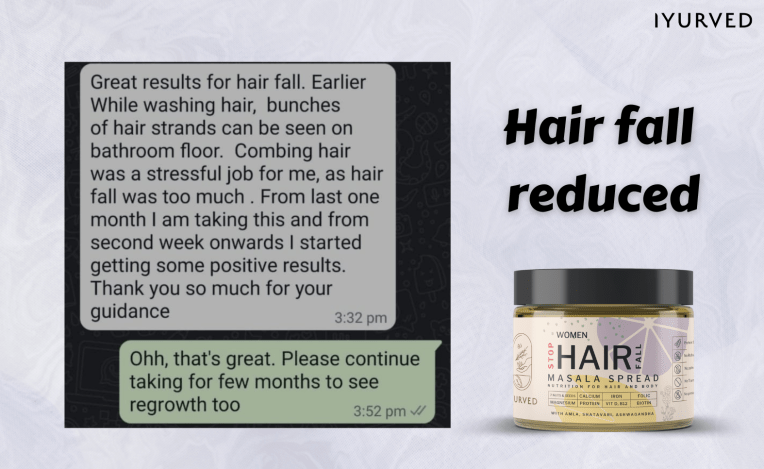
Feedbacks on Hair Fall masala spread

Let’s understand the normal process of hair fall:

Hair growth includes 3 stages:

  • Anagen – Growth phase
  • Catagen – Transition phase
  • Telogen – Resting or Shedding phase

People typically lose between 100 and 150 hairs per day. Every hair on your head is at a distinct phase at any given time. On our scalp, approximately 90% of the hairs are in the anagen phase of growth and only 10% are in the resting phase. Our hairs gradually shed from their follicles at the end of telogen to be replaced by new, long anagen hairs.

Also, Check: Reason for hair fall in kids

Scientific reasons for hair fall after COVID :

Telogen effluvium, which causes all hairs to enter a resting phase followed by shedding, can be caused by stress. This is due to an increase in cortisol level which influences the hair to move to the resting phase.  Additionally, this also occurs after having surgery, pregnancy, or losing a lot of weight quickly since the body perceives these as stressful situations.

A stressful event, like a COVID-19 infection, can cause our bodies to transfer a higher percentage of growing anagen hairs into the dormant telogen state than usual. Because patients deal with both the extra stress that COVID-19 places on the body and the potential mental anxiety that can follow a diagnosis, 50 per cent of hair is shedding and resting, which is significantly greater than usual; this is in contrast to the typical 10 per cent of hair that is in this phase.

Also, Check Foods for post-partum hair loss

COVID Hair fall pattern

Telogen effluvium is a form of hair shedding that is abrupt, severe, and sudden; it doesn’t happen gradually or subtly. It occurs about three months after the triggering event, not at the same time.

The hair fall follows a certain pattern:

  • An abundance of hair in the shower drain or in the comb
  • Large clumps of hair
  • Thinness and sparseness along the sides of the temples

 Frequently asked questions regarding hair fall due to COVID 

FAQ’s Answers
Why does hair fall occur after COVID?Due to sudden stress, the body encounters both physically and mentally, pushing the hair follicles to go to a resting state which causes heavy hair loss.
Is this hair loss permanent?No, this hair loss is not permanent as your hair follicles are not damaged.
For how many days will it persist?It hair loss will persist for around 3- 6 months before it starts going back to normal.
How long will it take for the hair to grow back to normal?It takes around 6 – 9 months or at least a year to grow back to normal.
Has COVID vaccine been linked to hair fall?There is no evidence stating that the COVID vaccine causes hair fall.
How to overcome hair loss due to COVID?A nutritious diet and stress-free life help you to recover from this hair loss faster.

Hair fall remedies – Foods to stop hair fall:

The following are some foods and herbs that act as hair fall remedies to COVID-related hair fall:

1. Peanuts: 

Peanut is high in protein. As we know, protein is key to building tissues required by every organ of the body, repairing and maintaining body cells, and hormones and supplying energy. It contains Omega 3 Fatty Acids, which support the health of the scalp and hair follicles and promote hair growth. Folate, a B-vitamin necessary for hair growth, is abundant in peanuts. Eating peanuts can help prevent folate deficiency, which can cause hair loss and thinning. Vitamin E, found in abundance in peanuts, helps to prevent hair loss and encourages the growth of healthy hair.

Also, Check: Health benefits of peanuts

2. Almonds: 

Almonds carry a wide variety of healthy nutrients which promotes your mood and nourishment to the body and hair. Moreover, they contain healthy fats, protein and fibres. High in calcium, magnesium, omega 3, copper, and antioxidants, almonds help to improve digestion, immunity, blood circulation, bone health, hair health and brain health. Almonds are high in magnesium and minerals that encourage hair growth. Almonds provide enough nutrients to the hair follicles to prevent dandruff and hair damage, strengthening the hair strands and lowering hair fall.

3. Cashewnut: 

Cashew nuts are a rich source of copper that helps eliminate free radicals from the body. Also good for hair, helping it remain bright and strong. In addition, copper also is an essential part of many enzymes that help provide colour to the hair and it prevents premature greying. Potassium and other vital nutrients found in cashews help to stop your scalp from excessively losing hair and encourage hair development. Cashews also make your hair silky and smooth.

4. Hazelnuts: 

The rich source of dietary fibre, folate, and manganese make for a power-packed food item. They are an excellent source of Vitamin E and phenolic compounds which help in decreasing inflammation and blood cholesterol. It nourishes hair follicles, encouraging thicker, better-growing hair, and it also enhances the skin’s ability to produce collagen and have healthier skin cells.

Also, Check: 20 superfoods to stop hair fall

5. Seeds: 

Seeds, on the other hand, have a great amount of calcium, magnesium, omega 3, copper, and antioxidants in it. Omega-3 is one of the key elements that lowers hair loss and encourages hair growth. They are also abundant in protein, fibre, calcium, magnesium, and phosphorus, all of which help with weight control and is important to improve digestion, immunity, blood circulation, bone health and brain health.

Also. check: 5 seeds that are high in protein

6. Moringa:

These leaves are one of the healthiest diet foods as it is an excellent source of protein, vitamin B, vitamin C, iron, vitamin A, magnesium and fibre. Because amino acids are essential for cell growth and are found in abundance in moringa, they aid to rejuvenate hair. By reactivating dormant hair follicles and improving the scalp’s oxygenation, it decreases alopecia. This stops hair loss and prolongs the life of the hair cells.

Also, Check: Health benefits of Moringa

7. Amla:

Amla is a storehouse of antioxidants. It is one of the richest sources of vitamin C, which is known to boost immunity. Amla has antibacterial and astringent properties that boost immunity. In addition, it has anti-inflammatory properties which remove free radicals and help to restore hormonal balance in the body. Amla contains vitamins and minerals, as well as phytonutrients, which promote blood circulation in the scalp and stimulate hair development. 

8. Ashwagandha:

Excess cortisol affects the regular functioning of your hair follicular , resulting in hair loss. Ashwagandha supports healthy hair growth by assisting in the removal of free radicals from the scalp and hair follicles. It has natural mood-enhancing properties that prevent hair loss by lowering stress and anxiety. Additionally, it stops premature greying.

Also, check: Health benefits of Ashwagandha

9. Shatavari:

Shatavari is an Ayurvedic herb containing multifold health benefits for women. It contains vitamins A, B1, B2, C, E, calcium, magnesium, and folic acid. Flavonoids in it help regulate cellular activity and fight off free radicals that are the primary cause of oxidative stress. Shatavari also helps in balancing the hormones and thereby prevents PCOS. Since shatavari has anti-inflammatory properties, it relieves scalp irritation. This aids in promoting hair growth and assists the body in coping with both physical and emotional stress and reduces hair loss brought on by stress.

Also, Check: Foods for Hormonal Hair fall

10. Biotin:

Biotin is a water-soluble vitamin that’s a part of the vitamin B family. It’s also known as vitamin B7. Your body needs biotin to help convert certain nutrients into energy. It also plays an important role in the health of your hair, skin, and nails. Biotin promotes the formation of RBCs, which increases the flow of oxygen to the scalp. This delays the telogen phase of the hair, preventing hair loss and increasing the lifespan of the hair cells.

Also. Check:20 best foods for body and hair

11. Jowar: 

Jowar flour is a great source of protein, unsaturated fats and dietary fibre, packed with B Vitamins, and minerals like iron, magnesium, calcium, zinc, potassium and phosphorus.  It also contains antioxidants. With the addition of jowar to your diet, you may get 58% of the daily necessary amount of copper from a single serving and also promote hair growth and stop hair loss.

12. Vitamin D:

Vitamin D helps the body to absorb calcium and works with it to build strong bones. Keratinocytes metabolise vitamin D in the skin. These skin cells break down the protein keratin, which is present in the skin, hair, and nails. When the body lacks vitamin D, keratinocytes in hair follicles struggle to regulate hair growth and shedding.

13. Vitamin B12:

Also known as Cobalamin is important for the production of blood cells and to sustain healthy nerve cells in the body. Vegetarians and vegans may not obtain enough vitamin B12 in their meals and may need to take a B12 supplement. Vitamin B12 promotes iron absorption, which is a vital component for healthy hair growth.

14. Folic acid:

Vitamin B9, also known as folic acid or folate, is an essential component for the growth and development of the human body. Folate aids in the formation of DNA and RNA, as well as protein metabolism. Folic acid helps in encouraging hair growth, increasing volume, and even slowing down the pace of early greying.

Also, Check: Why hair fall after delivery

15. Vitamin C: 

Our body does not produce vitamin C and hence it becomes necessary to consume it through foods. Vitamin C helps heal the wound as it repairs body tissues. It also helps in the absorption of iron in the body. Vitamin C increases hair development, stops hair loss, and supports healthy hair. Dry hair and split ends can also be a sign of vitamin C insufficiency.

Also, Check: 8 Proven benefits of Vitamin C

16. Aloe vera:

Vitamins A, C, and E are present in aloe vera. These vitamins all support healthy cell growth and lustrous hair by helping in cell turnover. Furthermore, aloe vera gel contains folic acid and vitamin B12. Your hair won’t fall out if you use either of these components.

17. Sunflower lecithin:

Sunflower lecithin is rich in choline and other essential fatty acids such as phosphatidylinositol. Lecithin improves the structure and appearance of hair by adding shine or lustre while supporting and enhancing the necessary quantity of protein for hair growth. Because of its high fatty acid content, it forms a barrier on the skin and hair that efficiently absorbs and seals in moisture.

18. Antioxidant: 

Eating a diet rich in antioxidants or antioxidant-rich foods helps to fight oxidative stress and reduce the risk of many chronic diseases. Antioxidants maintain the body’s collagen or the connective tissues of hair follicles, which promotes healthier hair development. 

19. Rice bran oil:

Rice bran oil is extracted from rice bran, the outer layer of the rice grain. It is a good source of unsaturated fat; vitamin E and vitamin K. Omega 3 and 6 fatty acids, which are abundant in rice bran oil and help to nourish the hair. A wide range of antioxidants are provided by rice bran oil for your hair and scalp to stop oxidative stress from causing your hair to lose pigment and promote hair growth.


PRODUCTS:

It’s no SECRET that following an Ayurvedic lifestyle has numerous advantages. This unique collection of Ayurvedic spreads is an easy solution to feed daily nutrition for Immunity, Eye, Brain development, Bone strength and overall growth to kids without any fuss. To know more about kid’s ayurvedic foods –SHOP HERE.

India’s First Tasty Kids Nutrition fortified with Ayurvedic herbs.

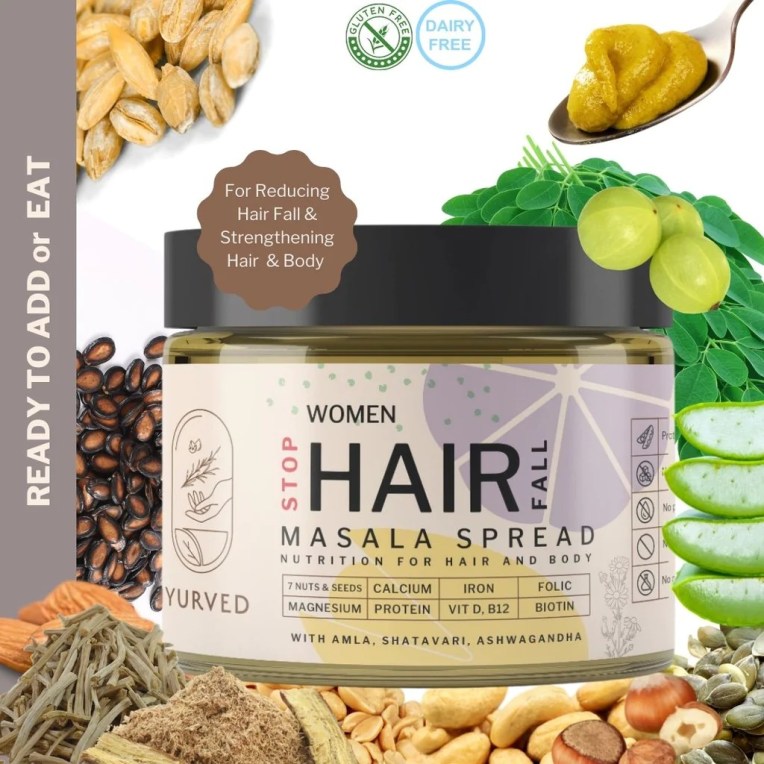
To Stop Hair fall & Strengthen Hair & Body, give Women Stop Hair Fall Masala Spread | 0% Preservatives | 0% Refined Sugar | 0% Palm oil | With SHATAVARI, ASHWAGANDHA, AMLA, MORINGA, ALOE VERA | ORDER |


CHECK MORE PRODUCTS FOR:

Immunity, Gut health, Digestion, Weight, Brain development, Speech delay, Epilepsy, Eye health, Hormones, Sleep, Hyperactivity, Bones and Overall growth

foods for breast milk

read more blogs

Types of ADHD: Foods that help

what adhd symptoms

Does your child usually restless or doesnt respond to you when you speak to them? Do they have trouble remembering things? Do you have a hard time controlling them from jumping here and there, being impulsive or not having a proper sleep routine? Does he or she have behavioural issues? It’s likely that your child has ADHD, often known as hyperactivity-attention deficit disorder. The greatest strategy to assist someone with ADHD is to understand the types of ADHD and to offer target-specific diagnosis and treatment. Read more to know about different types of ADHD and foods that help in managing the symptoms of ADHD.

WHATSAPP for concerns like Speech Delay, Low Weight, Frequent Illness, Hyperactivity, Low Concentration, Weak Eyesight, Improper Sleep, Pigmentation, Pores, Face Marks, Fine Lines , Lactation etc.

Feedback from parents

What is ADHD?

ADHD is the most prevalent neurodevelopmental disorder. Children with this condition have trouble paying attention, controlling impulsive actions, and regulating their restless feelings. ADHD (Hyperactivity attention deficit disorder) symptoms typically first appear between the ages of 3 and 6. However, while certain symptoms, such as hyperactivity, get better with age, others, such as poor impulse control and disorganisation, can persist through the adolescent years. 

Also, Check: 8 ways to manage ADHD in kids 

ADHD types and symptoms

Recent studies indicate that ADD/ADHD affects both boys and girls at a similar rate, despite the fact that it is more usually diagnosed in boys. Because boys typically externalise their ADHD symptoms, making them more noticeable than girls, whereas girls typically internalise their symptoms. Depending on the type of ADHD and the person’s sex, ADHD can have a variety of symptoms.

There are currently three distinct forms of ADHD, each of which can be identified by its behavioural characteristics.

  1. Inattentive type
  2. Hyperactive-Impulsive Type
  3. Combination Type

1. Inattentive Type:

Inattentive Type ADHD, formerly known as ADD, is characterised by a loss of focus and distractibility without any apparent indicators of hyperactivity. People with this form of ADHD commonly misplace things and have poor working memory.

The following are some symptoms observed in people with this type of ADHD:

  • Lack of attention to detail
  • Making careless errors
  • Inability to follow or understand instructions 
  • Avoiding difficult tasks and getting distracted
  • Being absentminded
  • Losing items that are needed to finish tasks

Also, Check: Sensory Processing Disorder in kids

2. Hyperactive-Impulsive Type:

This form of ADHD is characterised by impulsive and hyperactive behaviour without any inattentive behaviour. The “classic” ADHD presentation. They appear to chatter nonstop and frequently interrupt others. They could struggle with self-control and blurt out responses when they are in class. Usually, this variety is found in young boys.

The following are some symptoms observed in people with this type of ADHD:

  • Squirming and fidgeting (hand clapping)
  • Frequently rising from a seated position
  • Running or climbing
  • Finding it difficult to play quietly
  • Talking excessively, interrupting others, or blabbing
3. Combination Type:

The majority of people with hyperactivity attention deficit disorder have this combined type of ADHD. The individual will exhibit impulsive and hyperactive behaviour, as well as a tendency to become quickly distracted and have difficulty focusing.

Also, Check: Proven foods of ADHD

ADHD Causes:
  • Family history of ADHD
  • Premature birth or having a low birth weight
  • Brain injury that happened either in the womb or later in life
  • Use of alcohol or tobacco during pregnancy
  • Exposure to poisons like lead either during pregnancy or from a young age

However, the exact cause of ADHD is not clear yet and research is continuing.

Also, Check: Sensory Processing Disorder

Foods for ADHD: 

While there is no cure for ADHD, currently available treatments can help reduce symptoms and improve functioning. Treatments include medication, psychotherapy, education or training, or a combination of treatments. Along with these, giving children a balanced diet from an early age is crucial, and it becomes much more important if the child has ADHD. Following are some foods and herbs that help in managing the symptoms of ADHD. 

1. NUTS:

All nuts, including almonds, cashews, peanuts, and hazelnuts, are high in omega-3 fatty acids and vitamin E. According to research, Omega 3 fatty acids have been found to be associated with early childhood brain development. These good fats have incredible brain-boosting abilities and are essential for improving memory and attention span.

Also, Check: Nuts and seeds rich in protein

2. SEEDS:

Seeds like Melon, Pumpkin and Sunflower contain potent antioxidants like vitamin E that protect the brain from oxidative damage. Sunflower seeds are regarded as a brain-boosting snack because of their impact on the general mood and mental processing abilities. Compared to other seeds, pumpkin seeds have substantially higher levels of zinc, magnesium, and copper, all of which aid in improving focus and memory.

Also, Check: 5 Seeds that are high in protein

3. JOWAR FLOUR:

Jowar, which is rich in iron, can also lessen ADHD symptoms like anxiety, hyperactivity, and tantrums. Iron has the ability to relax the nervous system, which helps the child with ADHD syndrome to become more at ease.

To improve the iron intake of your child – Add Daily Nutrition Veggies and Dal powder

4. GOTUKOLA:

Gotu kola has strong anti-oxidant qualities and enhances cognition, memory, and mental performance. It gently relaxes the nervous system while also encouraging alertness—the best possible state of consciousness for any form of mental focus, study, or cognition. 

5. SPEARMINT:

Spearmint extract has higher quantities of phenolic compounds that enhance working memory, spatial working memory and increase attention, concentration, and brain function by promoting the formation and protection of new brain cells. 

Also, Check: 5 Ayurvedic herbs for kids

6. ST. JOHN’S WORT:

St John’s wort contains chemical messengers like Hyperforin and Adhyperforin, which are recognised for their antidepressant qualities. The extracts of this herb enhance mood, and focus, and reduce anxiety and insomnia. According to several studies, adolescents with ADHD may benefit from taking St. John’s wort every day for four weeks. It is also used to treat problems including anxiety, exhaustion, appetite loss, and difficulty sleeping that might occasionally accompany depression.

7. PASSION FLOWER:

The chemicals in the passion flower provide a calming and relaxing effect. Early research indicates that taking passion flower orally for eight weeks may help some ADHD symptoms in kids aged 6 to 13 years. 

8. VALERIAN:

The herb valerian is well known for its relaxation properties. Additionally, it contains some anticonvulsant qualities that might be advantageous for kids who are prone to seizure activity. Children with ADHD, cognitive impairment, hyperactivity, irritability, anxiety, behavioural regulation, and neurodevelopmental abnormalities can benefit from valerian for improved attention and sleep. 

9. LAVENDER:

The most well-known essential oil for soothing is lavender. The lavender essential oil can be helpful for reducing anxiety and making you feel more at ease, which may help with ADHD symptoms. It has been demonstrated that the aroma can calm and soothe the nervous system. Its relaxing qualities can benefit autistic children by enhancing their sleep quality and assisting their bodies in combating emotional stress. 

10. TURMERIC:

Curcumin, an active ingredient in turmeric improves spatial memory, long-time retrieval and visual memory as per a study. It helps in managing anxiety, depression etc which is commonly seen in people with ADHD disorder.

Also, Check: Foods that help with asthma

11. GINKGO BILOBA:

Ginkgo biloba is a promising herbal supplement that may alter the neural system in a disorder similar to ADHD. It helps in enhancing memory and cognitive performance. According to a study, children who took a ginkgo extract daily for three to five weeks showed a decrease in the symptoms of ADHD. 

12. SUNFLOWER LECITHIN:

Sunflower lecithin is an excellent source of choline, a vital nutrient required for a variety of health functions. Since choline is a precursor to acetylcholine, a neurotransmitter involved in memory and learning, choline is particularly significant for maintaining good brain function. 

13. ROSEMARY EXTRACT:

As per research, exposure to the aroma of rosemary oil improved people’s performance on thinking tasks in terms of speed and accuracy.

14. CHAMOMILE:

Chamomile is considered to be a safe and effective way to help a child relax. It’s a dried flower. These flowers are white and yellow and look like beautiful little daisies. For centuries, it has been used for medicinal purposes to calm the mind and mildly induce sleep. It Improves relaxation and relieves stress, reduces anxiety, promotes sleep and relieves insomnia.

15. LEMON BALM:

This Phytomedicine improves symptoms of Hyperactivity, Attention Deficits, and Impulsivity in Children. As per the study conducted by NIH, the fraction of children having strong/very strong symptoms of poor ability to focus decreased from 75% to 14%, hyperactivity from 61% to 13%, and impulsiveness from 59% to 22%.

Also, Check: Foods for brain development

ACTIVITIES AND GAMES FOR KIDS WITH ADHD – CHECK HERE


Products

It’s no SECRET that following an Ayurvedic lifestyle has numerous advantages. This unique collection of Ayurvedic spreads is an easy solution to feed daily nutrition for Immunity, Eye, Brain development, Bone strength and overall growth to kids without any fuss. To know more about kid’s ayurvedic foods –SHOP HERE.

India’s First Tasty Kids Nutrition fortified with Ayurvedic herbs.

For Kids with Hyperactivity or ADHD, give HYPER LESS savoury spread | 0% preservatives | 0% refined sugar | 0% palm oil | Fortified with GOTUKOLA, GINKGO BILOBA, SPEARMINT, ST. JOHN’S WORT, PASSION FLOWER, VALERIAN and LAVENDER| Contains OMEGA 3, PROTEIN | ORDER


CHECK MORE PRODUCTS FOR:

Immunity, Gut health, Digestion, Weight, Brain development, Speech delay, Epilepsy, Eye health, Hormones, Sleep, Hyperactivity, Bones and Overall growth

what is the down's syndrome

READ MORE BLOGS:

10 Tips and Foods to increase Sperm Count

foods to increase sperm count

One in six couples experience infertility, and in one-third of those situations, the male partner is the one with fertility issues. The health and quantity of the sperm play a significant role in infertility in men. Numerous factors, including diet, can have an impact on a man’s low sperm count, aberrant sperm appearance, and poor sperm mobility. Read more to know tips and foods to increase sperm count in order to boost your chance of conception.

Also, Check: Home remedies for male infertility 

WHATSAPP for concerns like Speech Delay, Low Weight, Frequent Illness, Hyperactivity, Low Concentration, Weak Eyesight, Improper Sleep, Pigmentation, Pores, Face Marks, Fine Lines , Lactation etc.

Importance of Sperm count

Having a healthy sperm count is frequently required if you’re attempting to get pregnant naturally. A higher percentage of body fat is more prevalent in men with low sperm counts. Additionally, they have a higher incidence of metabolic syndrome, which increases their risk of diabetes, heart disease, and stroke. The likelihood of conception difficulties decreases with an increase in sperm count. For a healthy reproductive life, it is crucial to make an effort to enhance sperm count. 

Also, Check : Infertility in Females

Nutrients essential for boosting sperm count

  • Folate
  • Vitamin B12
  • B-Complex 
  • Zinc 
  • Vitamin C
  • Vitamin D
  • CoQ10
  • Omega-3 Fatty Acid
  • D-Aspartic Acid 
  • Carnitine
  • Selenium
  • Magnesium
  • Arginine

Also, Check: Vitamins and minerals to boost fertility

Foods to avoid if you are planning to conceive:

Avoiding particular foods and bad habits is a crucial part of living a healthy lifestyle and eating a diet that will boost fertility. The following foods and drinks can potentially increase sperm count by being reduced or eliminated from the diet.

  • High Caffeine foods and drinks – Linked to poor sperm count
  • Soy – Phytoestrogens in soy products can hamper sperm.
  • High Fat Dairy – Can harm sperm count and motility
  • Processed Meat – Reduces sperm count
  • Excess Alcohol – Reduces sperm health and quantity 

10 Tips to boost sperm count and quality:

There are numerous methods to increase sperm count and the chances of fertility, and the most effective one is through diet and a healthy lifestyle. Remember that your general health typically correlates with your fertility and libido.

1. Exercise regularly

Regular exercise has numerous health benefits, including raising testosterone levels and enhancing fertility. However, excessive activity may have the reverse effect and lower testosterone levels

2. Get some sunshine

For both male and female fertility, vitamin D may be crucial. In men, It helps in increasing the testosterone level and is associated with greater sperm mobility.

 Also, Check: Benefits of Vitamin D

3. Quit Smoking and Alcohol consumption

Reduce your level of smoking and alcohol consumption. Avoid drinking a lot of alcohol because it can lower testosterone levels and affect the quality of the sperm.

4. Maintain good sleep cycle

Poor semen quality has also been connected to restricted or excessive sleep.. Have an 8-hr good night’s sleep which is very much important for conception.

5. Maintain a Healthy Weight

Obesity or high BMR is the major reason for infertility in men and it also hampers the sperm quality and quantity.

Also, Check: Natural ways to lose weight

6. Reduce the intake of caffeine

Consumption of caffeine is known to decrease sperm quantity and reduces the chance of conception. More than 5 cups of coffee per day have been linked to reduced fertility. 

7. Be cautious around toxic chemicals

Avoid exposure to pollutants, heavy metals and toxins( BPA) which has a negative effect on sperm health and affect the fertility ultimately.

8. Have a stress-free lifestyle

Do yoga and meditation to keep your mind and body calm and away from stress Your sexual satisfaction may decline and your fertility may be affected by stress. Long-term stress increases cortisol levels, which have significant detrimental impacts on testosterone. As cortisol level increases your testosterone level goes down.

Also, Check: Home remedies for female infertility

9. Avoid spending a lot of time sitting

Avoid spending a lot of time sitting down because doing so can raise your scrotal temperature, which may decrease your fertility.  

10. Have a happy and healthy sexual life

Foods to increase sperm count:

Following are some foods to increase sperm count and improve the chances of fertility:

1. NUTS:

Nuts of various types have been proved to bring nutritional benefits to your fertility diet. They include crucial fertility-boosting elements such as Omega-3 fatty acids, selenium, vitamin E, and magnesium, in addition to plant-based proteins. Researchers discovered that eating a combination of almonds, hazelnuts, and walnuts every day increased men’s sperm count, shape, and motility.

A. PEANUTS:

Studies show that regular consumption of groundnut increased the testosterone level in males. This is very much helpful in case of testosterone is reduced due to ageing. It also helps in increasing the good cholesterol level.

Also check: 6 Foods for fertility in male

B. CASHEWS:

These kidney-shaped nuts are a great source of magnesium and selenium. Cashews are a heart-healthy snack since they are high in unsaturated fat!

Studies have linked consumption of cashews to better magnesium absorption and a higher chance of becoming pregnant. Five grammes of protein, vitamin C, and folate are all found in one serving of around 18 cashews. It also helps to boost libido and potency in males. 

Also, Check : Foods to improve female egg quality

C. HAZELNUTS:

They are a good source of selenium, zinc, omega-3 fatty acids, folate, and vitamin E, just like many other nuts. Nutrients in nuts have been shown to help regulate hormones by stabilising blood sugar levels, which is a crucial component of healthy fertility. 

Also, check: 7 Foods that help in female fertility

D. WALNUTS:

Sperm morphology, vitality, and motility can all be improved by walnuts. Omega-3 fatty acids are also abundant in these nuts. Arginine, which is known to boost semen volume, is also abundant in it.

Also, Check: Walnut Laddu recipe

2. SEEDS:

Zinc and omega-3 fatty acids are found in pumpkin seeds, and these nutrients may increase sperm quality. Consider consuming flaxseed, chia seeds, or sunflower seeds, which provide vitamin E and other antioxidants that could aid to increase sperm production and also motility. 

Also, Check: Nuts and Seeds rich in protein

A. SESAME SEEDS:

It have been demonstrated to raise tissue tocopherol levels and boost the sperm’s antioxidant activity. Sesame can also be recommended as an effective and safe treatment for male factor infertility because it increases sperm motility and count overall. 

Also, Check: Recipe using sesame seeds

B. SUNFLOWER SEEDS:

Sunflower seeds are rich source of vitamin E which is a potent antioxidant. Vitamin E along with vitamin C prevents sperm DNA fragmentation.

C. PUMPKIN SEEDS:

Pumpkin seeds are a crucial component in boosting both testosterone and sperm production. Due to its high folic acid content, pumpkin seeds are excellent at increasing male fertility. Additionally, pumpkin seeds can aid to improve sperm quality, quantity, and motility. Enjoy your salads by topping it with some pumpkin seeds or snack on raw seeds.

3. ASHWAGANDHA:

Testosterone is a male hormone connected with sex drive. In men, ashwagandha has been proven to increase testosterone levels. It is considered to have aphrodisiac-like properties that increase sexual desire. Stress is a typical cause of decreased sex drive and poor sexual performance. According to research, ashwagandha relieves stress, which can alter sex drive and the capacity to relax enough to boost desire and pleasure. It is also beneficial in increasing sperm count and motility (movement) in men who are infertile. 

Also, Check: Benefits of Ashwagandha 

4. KAWACH:

Mucuna pruriens or Kawach is a tropical legume originating from South Africa and Asia. Levodopa, a substance found in Kawach and linked to dopamine, is important for fulfilling sex life. It elevates the quality of your erection, boosts libido, and improves your sexual response. It helps restore the reproductive system and improves the health of the sperm. Additionally, it helps with sexual disorders like oligospermia and erectile dysfunction. 

Also, Check: 6 Foods for male fertility

5. KALI MUSELI:

It is an Ayurvedic herbal remedy that has been used for centuries in the Indian medical system. Kali Musli contains Vrishya (aphrodisiac) and Balya (strength provider) characteristics that aid to treat male sexual dysfunction and increase stamina. It also helps to balance Vata, which improves sexual drive and increases sperm count. 

Also, Check: 8 Aphrodisiac foods to boost libido in men  

6. PIPER:

Zinc is a powerful antioxidant found in black pepper that lowers oxidative stress and enhances fertility. It boosts the sperm count and testosterone levels, the male sex hormone. Magnesium and zinc found in black pepper are abundant, which helps the sperm develop.


Product

It’s no SECRET that following an Ayurvedic lifestyle has numerous advantages. This unique collection of Ayurvedic spreads is an easy solution to the boost fertility and improve the sexual wellness in adults, both men and women. To know more about adults ayurvedic foods –SHOP HERE.

India’s First Tasty Adults Nutrition fortified with Ayurvedic herbs.

To boost Fertility in Men, take Men Fertility Booster Masala Spread | 0% preservatives | 0% refined sugar | 0% palm oil | Fortified with ASHWAGANDHA, KAWACH, KALI MUSELI, PIPER| ORDER |


CHECK MORE PRODUCTS FOR:

Immunity, Gut health, Digestion, Weight, Brain development, Speech delay, Epilepsy, Eye health, Hormones, Sleep, Hyperactivity, Bones and Overall growth

foods for breast milk

read more blogs

When do Girls stop Growing in Height?

(Co-Authored by Swati)

Swati, the Mother of 5 years old Lishika, explains the journey of her daughter’s growth and nutrition. Check out the full article below.

Lishika was born six months early and was preterm. There was a worry that development and growth would be delayed. The doctor urged me to avoid using any growth-related medications for height and weight and instead go for natural methods to encourage her growth. She used to happily eat all fruits and veggies, but she was a little behind in learning and started walking a bit lately. Her social behaviour has also been impacted by the lockdown period.

I always rely more on Ayurveda and organic, healthy foods than on unnatural or preservative-laden commercial health foods. It’s crucial to establish a positive relationship with food. Try to describe the positive impacts of good food on the body and the negative effects of junk food. Appreciate them for making the effort to eat a healthy meal. 

Even though the parents are of good height, children may be shorter due to poor diet and care. In order to avoid suffering later on and to reduce the possibility of delayed height growth in girls after puberty, it is crucial to take care of children’s nutrition in the early years of age. Constant effort is essential for a girl’s appropriate height in girls”.

“I believe that investing in our children’s development from the earliest age is the most important contribution a parent can make!!”

Who wouldn’t want a healthy body and the ideal height? Everyone wants their kids to be taller than they are. Girls grow quickly from birth through childhood. Their growth accelerates once more when they reach adolescence. Girls usually stop growing by the time they are 14 or 15 years old, or during puberty, and their height reaches its final height. However, with the right diet and activities like exercise and good posture, height can still be increased even beyond puberty. Continue reading for tips and foods that help girls grow taller.

FACTORS AFFECTING HEIGHT IN GIRLS:

Genetics

Genetics plays an important role in determining height in girls. They got their physical characteristics from their parents, all aspects of their personality such as , height, weight, body structure, skin, hair and eye colour, are all influenced by their parent’s genes. Usually taller parents have taller kids and vice versa.

Also, check Tips to help your child gain healthy weight

Nutrition

After genetics nutrients are the main factor on which the height in girls depends, as everything the body needs comes from the food we eat. Malnutrition can lead to many deficiency diseases that can adversely affect the girl child’s growth and development.

Also, check 11 Foods that provide daily nutrition for kids 

Exercise and outdoor activities

Outdoor activities and regular exercise help girls to grow well and reach their developmental milestones on time. If they regularly play outdoors or do some exercise daily, it will help keep them healthy by strengthening their immune system.

Also, check 7 Foods to boost immunity in kids 

Hormones

Growth hormones play an important role in a girl’s physical growth. These are made in the pituitary gland and are crucial hormones for growth. If the production is low due to any health condition it will adversely affect the girl’s height. 

Also, check Growth spurts in kids

Sex

Boys and girls grow at different rates. Height in girls is lesser than in boys. Even boys continue growing for longer than females.

Also, check Skin and hair changes at puberty

HOW DOES PUBERTY AFFECT HEIGHT IN GIRLS?

One to two years prior to the onset of menstruation is when girls often experience a growth spurt. Most girls reach puberty between the ages of 8 and 13, while the growth spurt happens between the ages of 10 and 14. In the year or two following the onset of their first period, they only gain 1 to 2 more inches. At this point, they have grown to adult height.It explains a sequence of changes that occur in girls as their bodies begin to produce more of particular hormones.

Also, check Tips and foods to increase the height of the child

HOW TO INCREASE HEIGHT IN GIRLS EVEN AFTER PUBERTY?

1. BALANCED DIET:

You are what you eat, your personality is the mirror of your diet. The foods that girls consume have to be healthy so that they grow up to be tall. A balanced diet is one which includes protein, carbohydrates, fats, vitamins and minerals in correct proportions. Minerals like calcium and potassium are key nutrients for bone development and should be present in the foods to increase height even after puberty. Also, keep a check on the consumption of processed foods as it adversely affects the girl’s growth. 

Also, check Importance of balanced diet for kids

2. EXERCISE AND YOGA:

Outdoor play and exercise must be part of a girl kid’s lifestyle. There are some exercises which help in gaining height like stretching, as it helps elongate the spine and also improves the posture of the girls at all times. Hanging from the bar also helps the spine elongate, which is important to be taller. The next exercise for gaining height is skipping, in which the body stretches entirely and promotes the overall growth in the kids.

Swimming is another sport or exercise which keeps your child active and energetic, it’s a full body exercise which involves lots of stretching and helps kids to grow taller. Apart from these exercises, you can also motivate your child to do some yoga poses, which is an age-old practice and helps children to make them taller. Some of the asanas are Surya namaskar and chakrasana, which are proven to have positive effects on height in girls even after puberty. 

3. GOOD SLEEP:

Sleep is the golden chain that ties your health and body together. Proper sleep is one of the most important factors in your girl’s overall development and an essential part of a healthy lifestyle. Sleeping releases a growth hormone called HGH, which plays an important role in increasing height. The effects of sleep deprivation (insufficient sleep) can lead to many developmental issues. 

Also, check 5 Foods that help your child in sleeping well

4. SUNLIGHT:

Sunlight is a great source of vitamin D, which helps in muscle and bone growth and development that is crucial for height in girls. Vitamin D also helps your body to absorb calcium from the foods and aids in strengthening the bones. So always encourage your girl for outdoor activities, so that they get a daily dose of vitamin D through the sun. 

Also, check What foods are a good source of calcium and vitamin D?

5. POSTURE:

The posture of your child has a great impact on their height, as slumping can put unnecessary pressure on the spine. A good posture not only elevates stress and pain in the neck and back but it can change your physical height also. Always interrupt your girl to sit and walk straight when you see them slouching.

6. CALCIUM

Girls are growing fast and gaining height so their Calcium needs are also high. One of the most important minerals in our body is CALCIUM. Bones are 70% calcium and it is only calcium which gives bones their hardness for protection and support. Vitamin D helps the body to absorb calcium and works with it to build strong bones and increase height. It moves calcium from the intestine to the bloodstream and into the bones. From age 9 – 18 girls need more calcium to meet the daily recommended intake. Interestingly, it is only in their mid-20s that a girl child can improve their bones and increase height, which will last them a lifetime.

Also, check Calcium-rich foods

FOODS TO INCREASE HEIGHT IN GIRLS

1. MILK AND ITS PRODUCTS:

It is the most commonly consumed type of milk and naturally a good source of many nutrients like calcium, protein, phosphorus and Vitamin B2 and is one of the best foods to increase height. In several countries, it is fortified with vitamin D because milk doesn’t naturally contain vitamin D, but is one of the most widely used calcium-rich foods for kids. These two work together to keep the bones strong. There are some dairy products made of cow’s milk like cheese, and yoghurt which is a good source of vitamin D. All of these play a role in increasing the height in girls even after puberty.

Also check, 8 Healthy and creamy milkshake recipes

2. EGG YOLK:

Eggs are one of the highest natural sources of vitamin D. Just one whole large egg provides 50% of vitamin D required for the day. It helps to maintain strong bones and teeth. Those who can may opt for fish (salmon, sardines) also as a source of vitamin D. Egg is the food if you are looking for height gainer foods.

3. MORINGA:

Moringa is a superfood. It has 3 times more calcium than milk which makes it one of the best foods to increase height to treat weak or damaged bones and also one of the best non-dairy sources of calcium. Some studies also indicate that moringa can heal damaged bones thus making it a must-have calcium-rich foods for bones. Dried moringa leaf powder has 17 times more vitamin D than fortified milk. In addition to this, it’s a fix for digestion troubles, immunity and iron.

Also check, Health benefits of Moringa

4. RAGI:

Ragi is also one of the foods high in calcium and vitamin D.  It is said that no other plant source provides calcium the way ragi can, making it one of the popular non-dairy sources of calcium. Ragi also has vitamin D and along with calcium, it can help in improving bone strength. It is a whole grain that is gluten-free also and can be used in baking cakes and cookies.

Also check, Gluten-free diet for kids

5. POTASSIUM-RICH FOOD:

If the child eats lots of comfort food, then consuming Potassium-rich foods (banana, spinach, cucumber, peas, and sweet potato) will save Calcium from being robbed from the bones.

Also check, Health benefits of vegetables for kids

6. ALMONDS:

Amongst all the nuts, almonds are the highest in calcium. One ounce of almonds or about 22 almonds, provides 8% of the recommended daily intake of calcium. 

Also check, Iyurved’s Daily Nutrition Chocolate and Savoury spread made of Almond and 6 other nuts and seeds

7. SEEDS:

Many seeds are good sources of calcium. For instance, 1 tablespoon (9 grams) of poppy seeds has 13% of the recommended daily intake, while the same serving of sesame seeds packs 9% of the recommended daily intake. In addition to calcium, chia seeds are also rich in omega-3 fatty acids.

8. VEGETABLES:

Cabbage, mustard (sarson leaves), broccoli & ladyfinger are good sources of calcium.

Also check, Pasta recipes with hidden vegetables

9. LOTUS SEEDS/ MAKHANA:

Makhana or lotus seeds are grown in Asian countries and are considered as a power food to increase height. Makhana is an excellent source of many important nutrients. It is loaded with protein, fibre, calcium, magnesium, iron, phosphorus and carbohydrates. Just a bowl of makhana is a great snack for kids. 

Also check, Health benefits of makhana

PRODUCTS:

It’s no SECRET that following an Ayurvedic lifestyle has numerous advantages. This unique collection of Ayurvedic spreads is an easy solution to feed daily nutrition for Immunity, Eye, Brain development, Bone strength and overall growth to kids without any fuss. To know more about kid’s ayurvedic foods – SHOP HERE.

India’s First Tasty Kids Nutrition fortified with Ayurvedic herbs.

For Building strong bones and muscles you can give Daily Nutrition Chocolate Spread and Daily Nutrition Veggies and Dal powder | Made with Ayurvedic herbs | 0% preservative | 0% Palm oil | ORDER |


WATCH THE FULL VIDEO HERE

height in girls

CHECK MORE PRODUCTS FOR:

Immunity, Gut health, Digestion, Weight, Brain development, Speech delay, Epilepsy, Eye health, Hormones, Sleep, Hyperactivity, Bones and Overall growth

what is the down's syndrome

READ MORE BLOGS: