When do Girls stop Growing in Height?

(Co-Authored by Swati)

Swati, the Mother of 5 years old Lishika, explains the journey of her daughter’s growth and nutrition. Check out the full article below.

Lishika was born six months early and was preterm. There was a worry that development and growth would be delayed. The doctor urged me to avoid using any growth-related medications for height and weight and instead go for natural methods to encourage her growth. She used to happily eat all fruits and veggies, but she was a little behind in learning and started walking a bit lately. Her social behaviour has also been impacted by the lockdown period.

I always rely more on Ayurveda and organic, healthy foods than on unnatural or preservative-laden commercial health foods. It’s crucial to establish a positive relationship with food. Try to describe the positive impacts of good food on the body and the negative effects of junk food. Appreciate them for making the effort to eat a healthy meal. 

Even though the parents are of good height, children may be shorter due to poor diet and care. In order to avoid suffering later on and to reduce the possibility of delayed height growth in girls after puberty, it is crucial to take care of children’s nutrition in the early years of age. Constant effort is essential for a girl’s appropriate height in girls”.

“I believe that investing in our children’s development from the earliest age is the most important contribution a parent can make!!”

Who wouldn’t want a healthy body and the ideal height? Everyone wants their kids to be taller than they are. Girls grow quickly from birth through childhood. Their growth accelerates once more when they reach adolescence. Girls usually stop growing by the time they are 14 or 15 years old, or during puberty, and their height reaches its final height. However, with the right diet and activities like exercise and good posture, height can still be increased even beyond puberty. Continue reading for tips and foods that help girls grow taller.

FACTORS AFFECTING HEIGHT IN GIRLS:

Genetics

Genetics plays an important role in determining height in girls. They got their physical characteristics from their parents, all aspects of their personality such as , height, weight, body structure, skin, hair and eye colour, are all influenced by their parent’s genes. Usually taller parents have taller kids and vice versa.

Also, check Tips to help your child gain healthy weight

Nutrition

After genetics nutrients are the main factor on which the height in girls depends, as everything the body needs comes from the food we eat. Malnutrition can lead to many deficiency diseases that can adversely affect the girl child’s growth and development.

Also, check 11 Foods that provide daily nutrition for kids 

Exercise and outdoor activities

Outdoor activities and regular exercise help girls to grow well and reach their developmental milestones on time. If they regularly play outdoors or do some exercise daily, it will help keep them healthy by strengthening their immune system.

Also, check 7 Foods to boost immunity in kids 

Hormones

Growth hormones play an important role in a girl’s physical growth. These are made in the pituitary gland and are crucial hormones for growth. If the production is low due to any health condition it will adversely affect the girl’s height. 

Also, check Growth spurts in kids

Sex

Boys and girls grow at different rates. Height in girls is lesser than in boys. Even boys continue growing for longer than females.

Also, check Skin and hair changes at puberty

HOW DOES PUBERTY AFFECT HEIGHT IN GIRLS?

One to two years prior to the onset of menstruation is when girls often experience a growth spurt. Most girls reach puberty between the ages of 8 and 13, while the growth spurt happens between the ages of 10 and 14. In the year or two following the onset of their first period, they only gain 1 to 2 more inches. At this point, they have grown to adult height.It explains a sequence of changes that occur in girls as their bodies begin to produce more of particular hormones.

Also, check Tips and foods to increase the height of the child

HOW TO INCREASE HEIGHT IN GIRLS EVEN AFTER PUBERTY?

1. BALANCED DIET:

You are what you eat, your personality is the mirror of your diet. The foods that girls consume have to be healthy so that they grow up to be tall. A balanced diet is one which includes protein, carbohydrates, fats, vitamins and minerals in correct proportions. Minerals like calcium and potassium are key nutrients for bone development and should be present in the foods to increase height even after puberty. Also, keep a check on the consumption of processed foods as it adversely affects the girl’s growth. 

Also, check Importance of balanced diet for kids

2. EXERCISE AND YOGA:

Outdoor play and exercise must be part of a girl kid’s lifestyle. There are some exercises which help in gaining height like stretching, as it helps elongate the spine and also improves the posture of the girls at all times. Hanging from the bar also helps the spine elongate, which is important to be taller. The next exercise for gaining height is skipping, in which the body stretches entirely and promotes the overall growth in the kids.

Swimming is another sport or exercise which keeps your child active and energetic, it’s a full body exercise which involves lots of stretching and helps kids to grow taller. Apart from these exercises, you can also motivate your child to do some yoga poses, which is an age-old practice and helps children to make them taller. Some of the asanas are Surya namaskar and chakrasana, which are proven to have positive effects on height in girls even after puberty. 

3. GOOD SLEEP:

Sleep is the golden chain that ties your health and body together. Proper sleep is one of the most important factors in your girl’s overall development and an essential part of a healthy lifestyle. Sleeping releases a growth hormone called HGH, which plays an important role in increasing height. The effects of sleep deprivation (insufficient sleep) can lead to many developmental issues. 

Also, check 5 Foods that help your child in sleeping well

4. SUNLIGHT:

Sunlight is a great source of vitamin D, which helps in muscle and bone growth and development that is crucial for height in girls. Vitamin D also helps your body to absorb calcium from the foods and aids in strengthening the bones. So always encourage your girl for outdoor activities, so that they get a daily dose of vitamin D through the sun. 

Also, check What foods are a good source of calcium and vitamin D?

5. POSTURE:

The posture of your child has a great impact on their height, as slumping can put unnecessary pressure on the spine. A good posture not only elevates stress and pain in the neck and back but it can change your physical height also. Always interrupt your girl to sit and walk straight when you see them slouching.

6. CALCIUM

Girls are growing fast and gaining height so their Calcium needs are also high. One of the most important minerals in our body is CALCIUM. Bones are 70% calcium and it is only calcium which gives bones their hardness for protection and support. Vitamin D helps the body to absorb calcium and works with it to build strong bones and increase height. It moves calcium from the intestine to the bloodstream and into the bones. From age 9 – 18 girls need more calcium to meet the daily recommended intake. Interestingly, it is only in their mid-20s that a girl child can improve their bones and increase height, which will last them a lifetime.

Also, check Calcium-rich foods

FOODS TO INCREASE HEIGHT IN GIRLS

1. MILK AND ITS PRODUCTS:

It is the most commonly consumed type of milk and naturally a good source of many nutrients like calcium, protein, phosphorus and Vitamin B2 and is one of the best foods to increase height. In several countries, it is fortified with vitamin D because milk doesn’t naturally contain vitamin D, but is one of the most widely used calcium-rich foods for kids. These two work together to keep the bones strong. There are some dairy products made of cow’s milk like cheese, and yoghurt which is a good source of vitamin D. All of these play a role in increasing the height in girls even after puberty.

Also check, 8 Healthy and creamy milkshake recipes

2. EGG YOLK:

Eggs are one of the highest natural sources of vitamin D. Just one whole large egg provides 50% of vitamin D required for the day. It helps to maintain strong bones and teeth. Those who can may opt for fish (salmon, sardines) also as a source of vitamin D. Egg is the food if you are looking for height gainer foods.

3. MORINGA:

Moringa is a superfood. It has 3 times more calcium than milk which makes it one of the best foods to increase height to treat weak or damaged bones and also one of the best non-dairy sources of calcium. Some studies also indicate that moringa can heal damaged bones thus making it a must-have calcium-rich foods for bones. Dried moringa leaf powder has 17 times more vitamin D than fortified milk. In addition to this, it’s a fix for digestion troubles, immunity and iron.

Also check, Health benefits of Moringa

4. RAGI:

Ragi is also one of the foods high in calcium and vitamin D.  It is said that no other plant source provides calcium the way ragi can, making it one of the popular non-dairy sources of calcium. Ragi also has vitamin D and along with calcium, it can help in improving bone strength. It is a whole grain that is gluten-free also and can be used in baking cakes and cookies.

Also check, Gluten-free diet for kids

5. POTASSIUM-RICH FOOD:

If the child eats lots of comfort food, then consuming Potassium-rich foods (banana, spinach, cucumber, peas, and sweet potato) will save Calcium from being robbed from the bones.

Also check, Health benefits of vegetables for kids

6. ALMONDS:

Amongst all the nuts, almonds are the highest in calcium. One ounce of almonds or about 22 almonds, provides 8% of the recommended daily intake of calcium. 

Also check, Iyurved’s Daily Nutrition Chocolate and Savoury spread made of Almond and 6 other nuts and seeds

7. SEEDS:

Many seeds are good sources of calcium. For instance, 1 tablespoon (9 grams) of poppy seeds has 13% of the recommended daily intake, while the same serving of sesame seeds packs 9% of the recommended daily intake. In addition to calcium, chia seeds are also rich in omega-3 fatty acids.

8. VEGETABLES:

Cabbage, mustard (sarson leaves), broccoli & ladyfinger are good sources of calcium.

Also check, Pasta recipes with hidden vegetables

9. LOTUS SEEDS/ MAKHANA:

Makhana or lotus seeds are grown in Asian countries and are considered as a power food to increase height. Makhana is an excellent source of many important nutrients. It is loaded with protein, fibre, calcium, magnesium, iron, phosphorus and carbohydrates. Just a bowl of makhana is a great snack for kids. 

Also check, Health benefits of makhana

PRODUCTS:

It’s no SECRET that following an Ayurvedic lifestyle has numerous advantages. This unique collection of Ayurvedic spreads is an easy solution to feed daily nutrition for Immunity, Eye, Brain development, Bone strength and overall growth to kids without any fuss. To know more about kid’s ayurvedic foods – SHOP HERE.

India’s First Tasty Kids Nutrition fortified with Ayurvedic herbs.

For Building strong bones and muscles you can give Daily Nutrition Chocolate Spread and Daily Nutrition Veggies and Dal powder | Made with Ayurvedic herbs | 0% preservative | 0% Palm oil | ORDER |


WATCH THE FULL VIDEO HERE

height in girls

CHECK MORE PRODUCTS FOR:

Immunity, Gut health, Digestion, Weight, Brain development, Speech delay, Epilepsy, Eye health, Hormones, Sleep, Hyperactivity, Bones and Overall growth

what is the down's syndrome

READ MORE BLOGS:

8 Aphrodisiac Foods for Males to Boost Libido

Aphrodisiac foods for males

Are you a male having trouble getting in the mood for intimacy because of your busy lifestyle, eating preferences, and demanding job? Have you and your partner waited a year while attempting to conceive yet been unsuccessful? A demographic research indicates that 15% of men are not getting interest in sexual activity. There is a connection between food and the desire for intimacy. Aphrodisiac foods for males  encourage their desire for closeness. Continue reading for tips and aphrodisiac foods for males that promote a desire for intimacy.

WHATSAPP for concerns like Speech Delay, Low Weight, Frequent Illness, Hyperactivity, Low Concentration, Weak Eyesight, Improper Sleep, Pigmentation, Pores, Face Marks, Fine Lines , Lactation etc.

WHAT IS APHRODISIAC FOODS FOR MALES?

Aphrodisiacs are substances such as foods or medications that stimulate the desire, enjoyment, or performance of sexual activity. Aphrodisiac foods for males encourage men’s desire for closeness.

Men lose interest in sexual activity for a variety of reasons. Age, mental health conditions, and lifestyle decisions associated with declining testosterone are some of the causes. Aphrodisiac foods for males can heighten male sexual arousal, encourage a higher desire, or heighten the pleasure of intimacy.

Also check, 8 Aphrodisiac foods to boost libido in females

DIFFERENT TYPES OF APHRODISIACS TO BOOST LIBIDO in males

  • Foods like oysters and dark chocolate
  • Natural supplements infused with substances such as Safed Musli, Shilajit, Vidarikhand, Ginkgo Biloba, Ginseng and Kawach.
  • Herbs such as sage and cloves
  • Alcohol and marijuana are examples of psychoactive drugs.
  • Synthetic chemicals like phenethylamines and MDMA.

HOW DO APHRODISIAC FOODS FOR MALES HELP IN BOOSTING LIBIDO?

Foods that appeal to the senses such as sight, smell, and taste are frequently said to have aphrodisiac qualities. Such substances are supposed to help people feel more sexually stimulated by awakening the senses. Additionally, they correct a man’s hormonal imbalances, improve energy, increase blood flow to the genitals, boost ejaculatory power, testosterone levels, and sperm quality and quantity. Rare and exotic ingredients and spices are frequently thought of as aphrodisiac foods for males.

Also check, 12 Best foods to increase breast milk supply

REMEDIES AND LIFESTYLE CHANGES TO BOOST MOOD IN FEMALES

1. Exercise:

Aerobic exercise and weight training can help you gain more endurance, a better perception of your physique, enhance your mood, and raise your desire.

Also check, Preventing obesity: natural ways of reducing weight

2. Communication with partner:

Open, honest communication between partners usually results in stronger emotional bonds that can improve sexual performance. Speaking openly about intimacy is also crucial. Discussing your preferences might create a more intimate sexual environment.

Also check, Male infertility causes: Home remedies that help

3. Stress less:

Your desire for intimacy can be increased by finding a more effective approach to deal with daily problems, financial stress, and work-related stress.

Also check, Female infertility causes: Home remedies that help

4. Prioritise intimacy:

Putting intimacy marked on your calendar could come out as awkward and uninteresting. However, prioritising intimacy can aid in reviving your desire for intimacy.

Also check, Brain Fog:5 Foods and herbs that help

5. Spice it up:

Try experimenting with a different sex location, time of day, or sexual position. Encourage more foreplay time from your partner. Sex toys and fantasy might help revive your sexual desire if you and your partner are willing to try new things.

6. Quit bad habits:

Your drive for intimacy might be lowered by smoking, using illegal drugs, and drinking too much. Giving up these unhealthy habits could boost your sex desire and enhance your overall health.

Also check, A healthy diet plan for autism

APHRODISIAC FOODS FOR MALES:

There is a connection between food and the desire for intimacy. Aphrodisiac foods for males encourage men’s desire for closeness. Aphrodisiac foods for males include: 

1. Safed Musli: 

Safed Musli, due to its aphrodisiac qualities, aids in treating erectile dysfunction. It heightens sexual desire and assists in maintaining the erection throughout sexual activity. Because it contains spermatogenic properties, it also aids in boosting male potency. So, this raises both the quantity and quality of sperm.

2. Shilajit:

Shilajit is an age-old Ayurvedic remedy that promotes sexual wellness. The Himalayan rocks contain this gooey material. It greatly boosts sperm count and enhances sperm production. Additionally, it boosts sperm motility by more than 50%. So, shilajit can improve libido and sexual performance in healthy men by increasing testosterone levels by about 20%.

3. Vidarikand:

Vidarikand is said to be helpful in enhancing sexual performance because of its aphrodisiac properties. It raises the hormone testosterone levels in men, which aids in better sperm generation. Vidarikand helps to promote sexual health and lessen the signs of physical weakness.

4. Ginkgo Biloba:

Ginkgo biloba is a tree with tiny, fan-shaped leaflets. It has the capacity to improve blood flow throughout the body. As a result, it increases blood flow to the genitalia and relaxes  the tissue found inside the penis and blood vessels which in turn improves libido.

5. Ginseng:

Ginseng boosts male fertility by regulating the neural and hormonal systems, improves sexual performance, encourages sperm production, and acts directly on sperms through steroid receptors. Additionally, ginseng maintains male fertility when a man is ill.

6. Kawach (Mucuna Pruriens):

Mucuna pruriens or Kawach is a tropical legume originating from South Africa and Asia. Levodopa, a substance found in Kawach and linked to dopamine, is important for a fulfilling sex life. It elevates the quality of your erection, boosts libido, and improves your sexual response.

Also check, 7 Foods that help in female fertility

7. Nuts:

Nuts like pistachios, hazelnuts, walnuts,almonds, cashews and peanuts are excellent for increasing desire in males. They contain the amino acid L-arginine, which has been shown to increase blood flow to the sex organs and nitric oxide levels, so naturally enhancing the body’s desire for sex.

Also check, Best Foods to increase breast milk in lactating moms

8. Seeds:

Seeds are wonderful libido boosters for males. Omega-3 essential fatty acids, which are abundant in pumpkin seeds, melon seeds and sunflower seeds serve as a precursor to prostaglandins, hormone-like compounds vital to sexual health. A mere quarter-cup serving could be enough to ignite the flames. Zinc is a mineral found in abundance in these seeds, which can help with sexuality.

Also check, 12 foods to boost breast milk quality


Product

It’s no SECRET that following an Ayurvedic lifestyle has numerous advantages. This unique collection of Ayurvedic spreads is an easy solution to the boost fertility and improve the sexual wellness in adults, both men and women. To know more about adults ayurvedic foods –SHOP HERE.

India’s First Tasty Adults Nutrition fortified with Ayurvedic herbs.

To boost sexual desire or libido in Men, take Men Desire Chocolate Spread | 0% preservatives | 0% refined sugar | 0% palm oil | Fortified with SAFED MUSLI, KAWACH, GINKGO BILOBA, VIDARIKAND, SHILAJIT, GINSENG | ORDER |


CHECK MORE PRODUCTS FOR:

Immunity, Gut health, Digestion, Weight, Brain development, Speech delay, Epilepsy, Eye health, Hormones, Sleep, Hyperactivity, Bones and Overall growth

foods for breast milk

read more blogs

8 Aphrodisiac Foods to Boost Libido in Females

foods with aphrodisiac

Are you having trouble getting in the mood for intimacy because of your busy lifestyle, eating preferences, and demanding job? Have you waited a year while attempting to conceive yet been unsuccessful? The prevalence of female sexual arousal disorder was determined to be 6.65% in a study. There is a connection between food and the desire for intimacy. Foods with aphrodisiac encourage women’s desire for closeness. Continue reading for tips and foods with aphrodisiac that promote a desire for intimacy.

WHATSAPP for concerns like Speech Delay, Low Weight, Frequent Illness, Hyperactivity, Low Concentration, Weak Eyesight, Improper Sleep, Pigmentation, Pores, Face Marks, Fine Lines , Lactation etc.

WHAT IS APHRODISIAC?

Aphrodisiacs are substances such as foods or medications that stimulate the desire, enjoyment, or performance of sexual activity. Foods with aphrodisiac encourage women’s desire for closeness.

Desire for intimacy can be fickle. Your menstrual cycle and the amount of stress you are experiencing at work are just two examples of things that can cause a little alteration. However, in some circumstances, a rapid shift in desire could be a sign of an underlying medical condition.

Also, check Infertility in males

Different TYPES of Aphrodisiacs to boost libido:

  • Foods like oysters and dark chocolate
  • Natural supplements infused with substances such as Gokshura, Nutmeg, Garlic, Ashwagandha, Anise and Nagarmotha
  • Herbs such as Sage and Cloves
  • Alcohol and Marijuana are examples of psychoactive drugs.
  • Synthetic chemicals like Phenethylamines and MDMA 

HOW FOODS WITH APHRODISIACS HELP IN DESIRE?

Foods that appeal to the senses such as sight, smell, and taste are having aphrodisiac qualities. Such substances are supposed to help people feel more sexually stimulated by awakening the senses. They also help to boost estrogen levels in females, increase blood supply to the sexual organs and help in boosting the mood. Rare and exotic ingredients and spices are some of the foods with aphrodisiac properties.

REMEDIES AND LIFESTYLE CHANGES TO BOOST MOOD IN FEMALES:

1. Exercise:

Aerobic exercise and weight training can help you gain more endurance, a better perception of your physique, enhance your mood, and raise your desire.

Also, check Preventing obesity: natural ways of reducing weight

2. Communication with a partner:

Open, honest communication between partners usually results in stronger emotional bonds that can improve sexual performance. Speaking openly about intimacy is also crucial. Discussing your preferences might create a more intimate sexual environment.

Also, check Male infertility causes: Home remedies that help

3. Stress less:

Increase your desire for intimacy by finding a more effective approach to dealing with daily problems, financial stress, and work-related stress.

Also, check Female infertility causes: Home remedies that help

4. Prioritise intimacy:

Putting intimacy marked on your calendar could come out as awkward and uninteresting. However, prioritising intimacy can aid in reviving your desire for intimacy.

Also, check Brain Fog:5 Foods and herbs that help

5. Spice it up:

Try experimenting with a different sex location, time of day, or a sexual position. Encourage more foreplay time from your partner. Sex toys and fantasy might help revive your sexual desire if you and your partner are willing to try new things.

6. Quit bad habits:

Smoking, using illegal drugs, and drinking too much can lower your sexual ability. Giving up these unhealthy habits could boost your sex desire and enhance your overall health.

Also, check A healthy diet plan for autism

FOODS WITH APHRODISIAC:

There is a connection between food and the desire for intimacy. Foods with aphrodisiac encourage women’s desire for closeness. Foods with aphrodisiac include:

1. Gokshura:

Gokshura is a little leafy plant which belongs to the caltrop family. Different cultures have utilised gokshura powder as a food with aphrodisiac for centuries. Additionally, it encourages egg production in ovaries. Women who struggle with infertility and desire to start a family can take Gokshura. In addition, it can also raise libido in both men and women.

2. Nutmeg:

Milk and a sprinkle of nutmeg were always a traditional remedy to increase sexual drive. This spice is also said to help soothe the nervous system and enhance blood flow to the sexual organs by Ayurveda. Because of this, it has been referred to as “women’s viagra.”

3. Garlic:

Garlic may improve sexual function by boosting blood flow and enhancing fertility, according to several human and animal experiments. Crush or chop the garlic before using, and allow it to settle for at least 10 minutes prior cooking. This raises the amount of allicin, a substance that is responsible for many of the health advantages, in it.

4. Ashwagandha:

Due to its potent influence on sexual desire, ashwagandha, or the “love drug,” has long been utilised as a natural sexual stimulant. According to research, both men and women who take Ashwagandha report feeling more lubricated, satisfied, and virilized.

Also check, Health benefits of Ashwagandha

5. Anise:

Ancient Greeks and Romans, who also called aniseed as anise, thought that suckling on the seeds of anise may boost love. The female hormone boosting substances found in aniseed, known as estrogenic substances, have effects analogous to those of testosterone.

6. Nagarmotha:

The herb Nagarmotha (Cyperus roundus), also known as Mustak or Nutgrass, is very well-liked in Ayurveda because of its multiple therapeutic benefits. Estrogen, often known as the female sex hormone, is crucial for female sexual and reproductive development. Nagarmotha often aids women to enhance estrogen and reduces mood swings, tension, and indirectly increases desire for intimacy.

7. Nuts: 

Nuts like pistachios, hazelnuts, Walnuts, Almonds, Cashews and Peanuts are excellent for increasing desire in females. They contain the amino acid L-arginine, which has been shown to increase blood flow to the sex organs and nitric oxide levels, so naturally enhancing the body’s desire for sex.

8. Seeds:

Seeds are wonderful libido boosters for females. Omega-3 essential fatty acids, which are abundant in pumpkin seeds, melon seeds and sunflower seeds serve as a precursor to prostaglandins, hormone-like compounds vital to sexual health. A mere quarter-cup serving could be enough to ignite the flames. Zinc is a mineral found in abundance in these seeds, which can help with sexuality.

Also, check Health benefits of vegetables for kids

Product

It’s no SECRET that following an Ayurvedic lifestyle has numerous advantages. This unique collection of Ayurvedic spreads is an easy solution to the boost fertility and improve the sexual wellness in adults, both men and women. To know more about adults ayurvedic foods –SHOP HERE.

Foods with aphrodisiac

India’s First Tasty Adults Nutrition fortified with Ayurvedic herbs.

To boost sexual desire or libido in Women, take Women Desire Chocolate Spread | 0% preservatives | 0% refined sugar | 0% palm oil | Fortified with GOKSHURA, ASHWAGANDHA, NAGARMOTHA, GARLIC, NUTMEG, ANISE | ORDER |


CHECK MORE PRODUCTS FOR:

Immunity, Gut health, Digestion, Weight, Brain development, Speech delay, Epilepsy, Eye health, Hormones, Sleep, Hyperactivity, Bones and Overall growth

foods for breast milk

read more blogs

Why does Hair Fall after Delivery?

after delivery hair fall

The most frequent inquiries today on social media and in women’s groups are – Is postpartum hair loss normal? or Why hair fall after delivery? or What are the reason for hair fall in women? Dear new Moms, don’t panic! Every mother anticipates meeting her child for the first time, but there is one thing that she might not anticipate: the loss of her thick, glossy hair. Hair loss during childbirth is completely normal and not true hair loss. With the right nutrition and lifestyle you can overcome this. Read to know more!!

WHATSAPP for concerns like Speech Delay, Low Weight, Frequent Illness, Hyperactivity, Low Concentration, Weak Eyesight, Improper Sleep, Pigmentation, Pores, Face Marks, Fine Lines, Lactation etc.

Postpartum hair loss, also known as “Postpartum Shedding” refers to the excessive temporary hair loss after pregnancy. In medical terms, it is referred to as “Telogen Effluvium” or “Postpartum Alopecia”. Many new moms observe a noticeable rate of hair loss at a peak after pregnancy in the first two to six months. The answer to why hair fall after delivery might not be due to the stress of having a newborn. This effect of pregnancy after childbirth is a result of the hormonal changes in the body, being precise the falling of the estrogenic levels.

Some women might have this condition during one pregnancy but not the next, or they might not even have it. As previously stated, hair loss is just temporary. By the child’s first birthday, the majority of mothers regain their regular hair growth. If the cause of hair loss is unknown and the hair loss continues even after a year, then another factor may be at play.

Feedbacks on Hair Fall masala spread

WHY HAIR FALL AFTER DELIVERY?

Hormonal changes are the predominant answer for why hair fall after delivery. Your thick, healthy, long, and vivid hair is shed as a result of the severe hormonal changes that occur during and after pregnancy. You are more likely to take vitamin supplements, your blood volume rises, and your levels of hormones including oxytocin, prolactin, gonadotropin, and oestrogen rise during pregnancy. This contributes significantly to the general growth of your body as well as your hair. The body’s increased oestrogen levels instruct the follicles to begin the developing phase of the hair cycle.

However, these hormone levels fall and then rise to their pre-pregnancy levels right after childbirth. Because they cause the hair follicles to enter the resting phase of the hair cycle, oestrogen and progesterone play a crucial role in postpartum hair loss. Less hair grows during the resting phase, and after around 100 days they start to shed. Hair growth is also hampered by postpartum stress, the menstrual cycle, lack of sleep, and the necessity to care for the newborn. One of the causes of why hair fall after delivery might also be poor nutrition or improper food intake.

Also, check Reasons for hair fall after delivery: Postpartum changes

HOW TO REDUCE HAIR FALL IN WOMEN?

Though it’s unlikely that postpartum hair fall in woman may be completely prevented, you can strive to lessen the falls. There are numerous ways and remedies to prevent and control hair loss:

MAINTAINING A BALANCED DIET:

The body’s demand for energy after childbirth increases. Nutritional imbalance in the body shuttles energy to the major organs like brain, lungs, liver and heart keeping away from the secondary functions such as hair growth. In order to avoid this, a healthy diet including plenty of protein and iron, fruits, dark leafy vegetables, potatoes, carrots, nuts and seeds is essential. (Easy ways to get balanced diet)

MAINTAINING HAIR HEALTH:

When the follicles are in the resting phase of the hair cycle, they tend to dislodge easily. Therefore, taking care of your hair is advisable. Go for the shampoos and conditioners. Those are gentle cleansers and add volume to your hair. Some enriched shampoos with keratin and baobab can also help. Avoid rough brushing and drying of the hair. Make sure you don’t style your hair in a way that the follicles are stretched. A good styled hair cut works here.

CHANGE YOUR LIFESTYLE:

Stress causes depression in the postpartum period. Avoid stress! Cortisol, a stress hormone, can have an undesirable effect on the hair cycle. A good, but gentle exercise practice such as yoga, meditation can help to reduce the stress levels.

Also, check, 6 Smart ways for postpartum weight loss

NUTRITIONAL SUPPORT:

Obviously, a nutritional supplement should never be a substitute for a diet, especially when you are a mother. These supplements such as iron, calcium, vitamin B, vitamin C must be prescribed by your doctor for your overall health. This will help your body to get the adequate amount of nutrients along with the diet and will help to minimise postpartum hair losses. (Nutrition for kids)

OIL MASSAGE:

The benefits of hair massage for postpartum hair loss is amazing. It increases blood circulation, reduces hair fall and promotes hair growth. Moreover, it keeps you relaxed. Massage gently with lukewarm oil. Coconut oil is best suited but some medicated oil such as rosemary oil, arnica oil may be beneficial.

Also, check Tips on fast hair growth: 9 extremely effective hair oils

FOODS THAT HELP TO REDUCE POSTPARTUM HAIR FALL IN WOMAN 

1. PEANUTS: 

Peanuts are high in protein. As we know, protein is key to building tissues required by every organ of the body, repairing and maintaining body cells, hormones and supplying energy. Calcium, Manganese, Magnesium, Phosphorus and Protein in peanuts together work on making the bones strong, which is very important for females especially after delivery. It contains high amounts of Vitamin B2 and B3, which is vital in maintaining the body’s energy supply.

Also, check Natural ways of Hair fall control after delivery

2. ALMONDS: 

Almonds carry a wide variety of healthy nutrients which promotes your mood and nourishment to the body and hair. They are considered to be a quick source of energy. Moreover, they contain healthy fats, protein and fibres. High in calcium, magnesium, omega 3, copper, and antioxidants, almonds help to improve digestion, immunity, blood circulation, bone health, hair health and brain health.

3. CASHEWNUT: 

Cashew nuts are a rich source of copper that helps eliminate free radicals from the body. Also good for hair, helping it remain bright and strong. In addition, copper also is an essential part of many enzymes that help provide colour to the hair.  It has a high level of dietary fibre and high energy density, which helps in weight management too.

Also, check Cashews: 6 reasons to feed your child everyday

4. HAZELNUTS: 

The rich source of dietary fibre, folate, and manganese make for a power-packed food item. They are an excellent source of Vitamin E and phenolic compounds which help in decreasing inflammation and blood cholesterol.

5. SEEDS: 

Seeds, on the other hand, have a great amount of calcium, magnesium, omega 3, copper, and antioxidants in it. Overall, this category of foods is important to improve digestion, immunity, blood circulation, bone health and brain health.

Also, check Soaking and sprouting of the seeds: 8 Proven benefits

 6. MORINGA:

Drumstick tree leaves or moringa are highly recommended to mothers after their delivery. These leaves are one of the healthiest diet foods as it is an excellent source of protein, vitamin B, vitamin C, iron, vitamin A, magnesium and fibre. It helps in boosting moods, helps skin and hair, reduces constipation, and improves bone health and eye health. Additionally, it affects increasing breast milk. Though it’s better to eat fresh moringa leaves, soaking moringa powder in water and drinking it can help ensure that nutrients are absorbed more effectively.

Also, check 6 Science based benefits of Moringa

7. AMLA:

Amla is a storehouse of antioxidants. It is one of the richest sources of vitamin C, which is known to boost immunity. Amla has antibacterial and astringent properties that boost immunity. It has detoxifying qualities which help to reduce cholesterol levels. In addition, it has anti-inflammatory properties which remove free radicals and help to restore hormonal balance in the body.

Also, check Reason for hair fall and remedies to treat it

8. ASHWAGANDHA:

As an antioxidant, boosting immunity is one of the most popular benefits of Ashwagandha. The root activates and increases the levels of enzymes and macrophages, a type of white blood cell that kills bad viruses and bacteria. It also promotes the development of antibodies, which is a major factor in improving the body’s response to a health-threatening infection.

Also, check Health benefits of Ashwagandha for kids and teenagers

9. SHATAVARI:

Shatavari is an Ayurvedic herb containing multifold health benefits for women. It contains vitamins A, B1, B2, C, E, calcium, magnesium, and folic acid. Flavonoids in it help regulate cellular activity and fight off free radicals that are the primary cause of oxidative stress. Shatavari also helps in balancing the hormones and thereby prevents PCOS. Shatavari actively boosts collagen production in your body, diminishing wrinkles, fine lines and promoting healthy hair growth.

Also, check Hormonal hair fall: Foods that help

10. BIOTIN:

Biotin is a water-soluble vitamin that’s a part of the vitamin B family. It’s also known as vitamin B7. Your body needs biotin to help convert certain nutrients into energy. It also plays an important role in the health of your hair, skin, and nails.

11. JOWAR: 

Jowar flour is a great source of protein, unsaturated fats and dietary fibre, packed with B Vitamins, and minerals like iron, magnesium, calcium, zinc, potassium and phosphorus.  It also contains antioxidants. The high dietary fibre content eases digestion and improves appetite.  It also strengthens the bones and teeth.

Also, check Alopecia Areata: 10 remedies and foods that help

12. VITAMIN D:

Vitamin D helps the body to absorb calcium and works with it to build strong bones. It moves calcium from the intestine to the bloodstream and into the bones. Very low vitamin D can lead to soft bones and also increase the risk of bone fracture.

13. VITAMIN B12:

Also known as Cobalamin is important for the production of blood cells and to sustain healthy nerve cells in the body. Vegetarians and vegans may not obtain enough vitamin B12 in their meals and may need to take a B12 supplement. Vitamin B12 shortage can lead to several symptoms including weakness, exhaustion, constipation, a decreased appetite, and weight. Failure to meet the minimum requirements can also have negative effects on the nervous system and can lead to mental illnesses such as confusion, depression and dementia.

Also, check 9 Tricks to deal with postpartum depression

15. FOLIC ACID:

Vitamin B9, also known as folic acid or folate, is an essential component for the growth and development of the human body. Folate aids in the formation of DNA and RNA, as well as protein metabolism. Dietary folate is also necessary for the production of healthy red blood cells. And it is especially important in times of fast growth, such as during pregnancy and the development of the foetus.

16. VITAMIN C: 

Our body does not produce vitamin C and hence it becomes necessary to consume it through foods. Vitamin C helps heal the wound as it repairs body tissues. It also helps in the absorption of iron in the body. Vitamin C helps build up your immune system by increasing the production of white blood cells, which fights infections

17. ALOE VERA:

The Aloe Vera plant is water-dense. It is the best way to detox your body. This plant keeps the body hydrated and provides a way to flush out impurities. It is a rich source of antioxidants, which helps fight free radicals and lowers oxidative stress on your body. Aloe Vera is proven to clean toxins from the liver. It also decreases irritation in the stomach and intestine.

Also, check Foods and remedies to treat Grey hair in kids

18. SUNFLOWER LECITHIN:

Lecithin is a mixture of fats that are essential to cells in the human body. Sunflower lecithin is made by dehydrating a sunflower. Lecithin is essential to your body. Sunflower lecithin is rich in choline and other essential fatty acids such as phosphatidylinositol. It has been shown to help with acne and improve liver function. Also improves cholesterol levels, arthritis, and high blood pressure.

19. ANTIOXIDANT: 

Antioxidants are compounds produced in your body or naturally found in some foods that scavenge or neutralise the effects of cell damage by potentially harmful molecules known as free radicals. Eating a diet rich in antioxidants or antioxidant-rich foods helps to fight oxidative stress and reduce the risk of many chronic diseases.  

20. RICE BRAN OIL:

Rice bran oil is extracted from rice bran, the outer layer of the rice grain. It is a good source of unsaturated fat; vitamin E and vitamin K. Rice bran oil helps in lowering cholesterol and blood pressure and also manages blood sugar. It also enhances your immune system and promotes skin health.

Also, check Stop hair fall after delivery with these 20 superfoods


PRODUCTS:

It’s no SECRET that following an Ayurvedic lifestyle has numerous advantages. This unique collection of Ayurvedic spreads is an easy solution to feed daily nutrition for Immunity, Eye, Brain development, Bone strength and overall growth to kids without any fuss. To know more about kid’s ayurvedic foods –SHOP HERE.

India’s First Tasty Kids Nutrition fortified with Ayurvedic herbs.

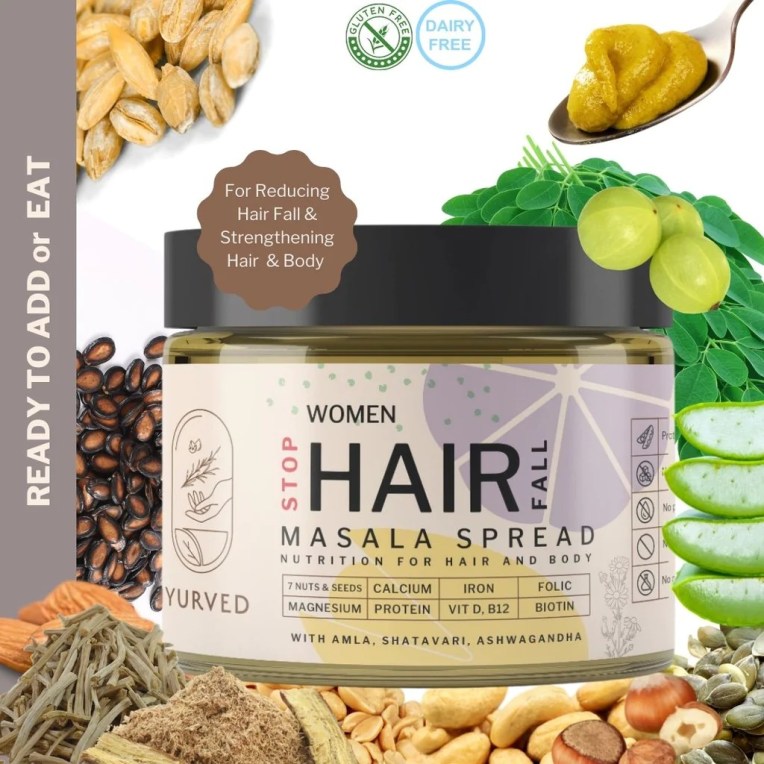
To stop Hair fall & Strengthen Hair & Body, give Women Stop Hair Fall Masala Spread | 0% Preservatives | 0% Refined Sugar | 0% Palm oil | With SHATAVARI, ASHWAGANDHA, AMLA, MORINGA, ALOE VERA | ORDER |


CHECK MORE PRODUCTS FOR:

Immunity, Gut health, Digestion, Weight, Brain development, Speech delay, Epilepsy, Eye health, Hormones, Sleep, Hyperactivity, Bones and Overall growth

foods for breast milk

read more blogs

Health Benefits of Vegetables for Kids

VEGETABLES GOOD FOR HEALTH

A healthy diet should include plenty of vegetables, while variety is just as vital as quantity. Even though you are aware that vegetables are good for health, feeding them to children might be challenging. They prefer eating junk food and sweets over wholesome items like vegetables. However, we must not ignore the vegetables’ health benefits for children and must find a method to include them. Continue reading for suggestions on how to get kids to eat their veggies.

WHATSAPP for concerns like Speech Delay, Low Weight, Frequent Illness, Hyperactivity, Low Concentration, Weak Eyesight, Improper Sleep, Pigmentation, Pores, Face Marks, Fine Lines , Lactation etc.

Why should kids consume vegetables?

Your youngster gets energy, vitamins, antioxidants, fibre, and water from vegetables. They aid in preventing your child from developing chronic illnesses later in life, such as heart disease, stroke, and some types of cancer. So, eating a lot of veggies along with a wide variety of foods from the other major food groups constitutes a healthy diet.

Also check, 6 healthy fibre rich recipes for kids

NUTRITIONAL VALUE OF VEGETABLES

  • Essential minerals including magnesium, calcium, salt, zinc, iron, and many more are abundant in vegetables.
  • Vitamin A, B7, B9, and other B vitamins are abundant in vegetables like spinach, kale, and other dark green vegetables.
  • Potassium is abundant in vegetables like cabbage, broccoli, brussels sprouts, etc.
  • Vegetables have generally higher calcium absorption rates by the body than dairy products.

Also check, 8 Healthy recipes for picky eaters using fruits and veggies

VEGETABLES HEALTH BENEFITS

We all have heard that vegetables good for health. Let’s discuss some of the main benefits of vegetables:

1. Boost immunity: 

Regular vegetable consumption boosts children’s immunity and lowers their risk of catching numerous diseases. By keeping the immune system strong, a healthy gut flora enhances overall health. Additionally, vegetables supply necessary vitamins, minerals, and bioactive chemicals that are also important for sustaining immunity.

Also check, 6 Best immunity boosting drinks in winter for kids

2. Prevent and control diabetes:

One of the healthiest foods for diabetics to eat is non-starchy vegetables. They’ll fill you up because they are rich in fibre and also contain vital vitamins and minerals that assist control your blood sugar.

Also check, 10 Foods rich in fibre to treat constipation

3. Provide energy:

The majority of veggies don’t have a lot of carbohydrates, however a few of them do include enough calories and complex carbohydrates and as a result, act as an energy source. You’ll get an energy boost from some starchy vegetables for a brief period of time, while others digest more slowly and provide you with long-lasting energy.

4. Prevent diseases: 

Consuming a lot of veggies can protect you from cataract and macular degeneration, two main causes of vision loss, as well as heart disease, stroke, blood pressure control, some types of cancer, and diverticulitis, a painful digestive condition.

Also check, Health benefits of fruits for kids

VEGETABLES GOOD FOR HEALTH FOR KIDS

TYPEVEGETABLES LISTBENEFITS
Root vegetablesBeetroot, carrot, turnip, parsnip, potato, sweet potato, yam, taro, raddishPacked with fibre and antioxidants, folate and potassium, and low in calories, fat, and cholesterol. 
Red coloured veggiesTomato, red bell pepper, red lettuce, red cabbage, rhubarb, red onionRich in lycopene and anthocyanin. Lowers the risk of heart disease, safeguard the eyes, and prevent infections.
Green coloured veggiesSpinach, fenugreek, moringa, broccoli, beet greens, watercress, lettuce, kalePacked with vitamins, minerals and fiber but low in calories. Reduce risk of obesity, heart disease, high blood pressure and mental decline.
Purple and deep coloured veggiesBeetroot, eggplant, purple potato, purple asparagus, purple cabbage, cauliflower and bell pepper, yellow pepper, pumpkin, cornProvides fibre, minerals, and vitamins. High in anthocyanin, which protects against heart disease, inflammation, and brain damage.
White coloured veggiesCauliflower, white mushroom, leek, white corn, turnip, raddish, cabbage, gingerRich in fibre and resistant starch. Also rich in potassium and magnesium. Improves digestion and gut health.

HOW TO ENCOURAGE CHILDREN TO EAT VEGETABLES?

  • Make the produce easily accessible. Everything you give your child should be presented elegantly because appearance is crucial.
  • In their three meals, try to incorporate some veggies .Increase the amount of vegetables you use in the meals by being more creative.
  • Let your child choose his favourite vegetables  when you take him to vegetable shops. Give the whole veggies instead of the powdered or paste form. Rather than unhealthy snacks, give your child vegetables like cucumber, carrot etc with tasty seasoning. Create a little vegetable garden because children will enjoy eating what they have grown.
  • Put a variety of hues on your child’s plate to make eating vegetables enjoyable. Take your kids along while you prepare different meals.
  • Whenever your child tries to consume a new fruit, praise him for his efforts so that they tend to eat more.

DAILY VEGETABLE CHART FOR KIDS

Age/GenderServing size (in cups)
2-3 years1
4-8 years1.5
9-13 years boys2.5
9-13 years girls2
14-18 year girls3
14-18 year girls2.5
Daily Vegetable Chart for kids

PRODUCTS:

Make it EASY to feed a daily dose of vegetables, greens, dal, and prebiotics. 1 serving of Veggies and  Dal powder equals 30-50g of fresh food. Helps to provide daily nutrition for Immunity, Brain, Digestion, Bones, Healthy Weight, Height, Eye health and Growth. Get yours now!

India’s First Tasty Kids Nutrition fortified with Ayurvedic herbs

For kids who are picky eaters| Give Daily Nutrition Veggies and Dal powder | Rich in Calcium, Vitamin D, B12, Iron | Made with 100% veggies, greens, sprouted dal | 0% preservative | 0% Artificial Colour | 100% Natural | No refined sugar | ORDER |


CHECK MORE PRODUCTS FOR:

Immunity, Gut health, Digestion, Weight, Brain development, Speech delay, Epilepsy, Eye health, Hormones, Sleep, Hyperactivity, Bones and Overall growth


Read more blogs:

Health Benefits of Fruits for Kids

fruits list

Do you worry that your kid isn’t eating any fruits? Are they still picky eaters despite your best efforts to get them to eat? Fruits health benefits are endless, but despite knowing this fact, are you unable to feed them? Continue reading for suggestions on how to get kids to eat their fruits.

WHATSAPP for concerns like Speech Delay, Low Weight, Frequent Illness, Hyperactivity, Low Concentration, Weak Eyesight, Improper Sleep, Pigmentation, Pores, Face Marks, Fine Lines , Lactation etc.

Why should kids consume fruits?

Fruit supplies nutrients including vitamins, minerals, dietary fibre, and phytonutrients, which keep your kid healthy and prevent chronic conditions like heart disease, diabetes, stroke, and some types of cancer.

Additionally, children are likely to develop a sweet tooth and seek foods like chocolate, candies, and sugary beverages. So, those who want to indulge in desserts, fruits offer a healthy option.

Also check, 8 Healthy recipes for picky eaters using fruits and veggies

NUTRITIONAL VALUE:

  • Fruits include no cholesterol, little fat, and few calories. So, they do not compromise your child’s health.
  • Fruits contain a lot of fibre, which helps your child’s intestinal system stay healthy.
  • Fruits are great sources of vitamins and minerals. Fruits are a great way to increase your child’s intake of potassium. Bananas, oranges, melons, cantaloupe, and other fruits can be added to your child’s diet.

Also check, 6 healthy fibre rich recipes for kids

FRUITS HEALTH BENEFITS

There are numerous benefits of fruits for health. Some of them include:

Cleansing: 

Some fruits, including avocados, blueberries, apples, etc., are particularly good at eliminating toxins from the body and purifying it.

Also check, Apple and banana benefits for kids

Energy:

Natural sugars such as fructose and glucose can be found in fruits. Both of these sugars are concentrated energy sources and can be used as a healthy alternative to processed foods with a high sugar content, such as sweets, colas, and cakes. As a result, obesity can be prevented in children in the long run.

Also check, Preventing obesity: Natural ways to reduce weight

Aids digestion:

Dietary fibre is abundant in whole fruits (with peel). The fruit’s insoluble fibre aids in giving the diet more substance. Additionally, it promotes easy digestive movement. As a result, regular bowel movements are promoted, which prevent constipation.

Also check, Quick fix for weak digestion

Keep gut healthy:

Dietary fibre that can be fermented, such as pectin, inulin, resistant starch, and lignin, are present in whole fruits. The ideal prebiotic support provided by these fermentable fibre helps to improve gut flora and in turn, keeps the gut healthy.

Also check, Role of prebiotic foods for health

Boosts immunity: 

Gut microbiota is improved when fruits  are regularly consumed in the appropriate proportions. By keeping the immune system strong, a healthy gut flora enhances overall health. Additionally, fruits supply necessary vitamins, minerals, and bioactive chemicals that are also important for sustaining immunity.

Also check, What are probiotic foods for gut health?

Bone health and growth:

Fruit aids in acquiring potassium. Fruits are a great source of essential vitamins, minerals, and antioxidants that may also support bone health. 

Also check, Vitamin D, Calcium and kids: Are they building strong bones?

Overall health:

Except for vitamin B12, whole fruits are a good source of almost all vitamins. They are also abundant in bioactive substances such as phenols, flavonoids, and carotenoids as well as minerals. These nutrients contain anti-inflammatory and antioxidant properties that improve overall health.

LIST OF BENEFITS of FRUITS FOR KIDS

TYPE OF FRUITFRUITS LISTBENEFITS
Yellow and orange fruitsOrange, grapefruit, banana,mango, peaches, pineapple, Persimmons,Papaya, starfruit, NectarinesRich in beta carotene and good for the eyes of child
Red fruitsTomato, apple, cranberry, strawberries, watermelon, plumsSources of powerful antioxidants and vitamins. Good for heart health
Green coloured fruitsGreen apple, guava, kiwi, pear, grapes, melon, lime, custardRich in calcium. Supports bone health and growth.
Seasonal fruitsJackfruits, mango, lychee, cherry, pineapple, strawberry.High in nutritional value because they are fresher and consumed closer to the harvesting period

Also check, Hormones happy fruits list for teens and kids

HOW TO ENCOURAGE CHILDREN TO EAT FRUITS?

  • Make the produce easily accessible. Keep clean apples, bananas, and other fruit readily available. Everything you give your child should be presented elegantly because appearance is crucial.
  • Prepare more desserts with fruits in them. In your three meals, try to incorporate some fruits . Increase the amount of fruits you use in meals by being more creative.
  • Let your child choose his favourite fruits  when you take him to fruit shops. Give the whole fruit instead of the fruit juice. Rather than unhealthy snacks, give your child fruit. Create a little fruit garden because children will enjoy eating what they have grown.
  • Put a variety of hues on your child’s plate to make eating fruits  enjoyable. Take your kids along while you prepare different meals.
  • Whenever your child tries to consume a new fruit , praise him for his efforts so that they tend to eat more.

DAILY FRUIT CHART FOR KIDS

Age/GenderServing size (in cups)
2-3 years1
4-8 years1.5
9-13 years1.5
14-18 year boys2
14-18 year girls1.5
Fruit chart for kids

Check Healthy Recipes with Fruits for kids

PRODUCTS:

It’s no SECRET that following an Ayurvedic lifestyle has numerous advantages. This unique collection of Ayurvedic spreads is an easy solution to feed daily nutrition for Immunity, Eye, Brain development, Bone strength and overall growth to kids without any fuss. To know more about kid’s ayurvedic foods – SHOP HERE.

Ayurvedic spread by Iyurved

India’s First Tasty Kids Nutrition fortified with Ayurvedic herbs.

If your child is a picky eater or does not take enough nutrition for the day, you can give Daily Nutrition Chocolate Spread | Made with clinically proven ‘5 Ayurvedic Herbs and 7 Nuts’ | ORDER | 0% preservative | 0% Palm oil |


CHECK MORE PRODUCTS FOR:

Immunity, Gut health, Digestion, Weight, Brain development, Speech delay, Epilepsy, Eye health, Hormones, Sleep, Hyperactivity, Bones and Overall growth


Read more blogs:

Kidney Stones in kids

pain in kidney

Is your child experiencing pain in the kidney, back, or lower abdomen? Or, Do they feel any pain or burning when they urinate? Is the urine pink, red, or brown with blood stains, cloudy, pungent-smelling, or any other of these? Parents! Please don’t ease; these could be indicators of kidney stones.

Kidney stones in children and adolescents have increased in prevalence during the past 20 years. Although children of any age, including premature infants, are susceptible, the majority of stone cases involve teenagers. Continue reading for tips on foods to eat and stay away from to prevent kidney stones.

WHATSAPP for concerns like Speech Delay, Low Weight, Frequent Illness, Hyperactivity, Low Concentration, Weak Eyesight, Improper Sleep, Pigmentation, Pores, Face Marks, Fine Lines , Lactation etc.

WHAT ARE KIDNEY STONES ( ALSO, PAIN IN KIDNEY)?

Kidney stones, which resemble solid pebbles, can develop in a child’s kidney if the level of minerals in the urine is too high. These stones cause pain in kidney and obstruct the natural passage of urine. Kidney stones in children are uncommon, although they are becoming more prevalent. Children typically heal without experiencing any further issues. If precautions are taken or treated properly by a medical specialist, kidney stones seldom result in permanent harm.

Two kidneys, ureters, a bladder, and the urethra make up the urinary tract. Urine contains oxalate, calcium, cysteine, and uric acid, among other chemicals. These chemicals crystallise at increasing concentrations. Smaller crystals migrate through the urinary tract and are eliminated from the body through urine. They settle on the kidney and enlarge if they are not drained out. It hurts as it grows and occasionally prevents urine flow. Stones smaller than 0.2 inches in diameter can readily pass through.

Also check, 10 Foods and home remedies for UTI in kids

CAUSES: 

The reasons for pain in kidney regions or kidney stones may include increased mineral content in urine, urine that is very concentrated, with little water and a high mineral concentration, dehydration or consuming less water, hereditary diseases, a history of kidney stones in the family, urinary tract issues or a recurrent UTI, decreased exercise and raised obesity, a high-protein, high-sodium, or both in the diet.

TYPES OF KIDNEY STONES:

TypesDescription
Calcium stonesMost common among all. Occurs in two forms, calcium oxalate and calcium phosphate.
Cystine stonesOccurs due to hereditary conditions that cause cystine to flow from the kidneys into the urine.
Uric acid stonesThere is a risk of uric acid stones forming if the urine is acidic. These stones are either composed entirely of acid or of acid plus calcium.
Struvite stonesOccurs due to UTI’s. Ammonia is produced by some bacteria during urinary tract infections (UTI). Urine ammonia can lead to the development of stones. Phosphate, ammonium, and magnesium are the primary elements of these stones.

SYMPTOMS:

Back or abdominal pain are some of the main symptoms. Other symptoms include  blood in the pee, also known as hematuria, regularly urinating, sickness or vomiting, the strong need to urinate, UTIs that occur repeatedly or for longer periods of time and fever.

Also check, 8 Common causes for stomach pain in kids

Tips FOR PAIN IN KIDNEY REGION OR KIDNEY STONE:

  1. Drink lots of fluids:

With the exception of grapefruit juice and soda, this encompasses any form of fluid, including water, coffee, and lemonade, all of which have been demonstrated to have positive effects. This will provide a good urine volume of at least 2.5L/day and less concentrated pee production.

  1. Avoid higher intake of salt: 

There might be Increased calcium levels in the urine due to high sodium intake and this increases the risk of developing kidney stones. A low-sodium diet is crucial for regulating blood pressure.

  1. Moderation in protein intake:

A high protein diet will make the kidneys excrete more calcium, which could lead to more kidney stones forming.

  1. Give supplements in only recommended levels:

Supplements such as vitamin C should be given only in recommended amounts by the doctor. Excess supplements may form oxalates.

  1. Eat calcium and Vitamin D rich foods: 

Oxalate levels could increase if your child doesn’t get enough calcium. Instead of using calcium supplements, which have been related to the development of kidney stones, it is recommended to obtain calcium from food. 

Also check, 6 Yummy Calcium rich recipes for kids

FOODS TO AVOID:

  • Salt
  • Animal protein sources such as red meat, pork, poultry and eggs
  • Oxalate rich foods such as chocolate, beet, nut, tea, spinach etc.
  • Colas as they contain phosphates
  • Excess sugar

FOODS THAT HELP WITH KIDNEY STONES:

Lemon:

Citrate, which is found in abundance in lemons and is known to reduce urine acidity, Because uric acid stones can grow and form in urine that is too acidic, lemons and limes are excellent for removing any existing stones. Lemon juice can be consumed after diluting it with water.

Oranges:

Oranges are citrus fruits that contain citrate, much like lemons and limes do. This decreases the acidity of urine and has the same advantages as lemon juice.

Also check, Food to boost immunity-Orange

Milk: 

A great food source of dietary calcium is milk. While calcium intake from supplements is associated with a higher risk of kidney stones, calcium from food sources, such as milk, is associated with a reduced risk.

Also check, 8 Healthy and creamy recipes for smoothies and milkshakes

Nuts and pulses: 

Other excellent sources of dietary calcium that may lower your risk of kidney stones include legumes and nuts. When calcium is ingested from these food sources, it binds with oxalate throughout the digestive tract. As a result, the likelihood of calcium oxalate forming in the kidneys is decreased.

Rice and oats:

Rice and oats are low in oxalates which are suitable for children with kidney stones.

Also check, 6 Nutritious recipes with oats for breakfast or snacks

Lentil, beans and peas: 

These three vegetarian forms of protein are beneficial for people with kidney stones because everyone needs protein to stay healthy and non vegetarian protein sources may increase the risk of kidney stones.

PRODUCTS:

Fix your GUT with these Quick, Easy and Tasty PREBIOTIC Gut Drinks! This flavourful range of prebiotic gut friendly drinks helps with  Digestion, Constipation, Brain development, Allergies, Immunity, Hormonal balance, Acidity and Bloating and even more! Grab yours. NOW!

India’s First Tasty Kids Nutrition fortified with Ayurvedic herbs.

For Constipation, Vomit, Brain Development, Allergies | Family PREBIOTIC GUT DRINK | Made with Guar Beans | Prebiotic Fiber | Plant Sweetener | 0% preservative | 0% Artificial Colour | 100% Natural | No refined sugar | ORDER |

Available in 2 Flavours: LEMON and ORANGE


CHECK MORE PRODUCTS FOR:

Immunity, Gut health, Digestion, Weight, Brain development, Speech delay, Epilepsy, Eye health, Hormones, Sleep, Hyperactivity, Bones and Overall growth

what is the down's syndrome

Read more blogs

Speech Apraxia in Kids

speech apraxia

Babies normally get approximately 50% of their speech development by the age of two, and 75% by the age of three. However these days many kids suffer from speech disorder/delay. Lot of parents have plenty of questions about their child’s developing speech skills. Like “My son is 3 but still not talking clearly!!”; “It seems like he is trying to pronounce the word, but can’t get it out,” and “He spoke that word once, and then I haven’t ever heard it once again”. These may be the symptoms of speech disorder  (or Speech Apraxia). Read on for some remedies and foods that help in Speech Apraxia.

WHATSAPP for concerns like Speech Delay, Low Weight, Frequent Illness, Hyperactivity, Low Concentration, Weak Eyesight, Improper Sleep, Pigmentation, Pores, Face Marks, Fine Lines , Lactation etc.

Feedback from parents

WHAT IS CHILDHOOD SPEECH APRAXIA?

In children with childhood Speech Apraxia, the brain has trouble coordinating the intricate oral motions required to turn sounds into syllables, words into phrases, and phrases into sentences. To speak correctly, your child’s brain must develop the ability to create plans that instruct the lips, jaw, and tongue muscles to move in ways that produce appropriate sounds and words spoken with typical speed and rhythm. The brain, however, finds it difficult to create plans for speech movement in case of speech disorder. The speaking muscles are not weak with this condition, yet they don’t function as they should. There are only 1 or 2 children with speech apraxia out of every 1,000 who see a speech therapist, which is pretty uncommon.

Also check, Speech disorder in kids

CAUSES:

Majority of the times, this disorder of speech has no identified cause. In rare circumstances, brain injury results in speech apraxia. A genetic condition or syndrome, a stroke, or a severe brain injury can all be the reasons for this condition.

SYMPTOMS:

A child with a speech disorder may not always pronounce words the same way each time, have a tendency to stress the wrong syllable or phrase, distort or change the sound of words, or couldn’t say longer words. Additionally, they could struggle with basic motor abilities, delayed language, issues with reading and spelling, or difficulties with writing

Also check, Baby’s milestone: 6 foods that help in walking

REMEDIES FOR SPEECH APRAXIA

Despite the fact that speech disorders cannot be fully treated without medical intervention, the condition can be addressed by simple tips such as:

  • Spend a lot of time communicating with your baby. Sing a song or rhyme and encourage imitation of sound and gesture.
  • Talk slowly and clearly. Use simple and short sentences.
  • Read stories to your child daily. Encourage them to talk to you about the plot and characters, ask them how they think a character could behave, let them ask questions whenever they feel like they’re simply learning how to express themselves.
  • Don’t miss any opportunity and use everyday situations to create communication. Keep on telling the name of different objects around the house.
  • Explain what you are doing as you are cooking, dish washing or cleaning or engage them by saying let’s do this or that.
  • If you are not watching the television, turn it off. The excess background noise can cause delays in the formation of words
  • Let the child lead the conversation.
  • Ask a lot of daily questions and give time to your child to answer questions.
  • Give lots of praise and positive reinforcement while also correcting, instead of criticising the child for not saying the word properly.
  • Encourage your baby to use straw for drinking or just to blow air through it. This helps the child to develop the oral muscles used for speech.

FOODS THAT HELP WITH SPEECH DELAY/SPEECH APRAXIA

Without the brain, there would be no language. The human brain has a few areas that are specific to language processing and production. Adding foods that support brain development can help to improve language development.

NUTS:

All the nuts like almonds, walnuts, cashew, peanuts and hazelnuts are rich in vitamin E and help in boosting memory. They are also antioxidants which protect against cell damage. Walnuts are rich in omega 3 fatty acids and are a valuable substance for brain function, memory and thinking abilities. This fatty acid also encourages cognitive functions.          (Also check, best nuts for protein)

SEEDS:

Apart from nuts, seeds like flax, chia, melon, sesame and pumpkins also contain powerful antioxidants like vitamin E that protect the brain from free radical damage. Sunflower seeds impact overall mood and mental processing powers and therefore it is considered a brain boosting snack. Pumpkin seeds are high in magnesium, copper, and much higher in zinc than other seeds, which help in increasing concentration and memory. One of the easiest to feed brain boosting foods for kids. 

Also check, health benefits of pumpkin seeds for kids

OMEGA 3 FATTY ACIDS:

Multiple studies have shown the link between low omega 3 fatty acids and poor development, ADHD, speech delay, poor focus and concentration. These healthy fats are crucial for brain development and help to manage speech disorder and delay in kids. ( What are some home benefits of omega 3?)

COCOA POWDER

Pure cocoa powder (unsweetened) contains brain boosting components as it is packed with a large number of antioxidants molecules, the main is epicatechin helpful to improve cognition and speech impairment in studies. Hence cocoa powder is also an important brain development food for children. (More benefits of cocoa powder)

ASHWAGANDHA:

Ashwagandha is an adaptogen. It is known to reduce anxiety and stress. Moreover, it increases acetylcholine levels which support better memory, mental focus and intelligence. Ashwagandha also improves communication between nerve cells and stimulates the body’s capacity to heal any nervous system damage.

Also check, health benefits of Ashwagandha for kids and teenagers

BRAHMI:

Brahmi is a superfood for the brain and is believed to sharpen the brain by protecting cells and increasing chemicals associated with learning and memory. It has shown to improve spatial learning and retaining power in kids. That is why in older times, kids were often given Brahmi powder with ghee/honey. This would increase their focus and attention while keeping them calm and distressed.

SHANKHAPUSHPI:

Shankhapushpi is a traditional remedy for increasing the functioning of the brain. The powerful antioxidants and flavonoids present in it improve the memory capacity, focus, concentration, calmness, alertness of an individual. Since it is a brain tonic and stimulator, people taking shankhapushpi have improved memory, reasoning, problem-solving, and other cognitive abilities.

Also check, 7 Foods that help in speech disorder in kids

Products:

It’s no SECRET that following an Ayurvedic lifestyle has numerous advantages. This unique collection of Ayurvedic spreads is an easy solution to feed daily nutrition for Immunity, Eye, Brain development, Bone strength and overall growth to kids without any fuss. To know more about kid’s ayurvedic foods –SHOP HERE.

India’s First Tasty Kids Nutrition fortified with Ayurvedic herbs.

For Kids with Speech Delay or Speech Apraxia, give Kids & Teens Brain Booster Chocolate/ Savoury Spread | 0% preservatives | 0% refined sugar | 0% palm oil | Fortified with SHANKHAPUSHPI, ASHWAGANDHA, BRAHMI | Contains OMEGA 3, PROTEIN | ORDER |


CHECK MORE PRODUCTS FOR:

Immunity, Gut health, Digestion, Weight, Brain development, Speech delay, Epilepsy, Eye health, Hormones, Sleep, Hyperactivity, Bones and Overall growth

what is the down's syndrome

READ MORE BLOGS:

Tips To Help Your Child Gain Healthy Weight

how to gain weight

As frequently as we hear about child obesity. It will come as a surprise to learn that many people have to hunt for tips on how to make kids gain weight or foods for kids to gain weight. In India, 36% of children under the age of five are underweight, 38% are stunted, and 21% suffer from eating disorders. Children that are underweight typically don’t eat much or load up on fast food or snacks. Therefore, a body’s need for key nutrients is never met. Here are some tips to help you understand how to help a child put on a healthy weight.

WHATSAPP for concerns like Speech Delay, Low Weight, Frequent Illness, Hyperactivity, Low Concentration, Weak Eyesight, Improper Sleep, Pigmentation, Pores, Face Marks, Fine Lines , Lactation etc.

Feedback from parents

HOW TO GAIN WEIGHT in kids?

Physical activity:

Encourage your child for physical activities. Indulge them in some sports like swimming, cycling and running which can help to increase their appetite.

Balanced diet: 

Focus on a healthy, well balanced, nutritious diet instead of just thinking about weight gain. Food for kids to gain weight should be nutrient-rich, energy-dense with adequate amounts of protein and carbohydrates. It should include foods from all food groups. Some fruits and vegetables have more calories than you might have thought of. 

Also check, Foods for kids to gain weight

Small meals

Try to give 4 to 5 small meals, despite feeding 3 bigger meals. Also add 2 to 3 healthy snacks which may include fruits, nuts and seeds. They are the best baby food for weight gain. These in-between healthy snacks can help your kid to take in more calories than by eating three bigger meals.

Also check,12 ideas for healthy snacks that kids can make with you

Not skipping meals

Don’t allow kids to skip meals, or at least encourage them to eat something instead of skipping a meal. 

Avoid processed food

Processed and packaged foods often contain added sugar, Salt, unhealthy fats and lose their original nutrients during the food manufacturing process. Discourage your kids for these easily available foods. They won’t favour a child’s health in any positive manner. (How does fast-food impact bones?)

Limited drinks:

Hydration is important for kids. But drinking liquid just before or during meals can affect your kid’s appetite and make them eat less. Studies have shown that drinking water prior to meals can reduce calories intake. (Impact of sugar on the body?)

Proper sleep: 

Proper sleep is utmost important for kids in their overall development. A decent night sleep can make a positive impact on your child’s entire day and on their appetite also. 

Also check, 5 foods that help your child in sleeping well

Creating calm atmosphere for child’s eating:

Kids are most frequently distracted while eating by the television, phone, or computer. You may feel hurried when there are too many distractions, which puts pressure on your infant to eat. In these circumstances, your youngster can also refuse to eat. Having a calm environment will help you and your youngster focus on the task at hand.

Also check, How to reduce screen time in children?

Increase calorie intake:

Some youngsters only consume very little food. So it’s advisable to offer high-calorie foods for toddlers weight gain when increasing the amount of food doesn’t seem to be helping. This will guarantee that your child is receiving the appropriate amount of nourishment. Include items like cream cheese, mayonnaise, full-fat dairy products, and milk puddings.

Also check, Lactation: How to increase weight in babies?

Make the kid’s food easy to eat:

As crucial as choosing the proper diet for an underweight toddler is knowing what your child enjoys and how he prefers to consume it. The youngster can be fed with finger foods that are bite-sized. Serve him his favourite dishes as well to make sure he looks forward to eat his meals.

Also check, 5 best recipes for finger foods

Fixing the child’s mealtime

For your child to develop a regular feeding habit, you must maintain an organised routine for mealtimes. Keeping an eye on the time and giving him meals at regular intervals can aid in his weight gain. If doing so requires removing your child from their current playtime, that’s fine. 

Also check, The weight gain diet plan: 8 recipes to gain healthy weight

WEIGHT GAIN FOODS FOR CHILDREN

Foods to increase weight in children include:

GHEE:

Ghee is a form of clarified butter that originated in ancient India. It’s rich in antioxidants, vitamin A and omega 3 fatty acid, which helps in healthy weight gain among kids, aids in brain development, great for metabolism and keeps the tummy troubles like gas and constipation away. Lactose intolerance babies can also safely consume ghee as the clarification process removes milk solids and decreases the lactose content of ghee. You can start giving a spoonful of ghee to babies as soon as they start weaning off breast milk. Ghee is considered as one of the best foods to increase weight for babies. (How to make medicinal ghee at home?)

PANEER(COTTAGE CHEESE):

It is a form of Indian cottage cheese, high in protein, phosphorus, calcium and selenium. The fat present in paneer provides the essential nourishment that is required for a kid’s healthy development. It also has a good amount of vitamin A which aids in night vision and provides healthy skin. 20 gram of paneer has 90 calories hence it helps underweight kids to gain weight. It is one of the best weight gain foods for kids. 

Also check, Recipe of Soya chilli paneer

FULL FAT YOGURT:

Yogurt being high in calcium and protein aids in building strong bones, which leads to weight gain. It also helps in digestion as it has good bacteria (probiotics). Adding curd rice to your kid’s diet which has 179 calories in just ½ cup, can help them to gain healthy weight. (Easy and tasty probiotic recipe)

SWEET POTATO:

It is not only the perfect first food for babies but also one of the best baby foods to increase weight. Sweet potato provides a good dose of calories as per 100gm it contains 86 calories. It is also loaded with calcium and iron, both of which are vital for an overall kid’s growth. Sweet potatoes are low in saturated fats and high in dietary fiber, magnesium, potassium, vitamin A, B6 and C. It has antioxidants like catalase, zinc superoxide, which prevent inflammation and help to increase weight. All these nutrients make it one among the best weight gain foods for kids.

Also check, Laddu recipe with sweet potato

PEANUT BUTTER:

Peanut butter is a rich source of unsaturated fats, protein, B vitamins, iron, folic acid and fiber. It is an excellent food for weight gain as it has 62 calories per tablespoon.  Add peanut butter to the kids meal either by spreading on bread or on wraps. Many kids like peanut butter with apples too. (30 reasons why peanuts help kids?)

RAGI (FINGER MILLET): 

Ragi is loaded with protein, calcium, fibre, vitamin B2, vitamin B6 and it is the food for kids to gain weight. With around 130 calories per ½ cup, it also strengthens the bones, teeth and aids digestion. Ragi can be given as ragi porridge, kheer or in the form of flat bread. 

Also check, 6 quick and healthy recipe for ragi flour

PULSES:

All pulses are high in calories and considered as baby food for weight gain. They are rich in protein, calcium, iron, dietary fiber, magnesium and potassium which plays an important role in the overall development of kids. Moong dal (mung bean) and urad dal (black gram) are the best options, if you are looking for weight gain foods for kids. Urad dal contains fatty acids that help in brain development too. According to ayurveda, urad dal can help to gain weight because of its Guru (heavy) and Balya nature. (Ayurvedic herbs for kids body, brain, bones and immunity)

ALMONDS:

Almonds are a powerhouse of nutrients like vitamin A and vitamin E, protein, calcium, magnesium, fiber, phosphorus and fatty acids. High fiber content of almonds aids in digestion. Almonds have 170 calories in one ounce (30 gram), which makes it one of the best healthy weight gain foods for kids. Almonds can be consumed in many ways by Kids.

Roasting almonds and dipping them in chocolate makes a great snack for kids to eat any time during the day. Almonds can also be made into a butter for spreading on bread or grinding into a flour to make cookies or add to cake batter. Roasted almond powder can also be added to porridge. Roasting Almonds does not impact the nutritional value of the nut. (6 reasons why kids should eat almonds everyday).

Products:

It’s no SECRET that following an Ayurvedic lifestyle has numerous advantages. This unique collection of Ayurvedic spreads is an easy solution to feed daily nutrition for Immunity, Eye, Brain development, Bone strength and overall growth to kids without any fuss. To know more about kid’s ayurvedic foods –SHOP HERE.

India’s First Tasty Kids Nutrition fortified with Ayurvedic herbs.

If your child is underweight according to his/her age or has less appetite, you can give Kids and Teens WEIGHT Savoury Spread | 0% preservative | 0% Palm oil | 0% Refined sugar | Made with Ashwagandha, Mulethi, Turmeric, Shalaki, Brahmi | ORDER |


PARENT REVIEWS: LET’S HEAR FROM SPURTHI RAMESH, BENGALURU

Some parents have been kind enough to share their journey with us. Let’s hear them to closely understand the benefits of Ayurvedic spreads by Iyurved.

Check here to know how Spurthi helped her child gain healthy weight.

CHECK MORE PARENT REVIEWS HERE.

To get your doubts or queries answered by Nutrition expert, whatsapp us.


CHECK MORE PRODUCTS FOR:

Immunity, Gut health, Digestion, Weight, Brain development, Speech delay, Epilepsy, Eye health, Hormones, Sleep, Hyperactivity, Bones and Overall growth
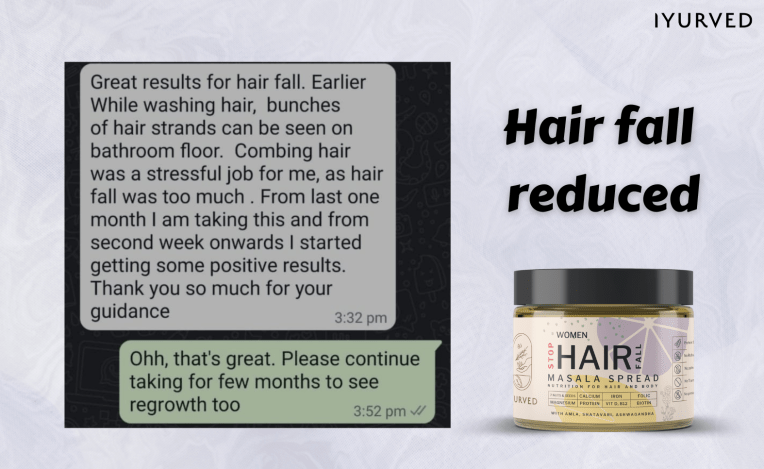
what is the down's syndrome

READ MORE BLOGS: